

BUENOS AIRES — Diego Armando Maradona, the footballer who lifted Argentina to a World Cup and Napoli to heights it has never reached again, died on Wednesday at his home outside Buenos Aires. He was 60. Authorities said the cause was a heart attack; he had undergone surgery for a blood clot on the brain earlier this month.
President Alberto Fernández declared three days of national mourning, and within hours crowds were gathering at the Obelisco in Buenos Aires and outside the stadium that bears his name in Naples — two cities, 11,000 kilometres apart, that claimed him as their own.
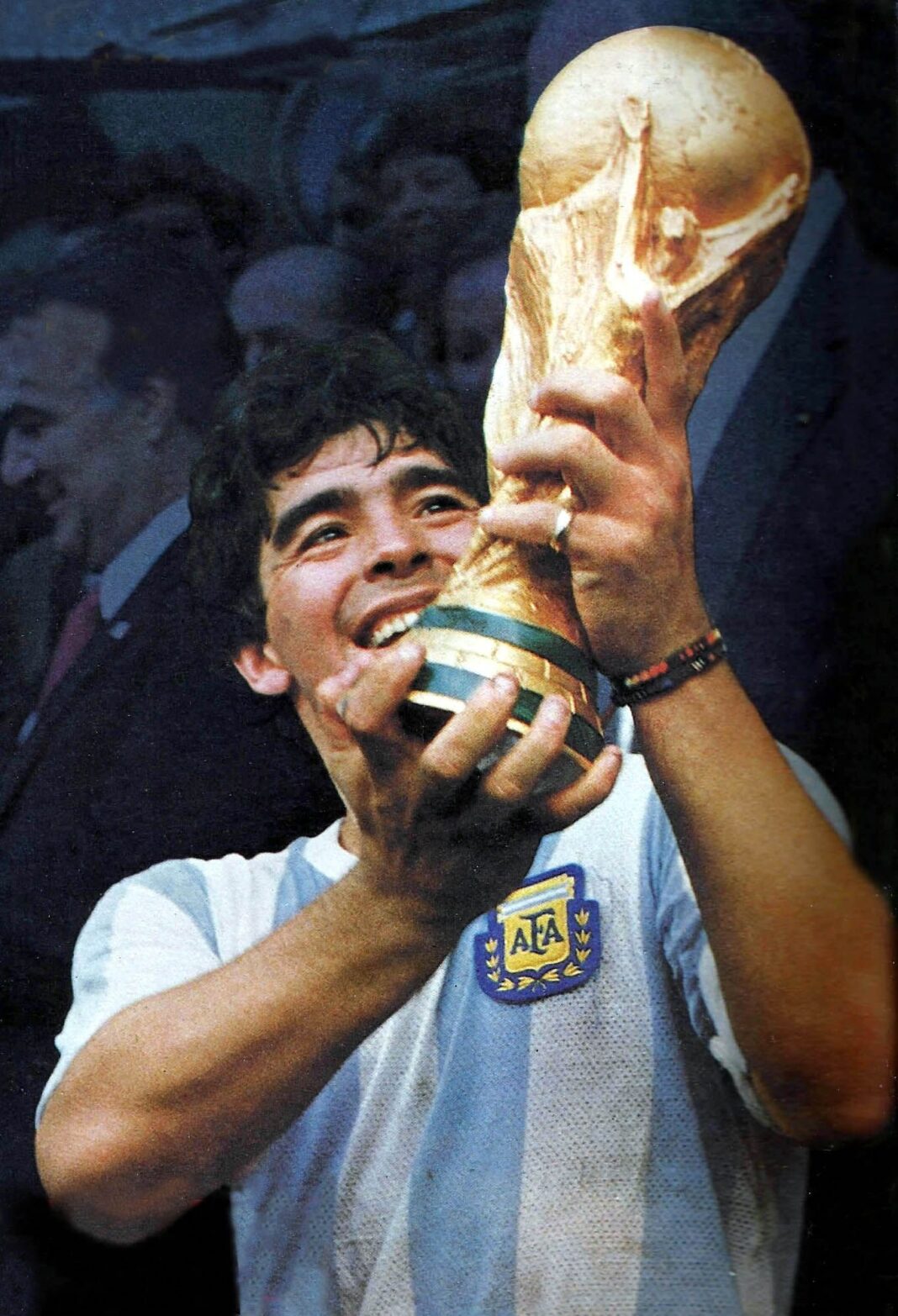
Maradona’s career compressed more brilliance and more chaos into one life than seems possible. At the 1986 World Cup in Mexico he scored both the most infamous goal in the tournament’s history, the “Hand of God” against England, and minutes later its most celebrated, slaloming past half the England team in what was later voted the goal of the century. Argentina won the trophy, and Maradona won the Golden Ball.
At Napoli, a club that had never won the Italian league, he delivered two championships, in 1987 and 1990, and a UEFA Cup. The city adored him with an intensity that outlasted his departure; tributes there continued long after midnight.
The later years were harder: cocaine addiction, expulsion from the 1994 World Cup, health crises and public scandals. But the mourning on Wednesday was for the player — the small, left-footed genius from the Villa Fiorito shantytown who, for many, remains simply the greatest who ever played.
Media-Society.com is a press network association based in Spain, founded in 2020. More at www.media-society.com.