
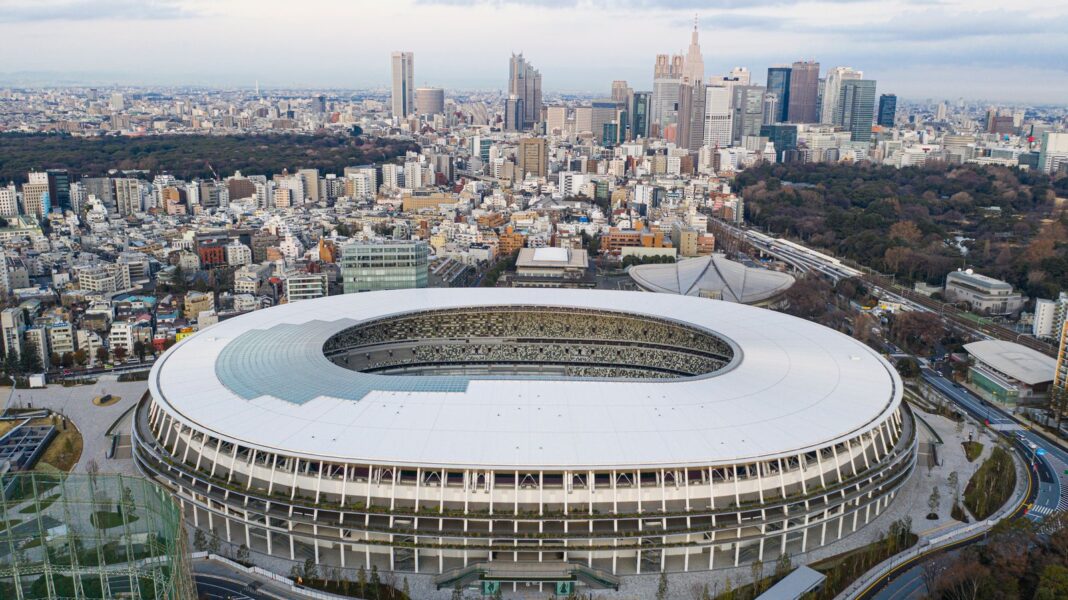

TOKYO — The Olympics that were postponed, protested and pronounced impossible ended on Sunday night with a closing ceremony in an almost empty National Stadium. After seventeen days of competition, the flame went out in Tokyo and the flag passed to Paris, which will host in 2024.
These were the first Games held without spectators, and the strangeness never fully wore off: medal ceremonies in silence, roars piped through loudspeakers, families watching from other continents. Yet the sport itself, when it finally came, delivered. Italy’s Lamont Marcell Jacobs took the 100 metres in a European record; two high jumpers agreed to share gold; skateboarding and surfing made their Olympic debuts.
The host country had its own consolations. Japan won 27 gold medals, a national record, including a baseball title that mattered deeply at home. Public opinion, hostile before the opening ceremony with polls showing most Japanese opposed to holding the Games amid a coronavirus surge, softened noticeably once the competition began.
The bill, however, is real. Tokyo 2020 cost at least 13 billion euros by official accounting — roughly double the original bid estimate — and the pandemic added a year of expense and a state of emergency during the event itself. The long argument over whether it was worth it will outlast the athletes’ departure.
Sunday’s ceremony made room for a look ahead: Paris staged its handover partly from the Trocadéro, promising in 2024 an opening ceremony on the Seine. After the Games of closed doors, the promise of crowds has rarely sounded so sweet.
Media-Society.com is a press network association based in Spain, founded in 2020. More at www.media-society.com.