

The Shinkansen hadn’t even left the station yet, and I was already taking pictures in my head. While passengers stepped off, the cleaning team moved through the carriages behind them — wiping everything down, spinning every seat back around to face forward. My friends and I had come for a train famous for going fast. What stayed with me was watching what happens while it stands perfectly still.
That journey was one piece of the week I spent in Japan with the MIRAI friendship programme. From 16 to 22 December 2022, our group travelled through Tokyo, Osaka and Kobe to see how the country approaches business, education and culture. I had wanted to visit Japan for years — I hope to work with Japanese companies one day — and I arrived carrying a head full of questions about how people there take an idea and actually turn it into something.
My MIRAI experience had started online. Those sessions gave me a window into the work and outlook of organisations like NEC and Sophia University, and they gave me the other participants — people from all over, first met as faces in boxes on a screen. Talking through a screen works, up to a point. Travelling together was something else entirely: the conversations simply kept going — on the bus, after the visits, while we figured out unfamiliar streets.
Our guides made all of that easier. Between stops they told us about Japanese culture and daily life and fielded whatever questions we threw at them. I was grateful for every one of those conversations. You could ask about something you had seen ten minutes earlier, while the details were still fresh.
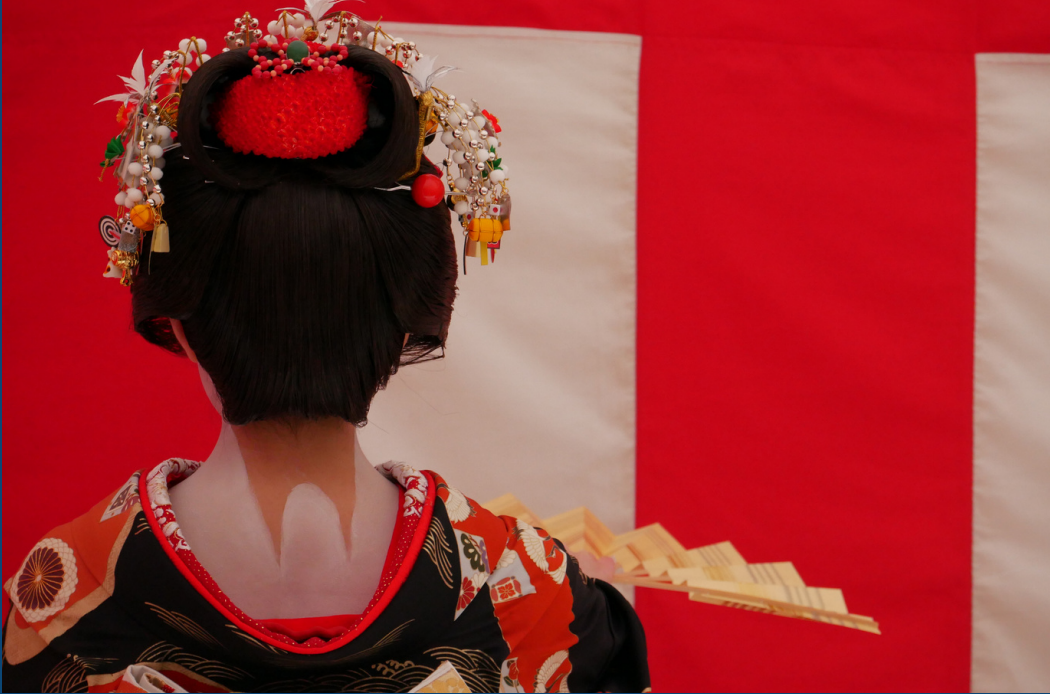
In Asakusa I mostly wandered with my camera. All week, really, I was photographing architecture, food, people, ordinary street scenes. Colour and form pulled me in, but I also wanted to remember the life happening around each image — where we had gone, what people were doing, what we had just learned. I filmed little videos as well: the journey, the street life we passed through.
The institutional visits scratched a different itch. At Kobe University I could finally see the academic setting behind a programme I had only ever known through a laptop. Everywhere we went we met people working in education, business and innovation, and hearing them explain their work beat reading about it at home by a mile. Somewhere in the middle of those visits, the idea of working on a project in Japan stopped feeling abstract.
The Tokyo Stock Exchange was the stop I had circled first. My father spent years in stockbroking — finance is family history, in a way — yet I had rarely had the chance to see an exchange from the inside. During our tour I watched an IPO ceremony and tried to soak up everything around it. Personal curiosity and the whole point of the trip shook hands right there.
And then the trains again. Once we were actually aboard the Shinkansen, the ride was almost suspiciously smooth. The countryside rolled past the windows; at one point Mount Fuji appeared and we all pressed against the glass. At Shin-Osaka station I grabbed an ekiben — a boxed meal made for travellers, eaten on the train — and the whole thing felt wonderfully Japanese. Best of all was sharing it with people I had first known as names on a screen. We talked, we stared out of the windows, we compared what each of us had noticed.
I also carried an extra job that week: team leader. Together we built a presentation about the visit — all our different experiences folded into one shared account. The places we had seen, the people we had met, the ideas we wanted to carry forward. On 21 December we presented it at Japan’s Ministry of Foreign Affairs. Standing up and speaking there was the perfect end to the week; I was so proud of what our group had made together.
A programme like MIRAI opens doors you simply cannot open yourself, and I felt the preparation behind every single visit. At the same time — a week is a week. No seven days can show you a whole country. What they gave me was a beginning: threads to follow, conversations to continue. I flew home wanting to know more about the people and organisations we had met, and about how we might work together.
Back in Belgium, I reached out to the Japanese Embassy, and I have stayed in touch with the others — people now working or studying in politics, culture, business and diplomacy. Of everything I brought back, the friendships weigh the most. They are how we keep exchanging ideas long after the scheduled visits have ended.
My photos still bring specific moments back: a street scene, a face in a crowd, the view from a train window. If they make someone else curious about the places and people in them, even better. As for me — stay in contact, keep asking questions, and one day go back to Japan with a project of my own.