


Ankara — International observers delivered their verdict on Turkey’s presidential and parliamentary elections on Monday: a hard-fought, technically well-run vote played out on a tilted field, in a country that turned out in enormous numbers and now faces two more weeks of campaign before a presidential runoff.
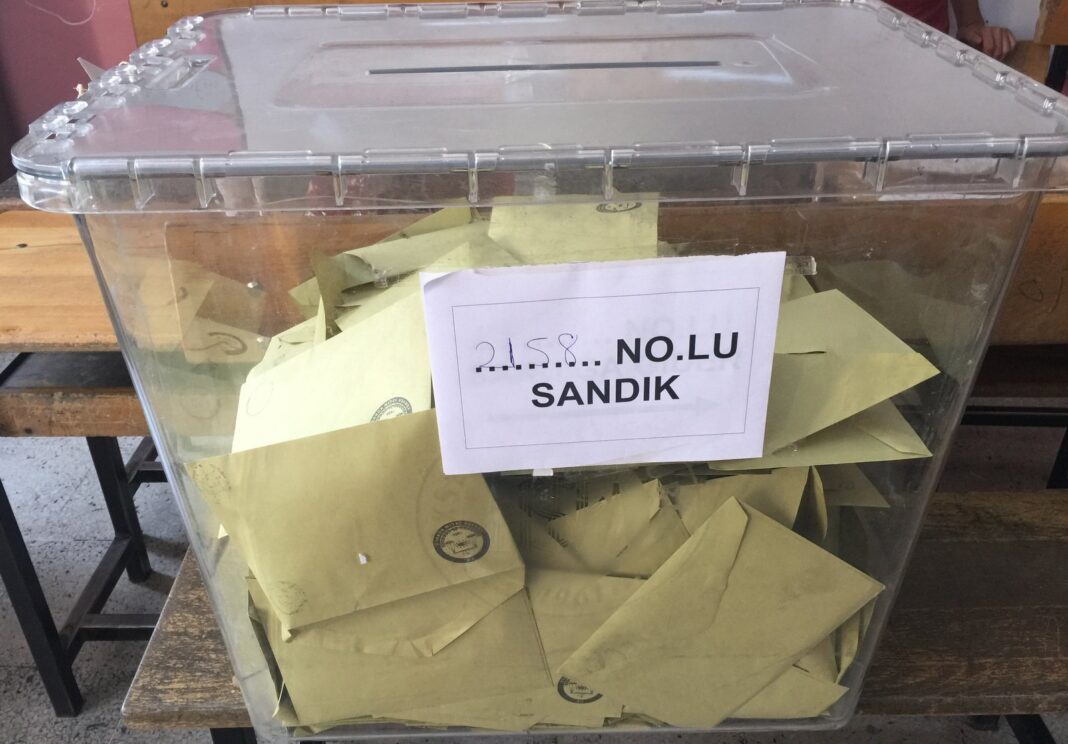
Some 401 observers from 40 countries — deployed by the OSCE’s ODIHR, the OSCE Parliamentary Assembly and the Council of Europe’s assembly — watched the 14 May vote, in which turnout reached 88.8 per cent of more than 61 million registered voters at home and over 3.5 million abroad. President Recep Tayyip Erdoğan finished first with 49.5 per cent; opposition candidate Kemal Kılıçdaroğlu took 44.9 per cent; the runoff is set for 28 May.
“Turkey’s elections were competitive but still limited,” said Michael Georg Link, heading the ODIHR mission, presenting the preliminary findings in Ankara. The observers praised the administration of election day and genuine voter choice, but criticised the incumbent’s unjustified advantage in media coverage, the use of state resources for campaigning, and continued restrictions on fundamental freedoms — including the imprisonment of journalists and a leading opposition figure.
The mission noted that the vote took place three months after earthquakes that killed more than 50,000 people and displaced millions, and commended the effort to enfranchise survivors — while recording that many displaced voters still could not cast ballots. Allegations of irregularities at some counts were being adjudicated, the observers said, and the process remained transparent overall.
The ‘competitive but limited’ formula is one ODIHR has applied to Turkey before, and the government’s reaction was also familiar: officials dismissed the criticism as interference and pointed to the turnout as the truest verdict. That turnout is real — Turks queued before dawn on Sunday — and it coexists, the observers insist, with a media landscape in which the state broadcaster gave the president hours and his challenger minutes.
Both remaining candidates have accepted the observers’ presence for the second round. Whatever happens on 28 May, one number from Sunday is beyond spin: nearly nine in ten eligible Turks voted. An electorate that engaged, the mission’s statement implies, deserves institutions that meet it halfway.
Media-Society.com is a press network association based in Spain, founded in 2020. More at www.media-society.com.