

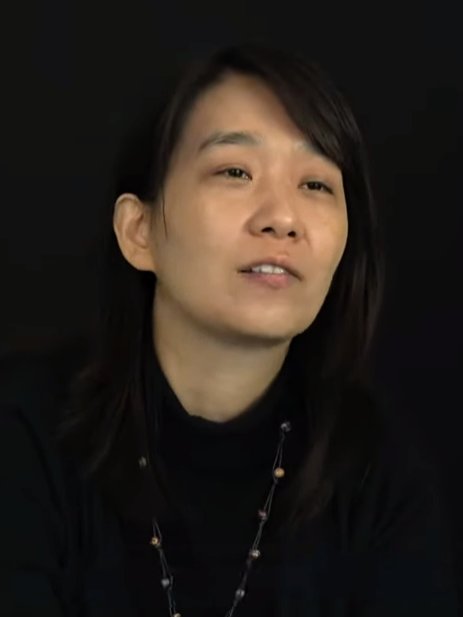

STOCKHOLM — The Nobel Prize in Literature 2024 has been awarded to Han Kang, the South Korean novelist, for what the Swedish Academy called her intense poetic prose that confronts historical traumas and exposes the fragility of human life.
Han, 53, is the first South Korean to win the literature prize, and the first Asian woman laureate in the category’s history. International readers know her best for “The Vegetarian” — the disturbing, three-part novel about a woman who refuses to eat meat, which won the International Booker Prize in 2016 in Deborah Smith’s translation and became a global phenomenon.
But the Academy pointed equally to her later work: “Human Acts”, her novel of the 1980 Gwangju massacre, in which the military crushed a pro-democracy uprising, and “The White Book” and the recent “We Do Not Part”, meditations on grief and on the Jeju island massacres of 1948. Her subject, again and again, is what violence does to bodies — and what remembering does to survivors.
In Seoul, the announcement was greeted as a national milestone: a literature that spent the twentieth century in the shadow of colonisation, war and division now holds its highest international honour. Bookstores reported immediate sell-outs of her titles.
Han, who grew up in Gwangju itself, has said she writes to bear witness. On Thursday she became the eighteenth woman to take the prize — and, at 53, one of the youngest laureates of the modern era, with decades of writing still ahead.
Media-Society.com is a press network association based in Spain, founded in 2020. More at www.media-society.com.