

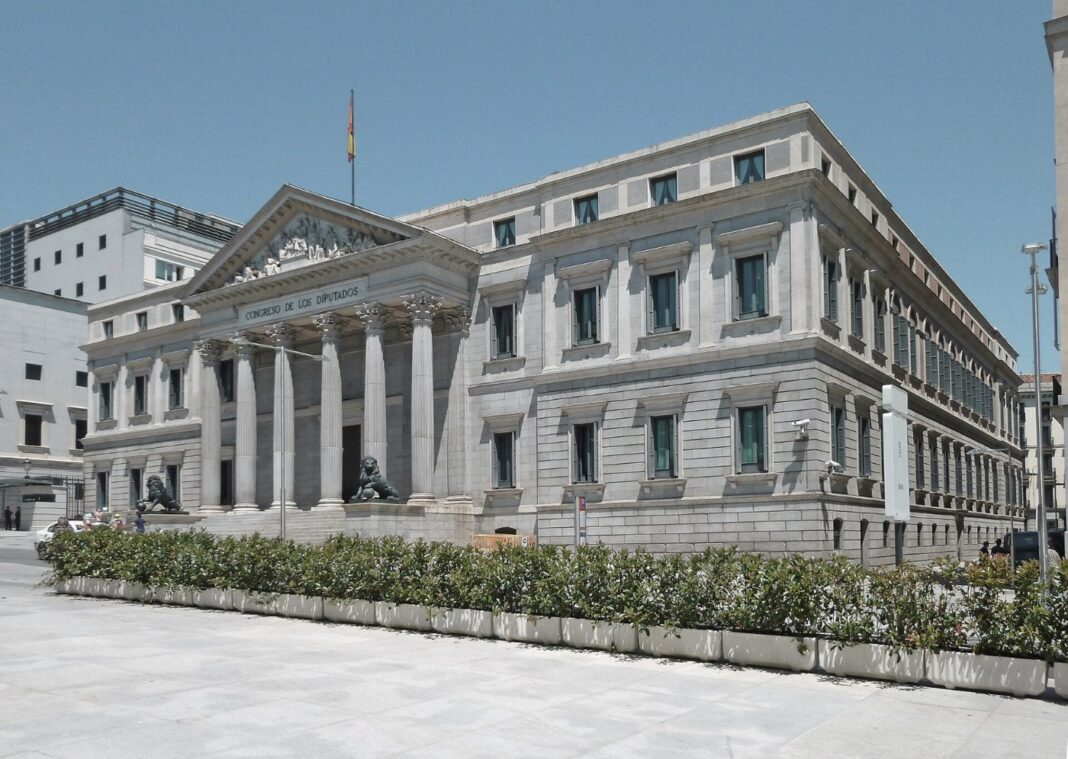

MADRID — On Tuesday the Spanish cabinet approved a royal decree that will put residence and work permits within reach of roughly half a million undocumented migrants. It entered into force on Wednesday; from today, applications are open until 30 June. In a Europe where governments compete to sound toughest on migration, Spain has just done the opposite — on purpose, and in writing.
The rules are simple by the standards of immigration law. Anyone who was in Spain before 1 January 2026, can prove five months of continuous residence and has no criminal record may apply; asylum seekers with a pending claim filed before that date qualify too. Successful applicants receive a one-year permit, with five years for their minor children, and the right to work legally from the moment the application is admitted. The government expects around 500,000 people to qualify; some lawyers put the real figure closer to 800,000. Either way, it is the largest regularisation here since 2005, when Zapatero’s government legalised more than 570,000.
What is easy to miss is where the decree came from. Not from a ministry white paper, but from a popular legislative initiative that gathered more than 700,000 signatures — backed by some 900 organisations ranging from business associations to the Spanish Bishops’ Conference, a breadth no citizens’ initiative in Spanish democracy had achieved before. Congress voted to take it up in April 2024 by 310 votes to 33, with only the far-right Vox against. Then parliament stalled for nearly two years, and the government finally reached for the royal decree to do by regulation what the chamber would not do by law.
The timing has drawn fire. The PP and Vox accuse Pedro Sánchez’s fragile coalition of staging a distraction — from corruption cases touching his party, from January’s deadly train crash at Adamuz, from a government visibly running out of road. Inclusion Minister Elma Saiz answered with the beneficiaries themselves: people who “live among us, with sons and daughters who attend school with our children”, and who can now “fully enjoy their rights and fulfil their obligations”. Spain has run six regularisation processes since 1986, covering some 1.3 million people, under governments of left and right; the evidence from those rounds, the ministry argues, points to gains in employment, tax revenue and social cohesion.
None of that will settle the argument, and it isn’t meant to. Regularisation is a bet: that legalising the people who are already here beats pretending they are not. While neighbours build border walls and offshore detention, Spain is registering half a million workers, taxpayers and parents. The window closes on 30 June. The experiment it opens will run for years.