Food aid cutback in the occupied West Bank as health fears grow in Gaza
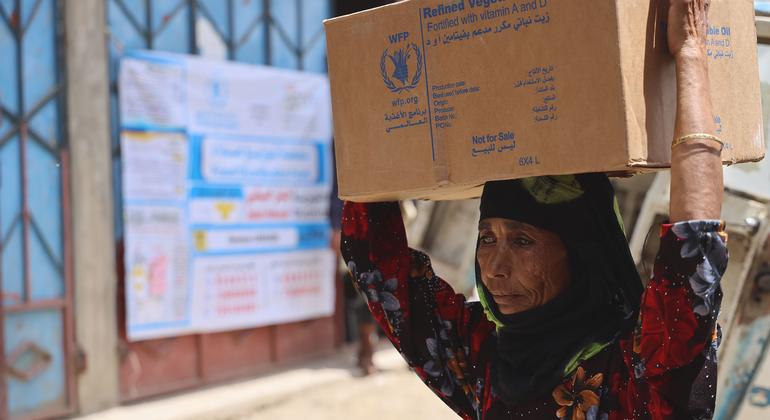
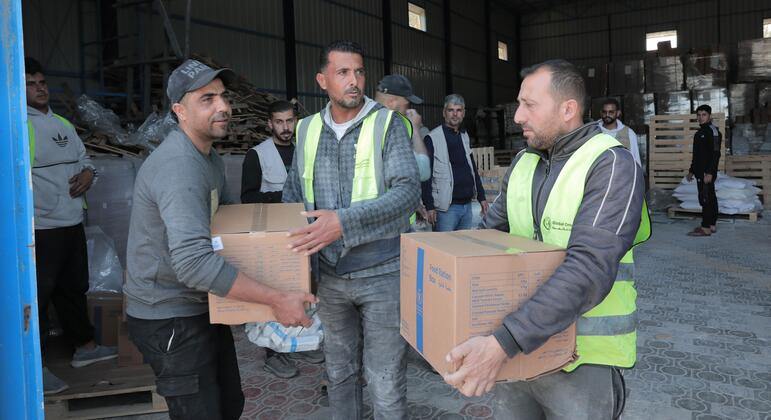
“We’re running out of funding, and that means that from today, some 200,000 people will lose access to critical assistance,” Shaun Hughes, WFP country director for Palestine, told journalists in Geneva on Tuesday.
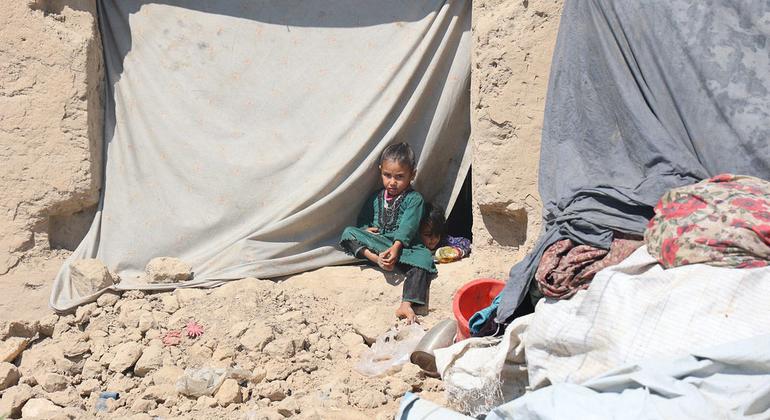
He said intensified settler violence and escalating Israeli military operations alongside severe movement restrictions, demolitions and widespread displacement “have eroded Palestinian livelihoods and contributed to increased food insecurity”.
Pushed to the brink
At the same time, a crippling economic crisis “is pushing people to breaking point”, with unemployment more than doubling and over a third of the population struggling to meet their basic needs.
“Food may be available in the markets, but people simply cannot afford it,” he said, speaking from London.
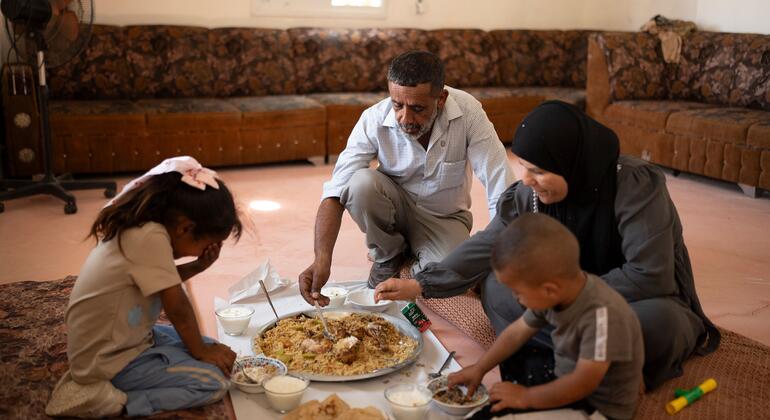
Today, nearly a million people across the West Bank – over a quarter of the population – are now food insecure, he said, adding that “two years ago, that figure was 11 per cent.”
Families ‘in a chokehold’
During recent visits to the territory, Mr. Hughes saw families that used to earn a living from the land “now forced from their homes, their livelihoods destroyed” and facing incredible injustice and hardship.
“They now find themselves in a chokehold, unable to move freely to access land or jobs and so unable to afford food for their families,” he said.
In response to journalists’ questions, he said that the West Bank was not traditionally considered to be experiencing a food crisis, but that increasing pressures were exacerbating food insecurity.
He added that the very small cash transfers that WFP provided – about 50 shekels per person per month (less than $20) – had become a “real lifeline” for many people and would now be cut off due to the funding shortfall.
Gaza: Don’t look away
Turning to the Gaza Strip, Mr. Hughes said that WFP was also forced to reduce its cash assistance to 75,000 families in July.
He stressed that the recent slight improvements in food security indicators reported last month “should not create a false sense of security” as two thirds of the population still face critical and emergency levels of hunger.
He warned that if humanitarian food aid does not continue, “up to 90 per cent of the population will face high levels of acute food insecurity by the end of this year.”
WFP requires $386 million to avoid any further reductions in assistance provided in Gaza and the West Bank over the next six months, he said, urging continued international support and solidarity.
“As global crises multiply and domestic fiscal interests take over, there is a real danger that the world’s attention moves on from Palestine, but the needs of Palestinians, both in the West Bank and in Gaza, have not moved on,” he said.
“Now is not the time to look away.”
Looming health crisis
From inside the Gaza Strip, the World Health Organization (WHO) representative in Occupied Palestinian Territory voiced concern about the security situation as airstrikes continued despite the ceasefire last October.
Dr. Renee van de Werdt was in Gaza City on Monday, where a nearby strike killed several people.
This was her sixth visit to the Strip, and she painted a grim picture of “endless piles of rubble” and “overcrowded” and flimsy tents.
‘Unacceptable’ water situation
She highlighted the catastrophic water situation in the enclave, noting that trucking is usually used in the immediate aftermath of disasters and crises.
“It is really unacceptable to see in Gaza, almost three years in, that these trucks are still the lifeline most Gazans depend on,” she said.
Contamination concerns
Dr. van de Werdt expressed grave concern over both the quantity and quality of water reaching the population. She said microbiological contamination has “almost tripled” since January due to the extremely limited testing capacity in the Strip.
“The laboratory capacities in Gaza remain very, very, very limited,” she said.
“We can only detect and track essential microbiological contaminants. We do not have the ability to detect and track other contaminants that are likely to be present in the water and in the environment.”
Dr. Van de Weert said that the number of acute watery diarrhoea cases has nearly doubled from about 30,000 in March to more than 58,000 in August.
The water and sanitation situation is likely to worsen during the winter months, with sewage water flowing and emitting odours throughout densely populated areas.
Medical progress and challenges
In positive developments, WHO has noted a marked improvement in medical and clinical care in Gaza but this progress “has not been fast enough and also not equal”.
She estimated that more than 6,600 people require long-term care after having their limbs amputated, yet no prosthetic or artificial limbs “that would allow people, including many children, to walk and live in some dignity, have entered Gaza since May 2024.”
She said that as of July, only 12 per cent of people who have lost limbs since October 2023 had received prosthetics.
Dr. Van de Weert stressed the need to protect fragile health gains and prevent disease outbreaks “at all costs”.
“Unfortunately, we know what’s coming, but we still have time to prevent a public health disaster within this disaster,” she said.