Belgian Test Finds Tesla FSD Speeding in Brussels 30 km/h Zones
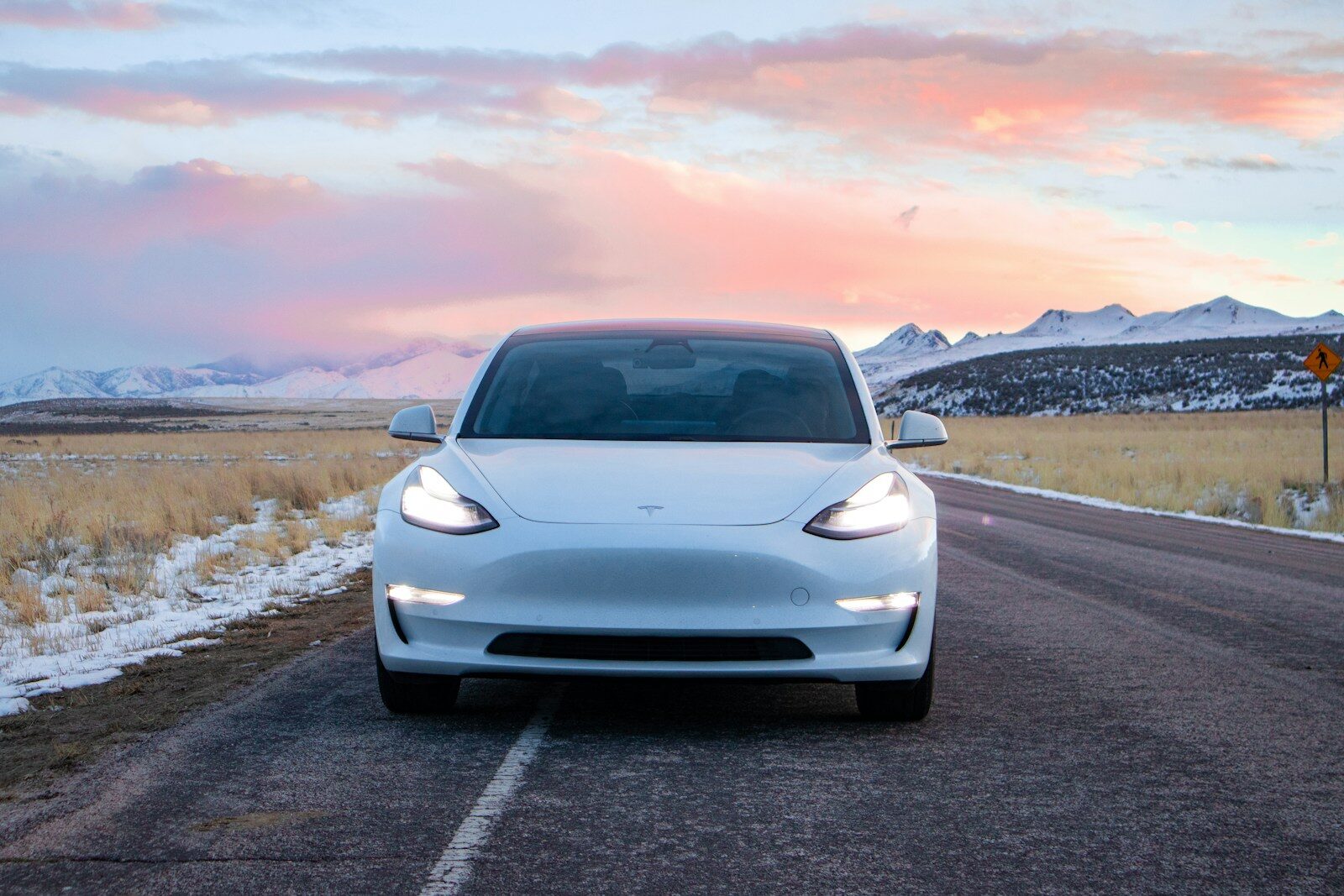
Tesla FSD Tested in Belgium
The camera saw the 30 km/h sign. The screen told the driver 50. That mismatch kept repeating during a Belgian road-safety group’s test of Tesla’s supervised Full Self-Driving (FSD) system, and the group says the car often drove to the wrong number. The findings land weeks before a possible EU-wide vote on the software.

Key Takeaways
- Johanna.be tested FSD for three days in July over about 400 km (249 miles), and found it exceeded the limit in most 30 km/h segments around Brussels, averaging 44 km/h.
- The system often showed a 50 km/h limit even after recognizing 30 km/h signs, and videos show it trying to overtake cyclists where overtaking is banned.
- The EU could vote on bloc-wide approval of FSD on October 6, while Sweden and other member states have raised concerns about speeding.
Wrong Numbers on the Screen
Johanna.be campaigns for pedestrian and cyclist safety. Its team logged repeated problems in 20 km/h and 30 km/h zones, where FSD frequently drove above the limit.
The display added to the problem. Even when the car’s screen showed that the system had recognized a 30 km/h sign, it often listed the limit as 50 km/h. The group says that could mislead drivers about the correct speed.
“It is akin to a passenger constantly reassuring the driver that the speed limit is 50 km/h in nearly every 30-zone through which they pass,” the report said.
That matters in Brussels, where 30 km/h is the default limit across the capital region except on certain main roads with their own signs.
Cyclists and Courtesy
Videos collected by Johanna.be show the FSD-equipped Tesla trying to overtake cyclists on streets where that is not allowed.
The report was not all negative. It found that the system “behaved cautiously and courteously around pedestrians and cyclists, often yielding proactively.” However, the group concluded that those strengths “do not offset the documented failures to comply with speed limits and cycle-street regulations.”
Belgian Officials Back the System
The Flemish government’s transportation ministry approved FSD in Belgium earlier this year. Its spokesperson, Xavier Lesenne, called FSD “a learning system that continuously processes new and additional information” that adapts over time.
Lesenne stressed that the driver “remains 100% responsible” and must be ready to take over “should the system make an error or fail to correctly apply a traffic rule.” He added that data from Tesla shows the technology “holds significant potential for accident prevention today.”
Tesla and the Dutch regulator RDW did not respond to requests for comment. Earlier this month, Tesla published a study saying FSD-enabled cars do not speed excessively and keep pace with surrounding traffic.
Europe’s Split on FSD
FSD handles most driving tasks but requires constant driver attention. The Netherlands became the first country to approve it when RDW granted Tesla’s first European approval in April. Belgium and a handful of other countries followed. Countries that approved it say drivers stay responsible for obeying traffic laws.
Others are less convinced. Sweden has formally urged the EU to reject FSD unless Tesla removes a driver-set Speed Offset that lets the car exceed posted limits. Bloc-wide approval needs support from 55% of member states representing 65% of the EU population, so a few holdouts can matter. The European Transport Safety Council has also questioned whether FSD can follow road rules that differ from country to country.
Tesla’s own evidence faces doubts as well. Independent researchers told reporters in June that safety figures Tesla gave to Dutch and Swedish regulators, including a claim that FSD could have saved 32,000 lives, were built on misleading comparisons. Real-street tests like the one in Brussels give regulators something that data does not: a record of how the car actually behaves where pedestrians, cyclists and 30 km/h signs share the road.
Written by Alius Noreika