Hantavirus: from the Andres strain to the lethality rate, the lexicon to understand the words that circulate with this virus
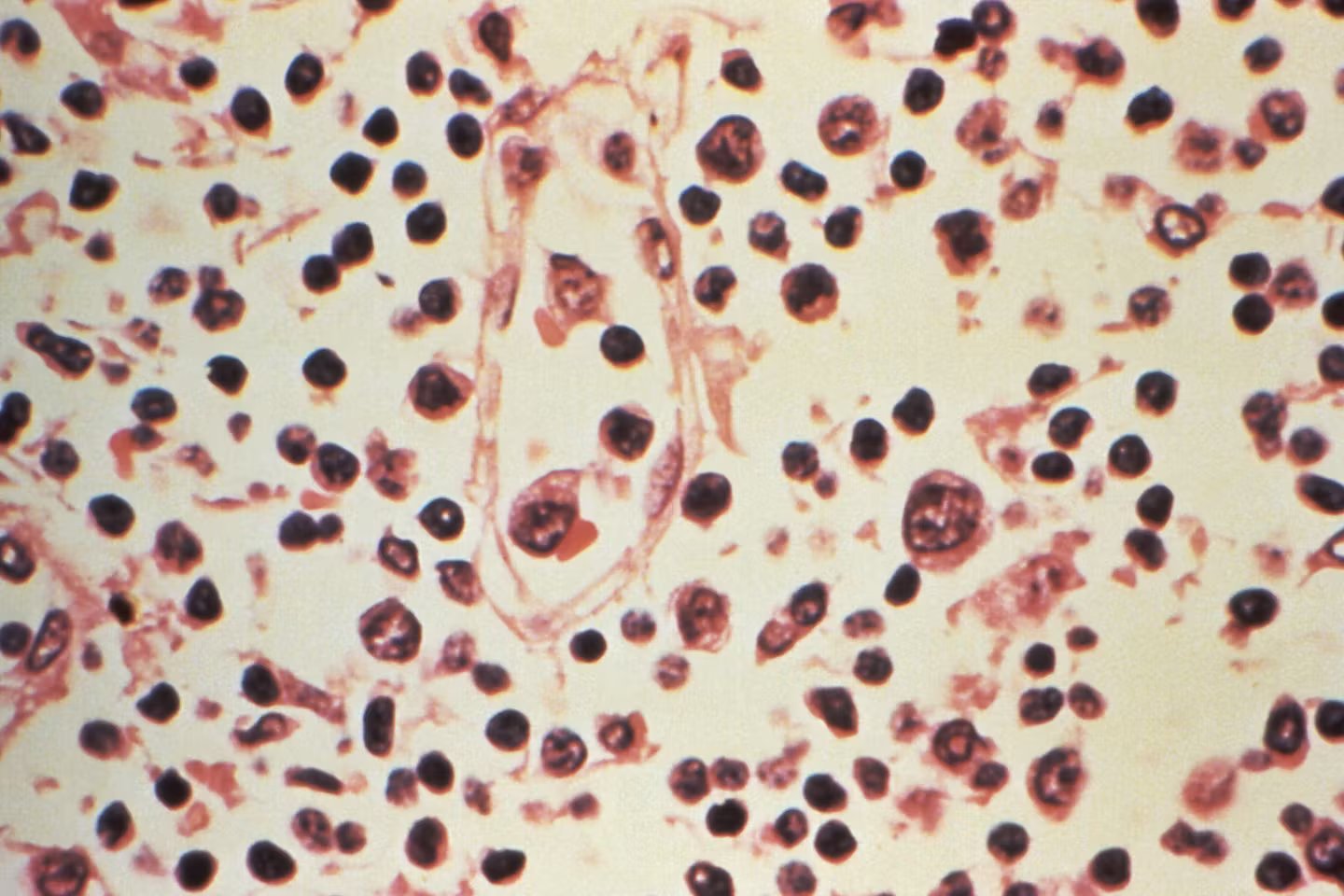
The term “hantavirus” has just made a sensational entry into our daily lives. This category of virus, little known until now in France, is at the origin of an outbreak of infection unprecedented in its scale on the cruise ship MV Hondius, which infected eight passengers, causing three deaths, revealed the World Health Organization (WHO), Sunday May 3. The seriousness of the situation is causing a wave of panic which is reminiscent of the early days of Covid-19. “At this stage, the overall risk to public health remains low,” however, declared Wednesday Tedros Adhanom Ghebreyesus, director general of the WHO, which centralizes the information.
From the nature of hantaviruses to the notions of “contact cases” or “fatality rate”, this new crisis is accompanied by a set of scientific and medical terms that are sometimes difficult to understand. Here is the Décoders glossary to help you find your way around.
Read also | LIVE, hantavirus on a cruise ship: the MV “Hondius” will dock at the port of Granadilla, in the Canaries, according to the Spanish Minister of Health
Hantaviruses
This is a type of virus that can cause respiratory and cardiac distress as well as hemorrhagic fevers. They owe their name to the Hantaan River, located on the border between the two Koreas. During the Korean War (1950-1953), more than 3,000 soldiers became seriously ill after being infected with these viruses.
There are several types of hantavirus, which are distinguished by their geographical distribution and their clinical picture. Although rare cases of human-to-human transmission have been documented, they tend to be transmitted to humans via infected wild rodents such as mice or rats: “Human contamination generally occurs by inhalation of dust and aerosols, contaminated by the excreta of infected animals (urine, droppings, saliva), during activities in the forest or in premises close to the forest and uninhabited for a long time as well as during activities in rural areas where fields and farms provide a favorable habitat for reservoir rodents,” indicates the website of the National Public Health Agency.
In the absence of a vaccine or specific medications, the treatments offered consist only of relieving symptoms.
The Andes strain
This is the strain of hantavirus identified as responsible for the epidemic on the MV Hondius. It is among the approximately 140 types of hantaviruses (or taxa) currently identified, and is more precisely part of the so-called “New World” viruses (the Americas), especially associated with particularly dangerous respiratory syndromes. Circulating only in Argentina and Chile, Andes is the only hantavirus that can be transmitted between humans.
Read also | Article reserved for our subscribers Hantavirus: many unknowns around an “unprecedented and worrying” health event; the WHO wants to reassure about the pandemic risk
Human-to-human transmission
This refers to the transmission of a virus from human to human, as opposed to transmission from animal to human. In the case of hantaviruses, cases of human-to-human transmission, which can facilitate the spread of the virus, have been documented, mainly through the respiratory route via saliva droplets. According to the Swiss Federal Office of Public Health, “only one type of virus, extremely rare, can be transmitted from one human being to another”: the Andes strain, the one identified as responsible for the outbreak of infection on the cruise ship MV Hondius.
Hantavirus Pulmonary Syndrome (HPS)
It is one of the most common life-threatening illnesses caused by hantavirus infections. It is mainly hantaviruses from the American continent that cause HPS, also called “hantavirus cardiopulmonary syndromes” (HCPS).
The World
Support an editorial staff of 550 journalists
Unlimited access to all our content from €7.99/month for 1 year.
Subscribe
Follow us on WhatsApp
Stay informed
Find the editorial selection on our channel
Join
Event
Info lecture halls
In the age of AI and social networks, information is being questioned: at the “Amphis de l’Info” journalists come to meet you.
Discover
World News
Don’t miss the information that interests you
Receive the latest editorial news and exclusive benefits offered by “Le Monde”
Receive communications
Newsletter
“In the news”
Every morning, browse the essential news of the day with the latest headlines from “World”
Register
Event
Info lecture halls
In the age of AI and social networks, information is being questioned: at the “Amphis de l’Info” journalists come to meet you.
Discover
The Memorable World
Test your general knowledge with the editorial staff of “Le Monde”
Test your general knowledge with the editorial staff of “Le Monde”
Discover
Newsletter
“The World Review”
Every weekend, the editorial team selects the articles of the week that should not be missed
Register
Event
Info lecture halls
In the age of AI and social networks, information is being questioned: at the “Amphis de l’Info” journalists come to meet you.
Discover
According to Public Health France, the incubation varies from one to six weeks. HPS first manifests itself with muscle pain and fever, then by “severe and rapid lung damage with respiratory and cardiac distress and shock”. The case fatality rate is high, of the order of 30% to 60%, indicates the Pasteur Institute, which confirms that no specific treatment is available.
Renal syndrome hemorrhagic fever (RSHF)
It is one of the most common life-threatening illnesses caused by hantavirus infection. It is mainly hantaviruses from Europe and Asia that cause HPS.
According to Public Health France, incubation varies from one week to three months and FHST are of “variable severity”, ranging from a “flu syndrome” to “significant renal failure with a generally favorable outcome”. But they can still be fatal, “lethality varying from 0% to 10% depending on the virus”.
The fatality rate
This is the ratio between the number of fatal cases and the number of people infected with a virus. This indicator is more or less precise depending on the quality of screening. It may also vary depending on changes in the quality of care and treatments.
The lethality of hantavirus differs depending on the illnesses caused by its different variants. The lethality of respiratory syndromes is approximately 38% and that of renal syndromes varies from less than 1% to approximately 15% depending on the viruses involved, according to the US Centers for Disease Control and Prevention.
Zoonoses
These are infectious diseases (nósos, in ancient Greek) that can pass from an animal (zôon) to humans. This is the case with hantaviruses. Some zoonoses “later mutate into strains present only in humans” (HIV, for example), others “can cause recurrent outbreaks, such as Ebola virus disease and salmonellosis”, still others, such as Covid-19, cause “global pandemics”, details the WHO.
Reservoir species
These are animal species in which a virus spreads and is maintained by passing from one individual to another. Rodents are the main reservoirs of hantaviruses.
Epidemics, endemics and pandemics
The term epidemic designates a sudden increase in cases of a disease in a territory and over a given period. We speak of an epidemic or seasonal illness when such a phenomenon returns each year due to favorable conditions, such as bronchiolitis or the flu in winter, in France.
An infection permanently present in a given territory is an endemic (like malaria in Central Africa), while an epidemic that affects the entire world is a pandemic (Covid-19).
At this point, hantavirus is not associated with any of these terms.
Incubation
This is the period between contamination of the body by a pathogen and the appearance of the first symptoms of the disease. This period can be particularly risky in the case of a virus that can be transmitted asymptomatically, as is the case for SARS-CoV-2. Indeed, the carrier can infect other people before even being aware of being infected.
Contact cases
These are individuals who have been in contact with a person infected with a virus without effective protection measures.
Concerning the MV Hondius, efforts are underway to search for possible contact cases, for example among travelers present on April 25 on board the flight between Saint Helena (British island in the South Atlantic) and Johannesburg (South Africa), taken by the 69-year-old Dutch woman who died the next day.
Originally published at Almouwatin.com