New price data complicate the interest-rate debate days before Sweden’s general election
Sweden’s central measure of inflation remained far below the central bank’s target in August, according to preliminary figures released on Monday, sharpening questions over interest rates and household finances less than a week before the country votes.
The annual inflation rate measured by CPIF, which holds mortgage interest rates constant and guides the Riksbank’s monetary policy, was unchanged at 0.7% in August. Prices on this measure fell by 0.3% from July.
Headline consumer price inflation edged up from 0.2% to 0.3% annually, while CPIF excluding energy weakened from 0.6% to 0.5%. The figures were published in Statistics Sweden’s August flash estimate.
Pressure shifts towards the Riksbank
The reading complicates the outlook for Sweden’s central bank. The Riksbank left its policy rate unchanged at 1.75% in August but said the possibility of an increase later in 2026 remained on the table. It was concerned that supply disruptions and stronger price pressures during the summer could produce a more persistent rise in underlying inflation.
Monday’s data do not confirm that scenario. The stability of CPIF and the decline in the measure excluding energy instead suggest that underlying price growth remained subdued in August. That may reduce the immediate case for tighter monetary policy, although one monthly estimate is unlikely to settle the debate.
The Riksbank’s next monetary-policy decision is due on 24 September. By then, policymakers will have the definitive August inflation figures and additional evidence on employment, consumption and business conditions.
The bank’s dilemma extends beyond the headline rate. Economic sentiment has improved, but unemployment remains high. Raising borrowing costs could restrain any emerging price pressure, while also making mortgages and business investment more expensive during an incomplete recovery.
Lower inflation is not lower prices
For households, an inflation rate of 0.7% does not mean that the cost-of-living increases of recent years have been reversed. It means that the overall price level is rising more slowly than it was a year earlier. Families still make spending decisions from a higher base, and the burden remains uneven across income groups and regions.
The preliminary release also contains less detail than Statistics Sweden’s full monthly report. It establishes the direction of the main indices but cannot yet show comprehensively which goods and services drove the change. The definitive figures, including fuller category data, will be published on 14 September.
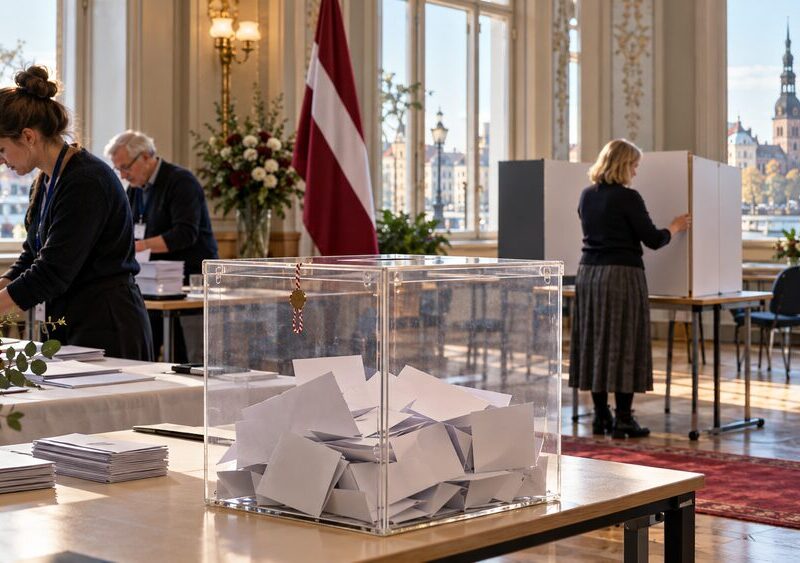
That timing is politically significant. Sweden will elect its national, regional and municipal representatives on 13 September, meaning voters will go to the polls with only the flash estimate available. Questions of purchasing power, taxation, employment and public services are therefore being debated before the complete August price picture is known.
The contrast with parts of the euro area is also striking. While Sweden is experiencing subdued measured inflation, other European economies have continued to confront energy-driven price pressure and difficult choices over targeted household support. The European Times has previously examined how energy costs can transmit through household bills and business expenses.
A cautious signal, not a settled outlook
Monday’s estimate gives the Riksbank more reason to wait, but not enough evidence to declare the inflation risk over. International energy markets, supply conditions, wage growth and the strength of domestic demand could still alter the outlook during the autumn.
The clearest conclusion is narrower: Sweden entered the final days of its election campaign with inflation still exceptionally subdued by its central measure. Whether that becomes lasting relief for households, room for lower borrowing costs or merely a temporary pause will depend on evidence arriving after the votes are counted.