


BRUSSELS — The EU’s highest court handed Giorgia Meloni’s flagship migration scheme its most serious setback yet on Friday — and stopped short of killing it. In its judgment on the Italy-Albania Protocol, the Grand Chamber of the Court of Justice ruled that a member state may only designate a country of origin as “safe” if it offers adequate protection for its entire population, and that any such designation must be open to genuine challenge in court, with the underlying evidence accessible to those affected.
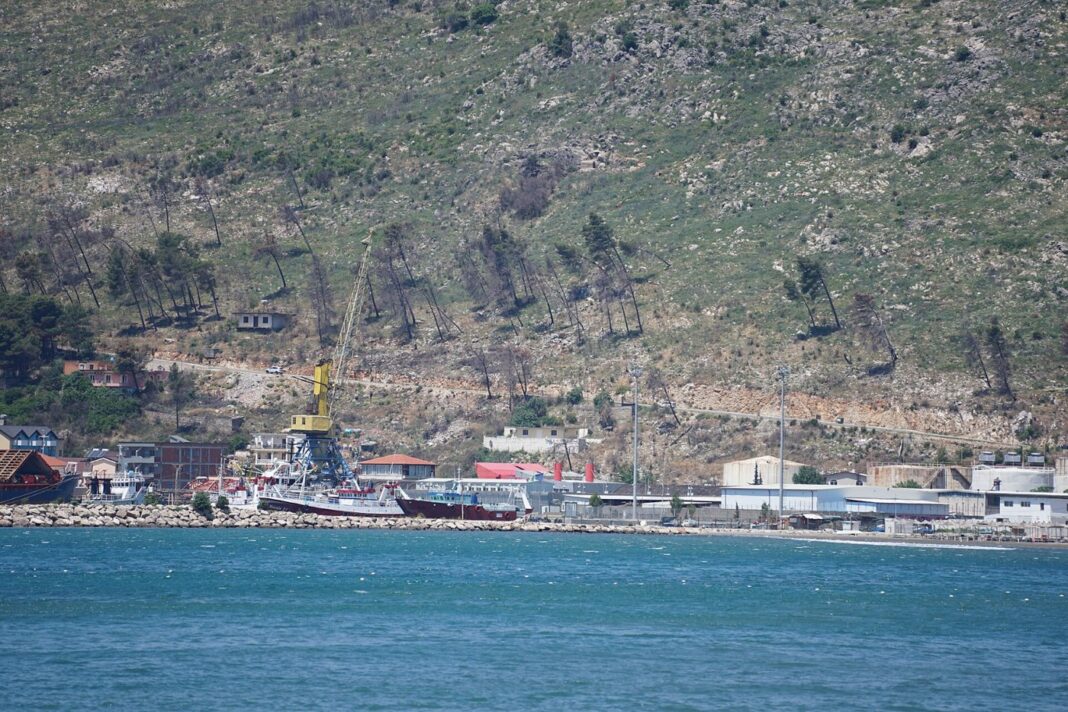
The case reached Luxembourg through two Bangladeshi men picked up in the Mediterranean and taken not to Italy but to Gjadër, a detention centre Italy built on Albanian soil under a 2023 protocol. Rome had listed Bangladesh as safe; an accelerated procedure in Albania would follow, then repatriation. Italian judges refused to play along, sent the men back to Italy, and asked the CJEU whether the whole construction was lawful. Sixteen EU governments intervened — a measure of how many capitals are watching Albania as a rehearsal for their own offshore plans.
The Court’s answer threads a needle. It does not forbid processing asylum claims outside the bloc. It does insist that a country safe for most of its people but dangerous for some — say, political dissidents or LGBTQ+ people — cannot be called safe for everyone, and that no government can place its own list beyond effective judicial scrutiny. “The buried treasure,” as Royal Holloway professor Steve Peers put it, “is the effectiveness of a challenge, and access to documents.”
The scheme the Court was asked to bless has, on its own numbers, struggled. The two Albanian centres were designed to hold up to 3,000 people at a time and carry an estimated cost of around €650 million between 2024 and 2028; when Italy’s own regional rights watchdog visited at the end of July, they housed 27. Rome has already pivoted once, converting Gjadër into a repatriation centre by decree in March while it waited for the judges.
What Friday changes is the ground rules for the next attempt. The EU’s new asylum pact, which applies from June 2026, will allow safe-country designations with exceptions for parts of territory or categories of people — precisely the flexibility the Court has now read out of current law. Italy and its admirers will try again under the new rules. And each designation, each accelerated decision, each offshore file will now have to survive a judge. That, more than any single verdict, is what Luxembourg actually built on Friday: a litigation engine.