

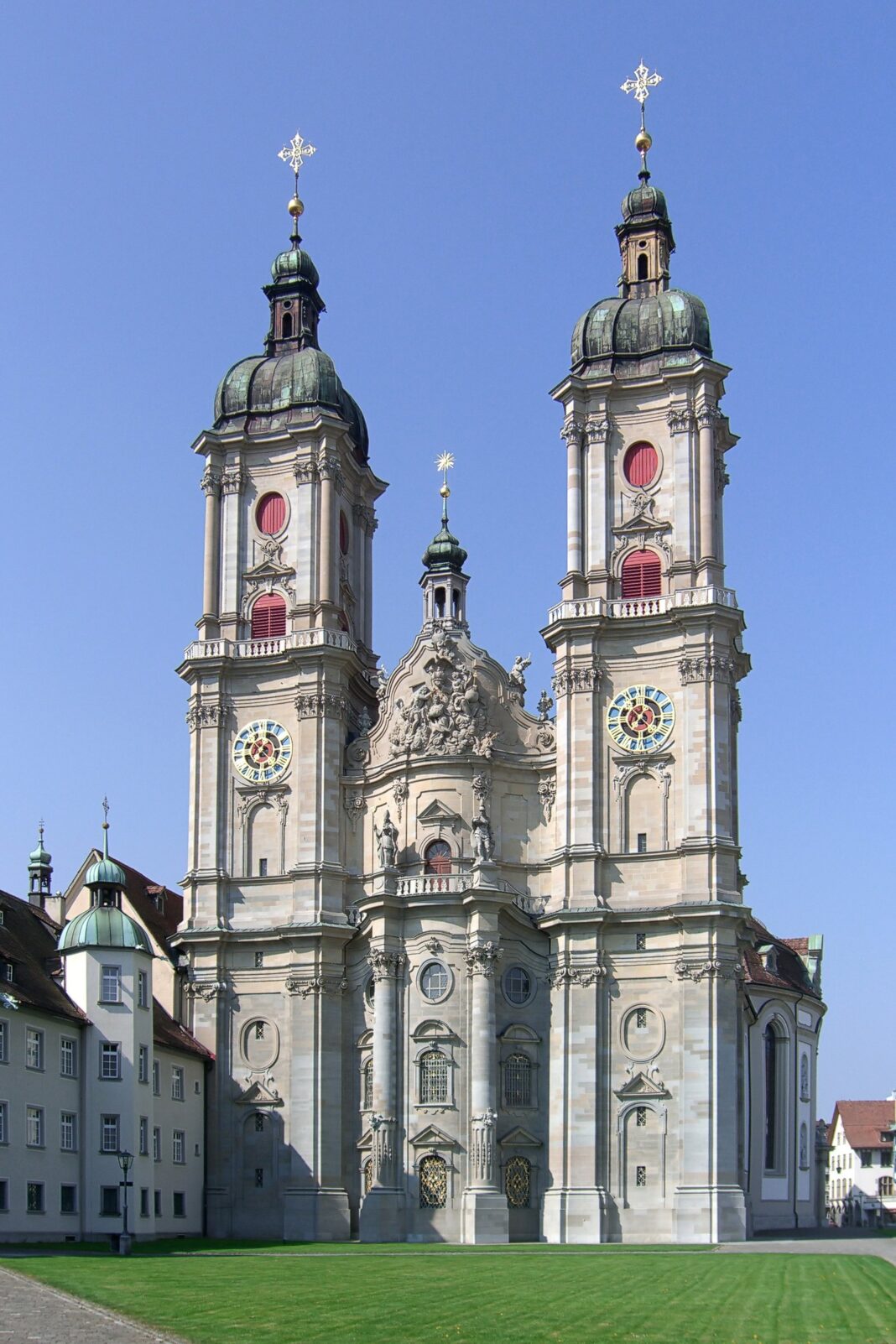

St Gallen — The OSCE’s first major conference under the Swiss chairmanship convened in St Gallen on 9 and 10 February, on a subject the organisation has committed itself to fighting for two decades and is currently failing to contain: antisemitism, at levels not recorded in the OSCE region in generations.
Chair-in-Office Ignazio Cassis opened the conference with the formulation that has anchored Swiss memory politics since the war: “The promise of ‘never again’ is not self-executing.” The gathering in St Gallen’s old town — beneath the abbey library that holds twelve centuries of European learning — was convened weeks after the Bondi Beach attack in Sydney, where fifteen people were killed at a Hanukkah event on 14 December, and months after the Yom Kippur attack on Manchester’s Heaton Park Synagogue.
ODIHR’s director Maria Telalian presented the office’s monitoring work: hate-crime data that shows antisemitic incidents climbing in most reporting states since October 2023, alongside a persistent gap between incidents and reporting — many states still collect no usable data at all. The conference’s working sessions covered security for Jewish communities, online incitement, education, and the increasingly blurred line between anti-Israel protest and antisemitic violence on European streets and campuses.
The OSCE’s antisemitism commitments are among its oldest soft-law instruments — the Berlin Declaration of 2004 remains the foundational text — and the St Gallen agenda was built on an uncomfortable premise: that the commitments are adequate and the implementation is not. Delegates from Jewish communities, given the floor rather than treated as exhibits, were blunter: several described organising their own security because states no longer reliably provide it.
Switzerland intends the conference as the first of four thematic gatherings this year, each tied to a chairmanship priority. Outcomes from St Gallen are to feed into ODIHR’s tolerance programme and into the ministerial track toward Lugano in December.
The setting did some of the arguing. A town whose monks preserved Europe’s books through its darkest centuries hosted two days of testimony that the promise attached to those books is, once again, being tested. Cassis left St Gallen with a working plan; the communities represented there have heard working plans before. What they asked for, in session after session, was simpler: to be protected as a matter of course, not as a matter of conferences.
Media-Society.com is a press network association based in Spain, founded in 2020. More at www.media-society.com.