

LONDON — It was announced with twelve founding clubs, a midweek format and the promise of a new era. Less than 72 hours later, the European Super League is in ruins. All six English clubs — Manchester United, Manchester City, Liverpool, Arsenal, Chelsea and Tottenham Hotspur — confirmed within a frantic Tuesday evening that they were pulling out, after two days of protest unlike anything English football has seen.
The plan, revealed late on Sunday, would have created a largely closed midweek competition of fifteen permanent members, immune from the relegation that governs the rest of the European game. The backlash was instant and came from every direction: supporters gathered outside stadiums, the government threatened legislation, broadcasters distanced themselves, and players and managers from the rebel clubs voiced public discomfort.
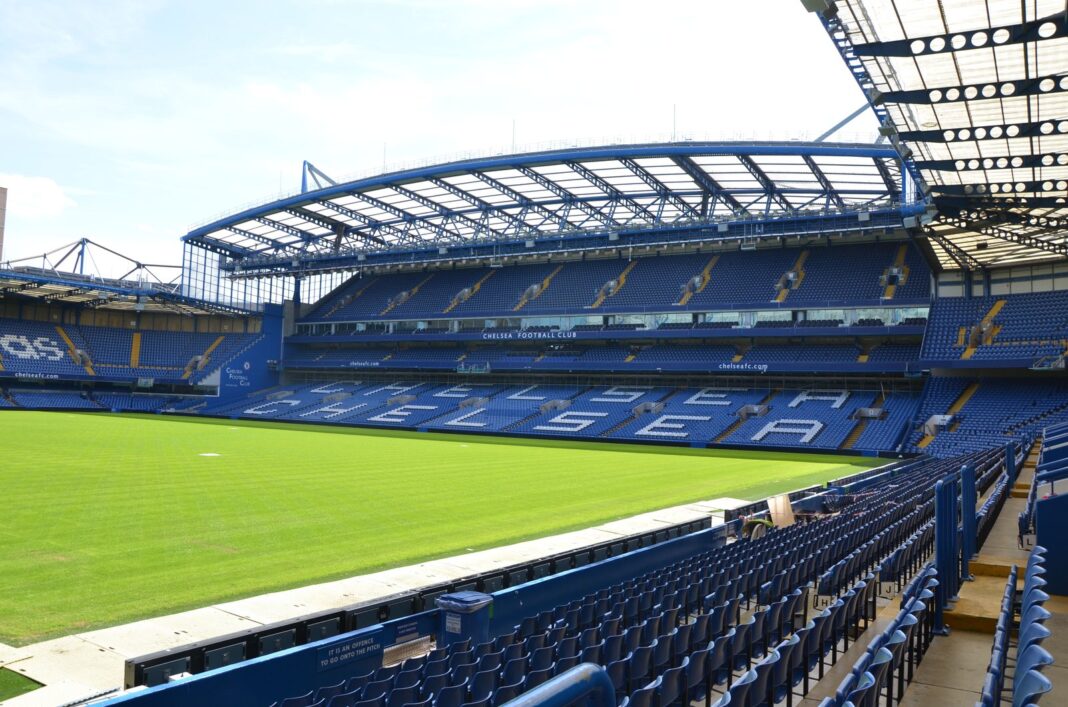
The first cracks appeared on Tuesday afternoon, when Manchester City and Chelsea signalled their intention to withdraw. By nightfall the rest had followed, most with apologies to their fans. Chelsea supporters had earlier blocked the team bus outside Stamford Bridge in protest.
UEFA president Aleksander Čeferin, who had spent Monday promising sanctions against the breakaway, welcomed the English retreat. The remaining clubs — Real Madrid, Barcelona and Juventus among them — have so far insisted the project is merely suspended.
Whatever its legal afterlife, the episode has shifted something. The idea that the biggest clubs could simply walk away has been tested and found unsellable, at least for now. The questions it raised — about money, power and who football belongs to — remain unanswered.
Media-Society.com is a press network association based in Spain, founded in 2020. More at www.media-society.com.