

LONDON — Eight years after “Bring Up the Bodies”, and with the ending never in doubt — Thomas Cromwell’s head falls in 1540 — Hilary Mantel’s “The Mirror and the Light” was published on Thursday, closing the trilogy that redrew the rules of historical fiction. Bookshops opened early, queues formed, and the novel is expected to be the year’s biggest literary seller.
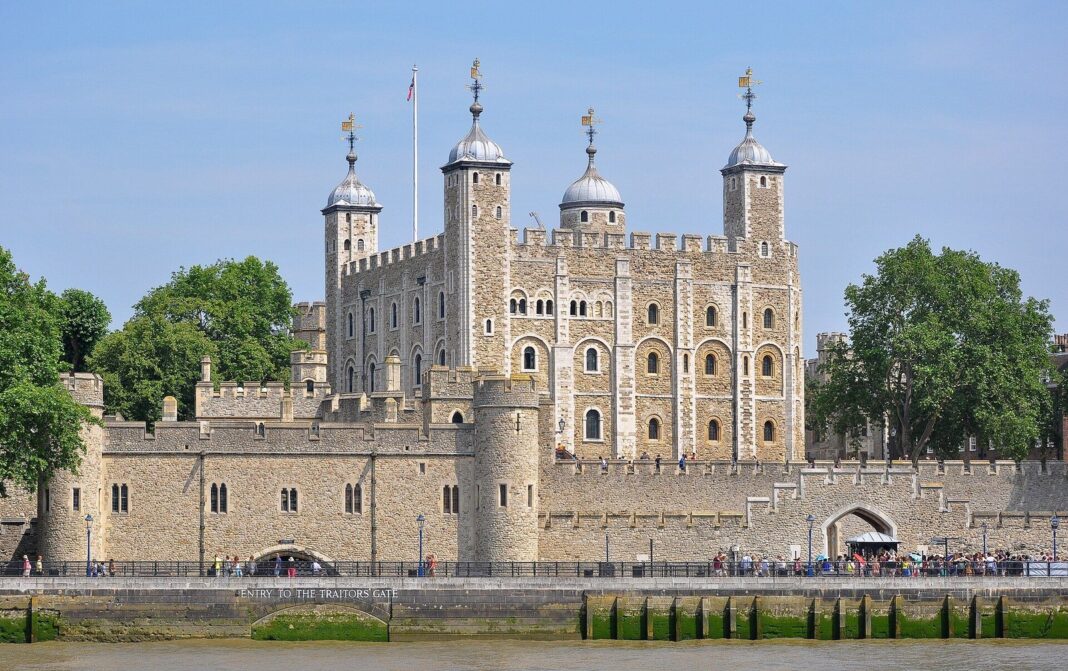
The book runs to nearly 900 pages and covers the last four years of Cromwell’s life: the fall of Anne Boleyn, the rise and collapse of his own fortunes, and his walk to the block at Tower Hill. Mantel has said she was determined to finish it before adapting it, conscious that readers had waited long enough.
The trilogy’s scale defies summary. “Wolf Hall” (2009) and “Bring Up the Bodies” (2012) both won the Booker Prize — making Mantel the first British writer and the first woman to win it twice — and together have sold millions of copies in dozens of languages. The television adaptation with Mark Rylance became a national event in Britain.
What Mantel did, critics agree, was to take the Tudor court — the most over-written territory in English historical fiction — and render it strange again, seen from inside the mind of the blacksmith’s son who ran it. Her present-tense, close-third-person Cromwell has influenced a generation of novelists.
The new novel’s arrival is shadowed by coincidence: it lands as a virus begins to close public life across Europe. Mantel, 67, has joked that Cromwell survived worse. The book trade, facing a difficult spring, will be grateful for the biggest title it has had in years.
Media-Society.com is a press network association based in Spain, founded in 2020. More at www.media-society.com.