

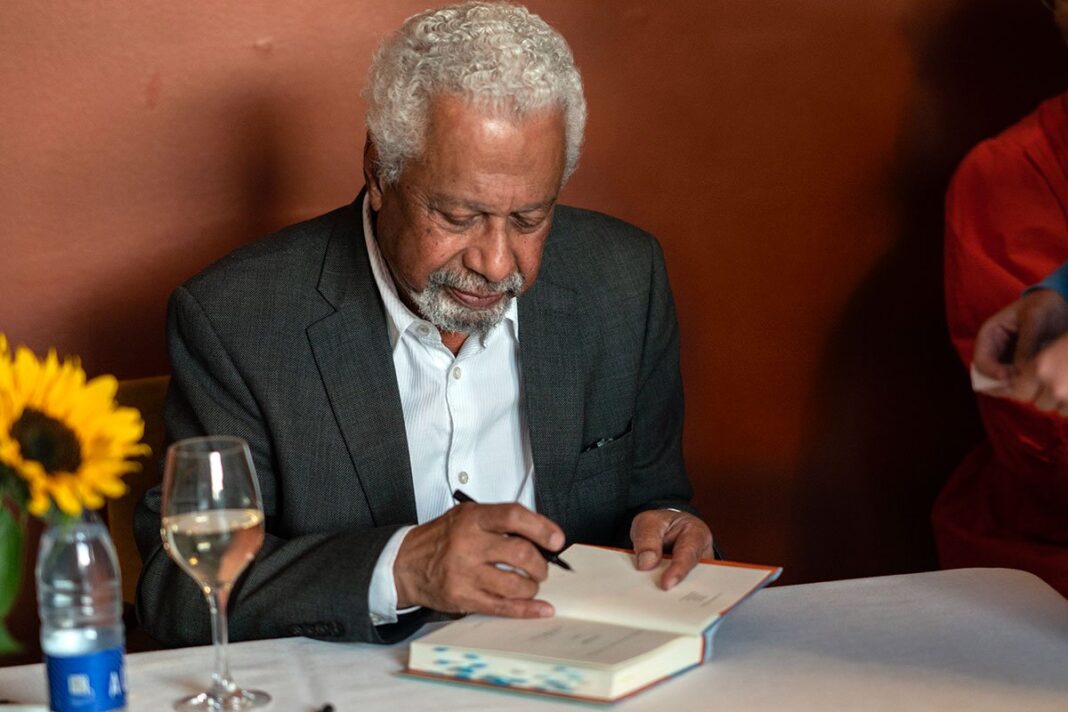

STOCKHOLM — The Nobel Prize in Literature 2021 has been awarded to Abdulrazak Gurnah, the Zanzibar-born, Britain-based novelist, for what the Swedish Academy called his uncompromising and compassionate penetration of the effects of colonialism and the fate of the refugee in the gulf between cultures and continents.
Gurnah, 72, arrived in Britain as a refugee in 1968, fleeing the violence that followed Zanzibar’s revolution. He wrote ten novels — including “Paradise”, shortlisted for the Booker in 1994, and “Afterlives”, published last year — while teaching English literature at the University of Kent, from which he retired as professor emeritus.
He was, by Nobel standards, a surprise: a writer of modest sales and high critical regard, best known inside the literary world. Within hours of the announcement, his backlist was being reprinted and rights were selling around the world — the familiar Nobel effect, this time benefiting an author who had never had a bestseller.
The award carries particular weight in a year when Europe’s argument over refugees has hardened. The Academy’s citation reads almost as a rebuke to that politics: Gurnah’s novels follow people displaced by empire, war and commerce across the Indian Ocean, insisting on the interior lives of those the headlines reduce to numbers.
Gurnah is the first Black African writer to win the prize since Wole Soyinka in 1986, and one of the few laureates of any kind to have begun life as a refugee. His Nobel lecture, when it comes, will be awaited with unusual interest.
Media-Society.com is a press network association based in Spain, founded in 2020. More at www.media-society.com.