EU Sets Common Rules for Livestock Pollution
Large pig and poultry farms face ammonia and nutrient limits from 2030, as environmental groups question the framework’s ambition
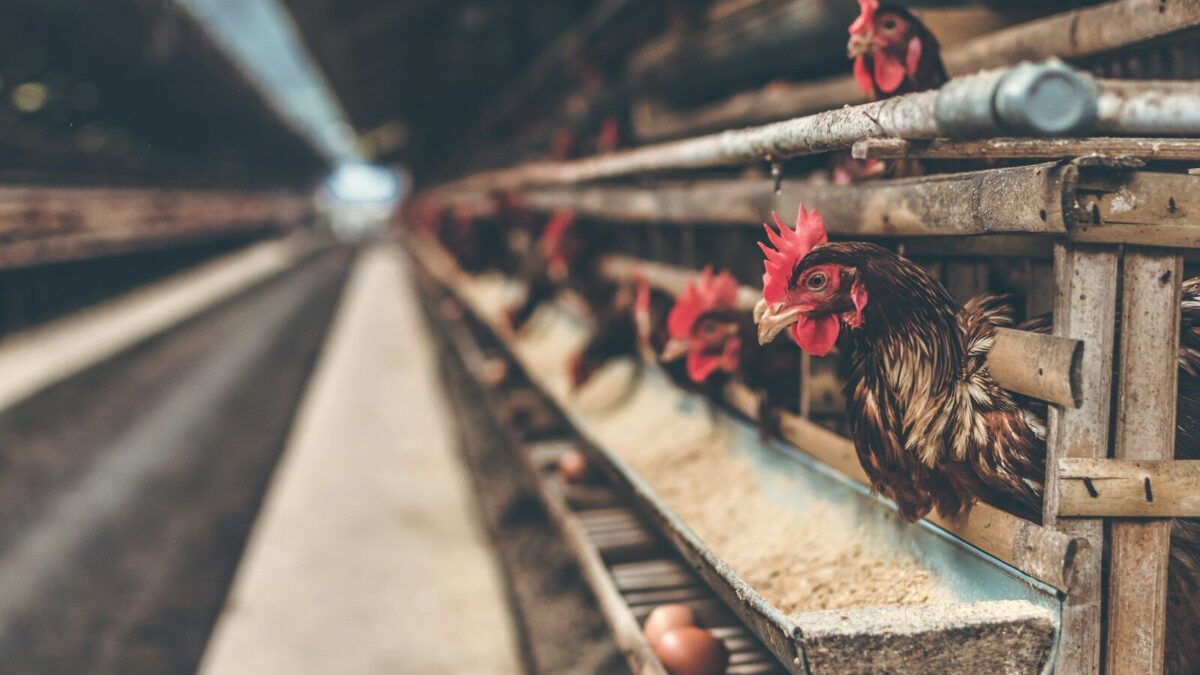
The European Commission has adopted common pollution-control rules for large pig and poultry farms across the European Union. The framework targets ammonia emissions and the release of nitrogen and phosphorus, replacing differing national approaches with minimum operating standards. Farmers will have several years to adapt, but environmental organisations argue that exemptions and flexible requirements leave significant pollution unaddressed.
Common standards for intensive farms
The new uniform operating conditions adopted by the Commission form part of the revised Industrial and Livestock Rearing Emissions Directive, which entered into force in 2024.
The rules cover approximately 38,500 intensive pig and poultry farms. According to the Commission, these represent the largest and most polluting 30% of EU farms in the two sectors. Smaller and medium-sized operations, accounting for the remaining 70%, are outside the directive’s scope. Organic pig farms are also excluded.
Instead of applying the full industrial-permitting system used for factories, member states may register covered farms under a simplified procedure. National authorities can also report emissions on behalf of farmers, reducing the administrative burden placed on individual operators.
The Commission says this approach will create fairer competition by applying common environmental standards across the single market. Until now, farmers carrying out similar activities could face different requirements depending on where their businesses were located.
Feeding, housing and manure management
The framework establishes requirements for ammonia released into the air and for nitrogen and phosphorus excreted by animals. Farms will be expected to use operational measures covering animal feed, housing, manure storage and manure handling.
Farmers will retain flexibility over which techniques they employ, provided that the required environmental performance is achieved. Methods not expressly listed in the framework may also be used when national authorities validate their effectiveness through scientific evidence.
Feeding strategies are expected to play an important role. Matching the protein and nutrient content of feed more closely to animals’ needs can reduce the amount of nitrogen and phosphorus excreted. Better storage, ventilation and manure-handling practices can then limit the proportion escaping into the surrounding environment.
This flexibility could help farms adopt techniques suited to their buildings, climate and production model. It also places considerable responsibility on national regulators to assess whether alternative methods genuinely deliver equivalent results.
Why ammonia and nutrients matter
Ammonia from agriculture contributes to the formation of fine particulate pollution after reacting with other substances in the atmosphere. Exposure to fine particles is associated with cardiovascular and respiratory illness, while ammonia deposition can damage sensitive ecosystems.
Excess nitrogen and phosphorus can also enter soil and water through manure, run-off or unsuitable application. High nutrient concentrations promote algal growth and oxygen depletion in rivers, lakes and coastal waters, threatening biodiversity and increasing water-treatment costs.
Agriculture produced about 94% of EU ammonia emissions in 2023, according to data cited in previous European Times reporting on livestock and Europe’s protein supply. Livestock production is therefore central to the Union’s efforts to reduce air and water pollution.
Application begins between 2030 and 2032
The operating conditions will not take immediate effect. Depending on farm size, they will begin applying between 2030 and 2032.
The Commission says the transition period will give farmers time to change feeding systems, renovate housing, improve manure infrastructure or introduce new monitoring procedures. That time may be particularly important for family-owned businesses facing high borrowing and energy costs.
However, the delayed start also means the framework will deliver few direct pollution reductions during the remainder of this decade. The environmental benefit will depend on whether farms make early investments or wait until compliance becomes mandatory.
Governments will need to ensure that financial assistance, where provided, supports measurable environmental improvements rather than merely subsidising routine modernisation. Smaller farms covered by the rules may require technical advice as well as capital investment.
Environmental groups question the ambition
The European Environmental Bureau has argued that the framework is weaker than the revised directive’s pollution-reduction ambitions suggested. In its assessment of the livestock operating rules, the organisation said many requirements resemble standards already available since 2017 and criticised the number of flexibilities and exemptions.
The group also objects to the continued exclusion of cattle. The Commission estimates that cattle farming produces approximately half of EU methane emissions and one quarter of ammonia emissions. It plans to publish a separate report by the end of 2026 examining options for addressing livestock pollution more comprehensively.
Including cattle would be politically and technically difficult because European production systems range from extensive outdoor grazing to intensive indoor operations. That variation does not remove the environmental impact, but it complicates any attempt to impose one regulatory model across the sector.
Implementation will determine the outcome
Adopting common rules is only the first step. National authorities must register farms, evaluate alternative techniques, monitor compliance and make environmental information accessible to the public.
Weak inspection or inconsistent measurement could recreate the national disparities that the framework is intended to remove. Transparent reporting will be necessary to show whether ammonia and nutrient emissions are falling, rather than simply whether farms have completed the required paperwork.
The new rules attempt a difficult balance: reducing pollution without treating farms as conventional industrial plants or imposing identical technical solutions on every operator. Whether that balance succeeds will depend on the strength of national enforcement, the quality of emissions data and the willingness of governments to address the livestock sectors that remain outside the framework.