SocialBox.Biz, a Community Interest Company supporting refugees and the homeless community in the UK, is currently increasing their collection of old, usable technology to donate to these populations. With the recent increase in refugees coming to the UK, the organization needs more tech collections than ever before. By donating old, usable technology to SocialBox.Biz long standing-initiative on an ongoing basis, businesses and organisations can help supply these less fortunate communities with laptops to help them reintegrate into society. Having a laptop can help refugees search for jobs, get in touch with loved ones and perform essential activities.
From his own experience, the founder of SocialBox.Biz knows what kind of an impact a used laptop donation can have on a person in need. “Having a used laptop donated to me helped me immensely when I was a child refugee coming to London. Providing technology to people in need can help improve society as a whole. One can not do much without a computer these days in London.” said Peter Paduh, founder and chairman of SocialBox.Biz. “Many recipients have greatly benefited from our donations. Our donated laptops have provided access to opportunities and learning tools to several clients through our recent partnerships.”
SocialBox.Biz has recently partnered with Migrant Help, a charity who supports people affected by displacement and exploitation, helping them thrive as individuals and recover from their trauma. Reused laptops provide a crucial lifeline for those they support enabling access to vital services, online learning, language skills, aiding integration and making them feel safe and secure.
The organization is now working hard to increase their collection of usable technology donations and calling for the help of business heroes to help supply the refugees the UK is seeing after recent events. With the help of the local community and businesses, SocialBox.Biz is collecting technology tools that are no longer needed but still usable and helping people in need by supplying them with this still usable technology to allow them to gain access to vital resources. SocialBox.Biz also offers support for training to refugees and to people who have experienced homelessness on basic computer skills, resume-building, and technology-focused job skills.
The British Red Cross also teamed up with SocialBox.Biz to expand the reach of their laptop program. With the help of the British Red Cross, SocialBox.Biz will be able to reach even more youth and refugees who are in desperate need of online access. “It’s never been more important to ensure our young people are able to access online courses and vital resources. We live in a computerized age and our work with SocialBox.Biz ensures we are able to connect these young people to life-saving technology,” stated ember Hibbert, Young Refugee Services Manager at British Red Cross.
“The Passage is dedicated to finding a sustainable route off the streets for those we support. Quite often, supporting our clients into education and employment is a key factor in finding a long-term solution into housing. The laptop donations we received from SocialBox.Biz have helped us to provide greater and more stable training and development opportunities to those starting their career journey. Thank you SocialBox.Biz! Your donations have and will continue to make a big difference to those we support, and in our mission to end street homelessness.” – Claire Matthews, Head of Community Services www.passage.org.uk.
Press release distributed by Pressat on behalf of SocialBox.Biz Trading Enterprises CIC, on Friday 22 April, 2022. For more information subscribe and follow https://pressat.co.uk/
Ukraine Portugal alice-kotlyarenko-urt5o3L9gNo-unsplash
Throughout the development of the Russian invasion of Ukraine, the communities inside and outside the country transform. They attempt to survive this crisis through unity. But, there were already wounds in Ukrainian society before the war. The person interviewed for this article prefers to maintain anonymity.
The war is lasting much longer than expected; long enough to show its impact on Ukrainian and Russian societies. As a result, the world dramatically changed for the people of Ukraine and Russia in a matter of weeks. Ukrainians now face a homeland damaged by the war. They face a refugee crisis. And at the same time, the country reaffirms its existence against the invaders. Concurrently, the Russians are now facing a country in a desperate financial situation. Russia is now an international pariah.
“The hate sentiment towards Russians is growing stronger and stronger with each day of the war. This is so, especially after Bucha, Mariupol, and lately Kramatorsk.”, says a Ukrainian immigrant living in Portugal.
He explains that “in the beginning, there was the sentiment that it was not the fault of the Russian people, that they were victims of Putin’s regime too,” said my source. “But as time went by, and as we continue to see in the opinion polls regarding the war, the lack of protest, and the complete disregard for all the crimes Russia is committing…” Ukrainians are now just “angry” and “sad”, and Russians are increasingly using “racial slurs towards Ukrainians.”
There is a tone of frustration, as the Ukrainian citizen says, that there are “Russians putting Z-symbols on their cars, and calling the police over “treason” because their neighbour put up a Ukrainian flag on the window, instead of blaming the government and Putin for starting the war”.
This ongoing and everyday hotter debate about the division between pro-Russia and pro-Ukraine reminds him that “following the annexation of Crimea, there were many people who interpreted the war differently. The people who got their news from Russian sources in 2014, clearly, don’t support Ukraine and believe Russia’s propaganda. It’s a minority, but those people still exist.”
He says that those people want Ukraine to surrender and a Russian victory, as they are promised an “economic miracle” by the propaganda.
The tension between pro-Ukraine Ukrainians and pro-Russia Ukrainians is reportedly increasing. “If it’s inside families, then there are arguments and extremely heated debates. But, outside this circle, the pro-Russia Ukrainians must conceal their views.”
About the pro-Ukraine Ukrainian community, he mentions that Ukrainian emigrants: “have a feeling that they can’t do anything”. That they try to help mainly through volunteer centres that ship basic necessities to Ukraine. And he doesn’t forget those who go fight in Ukraine or send money to the army. Yet, there are many who “do nothing” because “they don’t have the time” or money.
Responding to the question, “Do you believe that a Ukrainian victory is possible?” He said that people are now more motivated to fight than ever, as the initial shock is over, and so he believes that a “Ukrainian victory is highly possible.”
“People in Kherson, despite the occupation by Russia and repression by soldiers, still protest every Sunday.”
He states that there is a “growing sense of national pride and healthy patriotism” and a “renaissance of Ukrainian culture, language, and art.” “Many Youtubers are now speaking Ukrainian instead of Russian”, and “even I switched my phone language to Ukrainian.” For now, he only fears the possibility that “despite popular discontent, Russia could order general mobilization, and simply flood Ukraine with soldiers.”. This would most likely expand the conflict as a consequence. This may be very improbable, he says. “Because one thing is to say that you support the war, because Soloviev [a popular Russian TV host] says so on TV, and it is something else having to go yourself or sending your son and husband to the war.” said my source.
Regarding the treatment of Ukrainian emigrants receive since the war, he points out that “people are quite nice.” “They ask me about my family and my overall well-being. It makes me feel quite better when I go around the city and see Ukrainian flags all over the buildings.”
He also states that in Portugal, the war has united the Ukrainian community. “People in Facebook groups have been helping the refugees and each other.” They now feel like they “are not alone and that the world is on our side”.
The Think Tank of the European Parliament has published this briefing by Magdalena PASIKOWSKA-SCHNASS, about the Dialogue of the EU institutions with churches, and religious and philosophical organisations. This text is reproduced here to inform the citizens and civil society about the briefings MEPs and staff of the EU receive, and for them to have a better understanding of the history of this dialogue and how takes place nowadays. (Below you can find the original PDF in English).
The EU institutions engage in regular structured dialogue with representatives of churches, and religious, non-confessional and philosophical organisations, on the basis of Article 17 of the Treaty on the Functioning of the European Union (TFEU).
This dialogue, which takes the form of high-level meetings or working-level discussions, is focused on policy issues on the European agenda. It traces its origins to earlier initiatives, such as that launched in 1994 by Jacques Delors – ‘A soul for Europe’ – which aimed to find ways to build an ethical, moral and spiritual dimension into European integration and policy-shaping. The draft Constitutional Treaty of 2004 included provisions on regular, open and transparent dialogue between EU institutions, and representatives of churches and religious communities, and of non-confessional or philosophical communities. Although the Constitutional Treaty was rejected in referendums in France and the Netherlands, its successor, the Lisbon Treaty, adopted in 2007 and in force since December 2009, reserved the same provisions in its Article 17 TFEU.
The European Parliament has stressed the importance of constant dialogue among, and with, religious and non-confessional and philosophical communities. Following the entry into force of the Lisbon Treaty, it sought to give substance to the provisions of Article 17 TFEU, primarily through organising dialogue on subjects of interest for the EU and its citizens. The European Commission and the Council also hold regular Article 17 TFEU dialogue sessions and high-level meetings.
This is a further updated version of a briefing last issued in November 2020.
IN THIS BRIEFING
Background: From ‘A Soul for Europe’ to Article 17 TFEU
Article 17 TFEU dialogue: Partners and guidelines
The EU institutions and Article 17 TFEU
Background: From ‘A Soul for Europe’ to Article 17 TFEU
In 1994, with his‘Une ame pour l’Europe’(a soul for Europe) initiative, Jacques Delors, European Commission President at the time, established the first formal links between the EU institutions and religious and non-confessional organisations. His aim was to move beyond a purely economic and legal understanding of European integration, to reflect its spiritual and ethical perspectives, and to promote the participation of all strands of civil society in the European integration process – including religious and philosophical organisations. Declaration 11(page 133) of the Treaty of Amsterdam (1997), set out the EU’s respect for the status of churches and non-confessional organisations under national law, and gave formal EU-level recognition to these concerns for the first time.
Relations between church and state fall within the domestic competence of EU Member States. While, on the one hand, this means Member States are free to develop their own models in accordance with their history and traditions, on the other, it means that the EU institutions are not defined by a particular national model of secularism or church-state relations. Member States are, however, obliged to respect the fundamental rights guaranteed in the European Convention onHuman Rights, including freedom of thought, conscience and religion (Article 9)[ [page 4].
Convention on the Future of Europe and Constitutional Treaty
Starting in 2002, the Convention on the Future of Europe was tasked with drawing up a draft treaty, which would eventually become the draft constitution for Europe. The role of Christianity and religion in shaping European culture and identity, the place of churches in contemporary society; a reference to God or to Europe’s Christian heritage in the treaty’s preamble – as is the case in a number of Member State constitutions – and the inclusion of provisions from Declaration 11 were among the subjects discussed. Various cultural and philosophical traditions were also debated. A reflection group on the spiritual and cultural dimension of Europe presented reflection papers on the public role of religions and different models of state and church relations. Some non-confessional and secular organisations opposed [page 4] any explicit reference to a particular religion or God, or even the incorporation of the Declaration 11 provisions. They also opposed establishing any formal dialogue mechanism between the EU institutions and religious or non-confessional organisations, arguing that the provision for dialogue with civil society was sufficient.
The subsequent intergovernmental conference in 2003-2004 established the final draft of the Constitutional Treaty. France, with long-standing secular traditions, supported by Belgium, strongly opposed any reference to God or Christianity in the treaty’s preamble, promoted by countries with strong Catholic traditions. Representatives of religious bodies pushed for provisions on the status ofchurches [page 21] and dialogue with the EU institutions. The final preamble contained a general reference to religious heritage. The provisions of Declaration 11 were incorporated in the Treaty as Article 51, setting out provisions on dialogue with churches, confessional and non-confessional organisations.
After referendums in France and the Netherlands rejected the Constitutional Treaty, the Lisbon Treaty was adopted in 2007 (in force since December 2009). It integrated the provisions of Article 37 unchanged, as Article 17 of the Treaty on the Functioning of the European Union (TFEU).
The European Commission already opened informal dialogue channels with churches and religious organisations in the 1990s. In 2005, the then President of the Commission, José Manuel Barroso, took the initiative to host an annual high-level meeting with European religious leaders. The Presidents of the European Parliament and the European Council were invited from 2007. The Commission states the meetings provide for open exchange between EU institutions and representatives of religious communities on EU policies. In 2009, the Commission set up an annual high-level meeting between the three EU institutions and philosophical and non-confessional organisations.
Article 17 TFEU dialogue: Partners and guidelines
President Barroso continued to organise separate annual high-level meetings with both sets of partners but, for the first time, the EU had a legal basis for regular, open and transparent dialogue between its institutions and churches, religious, philosophical and non-confessional organisations, and an obligation to respect the status of these organisations under national law.
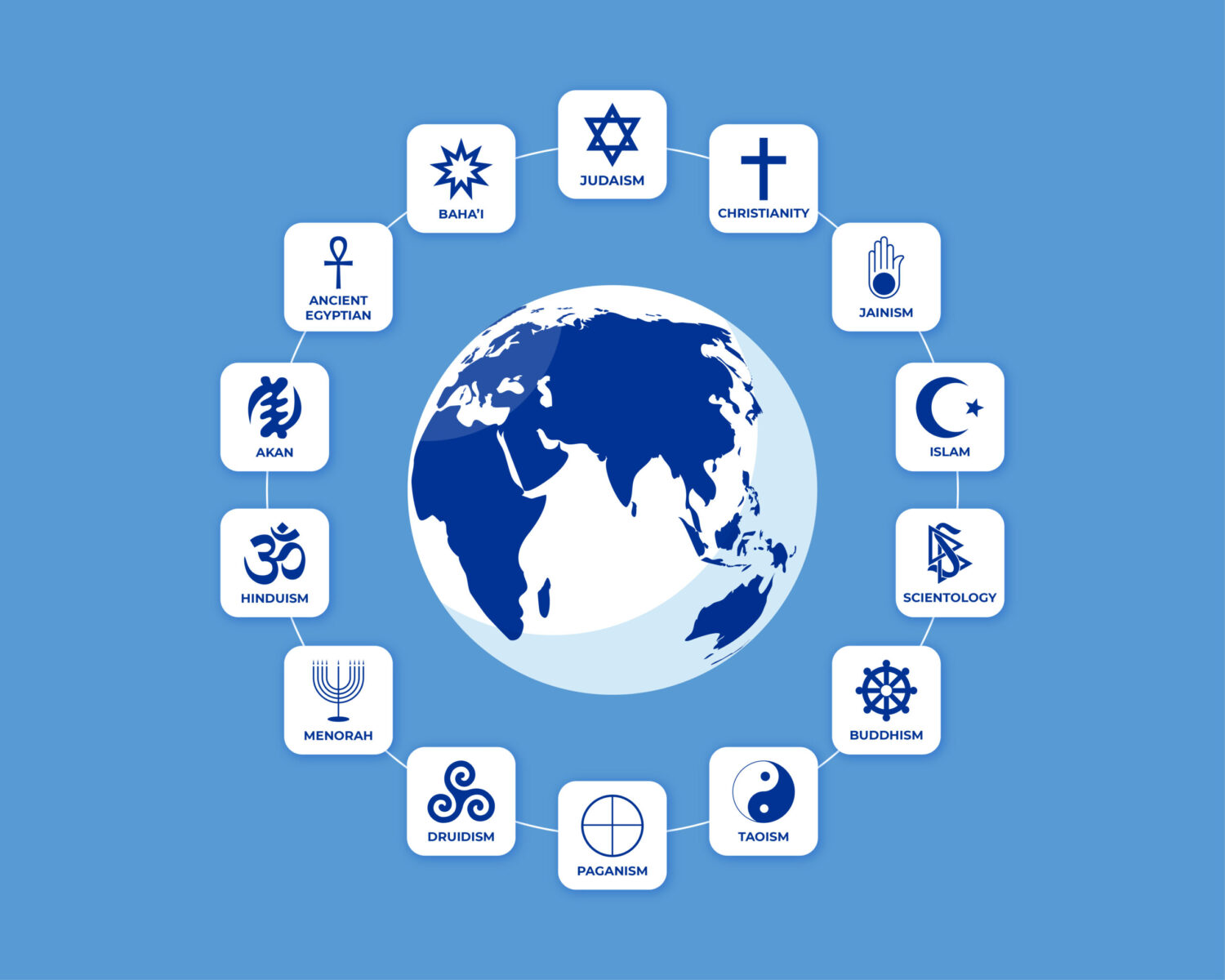
The EU institutions also organise regular Article 17 TFEU dialogue working-level sessions, primarily with the EU representation offices of religious organisations, such as COMECE (the Commission of the [Roman Catholic] Bishops’ Conferences of the European Union), the Conference of European Churches (CEC – including, inter alia, Protestant, Anglican and Orthodox churches), representatives of churches at national level, representatives of the Conference of European Rabbis, and of Muslim, Hindu, Buddhist, Baha’i and other communities. The institutions also meet with visiting delegations of religious leaders from the Member States and non-EU countries.
Participating philosophical and non-confessional organisations include humanist, Freemasons (such as the European Masonic Alliance, AEM-EMA), free thought and ethical or adogmatic organisations. The European Humanist Federation (EHF) and Humanists International advocate the secular neutrality of the EU public sphere, with the EU institutions maintaining a neutral stance towards all convictions, religious or not. The EHF in particular considers that there is an imbalance between humanist organisations and churches in terms of their set-up at EU level, their financial means, and their political impact.
In 2013, the European Commission published dialogue implementation guidelines stipulating that the topics are to relate to the EU agenda and to be agreed upon by both parties and that participating organisations must be recognised or registered at the national level and adhere to European values. Participating churches or associations are also encouraged to register with the European Transparency Register, which includes 50 religious organisations and a number of philosophical and humanist organisations, difficult to identify in the register. The guidelines followed a decision of the European Ombudsman on the European Humanist Federation’s 2011 complaint against the Commission when it had refused to hold a dialogue on human rights related to exemptions for religious organisations in the Employment Equality Directive.
The EU institutions and Article 17 TFEU
European Parliament
The implementation of Article 17 TFEU in Parliament, by means of regular seminars, dialogue sessions and events with partner organisations, is now the responsibility of First Vice-President Othmar Karas (EPP, Austria). He took over this function from the former First Vice-President Roberta Metsola (EPP, Malta) who was elected EP President in January 2022.
The European Parliament also hosts book presentations related to ‘Religion & Society’, which discuss cross-cutting issues related to the European public sphere with authors. A study on religious pluralism in Europe was presented at one such event. The European Parliament regularly adopts resolutions on human rights in the world, defending freedom of religion and belief and the fundamental rights situation in the European Union. Its 2015, 2016 and 2020 resolutions on fundamental rights in the EU include sections on freedom of religion and belief. The Parliament also adopted a resolution in January 2019 establishing EU guidelines and the mandate of the EU Special Envoy on the promotion of freedom of religion or belief outside the EU.
Intergroup
The European Parliament’s Intergroup on Freedom of Religionor Belief and Religious Tolerance, set up in 2015 and re-established for the 2019-2024 term, is aimed at ensuring that the EU promotes and defends these freedoms in its external relations. Its yearly reports on freedom of religion or belief in the world highlight discrimination against religious minorities, against Christians, Jews, and atheists alike, defending religious pluralism in the world.
European Commission
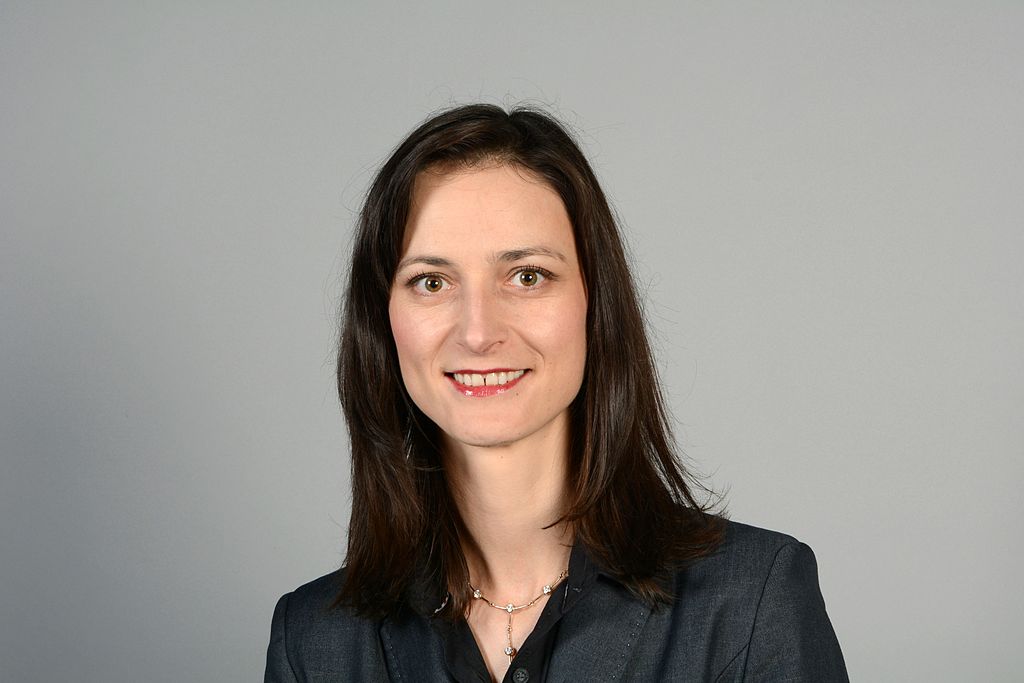
Currently, the Article 17 TFEU dialogue in the Commission falls under the responsibility of the Vice-President for Promoting our European Way of Life, Margaritis Schinas. Since 2019, the Commission has held separate high-level meetings with religious and non-confessional organisations devoted to the Covid-19 pandemic and the situation on migrants in the EU. In January 2020, Vice-President Schinas took part in the dialogue session at the European Parliament devoted to the European Green Deal, while Vice-President Frans Timmermans discussed this theme in a dialogue session with church and philosophical organisation representatives in June 2021. In January 2022, the high-level Article 17 meeting focused on the Conference on the Future of Europe.
The role of Special Envoy on the Promotion and Protection of Freedom of Religion or Belief Outside the EU remains unfilled since Christos Stylianides resigned in September 2021 to join the Greek government.
Council of the EU
The Council holds Article 17 TFEU meetings twice a year in the framework of the rotating presidency to discuss its six-month programme. In March 2022, representatives of the French Presidency discussed its priorities with CEC and COMECE representatives: recovery from the Covid-19 pandemic, migration and asylum policies, the EU-Africa partnership, digital transition, AI, the ecological transition, and the Conference on the Future of Europe, among many other subjects.
In 2013, the Foreign Affairs Council adopted guidelines on the promotion and protection of freedom of religion or belief in EU external relations. Representatives of philosophical organisations welcomed the inclusion in the text of the freedom of religion and freedom to change religion, important in the context of the persecution of atheists and agnostics.
MAIN REFERENCES
Chaplain J. and Wilson G., God and the EU. Faith in the European Project, Routledge, 2016.
Leustean L. N., Representing Religion in the European Union. Does God Matter?, Routledge, 2013.
Pimpurniaux D.,Le dialogue entre l’Union européenne et les organisations religieuses et philosophiques, Courrier hebdomadaire du CRISP 2020/34 (n° 2479), pp. 5-48.
Walter Isack / Wikimedia Commons / CC-BY-SA-3.0, CC BY-SA 3.0 , via Wikimedia Commons
Statement by Commissioner Mariya Gabriel on support to artists, cultural professionals and culture organizations impacted by the Russian war against Ukraine and for the protection of cultural heritage
Today, 21 April, is the United Nations World Day of Creativity and Innovation. A few days ago, on 18 April, we celebrated the International Day for Monuments and Sites.
On this occasion, I would like to express my full solidarity with the Ukrainian artists, creatives, culture professionals, and of course, cultural heritage and all cultural and creative sectors. They are the beating heart of Ukraine, and their work epitomises the Ukrainian history, identity, language, and hopes for the future. They are also part of our common European identity, made of a mosaic of cultures, in full respect of cultural diversity.
On 24 February 2022, the Russian Federation started the war of aggression against Ukraine. We, the European Union, stand by Ukraine and its people. Since then, the European Commission has been mobilising its financial instruments to support the artists and culture professionals fleeing the war, the culture organisations of the countries receiving Ukrainian refugees, as well as the protection of cultural heritage.
First, we support Ukrainian artists, culture professionals and culture organisations.
To start with, the Commission has extended the 2022 Creative Europe culture cooperation projects call from 31 March to 5 May 2022, to allow more Ukrainian partners to participate. In addition, the Commission will allow maximum flexibility for ongoing EU-funded projects with Ukrainian organisations.
Next, we will allocate a specific budget of the new mobility instrument in the Creative Europe programme to the benefit of Ukrainian artists. In the same perspective, the Commission will propose to the Member States to launch a special action dedicated to Ukraine under the Creative Europe programme, targeting both Ukrainian artists and organisations.
The “Creatives Unite” platform, co-funded by the EU, has also proved useful by collecting and publishing initiatives taken in favour of Ukrainian artists and creatives by European networks and other beneficiaries supported through the Creative Europe programme. Member States can also use the platform to inform them about their initiatives.
Second, we are mobilised to protect the Ukrainian cultural heritage.
The Commission will continue to support the Member States in delivering emergency equipment and material for the protection of Ukrainian cultural heritage under the EU Civil Protection Mechanism (UCPM).
The Creative Europe programme will also include a dedicated action on sharing expertise and capacity building of Ukrainian professionals for reconstruction of cultural heritage.
The European Competence Centre for Cultural Heritage (4CH) has launched “Save the Ukraine Monuments”, an initiative to save the digital documentation of Ukrainian cultural heritage, to preserve its memory and support the future restoration of assets from the damages caused by the war.
Finally, the #ARTvsWAR campaign launched by the EU on 18 April is drawing the attention to the destruction of cultural heritage, the initiatives to preserve it, and the vibrancy and resilience of the Ukrainian artists, culture professionals and citizens in general.
I am convinced that Culture and cultural heritage are our strongest bonds to the past, to our present, and to our future. As such, preserving our rich cultural diversity and cultural heritage is our common responsibility towards future generations. It is only by joining forces and acting all together that we will be able to meet this challenge.
But before we get to the exciting stuff, there’s no denying the gravity of the problem.
The Earth is facing a ‘triple planetary crisis’: climate disruption, nature and biodiversity loss, and pollution and waste.
“This triple crisis is threatening the well-being and survival of millions of people around the world. The building blocks of happy, healthy lives – clean water, fresh air, a stable and predictable climate – are in disarray, putting the Sustainable Development Goals in jeopardy”, the UN Secretary-General warns in a video message for Earth Day 2022.
The good news is that there is still hope, António Guterres stresses, reminding us that 50 years ago, the world came together in Stockholm for the pivotal UN Conference on the Human Environment, which kickstarted a global movement.
“Since then, we have seen what is possible when we act as one. We have shrunk the ozone hole. We have expanded protections for wildlife and ecosystems. We have ended the use of leaded fuel, preventing millions of premature deaths. And just last month, we launched a landmark global effort to prevent and end plastic pollution”.
We have proven that together, we can tackle monumental challenges.
The positive developments have not stopped there, the recently recognized right to a healthy environment is gaining traction and young people are more engaged than ever in the combat to take on our planetary threats.
“We have proven that together, we can tackle monumental challenges”, Mr. Guterres says.
Of course, much more needs to be done – and more quickly – to protect our home, but to celebrate Earth Day, we want to highlight five projects being implemented around the world right now aimed at repairing the damage we have caused.
These solutions are just some of the founding initiatives of the UN Decade on Ecosystem Restoration, a global rallying cry launched last year to heal our planet. It aims to prevent, halt and reverse the degradation of ecosystems on every continent and ocean.
So here are 5 ways that we (humans) are working to restore our ailing Earth:
Activists of Green Forests Work planting native trees in Appalachia, United States, where surface coal mining has devastated forests…
In Appalachia, a geographical and cultural region in the eastern United States that includes Kentucky, Tennessee, Virginia and West Virginia and is named after the Appalachian Mountains, the NGO Green Forests Work (GFW) is restoring forests on lands impacted by coal surface mining projects.
Surface mining is a technique used when coal is less than 200 feet underground. Large machines remove the topsoil and layers of rock and expose coal seams. Miners might also dynamite the tops of mountains and remove them to access the seams.
Once the mining is completed, what was once a forest is often converted into grasslands often composed of non-native species. This means, of course, the loss of large tracts of forested areas and the displacement and even loss of species.
To reverse this incredible damage, since 2009, Green Forests Work has been restoring mined lands by planting nearly 4 million native trees across more than 6,000 acres.
“Many mined lands are among the best places to plant trees for the purposes of mitigating climate change. Because the soils of reclaimed mined lands initially have very little organic carbon, they can serve as carbon sinks for decades, if not centuries, as the forests grow and build the soils,” Michael French, GFW Director of Operations explains to UN News.
He adds that by restoring native forests to these lands, they are restoring the ecosystem services they provide to society, including clean air and water, improved wildlife habitat, climate change mitigation through carbon sequestration, as well as a sustainable economic resource base.
“We at GFW hope that everyone is able to get out and experience the wonders of the natural world and make their own contribution to improving the world around them this Earth Day and every day,” Mr. French highlights.
This 300 metre long Karda (goanna) Noongar totem has been planted by the Nowanup Ranger Team in the South west of Australia.
Twenty years ago, a satellite photograph of Australia’s south-western corner showing the vast extent of natural vegetation lost due to human activity since the European settlement inspired a group of activists to form Gondwana Link.
The image showed how two-thirds of the vegetation in the region had been cleared across thousands of kilometres, and, over much of the agricultural region, many areas had less than 5-10 per cent of their original bushland (natural undeveloped areas) left.
They realized, however, that many biodiversity hotspots remained intact in conservation areas, although disconnected, across 1000 kilometres.
Even the largest patches of natural habitats are unable to guarantee the survival or continued evolution of species if they remain isolated from each other. Many bird and animal species are being reduced to small, isolated populations that are under stress, for example.
Unless these areas are reconnected, many species could be lost, something Godwana Link is working to prevent.
“Habitats are protected, managed, restored and reconnected throughout the climate gradient that wildlife will move along in the face of climate change, from semi-arid woodlands to tall wet forests. This work is being achieved in ways that support the aspirations of the Noongar and Ngadju people, who were dispossessed in colonial times but are now regaining the right and the ability to be land managers once again,” CEO Keith Bradby explains to UN News.
Mr. Bradby describes how significant gains have been made with the work of a broad range of groups, businesses and individuals contributing a 16-million-hectare habitat area now recognised as the Great Western Woodlands.
“Over 20,000 hectares of farmland has been purchased in the critical habitat gaps, with large swathes under restoration plantings and wildlife already returning. Our state government has announced the end of logging in our native forests”, he adds.
The work of the organization has been recognized globally as an example of what large-scale ecosystem restoration looks like.
“Every day can be Earth Day. We can do it – and the more the merrier”, says Mr. Bradby.
Restored corals in Laughing Bird Caye National Park, Belize.
The image above is from Laughing Bird Caye National Park, a UNESCO World Heritage site in Belize. It shows a restored coral reef previously victim of a bleaching event and in danger of death.
Coral reefs are among the most biologically diverse and valuable ecosystems on Earth, harbouring 25 per cent of all marine life.
They are in danger of disappearing by the end of the century all over the world due to the rising temperature and acidity of our ocean’s consequence of climate change.
Their loss would have devastating consequences not only for marine life, but also for over a billion people globally who benefit directly or indirectly from them.
Fragments of Hope is successfully re-seeding devastated reefs by planting genetically robust, diverse and resilient corals in southern Belize.
As a diver, Lisa Carne, the organization’s founder, explains that besides massive coral bleaching events and hurricanes in the region, she saw some corals bouncing back.
“These are the stronger survivors that we are propagating and replenishing the reef with,” she tells UN News.
Since the early 2000’s, Ms. Carne and other women divers and marine biologists from the NGO have been growing healthy corals in nurseries and them transplanting them by hand in shallow water.
“Our work is important because we are striving to prevent the extinction of the Caribbean acroporids corals which are listed as critically endangered which is one step away from extinct in the wild. We think it is also important to educate and inspire people to do more to understand reefs and the threats to them such as climate change,” she explains.
Today, over 49,000 nursery-grown coral fragments have been successfully out-planted in Laughing Bird Caye National Park, turning it once again into a vibrant tourism destination with thriving corals and abundant marine life. These corals have over six years survivorship and are considered the longest documented in the Caribbean.
New nursery and out-plant sites include Moho Caye (over 11,000 corals out-planted) and South Silk Caye (over 2,000 corals out-planted).
“Our message for this Earth Day 2022 is that we as a global society need to do better. What we’ve been doing so far is not working for our planet. We often think about ecosystems and biomes on a small scale but on a larger scale, business as usual is not working, so we all need to do our part to radically change our ways to protect our planet earth,” urges Ms. Carne.
4. Restoring watersheds affected by the climate crisis in the Andes
Native forests have been largely lost in the Peruvian Andes over the last 500 years following the Spanish conquest…
Another example of large-scale restoration and conservation efforts is happening in the Andes mountains in South America where local communities across five different countries are working together to grow and plant native trees and protect their water sources.
“Native forests have been largely lost in the Andes over the last 500 years following the Spanish conquest. With the last Andean glaciers melting rapidly, water security is now becoming a major issue for local communities and even major South American cities,” Constatino Aucca Chutas, co-founder of the NGO Acción Andina tells UN News.
Mr. Aucca explains that native forests, especially the Polylepis species [shrub and trees that are endemic to the mid- and high-elevation regions of the tropical Andes] and wetlands help create and store large amounts of water around their roots, soils and moss.
“They are our best allies to adapt to climate change and will help secure water for our livelihoods in the next decades to come. But we have to bring them back”, he highlights.
And that’s exactly what Accion Andina is doing: by the end of 2022, they will have planted more than 6 million native trees across the Andes. Their goal is to protect and restore one million hectares of high Andean forests in the next 25 years.
“We have found a unique way to do so: we are reviving the ancient Inca traditions of “Ayni and Minka – which stands for collaboration and community services in our local Quechua culture. With our growing network of local NGO partners, we help communities protect remaining forests; we invest in local nurseries to grow new native forests; we organize community planting festivals – our renowned Queuña Raymi – to plant up to 100,000 trees in a single day; and we are supporting communities to make an additional living from these new restoration opportunities,” Mr. Aucca explains.
He says that while world leaders are still just talking about possible solutions to climate change, thousands of people are already acting on the ground.
“Mobilizing thousands of people to restore forests and achieve immediate climate action is possible… Our Mother Earth is tired of seeing all this hypocrisy, comfort and ego of the leaders who can decide and put on the ground the solutions to have a healthy planet. Local communities and the planet claim for more action, is time to take action for the sake of all of us,” Mr. Aucca urges in his message for Earth Day.
5. Restoring carbon absorbing seagrass
Unsplash/Geoff Trodd
Manatees, also know as sea cows, are starving to death due to the loss of seagrass.
Seagrass provides food and shelter for many marine organisms. They are multifunctional ecosystems and are often referred as nursery habitats because they usually harbour young fish, smaller species of fish and invertebrates.
Because they are plants, seagrasses photosynthesise in the same way terrestrial plants do, using sunlight to synthetise nutrients from carbon dioxide and water and releasing oxygen.
This means that they are an essential tool in combating climate change, on top of their biological functions.
In the last 40 years, the world has lost one third of seagrass meadows due to sustain pressure from coastal development, water quality decline and of course, climate change.
Project Seagrass in the United Kingdom has been working for a decade to reverse that trend.
With the help of over 3000 volunteers, they have been able to plant over a million seagrass seeds and create awareness of the importance of these plants.
“With two full hectares of seagrass successfully restored, our organization has proved that large-scale seagrass restoration in the UK is possible. We are using a mix of cutting-edge technologies to assess sites and plan field trials”, the organization explains.
IMF/Raphael Alves
A lake inside an Amazon rainforest within the city of Manaus, Brazil.
That’s not all folks
These are just five examples of the more than 50 projects registered with the UN Decade on Ecosystem Restoration. There are thousands of people and organizations already on the ground and making a difference to protect our Earth.
When the UN General Assembly meets this September, we will find out the first 10 World Restoration Flagships, the most promising examples of large-scale and long-term ecosystem restoration.
Bringing back ecosystems from the brink of degradation and loss is possible – and people around the world are already making it happen.
“Because we have only one Mother Earth. We must do everything we can to protect her”, the UN chief reminds us.
The Council adopted today a decision establishing an assistance measure under the European Peace Facility (EPF) in support of the African Union worth €600 million. The EU reaffirms its strong commitment to the EU-AU partnership and to cooperation in the area of peace and security.
Covering the period 2022-2024, the three-year Assistance Measure continues the well-established provision of long-term EU support to African-led Peace Support Operations. Within its framework, the African Union will be able to request support for individual Peace Support Operations as needs arise, allowing a quick response to relevant security developments on the African continent.
The adopted support is in line with the EU’s commitment to strengthen multilateralism and in particular the key role of the AU regarding peace and security on the African continent. It forms an important part of the two Union’s renewed and enhanced cooperation for peace and security, as announced in the recent AU-EU Summit Declaration.
In the framework of this Council Decision, the Political and Security Committee has approved additional support to further enhance the operational effectiveness of the Multi-National Joint Task Force against Boko Haram (MNJTF) in partnership with the African Union and create a safe and secure environment in the areas affected by the activities of Boko Haram and other terrorist groups. This is the first action supported under the new Assistance Measure in support of African-led Peace Support Operations.
The EU will add €10 million to the resources already mobilised under the EPF for the MNJTF, increasing its overall support to €20 million and allowing for an extension of the provided support until the end of 2022. Previous support covering the period 1 January – 30 June 2022 was agreed on 16 December 2021.
The support provided covers personnel and operational/logistical costs, including ground and air transportation, communication equipment and medical services, to enable the MNJT to effectively carry out its mandate.
Background
The EPF was created in 2021 to support partners around the world in the areas of military and defence. The EU has recently agreed to support Ukraine with a substantive package of military aid under the EPF. At the same time, the EU does not lose sight of its partnerships with other parts of the world, especially Africa, fully recognising the importance of addressing crises and violent conflict on the African continent jointly and in a comprehensive way.
The decision to support the African Union with €600 million is a strong signal of EU’s long-standing commitments to African partners, particularly the African Union.
The EU remains the only sizeable direct contributor to the MNJTF for a total amount of €124.4 million since 2016. The EU is ready to stay closely engaged and fully committed to contributing to the activities of the MNJTF and consolidate the achievements attained so far.
In line with the EU’s Integrated Approach to external conflicts and crises, EPF funding for the MNJTF is one element of a broader, coordinated and coherent response of the EU to support resilience, stabilisation and economic recovery in the Lake Chad Basin. All this should in turn contribute to the implementation of the Lake Chad Regional Stabilisation Strategy in close coordination with all key actors, including the Lake Chad Basin Commission and the African Union.
So far, the Council has adopted ten assistance measures under the European Peace Facility.
The Council added 8 individuals and 4 entities to the list of those subject to the restrictive measures against the Democratic People’s Republic of Korea (DPRK). These restrictive measures consist of a travel ban, an asset freeze and a prohibition to make funds or economic resources available to those listed.
The new listings include individuals who have held leading positions in institutions that are engaged in the development of the missile programme and individuals and entities that have engaged in sanctions evasion activities that could generate funds for the illegal weapons programmes.
The EU is determined to prevent the flow of components, finance and knowledge that could be used by the DPRK to support the development of its illegal weapons programmes. The EU calls on the DPRK to cease destabilising actions, respect its obligations under international law and resume dialogue with relevant parties.
The decision brings the total number of persons listed autonomously by the EU to 65. In addition, the EU has frozen the assets of 13 entities as part of its own sanctions regime. It has also transposed all relevant UN Security Council resolutions, which impose sanctions on 80 persons and 75 entities currently listed by the UN.
The legal acts have been adopted by written procedure. They include the names and specific reasons for listing published in the Official Journal.
Background
The EU’s sanctions regime against the DPRK was adopted in response to the DPRK’s nuclear weapons and ballistic missile development activities, which are in breach of numerous UNSC resolutions. The EU not only transposes the sanctions imposed by the UN but also has its own autonomous measures, which complement and reinforce the sanctions adopted by the UN. The additional listings adopted today are EU autonomous measures against the DPRK.
The Council adopted today a decision amending the assistance measure for support to the Mozambican Armed Forces under the European Peace Facility (EPF) adopted in November 2021, adding a further amount of €45 million. This additional support brings overall EPF support for Mozambique to €89 million in total.
The assistance measure aims to strengthen EU support for capacity building and the deployment of the units of the Mozambican Armed Forces trained by the EU Training Mission in Mozambique (EUTM Mozambique). This support consists of the provision of integrated packages of equipment and supplies in conjunction with EU training missions. The aim is to ensure that the training is as efficient and effective as possible, enabling EUTM-trained troops to be fully operational and self-sufficient upon deployment.
Through this assistance measure, the EU will finance equipment to benefit the eleven Mozambican companies to be trained by the EUTM, including individual and collective equipment, ground mobility assets, as well as a field hospital.
Background
The European Peace Facility was established in March 2021 to finance all Common Foreign and Security Policy (CFSP) actions in military and defence areas, with the aim of preventing conflict, preserving peace and strengthening international security and stability. In particular, the European Peace Facility allows the EU to finance actions designed to strengthen the capacities of third states and regional and international organisations as regards military and defence matters.
So far, the Council has adopted ten assistance measures under the European Peace Facility.
Starting today at the Park Avenue Armory, the New York International Antiquarian Book Fair is once again in person after a two-year pandemic pause. Now in its 62nd year, the fair will present a trove of treasures from almost 200 exhibitors through Sunday. For a general admission of $30, you can browse and behold beautiful objets d’art, from rare books and maps to illuminated manuscripts and historical documents.
Unusual artifacts — such as a fragment of the costume worn by actress Laura Keene that has President Abraham Lincoln’s blood on it from the night he was shot at Ford’s Theatre — are also up for sale.
But to do more than look costs much much more. Below, The Post looks at the five priciest pieces up for auction.
The Thackrey Library — $2 million
The extensive collection includes three early editions of Arnaldus de Villa Nova’s “De vinis,” which Ben Kinmont Bookseller noted was “widely considered to be the first printed book on making wine.” Above, one of the editions from 1530. Courtesy of Ben Kinmont Bookseller
The Thackrey Library is touted as “the greatest collection of wine books and manuscripts in private hands in the United States,” according to Ben Kinmont Bookseller.
It includes seminal works about the libation and how grapes were grown from the 15th century to the late 19th century, and offers a “remarkably complete picture of the culture of wine in Western civilization.”
The extensive collection also includes three early editions from the 1500s of Arnaldus de Villa Nova’s “De vinis,” which Ben Kinmont Bookseller noted were “widely considered to be the first printed book on making wine.”
The Manhattan Project documents — $1.5 million
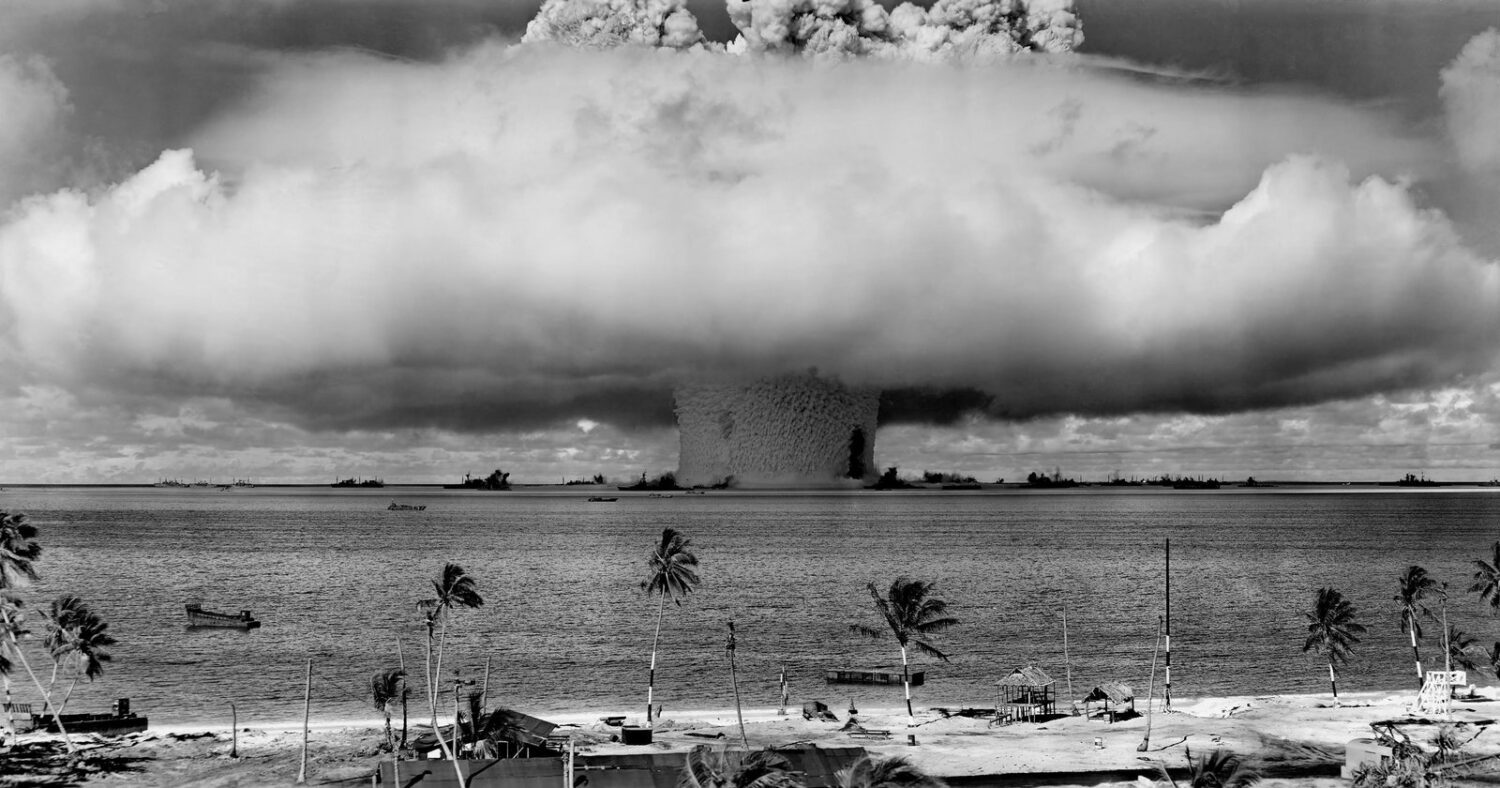
Above, what may be the earliest sketch of a “mushroom cloud” produced from a nuclear weapon, according to Boston Rare Maps and Barry Lawrence Ruderman Antique Maps. Courtesy of Boston Rare Maps and Barry Lawrence Ruderman Antique Maps
During World War II, the United States commissioned the top-secret Manhattan Project to research, develop and test nuclear bombs. On July 16, 1945 at 5:30 a.m., the first bomb was detonated at what was called the Trinity site in New Mexico.
Over 300 drawings, maps and other documents from the Manhattan Project Medical Group are up for auction for $1.5 million. One sketch depicts a “mushroom cloud,” according to Boston Rare Maps and Barry Lawrence Ruderman Antique Maps.
Charlotte Brontë miniature book — $1.25 million
Brontë (1816-1855) wrote “A Book of Ryhmes by Charlotte Brontë, Sold by Nobody, and Printed by Herself” when she was 13, according to James Cummins Bookseller.Courtesy of James Cummins Bookseller and Maggs Bro
English novelist and poet Charlotte Brontë (1816-1855) was the eldest of three sisters whose works are an important part of literature’s cannon. Brontë wrote “Jane Eyre,” which was published in 1847. The classic has been made into movie many times.
An unpublished manuscript of Brontë, who wrote it when she was 13, was recently rediscovered. Titled “A Book of Ryhmes by Charlotte Brontë, Sold by Nobody, and Printed by Herself” is dated December 1829 and “smaller than a playing card,” according to James Cummins Bookseller and Maggs Bros.
The miniature book is for sale for $1.25 million, which, if sold, may be the highest ever fetched for a female author’s work, according to BBC News.
Gandhi fingerprint — $850,000
“This is what I gave voluntarily at the risk of my life to keep my promise to the Government. Phoenix, Natal, 15th February 1909, M.K. Gandhi.”Courtesy of Raptis Rare Books
Mahatma Gandhi (1869-1948) led the nonviolent movement for India’s independence from British rule. In 1893, 23-year-old Gandhi moved to South Africa to practice law. The discrimination he experienced there “inspired him to found the Natal Indian Congress which opposed several proposed discriminatory legislations,” according to Raptis Rare Books.
The bookseller is offering a South African government document that contains Gandhi’s fingerprints and includes the inscription: “This is what I gave voluntarily at the risk of my life to keep my promise to the Government. Phoenix, Natal, 15th February 1909, M.K. Gandhi.”
The Great Gatsby — $358,000
First edition of F. Scott Fitzgerald’s “The Great Gatsby.”Courtesy of Peter Harrington Rare Books
“For Christ’s sake don’t give anyone that jacket you’re saving for me. I’ve written it into the book,” author F. Scott Fitzgerald (1896-1940) wrote his publisher in 1924.
The classic cover was created by Francis Cugat (1893-1981) and influenced him while writing, according to Peter Harrington Rare Books, which is offering a first edition at the fair.
“The Great Gatsby” and Fitzgerald’s work came to define the jazz age of the 1920s.
The future of sustainable development will hinge on the fate of cities, officials told a special meeting of the Economic and Social Council (ECOSOC) on Thursday, stressing that the more than half of the world’s population currently live in urban environments, a number likely to rise to nearly 70 per cent by 2050.
“The actions we take now must lead us to…a new social integration based on the principles of prosperity, transformation, adaptation, equity and respect for human rights,” said Martha Delgado, President of the UN-Habitat Assembly.
Highlighting urbanization as one of today’s great megatrends, she joined others in calling for resilient, sustainable “smart cities” that are more inclusively governed and better prepared to navigate future shocks and crises.
New Urban Agenda
Thursday’s special meeting on Sustainable Urbanization and the Implementation of the New Urban Agenda will complement a similar High-Level meeting of the General Assembly, on 28 April.
The Agenda put forward standards and commitments for the planning, construction, development, management and improvement of urban areas.
It also articulated a shared vision for cities as just, safe, healthy, accessible and affordable places where all inhabitants are able to live without discrimination.
COVID-19 disparities
Opening Thursday’s meeting, ECOSOC President Collen Vixen Kelapile urged participants to examine urban issues through the lens of inequality, especially given the stark disparities illustrated by the COVID-19 pandemic.
“Sustainable development will hinge on how we manage urbanization,” he said, adding that current discussions should be framed in the context of responding to COVID-19 response and the climate crisis.
Noting that 1.2 billion people in the global South currently live in informal settlements and slums, Mr. Kelapile reminded that they have long struggled to prevent disease transmissions, now including COVID-19.
Meanwhile, in the global North, dependence on welfare, where available, increased manifold during the pandemic and many people entered the ranks of the homeless.
In response, cities have deployed creative actions and provided services in underserved areas, while new urban models are beginning to pay more attention to pedestrians and mixed land uses.
Reclamation, inclusivity, greening
UN-Habitat chief Maimunah Mohd Sharif agreed that the world’s cities have been absorbing much of COVID’ s socioeconomic impact.
However, that has often resulted in closer cooperation between national and local governments, which, in turn, has led to greater reclamation, greening and inclusive use of public space.
Spotlighting a fresh opportunity to build on those partnerships, she said: “We can provide basic services in a more equitable manner, reduce commuting through tele-work and reduce carbon emissions by prudent use of energy.”
Upgrading slums and addressing the housing affordability crisis remain the highest priorities for countries.
Meanwhile, as cities have been forced to augment emergency social spending during the pandemic, she warned that Agenda implementation continues to be impeded by inadequate financing, further crippled by dramatic expenditure reductions.
COVID-19 demonstrated that real value comes from providing affordable service, rather than extracting profit, she added.
UN Photo/Manuel Elías
The Economic and Social Council (ECOSOC) convenes a special meeting on Sustainable Urbanization and the Implementation of the New Urban Agenda.
Accelerating progress
“Achieving the New Urban Agenda’s goals will accelerate our progress on human welfare and security globally,” said General Assembly President Abdulla Shahid.
He joined other speakers in emphasizing that, when properly managed, cities are among humanity’s most sustainable living environments.
On the climate front, adhering to the Agenda will help keep alive the goal of limiting planetary warming to 1.5°C.
Cities ‘connect the dots’
Echoing those points, Deputy Secretary-General Amina Mohammed said the Agenda also includes measures to secure land tenure, promote affordable housing, enhance mobility and provide services that are accessible to all.
“Cities can spearhead innovations to bridge the inequalities gaps, deliver climate action and ensure a green and inclusive COVID-19 recovery,” she said.
The deputy UN chief added that urban spaces “connect the dots” on many of today’s global challenges.