

Joint declaration following the fourth Canada – European Union joint ministerial committee meeting.
Hurricane Melissa: Relief efforts intensify as damage across Caribbean grows
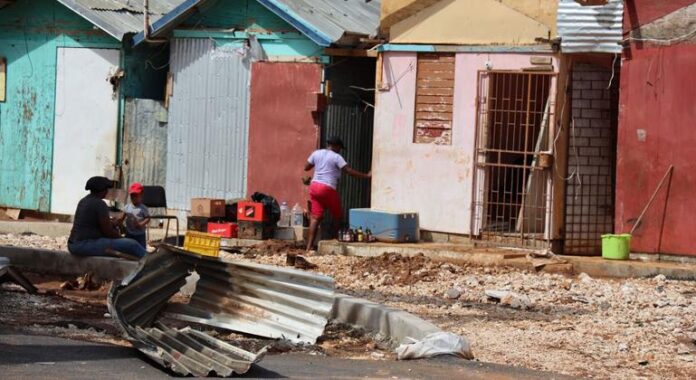
In Cuba, more than 54,000 people remain displaced, including 7,500 staying in official shelters, according to the UN relief coordination office, OCHA. The scale of damage is now significantly higher than initial estimates, with more than 600 health facilities and 90,000 homes affected.
UN agencies are supporting the national response, having assisted about 140,000 people in shelters and community kitchens, and distributing agricultural tools and livestock feed to restore livelihoods.
They are also supplying equipment to bolster disease control and prevention efforts and delivering medical supplies to reinforce reproductive health services, including maternal care.
In Jamaica, access to isolated communities is improving but remains precarious.
Only two communities are still unreachable – down from 27 last week – though additional rainfall could limit access once again.
Shelter remains a critical concern. Some 40,000 tarpaulins earmarked for delivery have not been transported due to blocked and damaged roads. The UN World Food Programme (WFP) has so far assisted 9,000 people in hard-hit Westmoreland and St. Elizabeth, with plans to extend cash assistance to up to 90,000 households as conditions allow.
In Haiti, where Hurricane Melissa claimed more than 40 lives, humanitarian partners are expanding operations amid extensive damage across multiple departments.
The UN and partners have also distributed hygiene kits and restored electricity for vaccine refrigeration and providing psychosocial support in schools.
They are also delivering 15-day food rations to hard-hit areas in the south. In Petit Goâve, food assistance is being provided to more than 40,000 people, with further distributions planned this week.
To overcome access challenges, the UN Humanitarian Air Service (UNHAS) has expanded operations with five new access points to reach isolated communities.
Philippines: Response scales up after back-to-back typhoons
In the Philippines, the WFP is scaling up emergency operations following back-to-back Typhoon Kalmaegi and Super Typhoon Fung-Wong, which have affected 8.3 million people and displaced over 1.4 million across Luzon – the country’s largest and most populous island.
Ahead of landfall, the agency delivered emergency cash transfers to more than 210,000 people to help families evacuate and prepare.
Since the storms, WFP has provided 187,000 family food packs, enough to sustain nearly one million people for several days.
Telecommunications units and generators have also been deployed to restore connectivity, while logistics teams support relief efforts across 14 provinces.
UN News interviewed Arnaud Peral, the UN Resident Coordinator in the country, on Tuesday who highlighted the relative success of Government-led preparedness and early warning systems – fully supported by UN agencies.
EIB and Naturgy sign $300 million CESCE-guaranteed loan to modernise Panama power grid

- The project will improve the reliability and efficiency of Panama’s power grid, strengthening security of supply and access to electricity for households and businesses.
- The agreement contributes to the EIB Group’s climate action and environmental sustainability goals.
- This is the largest loan signed by the EIB for a private company in Central America.
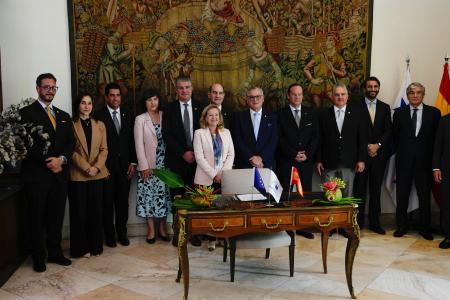
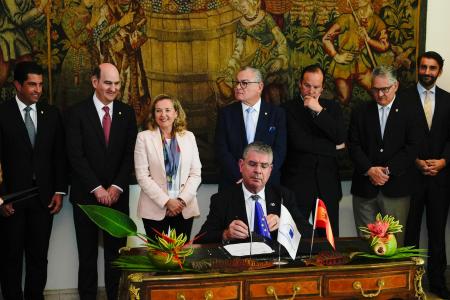
EIB Global, the international partnerships and development arm of the European Investment Bank (EIB), and Naturgy Energy Group, via its Panamanian distribution companies EDEMET, S.A. and EDECHI, S.A., have signed a $300 million framework loan to back the modernisation and expansion of Panama’s power grid. This is the largest loan signed by the EIB for a private company in Central America.
The loan is guaranteed by Spanish export credit agency CESCE. This guarantee was developed jointly by the EIB and CESCE to support green projects led by Spanish companies outside Spain, contributing to the climate action and environmental sustainability goals promoted by the European Union within and beyond its borders.
This project will improve the reliability and efficiency of electricity supply in the country, connect new users, including low-income households, and enable greater integration of renewable energy sources. The agreement is an example of public-private sector cooperation to promote the energy transition and sustainable development in Panama.
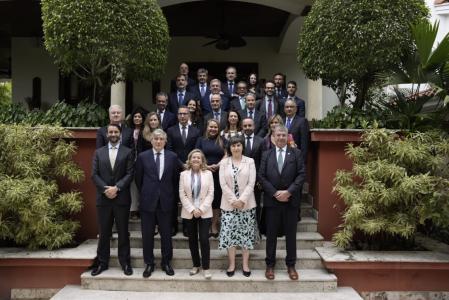
The signature event was attended by EIB Group President Nadia Calviño, Naturgy Chairman and CEO Francisco Reynés, CESCE CEO Pablo de Ramón-Laca, EIB Vice-President Ioannis Tsakiris, EU ambassador to Panama Isabela Matusz and Spanish ambassador to Panama Guzmán Palacios Fernández.
Several members of the government of Panama were also present: Minister for the Economy and Finance Felipe Chapman, Minister of the Presidency Juan Carlos Orillac, Trade and Industry Minister Julio Moltó, Foreign Minister Javier Martínez-Acha, Minister for Canal Affairs José Ramón Icaza, Mayor of Panama Mayer Mizrachi, Energy Secretary of the Government of Panama Rodrigo Rodríguez and National Public Services Authority (ASEP) General Administrator Zelmar Rodríguez Crespo. The board of directors of Naturgy Panamá was also in attendance.
“This EIB financing will support the modernisation of Panama’s energy infrastructure, strengthening regional energy integration. It is an example of how partnerships are key to providing people with access to a cleaner and more secure energy supply,” said EIB Group President Nadia Calviño.
“This loan will strengthen Naturgy’s investments in Panama, and reflects our commitment and intention to stay in the country. The new investments in Panama’s power grid will help improve service quality for our customers and security of supply, while promoting a more efficient, secure and sustainable energy model,” added Naturgy Chairman and CEO Francisco Reynés.
CESCE CEO Pablo de Ramón-Laca highlighted “the leadership of Spanish companies in the implementation of key projects for Panama’s economic development.” He also stressed the importance of the agreement with the EIB that “expands CESCE’s capacity to support the international expansion of Spanish companies.”
“This collaboration with Naturgy and CESCE reflects the EIB’s role as a catalyst for sustainable investments connecting Europe with Latin America. This project will drive the modernisation of Panama’s electricity system and facilitate access to cleaner, more efficient and more affordable energy for thousands of homes and businesses. It is a clear example of how the Team Europe approach and the Global Gateway initiative have a real impact on people’s lives and contribute to a more sustainable and resilient energy future,” said EIB Vice-President Ioannis Tsakiris.
Modernising electricity infrastructure to promote growth in Panama
This initiative is a major step forward for the development of Panama’s energy infrastructure. The investment programme will expand and modernise power distribution grids across the country, cutting technical and commercial losses, while also expanding the capacity and resilience of the electricity system. In addition, it will facilitate the connection of new users and help integrate renewable energy, especially solar energy. By improving the grid’s operational efficiency and reliability, the project is expected to help reduce electricity costs and strengthen energy security, benefiting the most vulnerable communities in particular. This investment will contribute to long-term energy security, economic growth and climate change mitigation in Panama, and promote European participation in Latin America’s sustainable energy transition.
The agreement will make a significant contribution to the climate action objectives set out in the EIB Group’s Strategic Roadmap for 2024-2027 and phase 2 of the Climate Bank Roadmap for 2026-2030.
Strengthening EU-Latin America cooperation for energy infrastructure
The operation is part of the EU Global Gateway Investment Agenda for Latin America and the Caribbean, under the flagship initiative to bolster the Central American Regional Electricity Market (MER). It will help achieve Panama’s Nationally Determined Contribution (NDC) under the Paris Agreement by enabling the integration of new renewable energy capacity and improving overall system efficiency. The project is an example of the EIB’s key role as the financial partner of European companies expanding investments in sustainable infrastructure in Latin America.
To this end, at the recent CELAC-EU (Community of Latin American and Caribbean States) Summit in Colombia, the EIB presented a new €1 billion financing initiative to back investment in integrating power grids across Central America. This lending envelope will support the construction and upgrading of transmission and distribution infrastructure and promote renewable energy generation in Costa Rica, Panama, Honduras, Guatemala, El Salvador and Belize. The operation aims to help the region advance its energy transition and decarbonisation goals, while improving access to reliable and affordable electricity.
Background information
About EIB Global:
The European Investment Bank (ElB) is the long-term lending institution of the European Union, owned by its Member States. It finances investments that contribute to EU policy objectives.
EIB Global is the EIB Group’s specialised arm devoted to increasing the impact of international partnerships and development finance, and a key partner of the Global Gateway. It aims to support around €100 billion of investment by the end of 2027. EIB Global brings the EIB Group closer to people, companies and institutions through its offices across the world. Photos of EIB headquarters for media use are available here.
The EIB in Latin America and the Caribbean:
The European Investment Bank has been providing economic support for projects in Latin America and the Caribbean since 2022, facilitating long-term investment with favourable conditions and providing the technical support needed to ensure that these projects deliver positive social, economic and environmental results. Since the EIB began operating in Latin America in 1993 and the Caribbean in 1978, it has provided total financing of more than €17 billion to support over 350 projects in 30 countries in the region.
About the Global Gateway Investment Agenda:
EIB Global is a key partner in the implementation of the European Union’s Global Gateway Investment Agenda, supporting sound projects that improve global and regional connectivity in the digital, climate, transport, health, energy and education sectors. Investing in connectivity is at the very heart of what EIB Global does, building on the Bank’s 65 years of experience in this domain.
About Naturgy:
Naturgy is an energy multinational with a diversified international business portfolio. In addition to Spain, the group is also active in Latin America (Mexico, Brazil, Argentina, Chile and Panama), the United States, Australia and the rest of Europe. It supplies gas and electricity to over 18 million customers in the above countries, operating in both regulated and liberalised markets. It works in electricity generation, distribution and sale, as well as in gas infrastructure, distribution and sale. The group has electricity generation capacity of 18.4 GW across the world, with a diversified mix including 7.7 GW of renewable capacity.
Naturgy’s commitment to Panama:
Naturgy has made record investments of $500 million, committed in the income limit (IMP) tariff review 2022-2026. For 2026-2030 (ASEP approval pending), estimated investment of over $600 million will go to projects focused on improving quality, growing demand, cutting losses and modernising the grid. Since the end of 2024, the company has concluded 14 substation and distribution line projects totalling $46 million. Naturgy Panamá is also now implementing a further 24 strategic projects with associated investment of $215 million.
Naturgy’s efforts over the past year, with approval from the regulatory authority, have led to a major improvement in service quality, among other indicators. Since the implementation of the company’s quality plan, the unplanned system average interruption duration index (SAIDI) has been reduced by 23%, and the unplanned system average interruption frequency index (SAIFI) has fallen by 25% (September 2024 to September 2025).
About CESCE:
CESCE is Spain’s export credit agency. It has a wide range of insurance policies and guarantees to help make Spanish companies’ international activities more competitive and secure.
EIB and Naturgy sign $300 million CESCE-guaranteed loan to modernise Panama power grid
©EIB
Download original
EIB and Naturgy sign $300 million CESCE-guaranteed loan to modernise Panama power grid
©EIB
Download original
EIB and Naturgy sign $300 million CESCE-guaranteed loan to modernise Panama power grid
©EIB
Download original
The stakes are rising for South Sudan: what’s happening and why it matters

A “the breaking point becomes visible” in the peace process, they warned, as core commitments under a historic 2018 peace deal stagnate or reverse.
Context of the conflict
The 2018 Revitalized Peace Agreement was the main guarantee against a resumption of civil war, but elements of its power-sharing and security arrangements are fraying.
With elections scheduled for December 2026 in the world’s youngest country, political competition risks sparking violence instead of consolidating peace.
Click here for an overview of the peace process.
Meanwhile, the war in neighboring Sudan is only making the situation worse. Since April 2023, more than 1.2 million people have crossed the border into South Sudan, further straining already limited systems and resources.
Click here to read about the impact of the conflict in Sudan and its repercussions.
Worsening political tensions
- The political changes have weakened the inclusive governance structures essential to the peace agreement.
- The detention and trial of opposition leaders has led to more unstable and polarized politics.
- Progress on key transition tasks – security sector reform, constitution-making and election planning – remains stalled, while regional mechanisms fail to ease local tensions.
“The principle of inclusiveness that underpinned the agreement appears to have been sacrificed,» declared Jean-Pierre Lacroix, head of UN peace operations.
Click here to watch Mr. Lacroix’s briefing.
Click here to view the latest UN report on South Sudan.
Violence spreads across the country
- Ceasefire violations and clashes between government forces and opposition elements intensified in Jonglei, Unity and Upper Nile states.
- Aerial bombardments and riverine operations were documented, as well as ambushes and reprisal attacks.
- Recent incidents have resulted in civilian casualties, displacement and loss of livelihoods.
“South Sudan is showing all signs of a clear and present danger of relapsing into full-scale conflict,” said Solomon Ayele Dersso of the civil society organization Amani Africa.
Click here to view the latest report from the South Sudan Human Rights Commission.
Women and girls face increased risks
- In South Sudan, 7.5 million people face acute food insecurity, while flooding, displacement and violence continue to worsen humanitarian needs.
- There are reports of widespread gender-based violence, including rape, kidnapping and forced marriage, with 260 conflict-related cases recorded last year.
- Despite local peacebuilding efforts, women remain largely excluded from national political processes; the agreed representation quota of 35 percent was not reached.
“There couldn’t be a worse time to withdraw support,” said UN Women Executive Director Sima Bahous.
Click here for Ms. Bahous’ remarks And here to watch the briefing.
Call for urgent action
U.N. officials called for an immediate cessation of hostilities, a resumption of political dialogue, the protection of civilians and sustained support for the U.N. peacekeeping mission. MISS.
Without decisive action, they warn, South Sudan risks descending into another war – with civilians once again bearing the heaviest cost.
Click here to access live reporting from the Council of the UN Meetings Coverage Section.
Originally published at Almouwatin.com
International Criminal Court: Sanctions threaten global fight against impunity

Annalena Baerbock’s statement comes as the assembly discusses the ICC bill. annual report in light of sanctions imposed this year by the United States on judges and prosecutors.
The sanctions stem from a decree adopted in February in response to a U.N.-backed court’s decision to issue arrest warrants against Israel’s prime minister, and then the defense minister, for alleged war crimes in Gaza.
Sanctions may include blocking financial access to property or assets in the United States, as well as a travel ban.
See our explainer on the ICC, here.
Ms. Baerbock recalled that the Court was founded on the principle that “justice is a universal duty” but that its mission remains unaccomplished.
“For more than two decades, the Court has fought against impunity and shown that even in the darkest moments, accountability remains possible,” she said. “Yet today, as we witness atrocities that continue to shock the conscience of humanity, it is clear that the Court’s mission is far from over. »
“Deliberate attacks” on the court
Ms. Baerbock stressed the importance of international cooperation for investigations, arrests and the execution of arrest warrants, as well as the need for independence as a guarantee to ensure that crimes are prosecuted under the Rome Statute, the international treaty that founded the Court.
But the court has not been free of interference, she stressed.
“Justice officials have been sanctioned for defending the rule of law and seeking accountability; and its systems have faced cyberattacks intended to undermine the credibility of the Courtsaid Ms. Baerbock.
“These are not isolated incidents; they are deliberate attacks on the Court that aim to weaken the rule of law and erode trust in international institutions. »
Stop the “bullying” and demand a resolution
THE resolution presented at Tuesday’s meeting stresses that ICC officials should be able to exercise their mandate “without intimidation” and “condemns any threats, attacks or interference against the Court, its staff or those who cooperate with it.”
ICC President Judge Tomoko Akane told delegates that the court’s rulings remind the international community that justice “transcends borders and interests” but that When “judges are pressured, threatened or weakened, the credibility of international law itself is weakened.”
“Attacks, threats and coercive measures against the Court and its officials have persisted and continue to pose a serious threat to the Court’s administration of justice and the global fight against impunity,” she added.
Decisions, repairs
Ms. Akane highlighted the achievements and challenges facing the Court and called on Member States to uphold the international legal system.
She mentioned some key cases before the Court, including individuals accused of serious crimes in Sudan, Afghanistan and Israel, but reiterated that arrest warrants can only be executed with the cooperation of States.
In the year to August, more than 18,000 victims participated in cases brought before the ICC.
“The court gives victims a voice, a space to tell their story and the hope that the truth will be recognized and accountability established.“, said Ms. Akane before emphasizing that reparations are an integral part of the procedure.
She spoke of the Victims Fund set up by members of the ICC as a tool that has produced tangible results – in Uganda for example – where nearly 50,000 victims have received financial reparations for war crimes committed against them.
Originally published at Almouwatin.com
Trapped Behind Bars: Reforming Haiti’s Failing Detention System

Most of those people died “because of lack of medical care, unsanitary cells, insufficient food and limited access to clean water,” according to the latest United Nations human rights report on the situation in the Caribbean island nation.
Haiti faces a serious humanitarian, political and security crisis due to gang violence, compounded by deep-rooted poverty and a series of devastating natural disasters, most recently Hurricane Melissa.
The country’s justice system has struggled to function effectively amid these crises. Cases are not tried quickly enough and 82 percent of prisoners are held in detention awaiting trial.
Here’s what you need to know about Haiti’s prisons and how the UN is helping to improve the situation for inmates.
William O’Neill (center) visits a detention center in Haiti.
Prisons under pressure
At the end of September 2025, more than 7,200 men, women, boys and girls were detained in Haitian prisons. Convicted criminals are often held alongside awaiting trial inmates and children are frequently detained alongside adults, in violation of international standards, including the Nelson Mandela Rules, the universally recognized model for 21st century prison management, named in honor of the former South African president who was incarcerated for 27 years as a political prisoner.
Gang occupation of urban areas where several prisons are located and high-profile escapes, some led by gang members, have further reduced the capacity of the prison system and led to overcrowding.
Some prisons hold at least three times the number of people they were built for.
Inhumane conditions
Conditions in Haitian prisons have been described by the UN as inhumane and degrading, but what does that actually mean? William O’Neill, the UN-appointed expert on the human rights situation in Haiti, has visited many of them: “Frankly, the conditions are inhumane. Incredibly crowded and hot. There is not enough food. There is very little access to medical care. Prisoners are kept in cells for many hours in a day with very little air or light, or access to water, toilets and showers.”
Fifty-two people have died in custody over the past three months in Haitian prisons, most of them “from illnesses that should not kill them,” Mr. O’Neill said, adding that “they are so weakened by the conditions and the lack of adequate nutrition and access to enough water, it’s a deadly combination.”
The penal system has a budget intended to provide food to prisoners, but this money is often diverted elsewhere through corruption.
A Haitian who spent three years in pretrial detention has been released with UN support.
Arrested for stealing two pairs of shoes
Deadly conditions are largely the result of housing too many detainees in too little space.
This chronic overpopulation is a direct result of the practice of incarcerating people upstream from a trail. Known as pretrial detention, in Haiti, 82 percent of the nation’s prison population awaits trial, so innocent in the eyes of the law, until proven guilty at trial.
One prisoner told William O’Neill that he had been waiting for a court date for two years; his alleged crime? The theft of two pairs of shoes.
“There is a delay because the justice system is not working,” Mr O’Neill said. “There aren’t enough trials and they keep arresting people. The police often arrest people en masse. Literally, they come to the scene of an alleged crime and arrest everyone they find. People get caught in that kind of dragnet and spend a lot of time in jail even if they had nothing to do with the crime.”
Gangs of Port-au-Prince
The violence in the Haitian capital, Port-au-Prince, where gangs reportedly control 90 percent of the territory, has led to the closure of many courts, further slowing down the justice system.
At the same time, in March 2024, the capital’s two main prisons, the National Penitentiary of Port-au-Prince and the Croix-des-Bouquets prison, were attacked by gangs, leading to the escape of 4,600 inmates, including several notorious gang leaders.
Local sources indicated that many escapees joined and strengthened the ranks of several gangs.
A gang member poses in the Delmas 3 district of Port-au-Prince.
Rebuilding justice
Supporting prison reform and improving conditions of detention in Haiti has been a key objective of the United Nations political mission in Haiti, BINUHthe Human Rights Office and designated expert and a key pillar of the broader UN mandate to strengthen the rule of law and human rights. The objective is to carry out long-term structural reform to address systemic deficiencies in the justice sector.
Initiatives have included helping prosecutors and judges attend prison hearings, leading to the release of some young people and reductions in pre-trial detention. Training was provided to police and prison officers, and the UN supported the rehabilitation of detention centers, including the installation of basic infrastructure such as latrines, water access points and ventilation systems.
Ultimately, it is Haiti’s Ministry of Justice that is responsible for prison and police reform and according to designated expert, William O’Neill, the UN can support the authorities “by providing expertise and resources, but also by demanding results. We are not just going to continue to provide training and equipment. We need results and lasting results.”
Originally published at Almouwatin.com
Staying cool on a hotter planet: COP30 calls for sustainable cooling and AI innovation
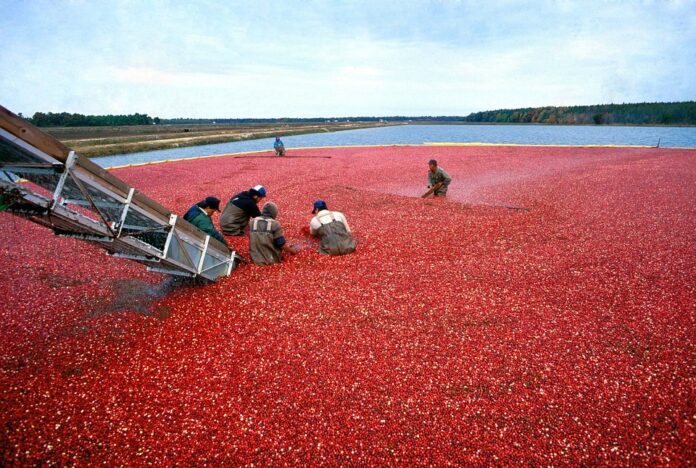
AI already helps farmers predict droughts and manage crops more efficiently, but the environmental cost of training large models and managing vast data centers is raising alarms.
Meanwhile, cooling – once considered a luxury, now a survival need in many parts of the world – remains one of the fastest-growing sources of greenhouse gas emissions. From passive cooling architecture to solar-powered refrigeration, sustainable alternatives are gaining ground, but scaling them is another story.
At the center of negotiations COP30 is the long-delayed Technology Implementation Program, a model for putting life-saving innovations in the hands of those who need them most. But progress is slow. Intellectual property rules, trade restrictions and financing barriers continue to block access for developing countries – even as the urgency increases.
Sustainable cooling for a warmer planet
COP30 Executive Director Ana Toni said after the opening session on Monday that she had participated in discussions on technological innovations that could accelerate climate solutions – from flood warning systems and methane monitoring satellites to advances in energy efficiency.
The issue came back to the forefront on Tuesday with the launch of Beat the Heat Implementation Campaigna joint initiative of the Brazilian presidency of COP30 and the United Nations Environment Program (UNEP), and partners of the Cool Coalition. The initiative aims to make cooling more accessible – and less polluting – in a world where deadly heatwaves are becoming the norm.
Demand for cooling is expected to triple by 2050, driven by rising temperatures, population growth and expanded access to inefficient cooling systems. Without intervention, cooling emissions could nearly double, overwhelming power grids and putting climate goals out of reach.
The new UNEP Global Cooling Monitoring 2025 A report warns that business as usual could generate 7.2 billion tonnes of CO₂ equivalent emissions by mid-century.
The Beat the Heat engine promotes Sustainable cooling pathway – a blend of passive design, nature-based solutions and clean technologies that can reduce emissions by up to 97% when combined with rapid decarbonization.
It’s not just about air conditioners: cool roofs, urban green spaces and low-energy systems are at the heart of the plan. Nearly two-thirds of potential emissions reductions come from passive and low-energy solutions, many of which are affordable and scalable.
“Cooling must be treated as essential infrastructure, just like water and energy,” said UNEP Executive Director Inger Andersen. “But we can’t air-condition our way out of the heat crisis.”
More than 185 cities – from Rio to Nairobi – have signed up to beat the heat, alongside 72 countries supporting the Global Cooling Pledge. The initiative is designed to close gaps in financing, policy and implementation, particularly for vulnerable communities on the front lines of climate change.
Artificial intelligence on the agenda
Although artificial intelligence (AI) is not part of the formal COP30 negotiations, it is gaining ground in the Agenda for Action – a platform designed to mobilize voluntary climate action from civil society, businesses, investors, cities and states. These actors may not sign treaties, but they are essential to making climate commitments a reality.
The Brazilian government is identifying successful examples of how AI can support climate resilience, a growing trend among other UN member states. One notable example comes from the Lao People’s Democratic Republic, where researcher Alisa Luangrath developed an AI-powered irrigation system in Savannakhet province, a region hit hard by water shortages and climate stress.
She was named the 2025 winner of the UNFCCC “AI for Climate Action” Prize.
Empowering farmers with smart data
Ms. Luangrath explained that the system integrates soil moisture sensors, groundwater monitors and weather data with AI-based analytics. The technology processes this information to predict land conditions, water availability and the risk of flooding or extreme heat. Farmers receive real-time updates via a mobile app, helping them plan planting and irrigation cycles more effectively.
She said UN News that it hopes that its participation in COP30 will help forge partnerships to bring innovation to other countries and communities vulnerable to climate shocks. All AI models and data tools developed through its project will be made available under open source licenses, ensuring free access for reuse and improvement.
Thanks to RuralInvest, the field technician understands what the farmer’s vision is, learns how and what data should be collected and enters it into the software, which automatically systematizes the information and brings to life clear and visually effective business plans.
The environmental cost of data
But as the use of AI grows, so do concerns about its environmental footprint.
Luã Cruz, coordinator of telecommunications and digital rights at the Brazilian Consumer Defense Institute (Idec), warned that even everyday digital activities – from mobile phone use to online interactions – depend on massive data centers.
“These facilities consume large amounts of energy and water for cooling, occupy large areas of land and require significant mining for their electronic components,” he explained.
Mr. Cruz added that many data centers “ignore planetary boundaries, seeking locations with minimal environmental regulations and generous tax exemptions.”
Pressure on water resources
Brazil, like several other countries, is struggling to attract such facilities — a move that Mr. Cruz says could worsen water stress. He pointed to the Netherlands’ moratorium on new data centers and the removal of facilities in Chile and Uruguay that have exacerbated local droughts.
Idec is currently involved in two legal cases in Brazil. One concerns a TikTok data center project in Caucaia, Ceará, near indigenous territory. The other involves a proposed facility in Eldorado do Sul, Rio Grande do Sul – a city that was more than 80 percent submerged after last year’s devastating floods.
Originally published at Almouwatin.com
World News in Brief: Refugee boat tragedy in Andaman Sea, Gaza vaccinations, farmers’ lending scheme
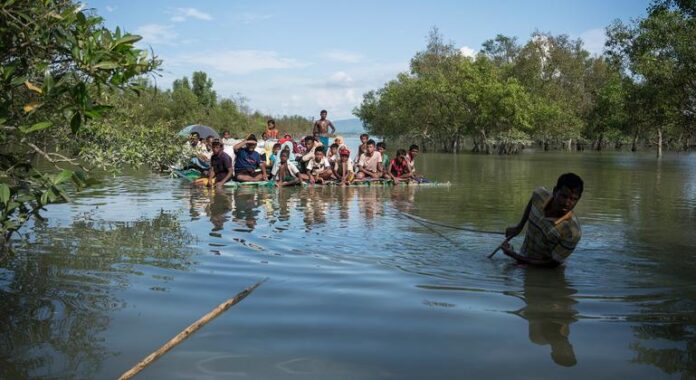
Thirteen survivors have been rescued by Malaysian authorities, but dozens remain missing.
Another vessel with about 230 people on board is reportedly still at sea, raising fears of further tragedy.
Thousands of Rohingya refugees continue to attempt perilous journeys across the Bay of Bengal and Andaman Sea in search of safety, as conditions worsen in camps in Bangladesh and in conflict-affected Myanmar.
Mounting death toll
The UN refugee agency, UNHCR, and the International Organization for Migration (IOM) expressed deep concern over the mounting loss of life, noting that more than 600 people have already died or gone missing at sea this year.
Women and children make up over two thirds of those making these dangerous crossings.
The agencies praised rescue efforts by Malaysian authorities and local communities and urged stronger regional cooperation to boost search-and-rescue capacity, ensure safe disembarkation, and address the root causes of displacement in Myanmar.
Gaza: vaccination campaign begins as immunisation rate drops below critical threshold
In Gaza, a catch-up immunisation, nutrition and health campaign is underway to reach over 40,000 children under three who have missed routine vaccines due to two years of conflict.
UNICEF, the UN Children’s Fund, warned on Tuesday that vaccination rates in the enclave have fallen below 70 per cent – a key threshold for keeping preventable diseases at bay.
The campaign has already reached thousands of children after beginning at the weekend. It will be conducted in three rounds: this month, December and January.
UNICEF spokesperson Ricardo Pires noted that before the war, Gaza had 98 per cent vaccination coverage and 55 immunization sites: “Now coerage has fallen below 70 per cent with 31 vaccination facilities destroyed or damaged.”
As a fragile ceasefire holds in Gaza, Mr. Pires explained that the biggest problem is delivering essential medical equipment into the Strip which is essential for the campaign’s success.
This includes 1.6 million syringes but the vast majority are still outside the enclave, UNICEF’s Mr. Pires said.
Fuel supplies
Between Friday and Monday, the UN Office for Project Services distributed more than 619,000 litres of diesel to humanitarian partners to support critical operations, including water services, sanitation, hygiene, health, logistics, rubble removal, education, nutrition and protection.
Between 1 November and Sunday, UN partners in Gaza provided general food assistance to some 255,000 people, distributing two food parcels per household.
“One month into the ceasefire, our partners working on food security are distributing about 160,000 bread bundles each day, which are produced by 19 UN-supported bakeries, nine of which are in northern Gaza,” said Deputy Spokesperson Farhan Haq.
Lending initiative boosts vulnerable food producers’ access
A UN-backed lending initiative is underway, aimed at helping small-scale farmers and producers from the Sahara and beyond, who are held back by the difficulty they often face securing business loans.
Announcing the news on Tuesday, the Food and Agriculture Organization (FAO) explained that growers face barriers in accessing funds because the sector is perceived to be riskier than others, because of its exposure to climate shocks and price volatility.
Credit where it’s due
But thanks to the European Union which is providing guarantees to the tune of 109.5 million euros, Italian public development bank CDP will now give credit to approved lenders operating in Africa and Türkiye.
The FAO’s role is to provide technical expertise in food, agriculture and finance for the programme’s local lenders.
“Knowledge is the best de-risking instrument,” said the UN agency’s chief, Qu Dongyu.
EIT Water Launched: New Innovation Community to Tackle Europe’s Water Challenges

The European Institute of Innovation and Technology (EIT) has selected the consortium that will lead EIT Water, the new Knowledge and Innovation Community (KIC) dedicated to addressing critical challenges across the water, marine and maritime sectors and ecosystems. EIT Water will accelerate solutions that respond to growing environmental, economic and social pressures on Europe’s water systems.
A New EIT Community for Water Innovation
EIT Water becomes the EIT’s tenth KIC. It will adopt an integrated approach across freshwater, marine and maritime environments, supporting entrepreneurial education and skills development, innovation projects, and business creation. By connecting innovators, researchers, and learners with Europe’s largest innovation network, EIT Water will strengthen the talent pipeline and drive technology adoption across Europe.
Supporting EU Priorities and Regional Impact
This new KIC will contribute directly to EU priorities for a greener, more digital and more resilient Europe. Supported by the EIT’s established innovation model and on-the-ground presence in every EU Member State, EIT Water will help ensure new technologies and approaches are developed and deployed where they are most needed.
Focus Areas
EIT Water will prioritise three key challenges:
- water scarcity, drought and floods;
- marine and freshwater ecosystem degradation;
- the development of a circular and sustainable blue economy.
Meet the Winning Team Behind EIT Water
The winning team, Allwaters, consists of 50 partners from 24 countries, including leading industry partners, universities, research organisations, ports, non-governmental organisations, small and medium-sized enterprises, amongst others.
Water connects all parts of our society and economy – from food and energy to industry and biodiversity. With EIT Water, Europe is strengthening its ability to manage and protect this shared resource more sustainably and innovatively. This new community will play an important role in the implementation of the Water Resilience Strategy and the building of a water-smart economy in Europe. A water-smart economy that works for people, nature, and our competitiveness.
Jessika Roswall, European Commissioner for Environment, Water Resilience and a Competitive Circular Economy
A healthy ocean and resilient freshwater systems are two sides of the same coin. EIT Water will help us bridge the gap between blue and green innovation by empowering local communities, businesses, and researchers. Supporting the delivery of the European Ocean Pact, it will contribute to restoring ecosystems, protecting marine life and securing a sustainable future for Europe’s water and maritime sectors.
Costas Kadis, European Commissioner for Fisheries and Oceans
We are proud to welcome EIT Water to the EIT Community, which will be a platform for collaborative innovation, bringing together business, research, and education with strong industry involvement to deliver real solutions for Europe’s water challenges. By combining the EIT’s proven innovation model with Europe’s leading water experts and industries, we can turn today’s pressing water crisis into an opportunity for sustainable growth, resilience, and global leadership.
Stefan Dobrev, Chairperson, EIT Governing Board
We are truly honoured to lead EIT Water and to help shape Europe’s response to one of its most pressing challenges. Water is life – and safeguarding it requires innovation, collaboration, and commitment. Together with the EIT and our partners across Europe, we look forward to developing solutions that make our water systems more resilient, circular, and sustainable for generations to come.
Michelle Williams, Coordinator, Aarhus University (Allwaters consortium)
Next Steps
To facilitate EIT Water’s establishment, the EIT will provide the KIC with a startup grant of up to €5 million during the launch phase in 2026, before it is expected to become fully operational in 2027. EIT Water will be an open partnership, allowing all stakeholders in the water sector to take part and benefit from its activities over its 15-year EIT-supported duration. The partnership is expected to leverage additional public and private investment, aiming to build long-term financial sustainability and lasting impact across Europe’s water systems.
Trapped behind bars: Reforming Haiti’s broken detention system

Most of those people died “as a result of lack of medical care, unsanitary cells, insufficient food, and limited access to drinking water,” according to the latest UN human rights report about the situation in the Caribbean island nation.
Haiti is facing a dire humanitarian, political and security crisis due to gang violence, compounded by deep-rooted poverty and a series of devastating natural disasters, including most recently Hurricane Melissa.
The country’s justice system has struggled to function effectively amidst these crises. Cases are not being tried quickly enough and 82 per cent of prisoners are being held in detention while they await their trial.
Here’s what you need to know about prisons in Haiti and how the UN is helping to improve the situation for detainees.
William O’Neill (centre background) visits a detention centre in Haiti.
Prisons under pressure
At the end of September 2025, over 7,200 men, women, boys and girls were held in Haitian prisons. Convicted criminals are often held alongside detainees waiting for trail and children are frequently being detained alongside adults in contravention of international standards, including the Nelson Mandela Rules, the universally acknowledged blueprint for prison management in the 21st century, named in honour of the former South African president who was incarcerated for 27 years as a political prisoner.
The occupation by gangs of urban areas where several prisons are located and high-profile breakouts, some led by gang members, have further reduced the capacity of the prison system and led to overcrowding.
Some prisons accommodate at least three times the number of people they were built for.
Subhuman conditions
Conditions in Haiti’s prison have been described by the UN as inhuman and degrading but what does that mean in reality? William O’Neill the United Nations Designated Expert on the Human Rights Situation in Haiti has visited many of them: “The conditions are subhuman, frankly. Unbelievably crowded and hot. There’s not enough food. There’s very little access to medical care. Prisoners are kept in cells for many, hours in a day with very little air or light, or access to water, toilets and showers.”
Fifty-two people have died in detention in the last three months in Haitian prisons many “of diseases that should not kill them,” said Mr. O’Neill, adding that “they are so weakened by the conditions and the lack of adequate nutrition and access to enough water, it’s a deadly combination.”
There is an allocated budget in the penal system to provide food to prisoners but often that money is corruptly diverted elsewhere.
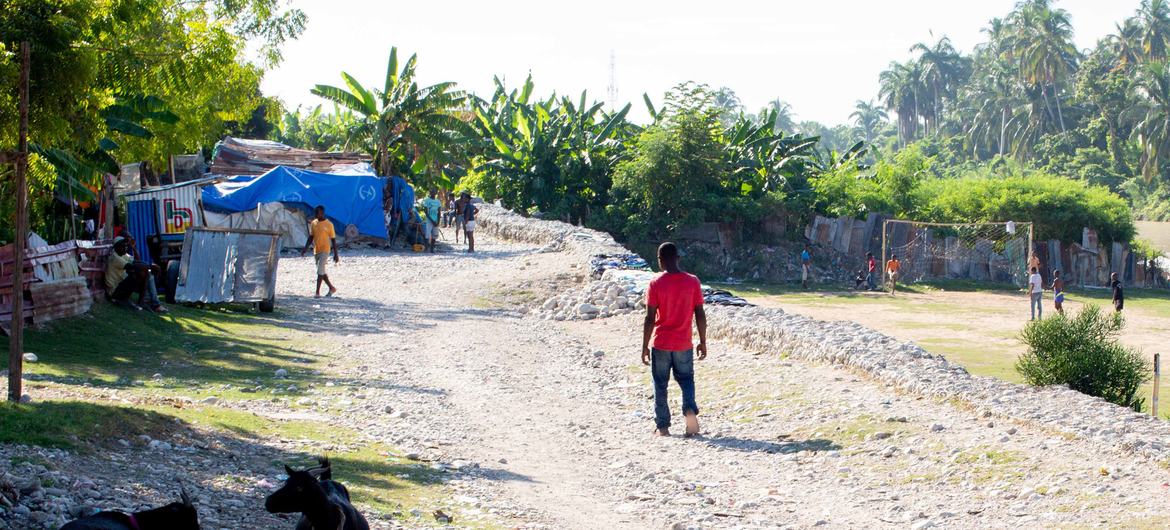
A Haitian man who spent three years in pre-trail detention was released with the support of the UN.
Detained for the theft of two pairs of shoes
The deadly conditions have to a great extent been driven by accommodating too many detainees in insufficient space.
This chronic overcrowding is a direct result of the practice of incarcerating people ahead of a trail. Known as pre-trail detention, in Haiti 82 per cent of the national prison population is awaiting trial, so innocent in the eyes of the law, until proven otherwise at trial.
One prisoner told William O’Neill that he had been waiting for a trail date for two years; his alleged crime? The theft of two pairs of shoes.
“There’s a backlog because the court system doesn’t function,” said Mr O’Neill. “There are not enough trials and they keep on arresting people. Police will often arrest people en masse. Literally, they will come to a scene of an alleged crime, and arrest everybody they find. People get caught up in this kind of dragnet and spend a lot of time in prison even though they have nothing to do with the crime.”
Gangs of Port-au-Prince
Violence in the Haitian capital, Port-au-Prince, where gangs are said to control 90 per cent of the territory, has led to the shuttering of numerous courts further slowing down the justice system.
Meanwhile, in March 2024, the capital’s two main prisons, the National Penitentiary of Port-au-Prince and the Croix-des-Bouquets prison, were attacked by gangs leading to the escape of 4,600 inmates, including several notorious gang leaders.
Local sources indicated that many of the escapees joined and strengthened the ranks of several gangs.

A gang member poses in the Delmas 3 area of Port-au-Prince.
Rebuilding justice
Supporting prison reform and improving detention conditions in Haiti has been a key focus of the UN political mission in Haiti, BINUH, the Human Rights Office and the Designated Expert and a key pillar of the UN’s broader mandate to strengthen the rule of law and human rights. The aim is to bring long-term structural reform to address systemic deficiencies in the justice sector.
Initiatives have included supporting prosecutors and judges to attend hearings in prison which has led to the release of some young people and the reduction in pre-trail detention. Training has been provided for police and prisons officers, and the UN has supported the rehabilitation of detention facilities, including the installation of basic infrastructure such as latrines, water access points and ventilation systems.
Ultimately, it is Haiti’s Ministry of Justice which is responsible for prison and police reform and according to the Designated Expert, William O’Neill, the UN can support the authorities “by providing expertise and resources, but also demanding results. We’re not just going to keep providing training and equipment. There need to be results and sustainable results.”
