Use of the EU Ecolabel has hit a record high: more than 109,000 products covered by over 3,300 licences across Europe now carry this trusted eco-friendly logo. Italy tops the rankings in terms of products certified under the scheme, followed closely by Spain, France and Germany.
The EU’s new LGBTIQ+ equality strategy for 2026-2030 sets out measures that will simultaneously protect and empower LGBTIQ+ people as well as engage everyone in helping to advance equality. It targets hatred online and in real life and looks to ban ‘conversion’ practices.
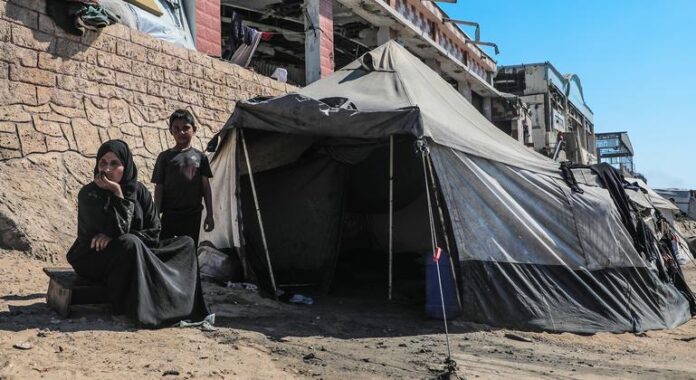
“There is a very positive and jubilant atmosphere in Gaza this morning and this has been the case all night. » said Olga Cherevko of the UN aid coordination office, OCHA. “There were people whistling, partying and celebrating.”
Talk to UN News from the devastated enclave, Ms. Cherevko stressed that the immediate humanitarian priorities remain unchanged: “reaching the most vulnerable with the aid we need now in adequate volumes and being able to provide it to those in need… Obviously no humanitarian aid can ever replace peace. This agreement is therefore more important than ever.
UN aid workers have around 170,000 tonnes of food, shelter, medicine and other essential items waiting outside Gaza.
These can be loaded onto trucks and entered the Gaza Strip as soon as a ceasefire is implemented, the aid worker explained, adding that fighting had not stopped as of Thursday morning.
“We look forward to seeing what our role will be in the future and how to get this help quickly and efficiently to people who of course desperately need it.” »
Progress of the American plan
The development follows US President Donald Trump’s announcement Wednesday evening that Israel and Hamas had “signed” the first phase of his 20-point peace plan, following days of intense indirect negotiations in Egypt.
President Trump announced on social media that Hamas had agreed to release all the hostages, later adding that this could happen on Monday.
His comments came at the end of a third day of indirect talks between Hamas and Israel in Egypt, where in addition to American mediators, representatives from Qatar and Turkey also led the negotiations.
During the Hamas-led terrorist attacks against Israel that started the war on October 7, 2025, 251 people were taken hostage. Reports indicate that 48 of them are still detained in Gaza and around 20 are still alive.
Other elements of the announced agreement include the withdrawal of Israeli military forces to “an agreed line,” Mr. Trump noted.
In confirming the agreement, Hamas political leaders called on the international community to ensure that Israel respects its terms, which include the release of Palestinian prisoners.
Israeli Prime Minister Benjamin Netanyahu hailed a “great day for Israel,” ahead of a meeting of his security cabinet Thursday afternoon to approve the first phase of the deal – including an immediate ceasefire that would begin immediately, according to media reports.
Encouragement from Guterres
“I welcome the announcement of an agreement to secure a ceasefire and the release of hostages in Gaza, based on the proposal put forward by President Donald J. Trump,” the UN chief said. Antonio Guterres in a statement.
Echoing these comments and welcoming the development, UN humanitarian chief Tom Fletcher echoed his call to “get the hostages out and scale up aid – quickly”.
He added: “Our teams are fully mobilized to move trucks on a large scale and save lives. They need safe access.”
Philippe Lazzarini, head of the United Nations agency for the Palestinians, UNRWAdescribed the “tremendous relief” felt by all those affected by the war, which has killed tens of thousands of Gazans, in addition to the nearly 1,200 Israelis murdered by Hamas during its unprecedented attack in southern Israel two years ago.
“The agreement aimed at finally obtaining a ceasefire in #Gaza and freeing the hostages is a huge relief“, Mr Lazzarini said in an online message. “This will bring respite to people who have survived the worst bombings, displacement, loss and heartbreak for two long years. After their terrible ordeal, the Palestinian hostages and detainees will finally reunite with their families. »
WHO is ready: Tedros
Also welcoming the announcement of a deal, the head of the UN World Health Organization (WHO), Tedros Adhanom Ghebreyesus highlighted the still “urgent” needs of patients across Gaza and said that the agency “is ready to intensify its work…to support the rehabilitation of the destroyed health system.”
From the United Nations World Food Program (PAM), Executive Director Cindy McCain supported The UN chief called for an immediate ceasefire in Gaza and stressed the need to “act NOW” to deliver aid.
“Unrestricted humanitarian access is urgently needed to provide life-saving food and assistance,” she said. “WFP is on the ground and ready to scale up operations, but we must act NOW – there is no time to lose.”
KINGNEWSWIRE / Press release / In a record-breaking edition of the Stralugano Marathon, volunteers from the Dico No alla Droga association, inspired by the humanitarian teachings of L. Ron Hubbard and supported by the Church of Scientology, joined thousands of runners to promote healthy living and drug-free values. Their participation in the Run 4 Charity section transformed sport into a message of prevention and social responsibility, highlighting how community action and education can help build a safer and more resilient Europe.
Say No to Drugs, Yes to Running: Scientologists Join Record-Breaking Stralugano to Promote a Healthy, Drug-Free Lifestyle
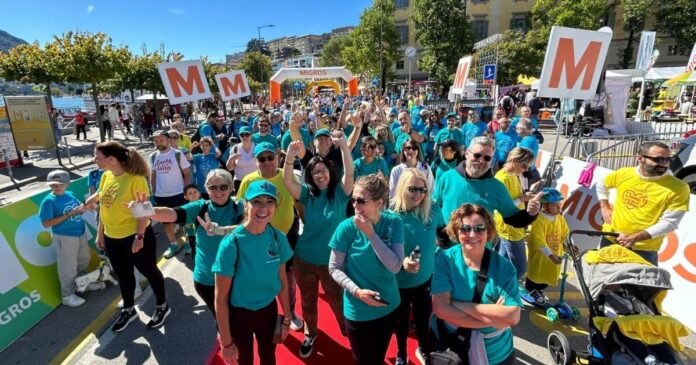
Lugano, Switzerland. THE Stralugano This year’s event, one of Switzerland’s most popular sporting events, reached a record number of participants, bringing together thousands of runners from across the region under the banner of community spirit and personal success. Among the participants was the humanitarian association Dictionary No alla Drugwho took part in the section Run 4 Charity in order to reaffirm a message that resonates deeply in today’s society: sport and positive values are powerful alternatives to drug consumption.
The group, made up of volunteers, friends and supporters, joined the event to show that prevention and awareness can also be achieved through action, unity and enthusiasm. “We invited our members, friends and supporters to run with us, a symbolic but meaningful gesture to highlight our message,” said Dico No alla Droga representatives. “We believe that sport offers a real and constructive alternative to the intoxication provided by drugs, by promoting health, energy and solidarity. »
Among the runners was Simone Leoan internationally renowned ultra-marathon runner known for combining endurance and determination. “Running gives people a natural, lasting feeling of accomplishment,” he said. “When you push your limits and cross the finish line, the reward is real. This is something that no drug can ever replace. »
A global humanitarian movement
Dico No alla Droga (Say no to drugs) is part of the Foundation for a Drug-Free Worldan international non-profit organization supported by members of theChurch of Scientology. Based on the humanitarian principles set out by L. Ron Hubbardthe Church’s social campaigns are rooted in the belief that education, not repression, is the most effective form of prevention.
Mr. Hubbard wrote that “the most destructive element present in our culture today is drugs,” emphasizing that it is only through accurate information that people can make informed and positive choices. Following this principle, the campaign provides free educational materials, brochures and audiovisual resources to schools, youth groups and public institutions. Volunteers organize information stands, conferences and events like this, inspiring people to choose life, health and responsibility.
Across Europe, thousands of volunteers have joined this movement in more than 100 European groups, often combining their personal passions — from athletics to the arts — with public awareness initiatives. In doing so, they illustrate a key idea behind the campaign: personal discipline and self-respect, encouraged through activities such as sport, are natural shields against addiction and despair.
The participation of Dico No alla Droga in the Stralugano is more than a gesture of solidarity; it reflects a proactive model of prevention that engages rather than isolates. By bringing together families, athletes and citizens around a common cause, such initiatives strengthen community ties while giving visibility to a message of hope and empowerment.
The group’s local coordinator explained: “Our goal is not to moralize, but to inform. We want young people to understand the real effects of drugs and to know that they have a choice, a choice that leads to a better and freer life. »
Events like the Stralugano offer a visible and positive framework for this message to take root, where the spirit of competition mixes with compassion and civic responsibility.
A message that resonates with European values
Ivan Arjona-Pelado, representative of the Church of Scientology to the European Union, the OSCE, the Council of Europe and the United Nations, welcomed this initiative, stating:
“What we see in Lugano is not just a local campaign, but a reflection of a broader European principle: human dignity is enhanced when people are empowered through knowledge and determination. Church of Scientology volunteers show that prevention, education and community engagement can transform lives in powerful ways. This is the essence of social responsibility in action. »
Created under the inspiration of L. Ron Hubbard and supported by the ecclesiastical leader of Scientology, Mr. David Miscavigewith a visionary drive to raise standards to a cutting-edge level of excellence, the “Say No to Drugs, Say Yes to Life” campaign has reached hundreds of millions of people across more than 180 countries. Through its educational brochures, translated into dozens of languages, and the widely distributed “The Truth About Drugs” series, the campaign provides young people with factual information about the short- and long-term effects of the most commonly abused substances. The program has received support from educators, law enforcement professionals and community leaders for its effective, non-confrontational approach to prevention.
L’Church of Scientologyfounded by L. Ron Hubbardis dedicated to the betterment of humanity through education, ethics and humanitarian action. Across the European continent, Churches of Scientology, missions and affiliated groups conduct a wide range of community programs covering human rights education, substance abuse prevention, moral literacy and disaster relief. His recognition as charitable and authentic religion continues to grow throughout Europenational courts and public institutions recognizing the social contribution and commitment of the Church to civic values.
KINGNEWSWIRE / Press release / In a record-breaking edition of the Stralugano marathon, volunteers from the association Dico No alla Droga, inspired by the humanitarian teachings of L. Ron Hubbard and supported by the Church of Scientology, joined thousands of runners to promote healthy living and drug-free values. Their participation in the Run 4 Charity section turned sport into a message of prevention and social responsibility, highlighting how community action and education can help build a safer, more resilient Europe.
Say No to Drugs, Yes to Running: Scientologists Join Record-Breaking Stralugano to Promote a Healthy, Drug-Free Lifestyle
Lugano, Switzerland. This year’s Stralugano — one of Switzerland’s most beloved sporting events — achieved record participation, uniting thousands of runners from across the region under the banner of community spirit and personal achievement. Among the participants was the humanitarian association Dico No alla Droga, which took part in the Run 4 Charity section to reaffirm a message that resonates deeply in today’s society: sport and positive values are powerful alternatives to drug use.
The group, composed of volunteers, friends, and supporters, joined the event to show that prevention and awareness can also be built through action, unity, and enthusiasm. “We brought our members, friends, and sympathizers to run with us — a symbolic yet meaningful gesture to emphasize our message,” said representatives of Dico No alla Droga. “We believe that sport offers a real and constructive alternative to the so-called ‘high’ of drugs, promoting health, energy, and solidarity.”
Among the runners was Simone Leo, an internationally recognized ultramarathoner known for combining endurance with purpose. “Running gives people a natural and lasting sense of accomplishment,” he said. “When you push yourself to the limit and cross a finish line, the reward is authentic. That’s something no drug can ever replace.”
A Humanitarian Movement with a Global Reach
Dico No alla Droga (Say No to Drugs) is part of the international Foundation for a Drug-Free World, a non-profit organization supported by members of the Church of Scientology. Founded on the humanitarian principles set forth by L. Ron Hubbard, the Church’s social campaigns are rooted in the conviction that education — not repression — is the most effective form of prevention.
Mr Hubbard wrote that “the single most destructive element present in our current culture is drugs,” emphasizing that only through accurate information can people make informed, life-affirming choices. Following this principle, the campaign provides free educational materials, booklets, and audiovisual resources to schools, youth groups, and public institutions. Volunteers organize information stands, lectures, and events like this one, inspiring people to choose life, health, and responsibility.
Across Europe, thousands of volunteers have joined this movement in over 100 European groups, often combining their personal passions — from athletics to the arts — with public awareness initiatives. In doing so, they illustrate a key idea behind the campaign: that personal discipline and self-respect, fostered by activities like sports, are natural shields against addiction and despair.
The participation of Dico No alla Droga in the Stralugano is more than a gesture of solidarity; it reflects a proactive model of prevention that engages rather than isolates. By bringing together families, athletes, and citizens around a shared cause, such initiatives strengthen community bonds while giving visibility to a message of hope and self-empowerment.
The group’s local coordinator explained that, “Our goal is not to moralize, but to inform. We want young people to understand what drugs really do, and to know that they have choices — choices that lead to a better, freer life.”
Events like Stralugano offer a visible, positive setting for that message to take root, where the spirit of competition merges with compassion and civic responsibility.
A Message Resonating with European Values
Ivan Arjona-Pelado, the Church of Scientology’s representative to the European Union, the OSCE, the Council of Europe, and the United Nations, praised the initiative, stating:
“What we see in Lugano is not just a local campaign but a reflection of a broader European principle — that human dignity is strengthened when people are empowered with knowledge and purpose. The Church of Scientology’s volunteers show that prevention, education, and community engagement can transform lives very effectively. This is the essence of social responsibility in action.”
Created under the inspiration of L. Ron Hubbard and propelled forward by Scientology’s ecclesiastical leader, Mr David Miscavige, with a visionary drive to elevate standards to cutting-edge excellence, the “Say No to Drugs, Say Yes to Life” campaign has reached hundreds of millions of people in more than 180 countries. Through its educational booklets — translated into dozens of languages — and the widely distributed Truth About Drugs series, the campaign equips youth with factual information about the short- and long-term effects of the most commonly abused substances. The program has earned endorsements from educators, law-enforcement professionals, and community leaders for its effective, non-confrontational approach to prevention.
The Church of Scientology, founded by L. Ron Hubbard, is dedicated to advancing the betterment of humanity through education, ethics, and humanitarian action. Across the European continent, Scientology Churches, missions, and affiliated groups carry out a wide range of community programs addressing human rights education, drug prevention, moral literacy, and disaster relief. Its recognition as a charitable and bona fide religion continues to grow throughout Europe, with national courts and public institutions acknowledging the Church’s social contribution and commitment to civic values.
President Trump announced on social media late on Wednesday that Hamas had agreed to release all the hostages being held inside Gaza “very soon”, while Israel has agreed to a phased withdrawal of its ground forces to “an agreed upon line.”
Hamas has reportedly confirmed the deal calling on the international community to ensure Israel abides by its terms.
Israeli Prime Minister Benjamin Netanyahu said it was a “great day for Israel” adding that the Government would meet on Thursday to approve the first phase – including an immediate ceasefire, according to news reports.
“I welcome the announcement of an agreement to secure a ceasefire and hostage release in Gaza, based on the proposal put forward by President Donald J. Trump,” said UN chief António Guterres in a statement.
Praise for the peacemakers
“I commend the diplomatic efforts of the United States, Qatar, Egypt and Türkiye in brokering this desperately needed breakthrough.”
The Secretary-General urged “all concerned to abide fully by the terms of the agreement,” including the release of hostages who have been held for over two years now in Gaza “in a dignified manner.”
Mr. Guterres insisted that there must be a permanent ceasefire. The United Nations is tasked under the US plan along with the Red Crescent, with overseeing the entry and distribution of humanitarian aid.
“The fighting must stop once and for all,” the UN chief continued. “Immediate and unimpeded entry of humanitarian supplies and essential commercial materials into Gaza must be ensured. The suffering must end.”
He said the organization would fully support the implementation of the phased agreement, as well as advancing recovery and reconstruction efforts in the devastated Gaza Strip.
Seize the day
“I urge all stakeholders to seize this momentous opportunity to establish a credible political path forward towards ending the occupation, recognizing the right to self-determination of the Palestinian people, and achieving a two-State solution that enables Israelis and Palestinians to live in peace and security,” the Secretary-General said.
Perfect Onanga-Anyanga was speaking at a Security Council meeting focused on key issues facing Africa and cooperation between the UN and the African Union (AU), a continental organization comprising 55 African member states. He warned that “concerns remain in some parts of the continent over the number and […]
This latest development follows the release on Tuesday of two reports claiming that the so-called “renewable energy revolution” is accelerating at an unprecedented pace.
For the first time, renewable energy generates more electricity than coalaccording to a new analysis from Ember, a global think tank working to accelerate the clean energy transition.
Energy change underway
Solar and wind power outpaced growth in global electricity demand in the first half of this year, causing coal and gas to decline slightly compared to the same period in 2024.
This represents “a crucial turning point”, according to Małgorzata Wiatros-Motyka, senior electricity analyst at Ember.
“Solar and wind are now growing fast enough to meet the growing global appetite for electricity. This marks the start of a shift where clean energy keeps pace with growing demand.“, she said in a press release.
Residents of Vanuatu, in the southwest Pacific, install solar panels on a roof.
Solar energy success story
In a separate report, the International Energy Agency (IEA) revealed that installed renewable energy continues to grow and is expected to double by 2030.
Global renewable energy capacity is expected to increase by 4,600 gigawatts (GW), “roughly equivalent to adding the total power generation capacity of China, the European Union and Japan”, the agency said.
Growth is driven by the rapid rise of solar photovoltaic technology, which converts sunlight into energy. This will account for around 80 percent of the increase, followed by wind, hydro, bioenergy and geothermal.
They also reflect messages from world leaders present at his Climate Summit organized last month during the high-level week as part of the preparations for the COP30 Conference in Brazil in November.
However, the UN chief continued to emphasize that although progress has been made, the energy transition is not yet fast enough or fair enough.
Therefore, efforts must be intensified if the world is to achieve the goal of limiting global temperature increase to 1.5 degrees Celsius above pre-industrial levels, as stated in the report. Paris Agreement on climate change.