Saturday, September 26, 2026
Home Blog Page 348

EU proposes tariff reductions to implement EU-US deal

0
EU proposes tariff reductions to implement EU-US deal

The EU has tabled two proposals to help implement the 21 August EU-US Joint Statement. They eliminate tariffs on US industrial goods, provide preferential market access to US seafood, and prolong tariff-free treatment of lobster. This will ensure tariff relief by the US for the EU automotive sector.

Source link

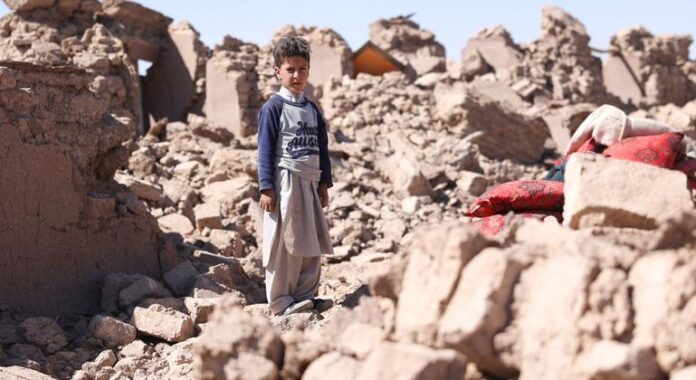
Aid effort underway after Afghanistan quake ‘wipes out’ villages

0
Aid effort underway after Afghanistan quake ‘wipes out’ villages

“I stand in full solidarity with the people of Afghanistan after the devastating earthquake that hit the country earlier today,” the Secretary-General said in an online message. “I extend my deepest condolences to the families of the victims and wish a speedy recovery to those injured. The @UN team in Afghanistan is mobilized and will spare no effort to assist those in need in the affected areas.”

On the ground, several UN agencies reported devastation across four eastern provinces of Afghanistan including Nangarhar and Kunar, where staff and humanitarian partners are already supporting relief efforts.

Trapped inside

Witnesses reported that the earthquake happened at around midnight local time, heightening fears that many Afghans may still be trapped under the rubble of their homes.

The tremor’s epicentre is estimated to have been only around eight kilometres (six miles) underground, causing buildings to shake in the Afghan capital, Kabul, and in Pakistan’s capital city, Islamabad, according to reports.

Among those providing assistance are the UN Assistance Mission in Afghanistan (UNAMA), the UN aid coordination office (OCHA) the UN World Health Organization (WHO) and many more.

“As reports of deaths and injuries from the #earthquake in eastern region of #Afghanistan continue to emerge, @WHOAfghanistan teams are on the ground in hospitals and health facilities, supporting the treatment of the wounded and assessing urgent health needs,” the UN health agency said.

“We are actively delivering essential medicines and supplies and deploying health teams to affected areas to help #SaveLives.”

How the UN helps

United Nations teams are on the ground in more than 160 countries, working with the authorities and partners on joint programmes in communities to promote climate action, food security, gender equality and safety of civilians.

The UN has been present in Afghanistan since 1949; the global body’s work there is driven by the Resident Coordinator, Indrika Ratwatte, as head of a country team which includes around 20 UN agencies and international organizations such as the World Bank and Asian Development Bank.

International appeal

Also on the ground to provide assistance, the UN refugee agency, UNHCR, noted that up more than 2,000 people have been likely injured in the province of Kunar alone. It is feared that the trading city of Jalalabad may have suffered a “very high death toll”, said UNHCR spokesperson Babar Baloch.

The UN agency is among those rushing lifesaving support to affected areas including medical equipment, shelter, clean water, tents and blankets.

Mr. Baloch insisted that the scale of this disaster “far exceeds the current capacity of local authorities and communities… We are appealing to the donor community globally to support urgently required relief efforts. Afghans need our support and assistance now, before it’s too late for many others.”

Aid teams will have to overcome challenging terrain to help some of the most remote communities who can only be reached on foot, OCHA noted.

It said that the de facto authorities have deployed heavy machinery to Nurgal and Chawkay districts to remove road blockages and that some sections have reportedly been reopened. Critically injured people have also been airlifted by helicopterto Jalalabad and Asadabad hospitals which are now the main referral points for victims in Nangarhar and Kunar provinces.

But “a number of isolated communities” can only be reached by foot with travel time currently up to three hours from the point of obstruction, OCHA noted, highlighting those in Dewagal Valley in Chawkay district and Mazar Valley in Nurgal district, Kunar province.

The earthquake is one of the worst to hit Afghanistan and comes less than two years since a deadly 6.3 magnitude tremor shook Herat on the other side of the country, affecting tens of thousands of people.


Source link

The UN chief calls justice and “real change” for people of African origin

0
The UN chief calls justice and “real change” for people of African origin

In a message Released before the day, Mr. Guterres honored the “extraordinary” contributions of people of African origin through each sphere of human efforts. The secretary general also recognized the “long shadows” of slavery and colonialism, which include systemic racism, unequal economies and societies, and the digital divide (between those who are able to benefit from digital technology and those who do not have access).

Mr. Guterres praised the Mondial digital compact – adopted in 2024 as part of Pact for the futureWho promotes a multilateral system that reflects today’s realities and delivers everyone everywhere – passing by a step forward, citing commitments to fight against discrimination and hate speeches in digital technologies. “White supremacy and dehumanizing stories,” wrote the UN chief, “are amplified by social media and, too often, racial bias is coded in algorithms”.

“Eighty years after the Charter of the United Nations reaffirmed equal rights and dignity inherent in each human being, and sixty years since the adoption of the International Convention on the elimination of all forms of racial discrimination“, He concluded:” It has long been to correct historical wrongs. »»

The Gateway to Freedom: International Memorial to the Underground Railroad in Detroit, Michigan, dedicated in 2001.

A decade of action

This year’s international day is the first to take place during the second international decade for people of African descent, which takes place from January 1, 2025 to December 31, 2034. The decade, which embraces the theme “People of African origin: recognition, justice and development”, ” aims to underline the importance of recognizing the rights and contributions of people of African origin. Mr. Guterres called for the next ten years to lead a “real change”, in particular by working on a United Nations Declaration on Full respect for people of human rights of the African origin.

The first decade saw more than 30 countries modify their laws and policies to combat racial discrimination and solve the specific problems facing people of African origin – in some cases for the first time. THE Permanent forum on people of African originwas created, and new international days have been launched to celebrate the contributions of the diaspora, including those of women and girls.

Based on the progress made between 2015 and 2024, the second decade aims to amplify global efforts to justice and development for individuals of African origin and to create a more equitable future, in which the aspirations and rights of people of African origin are fully recognized, honored and celebrated.

Originally published at Almouwatin.com

Aid effort underway after Afghanistan quake ‘wipes out’ villages

0
Aid effort underway after Afghanistan quake ‘wipes out’ villages

“I stand in full solidarity with the people of Afghanistan after the devastating earthquake that hit the country earlier today,” the Secretary-General said in an online message. “I extend my deepest condolences to the families of the victims and wish a speedy recovery to those injured. The @UN team in Afghanistan is mobilized and will spare no effort to assist those in need in the affected areas.”

On the ground, several UN agencies reported devastation across four eastern provinces of Afghanistan including Nangarhar and Kunar, where staff and humanitarian partners are already supporting relief efforts.

Trapped inside

Witnesses reported that the earthquake happened at around midnight local time, heightening fears that many Afghans may still be trapped in the rubble of their homes.

The tremor’s epicentre was eight kilometres (six miles) underground, causing buildings to shake in the Afghan capital, Kabul, and in Pakistan’s capital city, Islamabad, according to reports.

Among those providing assistance are the UN Assistance Mission in Afghanistan (UNAMA), the UN aid coordination office (OCHA) the UN World Health Organization (WHO) and many more.

“As reports of deaths and injuries from the #earthquake in eastern region of #Afghanistan continue to emerge, @WHOAfghanistan teams are on the ground in hospitals and health facilities, supporting the treatment of the wounded and assessing urgent health needs,” the UN health agency said.

“We are actively delivering essential medicines and supplies and deploying health teams to affected areas to help #SaveLives.”

How the UN helps

United Nations teams are on the ground in more than 160 countries, working with the authorities and partners on joint programmes in communities to promote climate action, food security, gender equality and safety of civilians.

The UN has been present in Afghanistan since 1949; the global body’s work there is driven by the Resident Coordinator, Indrika Ratwatte, as head of a country team which includes around 20 UN agencies and international organizations such as the World Bank and Asian Development Bank.

More soon on this developing story…/

Source link

Nikolaus Kriz assumes role as EFSA’s new Executive Director

0
Nikolaus Kriz assumes role as EFSA’s new Executive Director

An Austrian veterinary surgeon with more than 30 years of international experience, Dr. Kriz has dedicated his career to science, public health, and European cooperation. He previously held senior positions at the European Medicines Agency and has served the past eight years at EFSA, as Head of Unit for Animal Health and Welfare and Plant Health, and, more recently, as Head of Risk Assessment Services (ENABLE) Department.Speaking on his first day in office, Dr. Kriz expressed both gratitude and resolve, outlining his vision for EFSA’s evolving mission: “My top priorities are to deliver high…

Source link

Simple Steps To Make Education In Values More Meaningful

0
Simple Steps To Make Education In Values More Meaningful

Many educators understand the importance of instilling values in students, yet they often struggle to make this education relevant and impactful. By incorporating real-life scenarios, encouraging open discussions, and fostering a supportive environment, they can transform values education into a meaningful experience. They should explore engaging activities and reflection exercises that resonate with students, ensuring they grasp the significance of values in their daily lives. Ultimately, this approach enables them to develop a strong moral compass, empowering them to navigate an increasingly complex world.

Grounding Values in Real-World Contexts

Grounding values in real-world contexts enhances their significance and applicability for individuals. By linking abstract principles with tangible experiences, educators can foster a deeper understanding of values such as empathy, responsibility, and integrity. This approach equips learners to navigate ethical dilemmas and societal challenges, encouraging them to embody these values in everyday situations.

Integrating Local Community Examples

Local community examples serve as powerful tools in illustrating values. By involving familiar stories, individuals can relate better to the lessons being taught. For instance, sharing tales of community heroes or local initiatives that exemplify cooperation and altruism reinforces the practical implications of values in their immediate environment, making the learning process more relatable and impactful.

Encouraging Participation in Societal Issues

Engagement in societal issues cultivates a sense of responsibility and active citizenship among individuals. When they witness the direct impact of their actions on their communities, values like justice and fairness become more than abstract concepts; they evolve into guiding principles for decision-making and action.

This involvement can take various forms, such as participating in local clean-up campaigns, advocating for social justice, or volunteering at shelters. Active participation not only nurtures a connection to pressing issues but also empowers individuals to take ownership of their values, transforming them into agents of change. Studies have shown that those engaged in community activism develop stronger moral compasses, highlighting the profound link between societal participation and the internalisation of core values.

Engaging Storytelling as a Pedagogical Tool

Utilising storytelling in education transforms abstract values into relatable experiences. When educators weave narratives into lessons, students engage more emotionally, helping them internalise and reflect on important ethical principles. Stories that capture the complexities of human experience allow students to grapple with moral dilemmas and broader societal issues in a captivating way, making the learning process not only informative but also profoundly impactful.

The Power of Personal Narratives

Personal narratives resonate deeply because they originate from lived experiences. When educators share their own stories, they invite students to connect on an emotional level, fostering empathy and understanding. These narratives act as bridges, illustrating values such as resilience and integrity through authentic examples, thus encouraging students to reflect on their own lives and the choices they make.

Leveraging Historical Lessons for Contemporary Relevance

Drawing from historical events enriches the educational process by linking past experiences with present contexts. By examining different time periods, students uncover patterns of behaviour that echo in today’s society, leading to a clearer understanding of ethical values. This approach cultivates critical thinking, encouraging learners to consider how past actions shape current realities.

Educational frameworks that incorporate historical analysis frequently engage students in discussions about significant events, such as the civil rights movement or the suffragette movement, highlighting the importance of collective action and moral courage. For instance, studying the life of Nelson Mandela and his fight against apartheid illustrates themes of forgiveness, perseverance, and social justice. Such lessons empower students not only to appreciate history but also to apply these interpretations to solve contemporary issues, fostering a generation that values ethics and civic responsibility.

Fostering Critical Thinking Through Dialogue

Dialogue serves as a catalyst for critical thinking, encouraging learners to engage deeply with diverse viewpoints. Through structured conversations, individuals not only clarify their own beliefs but also refine their capacity to analyse and evaluate opposing perspectives. This process empowers them to articulate reasoned arguments and challenge assumptions, fostering an environment where intellectual curiosity flourishes.

Facilitating Open-Ended Discussions

Open-ended discussions invite participants to explore complex issues without the constraints of right or wrong answers. Educators can pose thought-provoking questions that stimulate reasoning and reflection. By remaining neutral, they create a safe space for learners to express their thoughts, thus promoting a culture where inquiry leads to deeper understanding.

Incorporating Diverse Perspectives

Diverse perspectives enrich discussions by introducing varied cultural, social, and historical contexts. This multiplicity allows learners to appreciate the complexity of values and fosters a broader understanding of global citizenship. Encouraging diversity within dialogue not only nurtures empathy but also strengthens the critical analysis of value systems.

Incorporating diverse perspectives involves actively seeking contributions from individuals with different backgrounds and experiences. For instance, a classroom that brings together students from various cultural backgrounds can discuss a topic like justice through multiple lenses, examining how interpretations may vary according to cultural norms. This practice highlights the importance of inclusion in educational settings, facilitating richer conversations while preparing students for a globally interconnected society. Emphasis on multicultural education can lead to more informed citizens who appreciate the intricate tapestry of human values, ultimately enhancing their engagement in democratic processes.

Practical Activities to Reinforce Value Education

Implementing practical activities can significantly enhance the impact of value education. Engaging students in hands-on experiences fosters a deeper understanding of values like respect, integrity, and compassion. Examples include organising community service days, where students actively contribute to local charities or environmental projects. By participating in real-world activities, students not only learn about values but also witness their importance in action, making the lessons more profound and lasting.

Service-Learning as a Vehicle for Realisation

Service-learning serves as an effective platform for students to connect academic concepts with community needs. Through direct involvement in service projects, they experience the relevance of values like teamwork and social responsibility. Such immersive experiences offer insights into societal challenges, fostering a sense of empathy and commitment to the community.

Collaborative Projects that Encourage Empathy

Collaborative projects provide an excellent opportunity for students to develop empathy through shared experiences. By working together on initiatives, they learn to appreciate diverse perspectives and build meaningful relationships. Activities like organising events or participating in debates can facilitate understanding of different viewpoints and the significance of compassion towards others.

These collaborative projects can take many forms, such as student-led workshops or community fairs, where participants actively engage with various social issues. For instance, a school might organise a fundraiser for a local shelter, requiring students to not only plan the event but also interact intimately with those benefiting from their efforts. This direct engagement cultivates empathy, promoting a sense of interconnectedness and responsibility towards others. Evidence from educational research has shown that students involved in such projects demonstrate increased emotional intelligence and a deeper understanding of the values they embody.

Assessing Value Comprehension Beyond Exams

Traditional examination methods often fail to capture the depth and breadth of students’ understanding of values. Integrating diverse assessment strategies that go beyond standard tests can offer a more holistic view of value comprehension. He or she may explore project-based assessments, peer evaluations, and reflective portfolios, enabling students to demonstrate their grasp of values through real-world applications and personal reflections.

Innovative Approaches to Evaluation

Innovative evaluation methods foster creativity and critical thinking, allowing students to engage with values in meaningful ways. He or she might consider incorporating multimedia projects, collaborative group tasks, or even community service as assessment criteria. By focusing on practical application, educators can gauge learners’ abilities to internalise and embody values in various contexts.

Feedback Mechanisms that Promote Continuous Reflection

Effective feedback mechanisms are necessary for fostering an environment of continuous reflection on values. Educators can implement regular check-ins, personalised feedback sessions, and peer-to-peer reviews. These practices encourage open dialogue and deeper understanding, which ultimately support students’ development of ethical reasoning and self-awareness.

Engaging in ongoing feedback discussions not only bolsters students’ confidence but also allows teachers to monitor progress in value comprehension. An instance could involve a student receiving constructive insights after presenting a community project centred on compassion. By establishing clear criteria and inviting questions, they guide learners through reflective practices, leading to improved value integration in their daily lives. This cycle of feedback and reflection ensures students continue to evolve and adapt their understanding of values outside the classroom setting.

Conclusion

Considering all points, they can enhance the meaningfulness of education in values by integrating real-life applications, promoting critical thinking, and encouraging open discussions. He or she should adopt methods that engage students actively, providing them with opportunities to reflect on their values within various contexts. Additionally, fostering a collaborative learning environment will enable them to share experiences and insights, ultimately leading to a deeper understanding of the importance of values in their lives.

Source link

The Enduring Importance Of Education In Values In A Changing World

0
The Enduring Importance Of Education In Values In A Changing World

With the rapid changes in society and technology, he, she, and they often overlook the significance of education in values. As moral and ethical dilemmas increasingly arise, it becomes imperative that educational systems prioritise values education. This foundational aspect not only shapes individuals’ character but also equips them to face the complexities of a diverse world. By instilling principles such as empathy, integrity, and social responsibility, he, she, and they are better prepared to contribute positively to society, ensuring that the essence of humanity is preserved amidst ever-evolving challenges.

The Moral Compass: Education as a Guiding Force

Education serves as a moral compass, grounding individuals in values that inspire ethical decision-making and social responsibility. Through diverse learning environments, students engage with principles of fairness, justice, and respect, forging a pathway towards conscientious citizenship. Educational institutions cultivate awareness and empathy, equipping learners to navigate complex moral dilemmas while upholding their own integrity.

The Role of Values in Personal Development

Values play a pivotal role in shaping personal development, influencing behaviours and choices. Through education, he, she, and they learn to appreciate diversity, engage in self-reflection, and establish personal ethics. This foundational understanding fosters resilience and adaptability, imperative traits in an ever-evolving world.

How Ethical Education Shapes Societies

Ethical education profoundly impacts societal structures by promoting cohesive communities built on trust and shared values. Through curricula that emphasise ethical reasoning and social responsibility, students develop the capacity to challenge injustices and foster inclusivity. Research indicates that societies prioritising ethical education exhibit lower crime rates and enhanced civic engagement, showcasing the transformative potential of these principles.

In countries where ethical education is prioritised, indicators of civic responsibility and social harmony significantly improve. For instance, studies in Scandinavian countries reveal that students exposed to comprehensive ethical curricula demonstrate higher levels of community involvement and lower incidences of discrimination. Furthermore, students educated in values are more likely to advocate for environmental sustainability and social equity, showcasing how investing in ethical education cultivates proactive citizens who contribute positively to their communities. As they navigate societal challenges, these individuals act with integrity and purpose, laying the groundwork for a more just and equitable future.

Adapting Values in an Era of Globalisation

Globalisation has necessitated a reevaluation of values, as interconnectedness blurs cultural boundaries. As individuals encounter diverse societies, the adaptability of their core principles becomes vitally important. This ongoing exchange compels society to balance the richness of local traditions with universal ethics, fostering environments where mutual respect and coexistence can thrive. Such adaptability is not merely beneficial but vital in navigating the complexities of a shared global future, enabling people to harmonise their identities with broader community aspirations.

Cultural Sensitivity: Bridging Diverse Perspectives

Cultural sensitivity stands at the forefront of fostering understanding among diverse populations. He or she who possesses this skill can navigate varying customs and beliefs, promoting inclusivity. By actively engaging with different viewpoints, individuals build bridges, enhancing cooperation and collaboration. Incorporating education that highlights these sensitivities allows societies to celebrate differences while dismantling stereotypes, ultimately creating a peaceful coexistence that thrives on shared values.

The Influence of Technology on Value Systems

Technology profoundly shapes contemporary value systems, shifting how individuals communicate, learn, and interact. The exponential growth of the internet and social media has created a platform where ideas proliferate rapidly, altering perceptions of morality and ethics. As they connect with global audiences, individuals encounter a multitude of value systems, often prompting reflection and redefinition of their own beliefs. Online movements, such as #MeToo and climate activism, illustrate how technology can galvanise collective action around shared values, empowering people to challenge traditional norms and advocate for change.

The impact of technology extends beyond mere communication; it influences access to information that underpins value formation. For instance, educational platforms like Coursera and Khan Academy democratise learning, allowing individuals to engage with a variety of ideological frameworks. This exposure fosters critical thinking and reassessment of existing beliefs. Additionally, algorithms shaping social media content can create echo chambers, leaving them susceptible to radicalisation or misinformation. Understanding the dual nature of technology as both a tool for empowerment and a potential source for conflict is vital in cultivating a modern value system that is both inclusive and resilient.

The Interplay of Education and Civic Responsibility

Education serves as a foundational pillar for nurturing civic responsibility, fostering a sense of community and engagement among individuals. By instilling values such as empathy, respect, and active participation, educational institutions can cultivate informed citizens who understand their role in shaping a democratic society. This relationship extends beyond the classroom, impacting local initiatives and broader societal change as educated individuals contribute to the common good.

Fostering Active Citizenship through Value-Based Education

Value-based education equips students with the necessary skills to engage meaningfully in civic life. Through discussions about ethical dilemmas and community service projects, they develop a sense of responsibility towards others. Programmes that emphasise critical thinking and social justice help transform passive learners into active participants who advocate for their rights and the rights of others.

The Future of Democracy: Educating for Engagement and Responsibility

Preparing future generations for democratic participation necessitates a focus on education that promotes engagement and responsibility. Schools that emphasise civic education empower students to understand political processes and civic duties. By integrating practical experiences, such as simulations of legislative processes or community advocacy projects, they enhance students’ understanding of their potential influence in society.

A robust educational framework that prioritises engagement can lead to a more informed electorate, vital for the survival of democracy. For instance, studies suggest that students who participate in civic education are more likely to vote and engage in community activities. Interactive methodologies, like debates and service-learning, foster a sense of ownership and responsibility towards societal issues. As they grapple with real-world challenges, students not only learn about democracy but also develop the confidence and skills necessary to uphold it, ensuring a vibrant democratic future.

Practical Strategies for Embedding Values in Curricula

Integrating values into the curriculum requires a multifaceted approach where educators weave ethical principles into every subject. Schemes of work can be designed to include discussions about morality in literature classes or apply real-world problem-solving in mathematics through community dilemmas. Project-based learning that encourages students to explore social issues fosters a deeper understanding of empathy and civic responsibility. Through active participation in collaborative activities, students can cultivate a sense of belonging and mutual respect within diverse environments.

Innovative Approaches to Teaching Values in Schools

Schools can adopt innovative pedagogical methods such as service-learning, where students engage in community projects that align with academic goals while reinforcing values like compassion and teamwork. By integrating technology, educators can create interactive platforms for discussions on moral dilemmas, encouraging students to thoughtfully reflect on their choices. Drama and role-play are effective tools in simulating real-life scenarios, allowing students to explore different perspectives and develop emotional intelligence.

Community Partnerships: Enhancing Value Education Outside the Classroom

Forming partnerships with local organisations can significantly enhance value-based education by providing students with opportunities to apply their learning in real-world contexts. Collaborations with charities, businesses, and community groups enable students to engage in service projects, reinforcing values such as responsibility and altruism. These experiences deepen their understanding of societal issues and empower them to take active roles within their communities.

Community partnerships offer rich resources and varied perspectives that are invaluable for effective value education. For instance, by partnering with local charities, students can participate in initiatives addressing homelessness, gaining firsthand insight into the challenges faced by vulnerable populations. Workshops led by community leaders can provide mentorship and inspiration, bridging the gap between theoretical knowledge and practical application of values. Such collaborations also foster a sense of commitment, as students witness the positive impact their contributions can make in their communities, further solidifying the importance of ethical behaviour and social responsibility.

The Impact of Value Education on Future Generations

Value education profoundly influences future generations by instilling moral principles and fostering ethical thinking. Students equipped with strong values demonstrate greater empathy, accountability, and resilience in an ever-changing world. As they navigate complex societal issues, the lessons learned from value-oriented education guide their decision-making and behaviour, ultimately shaping a more responsible and cohesive society.

Measuring Success: The Long-Term Benefits of Value-Oriented Education

Assessing the impact of value-oriented education reveals significant long-term benefits, including improved social skills, enhanced academic performance, and a commitment to civic engagement. Research indicates that students exposed to value education are more likely to participate in community service and demonstrate ethical leadership as adults, contributing positively to society.

Inspiring Change: Stories of Transformation Through Education

Numerous examples exist where value education has led to transformative outcomes for individuals and communities. Case studies illustrate how students from disadvantaged backgrounds, after receiving value-centric education, have overcome significant obstacles to achieve personal and professional success. Such transformations not only uplift individuals but also inspire their peers and families to pursue similar paths.

One notable instance involves a group of students in a low-income urban school who engaged in a project focused on community service and ethical leadership. Through collaborative efforts, they initiated a recycling programme, significantly reducing local litter. This initiative not only enhanced their community but also instilled a sense of pride and responsibility among their peers. Several participants later pursued careers in environmental science and community development, demonstrating the powerful ripple effect of value education on personal ambition and societal impact.

Conclusion

Summing up, she highlights that education in values remains indispensable as society evolves. They must cultivate ethical principles and social responsibility to navigate complex challenges. He asserts that instilling integrity, empathy, and respect in learners prepares them for not only personal success but also for contributing positively to a diverse world. Therefore, the integration of values in education is necessary for fostering harmonious communities and promoting sustainable progress.

Source link

Turkish Main Battle Tank Altay is Finally Entering Service

0


NATO countries have quite a few different main battle tanks. There are some rarer ones, used by one

Source link

Statement by the High Representative on behalf of the EU on Palestine

0
Nikolaus Kriz assumes role as EFSA’s new Executive Director

Statement by the High Representative on behalf of the EU on Palestine

Source link

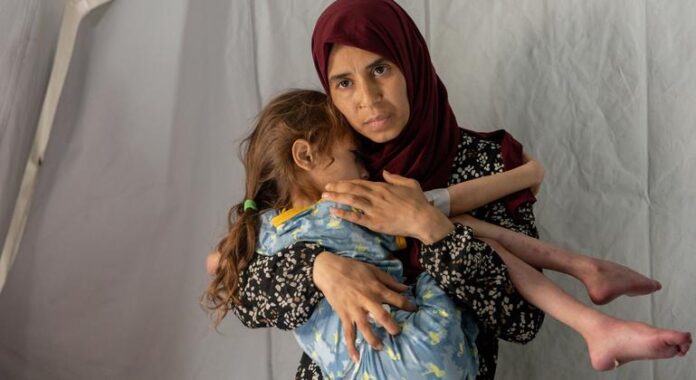
The descent into ‘a massive famine’ in Gaza has begun, relief agencies warn

0
The descent into ‘a massive famine’ in Gaza has begun, relief agencies warn

“We are on a descent into a massive famine,” said Jens Laerke, spokesperson for the UN aid coordination office, OCHA, “and we need massive amounts of food getting into the Strip and safely distribute it across the Gaza Strip”.

Referring to the latest catastrophic assessment of food insecurity in Gaza from the UN-backed IPC group of experts, Mr. Laerke noted that 500,000 people are in the worst possible situation today, with another 160,000 expected to be added to that number in the coming weeks.

Everyone lacks food

“They all need food,” he told journalists in Geneva. “The entire Gaza Strip needs food. There would not have been declared famine had there been sufficient amounts of food.”

In a related development, the UN World Health Organization (WHO) highlighted the growing risk of communicable diseases in Gaza, with 94 suspected cases of Guillain-Barré Syndrome now reported.

The disease can cause paralysis and is treatable in hospital with intravenous immunoglobulin or plasma exchange, according to WHO. “But these two [treatments] are at zero stock, as are anti-inflammatories,” said WHO spokesperson Christian Lindmeier, referencing ongoing Israeli aid restrictions impacting humanitarian relief supplies entering Gaza. “These deliveries must be urgently expedited as much as surveillance and testing capabilities.”

Between 20 and 26 August, out of 89 attempts to coordinate relief missions with Israeli authorities across Gaza, 53 were facilitated, 23 were initially approved but then impeded on the ground, seven were denied and six had to be withdrawn by the organizers, OCHA said in an update.

UN warns of worsening toll in Gaza City

The UN later voiced deep concern that the intensifying Israeli offensive on Gaza City could have “an even more horrific impact” on civilians across the Strip. 

Spokesperson Stéphane Dujarric said Israel’s decision to halt daily tactical pauses in Gaza City – now declared a “dangerous combat zone” – threatens both people’s lives and the ability of aid workers to operate.

UN teams reported that while the pauses had suggested some space for humanitarian action, “bombing was still observed in areas and at times where such pauses had been declared.” The Office for the Coordination of Humanitarian Affairs (OCHA) stressed that “life-saving aid operations must be enabled, not rolled back”.

Mr. Dujarric warned that forcing people further south risked “a recipe for disaster” and could amount to forcible transfer. He said the UN expects its work to be facilitated, reminding parties that civilians and humanitarian facilities “must be protected at all times”.

‘Every hour today counts’: UNRWA chief

The head of the UN agency for Palestine refugees (UNRWA), Philippe Lazzarini, renewed his urgent call for a ceasefire in Gaza, warning that civilians face death not only from bombardment but also from mass starvation and lack of aid.

“Every hour today counts, the more we wait, the more people will die,” the UNRWA Commissioner-General said in interview with UN News’s Daniel Johnson.

Source link