Sunday, September 20, 2026
Home Blog Page 35

DR Congo: Ebola outbreak still expanding, WHO sees signs of stabilization

0
DR Congo: Ebola outbreak still expanding, WHO sees signs of stabilization

Key points

  • Fastest-growing Ebola outbreak ever recorded. 
  • No approved vaccine or treatment exists. 
  • Violent instability hampering disease surveillance and care. 
  • Early detection remains critical to saving lives.

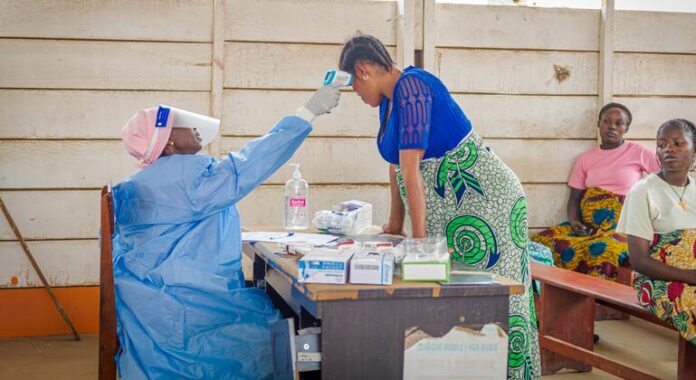
“The outbreak has been reported in five provinces, but the province of Ituri remains the epicentre of the outbreak, accounting for more than 90 per cent of cases and also 80 per cent of deaths,” said Dr. Thierno Baldé, World Health Organization (WHO) Incident Manager. In addition to Ituri, the other impacted provinces are North Kivu, South Kivu, Haut-Uele and Tshopo.

Speaking to journalists in Geneva from Bunia, capital of Ituri province and at the heart of the outbreak, Dr. Baldé confirmed that the Bundibugyo virus behind this latest Ebola outbreak is also extending its reach to new areas in the eastern region, where chronic instability and the threat of conflict have combined with highly mobile and often displaced populations to create ideal conditions for the infection to spread.

Rampant insecurity

Teams from WHO are adjusting and tailoring their strategy to the specific needs of each of the affected areas, while also focusing on bringing the situation under control in Bunia and surrounding areas. 

The five affected provinces are all in eastern DRC where rebel militia violence remains rampant and communities live in fear of conflict.

“Let’s be very clear, this outbreak remains ahead of us and we are still in the phase of catching up,” explained Dr. Baldé. “We have prioritized the expansion of safe and dignified burials, [a] referral system [and] clinical case management capacity in the most active transmission areas,” he explained.

The Ebola outbreak that was declared in eastern DRC on 15 May is the fastest-growing Ebola outbreak on record. The Bundibugyo virus variant is less common and there is no approved vaccine or treatment.

Dr. Baldé described a recent visit to Kisangani in Tshopo province where WHO is implementing a collective strategy by deploying rapid response teams. The results are encouraging. “No secondary cases have been detected so far in Kisangani,” he said. “Currently, all five cases are imported from Ituri province. We intend to roll out a similar rapid response plan in…Katwa, Butembo and other emerging areas”, he added. 

Congo River strategy

To tackle any chains of transmission, the UN health agency is also working on a new project which aims to reinforce control measures through the River Congo, “a crucial transit route requiring rapid implementation of control measures”, the WHO official explained.

WHO teams continue to engage actively with communities to mobilize and encourage them to accept treatment and follow-up care.  “The main strategy is to implement a very strong, very effective and very timely response to contain the affected areas by identifying, by doing in-depth investigation of the cases, listing and following all of the contacts,” insisted Dr. Baldé. 

Despite the challenges, WHO has reported some encouraging signs, such as in Mongbwalu, where the outbreak was first detected. “Mongbwalu is currently showing some signs of stabilization with a similar trend in Goma, North Kivu province,” noted the WHO Incident Manager. 

The highly contagious Bundibugyo virus is relatively unfamiliar but it killed around 30 per cent of infected persons in the two previous outbreaks in 2007 and 2012, respectively in Uganda and DRC.

The disease starts with flu-like symptoms including fever which can mask its true identity. Full-blown Ebola disease caused by Bundibugyo virus is marked by severe bleeding and a fatality rate of around 40 per cent.

Source link

Choosing the Right AI Agent Development Services for Your Business

0
Choosing the Right AI Agent Development Services for Your Business


Coding, software development. Image credit: Christopher Gower via Unsplash, free license

Businesses have been experimenting with AI agents ever since they emerged, but nowadays they constitute operational infrastructure for many companies. As not many of them have technical expertise within this technology, they usually choose AI agent development services that will allow them to launch the AI product. If you follow this path, read this practical guide to make an informed decision regarding AI development agency choice.

Understanding AI Agent Development Services

AI agent development services cover everything regarding autonomous software, from strategy and model selection to actual deployment and ongoing tuning. 77% of executives are now looking for processes where decisions can be made by autonomous AI judgment, which explains the popularity of machine learning app development companies.

What Are AI Agent Development Services?

An AI agent is software that is capable of planning, decision-making, using tools, and performing multi-step actions independently. An AI agent development company would prepare a strategy, choose and train a model, integrate and deploy the agent, and handle ongoing tuning. Working with a machine learning app development company results in deep model building, while opting for a broader AI development agency adds extra focus on strategy and implementation.

Key Benefits of Implementing AI Agents in Business

76% of business leaders think that artificial intelligence decision-making will provide them with an important competitive advantage in the future. The reason for this is that AI decisioning increases efficiency, decreases mistakes, analyzes large sets of data to identify patterns and trends, and saves money on labor. Because of this autonomy, 75% of business leaders believe that AI will change their service delivery model.

Factors to Consider When Selecting AI Agent Development Services

Nowadays, there’s a wide variety of companies providing AI agent development services, but not every one of them can create a valuable product and is worth your trust. Here’s how to evaluate them.

Experience and Expertise in AI Agent Development

AI agents are a complex technology, especially when a production deployment requires coordinating three or more agents. A genuine machine learning app development company should be able to explain their model training and fine-tuning approach in plain terms. Before you start talking to them, check their proven track records in LLM integration, agent orchestration, and multi-agent systems.

Customization and Scalability Options

As AI agents must adapt to unique workflows, an AI agent development company for enterprise needs must be able to handle higher data volumes and more complex permission structures.

Integration Capabilities with Existing Systems

AI agents do not work in silos. On the contrary, they need to connect with CRMs, ERPs, databases, and communication tools, including Slack and email. To verify whether an AI agent development company knows how to do it, ask about API compatibility and pre-built connectors vs. custom integration work.

Security and Compliance Standards

When AI data breaches make the headlines on a regular basis, it does not come as a surprise that security and compliance standards matter so much in the selection of AI agent development services. Access controls, GDPR/ HIPAA, when applicable, and audit logs are critical for this type of work. You can test if your candidate meets them by asking about industry guidelines for agents.

Support and Maintenance Services

AI agents, just as most other innovations, should be monitored regularly after they are launched. This is necessary due to model drift, business rule changes, and modifications in tools. Make sure that you understand clearly which services fall under your support agreements and which will cost extra.

Comparing Top AI Agent Development Service Providers

Now that you know the factors to consider when deciding to use AI agent development services, let’s look at how to vet your potential partner to prevent costly mistakes.

Evaluation Dimension

What to Look For

Why It Matters

Portfolio Depth

Case studies with measurable outcomes

Proves real-world results, not just demos

Industry Fit

Experience in your sector

Reduces onboarding/learning curve

Tech Stack

Modern LLM frameworks, orchestration tools

Future-proofs your investment

Client Reviews

Independent platforms (Clutch, G2)

Avoids relying on curated testimonials

Pricing Transparency

Clear breakdown, no hidden fees

Prevents budget overruns

Post-Launch Support

SLA-backed maintenance

Ensures agents stay reliable over time

Evaluating Portfolio and Case Studies

  • Request examples with quantifiable results (time saved, cost reduced, tickets resolved).

  • Be wary of providers who only show polished demos without real deployment data.

Client Reviews and Testimonials

Consider third-party review sites, instead of trusting only the website of the AI agent development company. Seek feedback regarding communication, time, and how problems were resolved after project completion.

Pricing Models and Cost Transparency

Popular business models include fixed price per project, hourly rates, and outcome-oriented (ROI) models. What if something changes in scope during the project? This is a typical reason behind additional expenses.

TOP AI Agent Development Companies for Startups and SMBs in 2026

AI agent development companies specialize in designing autonomous systems that reason, plan, and execute tasks. Top-rated firms include MobiDev, Trigent Software, LeewayHertz, SoluLab, and Vention, which build custom agents for workflow automation, customer support, and domain-specific operations.

MobiDev specializes in building custom AI agents for startups, scaling SaaS product companies, and SMBs, with proven experience delivering operational automation, customer experience, and AI-powered product solutions that generate measurable business outcomes.

Trigent Software specializes in AI-powered software modernization, agentic AI solutions, and product engineering, helping businesses integrate AI agents into existing applications, workflows, and enterprise systems.

LeewayHertz focuses on building custom AI agents, generative AI applications, and AI-native software products using leading frameworks such as OpenAI, Anthropic, Vertex AI, and Amazon Bedrock.

SoluLab helps startups and growing businesses develop AI agents, AI-powered applications, and workflow automation solutions, with a strong focus on rapid product development and MVP delivery.

Vention provides dedicated AI engineering teams and custom AI agent development services, enabling startups and scaling technology companies to accelerate AI product development and automation initiatives.

Steps to Successfully Implement AI Agent Development Services

Once you choose the provider of AI agent development services, there’s a whole new bunch of steps you need to take after you sign the contract. Here’s a practical guide on how to do it.

Defining Your Business Objectives

Identify specific, measurable goals (e.g., reduce average ticket response time by X%) rather than vague “we want AI.” Prioritize one or two high-impact workflows for an initial deployment rather than attempting everything at once.

Collaborating with Your Chosen AI Agent Development Partner

Set up regular meetings and reporting systems. Make sure to give access to any pertinent data and people from inside early on in the process. A good AI agent development company will ensure your team is involved in the testing process as well.

Measuring Success and ROI

Monitor established KPIs from the beginning (handling times, savings in terms of costs, accuracy rates). The IDC and Microsoft have reported an average return of 3.7x on $1 spent on generative AI technologies, but only 25% of all AI projects have actually reached their ROI expectations, according to the 2025 IBM CEO study.

Future Trends in AI Agent Development Services

The development of multi-agent systems, such as planner-executor, retrieval-reasoning separation, and reviewer layers, is becoming advanced, and the rate at which these systems will be adopted will significantly increase. While just 17% of enterprises have adopted AI agents now, more than 60% intend to do so in the next two years, indicating a need for more development of AI technology.

Conclusion: Making the Right Choice for Your Business

A perfect provider of AI agent development services should not only be equipped with the necessary skills but also offer reliable security, transparent pricing, and comprehensive support after launch. According to Gartner research, 40% of the total number of agentic AI projects is expected to fail by the year 2027 due to poor project planning or inappropriate vendor selection. Hence, choosing the right provider becomes particularly important for reducing risks associated with the venture. If you are interested in acquiring AI agent development services, you have made a step towards success.



Source link

Zelenskyy Replaces Ukraine’s Army Chief

0
Zelenskyy Replaces Ukraine’s Army Chief

Mykhailo Drapatyi is set to take command as Kyiv seeks continuity, reform and civilian protection under Russian attack Ukrainian President Volodymyr Zelens…

Mykhailo Drapatyi is set to take command as Kyiv seeks continuity, reform and civilian protection under Russian attack

Ukrainian President Volodymyr Zelenskyy has announced that Mykhailo Drapatyi will become commander-in-chief of Ukraine’s Armed Forces, replacing Oleksandr Syrskyi in one of Kyiv’s most consequential wartime leadership changes since Russia’s full-scale invasion.

The decision, announced late on Tuesday, comes as Ukraine faces the twin pressure of sustaining military operations and answering public concern over the direction of the war. Zelenskyy said the handover would be formalised on Wednesday and presented it as part of a wider effort to modernise command structures without interrupting combat operations.

In an address published by the Ukrainian presidency, Zelenskyy said he had spoken with senior commanders across the army and security forces before deciding that Drapatyi should take the post. He also thanked Syrskyi for his role in defending Kyiv, the Kharkiv offensive and operations in Kursk, while saying Ukraine now needed an updated defence strategy and a coordinated institutional handover.

A command change under wartime pressure

The appointment places Drapatyi at the centre of Ukraine’s next phase of military planning, including corps reform, drone supply, equipment delivery and protection against Russian air strikes. Zelenskyy said the new leadership must prepare proposals on defence strategy, battlefield logistics and mobilisation, while maintaining Ukraine’s long-range pressure on Russia.

The timing gives the move immediate political weight. Ukraine’s armed forces remain under intense operational strain, while society is demanding both military effectiveness and accountability from wartime institutions. Zelenskyy’s message sought to balance those pressures: respect for Syrskyi’s service, continuity in operations, and a promise that Ukraine would “emerge from this situation stronger”.

Drapatyi, a senior officer associated with Ukraine’s post-2014 generation of commanders, will inherit a force shaped by attrition, rapid technological change and the growing importance of unmanned systems. His first challenge is likely to be less symbolic than administrative: turning reform language into faster, clearer decisions for combat units.

Civilians remain at the centre of the stakes

The command change also lands against a worsening civilian toll. The UN Human Rights Monitoring Mission in Ukraine reported that in the first six months of 2026, civilian casualties reached 1,396 killed and 7,978 injured, a 37% increase from the same period in 2025. Its June civilian protection update said long-range weapons and drones remained a leading cause of civilian harm, with cities far from the frontline among those affected.

That context matters for European governments supporting Kyiv. The question is not only whether Ukraine can hold or regain territory, but whether its institutions can preserve public trust while fighting a long war. Military command, civilian protection, anti-corruption safeguards and political legitimacy are now tightly linked.

For Europe, the appointment reinforces the urgency of sustained backing that is both military and institutional. Ukraine’s defence depends on weapons, air protection and industrial support, but also on the rule-of-law and accountability framework that has underpinned its case for closer European integration. Earlier European efforts to support justice for Ukraine, including work around a special tribunal for the crime of aggression, sit within the same broader struggle over sovereignty and responsibility.

A rapid handover with little margin for error

Zelenskyy said the formal decisions would follow on Wednesday. Until then, the practical details of Syrskyi’s future role and Drapatyi’s command team remain closely watched.

The immediate measure of success will be stability: no disruption at the front, clearer supply channels for units, and a credible answer to commanders’ requests. The longer measure will be whether the new leadership can sharpen Ukraine’s defence while preserving the public confidence that has been one of the country’s strongest assets since 2022.

In breaking wartime politics, personnel changes can signal either weakness or renewal. Zelenskyy is presenting this one as renewal. Drapatyi’s task is to make that case operational before Russia can exploit the uncertainty.

Source link

Bologna Demands Answers After Fakir’s Death

0
Bologna Demands Answers After Fakir’s Death

The death of a Moroccan man during a police intervention has turned a local tragedy into a national debate over restraint, accountability and minority righ…

The death of a Moroccan man during a police intervention has turned a local tragedy into a national debate over restraint, accountability and minority rights in Italy

Bologna is facing a tense reckoning after Abderrahim Fakir, a 42-year-old Moroccan man, died during a police intervention in the city’s Pilastro district. Prosecutors are examining bodycam footage, witness videos and the medical response, while relatives and supporters are calling for truth and justice without allowing the case to be buried beneath clashes that followed an initially solemn public demonstration.

The case has unsettled Italy because its central questions are both immediate and familiar: what happened in the minutes before Fakir lost consciousness, whether police restraint and emergency care were handled appropriately, and whether the investigation will be seen as independent enough by a family already grieving under public scrutiny.

According to ANSA’s English service, police were called on Sunday after reports that Fakir was behaving erratically in Pilastro. The agency reported that he died while pinned to the ground as officers tried to handcuff him, and that local police said bodycam footage from the officers involved would be made available to investigators.

An Investigation Under Close Watch

The Bologna prosecutor’s office has opened a file to reconstruct the sequence of events and determine the cause of death. Italian media reported that the procedure includes the names of two police officers and four ambulance workers in a preliminary register, while no one has been formally placed under investigation at this stage.

That distinction matters. The case is one of the first to unfold under a new legal mechanism introduced by Italy’s recent security decree, described in Italian reporting as a “45 bis” procedure for cases involving possible wrongdoing by officers acting in the line of duty. Supporters of the measure say it protects police from premature accusation; critics fear it may create distance between public concern and direct accountability.

For Fakir’s family, the priority is simpler: a complete explanation. Their lawyer has urged that the inquiry should not rely on the same police body to investigate officers involved in the incident, reflecting a wider European human rights principle that deaths involving state agents must be examined with independence, promptness and public credibility.

A Peaceful Vigil, Then Clashes

Bologna Mayor Matteo Lepore called a public gathering in Piazza Nettuno to demand clarity. Relatives, community representatives and residents attended in a mood of grief and restraint. Rai News reported that Fakir’s family asked for “truth and justice” while distancing itself from later violence, after parts of the protest moved toward police buildings and clashes broke out.

That division is now central to the political narrative. Government figures have condemned anti-police chants and disorder, while opposition voices and rights advocates have warned against allowing the unrest to overshadow the death itself. A public order response to public anger cannot substitute for answers about the original incident.

The facts remain incomplete. Video circulated online appears to show Fakir calling for help before losing consciousness, but prosecutors must establish the full timeline, including what happened before the recorded clip, when emergency workers could intervene, and whether Fakir’s reported health conditions played any role. The Italian Red Cross has said its responders were waiting to assist while the police operation was still under way and that they intervened once permitted to do so.

Why The Case Resonates Beyond Bologna

Fakir’s death has resonated because it sits at the intersection of policing, migration, mental health and race. He was described by people who knew him as a long-term legal resident who ran a small cleaning and removals business. Those details do not decide the facts of the police intervention, but they challenge a political reflex that too often flattens migrants into security subjects before they are seen as neighbours, workers and family members.

The European Times has previously examined how racism in Europe increasingly operates through culture, religion and migration status, rather than only explicit language about ethnicity. The Bologna case now forces that discussion into a concrete civic setting: a man is dead, a family is demanding clarity, and institutions must show that equal dignity is not conditional on nationality, behaviour in crisis or public sympathy.

Italy’s authorities have an opportunity to lower the temperature by making the investigation thorough, transparent and visibly independent. That means treating police officers, medical workers, witnesses and the family with procedural fairness, while resisting both premature exoneration and premature conviction.

For Bologna, the question is not only whether the streets remain calm. It is whether the state can answer a harder demand: when a person dies during an encounter with public authority, the public must be able to trust that the truth will not depend on power, status or origin.

Source link

Middle East: Civilians again under fire as US-Iran strikes continue

0
Middle East: Civilians again under fire as US-Iran strikes continue

“We are indeed concerned by a resurgence of hostilities and renewed escalation across much of the region,” UN Spokesperson Stéphane Dujarric said on Monday in New York, stressing that “immediate de-escalation is essential.” 

He noted that “as in any conflict, the protection of civilians and civilian objects is critical,” and the vital infrastructure they rely on to survive – including hospitals and water supplies – must be spared. 

All parties must respect their obligations under international humanitarian law, including the principles of distinction, proportionality and precaution,” he said. 

Renewed threat out of Yemen 

The Spokesperson added that the UN is also “very much concerned” over fresh threats by Houthi rebels in Yemen against Saudi Arabia and freedom of navigation in the crucial shipping lanes of the Red Sea along Yemen’s coast, underscoring the risk of an even wider regional escalation.   

He again called for immediate de-escalation and urged all parties to address their differences through dialogue and diplomacy. 

In response to a journalist’s question, Mr. Dujarric also expressed concern over the potential impact on humanitarian operations and global trade. 

We’ve seen the Red Sea already being choked off in the past. We don’t want to see a return to that,” he said.  

“It will, of course, impact the flow of UN goods that are shipped, notably humanitarian goods and elements for peacekeeping. But much more worryingly, it will again have a negative impact on global commerce, on the trade in energy, and just commerce as a whole.” 

This is unfolding when “we’re already seeing the impact of the near closure of the Strait of Hormuz, and what impact that is having on the global economy,” he said. 

Fear and uncertainty 

The renewed hostilities between the US and Iran, which initially began over control of the Strait, have dampened hopes for peace following the signing of a Memorandum of Understanding between Washington and Tehran in June. 

The deal ought to end fighting that began in February with the US and Israel bombing Iran which in turn carried out retaliatory strikes on targets in several Gulf States and Jordan. 

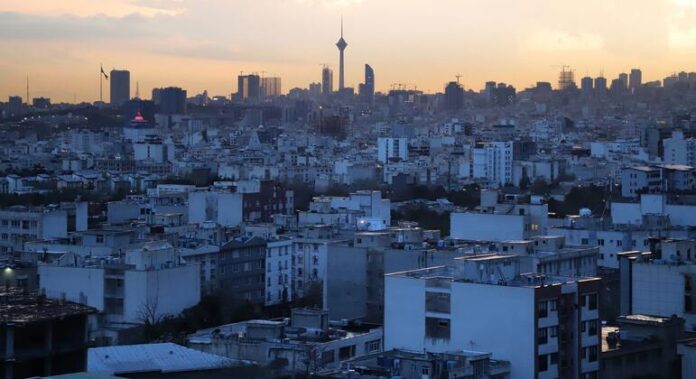
“Across the Middle East, civilians are once again living with the fear and uncertainty of repeated strikes, and health systems are being forced to manage the consequences,” said Dr. Hanan Balkhy, Regional Director for the World Health Organization (WHO), in an update on Monday. 

The situation in Iran 

She said Iranian health authorities report that 50 people have been killed this month, and more than 500 injured, with women and children among the casualties. Moreover, vital infrastructure has also been affected.  

She pointed to a reported strike on a water desalination plant in Hormozgan province, located in the south of the country, that has disrupted safe drinking water supply for thousands. 

Meanwhile, explosions near Baqaei Reference Hospital last week forced the precautionary evacuation of children receiving specialized cancer treatment. 

Nuclear site reportedly struck 

In other developments, the International Atomic Energy Agency (IAEA) said on Sunday that it was looking into reports of an overnight attack on the site of the Darkhovin nuclear power plant in Iran which is under construction.  

The UN agency said the facility is still in the very early stages of construction and contained no nuclear material when inspectors last visited. 

While the attack is not believed to pose any radiological risk, IAEA chief Rafael Mariano Grossi called for military restraint around all nuclear-related sites. 

Fallout across Gulf States 

WHO also highlighted incidents elsewhere, such as Qatar, where falling shrapnel injured five civilians.  

Authorities in nearby Kuwait reported injuries and significant damage following a strike on an oil facility.  Power and water desalination plants also sustained hits, causing one injury and the deactivation of several power generation units. 

“These incidents are placing civilians and environmental health at growing risk, while putting sustained pressure on emergency responders and health services,” Dr. Balhky said about the overall situation. 

In response, WHO has called for immediate de-escalation across the Middle East, as well as protection of civilians and healthcare, in line with international humanitarian law. 

Source link

Health response brings lifesaving care closer to thousands in Yemen

0
Health response brings lifesaving care closer to thousands in Yemen

The support, implemented by the World Health Organization (WHO), has expanded access to emergency surgery, maternal and child health services, outbreak response and treatment for chronic diseases in four hard-to-reach districts where years of conflict have left health systems severely weakened.

More than 42,000 people, including internally displaced families, women, children and people living with chronic illnesses, have benefited from the year-long initiative in Abyan, Al Bayda, Al Husha and Far’ Al Udayn.

Emergency response

For people injured by conflict or accidents, access to emergency surgery can determine whether they live or die.

Between August 2025 and February 2026, WHO-supported surgical teams carried out 864 operations at hospitals in Al Bayda, Far’ Al Udayn and Lawdar, nearly double the original target of 462 procedures.

The programme also supplied hospitals with essential medicines and trauma equipment, helping frontline health workers continue treating patients despite limited resources.

Yemen also continues to battle recurring outbreaks of cholera, measles and other infectious diseases, placing already vulnerable communities at greater risk.

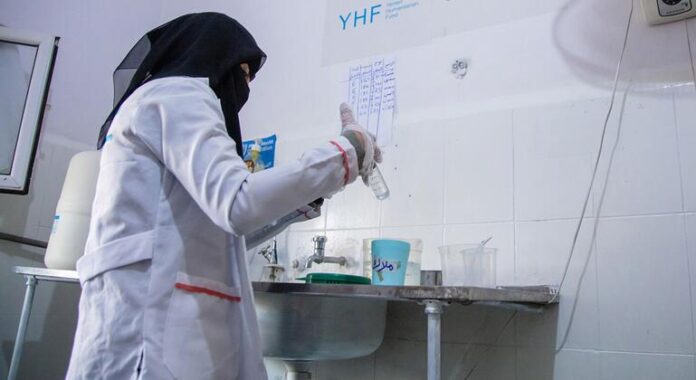
With OCHA funding, WHO equipped health facilities with emergency medicines, oral rehydration salts, intravenous fluids and rapid response kits.

Health teams carried out 207 field missions to investigate suspected outbreaks, trace contacts and contain the spread of disease, exceeding the project’s original target and helping reduce the risk of wider outbreaks.

Providing support

The programme also helped sustain maternal and child health services at two hospitals serving vulnerable populations.

During the reporting period, health workers provided more than 14,000 obstetric and gynaecological consultations, over 4,600 antenatal visits and more than 12,000 paediatric consultations.

They also supported nearly 2,700 deliveries, including Caesarean sections.

No maternal deaths were recorded at the supported facilities during the reporting period, helping ensure safer pregnancies and healthier starts for newborns.

The initiative also ensured continuity of care for people living with diabetes, hypertension and cardiovascular disease by supplying essential medicines to four health facilities.

More than 5,200 patients received treatment, helping prevent interruptions in care that can lead to serious complications or death.

Continued support needed

Dr. Syed Jaffar Hussain, WHO Representative in Yemen, said OCHA’s support through the Yemen Humanitarian Fund has been instrumental in ensuring vulnerable communities can continue accessing lifesaving health services despite the country’s ongoing humanitarian crisis.

“Through this partnership, WHO has been able to strengthen emergency and trauma care, support outbreak response, sustain maternal and child health services and ensure continuity of care for people living with chronic diseases” he said.

As humanitarian needs continue to grow across Yemen, sustained international support will be essential to ensure vulnerable communities can continue accessing the care they urgently need.

Source link

Belgium Marks National Day with Parade and Call for Unity

0
Belgium Marks National Day with Parade and Call for Unity

Brussels ceremony blends royal tradition, public celebration and renewed attention to defence and social cohesion. Belgium marked its National Day in Bruss…

Brussels ceremony blends royal tradition, public celebration and renewed attention to defence and social cohesion.

Belgium marked its National Day in Brussels on Tuesday with the traditional mixture of royal ceremony, military display, civil-service tribute and public festivities, as the country used its 21 July holiday to reaffirm constitutional continuity at a time of wider European uncertainty.

The day began with the Te Deum service at the Cathedral of St Michael and St Gudula, attended by members of the royal family and senior public officials, before attention shifted to the centre of Brussels for the military and civil parade. The annual celebration commemorates 21 July 1831, when Leopold I took the constitutional oath and became the first King of the Belgians.

In the afternoon, soldiers, veterans, police, firefighters, customs officers and civil protection services were due to take part in the parade, one of the most visible state ceremonies in the Belgian calendar. The City of Brussels listed the military and civil parade among the central events of the day, alongside public activities in the Parc de Bruxelles and an evening concert and fireworks programme at the Cinquantenaire.

A Parade with a Wider Message

The parade came one day after King Philippe’s National Day address, in which he urged Belgians to protect social cohesion while confronting climate pressure, strained public finances, geopolitical instability and the need for defence investment. The speech placed the ceremonial holiday in a sober national context, linking celebration with responsibility.

“Budgetary measures are necessary,” the King said in his official National Day speech, while also calling for socially just solutions and greater attention to the most vulnerable. He warned that climate, geopolitical, technological and social upheavals were testing Belgium’s cohesion, but argued that the country could emerge stronger by “joining forces”.

That message gave the parade a sharper political edge. National Day is often read through the familiar images of flags, uniforms and royal attendance. This year, however, those symbols appeared against a European backdrop shaped by the war in Ukraine, pressure on NATO members to spend more on defence, rising concern over climate extremes and continuing debate over how public institutions serve a divided society.

The parade route and public events also turned Brussels into a civic stage. Families, tourists and residents gathered around areas close to the Royal Palace, while public-service villages and cultural activities offered a broader view of the state than the military procession alone. The day’s civilian component remained important: Belgium’s National Day is not only a display of armed forces, but also a tribute to emergency workers and public servants whose work is often most visible during crises.

Security and Public Trust

For Belgium, the symbolism of National Day is delicate. The country’s federal structure, linguistic communities and coalition politics make national unity a permanent political task rather than a settled assumption. Public ceremonies therefore carry a particular function: they do not erase difference, but they offer a shared civic language around constitutional monarchy, parliamentary democracy and public service.

The Brussels parade also highlighted the changing nature of security in Europe. Military vehicles, police units and protection teams are now seen not only as ceremonial presences, but as signs of a state preparing for more complex threats. That includes traditional defence, cyber risks, foreign interference, terrorism, emergency response and the resilience of public infrastructure.

At the same time, a democratic security culture depends on accountability and inclusion. Uniformed services are strongest when they are trusted by the public and when they operate within clear legal and human-rights standards. Belgium has already seen public debate around the role of religious and moral support in state institutions, including discussions reported by The European Times on spiritual assistance in the armed forces and prison system.

Celebration in an Uneasy Moment

The festive side of the day remained central. The Brussels programme included children’s activities, concerts, folklore parades, sports events and an evening show, reflecting the holiday’s role as a popular urban celebration as much as an official ceremony. For many people in the capital, National Day is experienced less as an abstract constitutional anniversary than as a public gathering in parks, streets and squares.

Yet the event’s deeper meaning lies in the balance between celebration and restraint. Belgium’s 2026 National Day did not present a country free of pressure. It presented a country seeking to hold together its public institutions, social obligations and defence responsibilities under the visible symbols of the state.

In that sense, the parade in Brussels was not merely a ritual repeated from year to year. It was a reminder that national ceremonies matter most when they are tested by the times around them. Belgium’s message on 21 July was one of continuity, but also of vigilance: unity is not declared once a year. It has to be maintained in public policy, social protection and the everyday conduct of democratic institutions.

Source link

Ebola disease outbreak in the Democratic Republic of the Congo and Uganda

0

On 23 July 2026, theDemocratic Republic of the Congo (DRC) reporteda total of 2 905 confirmed cases, including 1 269 related deaths (from data up until 22 July). A total of 722 patientsarehospitalised in isolation. Thisrepresentsan increase of 97 new confirmed cases and 62 deaths since the previous day. The 97 new cases have been reported fromIturi(73 cases), North Kivu (18 cases) and Haut Uele (three cases). Among the individuals that tested positive for Bundibugyo virus, 519 have recovered. In total 74.5 % ofidentifiedcase contacts are under follow-up in theIturi, North Kivu andTshopoprovinces.

Ituriprovinceremainsthe most affected, with 2 595 cases(including 1 077 deaths)reported from 28 of 36 health zones. In North Kivu, 275 cases(including 172 deaths)have been reported from 11 of 34 health zones. In South Kivu, three cases(including one death)have been reported from one of 34 health zones. In Haut-Uele, 27 cases (including 15 deaths) have been reported from four of 13 health zones,and inTshopofive cases (including four deaths)have been reportedfrom three of 23 health zones. Overall, 47 of 140 health zones are currently affected across the five provinces.

Data reported by DRC on confirmed cases and deaths are under continuous review and harmonisation.

As of 17 July 2026, a total of 20 confirmed cases(including two deaths)havebeenreported byUganda’sMinistry of Health. The last confirmed case was reported on 21 June,and no new cases have been reported since. On 16 July, Uganda discharged the last Ebola patient who had been receiving treatment at the Mulago National Referral Isolation Centre.Uganda’s Ministry of Healthannounced the start of the 42-day countdown to declaring the end of the outbreak.

In May 2026, there was an imported case in aUS citizen who was medically evacuated to Germany for treatment, and on 24 June 2026 a further imported casewas reported in France by the Ministry of Health. Both cases were imported from areas affected by the ongoing outbreak in DRC. On 10 July 2026,the US CDC reportedthat a US citizen working for a humanitarian organisation in DRC had tested positive for Bundibugyo virus. The patient wasmedically evacuated to Germany on 13 July 2026.

Although there are still significant gaps in surveillance and epidemiology, the likelihood of infection for people living in the European Union/European Economic Area (EU/EEA)is considered to bevery low. ECDC continues tomonitorthe situation closely and will update its assessment asnew informationbecomes available.

A weekly update on this outbreak is available in theCommunicable disease threats report.

The next epidemiological update will be published on Monday 27 July 2026.

Source link

Spain: EIB Group and Santander to unlock €1.43 billion for small businesses and mid-caps, supporting competitiveness, the green transition and women entrepreneurs

0
Spain: EIB Group and Santander to unlock €1.43 billion for small businesses and mid-caps, supporting competitiveness, the green transition and women entrepreneurs


  • The EIB Group, through the European Investment Bank and the European Investment Fund, is investing in a new Santander securitisation that will unlock €1.43billion in financing for small and medium-sized enterprises and mid-caps in Spain.
  • More than €100million will go to women entrepreneurs and businesses that are owned or managed primarily by women.
  • The transaction will strengthen the competitiveness of Spanish companies and contribute to the EU savings and investments union.
  • This is the first securitisation transaction in Spain where the collateral is embedded directly in the notes.

The EIB Group, comprising the European Investment Bank (EIB) and the European Investment Fund (EIF), has invested €876million in a new Santander securitisation. The transaction will enable Santander to provide around €1.43billion in lending to support the green transition and strengthen the competitiveness of small and medium businesses and mid-caps in Spain, support job creation and help retain talent. Of this figure, €108 million will go towards loans for women entrepreneurs and businesses that are owned or managed primarily by women, and more than €162 million will support the green transition.

The agreement between the EIB Group and Banco Santander will improve access to finance for small and medium businesses and mid-caps, helping them to meet their working capital and liquidity needs while offsetting the impact of inflation, high energy prices and high interest rates on investment.

The agreement was signed in Madrid by Marco Marrone, chief investment officer of the EIF, Joan Basora, head of the Multinational Financial Institutions Division at the EIB, and Catalina Mejía García, chief financial officer of Banco Santander Spain.

“Small and medium-sized enterprises are a vital driver of growth, innovation and employment in Europe. This investment reinforces the EIF’s commitment to improving access to finance for Spanish small and medium businesses and mid-caps, particularly those pursuing sustainable projects and those led by women,” said EIF Chief Investment Officer Marco Marrone.

“This transaction demonstrates how the long-standing partnership between the EIB and Santander continues to channel financing to small and medium businesses and mid-caps, the backbone of the Spanish economy,” said Joan Basora, head of the Multinational Financial Institutions Division at the EIB. “By mobilising private investment, the EIB is helping to drive growth, create jobs and strengthen economic, social and territorial cohesion across the country.”

Catalina Mejía, Chief Financial Officer of Banco Santander Spain, said: “Our partnership with the EIB Group enables us to continue strengthening our support for Spanish SMEs and mid-caps, broadening access to finance to drive their growth, advance the sustainable transition and contribute to our country’s economic development and competitiveness.”

Under the transaction, the EIB will invest approximately €476million and the EIF €400million, alongside other private investors. The EIF’s investment is made through a guarantee embedded in the Class A2 securities. This is the first securitisation transaction carried out in Spain with a guarantee embedded directly in the securitisation notes.

The transaction once again highlights the EIB Group’s role in promoting financial instruments such as securitisation, which help unlock capital for green projects, reduce risk for financial institutions and support the EU savings and investments union, one of the EIB Group’s eight strategic priorities. It will also contribute to other EIB Group strategic priorities, including climate action and environmental sustainability and economic, social and territorial cohesion.

Photo caption, from left to right: Joan Basora, head of the Multinational Financial Institutions Division at the EIB, and Catalina Mejía García, chief financial officer of Banco Santander Spain and Marco Marrone, Chief Investment Officer at the EIF.

Background information

EIB Group

The European Investment Bank (EIB) Group is the financing arm of the European Union, owned by the 27 Member States, and one of the largest multilateral development banks in the world. In 2025, the EIBGroup signed €100billion in new financing and advisory services for over 870 high-impact projects under eight core priorities that support EUpolicy objectives: climate action and the environment, digitalisation and technological innovation, security and defence, territorial cohesion, agriculture and the bioeconomy, social infrastructure, strong global partnerships and the savings and investments union. Beyond long-term loans for large infrastructure, the EIB Group crowds in private investment for high-risk innovative projects and businesses, with a growing role in Europe’s markets for venture debt, venture capital, guarantees and securitisations.In 2025, the EIBGroup completed financing and investment operations in Spain totalling around €11billion, which came alongside an additional €2.9billion under the Regional Resilience Fund (NextGenerationEU loans).

The European Investment Fund (EIF) is the subsidiary of the EIB Group specialised in providing guarantees and equity to improve access to finance for small and medium-sized businesses and startups across Europe. Acting as an anchor investor, through its extensive network of partnering banks and investment funds, the EIF mobilises private investment and nurtures the ecosystem of venture capital funds to support innovative European entrepreneurs.With the support of all 27 EU governments, the EIF has joined forces with institutional investors in a pan-European alliance to mobilise up to €80 billion for investment into innovative companies scaling up to become global leaders. The joint effort will expand the size and scope of the highly successful European Tech Champions Initiative, which has helped create 15 European mega-funds and scale 45 companies, including 12 unicorns, since being established three years ago.

Photos of the EIBGroup’s representatives and headquarters, logo files and video B-roll for media use are available here.

Santander

Banco Santander (SAN SM) is a leading commercial bank founded in 1857 and headquartered in Spain, and one of the world’s largest banks by market capitalisation. The group’s activities are organised into five global business units: Retail & Commercial Banking, Openbank, Corporate & Investment Banking (CIB), Wealth Management & Insurance, and Payments. This model enables the bank to make the most of its unique combination of global scale and local leadership. Santander aims to be the best open platform for financial services for individuals, SMEs, businesses, financial institutions and governments, and its mission is to contribute to the progress of people and businesses by doing things in a simple, personalised and fair way. In the first quarter of 2026, Banco Santander had €1.4 trillion in total customer deposits, more than 176 million customers, 6,600 branches and 185,000 employees.

Source link

From the General Assembly to Harlem: Mandela’s call to action endures

0
From the General Assembly to Harlem: Mandela’s call to action endures

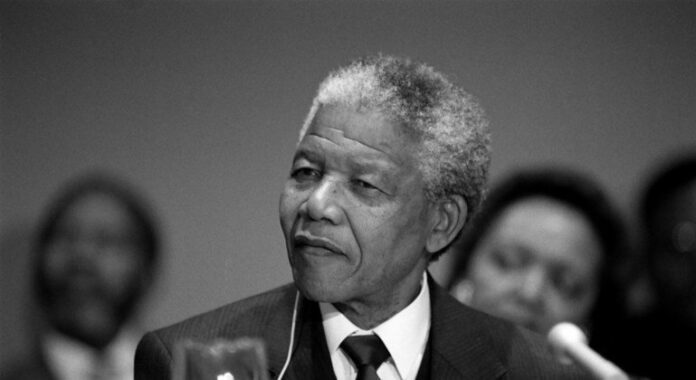
Diplomats stood alongside city officials and neighbourhood volunteers, dishing out plates rather than platitudes, in a small but pointed answer to a question the UN spent Monday asking in more formal terms: what does Mandela’s legacy actually demand of us now? 

That question sat at the centre of the General Assembly’s commemoration of Nelson Mandela International Day, where the focus fell squarely on poverty and inequality – and on whether the world is living up to the example Mandela set. 

UN Photo/Loey Felipe
Courtenay Rattray, Chef de Cabinet of the Secretary-General, addresses the General Assembly on the observance of the annual Nelson Mandela International Day.

‘The wrong choices’ 

Secretary-General António Guterres, speaking through his Chef de Cabinet, Courtenay Rattray, did not mince words.  

Mandela understood that the world’s deepest problems come from human decisions – and can therefore be undone by different ones, Mr. Rattray said.  

Right now, he warned, the world is doing the opposite: pouring resources into militaries while poverty and development needs go underfunded. “There is something deeply wrong when we spend more on the instruments of destruction and death than on the tools of development and peace,” he said. 

UN Photo/Loey Felipe
South African journalist and broadcaster Redi Tlhabi, addresses the General Assembly on the observance of the annual Nelson Mandela International Day.

Beyond the myth 

The sharpest words of the morning came from South African journalist Redi Tlhabi, the observance’s keynote speaker, who pushed back against the softened, reconciliatory image of Mandela that has settled into global memory.  

She called him the “Inconvenient Mandela” – a man who stayed principled through imprisonment rather than negotiate his way out of it. 

“Only free men can negotiate,” she quoted him telling his captors in 1985, when he was offered freedom in exchange for renouncing the struggle. 

Reconciliation, she argued, was never where Mandela started. Justice was. “He never asked his oppressed to become comfortable with injustice. He asked the world to become uncomfortable with injustice,” she said. 

Ms. Tlhabi turned that history into a direct challenge for today’s diplomats, pointing to the decades-long stalemate over reforming the UN Security Council – including the case for a permanent African seat – as proof that talk without risk changes little. “What are you prepared to risk for justice?” she asked the room. 

UN Photo/Loey Felipe
General Assembly President Annalena Baerbock addresses the General Assembly on the observance of the annual Nelson Mandela International Day.

Remembrance into action 

Annalena Baerbock, President of the General Assembly, opened proceedings by insisting that Mandela Day must mean more than a moment of reflection. The point, she said, is to honour his legacy “not only through remembrance but through action.” 

United Nation/Beatriz D’Alessand
Volunteers from the United Nations and the diplomatic community preparing and serving meals at Refettorio Harlem to mark Nelson Mandela International Day. 

That is where Harlem comes back in. The Refettorio Harlem meal service was one of a series of volunteer projects the UN ran with city partners to mark the day, and it gave literal shape to Ms. Baerbock’s point.  

Shaffiou Assoumanou, representing Mayor Mamdani’s office for International Affairs, put it plainly: “History won’t judge us by the words we take, but by the actions we take.” 

It was a modest event by UN standards – no cameras in the General Assembly Hall, no resolutions attached. But it echoed the same argument running through the day’s speeches: that Mandela’s fight against poverty and exclusion was never only an institutional project.  

It played out in neighbourhoods, in shared meals, in the everyday choice to show up. Sixty-seven minutes at a time. 

Source link