
The Council issued a statement on the lifting of EU economic sanctions on Syria.
Strategic Steps For Digital Transformation In European Politics

There’s a pressing need for you to understand the strategic steps required for effective digital transformation in European politics. As new technologies emerge, your grasp on how these changes can enhance governance, transparency, and citizen engagement is vital. By examining the EU’s Digital Strategy and incorporating its principles, you can facilitate innovation while tackling the challenges that come with modernising political frameworks. For deeper insights into this initiative, explore the EU’s Digital Strategy and its implications for your political strategies.
Understanding Digital Transformation in Politics
Definition and Importance
Politics encompasses the activities associated with the governance of a country or area, including the debate among individuals or parties having or hoping to achieve power. In the context of digital transformation, this refers to the methods and strategies employed by political entities to leverage digital technologies to enhance their operations, engage with citizens, and improve decision-making processes. Understanding digital transformation in politics is paramount as it enables you to evaluate how technology can shape electoral processes, public policy, and citizen participation.
The importance of digital transformation in politics cannot be overstated. As you engage with varying levels of public discourse, you will notice that these transformations have the potential to increase transparency, promote accountability, and facilitate real-time communication between governments and the public. This shift allows for more inclusive governance, where citizens can have their voices heard more effectively. In doing so, political entities can harness data analytics, social media platforms, and other digital tools to respond to the needs and concerns of the populace.
Current Trends in European Politics
Any analysis of current trends in European politics must include the significant impact of digital media. Political campaigns across Europe have increasingly integrated digital strategies, enabling parties to reach broader audiences and engage directly with younger constituents. In particular, the rise of social media has transformed the political landscape, allowing for real-time engagement and the spread of important information quickly. Enhanced data analytics tools are also being utilised to tailor political messaging and predict voter behaviour, making it an important aspect of modern political strategy.
Definition of what you should be aware of is that the shift towards digitalisation in governance and politics is not without its challenges. Misinformation and disinformation are rising concerns, especially as digital platforms become the primary source of news for many citizens. This dynamic can lead to polarisation and increased political tensions. In leveraging these digital tools, you must navigate these complexities, ensuring that the advantages outweigh the downsides, ultimately fostering a healthier democratic environment in Europe.
Key Drivers of Digital Transformation
While digital transformation in European politics is increasingly becoming important, various factors are driving this shift. You must recognise that adapting to the digital age is not merely an option; it is a necessity for effective governance and public interaction. As political landscapes evolve, the integration of digital tools allows for more transparent, efficient, and accessible processes that engage citizens in unprecedented ways. Moreover, adopting these innovations can significantly enhance the ability of political entities to respond to the ever-changing needs of society.
Technological Innovations
Below the surface of political operations, technological innovations are fundamentally changing how governance is perceived and executed. The rise of artificial intelligence, blockchain technology, and big data analytics is not just reshaping interactions but also enhancing decision-making processes. These advancements enable you to gather insights from vast amounts of data, informing policies and fostering informed debates. Therefore, embracing these technologies can lead to more efficient practices and promote a culture of evidence-based policymaking, increasing the effectiveness of your initiatives.
Public Expectations and Engagement
Along with technological innovations, public expectations are evolving dramatically in this digital era. Citizens are now accustomed to the efficiency and immediacy of digital interactions in their daily lives, and they expect similar responsiveness from political entities. As a result, politicians and public services must adapt to these expectations, utilising digital platforms to engage, inform, and involve the public in the decision-making process actively. This shift is not just about enhancing communication; it’s also about leveraging direct feedback mechanisms that empower citizens to play a more active role in the democratic process.
Consequently, understanding public expectations and engaging with citizens is vital for fostering trust and credibility in political institutions. You must ensure that your digital channels are not just one-way information streams but interactive platforms where diverse opinions can be voiced. By focusing on genuine engagement, you can cultivate a more informed electorate that feels valued and included in governance processes. Failure to meet these expectations may lead to disillusionment and disengagement, jeopardising the very foundations of democracy.
Strategic Framework for Implementation
If you are to successfully navigate the complexities of digital transformation in European politics, it is vital to establish a comprehensive strategic framework. This framework should facilitate a structured approach to integrating digital technologies into your political processes. You will need to assess the current landscape, focusing on both the technological capabilities at your disposal and the readiness of your organisation to embrace change. By fostering a culture that values innovation and adaptability, you are more likely to achieve a seamless transition into the digital era.
If you take the time to develop a strategic framework, you will create a roadmap that guides your efforts in digital transformation. This includes prioritising resources, aligning stakeholders, and ensuring that policies are in place to support your digital initiatives. Moreover, you will want to emphasise digital literacy among your team members, which will serve as a foundation for successful implementation and allow you to respond to future challenges effectively.
Assessing Current Digital Capabilities
Digital transformation begins with a thorough assessment of your existing digital capabilities. You need to evaluate your current technologies, infrastructures, and human resources to identify strengths, weaknesses, and potential areas for improvement. This assessment should involve gathering insights from various stakeholders within your organisation to ensure you have a holistic view of your capabilities. Understanding where you currently stand will enable you to make informed decisions about the technologies and strategies that will best support your transformation efforts.
Furthermore, conducting an in-depth analysis of your current digital landscape will allow you to pinpoint gaps that require immediate attention. As you launch on this journey, consider not only the technical aspects of your capability assessment but also the cultural readiness of your institution. Are your team members equipped with the skills needed to adapt to new digital tools? Are there any existing resistance to change that might hinder progress? Addressing these questions will set a strong foundation for your digital transformation.
Setting Clear Goals and Objectives
Digital transformation thrives on clear goals and objectives that serve as guiding lights for your journey. You must define what success looks like for your digital initiatives and articulate these targets to your stakeholders. This involves translating broad ambitions into specific, measurable, achievable, relevant, and time-bound (SMART) goals that motivate your team and provide direction. Without clearly defined objectives, it can be easy to stray off course and experience frustration along the way.
Goals that are well-articulated not only align your team but also enhance stakeholder engagement by providing a clear understanding of your intended outcomes. Additionally, you should consider both the short-term and long-term objectives to maintain focus on immediate improvements while staying committed to more significant strategic aspirations. Ultimately, emphasising transparent communication and accountability will enable you to measure your progress and celebrate milestones as you advance in your digital transformation journey.
Stakeholder Engagement Strategies
For any digital transformation initiative in European politics, engaging stakeholders is paramount. By involving various interest groups, citizens, and institutions, your strategy will not only gain legitimacy but also create a sense of ownership among participants. You must ensure that your engagement strategies are inclusive and transparent, providing all stakeholders with opportunities to have their voices heard. This collaboration can significantly enhance the quality of the decision-making process, leading to solutions that reflect the diverse needs of the populace.
Building Coalitions and Partnerships
Engagement with other stakeholders can be fortified through the building of coalitions and partnerships. As you connect with different political entities, civic organisations, and even private sector players, you can create a robust network that supports your transformation efforts. Such coalitions can leverage shared resources, knowledge, and skills while also allowing you to address common goals collectively. It is imperative that these relationships are nurtured with mutual respect and open dialogue, enabling a unified front that champions your digital transformation objectives.
Encouraging Public Participation
One effective strategy to enhance stakeholder engagement is to encourage public participation in the digital transformation process. Actively inviting feedback and input from citizens helps to foster a sense of community and reinforces democratic principles. By conducting surveys, public consultations, and workshops, you can gather valuable insights that inform your policies and initiatives. This not only promotes transparency but also boosts public trust in government actions.
The active involvement of the public can yield positive outcomes while also highlighting potential challenges. Engaging citizens in digital initiatives encourages them to advocate for their needs, leading to a more representative and responsive political environment. However, it is vital to approach this engagement thoughtfully, as failing to address the public’s concerns can result in distrust and opposition. Thus, fostering genuine, two-way dialogue is fundamental to the success of your digital transformation efforts.
Measuring Success and Impact
To effectively measure the success and impact of your digital transformation efforts in European politics, you must establish a clear framework for assessment. This involves defining what constitutes success and selecting relevant metrics to evaluate the impact of your initiatives. For instance, various benchmarks can be drawn from the Control-Alt-Deliver: A digital grand strategy for the European Union. These benchmarks can provide you with a foundational understanding of how digital initiatives can enhance political engagement and operational efficiency within your political framework. You should focus on both quantitative and qualitative measures that align with your strategic goals.
Key Performance Indicators
With the right Key Performance Indicators (KPIs), you can track progress and measure the effectiveness of your digital transformation efforts. These KPIs should be tailored to the specific objectives of your initiatives, whether that is increasing voter participation through digital platforms or improving the transparency of governmental processes. By regularly reviewing these indicators, you can ascertain whether your strategies are having the desired impact, enabling you to make data-driven decisions about potential adjustments or enhancements needed to optimise further engagement.
Continuous Improvement Processes
Continuous improvement is vital in ensuring that your digital transformation remains relevant and effective in a rapidly changing landscape. This involves regularly reassessing your strategies, gathering feedback from users, and applying insights to refine your digital initiatives. By adopting an agile mindset, you empower your organisation to pivot quickly in response to new challenges or opportunities, thus fostering an environment of ongoing growth and adaptation.
Also, establishing a framework for continuous improvement allows you to identify bottlenecks and inefficiencies in your processes. This not only helps in enhancing user experience but also promotes a culture of innovation within your organisation. By encouraging constant feedback and being open to change, you can create a responsive digital strategy that evolves with the political climate, ultimately leading to greater engagement and impact in your European political arena.
Challenges and Risks
Unlike traditional methods, digital transformation in European politics presents a range of challenges and risks that can hinder progress. As you navigate this transformative process, it’s necessary to recognise the potential for resistance from both within political institutions and among the electorate. The integration of new technologies can create uncertainty, leading to apprehension about data security, transparency, and the overall efficacy of digital initiatives. Furthermore, the rapid pace of technological change may outstrip your ability to adapt governance structures, leaving you vulnerable to mismanagement or failure.
Identifying Potential Barriers
Against this backdrop, you must identify potential barriers that could obstruct your digital transformation efforts. These barriers may include institutional inertia, where existing bureaucratic structures resist change, and a lack of digital skills among personnel, limiting their ability to engage with new technologies. Additionally, political opposition or public scepticism regarding digital governance initiatives can exacerbate these challenges, hindering collaboration and support for transformation efforts.
Strategies for Risk Mitigation
Below, you will find several strategies for mitigating these risks as you commence on your digital transformation journey. One effective approach is to invest in comprehensive training programs that equip your team with the necessary skills to engage with digital tools competently. Establishing clear communication channels with stakeholders can also facilitate dialogue, ensuring that concerns are addressed and that there is collective buy-in for proposed changes. Moreover, implementing robust data protection measures will reassure the public and decision-makers alike, bolstering trust in your initiatives.
Due to the dynamic nature of digital transformation, it is vital to continuously assess your strategies and adapt as necessary. You can enhance your risk mitigation efforts by regularly analysing feedback from users and stakeholders, along with monitoring technological advancements. This proactive approach not only helps you address emerging challenges but also positions you to harness the full potential of digital tools for effective governance in European politics.
To wrap up
With these considerations, you can see that initiateing on a digital transformation journey in European politics requires a multi-faceted approach. It involves assessing your current digital landscape, developing a clear strategy for the integration of new technologies, and actively involving stakeholders at all levels. By embracing innovative solutions and fostering a culture that values adaptability, you can lead your political environment towards greater efficiency and improved public engagement.
Furthermore, it is imperative to continually evaluate your progress and be open to pivoting your approach as new technologies and societal needs emerge. By doing so, you will not only enhance your political operations but also strengthen trust and transparency with your constituents. Therefore, equip yourself with the knowledge and tools necessary to navigate this digital terrain, thus ensuring that you are well-prepared to meet the challenges of modern governance head-on.
FAQ
Q: What are the primary objectives of digital transformation in European politics?
A: The primary objectives of digital transformation in European politics include enhancing transparency in governance, improving citizen engagement, streamlining public services, and fostering collaboration between various governmental agencies. Additionally, it aims to leverage data analytics for informed policy-making and to ensure that the political landscape is more responsive to the needs of the electorate.
Q: How does digital transformation impact the relationship between citizens and government?
A: Digital transformation significantly changes the relationship between citizens and government by promoting greater accessibility to information and services. Citizens can now engage with political processes through online platforms, making their voices heard more effectively. This transformation also encourages a participatory approach where citizens can contribute their opinions and feedback on policies, thus fostering a sense of ownership and accountability within the community.
Q: What are some common challenges faced during the digital transformation process in politics?
A: Some common challenges include resistance to change from traditional political structures, the digital divide that may exclude certain demographics, data privacy concerns, and the need for substantial investment in technology and training. Additionally, ensuring that all stakeholders are adequately educated and informed about digital tools can be a significant hurdle, as can the integration of new digital systems with existing administrative frameworks.
Q: What role does data security play in the digital transformation of European politics?
A: Data security plays an necessary role in the digital transformation of European politics as it addresses the protection of sensitive information collected during political processes. Ensuring secure systems is vital to foster trust among citizens and to comply with privacy regulations, such as the General Data Protection Regulation (GDPR). Robust cybersecurity measures help prevent data breaches that could compromise electoral integrity and sensitive governmental operations.
Q: How can governments measure the success of their digital transformation initiatives?
A: Governments can measure the success of their digital transformation initiatives through various metrics, such as user engagement levels, the efficiency of services delivered, citizen satisfaction surveys, and the overall impact on decision-making processes. Additionally, analysing the effectiveness of new digital platforms in facilitating public dialogue and participation can provide valuable insights into how well these initiatives are being received and their influence on governance.
Sustainable Steps For Environmental Action In European Politics

There’s a growing urgency for you to engage in sustainable steps for environmental action within European politics. As climate change escalates, your active participation becomes important in supporting policies that prioritise renewable energy, reduce carbon emissions, and foster biodiversity. By understanding how these political decisions impact not just your community but also the larger ecosystem, you can influence impactful changes. This post will guide you through important actions you can take to advocate for a more sustainable future in Europe.
The Importance of Sustainable Policies
To effectively address the pressing environmental issues we face today, the implementation of sustainable policies is vital. These policies not only empower you as an individual to make informed choices but also set the framework within which businesses and governments operate. By prioritising sustainability, policymakers can create economic incentives for renewable energy sources and conservation efforts, leading to a more resilient economy that aligns with the preservation of our planet. Thus, adopting such approaches is fundamental in fostering a culture where both economic development and environmental stewardship can coexist harmoniously.
To achieve lasting change, it is imperative that sustainable policies encompass a range of strategies that address various environmental challenges. This includes legislative frameworks that target emissions reduction, incorporation of sustainable practices in agriculture, and promotion of green technologies. By doing so, you contribute to a collective action that empowers communities and nurtures ecosystems while promoting individual responsibility in environmental stewardship.
Climate Change Mitigation
To combat climate change effectively, you must understand the significance of adopting policies that significantly reduce greenhouse gas emissions. These policies not only set measurable targets but also encourage the transition to renewable energy sources. Emphasising the development of clean energy technologies helps create employment opportunities and drive innovation, all while addressing one of the most daunting threats to our global ecosystem. By advocating for and supporting these initiatives, you can actively participate in mitigating the impacts of climate change on your community.
Furthermore, investing in climate change mitigation creates a ripple effect that positively impacts other areas, such as public health, biodiversity, and economic stability. By choosing to support sustainable policies today, you ensure a better quality of life for future generations, developing resilience against extreme weather events and alleviating pressure on vulnerable ecosystems.
Biodiversity Conservation
Conservation is fundamental for maintaining the delicate balance of our ecosystems, which directly influences your quality of life and the health of the planet. Without a proactive approach to biodiversity conservation, we risk losing invaluable species and habitats that contribute to the imperative services we rely upon, ranging from clean air and water to food production. Supporting policies that focus on the preservation of natural habitats, protection of endangered species, and restoration of ecosystems is vital for you to enjoy the full benefits nature has to offer.
Sustainable biodiversity conservation strategies advocate for the protection of native species and habitats while promoting community engagement and participation. By supporting initiatives such as wildlife corridors, sustainable agriculture practices, and habitat restoration projects, you help to foster a thriving natural environment. This participation not only enhances your ecological footprint but also enriches your community’s cultural heritage and economic prospects, ensuring a sustainable legacy for generations to come.
Current Environmental Legislation in Europe
While Europe has taken significant strides towards achieving a sustainable future, its current environmental legislation reflects an ongoing commitment to addressing the challenges posed by climate change and ecological degradation. You will find that the European Union (EU) has enacted a myriad of policies and regulations designed to protect natural resources, promote renewable energy, and reduce carbon emissions. These regulations are important not only for maintaining biodiversity but also for safeguarding public health and enhancing the quality of life across member states. The ongoing development of these laws showcases the importance of collective action among European nations in tackling environmental issues that transcend borders.
The European Green Deal
An vital component of the EU’s environmental strategy is the European Green Deal, which aims to make Europe the first climate-neutral continent by 2050. This ambitious plan seeks to balance economic growth with environmental sustainability by implementing wide-ranging reforms covering various sectors, including energy, transportation, agriculture, and industry. By adopting the Green Deal, you can expect to see policies encouraging investment in green technologies, promoting sustainable agriculture, and enhancing energy efficiency in your daily life. The emphasis on a just transition also ensures that no specific region or demographic is left behind as these policy changes unfold.
Circular Economy Action Plan
Around the same time, the European Union introduced the Circular Economy Action Plan, which seeks to redefine the traditional linear economy model of “take, make, dispose” to a more sustainable, closed-loop system. This action plan encourages the development of products designed for longevity, repairability, and recyclability so that waste is minimised, and resources are conserved. By embracing the principles of circularity, you can help contribute to the reduction of environmental pressures and foster a more resource-efficient economy in your community. This shift not only aids in combating climate change but also supports economic growth and job creation, showcasing the interdependence of environmental and economic stability.
Hence, the Circular Economy Action Plan emphasises various initiatives aimed at improving resource management across multiple industries. You will find measures focusing on plastic reduction, e-waste management, and enhancing recycling processes critical to fostering a sustainable future. The emphasis on innovation within this framework encourages businesses to rethink their operations and empowers you as a consumer to make more informed choices. By understanding the principles of a circular economy, you can play a vital role in driving the demand for sustainable products and ultimately contribute to a greener Europe.
Role of Political Institutions
If you consider the impact of political institutions on environmental action, it becomes clear that these bodies play a significant role in shaping policies that address current ecological challenges. Political institutions, such as the European Parliament and national governments, have the authority to implement regulations, champion green initiatives, and foster collaboration across borders. Their influence extends beyond legislation; they also create frameworks for accountability and engage citizens in the democratic process, enabling a collective response to environmental issues.
European Parliament’s Influence
An crucial player in European environmental politics, the European Parliament wields considerable influence in shaping EU-wide policies. By voting on legislation that pertains to climate change, sustainable development, and environmental protection, the Parliament sets the tone for action across member states. With a diverse representation of voices, it acts as a platform for broader public interests and ambitions, ultimately pushing for stronger commitments from political members to ensure the sustainability agenda remains at the forefront of EU policy-making.
National Governments’ Commitments
At the national level, governments are tasked with translating EU directives into domestic policies that align with environmental goals. You should take note of how national commitments can significantly vary, reflecting differing priorities, resources, and political will across countries. The enforcement of such commitments is integral to achieving tangible results; they often involve collaboration between various government sectors, non-governmental organisations, and private enterprises to ensure an integrated approach to sustainability.
With environmental issues becoming increasingly pressing, many national governments are now recognising the importance of their commitments. You may find it interesting that several countries have pledged to achieve net-zero emissions by specific dates, demonstrating their dedication to combating climate change. These commitments often include comprehensive action plans that address not only emissions reductions but also foster renewable energy adoption and enhance biodiversity. The progress and sincerity of these national commitments will be vital in determining the overall success of environmental initiatives across Europe. By holding your government accountable, you can influence which policies receive attention and resources.
Engagement of Civil Society
Keep in mind that the engagement of civil society is important for driving environmental action in European politics. The collective efforts of individuals, organisations, and activists can not only influence policy decisions but also foster a stronger connection between citizens and their governments. By voicing your concerns and advocating for sustainable practices, you contribute to a more robust democratic process and ensure that environmental issues remain at the forefront of political agendas.
Grassroots Movements
To galvanise support for sustainable policies, grassroots movements play a pivotal role in elevating local voices and fostering community-led initiatives. These movements often begin with a small group of passionate individuals who seek to raise awareness about specific environmental challenges, such as climate change, pollution, and biodiversity loss. By participating in or starting grassroots efforts, you can help cultivate an environment where your community takes ownership of its ecological footprint and demands meaningful change from political leaders.
Collaborations with NGOs
To effectively address environmental issues, collaborations with non-governmental organisations (NGOs) can be instrumental in amplifying your impact. These organisations often possess the expertise, resources, and networks needed to implement successful programmes and drive policy change at national and European levels. By engaging with NGOs, you have the opportunity to leverage their experience and contribute to impactful initiatives that align with your values.
Civil society organisations can serve as a bridge between citizens and policymakers, providing valuable platforms for advocacy and education. By working closely with these NGOs, you can gain access to vital information and tools that will empower you to push for sustainable policies. Furthermore, your involvement can help to strengthen the capacity of these organisations, allowing them to extend their reach and influence even further. Ultimately, this collaboration fosters a unified front, increasing the likelihood of successful environmental action across Europe.
Challenges Facing Environmental Action
Your understanding of the challenges facing environmental action in European politics is necessary to fostering effective solutions. These challenges encompass a myriad of factors, including economic considerations and political resistance. As you probe deeper, you will find that these obstacles significantly impact the pace and scope of eco-friendly initiatives across the continent, often hindering progress toward sustainability.
Economic Considerations
Below the surface, the economic implications of implementing sustainable policies are often daunting. You may observe that transitions towards renewable energy sources or eco-friendly infrastructure can involve substantial financial investments. Many governments hesitate to divert heavily from economically viable yet less sustainable options due to potential impacts on economic growth and job stability. The challenge arises when balancing immediate economic necessities with long-term environmental goals, which require substantial funding and resources that could otherwise be allocated to other sectors.
Political Resistance
With multiple stakeholders involved, political resistance represents a significant barrier to effective environmental action. You might find that various political parties often prioritise short-term gains over long-term sustainability, reflecting a reluctance to embrace comprehensive environmental policies. This resistance can manifest in the form of lobbying, where powerful industries resist regulations that could threaten their profitability. As a result, meaningful reforms struggle to advance amid a backdrop of conflicting interests and governing ideologies.
Economic factors also play a significant role in political resistance. You will notice that policymakers may fear backlash from constituents who index their economic well-being to traditional industries. This leads to a cautious approach towards implementing sustainable policies, as politicians aim to safeguard their electoral standing. The difficulty in navigating such a complex landscape illustrates the need for a more enlightened dialogue that aligns environmental responsibilities with economic viability, ensuring that transitioning to more sustainable practices is not only necessary but also politically palatable.
Future Directions for Sustainable Action
Once again, the urgent need for sustainable practices in European politics is coming to the forefront as you consider the long-term impacts of current policies. As leaders and policymakers strive to build a sustainable future, it is vital for you to engage with initiatives such as Moving Towards a Sustainable Europe – European Movement. This approach not only addresses pressing environmental issues but also encourages economic growth through innovative solutions. Your participation in these movements can significantly amplify the call for sustainable actions that resonate across different sectors and communities.
Furthermore, you can contribute to shaping a future where sustainable practices are at the heart of legislative frameworks. By pushing for the integration of environmental considerations in political decision-making, you can help ensure that sustainability becomes a guiding principle rather than an afterthought. Aligning economic incentives with ecological responsibilities will be a challenging but exhilarating opportunity for you to make your mark in European politics.
Innovative Solutions and Technologies
Technologies play a pivotal role in transitioning to a sustainable future. As innovations in renewable energy, waste management, and resource efficiency continue to emerge, you should keep abreast of the latest advancements. For instance, the adoption of smart grid systems and energy-efficient buildings can drastically reduce carbon footprints. By embracing these breakthrough technologies, you can drive the demand for greener practices within your community and beyond.
Moreover, the development of sustainable agricultural techniques is vital to combat climate change and promote food security. Integrating technologies such as precision farming and vertical gardens can help optimise resource use while maintaining productivity. As you advocate for these innovations, encourage discussions around funding for research and development to ensure that your community and Europe as a whole harness the full potential of these innovative solutions.
International Collaborations
Innovative international collaborations are important for tackling global challenges such as climate change and resource depletion. By engaging with global partnerships, you can foster coordination between nations to address common goals. Initiatives like the Paris Agreement exemplify how collaboration can lead to significant progress in reducing emissions and promoting sustainable practices. Your active participation in these dialogues can provide a platform for sharing knowledge and best practices, thus enhancing the collective impact.
Future collaborations will not only focus on environmental sustainability but also include social and economic dimensions. As you advocate for strong partnerships across borders, emphasise the importance of incorporating diverse voices to ensure that policies reflect the needs of all communities. The potential for positive change through international cooperation is immense, but it requires your commitment to engage and promote collaborative solutions effectively.
To wrap up
So, as you navigate the complex landscape of European politics, it is crucial to recognise the significant role that sustainable steps play in shaping environmental action. You have the power to influence policies that promote renewable energy, reduce waste, and prioritise the conservation of biodiversity. By advocating for initiatives that align with sustainability, you not only contribute to the preservation of the planet but also support a new economic model that can provide long-term growth and stability for future generations.
Moreover, your involvement in local and national discussions about environmental policies can lead to meaningful changes. Engaging with policymakers and holding them accountable fosters an environment where environmentally-friendly practices are not only encouraged but expected. As you continue to educate yourself and others about the impact of sustainable actions, you will help establish a collective commitment to environmental stewardship that is vital for Europe’s future. The essence of political influence is grounded in your ability to inspire and mobilise change, so seize the opportunity to make a difference in your community and beyond.
FAQ
Q: What are the primary objectives of sustainable environmental action in European politics?
A: The main objectives include reducing greenhouse gas emissions, promoting renewable energy sources, enhancing biodiversity, and ensuring sustainable resource management. Additionally, European politics aims to create policies that foster economic growth while safeguarding the environment and addressing climate change.
Q: How does the European Union plan to achieve its sustainability goals?
A: The European Union has established ambitious targets through various legislative frameworks, such as the European Green Deal. This includes initiatives like the Fit for 55 package, which aims for a 55% reduction in emissions by 2030, increasing the use of renewable energy, and promoting energy efficiency across member states.
Q: What role do citizens play in promoting sustainable environmental policies?
A: Citizens play a significant role by engaging in environmental advocacy, participating in public consultations, and voting for representatives who prioritise sustainability. Public awareness and grassroots movements can also influence policy makers to prioritise sustainable actions and accountability in environmental governance.
Q: How do sustainable environmental actions impact the economy within Europe?
A: Sustainable actions can stimulate economic growth by creating new jobs in the green economy, such as in renewable energy sectors and sustainable agriculture. Transitioning to sustainable practices can also reduce long-term costs associated with climate change mitigation and adaptation, fostering resilience within the economy.
Q: What challenges does European politics face in implementing sustainable environmental actions?
A: Key challenges include balancing economic interests with environmental preservation, varying levels of commitment among member states, and the need for substantial financial investments. Additionally, addressing public resistance and misinformation can complicate the implementation of effective sustainable policies.
Russian hybrid threats: EU lists further 21 individuals and 6 entities and introduces sectoral measures in response to destabilising activities against the EU, its member states and international partners

The Council imposed restrictive measures against 21 individuals and 6 entities responsible for Russia’s destabilising actions against the EU and its member states and broadened the scope of the sanctions regime to target physical and digital assets, as well as media outlets.
Press Remarks by Commissioner Lahbib in Spain on Preparations for the Wildfire Season

European Commission Speech Madrid, 26 May 2025 Thank you for your warm welcome and for the fascinating meeting with the 43rd Air Forces Group and the demonstration of the Canadair simulator. These Canadair p…
Proactive Steps To Ensure Health Security In European Politics

Most people underestimate the integral role health security plays in European politics. In a landscape fraught with health crises and political instability, it is imperative that you take proactive steps to enhance this security. By understanding the interconnectedness of health policies, governmental actions, and public trust, you can contribute to a more resilient future. Adopting measures such as promoting international cooperation, strengthening healthcare systems, and prioritising mental health will not only safeguard your community but also foster stability across Europe.
Understanding Health Security
Before addressing the intricacies of health security in European politics, it is crucial to grasp what health security entails. Health security primarily involves the protection of populations from health threats, including infectious diseases, environmental hazards, and bioterrorism. It not only concerns individual health but also the broader social and economic stability that can be undermined by health crises. The importance of health security becomes evident when you consider how interconnected our societies are; a health threat in one region can quickly escalate to affect others, underscoring the need for collaborative strategies to mitigate potential risks.
Definition and Importance
The term ‘health security’ signifies far more than just the absence of disease. It encompasses the systems, policies, and practices designed to prevent and respond to health threats. As you consider your part in this, you must acknowledge that robust health security contributes to societal resilience, enabling communities to withstand and recover from health shocks. The economic repercussions of health crises — whether through lost productivity, increased healthcare costs, or destabilisation of markets — highlight the pressing need for proactive measures to safeguard public health.
Current Landscape in Europe
On examining the current landscape of health security in Europe, it is evident that various challenges persist, particularly in light of recent global health emergencies. The COVID-19 pandemic illuminated significant gaps in preparedness and response mechanisms, revealing that Europe’s health systems often struggled to manage crises effectively. Moreover, the rise of antimicrobial resistance and climate change further complicates the health security framework, necessitating a comprehensive approach that encompasses not only immediate health responses but also long-term strategies to enhance resilience.
Consequently, European nations are re-evaluating their health security strategies, aiming to strengthen collaboration across borders and improve response frameworks. By investing in research, fostering communication among member states, and enhancing surveillance measures, you will find that the continent is gradually shifting towards a more integrated health security approach. It’s crucial to remain vigilant, as the volatility of health threats continues to escalate, making it imperative that you advocate for proactive policies that prioritise health security, thereby safeguarding your community and the wider society.
Political Frameworks for Health Security
If you are keen to understand how health security is effectively managed within European politics, you will find that it hinges upon robust political frameworks. These frameworks are largely shaped by the collaborative efforts of various institutions and national policies that seek to mitigate risk and enhance public health outcomes across the continent. As health crises can transcend borders, the response requires a coordinated political structure that not only addresses immediate threats but also prepares for future challenges by prioritising prevention, preparedness, and response strategies.
Role of European Union Institutions
At the heart of European health security lies the role of the European Union (EU) institutions, which are pivotal in formulating policies and programmes. The European Commission, for example, actively develops legislation aimed at harmonising health standards and ensuring that member states collaborate efficiently during public health emergencies. Additionally, the European Centre for Disease Prevention and Control (ECDC) plays a vital role in monitoring and reporting health threats, providing data-driven insights that help in shaping evidence-based decisions across the region.
National Policies and Collaborations
For you to fully appreciate the dynamics of health security in Europe, it is important to consider how individual nations contribute through their own policies and collaborate with each other. Each member state is responsible for implementing national health policies that align with EU regulations while addressing specific local health challenges. This dual approach allows for tailored responses that are both relevant and effective, fostering partnerships that enhance the overall response to health emergencies.
Considering the diverse healthcare systems and political environments across Europe, your awareness of how national policies are developed is imperative. These policies often embrace a multi-sectoral approach that involves not only health authorities but also various stakeholders, such as educational institutions and non-profit organisations. By leveraging local expertise and resources, nations can build agile collaborations that respond quickly to health threats and maintain a collective resilience against future risks. This synergy is paramount in fostering an interconnected health security landscape that can stand up to challenges that are intrinsic to the European Union as a whole.
Proactive Strategies for Risk Mitigation
Now, embracing proactive strategies for risk mitigation in health security is crucial in the evolving landscape of European politics. These strategies encompass a variety of approaches that aim to prevent, identify, and manage health risks effectively. By prioritising these methods, you can fortify your community against potential threats, ensuring a more resilient public health framework.
Surveillance and Early Detection
Surveillance systems play a vital role in monitoring public health trends and facilitating early detection of potential outbreaks or health crises. By investing in comprehensive surveillance programs, you enable health authorities to promptly identify emerging threats, ensuring that timely interventions can be implemented. This includes utilising technology and data analytics to track disease patterns and pinpoint unusual occurrences that could signify a developing health issue.
Public Health Infrastructure Enhancement
After establishing effective surveillance mechanisms, the next step is to enhance public health infrastructure. This involves strengthening healthcare systems, improving facilities, and expanding access to services. By investing in robust infrastructure, you ensure that health services not only respond swiftly to crises but also maintain a higher standard of care during normal operations. Your community will benefit from well-equipped hospitals, trained healthcare professionals, and efficient logistics systems that can adapt to various health challenges.
Considering the importance of public health infrastructure enhancement, you must focus on collaboration between government entities and healthcare providers. This collaboration can foster innovations in health delivery and expand training programs for healthcare workers, ensuring they are equipped to handle emergencies and everyday healthcare needs alike. By establishing a network of shared resources and seamless communication, you can significantly optimise health outcomes across Europe, paving the way for a healthier future for all citizens.
Cross-Border Cooperation
Once again, you are invited to consider the significance of cross-border cooperation in enhancing health security within European politics. This collaboration ensures that nations can jointly navigate the challenges posed by health crises, which frequently do not respect geographical boundaries. When countries work together, they can pool their resources, expertise, and knowledge to create more resilient health systems that can quickly respond to emerging threats. Your engagement in these cooperative efforts can lead to improved health policies and practices, benefiting not only your own nation but the entire European community.
Collaborative Health Initiatives
Collaborative health initiatives are vital for addressing health issues that affect multiple countries simultaneously. By participating in joint programmes, you can contribute to efforts aimed at combating infectious diseases, bolstering vaccination coverage, and developing strategies to handle public health emergencies. These initiatives often involve sharing best practices and lessons learned, allowing you and your neighbours to better equip yourselves against potential threats. The collective investment in these partnerships enhances the overall health security of the region and fosters a sense of solidarity among nations.
Information Sharing and Communication
Between nations, effective information sharing and communication are indispensable tools for enhancing health security. You must ensure that reliable and timely information flows seamlessly across borders, allowing for coordinated responses to health threats. Establishing robust channels for sharing data not only improves situational awareness but also enables you to respond more effectively to public health emergencies. This collaboration builds trust among countries, imperative for a unified approach to health security challenges.
Due to the interconnectedness of health concerns, the need for consistent communication among European nations cannot be understated. By sharing critical data on outbreaks, resource availability, and research findings, you will enhance your capacity to respond quickly and efficiently to potential threats. This reciprocal exchange strengthens the relationships between countries while fostering a climate of collaboration that can more effectively tackle future health emergencies, ultimately safeguarding the health of populations across Europe.
Addressing Socioeconomic Factors
All nations within Europe must take proactive measures to address the underlying socioeconomic factors that impact health security. By prioritising economic stability, equitable access to healthcare, and social welfare systems, governments can significantly improve the overall health of their populations. Here are some important steps that can be taken:
- Implement policies that promote economic equality.
- Enhance funding for healthcare services in underserved areas.
- Encourage community-based health initiatives.
- Support education programmes that raise awareness about health issues.
By focusing on these key areas, inequalities can be reduced, and the accessibility of healthcare improved, leading to more resilient communities. For more insight into this topic, visit Health Security means a Strong Europe. Knowing that your actions can help strengthen health systems across Europe brings an empowering sense of purpose.
Inequality and Accessibility Issues
About the disparities in healthcare access, it is important to recognise that health outcomes are often tied to socioeconomic status. Individuals from marginalised groups frequently experience barriers to accessing quality healthcare, which can lead to exacerbated health issues. Creating equitable healthcare frameworks requires understanding these inequalities and designing policies that address the unique challenges faced by disadvantaged communities.
Moreover, statistical data reveals that economic hardship significantly correlates with poorer health outcomes. By investing in comprehensive health services and equitable distribution of resources, your government can ensure that all citizens, regardless of their social standing, have the opportunity to achieve optimal health.
Community Engagement and Education
Beside addressing socioeconomic factors, fostering community engagement is vital for ensuring effective health security in Europe. By encouraging individuals to participate in local health initiatives, you can create a sense of ownership and responsibility towards personal and public health. Educational programmes can raise awareness about health topics and empower citizens to make informed decisions regarding their wellbeing.
Also, incorporating community feedback into health policies can lead to more effective strategies tailored to local needs. Promoting partnerships between government agencies, non-profit organisations, and community members fosters a comprehensive approach to health security, enabling everyone to play a role in enhancing public health outcomes.
Future Challenges and Opportunities
Keep in mind that the landscape of health security in Europe is continually evolving, presenting both challenges and opportunities that must be navigated wisely. As you engage with the ongoing discussions surrounding Health sovereignty, you will recognise that fostering resilient health systems is imperative. The interplay between national interests and collective action can either hinder or enhance the efforts towards a unified health strategy, which is vital for addressing emergent health crises effectively. By focusing on proactive steps that integrate diverse perspectives, you can contribute to a robust framework that anticipates future health threats.
Emerging Health Threats
One of the pressing concerns you must contend with is the rise of emerging health threats, including infectious diseases, antimicrobial resistance, and the impact of climate change on health systems. These threats often transcend national borders, necessitating a collaborative approach among European nations to share information swiftly and develop joint strategies. Strengthening surveillance systems, improving data sharing, and ensuring quick response mechanisms are imperative to mitigate the effects of these health challenges.
Innovations in Health Security
Behind the scenes, various innovations are revolutionising health security frameworks across Europe. From advanced technology in disease monitoring to novel vaccine development, you will find that these advancements can significantly enhance your nation’s health resilience. Embracing digital health solutions, including telemedicine and electronic health records, can streamline healthcare delivery and improve access, particularly during crises. These innovations not only foster greater efficiency but also empower individuals to take charge of their health.
Considering the potential of these innovations, it becomes evident that embracing a culture of collaboration and adaptability is key to navigating future health challenges. By prioritising investment in research, development, and technology, you can help create a health ecosystem that is not only reactive but also proactive. This ensures that European nations are equipped to respond effectively to unforeseen health threats while capitalising on opportunities that arise in an increasingly interconnected world.
To wrap up
With this in mind, you should appreciate the significance of proactive steps in ensuring health security within European politics. By advocating for policies that prioritise public health, you can contribute to a more robust framework that addresses both immediate and long-term health challenges. Engaging with health authorities and policy-makers not only amplifies your voice but also fosters collaboration across nations, enabling the sharing of best practices and resources. Your involvement in these discussions can drive the agenda towards sustainable health solutions that benefit all citizens.
Additionally, you may want to consider the importance of ongoing education and community engagement in fostering a culture of health security. By promoting awareness and understanding of health issues within your community, you can empower others to take part in preventive measures. Active participation in local health initiatives and supporting research can also strengthen the collective response to health threats. Ultimately, your commitment to these proactive steps can significantly enhance the health resilience of Europe as a whole.
FAQ
Q: What are the key proactive steps that can be taken to ensure health security in European politics?
A: Key proactive steps include enhancing surveillance systems to monitor health threats, improving intergovernmental cooperation among EU member states, investing in health infrastructure, and ensuring that healthcare policies are prioritised in political agendas. Furthermore, public health awareness campaigns can empower citizens to take action towards their own health security.
Q: How can European nations collaborate on health security?
A: European nations can collaborate on health security by establishing joint health initiatives, sharing data on health risks, and coordinating responses to health emergencies. This can be achieved through platforms such as the European Centre for Disease Prevention and Control (ECDC) and collaborative research projects that tackle shared health challenges.
Q: What role does funding play in health security within European politics?
A: Funding plays a significant role in health security, as adequate financial resources are necessary for effective health programmes, research initiatives, and emergency preparedness efforts. Governments should allocate appropriate budgetary resources to ensure that public health systems are resilient and capable of responding to crises.
Q: How can public engagement influence health security policies in Europe?
A: Public engagement is vital for shaping health security policies because it encourages transparency and responsiveness from policymakers. Facilitating open dialogues between citizens and government officials allows for valuable feedback and ensures that health policies reflect the needs and concerns of the population.
Q: What impacts does climate change have on health security in Europe?
A: Climate change poses significant risks to health security by exacerbating health issues such as respiratory diseases, heat-related illnesses, and the spread of infectious diseases. European politics must incorporate climate considerations into public health strategies to mitigate these risks and adapt health systems accordingly to endure the effects of climate change.
Gaza: Israel ‘approaches UN’ to resume limited aid deliveries, says aid agency
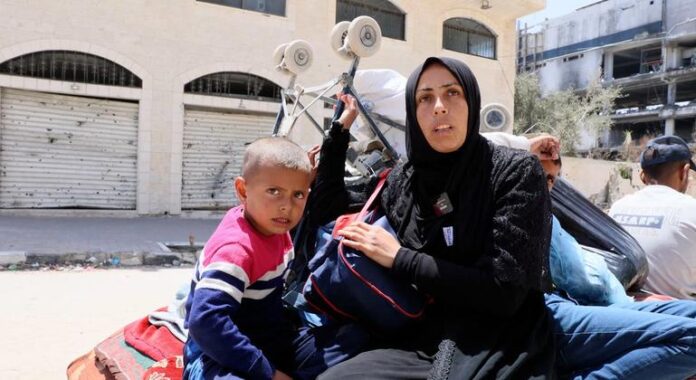
“We have been approached by Israeli authorities to resume limited aid delivery, and we are in discussions with them now on how this would take place given the conditions on the ground,” OCHA said in a statement.
It is now 11 weeks since the Israeli authorities closed off all food, fuel and medicines to Gaza.
The decision has been widely condemned by the international community – including the UN Secretary-General – who on Sunday insisted that Israel’s “siege and starvation” of Gazans “makes a mockery of international law”.
According to news reports the Israel Government has taken the decision to resume “basic” levels of aid delivery to ensure against starvation, on the recommendation of the Israeli Defense Forces and in support of a renewed Gaza offensive.
“The situation for Palestinians in Gaza is beyond description, beyond atrocious and beyond inhumane,” António Guterres wrote online. “The blockade against humanitarian aid must end immediately.”
The aid blockade has created life-threatening hunger across Gaza – something that humanitarians have pointed out did not exist before the war started on 7 October 2023, sparked by Hamas-led terror attacks on Israel.
Basic principles
“I emphasize that the United Nations will not participate in any operation that does not adhere to international law and humanitarian principles of humanity, impartiality, independence and neutrality,” Mr. Guterres insisted, before underlining his “full support” for UNRWA, the largest aid agency in Gaza.
In an update on Monday, UNRWA reported that more than nine in 10 homes in Gaza have been damaged or destroyed. On Sunday the agency’s Commissioner-General, Philippe Lazzarini announced that more than 300 staff have been killed in the Gaza war. “The vast majority of staff were killed by the Israeli army with their children and loved ones: whole families wiped out,” he noted.
“Several were killed in the line of duty while serving their communities. Those killed were mostly UN health workers and teachers, supporting their communities.”
Ahead of unconfirmed reports on Monday that 20 aid trucks were expected to enter Gaza on Monday, UN agencies OCHA and the World Health Organization (WHO) warned that hungry and sick Gazans continue to live in terror because of ongoing bombardment.
In a new call to lift the blockade, both agencies rejected allegations of aid diversion to Hamas and highlighted the humanitarian nature of the goods being denied entry into Gaza, everything from children’s shoes to eggs, pasta, baby formula and tents.
“How much war can you wage with this?” asked OCHA spokesperson Jens Laerke.
Briefing Member States in Geneva, WHO Director-General Tedros Adhanom Ghebreyesus warned on Monday that the risk of famine “is increasing” as aid continues to be withheld deliberately by Israel.
Health system destroyed
The enclave’s health system is “already on its knees”, he insisted.
“Two million people are starving, while 116 000 tonnes of food is blocked at the border just minutes away,” he told the World Health Assembly.
In response to a resurgence of polio in Gaza, WHO negotiated a humanitarian pause for a vaccination campaign that reached more than 560,000 children, Tedros continued.
“We stopped polio, but the people of Gaza continue to face multiple other threats,” Tedros explained. “People are dying from preventable diseases as medicines wait at the border, while attacks on hospitals deny people care, and deter them from seeking it.”
At the same time, the WHO chief called out “increasing hostilities, evacuation orders, [the] shrinking humanitarian space and the aid blockade [that] are driving an influx of casualties”.
Tedros’s comments come as UN aid teams who remain committed to helping all Gazans confirmed intensifying bombing across the devastated Strip. “It has increased, of course,” said one worker, who wished to remain anonymous. They added that in the last 72 hours around 63,000 people have been uprooted.
Drone strikes on civilian infrastructure in Port Sudan must end: UN expert

“These ongoing attacks on critical infrastructure are putting lives at risk, worsening the humanitarian crisis, and violating basic human rights,” said Radhouane Nouicer, the designated expert on the human rights situation in Sudan, appointed by UN rights office OHCHR.
Targeted sites include the city’s main electricity substation and fuel and gas storage facilities, leading to widespread power cuts and restricted access to food, water and healthcare. Some strikes have hit densely populated areas, displacing residents.
“It is devastating to see the continued destruction of infrastructure and social services in Sudan,” Mr Nouicer added.
Once a lifeline, now a target
Since civil war erupted in April 2023, Port Sudan has served as a vital entry point for humanitarian aid. The conflict has killed over 18,000 people, displaced 13 million, and left 30.4 million in need of assistance.
That lifeline has come under threat. A drone strike on the Port Sudan airport forced the UN to temporarily suspend aid flights and the movement of humanitarian personnel.
Guterres calls for coordinated action
At the League of Arab States Summit in Iraq over the weekend, UN Secretary-General António Guterres called for renewed international engagement to end the violence in Sudan.
“Multilateral efforts are urgently needed to stop the appalling violence, famine and mass displacement,” he said.
The UN chief also met with the African Union and Arab League leadership to discuss ways to ensure unhindered humanitarian access and work towards a “durable, comprehensive ceasefire.”
Escalating attacks
Port Sudan is not alone. Similar strikes have been reported in North River Nile and White Nile states, where power stations have allegedly been targeted by the Rapid Support Forces (RSF) militia, which has been battling Government troops during a brutal civil war for control of Sudan.
Mr Nouicer called these attacks a “major escalation” with “alarming implications” for civilian protection.
He urged all parties to stop targeting civilian sites, in line with international law.
“Civilian infrastructure is protected under international law and must never be a target,” he said.
UN relief chief welcomes limited Gaza aid resumption – but it’s a ‘drop in the ocean’
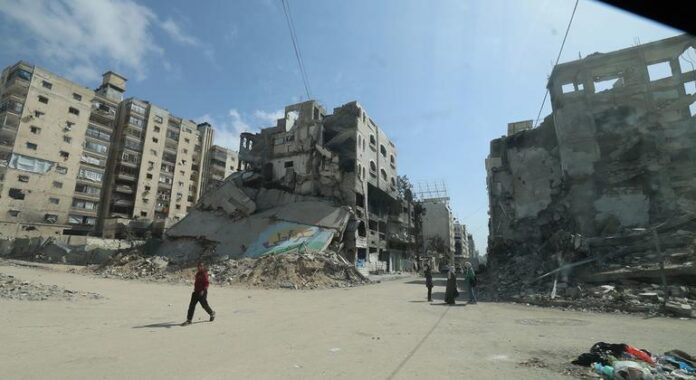
Tom Fletcher said in a statement on Monday that nine UN trucks were cleared to enter the southern Kerem Shalom crossing earlier in the day.
“But it is a drop in the ocean of what is urgently needed…We have been reassured that our work will be facilitated through existing, proven mechanisms. I am grateful for that reassurance, and Israel’s agreement to humanitarian notification measures that reduce the immense security threats of the operation.”
Alarm over Israeli bombardment: UN chief
The UN Secretary-General on Monday expressed his alarm over the intensifying air strikes and ground operations in Gaza “which have resulted in the killing of hundreds of Palestinian civilians in recent days, including many women and children, and, of course, large-scale evacuation orders.”
António Guterres reiterated his call for the rapid, safe, and unimpeded delivery of humanitarian assistance at scale directly to civilians, in order to avert famine, alleviate widespread suffering, and prevent further loss of life.
Briefing reporters on Monday, UN Spokesperson Stéphane Dujarric said Mr. Guterres “welcomes the ongoing efforts by the mediators to reach a deal in Gaza. He has repeatedly warned that the continued violence and the destruction will only compound civilian suffering and heighten the risk of a broader regional conflict.”
He added that the Secretary-General “firmly rejects any forced displacement of the Palestinian population.”
Minimise risk of aid theft
Relief chief Fletcher said in his statement that he was determined to ensure UN aid reaches those in greatest need and make sure that any risk of theft by Hamas or other militants battling Israeli forces in the Strip amid a new offensive, would be minimised.
He said the UN aid coordination office, OCHA, had realistic expectations: “Given ongoing bombardment and acute hunger levels, the risks of looting and insecurity are significant.”
UN aid workers are committed to doing their jobs, “even against these odds,” he said, thanking humanitarian colleagues for their courage and determination.
Practical plan
“The limited quantities of aid now being allowed into Gaza are of course no substitute for unimpeded access to civilians in such dire need,” Mr. Fletcher continued.
“The UN has a clear, principled and practical plan to save lives at scale, as I set out last week.”
He called on Israeli authorities to:
- Open at least two crossings into Gaza, in the north and south
- Simplify and expedite procedures together with removing quotas limiting aid
- Lift access impediments and cease military operations when and where aid is being delivered
- Allow UN teams to cover the whole range of needs – food, water, hygiene, shelter, health, fuel and gas for cooking
Ready to respond
Mr. Fletcher said to reduce looting, there must be a regular flow of aid, and humanitarians must be permitted to use multiple routes.
“We are ready and determined to scale up our life-saving operation Gaza and respond to the needs of people, wherever they are,” he stressed – calling again for the protection of civilians, a resumption of the ceasefire and the immediate and unconditional release of all hostages.
He concluded saying the operation would be tough – “but the humanitarian community will take any opening we have.”
Egypt: Council and European Parliament secure agreement on macro-financial assistance
The Council and the European Parliament reached a provisional agreement about providing macro-financial assistance to the Arab Republic of Egypt.
