
I’ve watched too many growing tech companies stumble through SOC 2 audits the hard way. Teams cobble together
10 Best Compliance Tools Teams Rely On During SOC 2 Audits in 2026
Venezuela crisis: UN aid effort continues amid political upheaval
The backdrop
- Venezuela has endured years of economic collapse, political instability, hyperinflation and economic sanctions from Washington, compounded by floods, landslides and other climate shocks.
- The recent seizure of President Nicolás Maduro by US special forces has added a new layer of uncertainty to an already volatile situation.
- According to the UN aid coordination office, OCHA, 7.9 million people — more than a quarter of the population — need urgent humanitarian assistance.
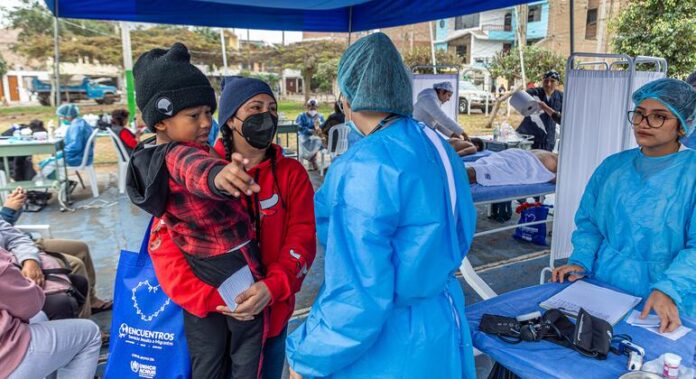
UNHCR Provides Legal and Health Assistance to Venezuelan Refugees in Tacna, Peru.
A large UN footprint
- The UN maintains a broad operational presence in Venezuela, with most agencies active on the ground.
- Work spans food security, healthcare, gender equality, education, decent work, water and sanitation, and peacebuilding.
- Agencies including the World Food Programme (WFP), World Health Organization (WHO) and the reproductive rights agency, UNFPA, deliver life-saving aid and help keep essential services running — from food distributions and nutrition screenings to maternal care and clean water projects.
- Following the latest political developments, UN leadership in the country said it is closely assessing needs to ensure support can be scaled up if required.
Human rights under scrutiny
- Venezuela’s human rights situation remains a core UN concern.
- The Office of the UN High Commissioner for Human Rights (OHCHR) continues to monitor violations.
- Briefing the Human Rights Council last month, High Commissioner Volker Türk warned of deepening repression, citing increased militarisation, threats to journalists and human rights defenders, arbitrary detention and enforced disappearances.
- UN investigators have stressed that accountability for long-documented abuses — including extrajudicial killings, torture and sexual and gender-based violence — must not be overshadowed by the current crisis.
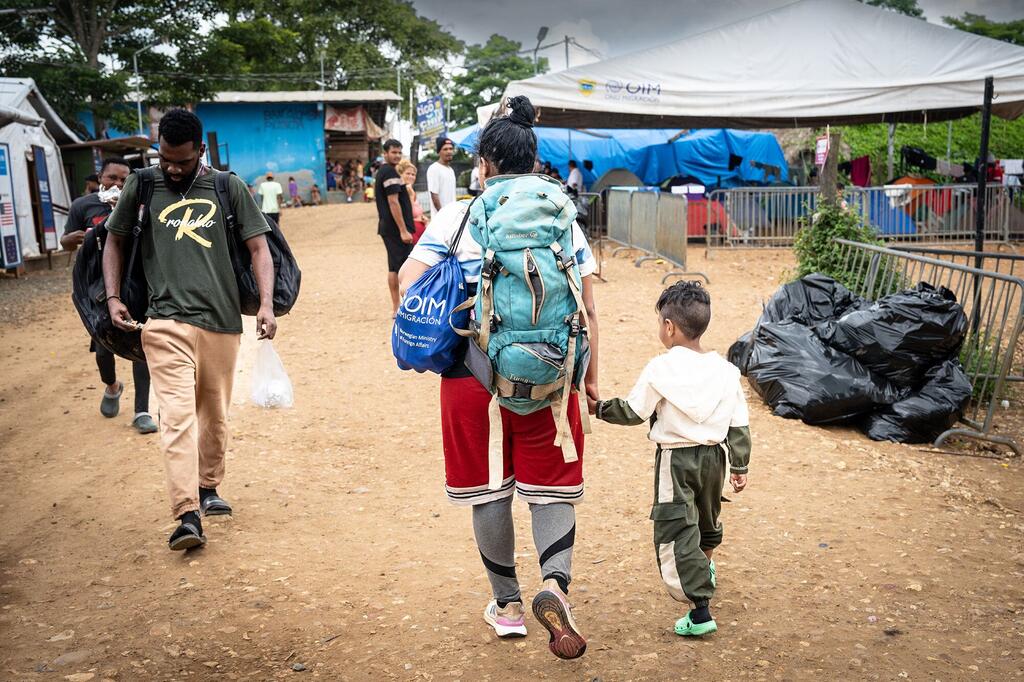
Migrants arriving at the Lajas Blancas reception centre in Darien, Panama.
A long-running exodus
- It is too early to know whether recent events will intensify the mass displacement that has unfolded over the past decade.
- Millions of Venezuelans have already fled repression, instability and economic hardship.
- Nearly half of those who have left rely on informal, low-paid work; 42 per cent struggle to afford enough food, and 23 per cent live in overcrowded housing.
Regional response
- The UN refugee agency UNHCR and the International Organization for Migration (IOM) coordinate a regional response across 17 countries.
- This effort has helped more than 4.5 million Venezuelans in Latin America and the Caribbean obtain regular status, giving access to documentation, protection and basic services.
- The latest regional plan seeks $1.4 billion to reach 2.3 million vulnerable people, focusing on jobs, education, healthcare and protection.
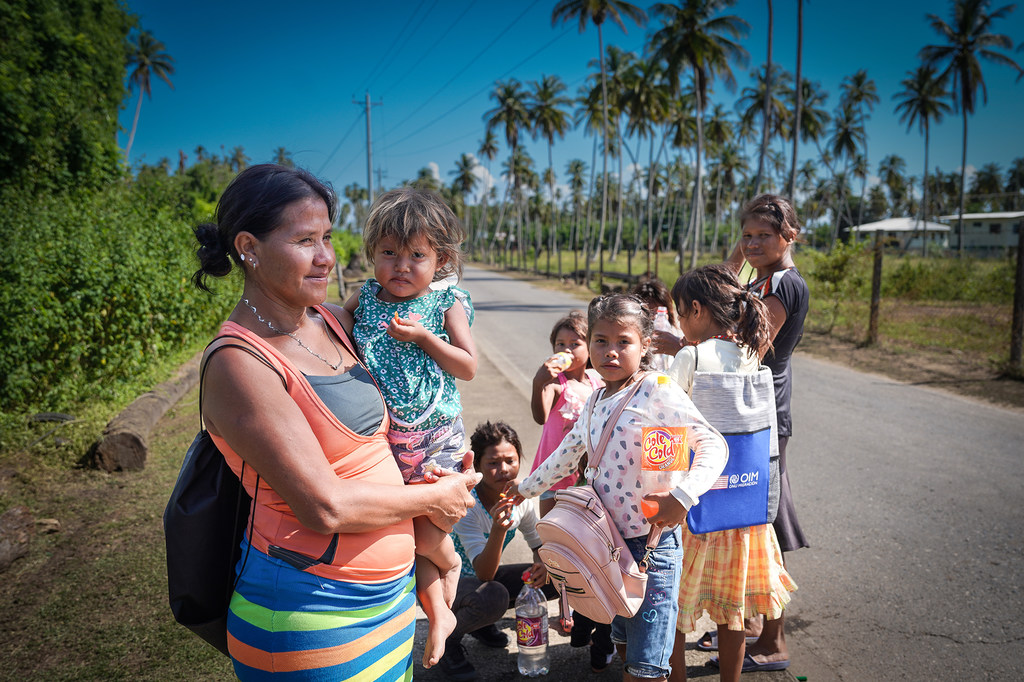
Warao families make their way to the local church in Icacos, Trinidad and Tobago for cash distribution.
The funding gap
- Despite reiterated UN commitment to Venezuelans’ dignity and protection, resources are stretched.
- In 2025, just 17 per cent of the over $600 million required for Venezuela’s Humanitarian Response Plan had been received.
- UN officials warn that without increased funding, aid agencies will be forced to scale back support at a moment of heightened need.
Bottom line:
Political turmoil may dominate headlines, but for the UN the mission is constant: keep humanitarian lifelines open, defend human rights and support Venezuelans — inside the country and beyond its borders — through an unfolding crisis with global consequences
How Multi-Zone HVAC Systems Are Powering the Next Generation of Smart Homes
Smart homes are getting smarter, but one upgrade is quietly transforming daily comfort more than most people realize.
UN agency rolls out three-year plan to safeguard Ukraine’s bread basket
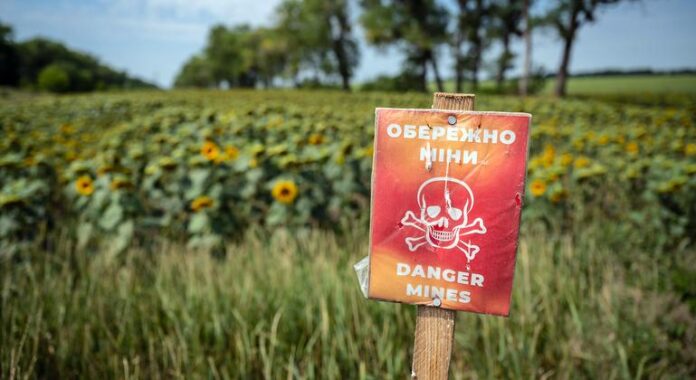
The UN Food and Agriculture Organization (FAO) released its emergency response and early recovery plan, outlining priority measures to protect agricultural livelihoods, restore production and strengthen the whole agrifood sector.
The plan links immediate emergency assistance with early recovery and resilience-building.
It prioritises protection of food production for vulnerable rural families and small-scale farmers, rehabilitating agricultural land, boosting core production and supporting more market-oriented and climate-resilient farming.
“Ukraine’s rural communities cannot afford a pause between emergency response and recovery,” said Shakhnoza Muminova, Head of FAO in Ukraine.
“This Plan is designed to bridge that gap – protecting livelihoods now, restoring safe access to land and supporting farmers and rural families to rebuild production.”
Early recovery refers to restoring basic livelihoods and services while emergency needs continue, helping communities move beyond survival and reduce long-term dependence on aid.
Focus on the frontline
FAO said special attention will be given to frontline regions, women and youth, internally displaced persons (IDPs) and returnees, as well as to land affected by explosive remnants such as landmines.
The agency’s current portfolio in Ukraine totals $25.9 million, with most funding directed to emergency and early recovery, but it warned that additional resources are needed to prevent further losses.
“Continued, predictable support is critical to prevent deeper losses and to sustain recovery efforts over time,” Ms. Muminova said.
Civilians at constant risk
The challenges facing agriculture unfold amid continued risks to civilians.
According to the UN Office for the Coordination of Humanitarian Affairs (OCHA), an older civilian was killed and two others injured in the Kherson region on Monday while waiting for a food distribution.
“It is outrageous that once again a drone strike…killed one and injured two older residents who were at a food distribution point,” said Matthias Schmale, the Humanitarian Coordinator for Ukraine.
Humanitarian workers provided first aid, and the injured are receiving hospital care.
How Weddings and Large Events Use a Photo Sharing Platform to Deliver Photos at Scale
A photo sharing platform is used in weddings and large events by centralizing thousands of images. From multiple Source link
Winter storms upended thousands in Gaza
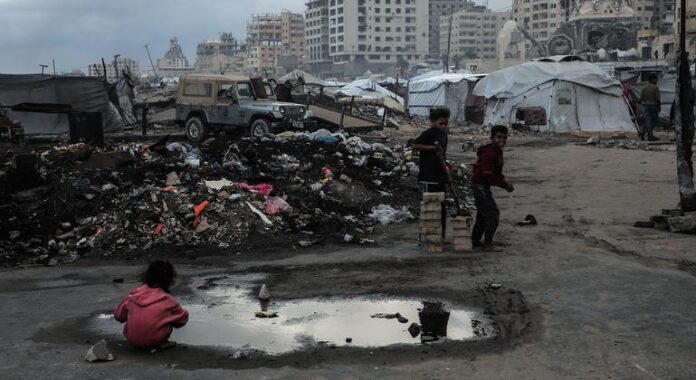
“Tents were blown away or damaged, homes collapsed under storm conditions, and personal belongings were soaked,” according to its latest update.
“In several locations, entire displacement sites were flooded due to inadequate drainage and low-lying terrain.”
The storms also damaged temporary learning spaces and roads used to bring much-needed supplies into Gaza, where humanitarian efforts continue.
Better shelter options needed
During December, aid workers supported some 80,000 families, providing more than 40,000 tents, over 135,000 tarpaulins, and thousands of other items including mattresses and blankets.
UN partners working in the shelter sector stressed, however, that “tents cannot serve as the primary and sole shelter modality in Gaza, as they provide only temporary cover.”
They highlighted the urgent need to accelerate the shift to more durable solutions, including repairs to partially damaged homes.
Lack of land
They also warned that “lack of land availability is preventing relocation and delaying the scale-up of viable shelter solutions.”
Furthermore, recent rainstorms have offset some of the gains made during the ceasefire that came into effect in October, and an estimated one million people across the devastated enclave still require urgent emergency shelter assistance.
Meanwhile, partners working to improve emergency telecommunications reported that last week they finalized the delivery of new equipment to improve radio coverage that had been pre-positioned in Jerusalem awaiting Israeli approval to enter Gaza since August 2024.
OCHA noted that while this development is critical to strengthen the safety of humanitarian operations, other equipment – including key power-supply solutions – continue to be blocked from entering the Strip.
Exploring Cat Breeds: Traits, Genetics, and Choosing the Right Feline Companion
Cats hold a special place in human life as beloved companions, skilled vermin hunters, and fascinating subjects of
Typical Industrial Uses for Air Knife Systems Common Industrial Applications of Air Knife Systems
Now industries are under greater pressures not only to maintain operational effectiveness but to provide sustainability goals reducing Source link
World News in Brief: Escalating violence in Sudan, civilian danger grows in Ukraine, Ethiopia aid cuts
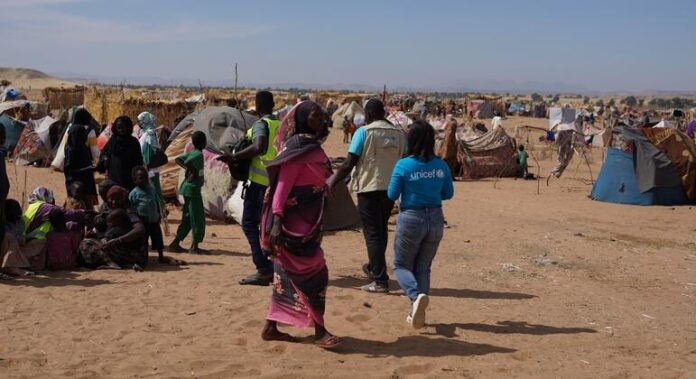
In North Darfur, drone strikes on 3 January reportedly caused civilian casualties in the villages of Al-Zurq and Ghurair, including strikes on a market and a medical clinic, said UN Spokesperson Stéphane Dujarric, briefing journalists on Monday.
And in West Darfur state on Saturday, one civilian was reported killed following two drone attacks in the vicinity of Kulbus. More than 600 people have been displaced by the strikes there, according to UN humanitarian partners.
Deaths and injuries
In South Kordofan state, multiple drone attacks between 1 and 3 January in Dilling reportedly resulted in civilian deaths and injuries.
The situation remains dire in Dilling, with civilians trapped under siege as humanitarian conditions continuing to deteriorate, while access to essential supplies is increasingly restricted.
“We reiterate our call for the protection of civilians and for the unhindered humanitarian access to all affected areas,” Mr. Dujarric underscored.
“Continued and predictable humanitarian access to deliver life-saving assistance and to prevent further deterioration of the humanitarian situation is essential.”
Ukraine: UN and partners continue to support victims of latest Russian attacks
In Ukraine, the UN and aid partners are continuing to provide support to the people of embattled Kharkiv, amid ongoing Russian attacks on Monday.
Last Friday, a strike on a high-rise block in the eastern city killed six residents including a mother and child, according to reports.
In addition, dozens more were hurt in the attack, and many were left homeless, amid freezing conditions and snow, according to the UN aid coordination office, OCHA.
In addition, parts of the city near the Russian frontier were left without electricity, water and gas.
Civilians face growing danger
“Further attacks are being reported in the city, risking additional harm to civilians and further destruction of homes as temperatures remain well below zero,” said Maka Khazalia, OCHA Head of Office in Kharkiv.
“Humanitarian teams continue to support those affected by the attack and will continue to provide assistance to those affected in future.”
UN humanitarians work alongside partners and city staff, providing essential services to those in need.
This includes delivering hot meals, non-food items and mental health support.
There were also reported attacks in Chernihiv, Donetsk, Kherson and Mykolaiv regions which caused civilian casualties and damage to critical infrastructure, resulting in power outages.
Humanitarian colleagues also note that on 2 January, authorities announced mandatory evacuations of more than 3,000 children and their families from frontline areas in Dnipropetrovsk and Zaporizhzhia Regions.
Refugee response now at breaking point in Ethiopia, warns WFP
In Ethiopia, the global crisis in funding for humanitarian work is taking a major toll, with aid teams warning that the refugee response there is at breaking point.
The UN World Food Programme (WFP) alerted that more than 1.1 million people risk losing “food, water and healthcare within weeks”, due to lack of funding.
Ethiopia is the second-largest refugee-hosting country in Africa and has seen a surge in arrivals amid ongoing conflicts in Sudan and South Sudan, as well as drought in Somalia.
More than a million refugees have already endured prolonged ration cuts since May 2023 and WFP has now had to cut food assistance again, from 60 per cent to 40 per cent.
WFP calls for urgent funding
“Beyond humanitarian assistance, sustained funding is urgently needed to support solutions that help refugees rebuild their lives,” said Claire Nevill, WFP Head of Communications in Ethiopia.
“Without immediate support, more services will be cut, and more lives will be at risk.”
She insisted that the Government of Ethiopia, WFP and the UN refugee agency (UNHCR) were aiming to provide vulnerable people fleeing conflict and hunger with long-term livelihood opportunities, including jobs.
But additional support will be needed to support sustainable projects so that refugees can rebuild their lives, she said.
Gaza: 100 per cent of basic food needs met for first time since 2023
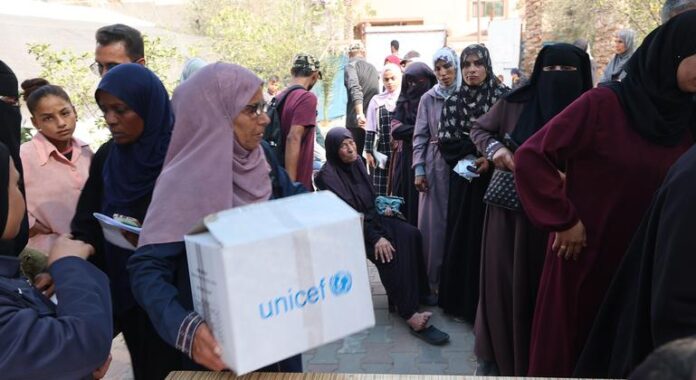
“The January round is the first since October 2023, in which partners had sufficient stock to meet 100 per cent of the minimum caloric standard,” UN Spokesperson Stéphane Dujarric told journalists on Monday.
That’s compared to the end of 2025, when each family received just 50 to 75 per cent of the calories needed to stay healthy.
To further address food insecurity, the UN is supporting the production of approximately 170,000 two-kilo bread bundles daily.
Around a third of the bread is distributed free of charge to more than 400 shelters and community sites, with the remaining sold at a subsidised price.
Aid must remain ‘unimpeded’
Mr. Dujarric highlighted that last week alone, the UN and partners brought more than 10,000 metric tonnes of aid through the Karim Shalom, Karem Abu Salam crossing and the Zikim crossing.
Supplies included food and cooking ingredients, animal fodder, soap and other hygiene items, including diapers, winter clothing, blankets and mattresses.
The recent announcement by Israeli authorities to suspend operations of certain non-governmental organizations (NGOs) threatens to impede critical assistance for civilians, over 50 NGOs warned.
In a statement issued by the UN Spokesperson on Friday, UN Secretary-General António Guterres said he was “deeply concerned” by the development and underscored that Israel must allow “unimpeded” passage of humanitarian relief.
Violence continues
Israeli airstrikes, shelling and gunfire continued to be reported across several areas of the Gaza Strip between Tuesday and Friday last week, the UN aid coordination office (OCHA) reported over the weekend.
Citing the Gaza Ministry of Health, OCHA said that as of Thursday, five Palestinians were reported killed and 11 others injured across the Gaza Strip over the previous 48 hours.
This comes amid harsh winter conditions and destructive winter storms that are damaging infrastructure and putting water, sanitation and hygiene services under continuing pressure.
