Sunday, March 22, 2026
Home Blog Page 62

WHO study shows COVID vaccines remain key to preventing serious illness

0

Although COVID-19 no longer causing the widespread disruption seen during the global health emergency, the virus continues to hospitalize and kill people across Europe and neighboring regions.

Studies carried out by the WHO The European Regional Office confirms that people who receive timely booster doses are much less likely to develop severe illness, require intensive care or die.

THE results are based on data from the European network EuroSAVE (European Severe Acute Respiratory Infection Vaccine Effectiveness), which monitors respiratory infections in hospitals in parts of Europe, the Balkans, the South Caucasus and Central Asia.

Important results

“Studies highlight that while COVID-19 does not cause the widespread illness we have seen during the pandemic, it has nonetheless caused considerable numbers of hospitalizations and deaths. » said Mark Katz, medical epidemiologist at the WHO regional office.

Between May 2023 and April 2024, nearly 4,000 patients were hospitalized for acute respiratory infections in the countries covered by the network.

Nearly 10 percent of these cases were caused by COVID-19, although the pandemic was declared over. Among patients hospitalized with COVID-19, only 3% had received a dose of vaccine in the previous 12 months.

The consequences have often been serious: 13 percent of COVID-19 patients required admission to intensive care units and 11 percent died.

Comparative research also showed that patients hospitalized with COVID-19 were more likely than those with the flu to need oxygen, intensive care or succumb to the illness.

Vaccines provide strong protection

On the other hand, vaccination offers strong protection.

A EuroSAVE study found that an up-to-date COVID-19 vaccine received within the last six months was 72% effective at preventing hospitalization and 67% effective at preventing the most serious outcomes, including intensive care admission and death.

A separate multi-country analysis found that vaccines reduced COVID-related hospitalizations by about 60 percent.

Originally published at Almouwatin.com

Health progress marked 2025 as wars and budget cuts strain systems

0

Although funding cuts, conflict and climate shocks have strained health systems around the world – disrupting essential services in many countries – governments and partners have nevertheless made notable progress in disease control, prevention and preparedness.

The United Nations health agency said the mixed picture of progress and pressure in Looking ahead to 2025 highlights both what is possible through evidence-based cooperation and what is at risk if momentum and funding are not sustained..

Victories for disease control

Several countries have reached historic milestones in eliminating infectious diseases.

The Maldives became the first country to achieve “triple elimination” of mother-to-child transmission of HIV, syphilis and hepatitis Bwhile Brazil has eliminated mother-to-child transmission of HIV, making it the most populous country in the Americas to achieve this goal.

Progress has also been made in the fight against neglected tropical diseases. Burundi, Egypt and Fiji have eliminated trachoma; Guinea and Kenya have eliminated sleeping sickness; and Niger became the first African country to eliminate river blindness. Since 2010, the number of people requiring treatment for a neglected tropical disease has fallen by almost a third.

Deaths from tuberculosis (TB) continued to declineparticularly in Africa and Europe, which have seen reductions of more than 45 percent over the past decade. Yet the disease has claimed the lives of an estimated 1.2 million people in 2024, underscoring continued risks from HIV, undernutrition and other factors.

The fight against malaria has also made progress. Georgia, Suriname and Timor-Leste were certified malaria-free, while seven other African countries introduced malaria vaccines in 2025. Combined with newer tools, including improved bed nets, these efforts prevented an estimated 170 million cases and one million deaths in 2024.

Health progress marked 2025 as wars and budget cuts strain systems

© UNICEF/Rabik Upadhayay

A doctor examines a newborn baby at a hospital in Kathmandu, Nepal.

Global health cooperation

Beyond disease-specific progress, 2025 also marked significant advances in global health cooperation.

Countries have adopted the the first global agreement on the pandemic and strengthened the International Health Regulations (IHR), laying the foundation for a faster and more equitable response to future health emergencies.

World leaders approved a historic political declaration on noncommunicable diseases and mental health. New evidence-based guidance has also been published covering areas from maternal care and meningitis to diabetes in pregnancy and anti-cancer drugs suitable for children.

Healthier lives, uneven progress

WHOThe World Health Statistics 2025 report revealed that 1.4 billion more people live healthier livesthrough reduced tobacco consumption, cleaner air and improved water and sanitation.

Vaccination has remained at the heart of this progress. Global vaccination efforts have reduced measles deaths by 88 percent since 2000, saving nearly 59 million lives. By 2025, several countries have expanded vaccination against human papillomavirus (HPV), bringing the world closer to eliminating cervical cancer.

Yet challenges persist. Twenty million children have not received essential vaccines due to conflicts, supply disruptions and misinformation. Maternal and child deaths are also not decreasing fast enough to achieve the global goals, highlighting the need for greater investment in primary health care and safe childbirth programs.

Health progress marked 2025 as wars and budget cuts strain systems

© UNICEF/Ahmed Mohamdeen Elfatih

Children and adults suffering from cholera are treated in an isolation center at a hospital in Khartoum, Sudan.

Financial pressures, response to the crisis

Funding cuts in 2025 disrupted services including maternal care, immunization, HIV prevention and disease surveillance, with the WHO warning that reduced funding could reverse hard-won progress.

Despite these pressures, WHO has supported rapid responses to health emergencies and crises in 79 countries and territories, including Gaza, Sudan and Ukraine, providing emergency medical aid and helping to contain outbreaks.

He delivered medicines, helped keep hospitals open, participated in vaccination campaigns and ensured people could still access regular health services – “because babies still need to be born, heart attacks still need to be prevented, and diabetes still needs to be treated, even in an emergency.”

Looking to the future

Looking ahead to 2026, WHO sees the adoption of the first pandemic agreement and the strengthening of the International Health Regulations as signs of a renewed global commitment to preparedness.

He emphasizes that it remains guided by the principle stated at its creation in 1948: according to which the best state of health that it is capable of achieving must be a right for everyone and not a privilege for a few.

Together,” WHO stressthrough science, solutions and solidarity, we can build a healthier, safer and more promising future for all.»

Health progress marked 2025 as wars and budget cuts strain systems

© UNICEF/Bashir Ahmed Sujan

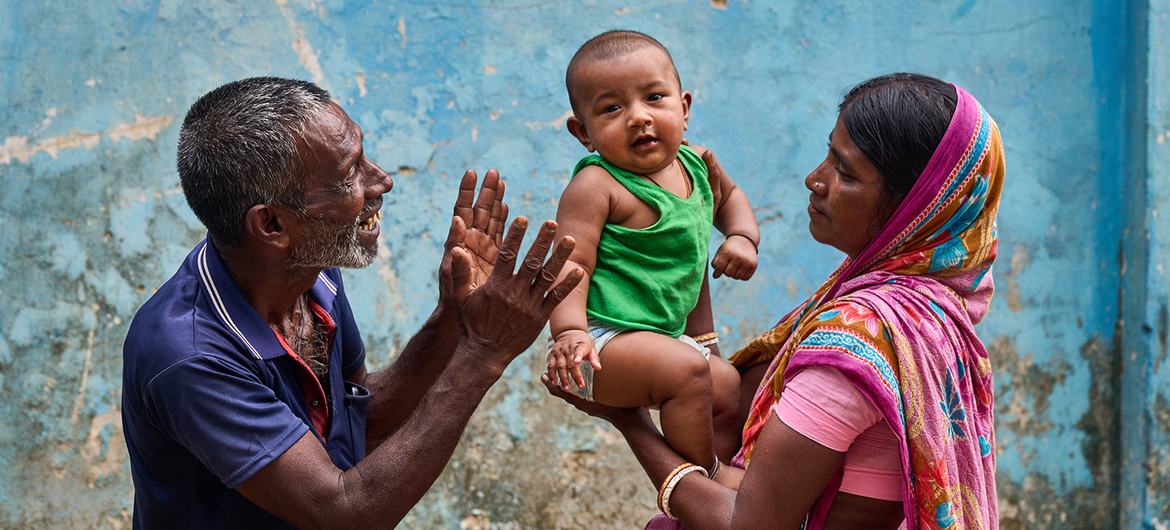
A baby is held by his mother and entertained by his grandfather at a community clinic in northern Bangladesh.

Originally published at Almouwatin.com

Results expected on January 5 after historic elections in the Central African Republic

0

According to has MINUSCA, preliminary reports from observers indicate that more than 99 percent of polling stations across the country opened as scheduled on Election Day.

The transfer of envelopes containing the results from 19 prefectural capitals to the national capital, Bangui, is now underway, with the logistical and security support of the mission.

The vote of December 28 marked a unprecedented moment in the political history of the countrybringing together four ballots in a single electoral exercise. Municipal elections, in particular, have not taken place in the Central African Republic (CAR) since 1988 and are a key provision of the 2019 Political Agreement for Peace and Reconciliation.

Vast, sparsely populated and landlocked, the CAR is crisscrossed by dense forests, rivers and long, often impassable roads. Outside of Bangui, many communities are only accessible by plane or multi-day trips.

Results expected on January 5 after historic elections in the Central African Republic

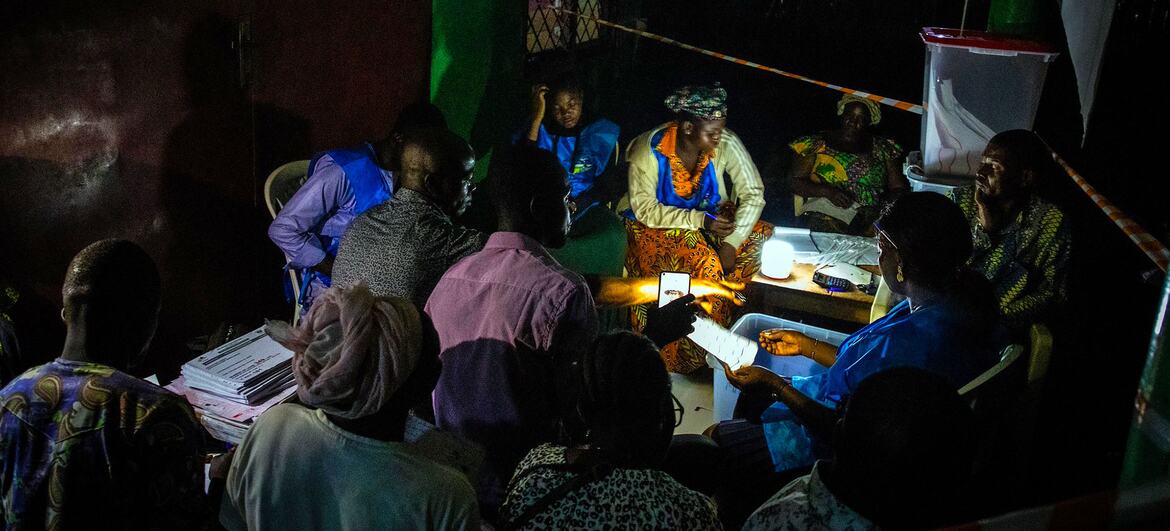
Ballots are counted under flashlights after elections in the Central African Republic.

Massive UN support for a complex operation

MINUSCA said it worked closely with national authorities and United Nations agencies to support the electoral process.delivering all voting materials on time despite difficult terrain and security constraints.

In total, the mission carried out 84 flights and eight road convoys to transport more than 230 tonnes of electoral materials, including ballots, indelible ink, voter cards, voting booths and ballot boxes.

Election materials were delivered to 6,679 of the country’s 6,700 polling stations, allowing them to operate normally in 20 prefectures.

Technically and operationally, some 34,500 people – including election officials, supervisors and polling station staff – were trained with UN support.

Security measures

Poll security was strengthened thanks to the deployment of additional national troops and police, logistically supported by MINUSCA, alongside patrols reinforced by UN peacekeepers and police personnel.

The mission also provided the Central African armed forces and internal security personnel with vehicles and motorcycles to reach remote and isolated areas.

Speaking at a press conference On Wednesday in Bangui, the Special Representative of the Secretary-General for the CAR, Valentine Rugwabiza, said the mission had successfully fulfilled its mandate despite a difficult environment.

Results expected on January 5 after historic elections in the Central African Republic

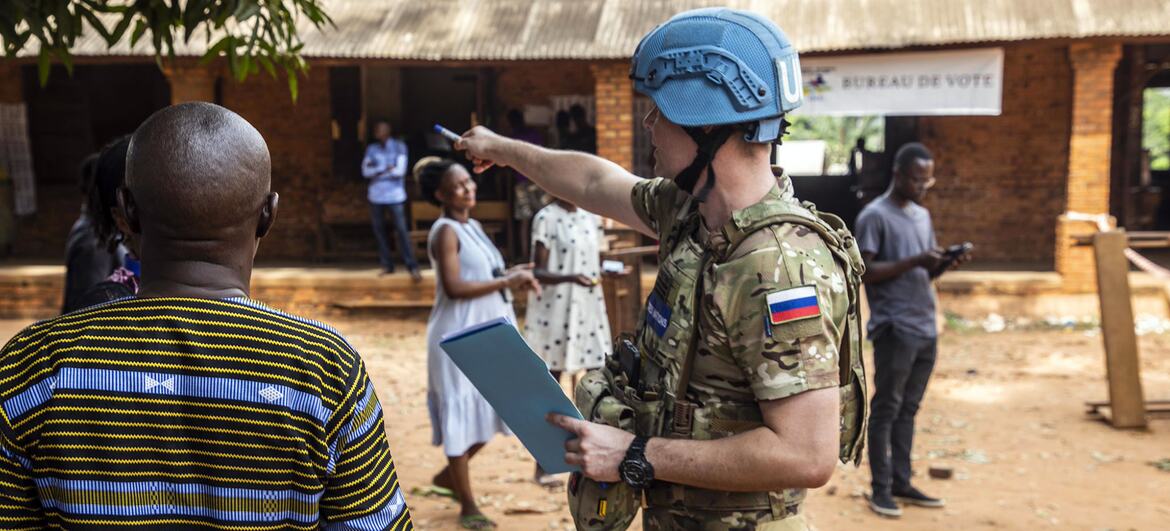
UN peacekeepers patrol a voting center in the capital Bangui during the elections.

Incident in Haut-Mbomou

Ms. Rugwabiza strongly condemned an attack in Bambouti, in the southeastern Haut-Mbomou prefecture, near the border with South Sudan, which prevented voting there due to insecurity.

The attack, carried out by the armed group Azandé Ani Kpi Gbe (AAKG), was also accompanied by hostage-taking, including the sub-prefect.

She said MINUSCA had been working tirelessly since Sunday to facilitate the release of those taken hostage.

Results expected next week

The National Elections Authority (NEA) is expected to announce the preliminary results of the presidential election on January 5, 2026..

Originally published at Almouwatin.com

Ukraine: attacks disrupt heating as temperatures fall

0

According to the Office for the Coordination of Humanitarian Affairs (OCHA), since December 26, nationwide attacks have also caused significant damage to civilian infrastructure, leaving parts of the country without power, heat and water as temperatures fall below freezing.

Nationwide, authorities reported nearly 100 civilian casualties during that period.

The most serious consequences were reported in the city of kyiv, where a large-scale attack on December 27 killed and injured several people. Energy facilities, residential buildings, a kindergarten, a university dormitory, civilian vehicles, shops and other civilian premises were damaged.

No heating in winter

OCHA cited an energy company reporting that more than a million homes in and around Kyiv lost electricity as a result of the strikes. Water supplies were disrupted and around a third of the capital’s population was left without heat at the height of winter.

The same wave of attacks affected the Chernihiv, Dnipro, Donetsk, Kharkiv, Kherson, Sumy and Odessa regions, causing new victims and damaging homes, educational institutions and infrastructure.

Electricity has since been restored to almost 750,000 homes in Kyiv and almost 350,000 homes in the surrounding Kyivska region. However, heating and electricity remain disrupted by emergency and planned power cuts.

Humanitarian partners have set up warming tents where residents can seek shelter, receive food, charge their mobile phones and access basic assistance.

Essential services under threat

The strikes come against a backdrop of continued pressure on essential services. Ukraine was behind about 42% of all attacks on healthcare recorded worldwide in 2025, according to the World Health Organization (WHO).

Of more than 1,000 attacks on healthcare facilities worldwide this year, 561 took place in Ukraine, leaving 19 people dead and 201 injured.

Over the weekend, another health facility was damaged in a strike on the town of Izmail in the Odessa region, highlighting continued risks to civilians and medical services as winter conditions intensify.

Originally published at Almouwatin.com

Another child dies in extreme conditions in Gaza: UNICEF

0
Another child dies in extreme conditions in Gaza: UNICEF

In a statement, UNICEF identified the latest victim as seven-year-old Ata Mai; he drowned on 27 December during “severe flooding” in an improvised camp for internally displaced people in Sudaniyeh, northwest Gaza City. 

He is just the latest child in Gaza to succumb amid “extreme winter conditions and lack of safe shelters”, said UNICEF’s Edouard Beigbeder, Regional Director for the Middle East and North Africa.

“Teams visiting displacement camps reported appalling conditions that no child should endure, with many tents blown away or collapsing entirely,” he said.

Desperate search 

Information indicates that Ata had been living in a camp of some 40 tents when he went missing one afternoon. Despite search and rescue efforts supported by heavy machinery, his body was only recovered hours later. 

The UN agency noted that Ata’s siblings “are all under 10 years old…the family had already endured the loss of their mother during the war. UNICEF is currently supporting the family with essential aid, including blankets, tarpaulins, and psychosocial support, while assessing their broader needs”.

In addition to Ata Mai, at least five other children have lost their lives this month “after being exposed to such harsh conditions”, Mr. Beigbeder said.

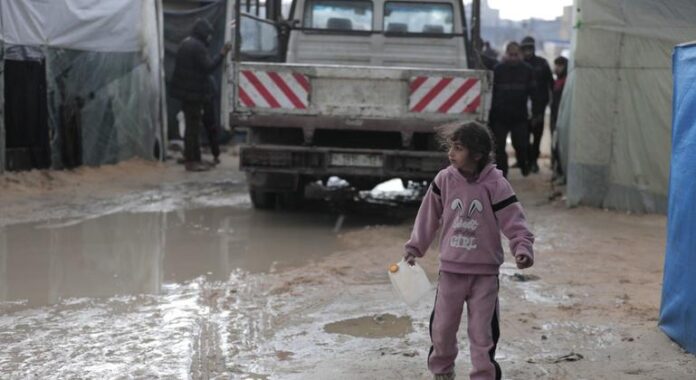
Across Gaza, shelter needs are acute, with more than 1.9 million people displaced and only limited shelter supplies entering the enclave. Specifically, internally displaced families who have been sheltering in worn-out tents or makeshift shelters have faced prolonged rains, strong winds and freezing temperatures. Aid teams have repeatedly flagged the dangers for underfed youngsters and other vulnerable Gazans whose tents have been flooded time and again.

In an update issued on Tuesday, UN aid coordination office, OCHA, confirmed flash flooding caused by new rainstorms, “affecting people living in low-lying areas, coastal zones and those sheltering in substandard structures and tents”.

Seawater has once again inundated tents housing displaced families, including in the Al Mawasi area of Khan Younis, rendering many shelters uninhabitable,” the update noted.

The rains have forced many families often previously uprooted by the war to move to higher ground after their belongings were soaked. 

Heavy winds have made matters worse, destroying or severely damaging numerous tents and makeshift shelters, OCHA said. 

Shelter solutions remain elusive and since early December, 18 residential buildings “have completely collapsed, resulting in significant human and material losses”, according to the agency update.

An additional more than 110 additional buildings have sustained dangerous partial damage, posing an immediate threat to thousands of residents in and around them.

This tragedy underscores the extreme vulnerability of children in Gaza’s hardest-hit areas, where the near-total destruction of homes and water and sewage infrastructure has left families exposed to the elements,” UNICEF said. 

The development comes after a week of heavy rainfall, strong winds and freezing temperatures that have affected around 100,000 families.

With further rain and colder conditions forecast, the situation is expected to worsen. 

UNICEF’s Kazem Abu-Khalaf updates on the situation on the ground.

Still saving lives

Working alongside aid partners, UNICEF provides critical support to thousands of affected families. This vital work includes: 

  • installing temporary water pipelines, 
  • distributing hygiene items, tarpaulins, blankets and dignity kits, 
  • ensuring access to latrines, 
  • working to clean and reopen sewage pipelines, clear stormwater inlets and protect tents from flooding.

UNICEF warned that heavy rains are making the situation worse by driving up fuel needs for sewage pumping and stormwater drainage. Water levels at the Sheikh Radwan lagoon have risen from 1.8 to 2.2 metres, requiring 7,000 litres of fuel per day to prevent overflow.

Humanitarian efforts in jeopardy 

From 1 January, a reported 37 international aid organizations risk losing their licences to operate in Gaza under Israel’s new registration system, potentially forcing a large-scale suspension of humanitarian operations, UN agencies and partners warn.

“If INGOs are forced to stop operations, one in three health facilities in Gaza will close,” UN and partners in the Occupied Palestinian Territory (OPT) said earlier this month. 

In a joint statement, they insisted that the new INGO registration system “fundamentally jeopardizes the continuation of humanitarian operations throughout the OPT”. 

The new system “relies on vague, arbitrary, and highly politicized criteria and imposes requirements that humanitarian organizations cannot meet without violating international legal obligations or compromising core humanitarian principles”, the aid agencies stated. 

Unless Israel reconsiders, dozens of INGOs face deregistration by Wednesday 31 December 2025, followed by the forced closure of operations within 60 days.

Suspension of aid agencies ‘outrageous’

The UN High Commissioner for Human Rights, Volker Türk, also expressed deep concerns over the move, calling Israel’s suspension of aid agencies from Gaza “outrageous.”

“This is the latest in a pattern of unlawful restrictions on humanitarian access,” Mr. Türk said on Wednesday, citing Israel’s ban on UNRWA and broader constraints on UN agencies, Israeli and Palestinian NGOs.

Such arbitrary suspensions make an already intolerable situation even worse for the people of Gaza,” he said, urging States with influence to “take urgent steps and insist that Israel immediately allows aid to get into Gaza unhindered.”

Mr. Türk reminded Israeli authorities of their obligations under international law to ensure the essential supplies of daily life in Gaza, including by allowing and facilitating humanitarian relief.

Source link

Another child dies in extreme conditions in Gaza: UNICEF

0

In a statement, UNICEF identified the latest victim as seven-year-old Ata Mai; he drowned on December 27 during “severe flooding” in an improvised camp for displaced people in Soudaniyeh, northwest of Gaza City.

He is just the latest child in Gaza to succumb to “extreme winter conditions and lack of safe shelter”, said Edouard Beigbeder, UNICEF regional director for the Middle East and North Africa.

“Teams visiting IDP camps have reported appalling conditions that no child should have to endure, with many tents destroyed by wind or completely collapsing. » he said.

Desperate search

Reports indicate that Ata was living in a camp of around 40 tents when he disappeared one afternoon. Despite search and rescue efforts supported by heavy machinery, his body was not found until hours later.

The UN agency noted that Ata’s siblings “are all under 10 years old…the family had already endured the loss of their mother during the war. UNICEF is currently supporting the family with essential assistance, including blankets, tarpaulins and psychosocial support, while assessing their broader needs.”

Besides Ata Mai, at least five other children have lost their lives this month “after being exposed to such harsh conditions,” Beigbeder said.

Across the Gaza Strip, shelter needs are dire, with more than 1.9 million people displaced and few shelter supplies entering the enclave. Specifically, displaced families sheltering in dilapidated tents or makeshift shelters faced prolonged rains, strong winds and freezing temperatures. Humanitarian teams have repeatedly reported the dangers facing undernourished young people and other vulnerable Gaza residents, whose tents have been repeatedly flooded.

In a update released Tuesday, the UN aid coordination office, OCHAconfirmed flash flooding caused by further rainstorms, “affecting people living in low-lying areas, coastal areas and those sheltering in substandard structures and tents.”

“Seawater has once again flooded tents sheltering displaced families, notably in the Al Mawasi neighborhood of Khan Younis, rendering many shelters uninhabitable,” the update noted.

The rains forced many families, often uprooted by the war, to settle on higher ground after their belongings were soaked.

Strong winds worsened the situation, destroying or seriously damaging many tents and makeshift shelters, OCHA said.

Shelter solutions remain elusive and since the beginning of December, 18 residential buildings “have completely collapsed, resulting in significant human and material losses,” according to the agency’s update.

More than 110 additional buildings suffered dangerous partial damage, posing an immediate threat to thousands of residents in and near them.

“This tragedy highlights the extreme vulnerability of children in the hardest-hit areas of Gaza, where the near-total destruction of homes and water and sewage infrastructure has left families exposed to the elements,” UNICEF said.

This development comes after a week of heavy rains, strong winds and freezing temperatures which affected around 100,000 families.

With further rain and colder conditions forecast, the situation is expected to get worse.

We continue to save lives

Working alongside humanitarian partners, UNICEF is providing essential support to thousands of affected families. This vital work includes:

  • install temporary water pipes,
  • distribute hygiene items, tarpaulins, blankets and dignity kits,
  • ensure access to latrines,
  • work to clean and reopen sewer lines, clean storm water inlets, and protect tents from flooding.

UNICEF warned that heavy rains are worsening the situation by increasing fuel needs for sewage pumping and stormwater drainage. Water levels in Sheikh Radwan Lagoon rose from 1.8 to 2.2 meters, requiring 7,000 liters of fuel per day to prevent overflows.

Threat of suspension of INGOs

Since January 1, 37 international humanitarian groups – international non-governmental organizations (INGOs) – are at risk of losing their licenses allowing them to operate across Gaza. They include major and key UN partners, including the Norwegian Refugee Council and others who have full responsibility for the five vital nutritional stabilization centers that treat children suffering from acute malnutrition.

“If INGOs are forced to stop their operations, one in three health facilities in Gaza will close their doors. » The UN and its partners in the Occupied Palestinian Territory (OPT) said earlier this month.

In a statement, they insisted that the new INGO registration system “fundamentally undermines the continuation of humanitarian operations throughout the OPT”.

The new system “relies on vague, arbitrary and highly politicized criteria and imposes demands that humanitarian organizations cannot meet without violating international legal obligations or compromising fundamental humanitarian principles,” the humanitarian agencies continued.

Unless Israel reconsiders its decision, dozens of INGOs face delisting by Wednesday, December 31, 2025, followed by the forced closure of their operations within 60 days.

“The work of INGOs cannot be replaced, especially after the restrictions imposed by Israel UNRWA have already pushed the humanitarian response in Gaza to a breaking point,” they said, referring to the UN agency for the Palestinians, which, despite Israeli restrictions, continues to provide essential humanitarian services to more than two million Palestinians in the OPT.

Originally published at Almouwatin.com

European Scientologists show their 2025 Civic Action and Relentless Social Impact in over 27 countries

0
European Scientologists show their 2025 Civic Action and Relentless Social Impact in over 27 countries

KINGNEWSWIRE // PRESS RELEASE // Year-end overview brings together dozens of local actions and public events—from Brussels and Vienna to Milan, Prague and Geneva—linked to long-running prevention, education and volunteer programmes.

European Scientologists’ 2025 Civic Year: Drug Education, Human-Rights Literacy and Community Service Across the Continent

BRUSSELS, Belgium — 31 December 2025 — Across Europe, the Church of Scientology civic actions maintains a continent-wide presence through more than 140 churches, missions, and affiliated groups in at least 27 European nations, alongside thousands of community-based social betterment and reform initiatives. Supported by a central European hub in Brussels serving European institutions and international organizations, this 2025 year-in-review brings together the initiatives reported throughout the year—reflecting an organized, values-driven commitment to strengthening communities, promoting human dignity, and supporting civic responsibility through practical, local action.

Throughout 2025, reports published by Scientology Europe documented a broad range of community-focused initiatives carried out by Scientologists and Scientology-linked volunteer groups. Spanning dozens of localities across Western, Central, Eastern and Northern Europe, the year’s reporting highlights sustained engagement in public-interest priorities, including drug-prevention education, human-rights awareness, ethical and civic action, and volunteer-led community support, as well as selected global humanitarian developments followed by European audiences.

Many of the initiatives described during the year draw on long-established educational and humanitarian programmes supported by Scientologists. These include Truth About Drugs materials distributed by the Foundation for a Drug-Free World; Youth for Human Rights educational resources based on the Universal Declaration of Human Rights; the Scientology Volunteer Ministers programme, which provides training and tools for addressing everyday and emergency challenges; and The Way to Happiness, a non-religious moral code authored by Scientology founder L. Ron Hubbard, presented as a 21-precept guide used in community and civic settings. Together, these programmes form the practical framework through which local initiatives are organised and delivered.


A year anchored in European civic life

The year opened in Belgium with coverage marking institutional milestones in Brussels, where an anniversary event commemorated five decades of Scientology’s presence in the capital of Europe and fifteen years at Boulevard de Waterloo. The gathering brought together representatives of other faiths and civil-society actors, with Ivan Arjona-Pelado, Scientology’s representative to the European Union institutions and the United Nations, reflecting on the organisation’s history in Belgium and its public-facing social initiatives.

Early-year reporting also recognised volunteer work in Central Europe, highlighted international awareness campaigns addressing human trafficking, and provided a broader institutional overview of Scientology’s global activities entering 2025. Together, these initial reports set the tone for a year focused on continuity, public engagement and structured civic contribution.

Religious freedom, human-rights advocacy and public presence

As the year progressed, reporting reflected sustained engagement with questions of religious freedom, human rights and public participation. Coverage included Scientology’s involvement in international discussions on freedom of belief, the opening of new community facilities in Central Europe designed to serve as local hubs, and advocacy initiatives addressing human rights in the field of mental health through the work of the Citizens Commission on Human Rights.

Additional reports during this period underscored growing public interest and long-term presence in several European countries, alongside charitable and volunteer activities addressing social needs, including Sweden’s recognition milestone and community-facing engagement in Denmark. A commemorative feature marking the birthday of Scientology founder L. Ron Hubbard situated these activities within the historical context of the movement’s humanitarian emphasis.

Prevention and education as sustained priorities

Drug-prevention outreach and youth education formed one of the most consistent strands of activity throughout 2025. From spring onward, reports described grassroots initiatives engaging young people, parents and educators, including local prevention outreach in Denmark, as well as coordinated national efforts in several countries such as France. These activities ranged from neighbourhood-level distribution of educational materials to larger public campaigns and community events, reflecting a sustained focus on early prevention and informed decision-making.

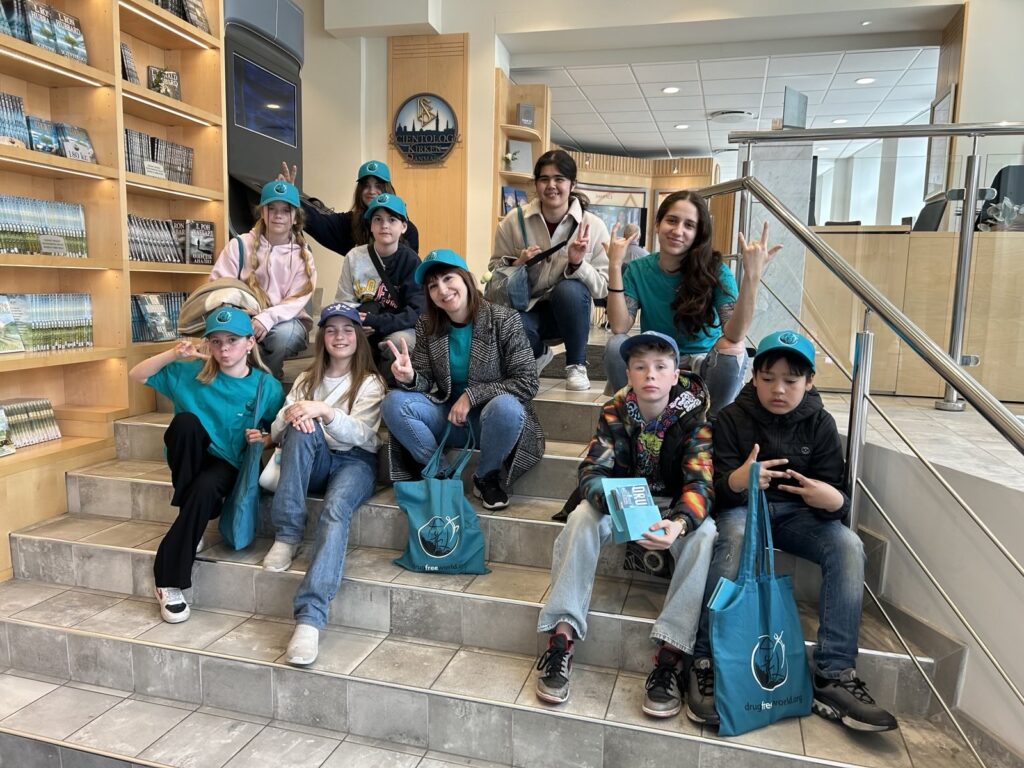
Denmark antidrug scientology

Public-space outreach at cultural and sporting events complemented this work, including Brussels-based engagement at public festivals. The year concluded with further reports of street-level prevention initiatives in major European cities, including work in Vienna, illustrating how prevention education continued as an active priority through the final months of the year.

Civic action, ethics and volunteer service in public spaces

Alongside prevention and education, visible community service remained a central feature of the year’s activities. Reports documented coordinated volunteer actions across multiple cities, including multi-city civic initiatives in the Czech Republic, addressing practical needs such as neighbourhood improvement, environmental stewardship and community assistance.

Particular attention was given to initiatives led by Volunteer Ministers and groups distributing The Way to Happiness in public spaces, highlighting ethical guidance and civic responsibility as tools for strengthening public spaces and local cooperation. Activities in Southern and Central Europe, as well as cross-border efforts, illustrated how these initiatives were adapted to local contexts while remaining aligned with shared principles, including Swiss civic action and community events in Lugano.

Human-rights education and international dialogue

Human-rights education constituted a third pillar of the year’s reporting, with recurring references to the Universal Declaration of Human Rights as an educational foundation.

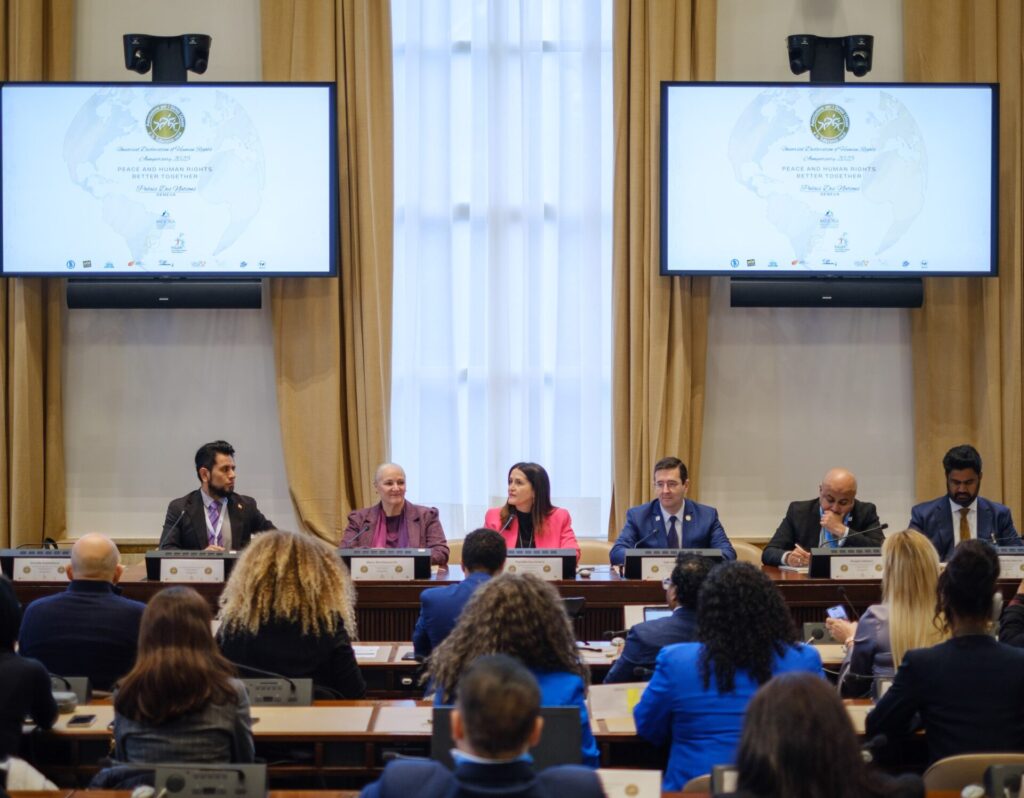
09.12.2025 UN 12

Local events across Europe focused on bringing human-rights principles into schools, associations and community forums, including a continent-wide focus on UDHR education, while international coverage from Geneva connected grassroots education with broader institutional dialogue around Human Rights Day.

Related reporting also addressed freedom of belief and coexistence, including recognition of voices for religious freedom, as well as public reflections on the role of belief in contemporary European societies, including commentary on Pope Leo XIV’s October prayer.

Community life, interfaith moments and international perspectives

Beyond structured programmes, 2025 coverage reflected the everyday community life of Scientologists across Europe. Reports highlighted interfaith greetings and cultural celebrationsseasonal events, national anniversaries and local ceremonies, including a Spain-focused milestone marking 45 years of Scientology’s presence, illustrating how community engagement extended beyond formal initiatives.

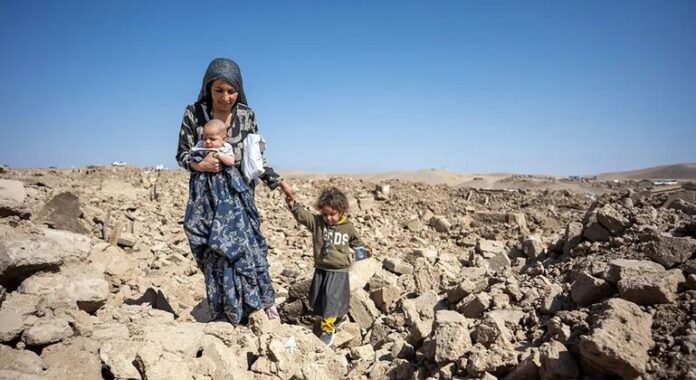
Scientology Naming Ceremony newborn

Additional features introduced European audiences to international humanitarian stories and media profiles, including Isabelle Vladoiu’s human-rights profileVoices for Humanity with Catalina Maldonadoa literacy campaign featured on Voices for Humanity, and a Netherlands-based foundation training youth on media and human rights, underscoring the global dimension of the movement’s social outreach.

In a statement prepared for this year-end overview, Ivan Arjona-Pelado, Scientology’s representative to the European Union, the OSCE, the Council of Europe and the United Nations, said:

“Across Europe, trust in our communities is built through practical responsibility—helping neighbours, maintaining dignified public spaces, sharing factual prevention education, and ensuring young people understand their rights. These are civic values Europeans recognise, and they are strengthened when citizens act consistently and locally.”

Taken together, the actions documented throughout 2025 demonstrate a clear and continuous contribution by European Scientologists and Scientology-linked volunteers to public-interest priorities, including prevention, education, human rights and community resilience. Rooted in the humanitarian principles articulated by Scientology founder L. Ron Hubbard and aligned with European values of responsibility and solidarity, these initiatives reflect a sustained commitment to strengthening social cohesion, safeguarding human dignity and supporting constructive civic engagement across the continent.


The Church of Scientology, its churches, missions, groups and members are present throughout the European continent. Scientology is a contemporary religion founded by L. Ron Hubbard, and its members support a range of community initiatives focused on education, prevention and community betterment. Scientology’s European public-affairs work includes engagement with civil society, international organisations and public institutions, and its recognition as a charitable and bona fide religion continues to grow in a number of jurisdictions.

Source link

Twice in One Year: How Giti Tire Helped the YANGWANG U9X Redefine Electric Hypercar Speed

0

The global electric hypercar landscape has witnessed a transformative leap as the YANGWANG U9X, equipped with cutting-edge Giti Tire technology, shattered land-speed expectations not once—but twice—in a single year. This achievement marks one of the most significant milestones in EV performance tire history, demonstrating what becomes possible when advanced powertrain engineering meets next-generation tyre innovation.

More than a headline-grabbing feat, this double world-record run signals a paradigm shift for the future of high-performance electric vehicles. With every attempt, the U9X showed that the limits of EV capability are far from being reached—and Giti Tire’s breakthrough technologies played a defining role.

A New Benchmark for Electric Hypercars

The most recent high-speed run saw the YANGWANG U9X rocket across its test course with a level of stability and power delivery previously unseen in road-legal EVs. Its blistering top speed officially crowned it the fastest electric car of its class, surpassing long-held performance expectations.

Twice in one year, the U9X has rewritten what an electric hypercar can achieve. While its quad-motor powertrain, advanced cooling architecture, and active aero systems undeniably played central roles, one crucial factor held the entire performance envelope together: the tyres.

A hypercar can only be as fast as the four contact patches touching the ground, and at extreme speeds, those few square centimeters endure unimaginable forces. That’s where Giti Tire’s engineering excellence became instrumental.

Why Hypercar-Level Tyre Technology Matters

For a hypercar capable of producing immense acceleration and maintaining stability at record-breaking velocities, the demands placed on the tyres are severe. At speeds surpassing the 400 km/h barrier, tyres endure:

  • Extreme centrifugal forces attempting to stretch and deform the tyre’s structure
  • Ultra-high temperatures, requiring advanced heat-resistant compounds
  • Massive downforce loads created by active aerodynamic systems
  • Instantaneous torque spikes delivered by the EV powertrain

EVs are particularly challenging because their torque is immediate. Where combustion engines build power gradually, electric motors unleash full output from zero RPM. This requires tyres capable of resisting shear forces, preserving structure, and maintaining grip under the most punishing mechanical stress.

Giti Tire engineered tyres specifically for these challenges—pushing beyond the boundaries of conventional high-performance designs.

Inside Giti Tire’s Hyper-Speed Tyre Innovation

Giti Tire’s contribution to the U9X’s success is rooted in years of motorsport development, material science research, and real-world high-speed testing. The tyres on the YANGWANG U9X incorporate several innovations:

1. Hybrid Belt Reinforcement System

A multi-layer belt structure combining high-tensile steel, aramid fibers, and next-generation composite materials ensures the tyre maintains shape even under extreme centrifugal load.

2. Heat-Resistant Performance Compounds

The custom compound blend is engineered to withstand prolonged high-temperature cycles without degrading—a critical factor in repeated high-speed runs.

3. Advanced Tread Geometry for High-Speed Stability

Minimalist tread design and engineered contact patches reduce heat buildup, optimize footprint consistency, and improve aerodynamic efficiency.

4. Reinforced Sidewall Architecture

Sidewalls are strengthened to endure both lateral forces at high speed and the immediate torque punches from electric motors.

5. Precision Manufacturing and Quality Control

Hyper-speed tyres require micron-level uniformity. Giti’s production tolerances and dynamic testing protocols ensure the tyres remain stable at extreme rotation speeds.

These innovations collectively enabled the YANGWANG U9X to achieve safe, controlled and repeatable record-breaking runs.

The YANGWANG U9X: A Hypercar Built for the Future

The U9X isn’t just fast—it’s a technological showcase for next-generation EV engineering. Key attributes that supported its record runs include:

Ultra-High Output Electric Drive System

The hypercar’s quad-motor configuration provides massive, precisely controlled power, allowing instant acceleration and sustained high-speed capability.

Active Aerodynamic Package

Adjustable wings, diffusers and cooling channels reshape airflow in real-time, balancing drag and downforce for maximum speed and stability.

Cutting-Edge Battery Thermal Management

Specialized cooling systems maintain consistent output even during extended high-load operation.

High-Strength Chassis Engineering

A lightweight yet rigid chassis allows the car to handle unprecedented mechanical loads while maintaining stability.

When combined with Giti’s hyper-speed tyres, these systems elevate the U9X beyond conventional performance limits.

A Partnership That Redefines What’s Possible

The collaboration between YANGWANG and Giti Tire represents a powerful fusion of expertise—all aimed at pushing the boundaries of electric mobility. Their shared commitment to innovation allowed them not only to challenge long-standing records but to exceed them twice in one year.

This accomplishment isn’t just about personal bests. It’s a demonstration of how EV hypercars are maturing faster than many predicted, and how tyre technology—often the quiet hero—remains central to progress.

Giti’s involvement proves the company isn’t just following global performance trends; it’s helping shape them.

What This Means for the Future of Electric Performance

Breaking the land-speed barrier twice in the same year sends a clear message:

The future of speed is electric—and it’s accelerating faster than ever.

The U9X’s achievement highlights several emerging industry truths:

  • EV hypercars are now capable of surpassing combustion-engine legends.
  • Tyre innovation is becoming one of the most critical components in future performance gains.
  • Partnerships between vehicle manufacturers and tyre companies will shape next-generation breakthroughs.
  • Real-world testing at extreme speeds drives technologies that eventually influence consumer tyres.

For Giti Tire, the success demonstrates its ability to engineer solutions trusted at the highest levels of performance. For YANGWANG, it cements its reputation as a leader in the new era of hypercar innovation.

A Year of Records, and a Milestone for the Industry

Setting one land-speed record is extraordinary. Doing it twice within a year is virtually unheard of. With the U9X, YANGWANG and Giti Tire have accomplished that rare feat—showing an unrelenting commitment to advancing electric performance.

This achievement will be remembered not just as a record, but as a turning point. It marks the moment when EV hypercars moved beyond comparison and into dominance.

And behind every breathtaking run were the tyres that held the vision to the ground—Giti’s testament to precision, strength, and innovation.

As the world looks toward the next evolution of electric performance, one thing is clear: the journey is just beginning, and Giti Tire is helping pave the road to the future at record-breaking speed.


Source link

Twice in One Year: How Giti Tire Helped the YANGWANG U9X Redefine Electric Hypercar Speed

0
Twice in One Year: How Giti Tire Helped the YANGWANG U9X Redefine Electric Hypercar Speed


The global electric hypercar landscape has witnessed a transformative leap as the YANGWANG U9X, equipped with cutting-edge Giti Tire technology, shattered land-speed expectations not once—but twice—in a single year. This achievement marks one of the most significant milestones in EV performance tire history, demonstrating what becomes possible when advanced powertrain engineering meets next-generation tyre innovation.

More than a headline-grabbing feat, this double world-record run signals a paradigm shift for the future of high-performance electric vehicles. With every attempt, the U9X showed that the limits of EV capability are far from being reached—and Giti Tire’s breakthrough technologies played a defining role.

A New Benchmark for Electric Hypercars

The most recent high-speed run saw the YANGWANG U9X rocket across its test course with a level of stability and power delivery previously unseen in road-legal EVs. Its blistering top speed officially crowned it the fastest electric car of its class, surpassing long-held performance expectations.

Twice in one year, the U9X has rewritten what an electric hypercar can achieve. While its quad-motor powertrain, advanced cooling architecture, and active aero systems undeniably played central roles, one crucial factor held the entire performance envelope together: the tyres.

A hypercar can only be as fast as the four contact patches touching the ground, and at extreme speeds, those few square centimeters endure unimaginable forces. That’s where Giti Tire’s engineering excellence became instrumental.

Why Hypercar-Level Tyre Technology Matters

For a hypercar capable of producing immense acceleration and maintaining stability at record-breaking velocities, the demands placed on the tyres are severe. At speeds surpassing the 400 km/h barrier, tyres endure:

  • Extreme centrifugal forces attempting to stretch and deform the tyre’s structure
  • Ultra-high temperatures, requiring advanced heat-resistant compounds
  • Massive downforce loads created by active aerodynamic systems
  • Instantaneous torque spikes delivered by the EV powertrain

EVs are particularly challenging because their torque is immediate. Where combustion engines build power gradually, electric motors unleash full output from zero RPM. This requires tyres capable of resisting shear forces, preserving structure, and maintaining grip under the most punishing mechanical stress.

Giti Tire engineered tyres specifically for these challenges—pushing beyond the boundaries of conventional high-performance designs.

Inside Giti Tire’s Hyper-Speed Tyre Innovation

Giti Tire’s contribution to the U9X’s success is rooted in years of motorsport development, material science research, and real-world high-speed testing. The tyres on the YANGWANG U9X incorporate several innovations:

1. Hybrid Belt Reinforcement System

A multi-layer belt structure combining high-tensile steel, aramid fibers, and next-generation composite materials ensures the tyre maintains shape even under extreme centrifugal load.

2. Heat-Resistant Performance Compounds

The custom compound blend is engineered to withstand prolonged high-temperature cycles without degrading—a critical factor in repeated high-speed runs.

3. Advanced Tread Geometry for High-Speed Stability

Minimalist tread design and engineered contact patches reduce heat buildup, optimize footprint consistency, and improve aerodynamic efficiency.

4. Reinforced Sidewall Architecture

Sidewalls are strengthened to endure both lateral forces at high speed and the immediate torque punches from electric motors.

5. Precision Manufacturing and Quality Control

Hyper-speed tyres require micron-level uniformity. Giti’s production tolerances and dynamic testing protocols ensure the tyres remain stable at extreme rotation speeds.

These innovations collectively enabled the YANGWANG U9X to achieve safe, controlled and repeatable record-breaking runs.

The YANGWANG U9X: A Hypercar Built for the Future

The U9X isn’t just fast—it’s a technological showcase for next-generation EV engineering. Key attributes that supported its record runs include:

Ultra-High Output Electric Drive System

The hypercar’s quad-motor configuration provides massive, precisely controlled power, allowing instant acceleration and sustained high-speed capability.

Active Aerodynamic Package

Adjustable wings, diffusers and cooling channels reshape airflow in real-time, balancing drag and downforce for maximum speed and stability.

Cutting-Edge Battery Thermal Management

Specialized cooling systems maintain consistent output even during extended high-load operation.

High-Strength Chassis Engineering

A lightweight yet rigid chassis allows the car to handle unprecedented mechanical loads while maintaining stability.

When combined with Giti’s hyper-speed tyres, these systems elevate the U9X beyond conventional performance limits.

A Partnership That Redefines What’s Possible

The collaboration between YANGWANG and Giti Tire represents a powerful fusion of expertise—all aimed at pushing the boundaries of electric mobility. Their shared commitment to innovation allowed them not only to challenge long-standing records but to exceed them twice in one year.

This accomplishment isn’t just about personal bests. It’s a demonstration of how EV hypercars are maturing faster than many predicted, and how tyre technology—often the quiet hero—remains central to progress.

Giti’s involvement proves the company isn’t just following global performance trends; it’s helping shape them.

What This Means for the Future of Electric Performance

Breaking the land-speed barrier twice in the same year sends a clear message:

The future of speed is electric—and it’s accelerating faster than ever.

The U9X’s achievement highlights several emerging industry truths:

  • EV hypercars are now capable of surpassing combustion-engine legends.
  • Tyre innovation is becoming one of the most critical components in future performance gains.
  • Partnerships between vehicle manufacturers and tyre companies will shape next-generation breakthroughs.
  • Real-world testing at extreme speeds drives technologies that eventually influence consumer tyres.

For Giti Tire, the success demonstrates its ability to engineer solutions trusted at the highest levels of performance. For YANGWANG, it cements its reputation as a leader in the new era of hypercar innovation.

A Year of Records, and a Milestone for the Industry

Setting one land-speed record is extraordinary. Doing it twice within a year is virtually unheard of. With the U9X, YANGWANG and Giti Tire have accomplished that rare feat—showing an unrelenting commitment to advancing electric performance.

This achievement will be remembered not just as a record, but as a turning point. It marks the moment when EV hypercars moved beyond comparison and into dominance.

And behind every breathtaking run were the tyres that held the vision to the ground—Giti’s testament to precision, strength, and innovation.

As the world looks toward the next evolution of electric performance, one thing is clear: the journey is just beginning, and Giti Tire is helping pave the road to the future at record-breaking speed.




Source link

Afghanistan to remain major crisis in 2026, UN, partners warn

0
Afghanistan to remain major crisis in 2026, UN, partners warn

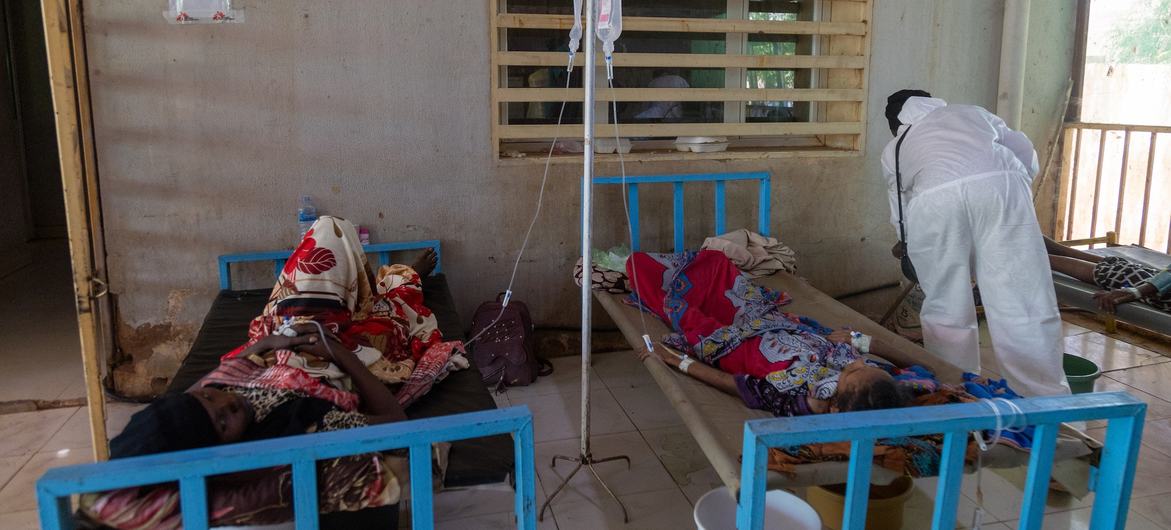
Years of conflict, compounded by worsening food insecurity, recurrent natural disasters, climate change impacts and large-scale returns of displaced people, have left an estimated 45 per cent of the population – some 21.9 million people – in need of humanitarian assistance next year.

Of those, 17.5 million people – more than three-quarters of them women and children – have been prioritised for support under the coordinated response.

Food and basic hygiene

Food security and sanitation remain among the most urgent needs.

The Afghanistan Humanitarian Needs and Response Plan projects that during the 2025-2026 lean season, more than one-third of Afghanistan’s population will face crisis-level or worse food insecurity, as defined by the Integrated Food Security Phase Classification (IPC). 

This means many households will meet minimum food needs only by depleting essential livelihood assets – a sharp deterioration compared with the previous year.

The ongoing drought has also led to the failure of nearly 80 per cent of rainfed wheat crops in several regions, leaving many families without food stocks for the winter.

Sanitation conditions are equally dire: an estimated 25 per cent of households relied on unimproved water sources this year, while 37 per cent lacked soap for basic hygiene. 

The response will prioritise water, sanitation and hygiene needs in areas most affected by drought, cholera outbreaks, disasters and large-scale returns.

Returning home to crisis 

Afghanistan is facing one of the world’s largest and fastest-growing returnee-related displacement crises, with around five million people returning to the country this year.

More than 2.6 million Afghans returned from Iran and Pakistan, driven largely by tightened migration policies and deteriorating protection conditions.

Many have returned to districts already grappling with poverty, food insecurity, drought and limited access to basic services, further straining local capacities.

More aid for less

In 2026, humanitarian partners aim to reach more people with fewer resources.

The $1.71 billion required represents a 29 per cent reduction compared to the resources needed in 2025. Yet it aims to reach about 4 per more than the target last year.

These changes have been “driven by sharper prioritisation, notable efficiency gains, and a strategic shift away from high-cost, less sustainable interventions,” the response plan noted.

Source link