ROME – The United Nations World Food Programme (WFP) has launched an emergency operation to provide critical food assistance to over 800,000 people in Gaza and the West Bank who are facing dire circumstances, lacking access to food, water, and essential supplies.
WFP calls for the establishment of humanitarian corridors to facilitate the entry of aid and humanitarian assistance into Gaza and appeals for the safe and unobstructed passage for its staff and essential commodities.
WFP urgently requires access and funding to reach those in need. A total of US$17.3 million is needed in the next four weeks to address this critical situation.
An update from Palestine where WFP is rapidly expanding the distribution of emergency food assistance:
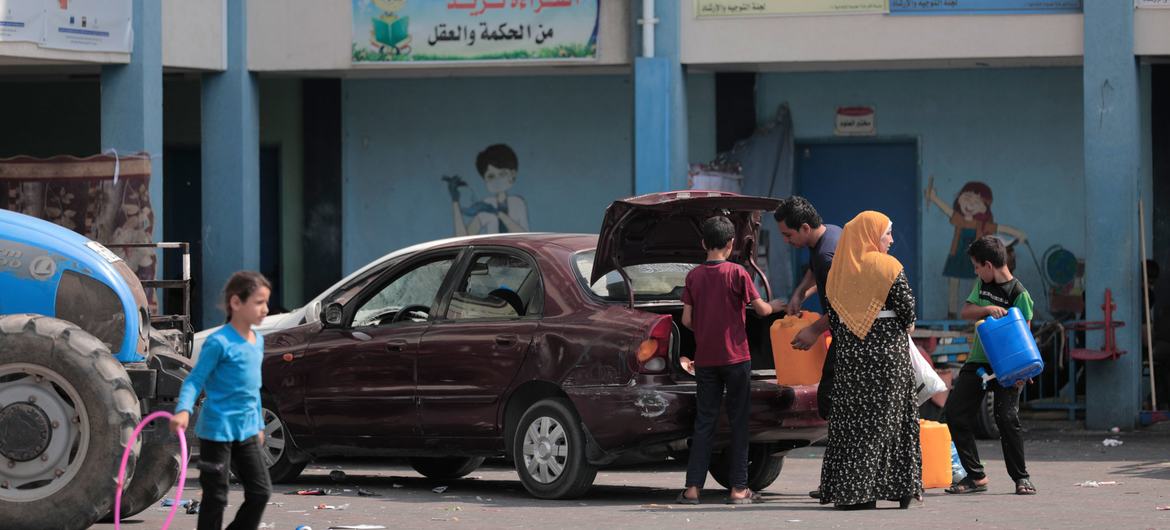
On Monday, WFP together with UNRWA, has distributed ready-to-eat food to 73,000 people. Distributions are ongoing daily for displaced people in shelters in Gaza, amid concerns that the city is running out of critical resources like food, water, and electricity, with damaged infrastructure severely impeding both food production and distribution networks.
WFP is also starting the distribution of cash-based transfers to 164,000 people in Gaza and the West Bank. Electronic vouchers can be redeemed on food items in local shops. WFP is concerned about availability of food in local shops as supplies are running out.
In the next few days, pending the replenishment of food stocks through the opening of humanitarian corridors, WFP will distribute food to 300,000 people in host communities and make available cash-based-platforms to humanitarian partners.
All borders and check points between the West Bank and Gaza are closed, which is further exacerbating the crisis by preventing much-needed assistance from entering.
“This is one of the largest protection crises that we are faced with today,” said Mamadou Dian Balde, UNHCR’s Regional Director for the East and Horn of Africa and Great Lakes.
“Inside Sudan itself there are a lot of people in urban settings that are affected equally and who do not have the resources to leave.”
High-level probe
In a related development, the UN Human Rights Council on Wednesday voted to set up a high-level probe “to investigate and establish the facts, circumstances and root causes of all alleged human rights violations” in Sudan.
In accordance with the resolution, the Independent International Fact-Finding Mission for Sudan is mandated to investigate violations of international humanitarian law, including those committed against refugees, and related crimes caused by the ongoing conflict.
Cease hostilities
In an appeal for a cessation of hostilities, the UNHCR official urged Sudan’s opposing militaries “to have a peace process that will help our brothers and sisters who have been obliged to flee their countries to go back to their countries”.
As a result of the conflict that erupted in mid-April between the Sudanese Armed Forces (SAF) and the Rapid Support Forces (RSF) and other armed groups in mid-April, the UN agency described how families had faced harrowing journeys and become separated while on the move, amid increasing reports of gender-based violence. Malnourishment among children is now described as a major crisis, along with disease outbreaks.
“I have seen and I have witnessed the level of human rights violations that have happened within Sudan so that what we hear from people who have crossed the borders is really heartbreaking and that’s the protection crisis that we are faced with and it has been ongoing for the past six months,” Mr. Balde said.
Regional ramifications
The regional ramifications of the Sudanese emergency are deep, particularly in neighbouring Chad and the Central African Republic (CAR). Both nations are grappling with the influx of refugees fleeing the devastating conflict in Sudan, bringing with them stories of despair, loss, and continued vulnerability.
“In my long career as a humanitarian worker what I have seen in Chad with this new emergency with such a rapid and vast displacement of people is the first time,” said Abdouraouf Gnon Konde, UNHCR’s Regional Director for West and Central Africa.
There are over 420,000 new refugees in Chad, 300,000 in Egypt, and about 19,000 in CAR.
Situation in Chad
To put this in perspective, “Chad has hosted more refugees in these mere five months than it has in the past 20 years becoming now undeniably the epicentre of this crisis,” Mr. Konde said.
By the end of 2023, the number of refugees in Chad could number 600,000, according to UNHCR estimates.
In response to the emergency there, the UN agency has relocated 42 per cent of refugees away from high-risk border areas, with a focus on protecting the high percentage of vulnerable women and children.
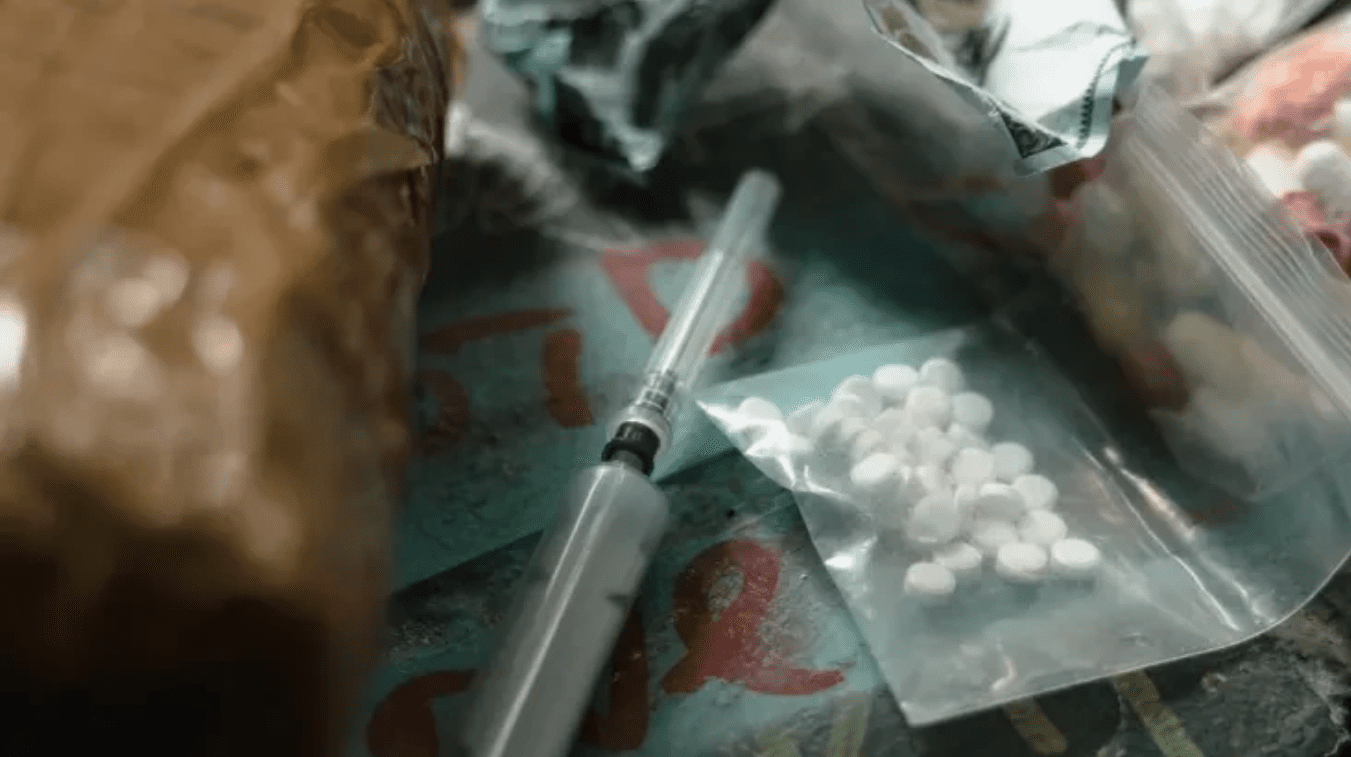
Xylazine is called a “zombie drug” because the users have this particular, confused, hunched and slowed move which gives them the appearance of the living dead.
In the whole world, environmental disasters, poverty, inequalities and social injustice are increasing, health care is degrading, same for education and moral values; it is also noted the instrumentalisation of religions and human rights; the metropoles are subject to pollution, crimes, human trafficking and flourishing illicit drug markets. And among the long, impressive and life-threatening list of illicit drugs and New Psychoactive Substances (NPS) -most often produced to circumvent the drug laws- the emergence of a new one, Xylazine, is gaining the attention of the concerned authorities (Rodriguez N. et al., 2008).“Xylazine is making the deadliest drug threat our country has ever faced, fentanyl, even deadlier,” said Administrator Milgram-U.S.A. Drug Enforcement Administration (2023).
The xylazine (C12H16N2S) is not an opioid like fentanyl but a methyl benzene from the class of phenothiazines. It had been produced by various alternate syntheses, starting in Germany (Bayer Pharmaceutics, 1962). This is a highly lipophilic substance, so easily crosses the membranes and reaches the brain receptors as well as the ones in the body.
This is a drug initially considered for use in humans as an antihypertensive agent, but due to the adverse effects in humans (severe hypotension and Central Nervous System depressant effects), its medical use was discontinued.
In 1972 its use was approved by the U.S. Food and Drug Administration only in veterinary medicine for sedation (for 1-4 hours), analgesia (15-30 min), anaesthesia for surgical procedures, and as a muscle relaxant, in animals such as horses, cattle, sheep, dogs, and others.
Xylazine in human misuse is known under the names of flesh-eating drug, tranq, tranq-dope, zombie drug, sleep-cut, and Philly dope. It is called a “zombie drug” because the users have this particular, confused, hunched and slowed move or in some cases are in a trance-like state, which gives them the appearance of the living dead that people describe as being zombie-like.
In 2022, the Estonian police reported seizing mixtures containing new opioids and the animal sedative and analgesic xylazine. Most often, xylazine is used as a cheap drug adjuvant (online, for 6-20 dollars per kilogram) to inflate doses of hard drugs, including the opioid fentanyl whose mixture is health devastating. The first death in Europe associated with xylazine use was reported in England (UK) in 2022 with a postmortem detection of heroin, cocaine, fentanyl, and xylazine (Rock K. L. et al., 2023).
As an illicit drug, xylazine can be consumed orally, by smoking, snorting, by intramuscular, subcutaneous, or intravenous injection. The drug’s reported duration of effect is longer than that of fentanyl. The adulteration of fentanyl with xylazine allows to extend the feeling of euphoria and analgesia induced by fentanyl and to reduce the frequency of injections (Gupta R. et al. 2023).
Xylazine would be 50 times more powerful than heroin, and 100 times more powerful than morphine. Xylazine is currently responsible for a third of overdose deaths in the United States. Indeed, the Centers for Disease Control and Prevention, Report 30 (June 2023), mentions that the number of drug overdose deaths involving xylazine was 102 in 2018, 627 in 2019, 1 499 in 2020, and 3 468 in 2021.
In users, xylazine causes loss of consciousness, and states of stupor and in injecting users can lead to skin lesions, and ulcers that, easily infected, can cause gangrene and necrosis often requiring amputation to remove the limb with the rotting tissue. The Professor of Neurobiology S. Kourrich (2023) speaks of the devastating effects, beyond addiction, of xylazine on health, including skin lesions worthy of horror movies.
The signs and symptoms of xylazine overdose are similar to those of heroin, fentanyl, and other opioids. When xylazine is added to opioids, severe toxicity and death can occur due to the combined effects of the drugs. But, because xylazine is not an opioid, Naloxone (best antidote for opioid overdose – Jordan M.R. and Morrissonponce D., 2023) is unlikely to be effective in treating people. There is no safe xylazine drug dose to use!
Xylazine acts within the brain to cause sedation and abnormally slow breathing, a life-threatening respiratory depression (that can request tracheostomy) leading to cardiac arrest and death. The effects of severe xylazine intoxication can last for several days.
Xylazine is an adrenergic agonist, having the same action as adrenaline, a hormone and neurotransmitter (Chavez-Arias et al., 2014). Due to its highly lipophilic nature, xylazine directly stimulates the Central Nervous System alpha(α)2-adrenergic receptors as well as other peripheral α-adreno receptors in a great variety of tissues. It has been shown that the human placenta expresses α2-adrenergic receptors that may be implicated in pathogenesis and fetal growth restriction (Motawea H.K.B. et al., 2018).
Note: The 5 main different types of adreno-receptors are:
(Alpha) α-1: present on the smooth muscle fibres of the vessels; α-2: pre-synaptic localization (inhibitory effect on the synapse) located in the central nervous system and heart. α-2 is composed of 3 subtypes A, B, C.
(Beta) β-1: present in the heart where it strengthens the activity (faster and stronger beats); β-2: present locally on certain tissues and allows vasodilation of the arteries or dilation of the bronchi; β-3: present on adipocytes, stimulates thermogenesis.
These receptors are a class of G protein-coupled receptors, a family of transmembrane receptors in mammals, target of many catecholamines as the natural ligands of the α2-receptors which are: the noradrenaline (norepinephrine) which has a greater affinity, the adrenaline (epinephrine), and the dopamine (the molecule of pleasure, part of the reward system in the brain).
Xylazine inhibits the release of both neurotransmitters dopamine and norepinephrine at the neuronal synapse, resulting in depression of the Central Nervous System interfering with behavioural flexibility, working memory, and nociceptive control and it causes the inhibition of the Sympathetic Nervous System (automatic activities of the body) as on smooth muscle contraction and at heart level a bradyarrhythmia, thus responsible for the decrease of alertness, nociception, muscle tone and of the fight-or-flight response.
Xylazine is metabolized in the liver by the cytochrome P450 enzymes, and then 70% is excreted as urine (Barroso M. et al., 2007). So, urine can be used in detecting xylazine through its metabolites but within a few hours, they decrease to undetectable levels.
How come people are voluntarily reaching such a point of self-destruction, debilitating and painful physical deterioration and dependence?
Substance abuse (greed and dependence) has been associated with early emotional deficiencies resulting in an inability to tolerate emotions and regulate self-esteem and relationships with others (Krystal H., 1982).
Before reaching this addiction point there is a long way to go, starting often with alcohol and cannabis (and some medicines). It is not with legalization, decriminalisation, or shooting rooms that the drug problem will be solved, these ways appear to escape the responsibilities in terms of prevention.
Even if there is no ideal age to talk about the harmful effects of drug use, young people must be informed of these risks as early as possible. The role of the parents -when it is not itself a risk factor- by listening, conversing and providing correct information remains the best prevention. This should be reinforced by trained teachers and educators with continuous yearly teaching adapted to the age and with prevention actions carried out by governments, communities, organizations and associations, among youth and parents.
This is what the Say No To Drugs volunteers across Europe with the Foundation for a Drug-Free Europe strive to achieve through the educational materials The Truth About Drugs*.
The Greek philosopher Epictetus (50-135 A.D.) said: Only the educated are free. Indeed,education provides awareness and knowledge of basic elements of life and gives the ability to differentiate the right from the wrong and to take the right decision. Because as said by the humanist L. Ron Hubbard in 1956: It’s a problem in unawareness. The ethics, the morality, the capability of good, sound judgment alike depend upon the ability to be aware.
Instead of living the drug hell torments of a drug addict who can no longer stand life enslaved to the increasing spiral of harmful drug doses, isn’t it better to be able to face life responsibly, and freely, and act with passion and perseverance to make dreams come true?
The culinary specialties of Tournai: delights from the Belgian region
In the heart of Wallonia, the town of Tournai is renowned for its culinary specialties which are the pride of the Belgian region. Nestled in the province of Hainaut, this charming city has a rich and varied gastronomic tradition. Tasty and authentic dishes delight the taste buds of locals and visitors who discover this gourmet region.
First of all, how can we not mention the famous Tarte al Djote from Tournai? This emblematic dish of the city is a real delight for lovers of traditional flavors. Tarte al Djote is a savory tart made with chard, cheese, eggs and spices. Its crispy dough and soft filling make it an essential dish for family meals or festive events. Its ancestral recipe is jealously guarded by Tournaisian families, who pass it on from generation to generation.
Then, the town of Tournai is also famous for its Flemish carbonade, a typical dish of the region. This succulent preparation based on beef simmered in a dark beer sauce is a real treat for fans of traditional cuisine. Flemish Carbonade is often accompanied by crispy Belgian fries, for a complete taste experience. The restaurants of Tournai compete in originality to offer their own version of this emblematic dish, which delights locals and tourists alike.
Sweet lovers will not be left out in Tournai. The city is famous for its delicious waffles, which can be found in many pastry shops and street stalls. The Tournai waffle is distinguished by its light and crispy texture, as well as its subtle vanilla taste. It can be enjoyed plain, sprinkled with icing sugar, or accompanied by whipped cream, melted chocolate or fresh fruit. A real treat for gourmets!
Speaking of sweets, it’s impossible not to mention the speculoos from Tournai. These traditional cinnamon-based cookies are a true institution in the city. Their crunchy texture and spicy taste make them a very popular treat for young and old. Tournai speculoos are often enjoyed with a cup of coffee or tea, for a moment of relaxation and taste pleasure.
Finally, how can we talk about Tournaisian gastronomy without mentioning beer? The Tournai region is renowned for its craft breweries which produce beers of character. Hop lovers will find what they are looking for in the city’s many estaminets and beer bars. Traditional Belgian beers such as blonde, brown, amber or triple are offered, as well as special beers with original flavors. A tasting of local beers is a must during a visit to Tournai, to discover the unique aromas of this emblematic Belgian drink.
In conclusion, the culinary specialties of Tournai are true delights of the Belgian region. Between Tarte al Djote, Flemish Carbonade, waffles, speculoos and beer, gourmets will find what they are looking for in this gourmet city. Culinary traditions are respected here and passed down from generation to generation, to the greatest pleasure of the taste buds. A visit to Tournai is an opportunity to discover the authentic flavors of the region and to enjoy typical dishes, for an unforgettable gastronomic experience.
Ms. Mohammadi has been arrested multiple times, the first arrest being in 2011 for her advocacy for incarcerated human rights activists and their families. In 2015, she was rearrested and sentenced to additional years.
She is currently serving a lengthy jail sentence in Tehran’s Evin Prison for “spreading anti-State propaganda”, according to a news release issued by the UN Human Rights Council-appointed Working Group on Arbitrary Detention.
“We are dismayed that Iranian authorities continue to deprive Ms Mohammadi of her liberty, despite concerns about her deteriorating health in detention, against the advice of medical professionals, in violation of their obligations under international human rights law,” said the Working Group.
Repeated calls for release
The experts had previously determined that Ms Mohammadi’s detention was arbitrary and called for her immediate release, compensation and reparations.
They stressed that her arrest and detention constituted a violation of international law on the grounds of discrimination on the basis of her status as a human rights defender.
“It is deeply regrettable that despite calls by the UN and the international community, Iranian authorities continue to criminalize Narges Mohammadi for her work in defence of human rights,” they said.
The Working Group
The UN Working Group on Arbitrary Detention is composed of five independent experts appointed by the UN Human Rights Council. The Working Group is mandated to investigate cases of deprivation of liberty imposed arbitrarily or inconsistently with the international standards set forth in the Universal Declaration of Human Rights (UDHR), or the international legal instruments accepted by the States concerned.
They serve in their individual capacity, are not UN staff and do not receive a salary.
UN teams have stepped up their response after another strong earthquake struck western Afghanistan early on Wednesday, just days after powerful earthquakes killed over 2,000 people in the same region.
The 6.3 magnitude earthquake struck near the city of Herat at 5:10 AM (00:40 AM GMT) local time, injuring over 100 people, many of whom were taken to hospitals, according to media reports.
UN response
UN agencies have stepped up support, deploying teams to assess the damage and assist ongoing humanitarian efforts.
The UN World Food Programme (WFP) is supplying emergency food assistance to the affected communities, while the International Organization for Migration (IOM) has dispatched medical teams to support hospitals and help treat the wounded.
UN Children’s Fund (UNICEF) has brought in blankets and shelters, potable water and is providing psychosocial support services.
Approaching winter
Prior to the earthquake on Wednesday, quakes that struck since the weekend affected more than 12,100 people, in some 1,730 families, most of them women and children.
Over 2,000 people lost their lives, a vast majority among them women and children.
Those who survived have lost their loved ones, their homes and possessions, said Rebecca Phwitiko, UNICEF Communications Officer in Afghanistan.
“Yesterday, I met children in one of the damaged villages, families have lost everything, and they do not know how they will survive the coming winter,” she said.
The UNICEF official emphasized the urgent need for international support.
“We urge you not to forget the children of Afghanistan,” she said.
The UN agency has launched a $20 million appeal for its aid operations in this disaster.
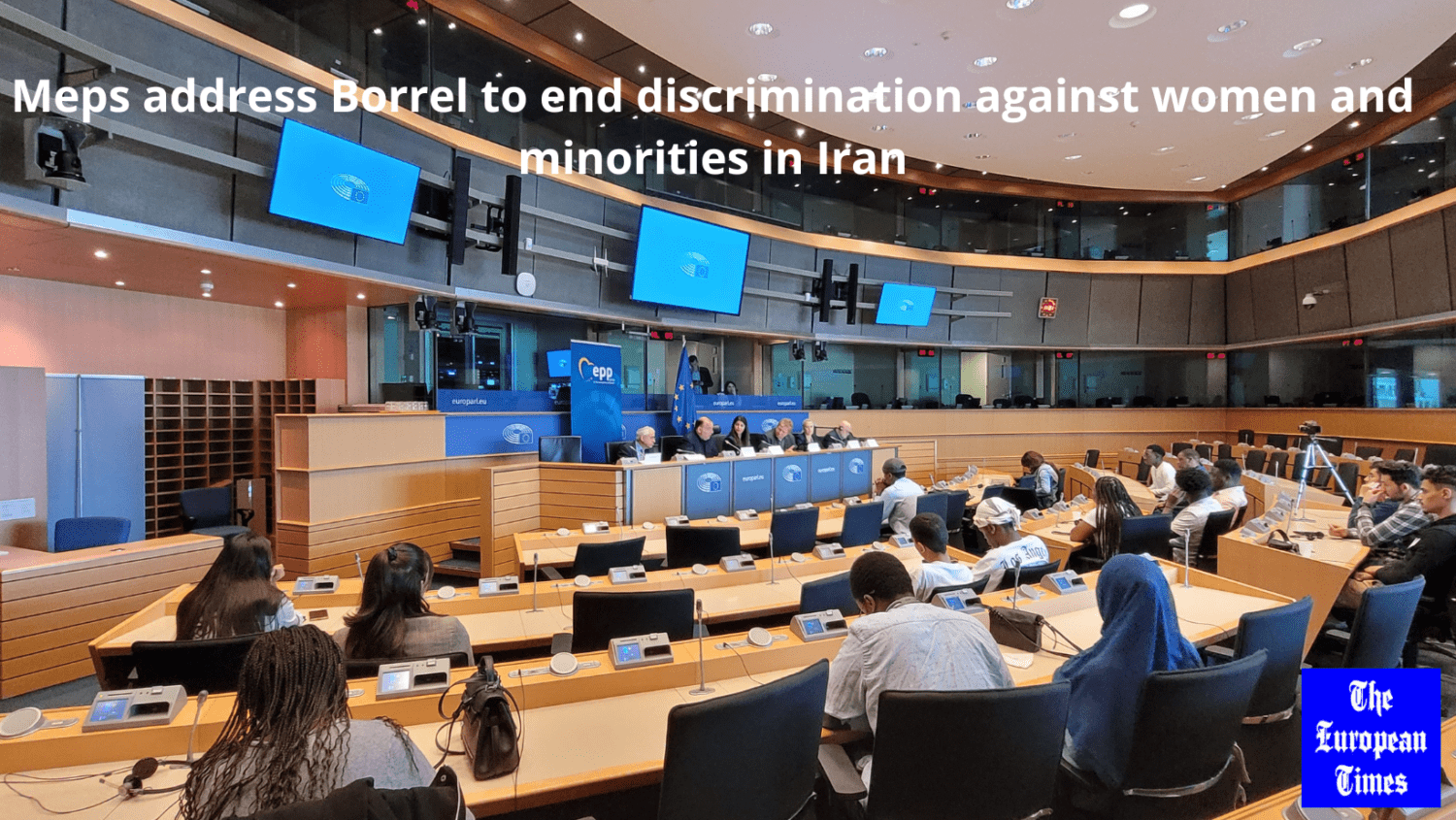
Following the first anniversary of the death of Mahsa Amini,the rise of the “Women, Life Freedom” movement in Iran and the nomination of Narges Mohammadi to a Nobel prize for her struggle, members of the European Parliament addressed a petition to the high Representative of the European Union for Foreign affairs and security policy Mr Joseph Borrell.
The MEPs are raising awareness to the issue of discrimination of 30 million citizens of Iran – ethnical Azerbaijanis, who suffer greatly from the oppression by the Iranian regime. The Azerbaijani minority represents more or less the third of the Iranian population. Together with other minorities – Arabs, Baluchis, Turks and Kurds they suffer from cultural, linguistic, economic, political and ecological discrimination which marginalizes these populations and make them vulnerable. The women of these minorities are even in worst situation.
Uprisings In Iran calls for equal rights for every citizen no matter his gender, age, religion, ethnic background, political affiation or social background. Thanks to Human rights organizations and journalists who work unconditionally to reflect the reality on the ground the EU and the international community are provided with real information. The Guney AZFRONT Telegram channel which coordinates the current struggle for freedom and rights of Southern Azerbaijanis is one of the major sources of activity and reports.
By addressing a petition to the high Representative Joseph Borrell, the Members of the European Parliament show solidarity with minorities and women in Iran and support their fight for freedom and justice. They demand that the Iranian regime must stop the economic, political and military pressure on ethnic, religious minorities and of course women.
It is a reminder that the EU has never forgotten the sacrifices of the Iranian people and their fight for democracy a year after the uprisings started. The EU supports civil society organizations and free media in Iran and continues to put pressure to enable minorities to live in dignity.
The death toll in Israel from attacks by Palestinian armed groups, and in Gaza due to Israeli bombardments, has continued to rise, with mass displacement soaring across the enclave, the UN humanitarian affairs coordination office, OCHA, said on Wednesday.
When the Greeks regained Constantinople in 1261, the state was in complete ruin. Destitution and epidemics are everywhere. Civil wars are raging (three in one generation). Meanwhile, Emperor Michael VIII Palaeologus sought negotiations with Rome (the Union of Lyons in 1274). Under these conditions, a new flowering of ecclesiastical art took place – the last for Byzantium, tentatively called the Paleolog Renaissance.
Today this flourishing is often attributed to the revival of Greek national self-consciousness during the Nicaean Empire. After the fall of Constantinople, Nicaea became the political and religious center of the free Greeks; the best national and spiritual forces of Byzantium are concentrated here. The clergy who managed to escape from Constantinople moved to Nicaea, where learned monks established a theological and philosophical academy, the guardian of Orthodox teaching in the 13th century. It is in Nicaea that the revival of the Hellenistic idea can be traced. Under these conditions, “the appeal to the ancient traditions, the conscious opposition to the hated Latin culture, was not only natural, but to some extent inevitable.”
The revival of national self-awareness, of course, plays an important role, especially considering that it has cultural, political, and religious overtones. The Empire has an Orthodox self-awareness. That is why there is no sharp distinction between cultural and political life and religious life. The bearer of this religious vitality is “the Orthodox Church, the most unshakable element of Byzantium”. It was the Church that managed to preserve its monolithic unity in the tragic time for the empire. The struggle with Latinism is not only national but also cultural; and above all it is understood as a religious duty. The attempts of the union cannot fail to provoke the reaction of Orthodox Byzantium against the Roman Catholic West, and as a consequence – an even deeper experience of the wealth of Orthodoxy. And if the role of the Church “which carried the burden of the battle on her shoulders” is not taken into account, or if this decisive factor, occupying a leading place in the life of the Greek people, is underestimated, if the inner life of the Church is viewed only superficially, you can involuntarily wonder how Byzantium from the time of the Paleologues, under these painful conditions, could show such great activity in the field of thought and art. Whatever it is about, however, one fact remains irrefutable: “In the field of fine art, the Palaeologous ‘Renaissance’ is manifested almost exclusively in religious painting.” It was the inner life of the Church, although later a subject of controversy, that played a fertilizing role for the art of that time. The future of the Orthodox Church and its art is decided in the clash of hesychasm with the so-called “humanism”. Once again, the Church of Constantinople was tasked with formulating the Orthodox creed in the face of rising perversions.
In the 14th century, the controversies that shook the Byzantine Church concerned the very essence of Christian anthropology – the deification of man, as traditionally understood by Orthodoxy and presented by the Hesychasts, headed by St. Gregory Palamas, on the one hand, and on the other hand – the conception of the philosophic-religious circles nourished by the Hellenic heritage and represented by the humanists led by Barlaam, a monk from Calabria, and Akindinus. The so-called “Hesychast councils” in Constantinople of 1341, 1347 and 1351 were mainly devoted to these disputes. In the preceding period, Byzantium experienced times of external crisis, internal struggle and intellectual revival. The end of the 13th century witnessed renewed disputes about the coming of the Holy Spirit. They chart the way for the final formulation of the doctrine of the deification of man.
The term “Hesychasm” is usually associated with the theological controversies occurring in Byzantium at the time. These controversies prompted the Church to clarify its teaching on the deification of man. The council’s decisions form the theological basis of the doctrine of the sanctification of man by the Holy Spirit, that is, that which, from the beginning of Christianity, has always been the impetus and vitality of its art, that basis which nourished it and determined its artistic forms. Indeed, hesychasm in its own sense is not a new teaching or phenomenon: it is one of the strands of Orthodox spiritual experience coming from the sources of Christianity. Therefore, to confine Hesychasm strictly within the boundaries of Palaeologous Byzantium would be incorrect. Whether the term is used in its direct sense as a Christian ascetic practice, or in the narrow sense of fourteenth-century theological disputes, hesychasm is a pan-Orthodox phenomenon. Indeed, according to the council of 1347, “the piety of Palamas and the monks” is “the true piety inherent in all Christians”. Based on the tradition of the fathers, the hesychast spiritual renewal, which received dogmatic expression in the works of St. Gregory Palamas and the councils of the fourteenth century, as well as in the disputes surrounding them, had a huge impact on the entire Orthodox world both in the sphere of spiritual life and and in church art. The influence of Hesychasm goes far beyond theology. The cultural flowering of secular sciences, literature, etc. is intimately connected with the flourishing of theological thought, which they either follow unreservedly or oppose.
The theological controversies of the 14th century were the result of the clash of different currents in the bowels of the Byzantine Church. And indeed the higher intellectual circles of Byzantium had been in a state of internal crisis for quite some time. Beneath the external strict fidelity to Orthodoxy from the 10th century onwards, a kind of opposition was manifested. It comes from the side of the strong undercurrent of the advocates of secular Hellenism, of the Neoplatonic philosophical tradition. Without breaking with Christianity, this religious philosophy lives in parallel with the teachings of the Church. Classical Hellenistic thought, overcome and surpassed by theology, rears its head among the representatives of precisely this stream of humanists who, “educated by philosophy, wish to see the Cappadocians through the eyes of Plato, Dionysius through the eyes of Proclus, and Maximus the Confessor and John of Damascus through Aristotle “. When these Hellenizing philosophers go too far in trying to create a synthesis between Hellenism and the Gospel, which they believe should replace patristic Tradition, the Church condemns them. Already in the eleventh century, the philosopher John Italus was condemned for his Platonism; and in the Synod of the Solemnity of Orthodoxy another anathema is entered, both for those “who hold that the ideas of Plato are really true,” and for those “who indulge in the study of worldly sciences not merely as a mental exercise, but as perceiving the vain opinions of philosophers”.
The Byzantine fathers were also educated in Greek philosophy, but they adopted it as a purely intellectual discipline, as a means of exercising the mind, as a prelude to theology, the foundation of which is the Holy Scriptures. Humanists, on the other hand, try to explain the affirmation of faith with the help of natural reason. For them, faith is a matter of intellectual knowledge, gnosis. According to Barlaam, knowledge of God is possible only through the mediation of reason, and such knowledge can only be indirect. St. Gregory Palamas does not deny this kind of knowledge, but maintains that it is insufficient, and that it is impossible by natural, natural means to know what is higher than nature.
One of the main objects of dispute between hesychasts and humanists is the Light of Tabor. Disputes arise from disagreements about the understanding of the nature of this light and its significance for the spiritual life of man. Opponents of Palamas see in the light of Tabor a natural, created phenomenon: “The light that shines on the apostles on Mount Tabor, and the sanctification and grace similar to it, are either a created mirage, visible through the air, or a figment of the imagination, which is lower of thought, and injurious to every rational soul, as proceeding from the imagination of the feelings. In short, it is a symbol which cannot be said to belong to the things existing or contemplated around one, which sometimes ghostly appears, but never actually exists, because it has no real being.’
On the contrary, for St. Gregory Palamas, the Tabor light is “primordial, unchangeable beauty, glory of God, glory of Christ, glory of the Holy Spirit, ray of divinity”, that is, energy with a divine nature inherent in the three Persons of the Holy Trinity, outward manifestation of God. For his opponents, that which is not the essence of God belongs to God, but is not God. That is why the actions of God, different from his essence, are a created result of this essence. But according to the teaching of St. Gregory, essence and energy are two aspects of God’s being, and the very name God refers to both essence and energy. The real God resides unattainable in his essence (his nature), and always appears by grace. The light of Tabor is one of the images of the appearance or revelation of God in the world, the presence of the uncreated in the created order, a presence not allegorical, but truly revealed and contemplated by the saints as the unspoken glory and beauty of God. Unknowable by nature, God thus appears to man through His actions, adoring the whole human being and making him godlike. “And when the saints contemplate this divine light within themselves – says St. Gregory Palamas, they see the robe of their deification.” This divine grace is not merely an object of faith; it is the subject of concrete life experience. For Palamas, as for traditional Orthodox theology in general, deification is inseparable from the contemplation of God, from personal communion, “face-to-face” communion, as one of the aspects of deification.
In contrast to this view, rationalists cannot understand how God is both unknowable and, on the other hand, communicating with man. They take the very idea of deification as a pious metaphor. For them, God is unknowable and impenetrable, and on the other hand, it is characteristic of the autonomous human mind to know everything that is not God. That is why Barlaam and his followers see no bridge between God and man but the symbol; Nicephorus Grigoras wrote: “This dogma is known to the Church and handed down to us by our Savior Jesus Christ and His disciples, that no one can see God except through symbols or bodily images.” For the hesychasts, symbolism is acceptable insofar as it is included in the history of salvation without canceling its Christocentrism. The hesychast attitude to symbols can be illustrated by the words of the hesychast Nicholas Cavasila, a friend of St. Gregory Palamas: “If this (Old Testament) lamb was sufficient, what good would the future Lamb be? For if shadows and images were to bring bliss, then truth and works would be superfluous”. As far as the Light of Tabor is understood by the “humanists” as a symbol, the Transfiguration itself in their eyes has not a real, but a symbolic character. Answering Akindin, St. Gregory asks: “What? Were neither Elijah nor Moses there, because they only serve as symbols? And was not the mountain real, for it is also a symbol of spiritual elevation?” Symbolism, he continues, was also known to the Greek philosophers; How then does Christian knowledge differ from their knowledge?
By rejecting the supersensible, immaterial nature of the Tabor light, humanists cannot understand and accept the spiritual experience of Orthodoxy presented by the hesychasts, who affirm that a person can be enlightened by the divine uncreated light by purifying his thoughts and heart. What was questioned and dogmatically defined in the fourteenth century was the overall manifestation of Christianity as the union of man with God.
This union, cooperation, this synergy of man with God presupposes the preservation of man in his entire spiritual-soul-body composition. Man in the fullness of his nature is indivisible; the human being as a whole participates in sanctification and transformation. For the Hesychasts, the integrity of human nature is self-evident. No part of this whole is separated into a separate and autonomous means of knowing God; no part is excluded from communion. Not only the spirit, but also the soul and the body participate in this union in Him.
“The spiritual joy that comes from the spirit in the body is in no way corrupted by its association with the body, but changes the body and spiritualizes it. Because then it casts off the filthy lusts of the flesh, it no longer drags the soul down, but rises up together with it, so that the whole man becomes spirit, as it is written: “and that which is born of the Spirit is spirit.” (John 3:6-8).
“Orthodox spiritual experience overcomes the ancient and constant opposition of spirit and matter; both are united in common communion with that which surpasses them. It is a reduction of the sensuous to the mental, not a materialization of the spiritual, but a communion of the whole man as a whole with the Uncreated,” a personal communion that is demonstrable rather than describable. This life experience is naturally antinomian and does not fit into the framework of philosophical thinking. The denial by humanists of the uncreatedness of the Tabor Light is in effect a denial of the possibility of a true bodily perceptible transfiguration. It is the human body that is their stumbling block. The idea of the inclusion of the body in the knowledge of God and transfiguration remains incomprehensible to them. The doctrine of Barlaam and his followers, who see only a created phenomenon in the Light of Tabor (in modern parlance, an “illusory-psychic phenomenon”), rests on the docetic conception of the body, to the rejection of the possibility of its transformation, to the assertion of a division between the divine energy and human energy, to their incompatibility and impossibility for them to be in synergy.
The theology of St. Gregory Palamas raises man to an incredible height. Continuing the theological tradition going back to the anthropology of St. Gregory the Theologian and St. Gregory of Nyssa, it emphasizes the centrality of man in creation. St. Gregory Palamas wrote: “Man, this huge world, contained in the small, is the center of everything that exists and the crown of God’s creations.” This teaching of St. Gregory about man represents a sound theological foundation of true Christian humanism, being a kind of response of the Church to the universal interest of the age in man.
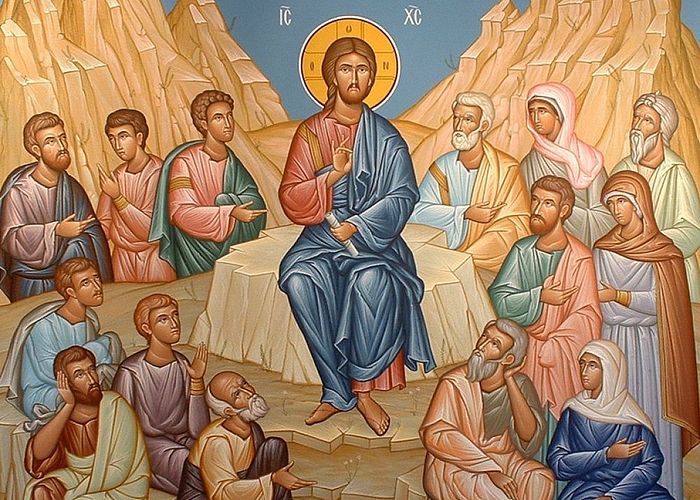
Naturally, in this period there was also a greater interest in the image of man in art. The depiction of feelings and emotions typical of that time gives it a certain warmth. Already in the 13th century, the time of St. Sava, elements of what would later be called the “Paleolog revival” spread in Serbian art. It is above all the vividly expressive presentation of the emotional-spiritual peace of the person, “of the passionate part of the soul”. In the fourteenth century, such features of art are often found, especially in connection with the controversies of prayer practice. Through St. Gregory Palamas, the Church puts these questions into their proper Christian perspective. In his treatise against the hesychasts, Barlaam recommends “putting to death the passionate part of the soul and all activity common to soul and body, because it binds the soul to the body and fills it with darkness.” St. Gregory answers as follows: “The teaching received from us […] says that dispassion does not consist in mortifying the passionate part of the soul, but in bringing it from evil to good. The flesh, he continues, “was not given to us to kill ourselves, mortifying every activity of the body and every power of the soul, but to reject every base desire and action… In passionless people the passionate part of the soul constantly lives and works toward grace and these people do not kill her”. In other words, in communion with the grace of God, the passionate forces of the soul are not mortified, but are transformed and sanctified. These transfigured emotions, expressions of the subtlest movements of the soul, represent one of the characteristic features of church art of this period.
Neither the Hesychasts nor their opponents have left us writings specifically devoted to art, unlike the polemics of the iconoclastic period. The question of art is not raised and not a subject of controversy. But the art of this time shows a blending of the Orthodox tradition with elements of the “humanistic” Renaissance, which reflects the struggle between humanism and hesychasm, between the conversion to the ancient Hellenistic tradition and the revival of spiritual life. This interpenetration can be found both in the very understanding of art and in its character and subject matter.
(to be continued)
Source: Ouspensky, Leonid. Theology of the Icon, Vol. I and II, New York: St. Vladimir’s Seminary Press, 1992.
The United Nations has been working in the Middle East region around the clock to de-escalate the Israeli-Palestinian crisis by engaging key actors and providing emergency assistance to civilians on the ground.
As the conflict intensified amid escalating violence, a complete blockade of food, water, and vital services was put in place by Israel as reports emerged of Israeli ground operations in Gaza, which is home to more than two million people.
While UN offices in Gaza sustained “significant damage” from nearby airstrikes on Monday night, agencies were striving to help the affected population there and elsewhere, including the West Bank, home to 871,000 registered refugees.
The UN relief agency for Palestine refugees, UNWRA, currently has 13,000 national and international staff, most of them refugees themselves, in Gaza and nearly 4,000 in the West Bank.
In addition, hundreds of employees continued working for other UN agencies.
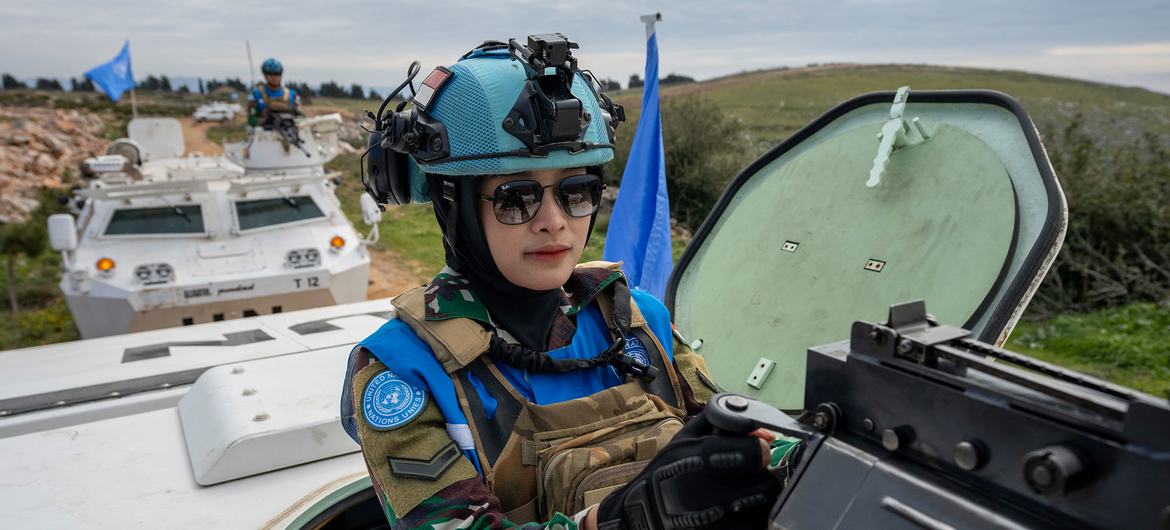
Along the restive Israel-Lebanon border, the UN peacekeeping mission there, UNIFIL, is operating with 9,400 ground troops, 900 civilian staff, and 850 naval personnel on its Maritime Task Force.
Here is a snapshot of how the UN is helping on the ground:
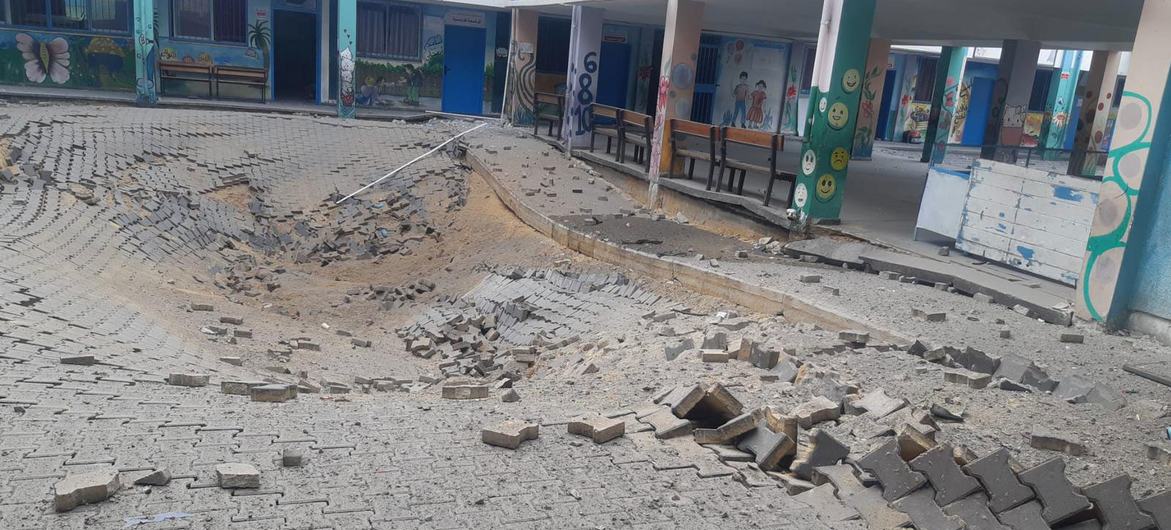
Heavy airstrikes since Saturday had displaced nearly 190,000 people in Gaza, so the UN relief agency for Palestine refugees, UNRWA, is sheltering 137,500 men, women, and children in 83 of its 288 schools, according to the agency’s latest situation report. As of Tuesday, 18 UNRWA facilities sustained collateral and direct damage from airstrikes, with injuries and deaths reported.
Top UN officials, including the Office of the UN Special Coordinator for the Middle East Peace Process (UNSCO), were engaging with parties to the conflict and key stakeholders, including the United States, Qatar, and the European Union, to de-escalate the conflict.
The UN peacekeeping mission in Lebanon, UNIFIL, continued to monitor the unfolding “volatile” security situation along the Israel-Lebanon border, issuing guidance for civilians and updates via social media.
“We have fully engaged our liaison and coordination mechanisms at all levels, to help avoid misunderstandings between Lebanon and Israel that could lead to an escalation of the conflict,” UNIFIL said. “This is our main focus at the moment, and we are working 24/7 to accomplish it.”
UNIFIL/Pasqual Gorriz – UN peacekeepers patrol the Blue Line in El Odeisse, south Lebanon.
3. Emergency services
Israel’s announced blockade of food, water, fuel, and electricity in Gaza on Monday came as UN agencies warned of food scarcity and a looming crisis. Mobile toilets and showers are being deployed to UNRWA shelters, as needed. Palestinians in Gaza now only have electricity for three to four hours per day, hindering the ability of health facilities to function and treat those injured, according to the UN humanitarian coordination agency, OCHA.
#Palestine: Today WFP started the distribution of fresh bread, canned food, and ready-to-eat foods to around 100,000 people who sought refuge in @UNRWA shelters in Gaza — with plans to reach more than 800,000 affected people in #Gaza and the #WestBank. pic.twitter.com/q84ErrZWmg
The World Food Programme (WFP) and UNRWA were coordinating the distribution of bread to displaced people in the shelters in Gaza. “Nearly half a million people, or 112,000 families, have not been able to get their food rations this week since UNRWA food distribution centres are closed,” UNRWA said.
As of Tuesday, WFPstarted distributing fresh bread, canned food, and ready-to-eat foods to around 100,000 people at UNRWA shelters, with plans to reach more than 800,000 affected people in Gaza and the West Bank.
5. Health
Emergency healthcare services were being offered through the toll-free hotline continued across Gaza. The UN’s country-based pooled funds (CBPF) and its partners released life-saving trauma and emergency drugs and medical supplies to enable the health system in Gaza to respond to rising needs. A total of 125 health staff are working in rotating shifts at UNRWA health centres, with 15 out of 22 clinics providing primary healthcare services from 9 am to 12 pm to patients with urgent referred appointments received through a free-toll hotline.
Relief and social services helplines were operational as of Tuesday, and psychosocial support and psychological first aid were being provided remotely. The UN Children’s Fund (UNICEF) had psychosocial support experts ready to provide assistance to those who needed it in Gaza and in the West Bank. “The community is appealing to UNRWA to open the closed health centres due to the high demand for services,” the agency said.
Access for humanitarian staff and supplies into Gaza was cut this week and the intensity of the hostilities was limiting the ability of staff to deliver aid, according to Humanitarian Coordinator for the occupied Palestinian territory, Lynn Hastings, the UN Humanitarian Coordinator for the occupied Palestinian territory. Meanwhile, the World Health Organization (WHO), other UN agencies, and partners continued to work towards establish a corridor to reach people with critical supplies in Gaza.