Monday, March 30, 2026
Home Blog Page 873

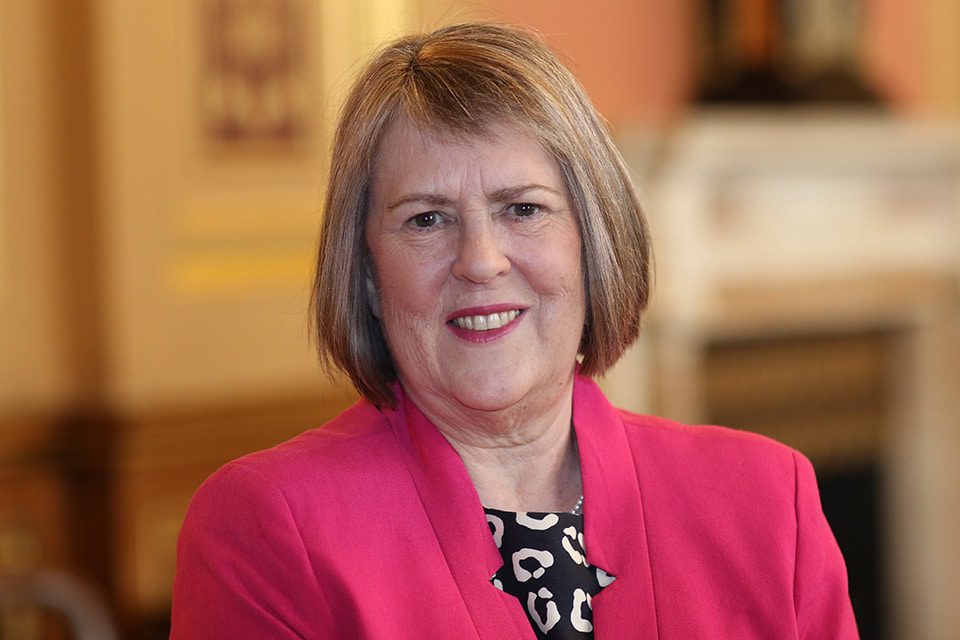
UK MP Fiona Bruce: importance of the international Freedom of Religion or Belief conference in London

0
UK MP fiona bruce Special Envy on FoRB

Fiona Bruce MP outlines plans for the UK-hosted 2-day ministerial conference and explains the role of the International Religious Freedom or Belief Alliance.

Greetings from the UK Parliament. I’m delighted to be speaking to you as the Prime Minister’s Special Envoy for Freedom of Religion or Belief. And I’m equally delighted to be able to talk to you about an international ministerial conference which the UK is hosting on 5 and 6 July this year. It’s a conference about freedom of religion or belief or ‘FoRB’ for short.

Why is this conference so important? Well, it’s important because all around the world today, even in the 21st century, millions of people are being deprived an education or a job or a home or access to justice or liberty, even to life itself, simply on account of what they believe. And so we’re hosting this conference here in the UK so that we can bring together people from around the world to look at how we can address this situation.

We’re inviting government ministers. We’re inviting faith leaders and representatives. We’re inviting civil society activists from around 50 countries from across the globe to come together and not only to discuss the issue of freedom of religion or belief, but also to look at how we can agree some practical solutions to address it.

And I’m pleased to say, too, that we’ve not just got an official government-organised conference with about 500 delegates and will be based in the Queen Elizabeth Conference Centre in the QEII in Parliament Square, but we’re also involving civil society grassroots organisations, charities and NGOs concerned about freedom of religion or belief, and they’ll be given their own space in the conference centre where they’ll be able to host exhibitions and hold their own meetings and sessions.

And so what will the conference involve? Well, we’ve got sessions across the 2 days looking at, for example, freedom of religion and belief and education. How can we introduce it into education syllabi? So that young people can begin to understand what freedom of religion or belief is and how important it is? We’ve seen how, for example, they’ve got hold of the importance of climate change and addressing that. Can we do that in the same way for freedom of religion or belief to help the millions of people around the world who are suffering. Can we see young ambassadors develop so that young people will use social media to champion freedom of religion or belief?

And then we’ll have another session on looking at women and girls and how they have a double jeopardy. Often they they are abused because they are women and girls, but also on account of what their beliefs are, and they’re vulnerable. How can we better help them in countries where this is happening?

And then we’re going to look at early warning signs. There are early warning signs that happen often when that’s the beginning of tension in communities because of differences in views and beliefs, which can then lead to friction, violence, even at worst case. Well, how can countries how can communities start to recognise these early warning signs and address them? And of course, we’re bringing people here from across the world because we recognise that no one country, not least the UK, has all the answers.

Only by working together, by collaborating will we be able to begin to start to solve this this growing issue.  We’re looking at not just governments working together either, but governments working with civil society with organisations going forward, taking forward some really practical suggestions, which we hope will be brought out during those 2 days, and which we can then build on over the months, weeks, years to come.

And in addition to the official 2-day conference there’s a lot else going on here in the UK around 5 and 6 July, so that anyone who’s not invited to the conference will still be able to join in. We’ve got dozens and dozens of events focusing on freedom of religion or belief organised by charities, by non-government organisations (NGOs), by civil society activists, not just in London, but around the country.

And to the ministerial conference itself will be livestreamed so that anyone from anywhere in the world will be able to join in and watch and will actually be able to interact, because that will be an opportunity not just for delegates in the conference centre to interact with the sessions and make their contributions and their suggestions known, but also for people to comment virtually from right around the world.

So do join us on 5 and 6 July here in London, the lots of information on the website and by a lot more information coming on over the next few days. And I’m particularly delighted that the UK is hosting this conference this year in 2022 because this year to the UK is the Chair of the International Religious Freedom or Belief Alliance.

What is that Alliance, you may ask? Well, it’s an alliance of countries committed to promoting and protecting freedom of religion or belief and to preventing its abuses, to working together to do so. It was founded not long ago, in February 2020 with just a handful of countries. It’s now grown to 36 countries and more are coming on board.

And I’m pleased that the ministerial is proving a springboard for more interest in the Alliance day by day. And so we hope to see the Alliance grow so that they’ll really will be a strong collective global voice of countries who together can have more impact than our individual voices alone.

So I’m looking forward to greeting many of my Alliance contacts from around the world who up to date because of the pandemic I’ve only ever met virtually. This will be an exciting conference. It’s exciting for everyone and there’ll be something for everyone. Please do join us on 5 and 6 of July here in London.”

Lay US Catholics to ‘redouble efforts to help moms’ after Roe overturned

0
Lay US Catholics to ‘redouble efforts to help moms’ after Roe overturned - Vatican News

By Devin Watkins

Roe overturned // “Catholic charities and Catholic healthcare services are going to compete with the abortion industry with good web-based care, and we are going to redouble our efforts as laypeople working with the Church to offer more paths to pregnancy help.”

Peggy Hartshorn, the Chairman of the Board of Heartbeat International, offered that assessment on the path forward for the pro-life movement in the United States, in the wake of the Supreme Court’s ruling in Dobbs v. Jackson.

The Court decided 5-4 on Friday to overturn the 1973 Roe v. Wade decision, stating that abortion is not a constitutional right and giving states the power to legislate on the issue.

Love and support for expectant mothers

In response, the Bishops of the United States praised the Court’s decision and said the Church must “serve those who face difficult pregnancies and surround them with love.”

Heartbeat International, which Dr. Hartshorn chairs, and other Church-run programs already turn that commitment into concrete care, in the form of crisis pregnancy centers. The interdenominational Christian association supports a network of over 3,000 centers in 65 countries, with around 1,700 centers in the US.

Speaking to Vatican News, Dr. Hartshorn highlighted the witness her organization offers, which she said is one of “love, care, and support for pregnant moms and their babies and their families that are struggling.”

That caring approach, she added, can help people resolve their internal conflicts regarding abortion, besides helping pregnant women carry their baby to term.

“Once they understand that abortion is not their only alternative, they are so relieved many times that they don’t feel they have to choose an abortion.”

Listen to the full interview

Overcoming coercion to have an abortion

Dr. Hartshorn says studies have shown that “the vast number of women feel some kind of coercion or pressure to make an abortion decision.”

“They may say they think abortion is what they need,” she said, “but when you get right down to the deep-down feelings, women will say they don’t want to have an abortion.”

The pregnancy help movement can offer women assistance in these situations, according to Dr. Hartshorn.

A crisis pregnancy center helps connect women to “a faith-based network”, which includes Catholic healthcare and social services.

“The body of Christ has risen up to really provide the help and support women really, truly want. And they are choosing life in bigger and bigger numbers.”

Public opinion and laws

Laws have a significant influence on people’s opinion on issues, says Dr. Hartshorn.

She has been involved in the pro-life movement since 1973, and saw how “as soon as the Supreme Court decision [in Roe v. Wade] came down and abortion was declared legal in all 50 states, the public attitude dramatically shifted”.

Prior to the Roe ruling, a majority of Americans thought that “abortion was a bad thing.” But afterwards, public opinion shifted in favor of access to abortion.

Walking with moms in need

Catholic dioceses across the US also offer another service to women and families with an initiative called “Walking with Moms in Need.”

Julie Dumalet, J.D., Director of Pro-Life Activities for the Archdiocese of Galveston-Houston in Texas, said the initiative offers Catholic laypeople the chance to “walk in the shoes” of local expectant mothers and mothers who are in need of financial assistance.

She told Vatican News that “Walking with Moms in Need” seeks to assist parents with older children, including toddlers, school-age children, and teenagers.

“What we are blessed to be able to do,” said Dr. Dumalet, “is expand on what we have done with our pregnancy help to make a culture of the whole life and to embrace parents at all levels of need.”

Listen to the full interview

Banned for transportation: what goods can no longer be sent from Russia to Kaliningrad by rail due to EU sanctions

0

Since June 18, Lithuania has stopped allowing freight trains with a number of goods in transit to and from the Kaliningrad region. What was banned due to sanctions, reports a material of “Klops”.

Goods prohibited forimport, import are defined by the latest version of EU Council Regulation No. 833/2014 (on sanctions against Russia due to events in Ukraine). The ban also applies to transportation by road. The restrictions included products made from iron, steel, alcohol, timber, glass containers, caviar, non-ferrous metals, fertilizers, and cement. The list includes petroleum products (gasoline and diesel), but automotive fuel can be transported until February 5, 2023.

Governor Anton Alikhanov estimated the restriction of cargo turnover at 40-50% of all cargo transiting through Lithuania by rail.

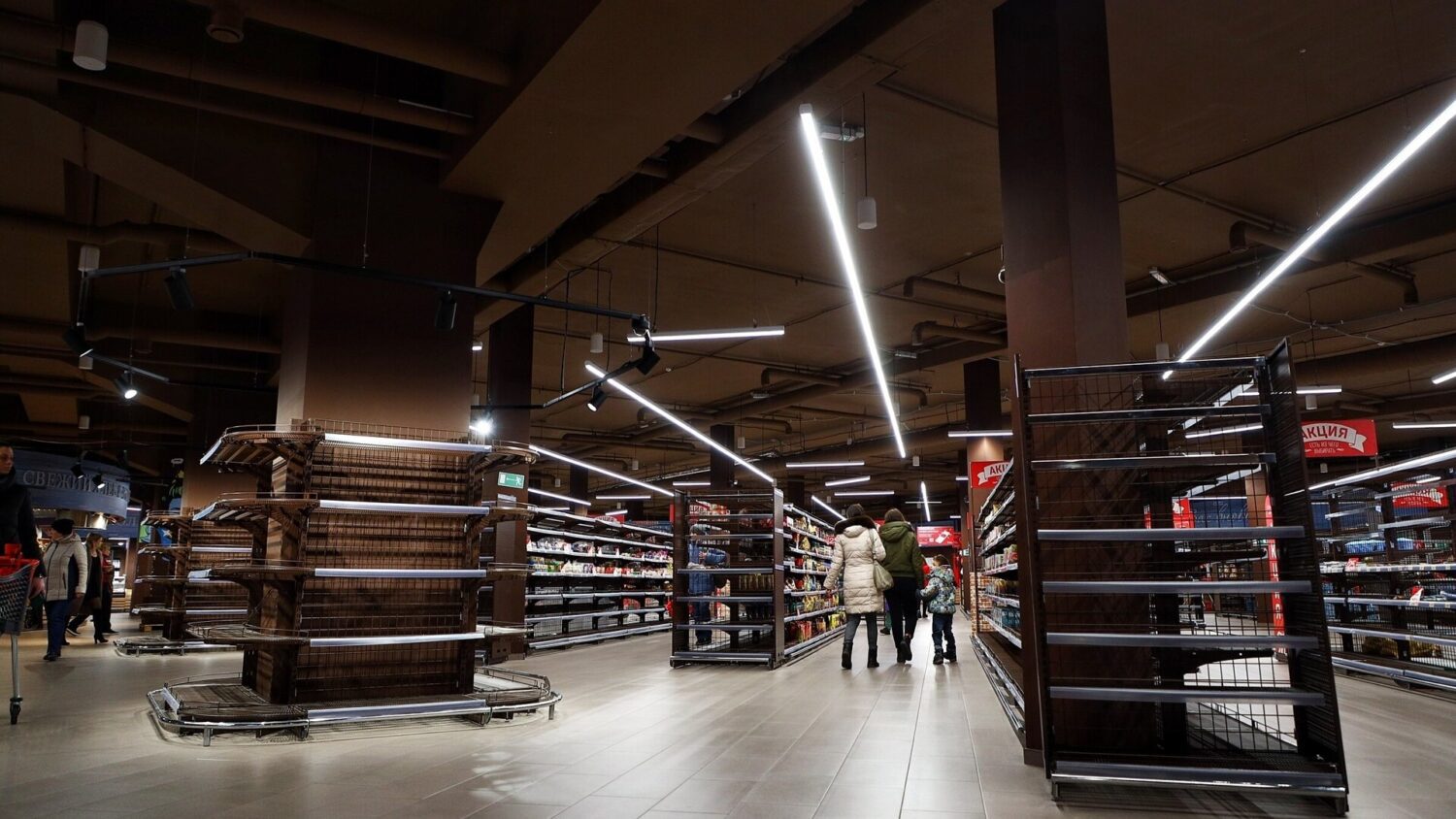
How is the Kaliningrad business doing with the import of cosmetics, building materials, alcohol and other goods

On Tuesday, June 21, the Ministry of Economic Development of the Kaliningrad Region posted an expanded list of goods prohibited for transit through Lithuania. The list included, including cosmetics, alcohol, flowers and even red caviar. “Klops” talked to local entrepreneurs and found out how things were going.

Flowers and fertilizers

The closure of transit through Lithuania at the moment has not affected the supply of flowers to our region, since flowers are purchased in Holland, and do not come to us from Russia. This was told by the leading florist in the delivery service “Romashka39” Nadezhda Polyakova.

“It is more difficult with fertilizers, they are all from big Russia, as long as there are reserves. We hope for the ferry and are waiting for the price increase, the cost of delivery to our region has already increased 3 times. So far, the most difficult thing is the EU ban on the transport of potted plants and herbs, which will come into force in early July. Workarounds not yet found, most likely there will be a shortage for some time. Therefore, if you have long wanted to buy a palm tree or a cute cactus, now is the time, ”Nadezhda explained.

As the flower growers say, the biggest difficulty in the sphere is the lack of clear delivery dates. Since April, “everything is in floating mode”, it is difficult to plan weddings and large orders. But, according to Nadezhda, there are also pleasant moments – mutual assistance has grown between representatives of the industry.

In matters of cost, the florist shares good news. She said that Holland had slightly reduced the price of flowers for Russia to help offset the increased shipping costs, which had quadrupled.

“Now the prices are at last year’s level, which pleases. This applies to cut flowers. Potted plants and fertilizers will rise in price unequivocally, it is not yet clear in what percentage terms and how we will bring them to Kaliningrad. This question remains open … ”, Nadezhda said.

Cosmetics, perfumery

There are also beauty products on the list, but they are in the “luxury” section. The cost per unit must be more than 300 euros. Yulia Semyonova, director of the Chic and Shine network, said that the ban does not apply to mass-market products, that is, to what the average consumer uses.

“We both transported and will continue to transport by road, we do not fall under this sanctions list, there will be no shortage of goods in our region. Many partners who booked a place on the ferry are told to go from there to the ground customs, because they need to carry sanctions, ”shared Yulia.

She said that if there are no problems with gasoline, then the cost of goods should not rise either. The rise in prices occurred a few months earlier, when the goods were held at customs for a long time, the trucks stood for 2-3 weeks and drivers had to pay for demurrage.

“We do not predict big increases, everything that was possible has already increased. One of the suppliers even said that he lowered prices, we will also lower them, ”the representative of the network assured.

Red caviar

Although the product was included in the sanctions list, the director of the Kamchatka company, Yevgeny Timofeev, said that this problem did not affect their area.

“There is and will be caviar in the store, our product is delivered to the region by aviation from Kamchatka directly, so there is no need to worry,” the entrepreneur assured.

Eugene is now in Petropavlovsk-Kamchatsky. He said that sockeye salmon is the first to spawn, there are already caviar. It is impossible to send by ferry “perishable”, only by air and in compliance with the temperature regime. Delivery by plane through Moscow takes two days. The first caviar of this year was sent yesterday, today it will be brought to the region, and tomorrow it will be put on the counter.

“The price of caviar has not changed. Fresh sockeye salmon is sold in the region of 7500 and above, last year’s chum salmon is 6500-7000, and it was before, ”said Evgeny.

Suitcases

This product was also included in the sanctions list – it cannot be transported either by train or by trucks, now suitcases will go across the sea. The head of Chemodan39.ru, Anton Rodionov, said that part of the cargo has been sent by ferry since the beginning of the year – then there were queues at the borders. Instead of the usual 3-4 days, the goods had to wait for two weeks without any guarantees. The sea route definitely takes no more than two weeks.

“Now we will transport all goods by water. It will be 30 percent more expensive. The cost of suitcases brought by land and by sea was the same for the end consumer. At the expense of own funds had to compensate for the increased costs of transportation. From the 18th, when ground transport was no longer allowed, we began to systematically raise prices, ”says the head.

According to him, there are companies that still transport luxury goods through Lithuania. There is no confirmation of this information, in addition – officially this category of goods was included in the list of “prohibited”.

Alcohol

Representatives of companies involved in the transportation and sale of alcohol declined to comment on the situation. Many of them are waiting for July 10, when the EU must clarify the specific positions that will fall under the sanctions.

Petrol

It is too early to buy fuel — restrictions on the transportation of petroleum products should come into force no earlier than February 2023.

Cement

In Kaliningrad construction stores, they noticed an increased demand for cement and an influx of visitors. “Klops” talked with representatives of retail chains. The situation with building materials in stores was told in Baucenter, Trade House Stroitel and Leroy Merlin.

The head of the press service of the regional government, Dmitry Lyskov, said on Wednesday, June 22: “There is no shortage of cement in the Kaliningrad region.” The authorities advised not to panic and not create an artificially high demand for certain types of goods, in particular, for cement.

Due to Lithuania’s restriction of transit to the Kaliningrad region, not only the delivery time of goods, but also the price may increase. This was announced by the founder of the BMK group of companies, the general director of the Investment Metallurgical Union Oleg Chernov. He is quoted by Business FM Kaliningrad on Monday, June 20.

“In the future, the worst option is an increase in the price from 10 to 20%, depending on the transportation format: either it’s a ferry, or it’s a container. Delivery times will also increase – plus 2-3 months. So far, we predict this for ourselves, ”said the expert.

The representative of the press service of the Rastsvet Group of Companies, Olga Skovorodnikova, suggests that a shortage may arise:

“From the moment Lithuania announced the restriction of transit through its territory by the Russian Federation of a number of goods, mainly building materials, there may be some shortage of them on the market and, perhaps, prices for them in the region will rise again. But from experience, regulators from the authorities work, as well as measures to support the construction industry. We are confident that the situation will be resolved.”

Marketplaces

The press service of Ozon said that the delivery of orders to the Kaliningrad region is carried out as usual and mainly by sea.

“We introduced delivery by water about a month ago. The average delivery time for goods from other regions is about 7 days. In the Kaliningrad region, we have about 200 Ozon pickup points. Customers, as before, can order goods from the marketplace at the nearest point and pick them up at any convenient time. The cost of delivery has not changed,” commented the press service.

A general did not agree to call a new German tank the same way as the Wehrmacht

0

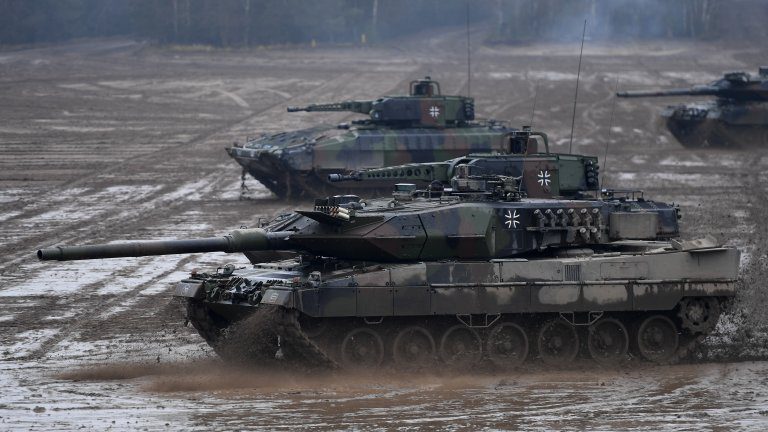
This machine should be the answer to the best Russian tanks. In any case, its manufacturer, Rheinmetall, believes so. The tank is called the Panther and is considered the successor to the Leopard-2, which has already reached old age. Retired General Klaus Whitman: “Rheinmetall unexpectedly unveils new tank at French arms show Eurosatory. It should be the answer to Russia’s T-14 Armata tank. In 2015, the T-14 puzzled Western generals. Powerful 130mm cannon and reinforced Russia is silent about other details Comparisons: – The new German tank is 5 tons lighter than the Army, and its 130-millimeter cannon has greater range (50% more than the previous model cannon). – to be rearmed. – Both models are equipped with a loading machine – With the help of drones Panther can hit targets at long distances, while the Armata is able to launch guided missiles.

Computer targeting and KI (artificial intelligence) are also provided. But so far, Armata tanks exist only in the form of demonstration models. They have not yet been seen in the army. The Armata costs three times more than its T-90 predecessor. Because of the sanctions, Moscow has problems with the electronics needed for the Army. Therefore, for the time being, it will remain a propaganda tool rather than a combat weapon.

The second cheapest country after Turkey expects 6 million tourists, despite the absence of Russians

0

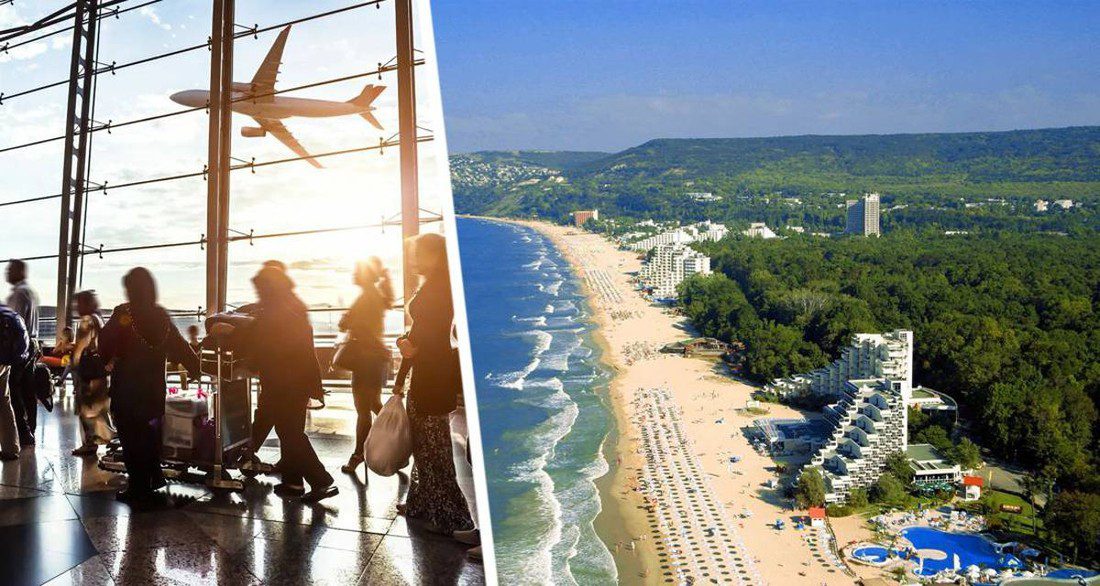
Despite the lack of Russian tourist traffic, the second cheapest country after Turkey (according to a British report) expects to see 6 million tourists. We are talking about Bulgaria. A positive forecast was published by the Bulgarian media, citing Tourism Minister Hristo Prodanov.

In the summer season 2022, Bulgaria will receive from 5.5 to 6 million tourists. According to the official, they will come mainly from countries such as Poland, Hungary, Romania, Germany, the UK, Serbia, the Czech Republic, Israel and others. tourists, because many Bulgarians like to spend their summer holidays on the Bulgarian Black Sea coast. “We want to send a clear message that Bulgaria offers excellent holiday conditions and at the same time a safe destination – our Black Sea is a safe and peaceful area and we have a long tradition of quality and hospitality in tourism,” he said.

According to him, the promotion of all types of tourism is also an important task. He also added that in addition to traditional sea and winter tourism, it is important to use the potential of the country’s cultural tourism, spa tourism. In addition, focus on wine, gastronomic and medical tourism. Bulgaria is confident that tourists will go to them, as a recent report by British experts showed that this destination is the second after Turkey, which is the most accessible to vacationers in terms of cheapness.

The summer tourist season officially opened on the occasion of the 65th anniversary of the founding of the Black Sea resort with a festive procession along the embankment of the Golden Sands resort – the pearl of the Bulgarian Black Sea coast. An invitation has been sent to more than 30 officials from diplomatic missions accredited by the Bulgarian government to visit the resort and see what it has to offer. The invitation was sent out by the country’s Minister of Foreign Affairs Teodora Genchovska and the Minister of Tourism Hristo Prodanov. At the same time, officials and representatives of the diplomatic corps in Bulgaria are taking part in conferences dedicated to the 65th anniversary of the founding of the coastal resort.

The property of a Russian MP in Germany was confiscated

0

This is the first such case

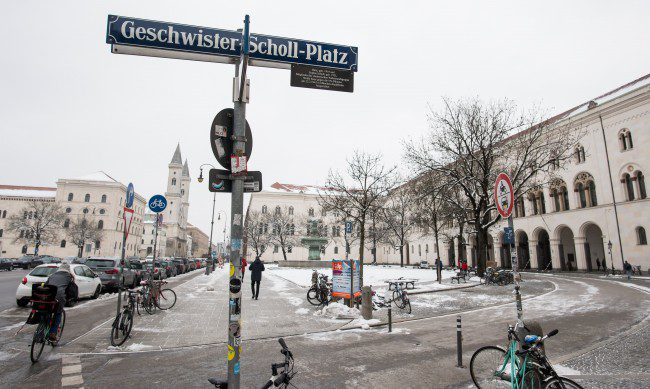
The Munich prosecutor’s office has ordered the confiscation of property in Germany, which allegedly belongs to a member of the State Duma and his wife, due to EU sanctions. This is the first time such a case has taken place in Germany, the Süddeutsche Zeitung reported.

The MP’s name is on the EU’s February 23 sanctions list and he is a member of the Communist Party. It has not been announced. It is alleged that the Russian and his wife own three apartments in Munich, which until recently were rented out. According to the newspaper, after the imposition of sanctions by Brussels, the couple received a total of 10,000 euros from renting out the property.

The prosecution instituted proceedings on suspicion of violating paragraph 18 of the German Foreign Trade Act or, more simply, the sanctions regime. Such a crime is punishable by imprisonment from three months to five years.

Authorities confiscated the apartments instead of “freezing” them. It is alleged that this was due to the fact that the owner received rent, ie. has made a profit. The publication recalls that the property of Russians subject to sanctions in Europe is usually “frozen” and not confiscated if it does not involve generating income.

A special working group set up by the German government to enforce EU sanctions is currently checking all the information available to regional authorities about Russian property in Germany.

Russians in Germany are being prosecuted for exporting brands from the European Union

0

Russian citizens arrested at German airports for exporting luxury goods

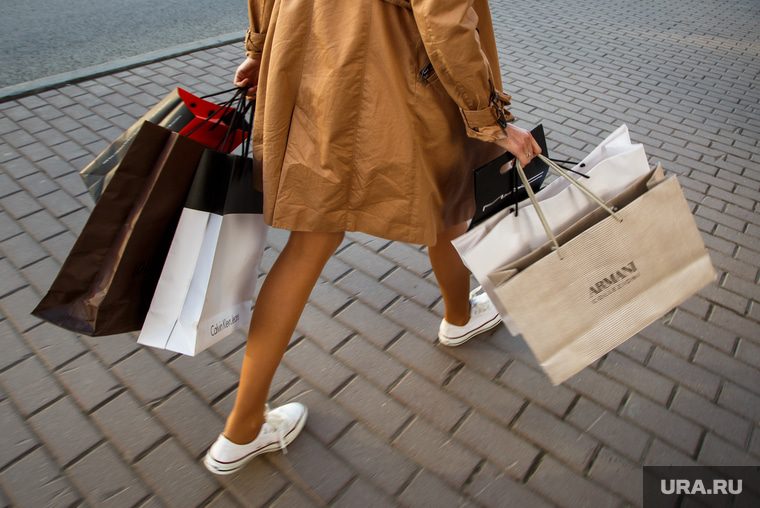
At German airports, expensive purchases are confiscated from citizens of the Russian Federation when they try to get a tax deduction for them (Tax free) and they initiate cases of an attempt to illegally import sanctioned goods into Russia. The Moscow Times writes about this (included in the list of blocked resources).

“At the Frankfurt airport, a Furla bag for 500 euros was confiscated from a Muscovite when she tried to stamp the purchase documents at a special point for tax free before departure in order to receive a tax deduction on her account,” the newspaper writes. According to the Russian woman, the officer making the deduction announced the withdrawal of the purchase and the initiation of a case on an attempt to illegally import luxury goods into the Russian Federation.

Experts spoke about several more cases of luxury brands being seized from Russians. So, two similar incidents occurred in Frankfurt and Berlin airport. “We advise Russian clients not to try to get a VAT refund under any circumstances, at the risk of losing not only the purchase, but also the right to enter the EU,” the consultant recommended.

The EU countries, as well as the United States, Canada, Japan and a number of other states have imposed sanctions against Russia because of the Russian special operation in Ukraine. In particular, as part of the fourth package of sanctions, the European Union imposed a ban on the supply of “luxury items” to the Russian Federation, MK.RU reports. The restrictions affected cars worth more than 50 thousand euros, as well as expensive equipment, jewelry, perfumes, bags, precious stones, delicacies and alcohol, RT adds. However, the business of the Russian Federation has already begun to acquire equipment without the consent of the copyright holders as part of parallel imports. The head of the federal antimonopoly service, Maxim Shaskolsky, announced plans to return all imported goods to the country.

Russian business began to purchase equipment as part of parallel imports. This was stated by a representative of one of the trading companies selling equipment and electronics in the Russian Federation.

“Sales of consumer goods that will be imported into the Russian Federation without the consent of the copyright holder may start in June,” the Minister of Industry and Trade Denis Manturov suggested earlier, Izvestia reports. He added that the list of goods for parallel imports was approved on May 6, and it will take about a month for trade to purchase goods. The Minister noted that the import of products without the consent of the copyright holder is allowed until the end of 2022.

At the same time, large retail chains do not risk buying Apple electronics, as there is a risk that gadgets in Russia will not be activated. “Russians can buy Apple equipment in third countries, but they themselves will be responsible for these products,” a source in one of the telecom retailers emphasized. At the same time, representatives of the stores assured that Russian buyers should not have problems finding and buying the right product in Russia – they managed to buy equipment in stores even before the sanctions hit the country.

Earlier, Denis Manturov said that foreign companies did not ask to exclude their goods from the list of parallel imports. At the same time, he noted that the Ministry of Industry and Trade would promptly respond to requests from companies to remove them from the list.

The EU countries, as well as the United States, Canada, Japan and a number of other states have imposed tough sanctions against Russia because of the Russian special operation in Ukraine. Sanctions pressure on Russia has been ongoing since the early 2000s and has escalated in recent months. Russian President Vladimir Putin stated that their goal was to “cancel” Russia, ban its culture and role in major world events: “I am talking about the progressive discrimination of everything connected with Russia, about this trend that is unfolding in a number of Western states – with full connivance, and sometimes with the encouragement of the ruling elites.

Photo: Alexander Mamaev © URA.RU

The largest freshwater fish in the world caught

0

According to scientists, the largest registered freshwater fish in the world was caught in Cambodia – a giant stingray, Al Jazeera reports.

Caught on June 13, the stingray measures almost four meters from snout to tail and weighs nearly 300 kg. The previous record for freshwater fish was 293 kg and it was a giant catfish from the Mekong River, discovered in Thailand in 2005.

Named Borami, which means full moon in Khmer, the stingray was captured in northeastern Cambodia. About a dozen men were needed to pull the huge fish ashore. The fisherman who caught Borami, in addition to the honor of catching a record catch, was rewarded with $ 600.

Scientists in the region immediately received information about the catch and were amazed by what they saw. “When you see fish of this size, especially in fresh water, it’s hard to think, so I think our whole team was shocked,” said Zeb Hogan of the Mekong Wonders Foundation.

Freshwater fish are defined as those that spend their entire lives in freshwater, as opposed to giant marine species such as bluefin tuna and marlin, or fish that migrate between fresh and salt water such as sturgeon and beluga.

According to scientists, the discovery of this slope is not just a stunning record, but also a good sign for the legendary Mekong River. It passes through China, Myanmar, Laos, Thailand, Cambodia and Vietnam. The river is home to several species of giant freshwater fish, but the pressure on the environment is increasing. In particular, scientists fear that a major dam-building program in recent years could seriously disrupt spawning grounds.

German media: Corruption is everywhere in Ukraine

0

Only one country on the European continent is in a worse position – Russia

Ukraine is almost the most corrupt country in Europe. At least according to Transparency International’s corruption index. Only one country on the European continent is at a disadvantage in terms of corruption – Russia.

This is a problem that Ukrainians are painfully aware of, says the German “Tageshau”.

“It is not difficult to understand that we have large-scale corruption. The difference between the European Union and Ukraine is that corruption is manifested at almost every level of government – from the most ordinary people to the potential prime minister,” said Maxim, a young man. a man from Kyiv who currently provides drones and aid to the army.

Many of his friends are involved in humanitarian aid. With a special document they are allowed to leave the country for a short period of time.

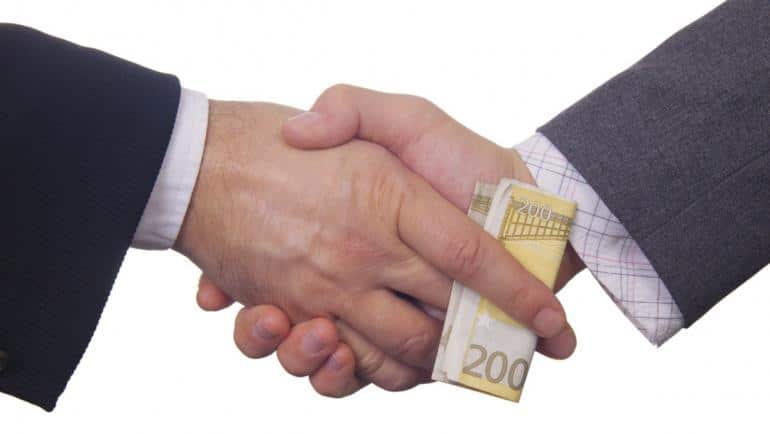
Recently, Maxim and his friends had an unpleasant experience at the border: “Our friends’ car was stopped at the border. Some of the border guards asked for money to enter. However, the case quickly became clear, Ukrainian police came and arrested the border guards.”

Border guards who want bribes, the sale of humanitarian aid – these are all stories that have spread in Ukraine since the beginning of the war. It is difficult to check. But in a country where corruption has spread to almost every sphere of life, for many people they seem credible.

The fact that police officers are intervening and taking action is already showing improvement.

Anton Marchuk of the Center for Combating Corruption explains: “We are making progress, perhaps not as fast as we would like, but it shows that we are moving in the right direction.”

For example, passports and documents can now be applied for online. Less physical contact with office workers also means fewer opportunities to bribe. The health care system has been reformed so that patients no longer have to pay for a referral. Several anti-corruption institutions have also been established. Critics, however, describe them as ineffective.

“We have the opportunity to do more to bring corruption to the EU average. We can do it, especially now that we have a clear goal that we did not have before. We now have the prospect of becoming an EU member in the future.” Marchuk thinks.

Many European countries are more pessimistic. A report from the Danish Foreign Ministry even accused Kyiv of lacking the will to fight corruption, according to the Zudoyche Zeitung. things have improved in Ukraine over the last eight years.

“Before 2014, it was terrible. On the way from Kyiv to Kharkov, they were always stopped by police and asked for money. This is no longer the case,” said Maxim.

When the mass protests on the Maidan in Kyiv began nine years ago, the fight against corruption was one of the movement’s main demands. Since then, many people have fought a sometimes disappointing battle against the deep-rooted system. But civil society has emerged, ready to take the long road to EU membership.

Ukraine received official candidate status for membership of the European Union after being approved by the bloc’s 27 leaders during a summit in Brussels.

Moldova also received candidate status, while Georgia remained on the waiting list for reforms to ensure the country’s political stability.

European Council President Charles Michel described the decision as a “historic moment”. “Today marks a decisive step on your path to the EU,” he wrote on Twitter.

Michel then congratulated Ukrainian President Volodymyr Zelensky and Moldovan President Maya Sandu, adding: “Our future is together.” Other EU leaders have joined social media to welcome the decision.

Zelensky praised the decision, saying “Ukraine’s future lies within the EU.” He then virtually joined the summit to talk to EU heads of state and government.

Candidate status is largely a symbolic sign recognizing that the chosen country is on track to begin the long, complex and often arduous accession process.

Infibulation – the inhuman tradition that is not talked about enough

0

Female circumcision is the partial or complete removal of the external genitalia without the medical need to do so

About 200 million girls and women who now live on planet Earth have undergone the extremely painful procedure of female circumcision, also called infibulation.

Female circumcision is the partial or complete removal of the external genitalia without the medical need to do so. This operation is commonly referred to as “female genital mutilation” and “female genital mutilation.”

The essence of the operation is that the labia majora are sutured in such a way that only a tiny hole remains, through which urine and menstrual blood are difficult to pass.

In this case, the clitoris and the external labia are often completely amputated and the internal – partially. Due to the deep incision made during the operation, a noticeable scar is formed after healing, which actually completely covers the vulva.

It is said that infibulation is the ideal way to preserve a girl’s virginity until marriage, but it is necessary to perform another operation after reaching the age of marriage so that she can have sex.

Some peoples have a custom according to which on the wedding night the husband takes a knife and with it cuts his wife’s crotch and only then has sexual intercourse with her. Once conceived, it is sutured again.

When it is time for the woman to give birth, the vaginal area is cut again so that the baby can come out, and sutured again after birth.

Usually such interventions are extremely painful for women. Because they are all performed without anesthesia, women in labor lose consciousness from pain.

Death from complications is not uncommon. The instruments are not disinfected, hence the risk of tetanus and other infections increases. Sometimes this barbarism leads to infertility.

The causes of female genital mutilation vary by region, change over time, and are a combination of family and community-specific sociocultural factors.

This practice is usually justified by the following most common reasons:

• In areas where such a practice is part of the customs, incentives for its continuation are social pressure and fear of social rejection. In some communities, female genital mutilation is almost mandatory and the need for it is not disputed.

• These surgeries are often considered a necessary part of a girl’s upbringing and a way to prepare for adulthood and marriage.

• Often the motives for performing these operations are views on proper sexual behavior. The purpose of the operations is to ensure the preservation of virginity before marriage.

• In many communities, the practice of genital mutilation in women is believed to help suppress libido and thus help them resist extramarital sex.

• The practice of female genital mutilation is associated with cultural ideals of femininity and modesty, in which girls are clean and beautiful.

• Although religious texts do not speak of such practices, those who perform such operations often believe that religion supports the practice.

In most communities, this practice is considered a cultural tradition, which is often used as an argument for its continuation.