Saturday, March 28, 2026
Home Blog Page 891

8 Scientifically Proven Relationship Facts Will Surely Shock You

0

Relationships make us better – a proven fact. But did you know that romantic connections affect us more than we usually think? We talk about scientific facts that will make you wonder.

Love, romance, passion – all these are integral components of human life. Or rather, most people. If you’ve never been in a romantic relationship before, these scientifically proven facts about love might spur you on. This feeling is important and beneficial not only psychologically and emotionally, but also physically: it helps to better cope with pain and heals wounds.

Healthy relationships make people more confident and increase self-esteem

Lovers help each other to look at the world more positively, increase self-esteem and make the partner more self-confident.

One of the most striking effects of love magic on our body, which has not only been repeatedly proven scientifically, but also personally verified by people who have been in a romantic relationship at least once, is an increase in self-esteem. Lovers, showing sympathy for each other, providing support and attention, help the partner restore or even increase self-esteem, make the loved one more confident in themselves and help perceive the world around them with a positive attitude.

Lovers lower blood pressure

Science has proven that people who have a soul mate in their lives have fewer problems with blood pressure.

A happy marriage or just a romantic relationship is good for blood pressure. This is the conclusion of scientists who published the results of a scientific analysis in the journal Annals of Behavioral Medicine. Researchers have found that people in comfortable romantic relationships or marriages have the fewest problems with high blood pressure, because the “love hormone” helps stabilize them.

The hormone of love works better than any painkiller

Scientific fact: love relationships help our body cope with pain.

It may sound incredible, but love relationships help the body cope with pain. In particular, because of the hormone that is produced in lovers – oxytocin. It is also called the love hormone. According to scientists from the Stanford University School of Medicine, headaches in people under the influence of oxytocin either disappear altogether or are disturbed several times less than when they were alone.

Another scientific experiment by researchers from the same school showed that people who looked at photographs of their lovers accelerated the work of departments in the brain that usually work for a “reward”, which in general can help the body dull pain (both moral and physical). ) and better deal with it.

The couples’ heartbeats are synchronized

In loving people who are in a relationship for a long time, heart rhythms are synchronized.

Two hearts beat in unison – this is not only a beautiful phrase, but also a scientifically proven fact. In loving people who have been in a relationship for a long time, heart rates do indeed synchronize when partners are near each other. This was proved by scientists from the University of Illinois: using a heart monitor, they recorded, measured and compared the pulse of ten elderly couples who have been married for a long time. The result shocked scientists, but proved that love can become a catalyst for even such changes.

People in romantic relationships have less anxiety

Long-term romantic relationships can help reduce levels of anxiety and worry.

If we talk about reducing anxiety, here you need to take into account the factor of duration. It is a long relationship with a loved one who consistently shows interest, attention and desire for you that will help reduce anxiety. Researchers at the State University of New York at Stony Brook have used MRI to study the brains of people in love.

People in romantic relationships are less likely to contract viruses

People who love each other are less likely to get sick after exposure to cold or flu viruses.

As you already understood, love relationships can reduce stress, anxiety and anxiety. So it’s a fact that love can actually boost our immune system. Researchers at Carnegie Mellon University found that people who show positive emotions, and that’s exactly what happens in romantic relationships, are less likely to get sick after exposure to cold or flu viruses. A study published in the journal Psychosomatic Medicine compared people who were happy and calm with those who seemed anxious or depressed.

Wounds and minor injuries in people in relationships heal faster

People in happy relationships have higher regeneration than those who are single or unhappy with their soul mate.

Everyone remembers how in childhood they ran to mom or dad with a cut finger so that the parent would kiss the wound and it would heal faster? Who would have thought, but it really works. Scientists at the Ohio State University Medical Center conducted a small experiment in which they gathered loving partners and couples in whom relationships were strained and inflicted small wounds on them. The results of the study showed that people in happy relationships have several times higher regeneration, that is, the wounds healed faster.

Married people have longer life expectancy

It turned out that people in relationships or in marriage live much longer than single people.

Perhaps the most important and significant scientifically proven fact: people in relationships and / or in marriage live longer than single people. And their life, as can be understood from the points above, is somewhat simpler and more pleasant than that of those who avoid linking fate with another person. Using health survey data, the researchers found that people who have never been in a romantic relationship are 58% more likely to die prematurely than those who are married. According to one of the scientists, married people live longer because they feel unity with another person, they know that they are loved, they will always be supported and helped.

Photo © Freepik
Monument to Latvian legionnaires in Belgium – local authorities want to remove

0

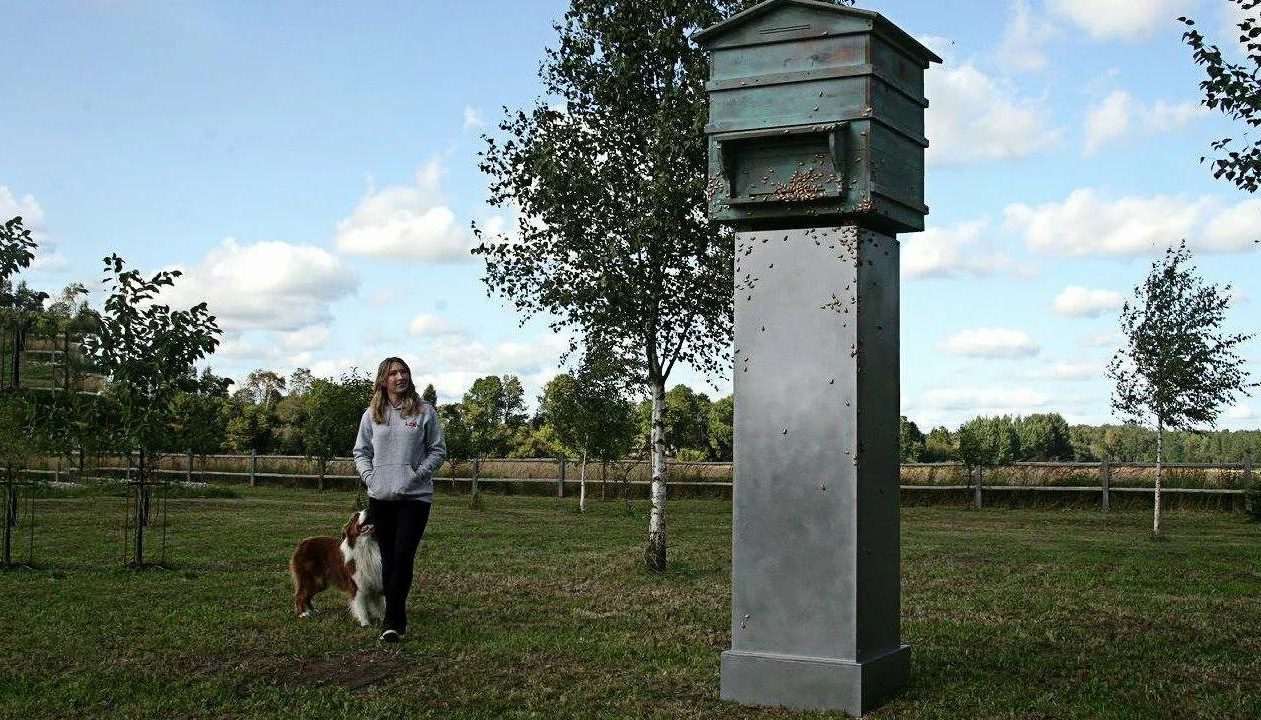
Members of the Historical Remembrance Group of the European Parliament appealed to the self-government of the Belgian city of Zedelgem with a request to preserve the monument “Latvian Hive of Freedom”, dedicated to Latvian soldiers who were drafted into the legion and imprisoned in the Zedelgem prisoner of war camp after World War II.

“When I learned that the monument dedicated to the Latvian soldiers was under threat of demolition, I realized that urgent action was needed. Therefore, I called on colleagues with whom we work in the EP Historical Memory Group to contact the mayor of Zedelgem and the deputies, explaining to them the historical the significance of this monument, refuting the false claims and asking to keep it,” explained the member of the European Parliament, Inese Vaidere.

According to the MP, the proposal to demolish the monument appeared recently and was published in several Belgian media. It reported that representatives of several local political forces put pressure on the local government of Zedelgem in order to dismantle the memorial.

This is based on the argument that the monument to the Latvian legionnaires “glorifies Nazi collaborators”. As a result of pressure, Zedelgem’s self-government decided to rename Freedom Square, on which the monument is located, as well as to change the plaque placed on the monument.

“It is clear that local politicians not only lack understanding of historical facts, but they are also subject to ‘pressure from outside’.

Therefore, in the letter, we explain that the Latvian legionnaires were mobilized into the armed forces of Nazi Germany against their will and it is internationally recognized that the Latvian legion has nothing to do with Nazi crimes against humanity. We also emphasize that it was Soviet propaganda that created the false idea that our legionnaires should be equated with the Nazis, and this disinformation is still actively spread by Russia in order to denigrate Latvia,” the deputy added.

The letter sent to Vaidere was signed by MEPs from various EU countries and political groups, and she hopes that the MEPs in Zedelgem will listen to the arguments and preserve the monument, as “the destruction of this memorial will be directed against all those who fought in the Second World War not at will.”

The monument to 12,000 Latvian prisoners of war “Latvian Hive of Freedom” was opened in Zedelgeme in 2018 by Mayor Annika Vermeulen, then Latvian Ambassador to Belgium Ilze Ruse and Chairman of the Board of the Society of the Latvian Occupation Museum Valters Nollendorfs. The author of the monument, sculptor Kristaps Gulbis, explained that the bees who created the hive are peaceful – they do not attack anyone, but protect their hive and freedom.

The renovated Museum of the Occupation of Latvia and its extension “House of the Future” were put into operation in the summer of 2020, said Kitija Grushkevicha, member of the board of Valsts nekustamie īpašumi (VNI).

She recalled that there had been obstacles to the implementation of this reconstruction project for more than ten years, but last year, thanks to the efforts of the Ministry of Environmental Protection and Regional Development and VNI, the project finally moved forward.

The Chairman of the Board of the Association of the Museum of the Occupation of Latvia, Walter Nollendorf, added that the museum had been in temporary premises for seven years already, and this is too long a period.

Nollendorf also emphasized that both the permanent exhibition and museum collections – written and video evidence – are located in the renovated and rebuilt museum premises. Modern study rooms and conference rooms are also available.

In total, the Ministry of Culture raised 8.9 million euros from the state budget for the reconstruction of the Museum of the Occupation of Latvia and the creation of a memorial complex dedicated to the victims of the Soviet occupation.

How to talk to children about military conflicts

0

UNICEF’s Guide for Parents and Teachers Helping Children Cope with the Stress of War

Children should not live in a state of war! And point! But creating an information vacuum around the child, if this happens, is a mistaken tactic. For the most difficult and frightening topic in communication, you need to be able to find the right words, and not mindlessly sow fear in small hearts and panic in fragile minds.

We encourage you to read these excerpts from UNICEF’s Helping Children Cope with the Stress of War for parents and teachers.

Listen to children:

• Choose a time and place for your child to ask you all their questions. Do not force children to talk about something until they are ready for it.

• Remember that children tend to personalize situations. For example, they may worry about friends or relatives who live in a city or country associated with special operations or other tragic events.

• Help children find the best way to express their feelings. Some children may refuse to talk about their thoughts, feelings, or fears. But they may like the idea of ​​drawing matching pictures, acting out scenes with toys, or even writing stories or poetry.

Answer the children’s questions:

• Use words and terms that your child understands. Make your explanation appropriate to your child’s age and level of understanding. Don’t overload your child with too much information.

• Give children honest answers and information. Children will usually know if you are lying to them.

• Be prepared to repeat explanations or have several conversations. Some information may be difficult to accept or understand. By asking the same question over and over again, your child may ask for comfort.

• Recognize and support your child’s thoughts, feelings, and reactions. Let him know that you consider his questions and concerns to be important.

• Avoid stereotyping groups of people based on race, nationality, or religion. Use this opportunity to teach them tolerance and remove prejudice.

• Remember that children learn by watching their parents and mentors. They are very interested in how you react to events. They learn by listening to your conversations with other adults.

Support children:

• Prevent children from watching a lot of violent or upsetting images on TV or on the Internet. Repetitive frightening images or scenes can be very disturbing, especially for little ones.

• Coordinate information sharing between home and school. Parents should be aware of activities and discussions at school. Teachers should be aware of a child’s specific fears or concerns.

• Children who have previously experienced trauma or loss may react more intensely to tragedy or news of war or terrorist attacks. These children may need extra support and attention.

• Watch for physical symptoms associated with stress. Many children show their inner anxiety by complaining of physical pain.

• Watch out for possible preoccupation with violent films or war video/computer games.

• Children who appear anxious or very stressed because of war, fighting or terrorism should be evaluated by a qualified mental health professional. Other signs that a child may need professional help include: persistent sleep problems, persistent disturbing thoughts, terrifying images, intense fears of death, and problems leaving parents or attending school. A pediatrician can help with appropriate referrals.

• Help children connect with others and express themselves. Some children may want to write letters to the president, governor, local newspaper, or grieving families.

• Let children be children. They may not want to think or talk much about these events. It’s okay if they prefer to play ball, climb trees, ride a bike, etc.

Military action and terrorism are not easy to understand or accept. Understandably, many young children feel confused, frustrated, and anxious. Parents, teachers, and caring adults can help by listening and answering honestly, consistently, and graciously. Remember that most children, even those who have been traumatized, are fairly resilient. Like most adults, they can and do go through hard times and get on with their lives.

9 animals that can repair parts of their body

0
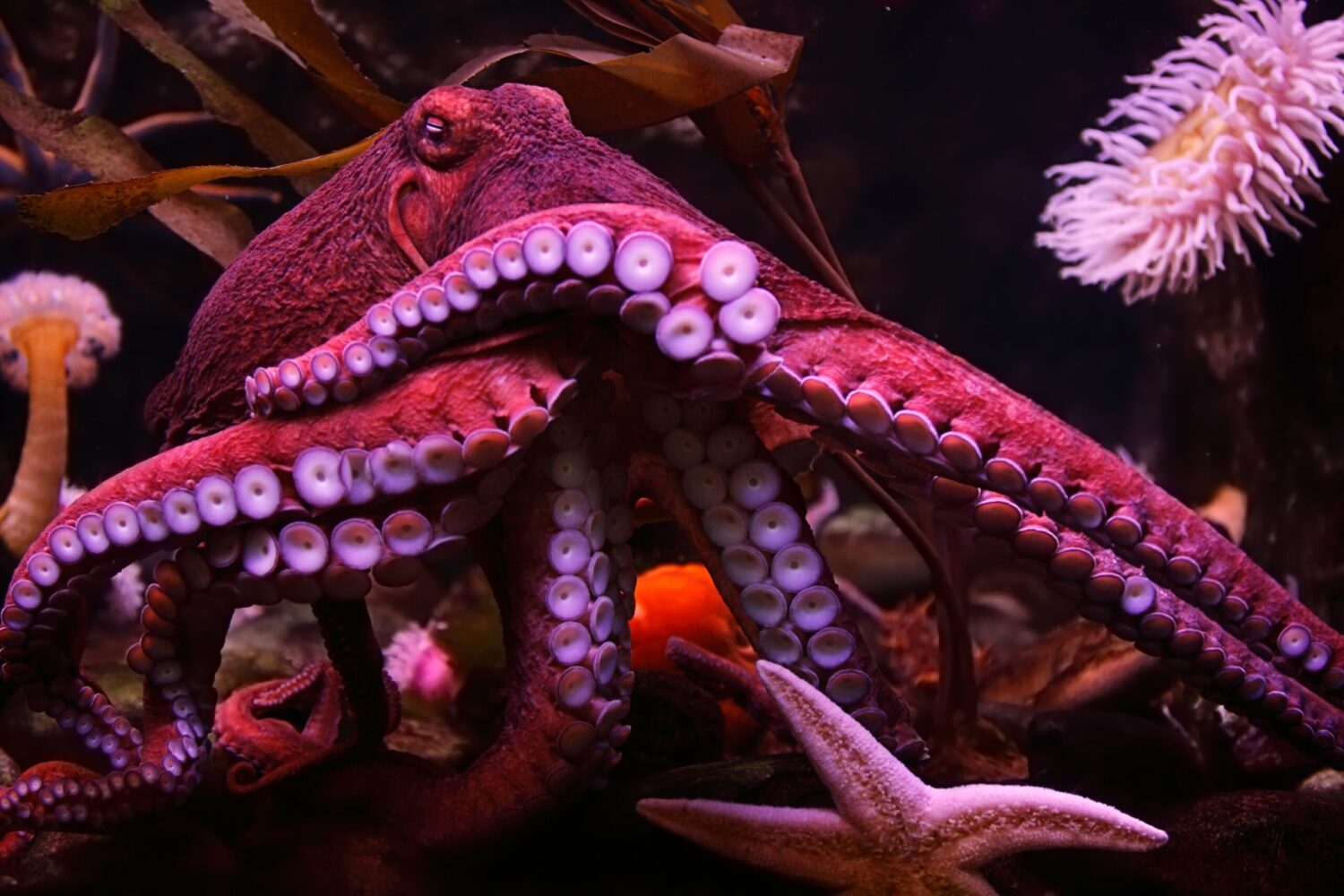
Octopus with starfish

Octopus

Octopuses are not only very intelligent animals, but also have the ability to repair their tentacles. They can do it in about 100 days.

Alligator

Although these large reptiles cannot repair their bones or skeletal muscles, they can repair cartilage, connective tissue and skin. Scientists have even found that young alligators are able to restore their tails up to 23 cm.

Cockroach

Cockroaches can also rebuild their limbs. In fact, they can even survive without a head for days! Although they will not be able to restore it.

Sea stars

Some starfish are able to build a whole body from severed limbs. This is due to the fact that all vital organs are in their hands. In addition, they lack blood, which probably helps.

Salamander

These amphibians have the ability to regenerate a lost limb. Once traumatized, their cells are reprogrammed from their genomes to replace the missing limb.

Jellyfish

Jellyfish have amazing regenerative properties. This is especially true of Turritopsis dohrnii, also known as the “immortal jellyfish”. When injured or starving, these jellyfish can regenerate themselves.

Chameleon

These cool animals can not only change their colors, but also restore their limbs and tails. All this thanks to special stem cells.

Green iguana

These amazing animals can amputate their tails when they feel threatened. Then their tails can grow back.

Deer

Deer are a very unique phenomenon on this list because they are mammals. And although their leg will not grow, they have the ability to restore their horns.

St. Francis Catholic Church: Christians and others to be protected in Nigeria

0
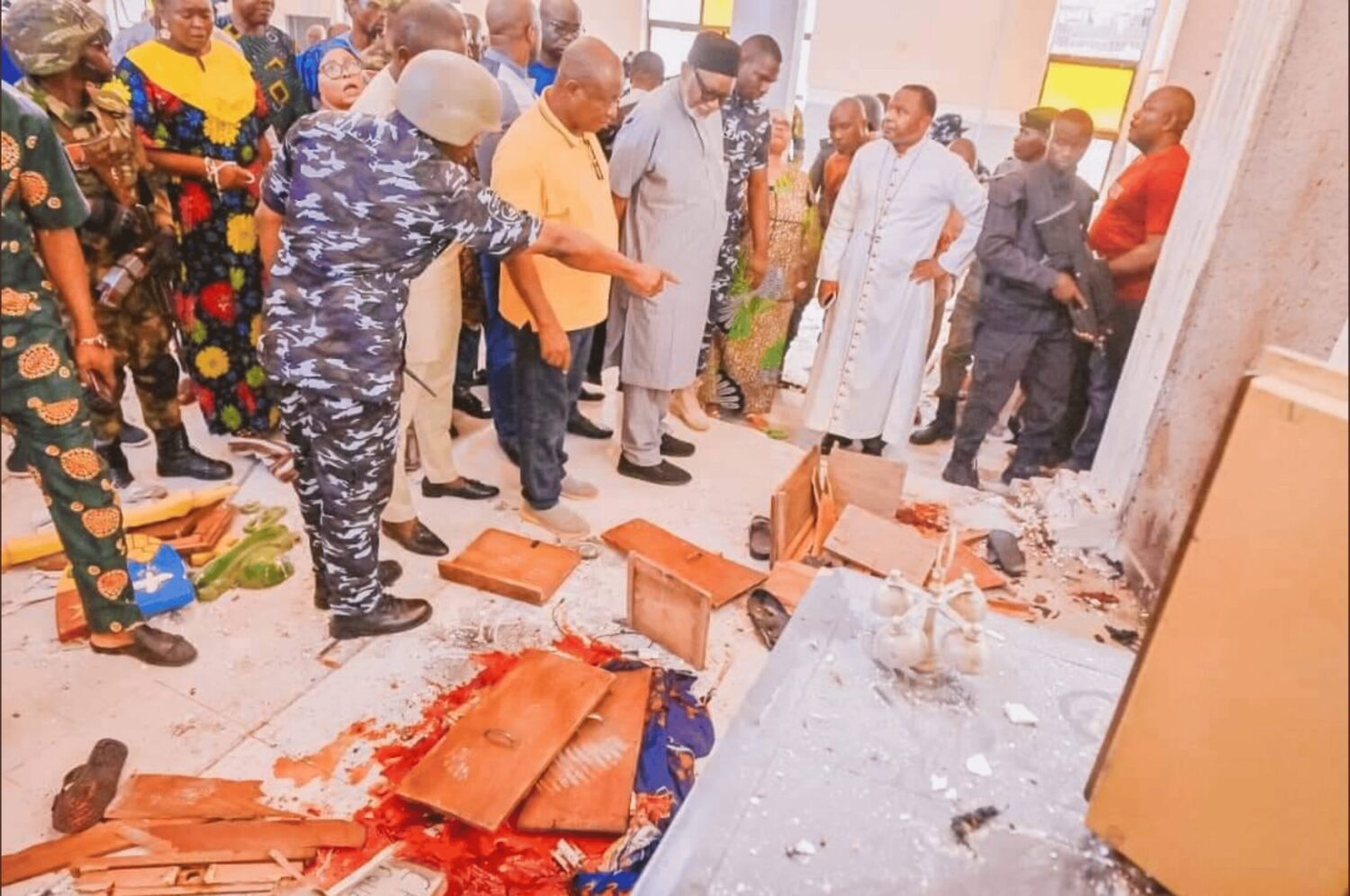
St. Francis Catholic Church Owo Nigeria

St. Francis Catholic Church: Attack on one of the most important Christian feasts: the state is unable to protect Christians in Nigeria

A gunman attacked worshippers at the St. Francis Catholic Church in the Nigerian town of Owo during a mass on Pentecost Sunday. In the attack, around fifty people were killed, including children. The presence of armed religious extremists in Nigeria is a growing threat to Christians.

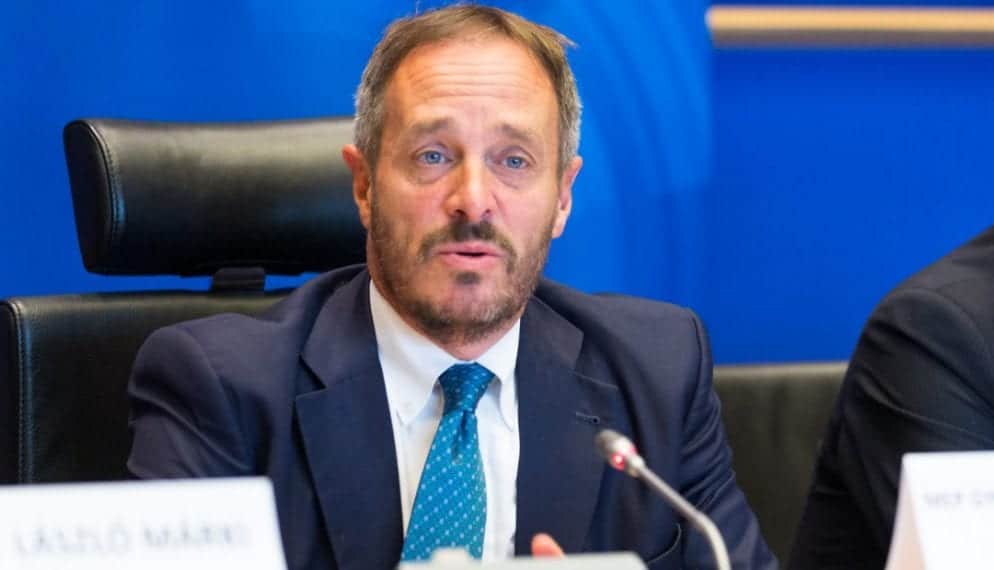
MEP Gyorgy Holvényi
MEP Gyorgy Holvényi

This latest attack cannot be explained solely by the conflict between the farmers and the nomadic herders; it must be declared that this attack on one of the most important Christian feasts was directed against Christian believers“, said MEP György Hölvényi.

The Christian Democrat MEP said in a release sent to The European Times, that the identity of the perpetrator is not yet known, but that similar attacks have been carried out against Christian communities for years now. Between 2015 and 2020, around 12,000 Christians were killed for their faith.

Although the Nigerian central government has pledged to curb the terror, we are not seeing any real results yet,” said Hölvényi. The MEP underlined, “The current attack has taken place in South West Nigeria which was so far not affected by the violence. This is a cause for concern and a sign of the deteriorating security situation”.

The politician added, “The lack of presence of the government in Nigeria has led to a series of brutal attacks causing that Nigeria is ranked ad 7th place on the Open Door’s Word Watch List on Christian persecution“.

MEP György Hölvényi stressed that the European Parliament and the EU cannot remain idle in this situation and cannot decide on ideological grounds to turn its face away from the victims. “Every MEP must work within his or her own political group to ensure that the EP, which so often invokes human rights, is able to recognise and condemn the obvious and violent persecution of Christians,” said Hölvényi while emphasizing that “The EU must send a clear signal! This is our moral duty as European politicians“.

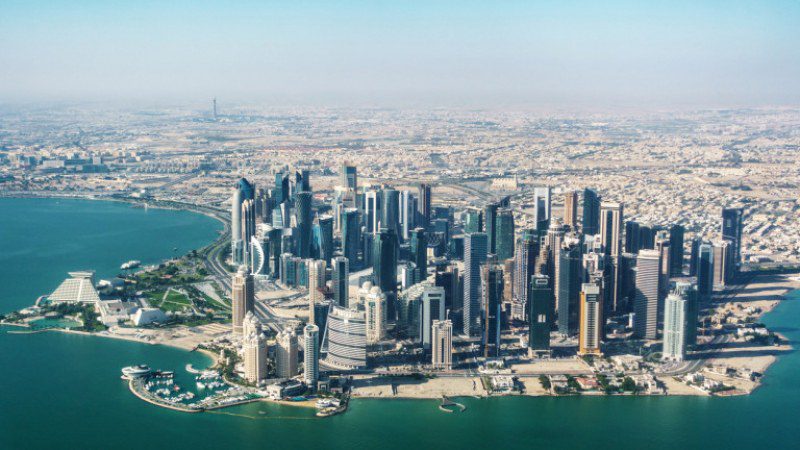
Outdoor work banned in Qatar

0

The reason is the exhausting heat in summer

Qatar bosses will no longer be able to force their employees to work outdoors during the summer months. The purpose of this restriction is to protect the numerous foreigners working in the emirate from the terrible heat.

On the eve of the World Cup, which he is hosting, Qatar is trying to improve its image in terms of respect for human rights, notes DPA. The emirate has been criticized by the international community for the alleged exploitation of economic migrants, who make up the bulk of the workforce in the energy-rich country. These criticisms intensified on the eve of the World Cup, to which Qatar attaches great importance.

The country’s Ministry of Labor and Social Policy announced that work outside is prohibited from 10 a.m. local time to 3:30 p.m., June 1 to September 15 annually.

A law passed last year also bans work in certain jobs in Qatar, no matter what time of day, if the temperature in direct sunlight rises above 32.1 degrees Celsius.

New Tatra tankers will serve NATO aircraft

0

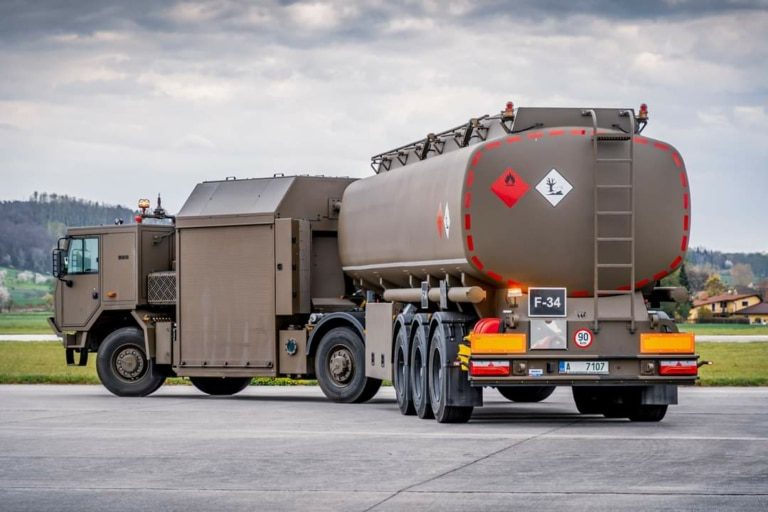
Army all-wheel drive trucks Tatra T815, already known in Ukraine as carriers of the RK-360MTs Neptune anti-ship missile system, can perform a variety of functions. For example, to work as part of powerful aviation tankers.

Recently, the military airport in the Czech town of Kbela was replenished with two brand new ATZ – Tatra T815 (6×6) truck tractors with tank semi-trailers.

Each “barrel” holds 36,000 liters of fuel. The tractor is equipped with powerful pumping equipment of the well-known German manufacturer Alfons Haar, capable of refueling two transport aircraft at once – with a fuel supply rate of up to 750 l / min.

This aircraft tanker meets IATA and STANAG standards and can be used for various types of NATO aircraft and helicopters located on both military and civilian airfields throughout Europe. The road train can be freely operated on public roads at speeds up to 80 km/h.

Israeli billionaire buys part of Sovcomflot tankers

0

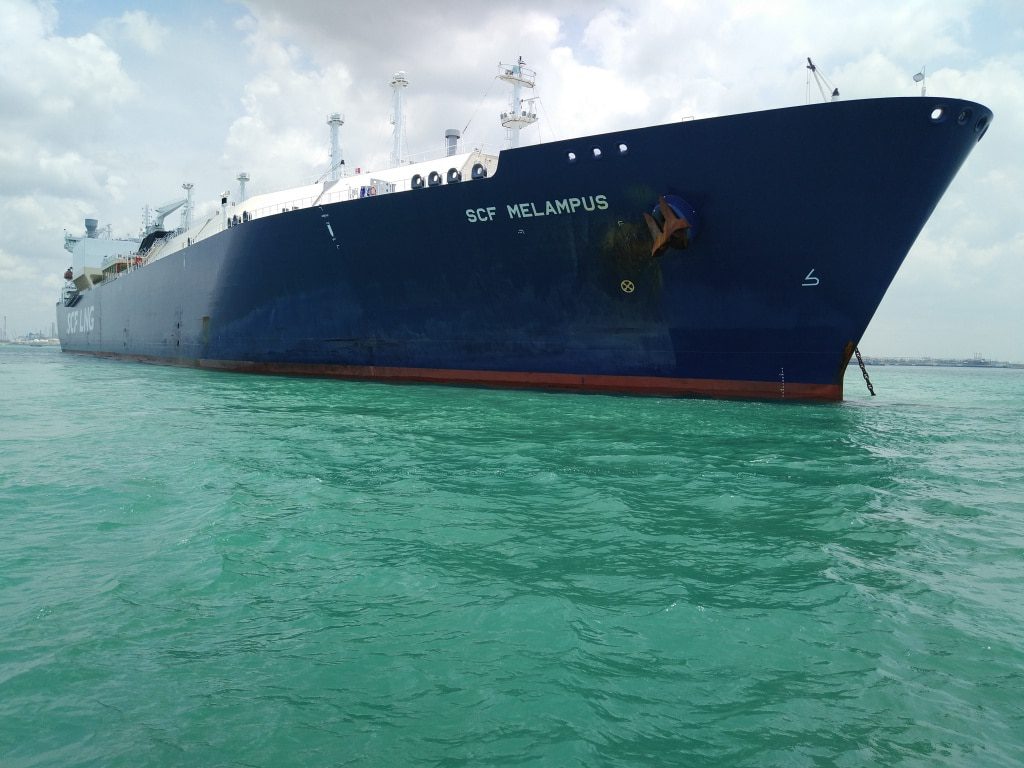
Israeli billionaire Idan Ofer has purchased four LNG carriers. The tankers were previously put up for sale by Russia’s largest shipping company, Sovcomflot.

Vessels will sail under new names. Melampus is now Kool Baltic, Mitre is Kool Boreas, SKF Barents is Kool Firn, and SKF Timmerman is Kool Orca. Three of them are anchored off the coast of Singapore, Kool Baltic has departed for Australia.

The tankers were purchased by Ofer’s Eastern Pacific Shipping for just over $700 million, according to Lloyd’s List.

The Russian shipping company Sovcomflot intends to sell part of its fleet in order to repay bank loans before the entry into force of European and British sanctions imposed in connection with the Russian aggression in Ukraine.

Back in early May, the company intends to sell 40 vessels, almost a third of its fleet, Lloyd’s List reports, citing a senior industry official.

In this regard, Sovcomflot is negotiating with clients from the United Arab Emirates and China.

The sanctions mean that EU and UK banks must stop all operations with Sovcomflot after May 15. In this regard, the company must also repay outstanding loans by May 15. That is why Sovcomflot is selling ships. The shipping giant must send all outstanding loans to the relevant banks and financiers by May 15. This prompted Sovcomflot to put about a third of its vessels on the market.

“All banks and charterers have until May 15 to actually terminate the contracts, which means that Sovcomflot has a very short window to repay loans, and there is really only one way to do this – to sell the vessels,” the source said. . He said that eight Sovcomflot ships had already been sold – four of them were bought by ship management company Koban Shipping.

Earlier it was reported that most of the Sovcomflot tankers were left without insurance.

Sovcomflot specializes in the transportation of liquefied gas, oil and oil products, and is one of the world’s largest tanker fleet operators. Own and chartered fleet, including vessels of joint ventures, has 135 vessels with a total deadweight of 11.67 million tons. Sovcomflot’s free float is 15.6%, the quasi-treasury stake is about 1.6%. Russia owns 82.8%.

This has never happened before: 58 Russian tour operators immediately ceased their activities

0

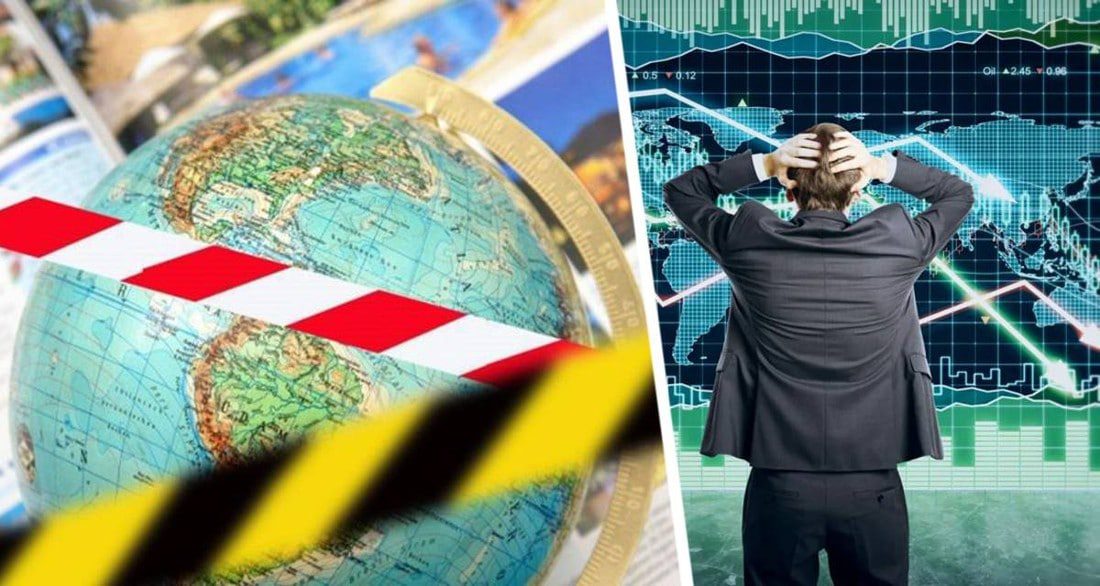
The last May order of Rostourism set a sad record – for the first time 58 tour operator companies of outbound tourism left the market at once. Moreover, only four of them left the market voluntarily – mostly they were deleted from the register of tour operators due to the inability to find an insurer – 54 companies suffered from this.

So, the following tour operators were among the companies deleted from the register due to failure to provide information about the availability of financial security for a new period:

1. LLC (Limited Liability Company) “Taiga x-tour”

2. LLC “ATLAS TOUR”

3. LLC “Golden Horse”

4. LLC “Travel agency “My Passport”

5. LLC “Movement of Light”

6. LLC “Sport Invest Group”

7. LLC “Icebreaker”

8. LLC “Anabar Tour”

9. LLC “Planet Yakutia”

10. LLC “TatianaToursCompany”

11. Trade and industrial company “Exhibitions, conferences and business events” LLC

12. LLC “Dream Tour”

13. LLC “Dalintourist”

14. LLC “Vivat”

15. LLC “Le.To-Rise”

16. LLC “Svena-Tour”

17. LLC “Vismant”

18. CJSC “UTES”

19. Federal State Budgetary Scientific Institution “All-Russian Research Institute of Hunting and Fur Breeding named after Professor B.M. Zhitkov”

20. LLC “Business Travel”

21. LLC “Fly tour”

22. LLC “Mintur”

23. Intersputnik LLC

24. LLC “Discovery-South”

25. LLC “Ekaterinburg-Center”

26. LLC “Intour-plus”

27. OOO “Hotel Management Company”

28. OOO International Consulting Group Megaland

29. LLC “Inco-Travel”

30. LLC “Excursion and tourist agency “Eksta LTD”

31. LLC “Intel-T”

32. LLC “Vitors”

33. LLC “Edelweiss”

34. LLC “Nevsky Paradise”

35. OOO “Insider Tour”

36. LLC “East Express”

37. LLC “Alliance Travel Company”

38. LLC Training center “Fregat”

39. LLC “Travel Ural”

40. LLC “Hunting Club of the Urals”

41. LLC “Tour agency Aguna”

42. LLC “Conference Bureau”

43. Turbaza Polyana LLC

44. LLC “Express Tour”

45. LLC “SKO Health and Rest”

46. ​​Ekka-Sochi-Travel LLC

47. LLC “Spartak-Tour”

48. LLC “TOR”

49. LLC “Atlas”

50. Malibu Travel Agency LLC

51. LLC “Golden Orchid”

52. LLC “Children’s creative center “Pioneer”

53. LLC “Splim Group”

54. LLC “Baska Tut”

As for tour operators, information about which was excluded from the Register in connection with the submission of an application for the termination of tour operator activities, i.e. those who voluntarily left the market, there are four such companies:

1. LLC “Helena Yungmanova-Travel agency Astra”

2. OOO “Scandika”

3. LLC “American Travel Company”

4. LLC “Vyaches Arturo”

How an old trolleybus will become a hydrogen one: Demonstration in front of Maria Gabriel

0

Instead of being thrown away, the many other trolleys are good enough to be renovated – with Bulgarian expertise, said Prof. Daria Vladikova

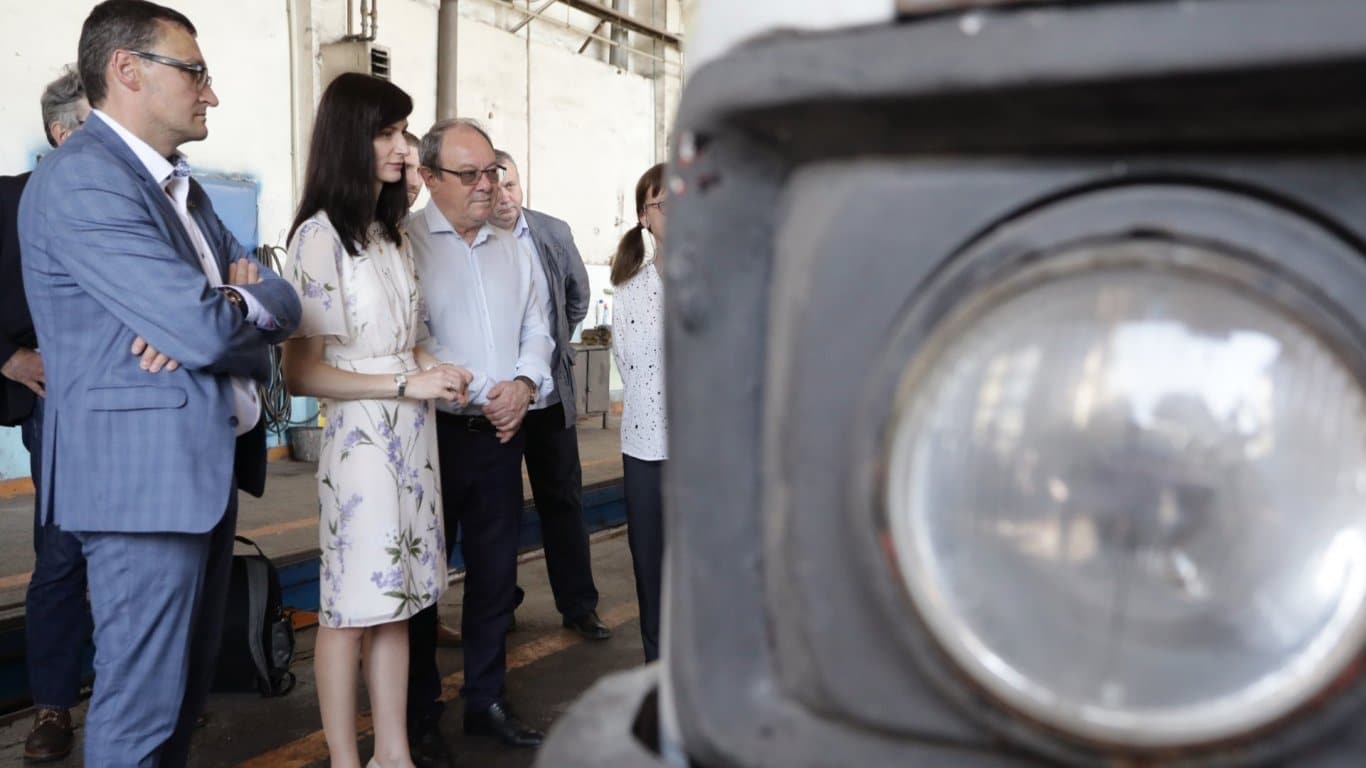
  The prototype of a trolleybus, which scientists from the Bulgarian Academy of Sciences (BAS) are transforming to run on hydrogen, was shown on June 3, 2022 at the Levski trolleybus depot, where the development of Bulgaria’s first demonstration project for hydrogen implementation in transport was presented. .

Scientists are developing a mileage extension that will provide 100 kilometers of autonomous electric drive of the trolley outside the power grid.

The European Commissioner for Innovation, Research, Culture, Education and Youth Maria Gabriel thanked the scientists from the Bulgarian Academy of Sciences for what they have done and revealed that this project is given as an example in Brussels.

The development is part of the implementation of the National Scientific Program “Low Carbon Energy for Transport and Life – EPLUS”, implemented under the auspices of the Bulgarian Academy of Sciences and funded by the Ministry of Education and Science.

Maria Gabriel, the executive director of the public-private enterprise “Partnership for Pure Hydrogen” Bart Beebeek, the President of BAS Acad. Julian Rewalski, scientists and representatives of the Sofia Municipality examined the prototype of the trolleybus in the landfill.

This is the first demonstration project in Bulgaria with hydrogen, which is subsidized by the Ministry of Education and Science under the “EPLUS” program, said to journalists Prof. Daria Vladikova, who is a professor of electrochemistry at the Institute of Electrochemistry and Energy Systems at BAS. and is chairman of the Bulgarian Association for Hydrogen, Fuel Cells and Energy Storage.

“The approach is unique, we take an old trolley from the Sofia Municipality (SO), we have a contract with the Sofia Municipality, and we will turn it into a modern hydrogen-powered trolley. The trolley can work offline, for example we have a new neighborhood and don’t have to a pound is being lifted. The pound is being taken down and the trolley is moving like an electric vehicle, because hydrogen fuel cell vehicles are also electric vehicles as well as battery vehicles. kilometers per day, which we want to provide by introducing a hydrogen propulsion system for this trolley “, explained Prof. Vladikova.

She stressed that this is a prospect because there are many trolleys in Bulgaria that can be discarded, but are good enough to be upgraded to work as hydrogen vehicles. “We are trying to create a Bulgarian expertise, this is not a project in which we have partners with expertise in individual components of hydrogen technology. This is an expertise that we create here, buy these components and do the integration for the first time such a system. in Europe, retrofit is a very interesting topic because there are many vehicles that are not produced often and have a very long lifespan, such as locomotives and large vehicles used in mines, ships. And there the official policy is already retrofit, “he said. Prof. Daria Vladikova.

We continue with the creation of a small company that will process these trolleys, and in Bulgaria there are ten cities with trolleys and we have the opportunity to introduce hydrogen transport in them. “We will also switch to locomotives and ships, and in this way we believe that we will be unique and will arouse the interest of European manufacturers,” said Prof. Vladikova.

She announced that there are plans to build a hydrogen charging station with solar panels located on the territory of this landfill.

“This trolley will be ready in a few months for demonstration, but we have to certify that it can transport people. The purpose of this stage is a demonstration project and for that we need maybe a year and a half, and a new project, We expect the trolley to be ready for demonstration in a few months, and in a year and a half it will be able to move in Sofia. At the moment, the investment amounts to about BGN 1 million, “said Prof. Daria Vladikova.

EU Commissioner Maria Gabriel noted that it is no coincidence that Sofia was chosen as one of the top 100 climate-neutral cities. She thanked the scientists from BAS for what they have done on the project, because it is appreciated. This project is also given in Brussels as an example of how, at the local level, things from the time that we think are past are combined with innovation and technology. It will be of great benefit to people to be convinced of the usefulness of hydrogen technology, said Maria Gabriel. “You can also count on our support, because in this project, what I like the most is that it does not rest on old laurels, but wants to reach the next phases, which are important for citizens, small and medium. enterprises, both for the positioning of Sofia and Bulgaria in this sector “, with these words the European Commissioner Maria Gabriel addressed the scientists.

The President of BAS, Acad. Julian Rewalski, said that business support for such innovative projects is also important.

EU Commissioner Gabriel and the executive director of the public-private partnership “Partnership for Pure Hydrogen” Bart Beebeek are in the country to get acquainted with the achievements of projects for the development of innovative hydrogen technologies in Bulgaria. During their visit, they will discuss the future development of the country’s hydrogen economy as a key moment in achieving the goals of the European Green Deal.

Photo: Maria Gabriel and Bart Beebuke have now visited the Institute of Electrochemistry and Energy Systems at the Bulgarian Academy of Sciences.