Friday, March 27, 2026
Home Blog Page 913

100 endangered animal species now safely stored in UK’s living biobank

0
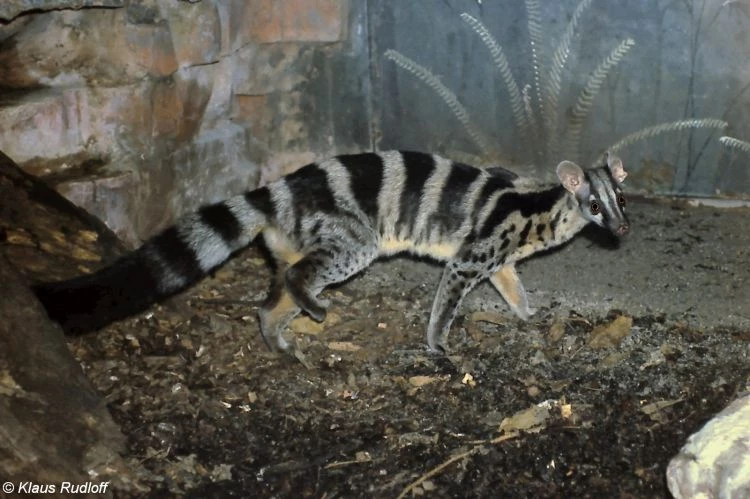
The endangered Owston’s civet (Chrotogale owstoni) living on the edge of extinction ©Klaus Rudloff

Nature’s SAFE celebrates banking 100th species in the Big Freeze

Nature’s SAFE, one of Europe’s largest living biobanks for preserving endangered animal species, and home to some of the planet’s most precious natural resources, is celebrating banking it’s 100th species. In a race against time, The Living Biobank began its work in late 2020, and acts as an insurance policy to preserve rare, and threatened animals, so they can be protected for generations to come.

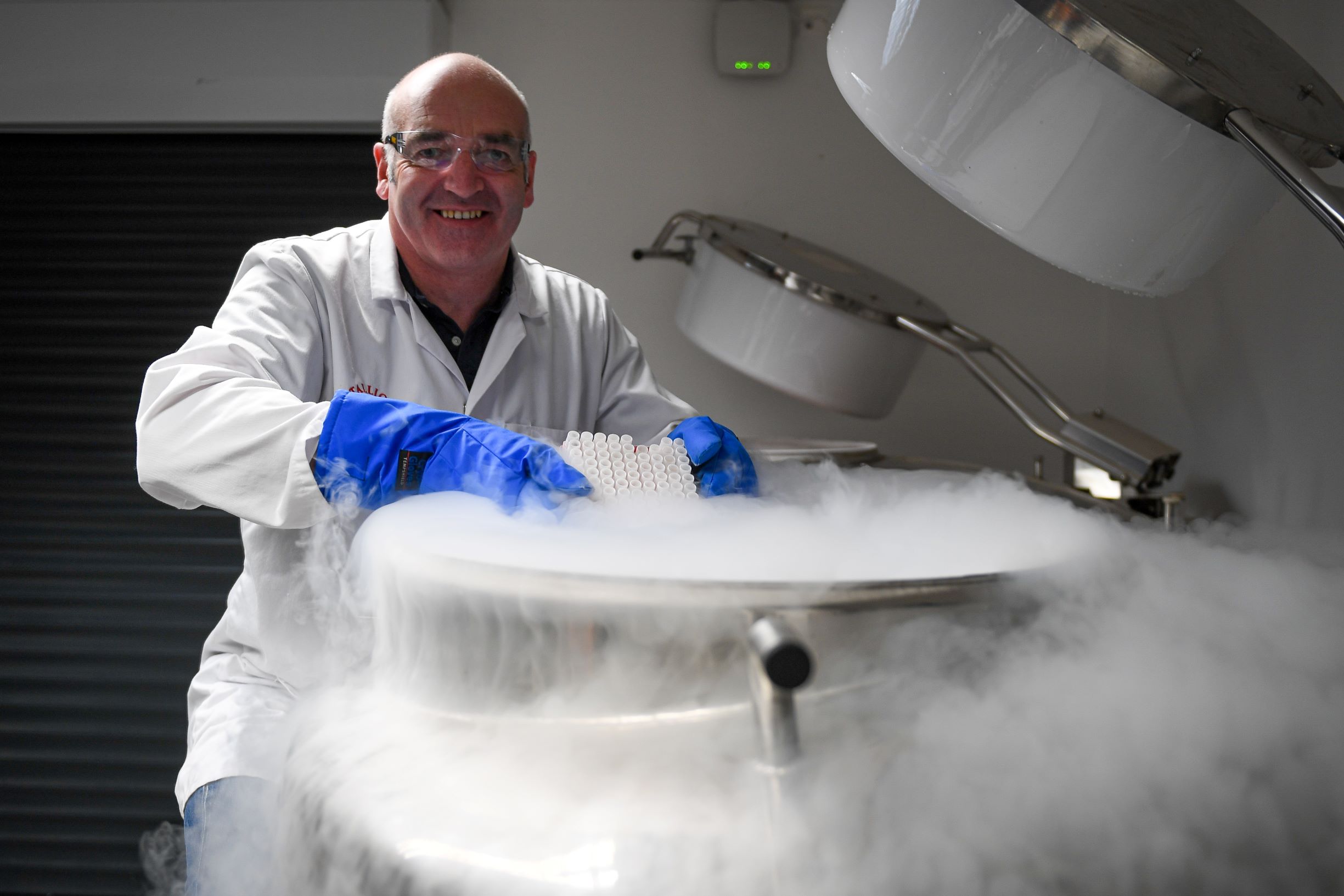
Currently, 100 species are lost each day to extinction, and as the last few species die, their genetic blueprint is removed forever from our planet. Nature’s SAFE partners with accredited zoos to collect and process tissue and reproductive cell samples from threatened and endangered species, storing them in an indefinitely cryopreserved living state at -196oC. Once thawed, these stored living cells could one day be used in cell culture or assisted reproductive technologies to maintain genetic diversity in the species gene pool.

With gene pools shrinking, cryopreservation is a critical piece of the conservation puzzle, providing a safeguard for animals the world is currently on track to lose.” said Dr Sue Walker Head of Science at Chester Zoo and Co-Founder of Nature’s SAFE.
98eee090a1709e565f73b93db361d222 100 endangered animal species now safely stored in UK's living biobank
Samples being immersed in liquid nitrogen for long-term storage by Tullis Matson– © Nature’s SAFE.

As a centre of excellence in reproductive science, Nature’s SAFE has to date cryo-preserved multiple cell types from many endangered animal species, including the critically endangered mountain chicken frog, Javan green magpie, pied tamarin, and jaguar. The 100th species to join The Living Biobank, is the Owston’s civet; a beguiling animal on the brink of extinction in the wild across South East Asia.

Dr Veronica Cowl, Reproductive Biology Coordinator for Chester Zoo and the European Association for Zoos and Aquaria (EAZA) said “We’ve been working on understanding reproduction in the elusive Owston’s civet for more than three years, and it’s fantastic that we can now preserve the genes from the current zoo population in Nature’s SAFE, The Living Biobank. It’s a great step forward in our work to prevent the extinction of this beautiful species, and it’s a pleasure to work with such a passionate group of people”.

Nature’s SAFE has an ever-expanding, global network of expertise to enable cutting-edge reproductive and biobanking science to be delivered to zoological collections for free and invites queries from potential new biobank partners or supporters.

Tullis Matson, Chair and Founder said “Without Nature’s SAFE, for many species already so near the brink of extinction, there will be no return. With Nature’s SAFE and other biobanking partners – there is optimism. We know the 6th mass extinction on Earth is underway, and there will be rough times ahead. The question is what do we want to do about it? And our answer is: we want to secure future options for biodiversity, by acting now.”

To find out more about conservation charity Nature’s SAFE’s science and conservation work, head to www.natures-safe.com

Media Contact

Tullis Matson, Founder and Chair of Nature’s SAFE. Tel: 01948 666295 / 07801 592111 email: office@natures-safe.com Nature’s SAFE is a registered charity No 1192876.

Nature’s SAFE

Nature’s SAFE is a Living Biobank on a mission to save animals from extinction by collecting, indefinitely storing, and regenerating reproductive cells and cell lines from endangered animal species. Our science-led charity is setting the bar in cryoconservation technologies, uniting biotech with conservation management stakeholders to halt and reverse biodiversity loss. Our work is entirely funded by donations. Please visit www.natures-safe.com to find out more or get in touch via office@natures-safe.com.

Tag @NaturesSAFE1 on Twitter https://twitter.com/NaturesSAFE1

Tag @naturessafe on Facebook https://www.natures-safe.com/

Tag @natures_safe on Instagram https://www.instagram.com/natures_safe/?hl=en-gb

Tag @Nature’s SAFE on LinkedIn https://www.linkedin.com/company/nature-s-safe-saving-animals-from-extinction/

Chester Zoo

  • Chester Zoo (www.chesterzoo.org) is a world-leading conservation and education charity that’s committed to preventing extinction and dedicated to raising awareness of key conservation and environmental challenges
  • The zoo works with more than 3,000 species globally, including 140 international animal conservation breeding programmes, which are working to ensure genetically viable safety-net populations of species in zoos. It’s also home to five national plant collections, comprising of more than 1,000 species
  • Experts from the zoo are recognised by governments and NGOs across the world as leaders within the global conservation community. Currently, the zoo is saving species on behalf of the Bermudan, Spanish and Portuguese governments, among others
  • The zoo works with over 100 partners in more than 20 countries to recover threatened wildlife and restore habitats, including orangutans in Bornean rainforests, elephants and tigers in Indian grasslands, lemurs and frogs in Malagasy forests, rare fish in Mexican lakes and various species here in the UK
  • It’s millions of annual visitors and huge online communities are part of the educational, scientific and conservation jigsaw, empowering them to be part of solutions for wildlife
  • The zoo influences policy both in the UK and internationally, forcing governments worldwide to take action to halt the biodiversity crisis
  • Chester Zoo is playing a vital role in inspiring and educating people about the natural world and the impact humans have on it – creating and nurturing the conservationist in us all.
Why is China buying Africa?

0

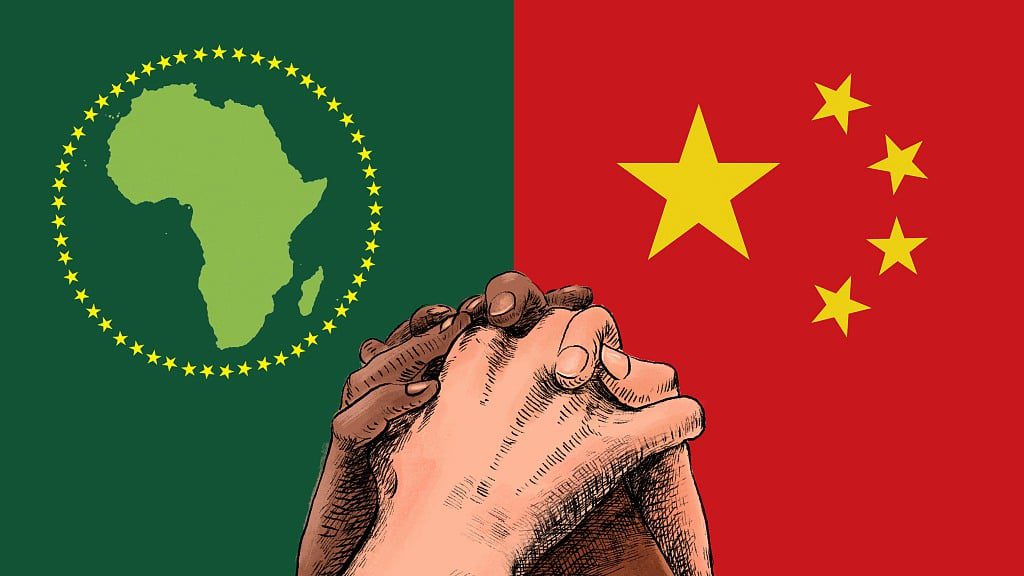
More than one billion people live in Africa, and the continent is expected to be responsible for more than half of the world’s population growth by 2050. According to the European Parliament resolution of 25 March 2021 on a new strategy “EU-Africa: Partnership for Sustainable and Inclusive Development”, the 10 fastest growing economies in the world are located in Africa.

This rapid transition poses major challenges, but also offers great rewards for countries willing to risk billions in infrastructure. To date, no country has responded to the continent’s call as China. At the same time, Forbes predicts that the continent is on the verge of becoming an economy worth more than 5 trillion. dollars.

As early as 2013, China overtook the United States as the continent’s largest direct investor in foreign direct investment (FDI) flows, according to the Swiss-African Business Relations Status Quo 2021. Over the past decade, Chinese investment in Africa has On average, more than 18,000 jobs are created each year, making the country a leader in this regard, ahead of the United States, the report said.

According to the Ministry of Commerce of the People’s Republic of China, Chinese private enterprises account for 90% of the total number of Chinese enterprises investing directly in Africa and 70% of China’s total direct investment in Africa. But it is Chinese state-owned companies that are investing in large-scale projects, especially in infrastructure, energy and resources.

The Ministry of Commerce of the People’s Republic of China also points out that since 2010, one third of the network and energy infrastructure in Africa has been built by Chinese companies. Through investments from Chinese state-owned enterprises, China has also become the continent’s most important investment partner in energy infrastructure.

China’s rise as an economic power in Africa lies in the concept of “aid”. However, China’s investment does not correspond to the idea of ​​”aid” in the true sense of the word. These projects usually take the form of export credits, military aid or secured loans (with tempting conditions for forgiveness). Economic engagement with China leads to a greater level of political coordination between the world’s second largest economy and African countries.

In essence, China’s investment in Africa ensures that a global consensus on China’s interests is easily reached. As African countries become more dependent on economic commitment, their willingness to commit to China’s wishes, especially on international issues, is growing because of their inability to survive without external economic intervention, according to a report by the US Institute for Foreign Affairs politics.

Why do Chinese private companies invest in Africa?

Chinese financial media Sina Finance Global cites several important reasons.

Demographic problems

China’s population is aging. By 2050, the average age in China is expected to reach 51, compared to 43 in the United States and 47 in the EU. By 2060, one third of Chinese citizens will be over the age of 65, making China one of the oldest countries in the world. In Africa, the opposite trend is observed. By 2034, the continent’s workforce is expected to exceed that of China and India combined, as China’s population will fall below 1 billion by 2050. According to these figures, the young workforce in Africa is exactly what Chinese businesses need today.

China is no longer a cheap labor market

In 2020, China’s GDP per capita reached $ 11,000. According to the World Bank, China will soon join the group of high-income countries per capita, so the cost of labor will only increase. By comparison, the GDP per capita of sub-Saharan Africa is $ 1,500 in 2021, which is less than 1/7 of China’s GDP per capita.

The trend is for manufacturing companies to continue relocating production lines to the Southeast Asian Nations Association (ASEAN) and Africa.

China has turned from a long-standing agricultural power into an importing country

The rapid urbanization of China is leading to the erosion of fertile agricultural land. By 2030, the average income population is expected to grow from 400 million to 800 million, and meeting China’s structural agricultural needs will become an important national issue.

China imports all types of African agricultural products, from cereals, cane sugar to seafood and red wine. As geopolitical tensions between the United States and China intensify, China must relocate parts of its agricultural industrial and commercial chains outside the United States. Africa’s agricultural trade with China and China’s investment in agricultural technology in Africa meet the needs of the Far Eastern market.

China is transforming from a global factory to a global consumer market

Only by expanding production capacity on the supply side in Africa can China’s huge market demand be met. Since 2000, China-Africa trade has increased 20-fold, and Chinese foreign direct investment in Africa has increased 100-fold to meet growing Chinese consumer demand, Chinese companies need to invest in the African industrial chain to increase production and efficiency.

Africa is a fast growing consumer market

The rise of the middle class in Africa will lead to a series of consumer demands, such as growing demand for energy, consumption, education, entertainment, finance and health. Chinese private companies are entering these areas, while importing a digital economy model and technology platforms into Africa and China, according to Sina Finance.

Russia: spokeswoman claims trucks export food from Ukraine to Europe, so the fighters will have nothing to eat

0

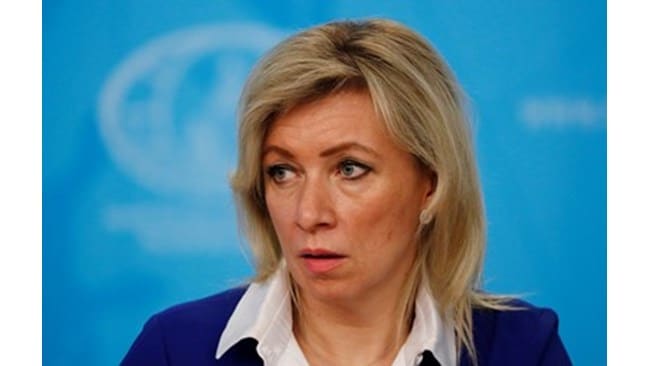
The Russian foreign ministry spokeswoman, Maria Zakharova, has uploaded a video, which she claims was shot on the way from Nice to the Italian border.

Bulgarian trucks bring food from Ukraine, wrote on her Facebook account Maria Zakharova

“This have just been sent by acquaintances. This is what the road from Nice to the Italian border looks like. Entire trucks. The column stretches for 40 kilometers. Latvian, Lithuanian, Bulgarian numbers. What do they bring? Food from Ukraine, first of all – grain. “They are convinced that this is necessary in Europe, not for the unfortunate fighters of the Ukrainian armed forces, who were betrayed by everyone. And now there will be nothing to eat,” Zakharova wrote.

However, it should not be forgotten that before the beginning of the Russian military offensive, 90% of grain and oilseed exports passed through Ukrainian Black Sea ports, and due to the Russian naval blockade, millions of tons of grain are waiting to be transported.

More than 25 million tons of Ukrainian wheat could not be exported due to the war. The UN has warned that this will cause a global grain crisis, because before the invasion of Russian troops, Ukraine was the fourth largest exporter of wheat in the world.

The European Union has promised to help Ukraine export grain, which could explain this column of trucks that was filmed. This was announced by the Vice President of the European Commission and High Representative of the EU for Foreign Affairs and Security Policy Josep Borrell at a briefing after the meeting of the EU Council at the level of EU Foreign Ministers in Brussels a few days ago.

The EU has proposed an action plan to help Kiev export its raw materials. the EU will send Ukrainian production by train rather than by ship, but this poses a technical problem: the difference in rail gauge. This poses a technical problem, however: the difference in rail gauges. goods must therefore be transshipped at the border to trucks or wagons that meet European standards, which slows down their transport.

Press freedom: the European Parliament in support of journalists

0
Press freedom: the European Parliament in support of journalists | News | European Parliament

Press freedom is under pressure in the EU and across the world. Find out how the European Parliament supports the work of journalists.

Journalism is facing more and more challenges, as new digital channels are exploited to spread disinformation in an increasingly divided world. While Europe remains the most secure continent for journalists and media freedom, there have been attacks and intimidation in some countries while Russia’s war against Ukraine makes things even worse.

On the occasion of the Press Freedom Day on 3 May, MEPs held a plenary debate in Strasbourg where they expressed concern about the increasing attacks on journalists and stressed that free press is essential for democracy to function.

Parliament President Roberta Metsola said in a short statement before the debate: “Journalists should never have to choose between uncovering the truth and staying alive. They should never be forced to spend years and savings to argue against vexatious law-suits… A strong democracy needs a strong press.”

The role of the European Parliament in protecting free press

The European Parliament has repeatedly advocated for press freedom and media pluralism in the EU and beyond.

In November 2021, Parliament adopted a resolution on strengthening media freedom and pluralism in the EU and called for new rules to protect journalists from being silenced. MEPs acknowledge that the new digital environment has exacerbated the problem of the spread of disinformation.

In another report adopted in March 2022, Parliament’s special committee on foreign interference in the EU urged the EU to create a common strategy to face foreign interference and disinformation campaigns and called for more support to independent media, fact checkers and researchers.

On 27 April 2022, the European Commission announced a proposal to tackle malicious litigation against journalists and activists and has committed to present a European Media Freedom Act in autumn.

Recently MEPs have also denounced the increasing repression of critical voices and attacks against journalists in Mexico, Poland and Russia.

On 3 May 2022, Parliament launched the second edition of the Daphne Caruana Galizia Prize for Journalism, in memory of the Maltese journalist killed in a bomb attack in 2017, to reward outstanding journalism reflecting EU values. In April, it announced a new scholarship scheme and training programmes for young journalists, expected to start by the end of the year.

Freedom of expression, media freedom and pluralism are enshrined in the EU Charter of Fundamental Rights, as well as in the European Convention on Human Rights.

The challenges for journalism in Europe

The situation in most EU countries is good, however in a resolution on media freedom in 2020 MEPs expressed concern about the state of public service media in some EU countries, stressing that media freedom, pluralism, independence and the safety of journalists are crucial components of the right to freedom of expression and information, and are essential to the democratic functioning of the EU.

However, there have been attacks on journalists across the EU. Greek journalist George Karaivaz was shot dead in Athens in April 2021 and Dutch investigative journalist Peter R. de Vries was killed in Amsterdam in July 2021.

The war in Ukraine has also been deadly for journalists. UN data from early May shows that seven journalists were killed since Russia’s invasion in Ukraine in February 2022.

Pope Francis praises the Russian head of the Old believers for his “attitude of peace”

0
Pope-Francis-with-Leonid-Sevastianov and Svetlana Kasyan
Pope Francis with Leonid Sevastianov and Svetlana Kasyan

On May 7, Russian head of the Worldwide Union of Old Believers (Old believers are Eastern Orthodox Christians who maintain the liturgical and ritual practices of the Russian Orthodox Church as they were before the reforms of Patriarch Nikon of Moscow between 1652 and 1666) Leonid Sevastianov received a personal handwritten letter from Pope Francis.

The letter was addressed also to Svetlana Kasyan, a famous Russian opera singer and Leonid’s wife. The Pope thanked them for their “attitude of peace” adding “we Christians must be ambassadors of peace, carrying out peace, preaching peace, living in peace.”

Pope Francis to Leonid Sevastianov Pope Francis praises the Russian head of the Old believers for his "attitude of peace"
Letter from Pope Francis to Leonid Sebastianov

The two religious leaders Leonid and Francis know each other well, and it’s pretty obvious that the latter finds a more friendly ear with the first than with Patriarch of Moscow Kirill, in these times of war. Kirill has been using his position to help Kremlin’s propaganda justifying the war in Ukraine, whilst Leonid Sevastianov, still living in Moscow, has bravely voiced his opinion that Kirill was seriously erring, and that war was at least questionable: “We do not know why this war: for what reasons? For what objectives?” he said, not avoiding the term despite the Russian law forbidding the use of the word “war” when speaking about Ukraine invasion by Russian troops. And as regards Kirill: “Logic would have it that Easter be a moment of humanity, and not of politics. But Kirill’s statements indicate otherwise. And they denote heresy.”

Those are strong statements that echo those of Francis in Corriere della Sera after he spoke to Kirill: “The patriarch cannot transform himself into Putin’s altar boy.”

Francis is also a big fan of Svetlana Kasyan, and recently she released her first solo album which she called “Fratelli Tutti”, in homage to the Pope’s encyclique published a year before. The title and the concept of the album, heading for universal peace amongst people of any country and any faith, was kind of prophetic: there is more than ever a need for more understanding, more love, more brotherhood. That is also the message of Sevastianov, a message that he would love to get across to the political leaders of the country he lives in.

These last months, Kirill has been disavowed by hundreds of Orthodox leaders and priests all around the world, but also in Russia, despite the risk that anyone criticizing the war and its defenders takes. In the future, when this will be over, it might happen that the Russian Orthodox Church entirely loses its power even in Russia, and who knows who will be able to gain spiritual leadership then. In fact, it might be anyone but the current leadership of the Russian Orthodox Church, which has already too much compromised itself into politics and warmongering.

Social Climate Fund to help those most affected by energy and mobility poverty

0
by Zhu Hongzhi - Unsplash

Parliament committees back setting up a new fund to help vulnerable citizens cope with the increased costs of the energy transition.

The committees on the Environment, Public Health and Food Safety (ENVI) and on Employment and Social Affairs (EMPL) adopted today, with 107 votes in favour, 16 against and 15 abstentions, their position on the Commission proposal to establish a Social Climate Fund. The new fund will benefit households, micro-enterprises and transport users that are vulnerable and particularly affected by the impact of the transition towards climate neutrality.

Addressing energy and mobility poverty

EU member states will be required to submit “Social Climate Plans”, after consulting with local and regional authorities, economic and social partners as well as civil society. The plans should contain a coherent set of measures to address energy and mobility poverty.

Firstly, temporary direct income support measures would be funded (such as a reduction in energy taxes and fees) to tackle the increase in road transport and heating fuel prices. According to MEPs, such support would be limited to a maximum of 40% of the total estimated cost of each national plan for the period 2024-2027, and would be phased out by the end of 2032.

Secondly, the fund would cover investments in buildings renovation, renewable energy and a shift from private to public transport, car-pooling and car-sharing and using active modes of transport to get around, such as cycling. Measures may include fiscal incentives, vouchers, subsidies or zero-interest loans.

The report introduces a number of improvements to the Commission proposal, among which:

– a definition of “mobility poverty”, referring to households that have high transport costs or limited access to affordable public or alternative modes of transport required to meet essential socio-economic needs;

– specific focus in the plans on socio-economic challenges facing islands and the outermost regions;

– a reminder that the member states must respect fundamental rights, including the rule of law, in order to benefit from EU funds.

Quotes

Co-rapporteur Esther de LANGE (EPP, NL) said: “The energy transition should not become a transition for the ‘happy few’. That’s why we have ensured that the money from the fund actually reaches people who need the most support in the transition. Measures include, for instance, vouchers for the vulnerable to insulate their homes and developing a second-hand electric car market.”

Co-rapporteur David CASA (EPP, MT) said: “The Social Climate Fund is the EU’s answer to the challenge of making the green transition towards climate neutrality a social one. This fund will invest billions in energy efficiency for households and micro-enterprises, which will reduce energy demand and soften the impact of climate measures. All this makes it an essential component of securing European climate neutrality by 2050.”

Next steps

The proposal is scheduled to be adopted during Parliament’s plenary session in June, before negotiations with member states can begin.

Background

The Social Climate Fund is part of the “Fit for 55 in 2030 package”, which is the EU’s plan to reduce greenhouse gas emissions by at least 55% by 2030 compared to 1990 levels in line with the European Climate Law.

The European Commission has proposed a plan to rebuild Ukraine

0

The European Commission has proposed the creation of a “Platform for the Recovery of Ukraine”, to be led jointly by the EU and the Ukrainian authorities

“The International Coordination Platform, the Platform for Reconstruction of Ukraine, co-chaired by the European Commission representing the EU and the Government of Ukraine, will act as a comprehensive strategic governing body responsible for approving the recovery plan prepared and implemented by Ukraine, supported by administrative capacity. and EU technical assistance, “the statement said. The platform “will bring together supporting partners and organizations, including EU Member States, other bilateral and multilateral partners and international financial institutions”. “The Ukrainian Parliament and the European Parliament will participate as observers,” the EC added.

“The RebuildUkraine plan, approved by the platform based on a needs assessment, will become the basis for the EU and other partners in identifying priority areas selected for funding and specific projects. The platform will coordinate the sources of funding and their distribution to optimize their use, as well as monitor the progress of the plan, “explained the EC. Earlier, the proposal to create a plan and platform for the reconstruction of Ukraine was announced by the head of the European Commission Ursula von der Leyen. It must now be approved by the European Parliament and the Council of the EU.

The European Commission has decided to allocate 248 million euros to the 5 EU member states that have received the largest number of refugees from Ukraine. The funds will be used to support refugees and border control. This is stated in a statement of the EC. Poland, Romania, Hungary, Slovakia and the Czech Republic will receive emergency aid from European funds. Member States can use these funds to provide immediate assistance, such as food, transport and temporary housing, to people fleeing the Russian invasion of Ukraine, as well as to improve their ability to manage the EU’s external borders.

“Civil society organizations and local and regional authorities also play a key role in offering assistance, and as such Member States will need to ensure that this urgent funding also reaches them,” the statement said.

Serbian Patriarch Porphyry: God looked at us and had mercy on us

0

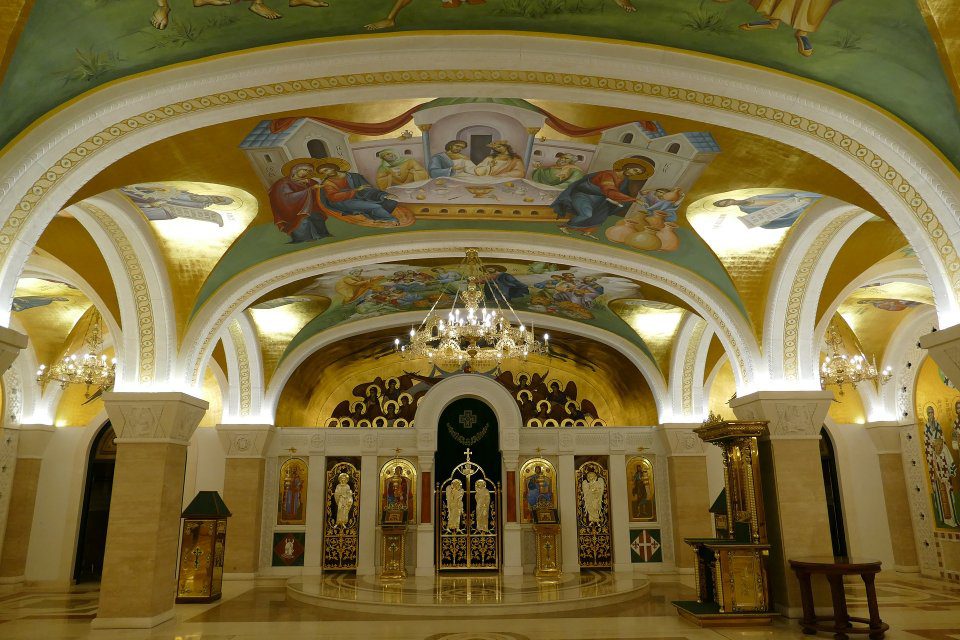
Archbishop Stefan and Patriarch Porphyry, together with bishops of the Macedonian Orthodox Church – the Ohrid Archbishopric and the Serbian Orthodox Church, celebrated a liturgy of reconciliation today at the St. Sava Church in Belgrade.

In his address, Archbishop Stefan thanked the Serbian Orthodox Church for accepting the decision of the Ecumenical Patriarchate.

We thank God for fulfilling the time and today we found a fraternal understanding with His Holiness Serbian Patriarch Porphyry and members of the Council of Bishops of the Serbian Orthodox Church, which only a few days after learning the decision of the Synod of the Ecumenical Patriarchate, led by Patriarch decided in the same spirit to restore the Eucharistic and canonical unity of our local churches, “said Archbishop Stefan.

“Heaven and earth rejoice, saints rejoice, Saint Sava and his heirs rejoice. Today we have gathered in this covenant temple of the Serbian people, dedicated to Saint Sava, to know this day, which God created, to rejoice and rejoice in it. The Church is one because God is One and is the Head of the Church. We build unity and maintain order in the Church. Brothers and sisters, communion in unity is sacred, and we should not be surprised that it is opposed by the forces of this world who are against God and do not want Christ. Christ is the mirror; in Him we can see who we are and what we are. Demonic forces are against unity, they need polarization and division… Therefore, regardless of their goals, our goal is to fulfill the call of Christ and be one. We had a schism that lasted 55 years, with our brothers from Macedonia. This wound was deep and painful. We thought about this wound, got up and went to bed, and longed for it to heal. The wound is healed now, and it is a gift from God. Brother hierarchs, our joy is immeasurable. It is the joy of God’s love that we are one in Christ and in the church.

Brothers and sisters from Serbia and Macedonia, today the hearts of our peoples were beating for all of us and with us.

It beats in the rhythm of Christ. God has looked at us and has mercy on us! ”Concluded Patriarch Porphyry.

Source: https://religija.mk

Photo: St. Sava Cathedral Church, Belgrade.

Kovachevski denied that his wife was Bulgarian

0

Elena Kovachevska has a certificate of Bulgarian origin

“I don’t know why my wife’s background is so interesting. But since it is so important, her father was born in Kumanovo, my wife’s grandfather is from Kriva Palanka, my wife was born in Kriva Palanka, and I was born in Kumanovo. ” This was stated by the Prime Minister of RN Macedonia Dimitar Kovachevski on Thursday on the occasion of widespread information in Bulgarian and Macedonian media that his wife is of Bulgarian origin.

In support of the statement is a copy of a certificate of Bulgarian origin issued by the Agency for Bulgarians Abroad in the name of Elena Mitko Kovachevska, born in 1978 in the town of Kumanovo, BGNES reported.

“Our children were born in Skopje and we all have personal documents of the Republic of Northern Macedonia,” Kovachevski said when asked by a journalist whether the information that his wife was Bulgarian was true.

The Prime Minister clarified that he could not comment on details about the ancestors of the family, as “talking about great-grandparents has never been a topic of our conversations.”

According to the contents of the certificate of Bulgarian origin, Elena Kovachevska’s grandfather, Stanojko Stanojkovski, is a Bulgarian from Bosilegrad, and a document issued by the Serbian authorities at the time states that his parents were Bulgarians.

The Prime Minister of the Republic of Northern Macedonia, Dimitar Kovachevski, told the media that his wife was of Bulgarian origin, that she, her father and grandfather were born in Macedonia, and could not speak or comment on what her great-grandparents were. Macedonian media reported.

“I don’t know why the origin of my wife’s relatives would be interesting, but if such a question arises – my wife’s father was born in Kumanovo, she was born in Kriva Palanka, I was born in Kumanovo. Our children were born in Skopje and all we have personal documents of the Republic of Northern Macedonia “, said Kovachevski in response to a question whether the information that his wife is Bulgarian is true. Speaking about his wife’s ancestors, Kovachevski said he could not comment, as this has never been a topic of conversation.

Mickoski: If the government agrees to Bulgaria’s demands, it is a capitulation

The leader of VMRO-DPMNE in the Republic of Northern Macedonia, Hristian Mickoski, described the hypothesis that the government of the country would agree to include in the negotiating framework the commitments made by the Republic of Northern Macedonia regarding Bulgaria and legally binding guarantees. was part of talks between Bulgarian President Rumen Radev and his French counterpart, Emmanuel Macron.

“Let’s be more precise. Radev insists that everything that Sofia wants on the basis of the declaration of the Bulgarian Parliament from November 2019 to be included in the negotiating framework, most likely in Chapter 35. This is what Radev wants and says. “Demands have not been met, he will not allow the first intergovernmental conference to take place, ie he cannot allow negotiations to begin. That is the essence,” Mickoski said. He added that if such a request entered the negotiating framework, it would mean a complete surrender.

“Either assimilation and a European future, or we will never have a European future,” Mickoski said.

This is the choice, we do not have a third option. Inclusion (under these conditions) in the negotiating framework means, I repeat, assimilation and Bulgarianization. Now that it is clear through the Ohrid Archbishopric that we have a centuries-old difference with the Bulgarian and other Balkan nations. there is a vote in parliament and a two-thirds majority is needed, we at VMRO-DPMNE will not even consider adopting it, “Mickoski said.

He also commented on Emmanuel Macron’s proposal for a political European community, saying the Republic of Northern Macedonia’s place was not in the “second league” because, as a candidate, it has done things no one else has done.

“Unfortunately, our place at the negotiating table was hampered first by our southern neighbor, with this stupid name request and we’ve been stuck in one place for decades. Now we have an even stupider request from our eastern neighbor,” Mickoski said. Recalling that the Association Agreement was signed in 2000 and that the children born at that time are now adults, voting and all the time “just listening for a European future”.

“I think that Europe must remain principled in its promises and, at least for (Northern Republic), not apply double standards. It must immediately, with serious pressure on Sofia (Northern Republic) Macedonia, start negotiations without any concessions, without any concessions. “That is what I expect, and so do my students and the people of this peaceful, pro-European country in the heart of the Balkans,” Mickoski said during a visit to Skopje’s Aerodrom municipality.

Yesterday, French President Emmanuel Macron held telephone talks with the Prime Minister of the Republic of Northern Macedonia, Dimitar Kovachevski, and with Bulgarian President Rumen Radev. According to the press release of Rumen Radev, in this conversation he pointed out that Bulgaria and the Republic of Northern Macedonia have agreed to prepare a roadmap outlining short-term and long-term goals, the implementation of which will advance the process of European integration for our southwestern Bulgaria. neighbor, but there are still no results in this direction, and also that our country expects legally binding guarantees to be included in the negotiating framework for the Republic of Northern Macedonia, and thus to ensure the implementation of the commitments made by the Republic of Northern Macedonia.

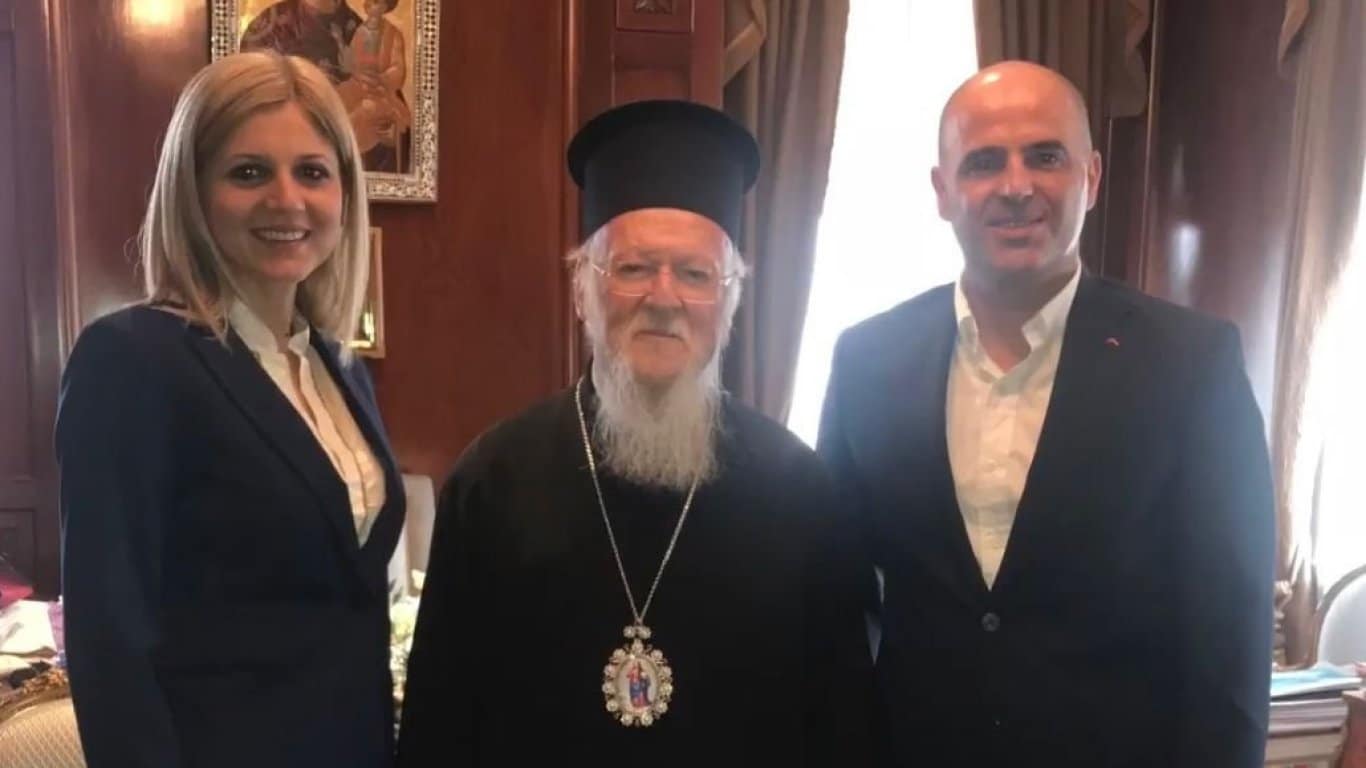
Photo: Fam. Kovachevski with His All Holiness the Ecumenical Patriarch Bartholomew I, Constantinople.

Putting Women at the Forefront to Combat Crime and Protect Rights  

0
Putting Women at the Forefront to Combat Crime and Protect Rights  

Vienna (Austria), 19 May 2022 – Human trafficking and migrant smuggling are global crimes that can affect all genders and ages. 

However, women and girls consistently account for the majority of detected trafficking victims, primarily for sexual exploitation, and females who are smuggled over borders are more exposed to sexual violence and rape than male migrants.  

But despite the gender implications, the authorities that deal with these crimes, including immigration services, law enforcement and the justice sector remain heavily dominated by men.  

“Women are too often left out of criminal justice responses, and as a result, women victims may not receive the support they need,” said the Executive Director of the United Nations Office on Drugs and Crime (UNODC), Ghada Waly. 

Ms Waly was speaking at an event on the “Role and Voice of Women in Countering Human Trafficking and Migrant Smuggling in Asia and the Middle East”, organized by UNODC’s Global Action against Trafficking in Persons and the Smuggling of Migrants (GLO.ACT) during this week’s Commission on Crime Prevention and Criminal Justice (CCPCJ). 

“Advancing women’s representation and promoting gender-responsive criminal justice are priorities across the work of UNODC, to improve women’s access to justice and support to victims, and to strengthen the quality of justice for all,” said Ghada Waly. 

During the online event the panellists discussed the importance of including women in efforts to counter human trafficking and migrant smuggling and actions taken in their countries to address this. 

Justice Ayesha Malik, the first female ever to be elevated to the Supreme court in Pakistan, said “this is a system made by men for men”.  

She added: “Women Judges have a role to play in rethinking the system, the processes, and the policies to make them gender responsive.”  

During her judicial career, Justice Malik has developed courses on gender sensitization of court proceedings, training sessions on gender-based violence cases, and initiated the first Punjab Women Judges Conference. 

“Women Judges can help build a new narrative, one that does not discriminate, does not slot women into roles and is sensitive to the gender perspective,” explained Justice Malik.  

“In cases of gender-based violence, it is imperative that judges understand and are sensitive to the gender perspective. The tendency to focus on the victim and not the accused, to focus on what she was doing and not on what he did has to change.” 

Diane Schmitt, the European Union’s Anti-Trafficking Coordinator said EU data shows that human trafficking “disproportionately affects women”.

“Over the past ten years, 75 percent all victims registered in the European Union were women and girls. In some Member States, the percentage reached 92.” 

“Trafficking in human beings, especially for the purpose of sexual exploitation, is rooted in gender inequalities. In order to win our fight against trafficking, it is fundamental to address its gender-related root causes and the gender dimension of this crime,” said Ms. Schmitt. 

“Women have and should have a key role to play at the policy and operational level, and it is also crucial to have more women first responders, as they play a vital role in identifying, protecting and supporting victims,” she added.  

In 2020, to address the gender imbalance within institutions that respond to the crimes of human trafficking and migrant smuggling, GLO.ACT launched The Women’s Network of Gender Champions to overcome barriers that prevent the inclusion of women in leading roles. 

The Network, which comprises of male and female gender champions from Pakistan, Islamic Republic of Iran, Iraq and Afghanistan, strengthens the skills of female professionals who deal with cases of human trafficking and migrant smuggling through specialized training, mentoring and coaching activities. 

Ibtisam Aziz, the Director General of the Protocol Department of the Prime Minister of Iraq and the current Chair of the GLO.ACT Women’s Network said the Network is becoming a “vehicle of change”. 

“We cannot underestimate the importance of male allies. The presence and contribution of influential male supporters strengthen the Network and those it seeks to benefit,” added  Dr. Ibtisam. 

In Iraq, the Network helped to ensure the inclusion of female judges in the drafting of a guidance note on victim protection and trained a first cohort of female investigators in the Kurdistan Region with a focus on human trafficking and migrant smuggling.

In Pakistan, where women currently account for less than two percent of the police service, 25 female investigators are being coached. Improvements in the quality of investigations and victim assistance have already been recorded. 

Guest speakers at the event, which attracted an online audience of over 120, included Elham Aziznasiri, from the International Affairs Office at the Vice Presidency for Women and Family Affairs of the Islamic Republic of Iran. Nadia Murad, UNODC Goodwill Ambassador for the Dignity of Survivors of Human Trafficking, shared a video address.

Further information

The Global Action against Trafficking in Persons and the Smuggling of Migrants (GLO.ACT) is a joint initiative by the European Union (EU) and UNODC being implemented in partnership with the International Organization for Migration (IOM) in four countries: Islamic Republic of Afghanistan, Islamic Republic of Iran, Republic of Iraq and Islamic Republic of Pakistan. This project is funded by the European Union.