Thursday, March 26, 2026
Home Blog Page 918

Animals in Danger: UNODC launches children’s book

0

Animals in Danger: UNODC launches children’s book raising awareness of crimes that affect the environment with two launch events in Vienna

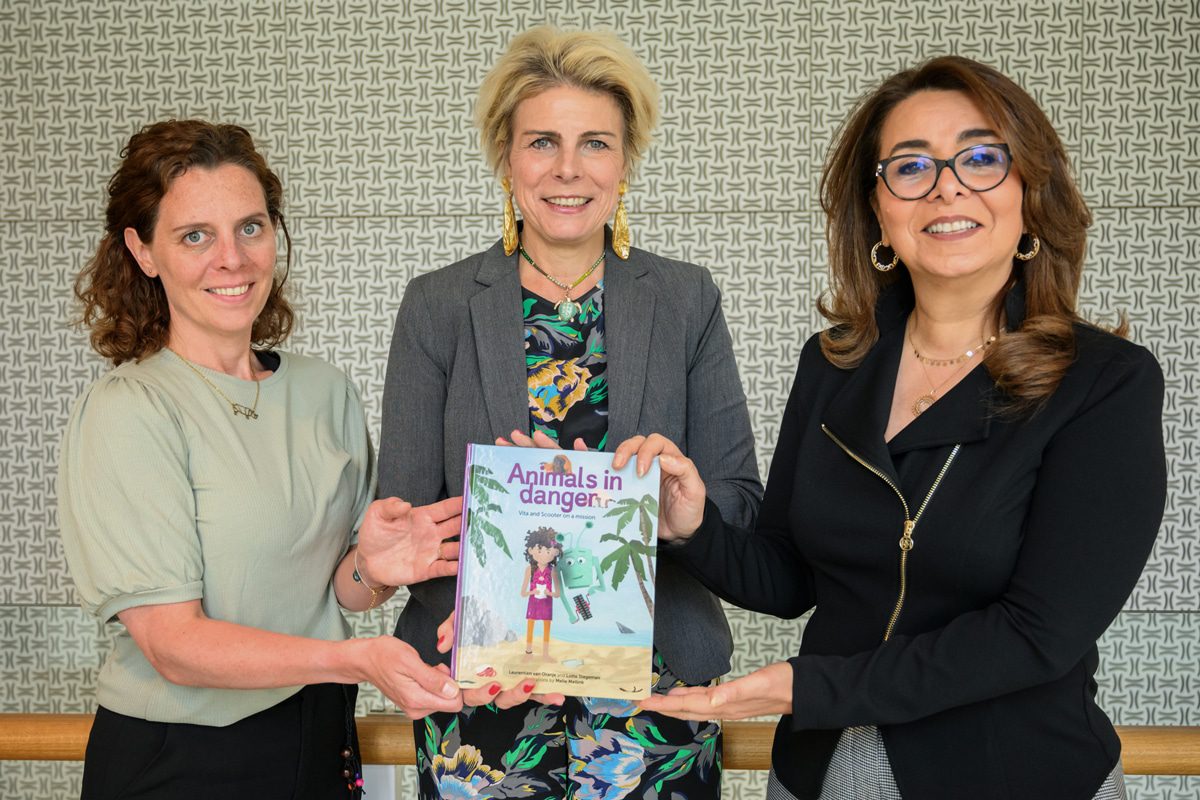
Vienna (Austria), 16 May 2022 – Vita, a young girl shipwrecked on an island, and Scooter, the UNODC fictional character from the planet Zorb whose special skill is teamwork, respond to messages for help from endangered animals around the world in a new children’s book entitled Animals in Danger: Vita and Scooter on a mission.

The book touches on issues of wildlife crime, climate change and plastic pollution, and its characters tell the story of how we can work together to prevent and address crimes that affect the environment. Animals in Danger also includes a set of exercises and guiding questions to help children feel empowered to act to address these challenges with ethics and integrity.

Animals in Danger was co-authored by HRH Princess Laurentien of the Netherlands and Ms. Lotte Stegeman, also a Dutch national. Both women are children’s book writers, with HRH Princess Laurentien known for the popular “Mr. Finney” series. Princess Laurentien is also an active campaigner against illiteracy, and for sustainability and nature conservation, in her roles as Special Envoy on Literacy for Development for the United Nations Educational, Scientific and Cultural Organization (UNESCO) and president of international conservation organization Fauna and Flora International. Stegeman has been working as a strategist with Princess Laurentien on various projects regarding wildlife conservation and education for years.

Launched today, the book was formally presented at the United Nations Convention on Crime Prevention and Criminal Justice (CCPCJ), which opened today with events in-person in Vienna and online. Following the launch, at an event held in collaboration with Vienna’s Natural History Museum, Princess Laurentien and Ms. Stegeman gave a reading of parts of the book, and children aged 8-11 were given opportunities to draw endangered animals and see their work reflected in a museum display, test seized wildlife products for fingerprints, compare wildlife products to their sources, and share ideas of what they can do to prevent wildlife crime.

c book 1200x800px jpg Animals in Danger: UNODC launches children’s book
© Illustration by Melle Mellink

Princess Laurentien and Ms. Stegeman noted their delight that UNODC acknowledges the importance of reaching out to children as potential changemakers. “Children’s love for wildlife often comes naturally; with this book, we aim to help children further activate their moral compass and encourage (intergenerational) dialogue on action on the urgent topic of wildlife crime,” they said.

For the United Nations Office on Drugs and Crime (UNODC), the launch of Animals in Danger is a joint initiative of experts working on, respectively, crimes that affect the environment and climate, and education for anti-corruption and youth empowerment. Core elements of UNODC’s mandate are addressed, in organized crime and corruption, and the ‘Zorbs’ brand has been built upon to introduce children to actions they can take to help to protect our global commons.

Addressing participants at the launch event at the CCPCJ, UNODC Executive Director Ms. Ghada Waly commented: “The launch of this book directly ties in with UNODC’s vision of reaching out to non-traditional stakeholders in environmental crime and criminal justice, in an innovative and forward-thinking manner. Animals in Danger educates and empowers children to prevent and address crimes that affect the environment. It harnesses a culture of learning and innovation, in order to prepare future decision makers to ethically meet the challenges they are inheriting,” she added.

Animals in Danger is now available online in Dutch, English, French, Mongolian, Portuguese and Spanish, with a version in Arabic forthcoming.

Churches are invited to commemorate refugees who died at the European borders

0
Churches are invited to commemorate refugees who died at the European borders

Press Release No:10/22
16 May 2022
Brussels

In anticipation of the World Refugee Day on 20 June 2022, the Conference of European Churches (CEC) together with the Churches’ Commission for Migrants in Europe (CCME) is inviting churches to commemorate thousands of migrants and refugees, who lost their lives in the Mediterranean, as well as other borders in and around Europe, seeking safety.

In their joint appeal, CEC and CCME encourage churches to hold dedicated services, prayers and vigils on 19 June, continuing with tradition from past years.

“In this period of Ascension and Pentecost, filled with hope and light intended for all humankind, we are deeply saddened that suffering, hopelessness, and death continues for thousands of our brothers and sister on the outer borders of the European Union and wider Europe,” reads a joint letter to the European churches from CEC General Secretary Dr Jørgen Skov Sørensen and CCME General Secretary Dr Torsten Moritz.

“Our appeal is made in times when the war in Ukraine rages on,” they say, emphasising that “our prayers and actions for the refugees consequently become more significant than ever.” 

“As churches and Christians, our calling is to be witnesses and servants of the Resurrection, as well as new life in justice and peace for all, regardless of ethnicity, nationality, or religion. We know that we are part of a global fellowship of Christians in remembering together those affected in their respective regions, and in reflecting on the causes of their displacement,” reads the letter.

CCME has published special resource materials on its website, which can be used for worship or intercessions during a service, available in English and German.

Read full letter: Call to commemorate refugees who lost their lives in the Mediterranean

Download CCME resources materials

For more information or an interview, please contact:

Naveen Qayyum
Communication Officer
Conference of European Churches
Rue Joseph II, 174 B-1000 Brussels
Tel. +32 486 75 82 36
E-mail: naveen@cec-kek.be
Website: www.ceceurope.org
Facebook: www.facebook.com/ceceurope
Twitter: @ceceurope
YouTube: Conference of European Churches
Subscribe to CEC news

The capacity of renewable energy sources worldwide is expected to increase by more than 8 percent in 2022

0

Renewable energy costs are high, but their competitiveness is improving due to the sharp rise in gas and coal prices

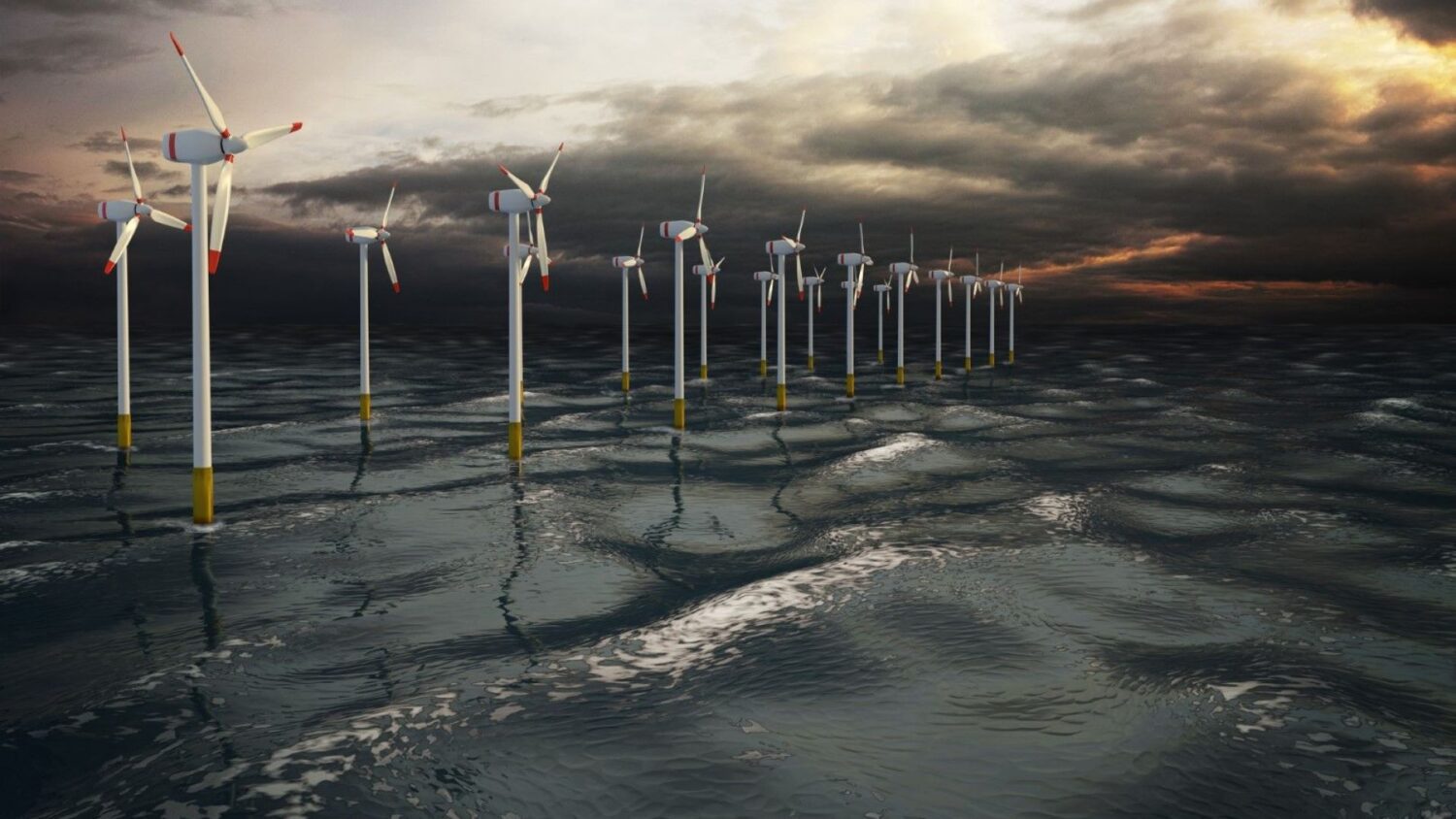
The capacity of renewable sources (RES) is expected to increase further by more than 8 percent in 2022, reaching almost 320 gigawatts (GW). This is stated by experts from the International Energy Agency (IEA) in its updated report – Renewable Energy Market Update – May 2022, BTA reported.

Demand for biofuels recovered in 2021 after low levels due to KOVID-19 in 2020 and is currently close to 2019. IAEA experts expect growth to increase by 5 percent on an annual basis in 2022. and 3 percent in 2023. On the other hand, rising commodity prices and many countries’ policies are slowing growth in the short term, leading to a 20 percent drop in the IAEA’s previous forecast for rising demand for biofuels. Russia’s invasion of Ukraine is also putting pressure on the already high price of raw materials for biofuels, especially vegetable oils.

The current global energy crisis calls for an acceleration of the transition to clean energy and reiterates the key role of renewable energy, the IEA said. The updated forecast states that wind and solar energy have the potential to reduce the European Union’s energy sector’s dependence on Russian natural gas by 2023.

Renewable energy set a new record in 2021, rising 6 percent to almost 295 gigawatts (GW), despite continuing supply chain challenges caused by the pandemic, construction delays and record commodity prices. The costs of solar photovoltaic and wind energy are expected to remain higher in 2022 and 2023 compared to pre-pandemic levels due to higher commodity prices, experts say. However, their competitiveness is improving due to the sharper rise in gas and coal prices.

While the growing market uncertainty is increasing the challenges, the new focus on energy security – especially in the European Union – is also giving an unprecedented political impetus to accelerate energy efficiency and renewable energy sources. Ultimately, the forecast for renewable markets for 2023 and beyond will depend on whether new and stronger policies are introduced and implemented over the next six months, IAEA experts conclude.

Historical deal: Moscow “bought” Renault for 1 ruble

0

Russia’s Ministry of Industry and Trade has announced that Russian assets of the French carmaker Renault are becoming state-owned, Russian news agencies reported.

AvtoVAZ will now carry out service maintenance of Renault cars in Russia, and will also continue to produce the entire Lada model range and cars under the historic Moskvich brand in its plants. Moscow Mayor Sergei Sobyanin announced this on his personal blog.

The foreign owner has decided to close the Renault plant in Moscow, which is his right, but we cannot allow thousands of workers to lose their jobs. the historic Moskvich brand, the mayor wrote.

He added that they would try to keep most of the staff directly employed at the plant and related workers.

The Russian assets of the French car company Renault have become state property, and announced the Ministry of Industry and Trade of Russia. Renault’s plant in Moscow passes into the balance of the Moscow government. 67.69% of the shares of AvtoVAZ are given to the Automobile Research Institute, and the rest of the assets remain in Rostech.

“Nationalization of Renault’s share will ensure the management of AvtoVAZ and the company’s ability to operate under sanctions. This will preserve key competencies, the production cycle and jobs,” said Industry and Trade Minister Denis Manturov.

Sanctions block Belarus’ exports by $ 16-18 billion

0

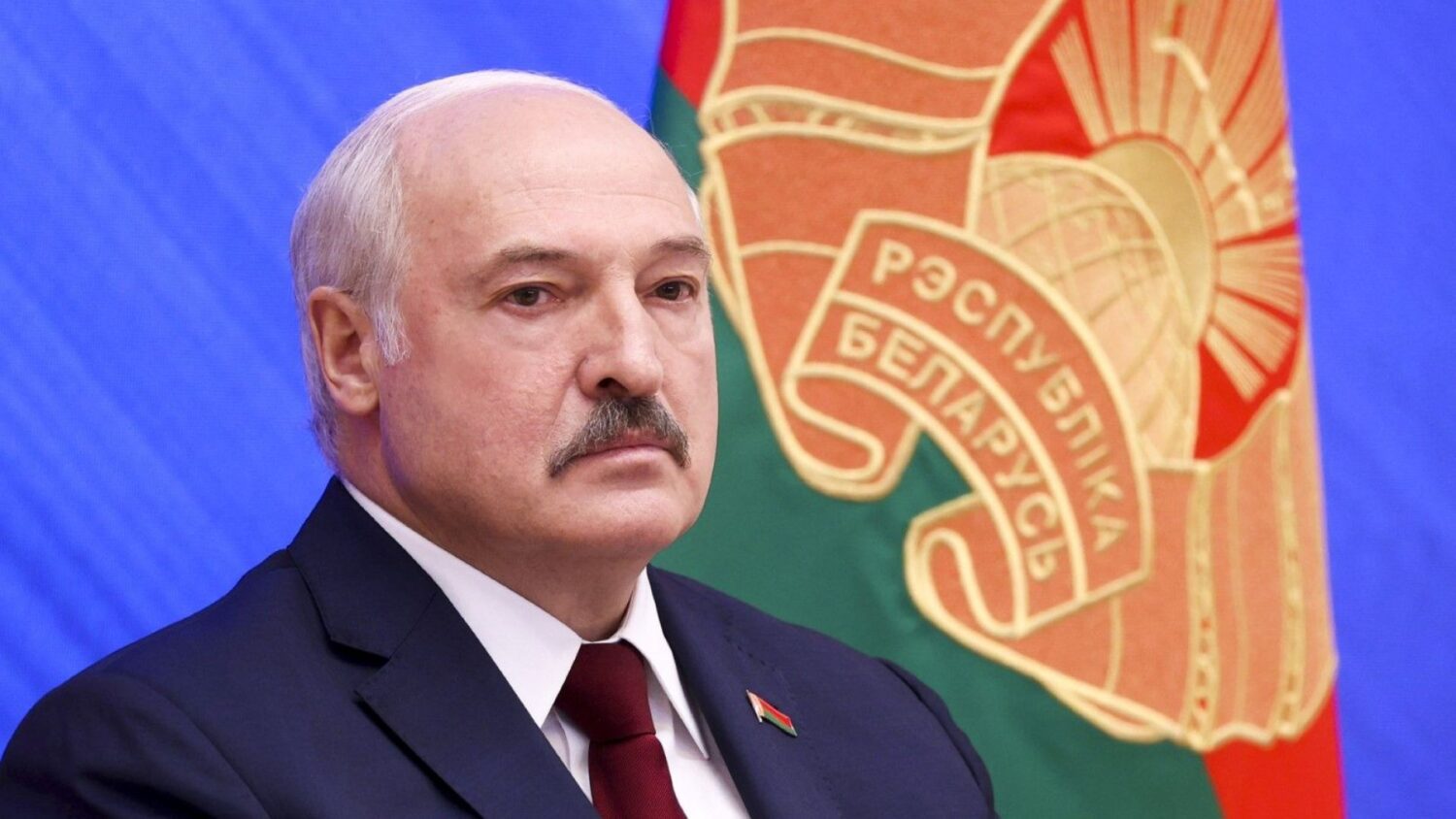
President Lukashenko believes his country has been unfairly labeled an “accomplice to the aggressor”.

Sanctions imposed on Belarus have blocked $ 16-18 billion worth of annual exports to Western countries, Belarusian Prime Minister Roman Golovchenko was quoted as saying by the Belarusian Telegraph Agency (BelTA) late last night.

“Sanctions have blocked almost all of Belarus’ exports to the European Union and North America,” Golovchenko said, according to a transcript of an interview with Dubai-based Al Arabiya television, published by the Belarusian state news agency BelTA.

President Alexander Lukashenko has urged Belarus to take part in talks to resolve the conflict in Ukraine, while also saying that Belarus has been unfairly labeled an “accomplice to the aggressor”.

Belarus was also severely sanctioned last year after the forced landing of a Ryanair plane flying between Athens and Vilnius, and the subsequent arrest following the landing of a dissident journalist and his girlfriend on board.

However, what will affect the regime the most and Lukashenko. The recipe for this was given by the Kremlin-rejected former oil tycoon and critic of the Moscow government, Mikhail Khodorkovsky. He said European countries must punish Lukashenko by sanctioning oil and potash (potassium carbonate) producers.

“The dictator must be hit where it hurts the most: his wallet,” Khodorkovsky advised.

“European countries must join US sanctions against Belneftekhim and sanction Belaruskali,” Khodorkovsky said.

Belneftekhim is the state oil company of Belarus. Belaruskali is one of the largest producers of potash in the world. There are no substitutes for potassium as a leading nutrient for plants and as a basic nutritional requirement for animals and humans, experts say.

Belaruskali AD is one of the world’s largest producers and exporters of potassium fertilizers. According to the International Fertilizer Association, the company ranks fifth in world potassium production. “Our products meet the highest requirements and have won the highest international awards. These facts allow the company to compete successfully with other manufacturers and export our product to more than 120 countries,” said the presentation of the corporate Internet. page. In 2018, the company celebrated its 60th anniversary.

In the same year – on August 24, 2018, the construction of a new plant for the production of potassium nitrate (potassium nitrate) began. The new products will be manufactured using Canadian technology from Migao Corporation (a registered and listed corporation in Canada but headquartered in China) through the conversion of ammonium nitrate and potassium chloride, and will be sold in the EU, Russia , Turkey and supplied to the domestic market.

The Belarusian state concern for oil and chemistry Belnoftekhim is one of the largest industrial complexes in Belarus. Its companies carry out a full cycle of activities related to the exploration and production of crude oil, its transportation, refining and sales of petroleum products.

The company points out that Belarusian refineries are characterized by a high technological level of refining efficiency and quality of petroleum products that meet international standards.

From there the petrochemical industry of Belarus produces:

– mineral fertilizers (nitrogen and NPK – Nitrogen (N), Phosphorus (P), and Potassium (K);

– over 300 types and sizes of tires, and as a quantity of more than 5 million per year for cars, trucks and trucks, buses, trolleybuses, road construction vehicles, tractors and agricultural machinery;

– polyester fibers and yarns;

– low density polyethylene, as well as a wide range of acrylic fibers;

– glass fibers and products thereof;

– nylon fibers, cord fabrics, as well as raw nylon-6 and composite materials based on it;

– biodiesel fuel;

– paints, varnishes and other products.

It is emphasized that all Belneftekhim organizations work in accordance with the system of international quality standards of the ISO 9000 series. In terms of quality and environmental friendliness of motor fuels, the Republic of Belarus is a leader among the CIS countries.

Artelys report: European investment in clean energy is the best way to phase out Russian gas

0

The risks of investing in liquefied gas terminals are related to prices, high emissions and locks in major infrastructure projects for decades to come

Additional European investments in clean energy provide the best way to ensure full security of supply for the phasing out of Russian gas, according to the latest report by analyst firm Artelys.

The report examines two scenarios related to the supply of liquefied natural gas through LNG terminals and the use of energy efficiency and renewable energy to end Russian dependence. Both scenarios rely to some extent on the supply of liquefied natural gas as part of the decision to phase out Russian gas.

However, liquefied natural gas supply volumes are twice as high for gas solutions as for clean energy solutions, leading to significant dependence on global LNG markets and price volatility.

When exposed to a 50% increase in gas prices, the European energy system faces a € 30 billion increase in supply costs for liquefied gas decisions and € 15 billion for clean energy decisions. The average European price for the supply of liquefied natural gas increases by 25% for gas solutions (respectively 16% for clean energy solutions), according to the Artelys report.

The analysis assesses the complete cessation of Russian gas supplies by 2025 (set out in the REPowerEU plan) as part of the European Union’s Fit for 55 policy. It gives an idea of ​​what additional investments will need to be made over the next three years to ensure security of supply in Europe for both gas and electricity.

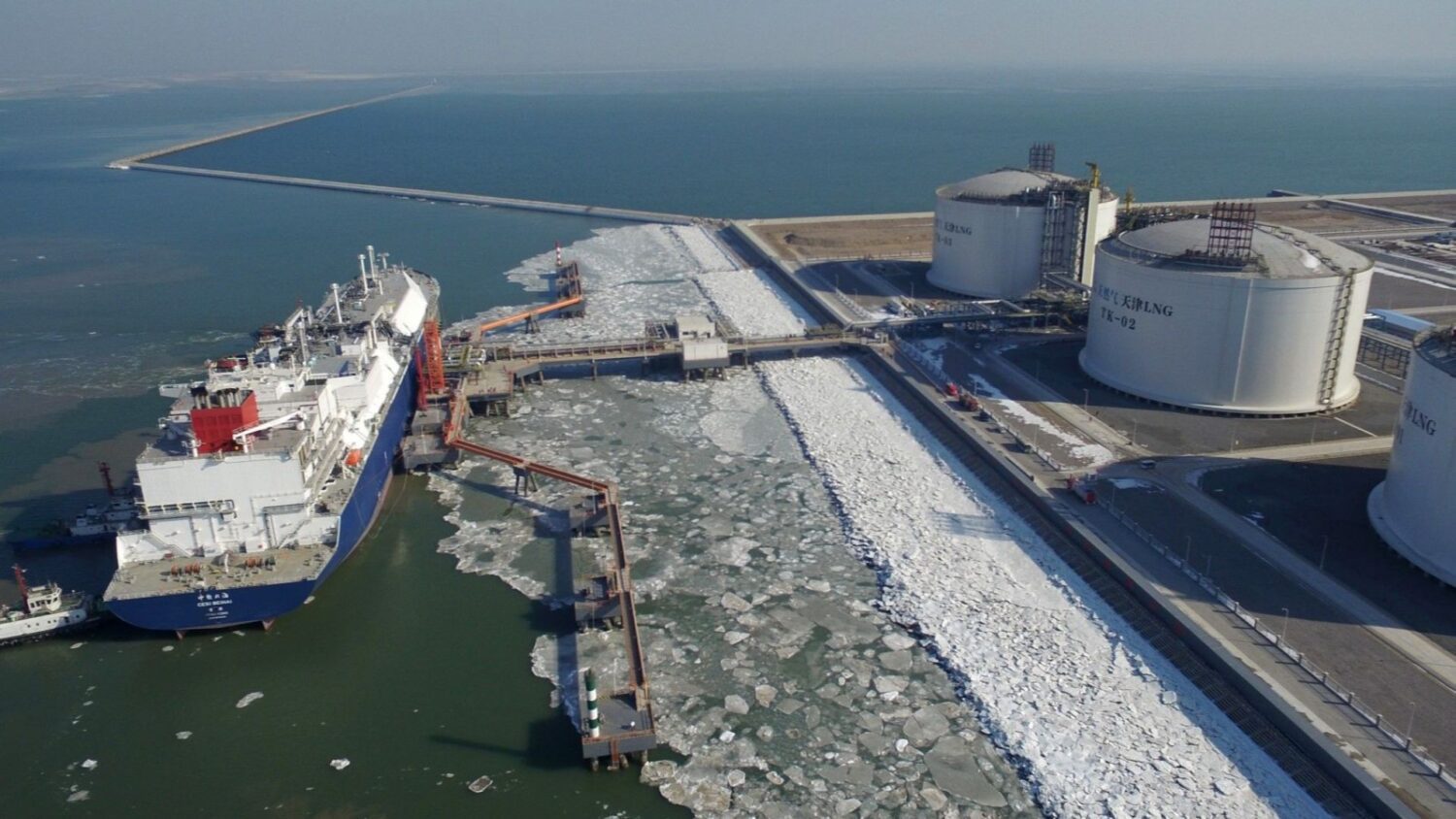
LNG supplies are seen as a viable alternative to natural gas imports from Russia. In addition to increasing the use of existing LNG terminals, the idea of ​​building additional regasification capacity in Europe is gaining momentum.

The United States and the European Union have announced the creation of a working group to reduce Europe’s dependence on Russian gas. As a result, the US will increase the volume of liquefied natural gas exports to the EU (+15 billion cubic meters in 2022, +50 billion m3 / year by 2030), and the EU will work to accelerate regulatory procedures for the approval of liquefied natural gas import infrastructure.

And several member states have announced their ambition to invest in new liquefied natural gas terminals and pipelines as a way to ensure security of gas supply in the event of a complete shutdown of Russian gas.

In particular, countries such as Germany, France, Italy, Greece, Poland, Estonia and the Netherlands have set out plans to invest in floating and stationary liquefied natural gas imports. The proposed and renewed projects from the beginning of the crisis will have a total capacity of at least 70-80 billion cubic centimeters of LNG imports per year, including at least six new floating LNG terminals FSRU (Global Energy Monitor, 2022).

Ukrainian refugees are actively leaving Bulgaria

0

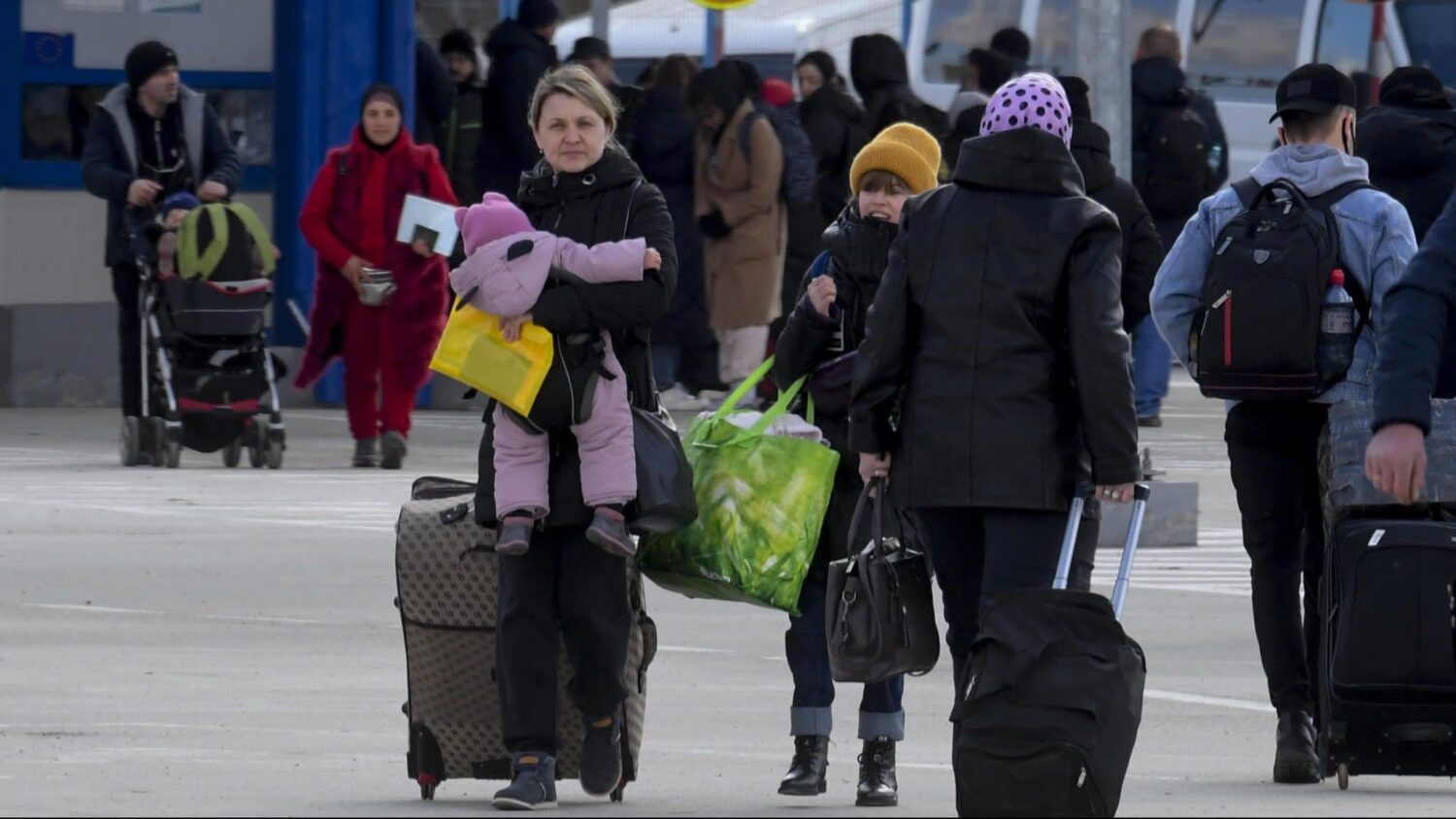
Ukrainians who leave Bulgaria are more than those who enter the country. This was said to the Bulgarian National Radio by Mariana Tosheva, chairwoman of the State Agency for Refugees. She said there was no information on whether refugees were choosing other EU countries or returning home. According to her, the situation is dynamic and this is not only in Bulgaria, but in all countries.

“Yesterday, 2,441 people entered our country 24 hours a day, but 2,792 left. This process has been observed for a week. The number of those leaving the country remains higher than those entering Bulgaria,” Tosheva said.

Hotels must be vacated by May 31 and Ukrainian refugees must be transported to other accommodation. Currently, more than 63,000 Ukrainians are accommodated in hotels. More than 33,000 are confirmed accommodation in municipal departments. Some Ukrainians they have stated that they want to leave the country, another part is available for free rent or go to relatives and acquaintances “, she explained. According to her, half of these 63,000 people will not stay in Bulgaria.

Tosheva stressed that the program for accommodation of refugees in hotels with state aid was previously agreed to end by May 31.

“The measure is provided with financial resources and was announced as temporary. From June 1 we enter the phase of integration – these people had time to orient themselves, to say if they would work and what. If a hotelier decides that at his own expense he can shelter Ukrainian citizens, the decision is individual, “she added.

According to her, the concerns of Ukrainians are understandable, but no one will be left on the street. “Ukrainian citizens are actively looking for work. We have a special approach to people from vulnerable groups – the elderly, the sick, mothers with many children. are the possibilities of the respective settlement to be accommodated … 70% want to start work immediately, 17% would start in a period of 1 to 6. Over 60% are people with higher education, about 30% are people with secondary special education “, Tosheva continued.

The measure to accommodate Ukrainians in hotels will not continue after the end of May. The integration of war refugees into the host society is already a priority. This was confirmed by the head of the agency for

More than 103,000 people have temporary protection status. About 90 children are in kindergartens in the country, over 500 Ukrainians are in Bulgarian schools. The centers where mothers will be able to leave their children during the day will be clear from the beginning of the new week.

The relocation of Ukrainian refugees to state and municipal bases after May 31 could turn into a fiasco. To date, the state has managed to secure 33,000 seats in state and

Less than 1/3 of the money that the European Union has allocated to support Ukrainian refugees in our country will actually be directed to these refugees. This was announced by the Deputy Prime Minister for Effective Governance

What kind of work do Ukrainians find in Bulgaria?

Tourism, trade and the garment industry are the areas in which most Ukrainian citizens who escaped the war in Bulgaria have started working, bTV reports, citing a report from the Employment Agency. In most cases, refugees occupy positions for which there have been no other candidates for years. They have the greatest desire to work as office secretaries, administrators in hotels, maids, as well as in restaurants and entertainment or vendors.

More than half of the candidates are from Ukraine. On average – about a third. And only 3% – with basic. 70 percent of Ukrainians are ready to start work in regular shifts immediately, and 9% – if there is someone to take care of their children. Ukrainians and members of their families with temporary protection can work in our country without a permit.

Nastya, for example, was an assistant educator at a kindergarten in Odessa. Now she has found a job in a sewing workshop in Burgas, and her 16-year-old son is taking care of her sister, who is 7. “I am here alone with two children, I have to feed them. I went to the Labor Office and they immediately found me a job. “I came and they took me,” the woman said. Four Ukrainian women work in the workshop. “These 4 positions have been vacant for 3 years. We have placed advertisements on all sorts of platforms – both paid and free, people just don’t come,” said Vasil Todorov of the sewing workshop.

However, only 9 refugees are employed through the Labor Office in Burgas. Most are waiting. “I want to work so that I do not depend financially on anyone and to arrange my life to some extent. But what if they want to relocate us? I do not know where I will go, which makes finding a job impossible,” said Nadezhda from Mariupol.

The Unsolved Mystery of Roman Dodecahedrons

0

It is safe to say that there are secrets of ancient Roman civilization that even a century of close study will not reveal to us. Meanwhile, historians and archaeologists often discover artifacts that are confusing. One such object is the Roman dodecahedron.

This is a hollow bronze decahedral puzzle with twelve flat pentagonal faces – a riddle. Nothing is known about its purpose. But there are some hypotheses that have been put forward since its first discovery over 300 years ago.

The strange discovery made all antique dealers tense, but there was no need to worry – there were more on the way.

Most dodecahedrons are between four and eleven centimeters in size and weigh between 35 and 580 grams. Each pentagonal surface contains a hole, but the sizes of these holes almost always vary. Each of the five vertices has a ball-shaped button.

Some appeared in theaters and tombs, others among piles of discarded coins. Many historians have also found these items from antiquarians, making it difficult to trace their provenance.

Each object discovered later differed in size and design.

In 2016, 116 dodecahedrons were discovered on the territory of modern Belgium, Croatia, France, Germany, Great Britain, Hungary, Luxembourg, the Netherlands and Switzerland. A single piece of silver was found in Geneva.

Interestingly, as far as we know, dodecahedrons do not exist in the Eastern Roman Empire.

Those found in the western region date back to the 2nd, 3rd, and 4th centuries AD. The randomness of their location, as well as the lack of a written context, has further puzzled historians.

They are full. They are scattered all over Europe and they are still a mystery. What could these little things mean? What were they made for?

Russia – heads of five regions announced that they would leave their posts

0

The head of Mari El, Alexander Evstifeev, announced that he had decided to leave his post, RIA Novosti reported on May 10.

“In connection with the expiration of the term of office of the head of the Republic of Mari El, I turned to the President of Russia with a request to accept my resignation,” Evstifeev wrote on his Telegram channel.

He was appointed acting head of the republic in April 2017 after the powers of the head of Mari El were prematurely terminated by Leonid Markelov of his own free will. Prior to that, he was the chairman of the Arbitration Court of the Moscow Region.

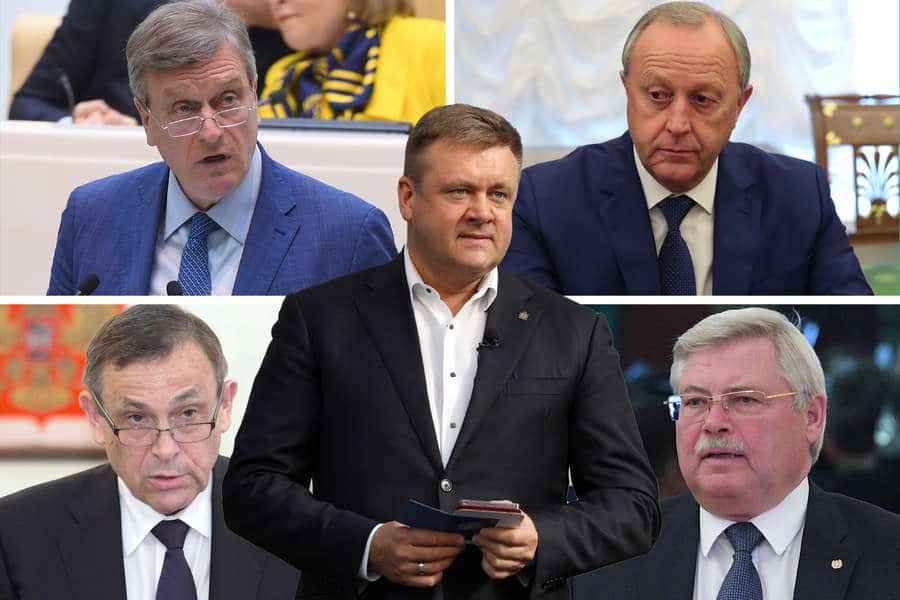
Earlier, the governor of the Tomsk region Sergey Zhvachkin, the head of the Kirov region Igor Vasilyev and their colleague from the Saratov region Valery Radaev announced similar decisions.

In addition, the head of the Ryazan region, Nikolai Lyubimov, said that he did not plan to run for new gubernatorial elections.

Zhvachkin added that in January of this year he turned 65 years old, he is one of the oldest heads of the region in the country. In his address to the residents of Tomsk, he thanked them for their support throughout the ten years of his tenure. Speaking about future plans, he noted that he would remain in Tomsk.

Sergey Zhvachkin has been the head of the Tomsk region since 2012. In 2017, he was re-elected for a second term as governor, which expires in 2022. Prior to that, Zhvachkin worked in the oil and gas sector.

Vasiliev thanked the team of the government of the Kirov region and the heads of municipalities for productive joint work. He, in turn, promised to support the positive undertakings of Kirov residents at the federal level.

He has served as governor of the region since July 28, 2016. Prior to that, he headed Rosreestr.

Radaev also thanked the residents of the Saratov region, where he served as governor for ten years. The official, he said, intends to focus on another area of ​​work.

Radaev headed the region on March 23, 2012, and in 2017 he was re-elected to this position.

Somnologist called diseases that cause frequent night awakenings

0

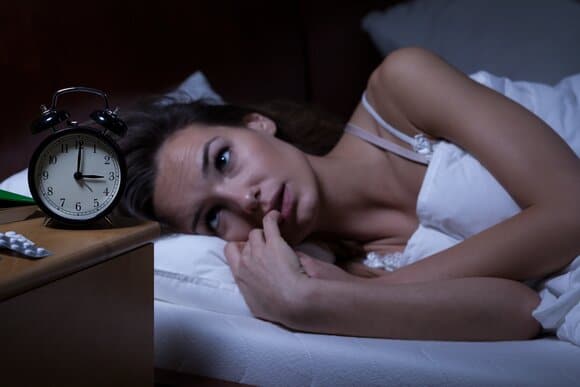
The reason for frequent awakenings at night can be a number of diseases. About this with reference to the therapist, somnologist and candidate of medical sciences Sophia Cherkasova reports “Lenta.ru”.

The specialist notes that frequent awakenings can be a symptom that signals a pathology of the thyroid gland associated with an increase or decrease in hormone production. Also, urological problems and cessation of breathing during sleep can lead to sleep disturbances.

Meanwhile, Cherkasova explained that people with depression often wake up early in the morning or, conversely, cannot fall asleep.

She added that sometimes the reason for frequent awakenings at night lies not in a serious pathology, but in the wrong way of life. Excessive caffeine, alcohol, and low levels of physical activity can cause sleep disturbances. It also happens that insomnia itself becomes a habit, persisting even after its cause has disappeared.

Earlier, sleep therapist Pavel Kudinov recalled the importance of observing a sleep schedule. According to him, when people fall asleep late, they shift their biological clock. As a result, there is a lack of sleep, daytime sleepiness appears and performance decreases.

Social jet lag, or the failure of the daily biological rhythms of the body, is a common problem in modern society. This was stated by the therapist-somnologist Pavel Kudinov.

According to him, falling asleep late and waking up late, people shift their biological clock. As a result, there is a lack of sleep, daytime sleepiness appears and performance decreases.

“Sleep disorders of any kind, including jet lag, are most dangerous for people who have chronic diseases. Sleep disorders lead to an acceleration of the process. This is especially true for those who suffer from cardiovascular diseases and diseases of the central nervous system. Lack of sleep and daytime sleepiness are also dangerous for people who are involved in work that requires increased concentration of attention,” Channel Five quotes Kudinov.

The somnologist noted that you need to start preparing in advance for an early awakening. In particular, the expert advised waking up an hour earlier every day, bringing the biological clock to the work schedule.

Kudinov stressed that preparations containing melatonin, which causes preliminary drowsiness, can help in this matter.

“Also, no one canceled herbs: mint, lemon balm, chamomile or peony tincture. But it’s better to deal with this issue on your own,” the doctor concluded.

Previously, clinical psychologist Dr. Mairav ​​Kohen-Zion said that ideally, a person should fall asleep after 10 minutes, this can take a maximum of 20 minutes. Sleeping too long can make you feel sleepy and tired the next day.

Photo: depositphotos/photographee.eu