That’s an incredible song. It’s good folk music, with everything that makes it what folk should be. A Cajun / Irish diatonic accordion far in the back, a strong Celtic dancing rhythm, and more than everything, a real crunchy voice that does not fear expressing the soul meaning of what it needs to express.
And what does it need to express? That’s the trick. The song is not a funny one. It’s sad. Sad, but with no compromission with fluffy feelings. It talks about a friend who took his life running “out of sins”, and it’s made in a way that you know there is something personal in the song, with strong emotion but enough rock ‘n’ roll attitude to make it a wonderful piece of poetry. Geoff (the friend) is dancing tonight, and is now a ghost haunting the singer’s nights. Well, I don’t feel good enough to forward you the strong poetry of the song and I’m sure you’ll get it better when you’ll listen to it.
Bobby Cameron
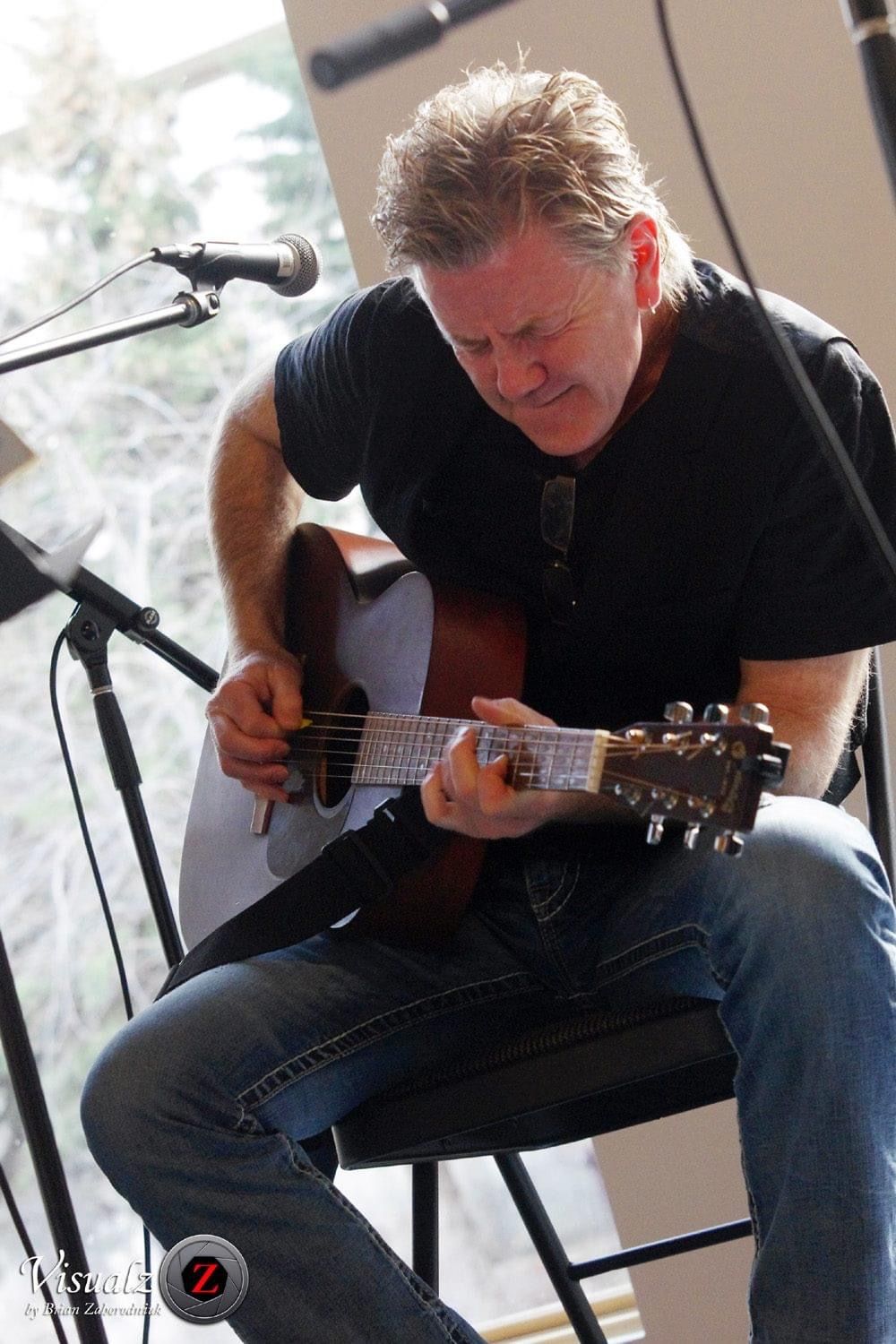
Scot Robinson, songwriter of this track, and Bobby Cameron, who sings and plays the guitar, have made this amazing track under the name of Scot Free Sessions. For the project, they brought together good musicians: Kenny Aronoff (John Mellencamp, Bob Dylan) on drums and James LoMenzo (John Fogerty, Ozzy Osbourne) on bass. And that works well, very well.
Scot has been the winner of the 2021 International Songwriting Competition’s Lyric Category, one of the most prestigious songwriting contests in the world regularly receiving over 20,000 entries each year from over 125 countries. Among the judges for the competition were Tom Waits, Coldplay and Hozier. And man, those folks do have sure taste! I do too. Everything in that song is aligned to deliver the message. I’m not talking about any “intellectual” message, I’m talking about the deep soul message that every good song in the world delivers to the one listening to it. The “magical” message, whatever it is. The core reason why we listen to music.
Some songs are perfect. Not because you can’t do better, but because you don’t need to do better. That’s one of these songs.
Well, I guess it’s time for you to decide for yourself if I’m being wide of the mark or if I may be right, at least for once. Listen buddy:
And of course, you should listen to my whole indie-folk playlist as you will find gems every day:
Helping to transform the lives of victims of terrorism in Iraq at a three-day psychosocial workshop implemented by the United Nations Office on Drugs and Crime (UNODC) with the Lebanese Association of Victims of Terrorism (LVA).
Erbil (Iraq), 19 August 2022 – “I was leaving school with a friend and we were waiting for the bus. A few minutes later, I remember thinking I was dead. I saw blood everywhere, dead bodies, and body parts.“
Azok’s* testimony is just one of the many horrors shared by Iraqi survivors of terrorism during a three-day psychosocial workshop implemented by the United Nations Office on Drugs and Crime (UNODC) with the Lebanese Association for Victims of Terrorism (AVT-L). The harrowing accounts detailed the bereavement, physical injuries, and emotional and psychological traumas experienced after a terror attack. He recounted: “It was only after a while that I understood what had happened. I was living a nightmare and I don’t know how I survived. I had more than 70 fragments in my body and I still suffer from it.”
Before this workshop, most of these 18 victims, eight of whom were female, had had no recourse to psychotherapeutic care that would help them with their recovery process after a terrorist attack.
Mental health care can sometimes be harder to come by than physical medical attention for victims of traumas like terrorist attacks. To take one example, a young participant at the workshop had lost her leg. While she had received a prosthesis, she lacked the skills to cope with her grief, lack of self-confidence, and degraded self-image.
While there is no single pattern of response or recovery for victims of terrorism, they must be supported psychologically to overcome their trauma and develop resilience, learn how to manage their feelings during criminal proceedings, and be empowered to use their experience to spread a message of peace against terrorism.
With this goal in mind, different therapeutic methods, such as art therapy; discussion, writing and mindfulness groups; and individual psychological care were provided to the victims in the workshop. These sessions encouraged them to express their emotions and psychological issues, giving them a sense of self, community, and connectedness.
The inner emotional release and transformation of these participants soon became evident. The group’s oldest member said: “I’ve been waiting 16 years for this moment. This is the first time someone has asked me how I am, the first time someone has given me time, listened to me, respected me, and helped me see things differently.”
Azok began to trust his own mental and emotional strength again as well: “It’s the first time I’m in front of someone who cares about me”, he noted. “It’s the first time I’ve revealed my weaknesses because, in front of others, I have to show myself as the strong, the protector, the powerful one”.
The workshop was held in Erbil, Iraq on 29-30 May 2022, under a project called “Supporting victims of terrorism within the criminal justice framework, including psychological support”, funded by the Netherlands. Five other workshops will be held in 2023. They will address the victims’ participation in criminal proceedings and their legal representation, the role of the media during such criminal proceedings, as well as victim’s compensation and reparation mechanisms within the Iraqi legal and criminal justice system.
Further information
If you wish to learn more about UNODC’s work on supporting victims of terrorism before, during and after criminal proceedings and on promoting their psychosocial rehabilitation process, please click here.
____________________________ *Name changed to protect privacy
More than two million nights of sleep and blood pressure were examined by the researchers.
Inconsistencies in sleep time and length were linked to a higher risk of hypertension, according to a study that examined more than two million nights of sleep and blood pressure data.
According to the findings, a 9% to 15% higher risk of hypertension was linked to high sleep duration irregularity. Furthermore, a 38-minute increase in sleep midpoint irregularity was linked with an 11% risk increase, while a 31-minute increase in sleep start time irregularity was associated with a 29% risk increase.
“This new approach to noninvasive nightly monitoring of sleep duration and timing in people’s homes for an average period of six months each combined with regular blood pressure monitoring has shown us just how important having a regular sleep routine and getting enough sleep is for your health, in this case, your heart health,” said lead author Hannah Scott, who has a doctorate in sleep health and is a sleep health research associate at the Adelaide Institute for Sleep Health (AISH), Flinders University.
“These novel data shed new light on the restorative benefits of sleep and raise potential concerns for the substantial proportion of shift workers in our modern 24-hour society.”
12,300 volunteers aged 18 to 90 provided data during a nine-month period, which the researchers then analyzed. A portable blood pressure monitor and an under-mattress sleep device were used to capture the metrics. The standard deviation of total sleep time was used to determine the regularity of the sleep duration. Similarly, the standard deviation in sleep onset time and sleep midpoint was used to determine the regularity of sleep timing.
Logistic regressions controlling for age, sex, body mass index, and average total sleep time were conducted to investigate potential associations between sleep regularity and hypertension, which was found in 2,499 participants.
“These new insights into the potential adverse impact of irregular sleep timing and duration on heart health further highlight the importance of the role synchronizing the body clock and prioritizing enough sleep opportunity for optimal health and wellbeing,” said senior author Danny Eckert, who has a doctorate in sleep and respiratory physiology and is professor and director of AISH.
The researchers noted that prior studies of sleep and heart health have been limited in sample size and restricted to a short period of time. The current study investigated associations between sleep regularity and hypertension in a large, global sample over multiple months.
Reference: “0204 Sleep Irregularity Is Associated with Increased Risk of Hypertension: Data From Over Two Million Nights” by Hannah Scott, Bastien Lechat, Amy Reynolds, Nicole Lovato, Pierre Escourrou, Peter Catcheside and Danny Eckert, 25 May 2022, SLEEP. DOI: 10.1093/sleep/zsac079.202
This was an unfunded investigator-initiated study. Deidentified data were provided by Withings for unrestricted investigator-led analysis. One of the co-authors serves as a consultant for Withings.
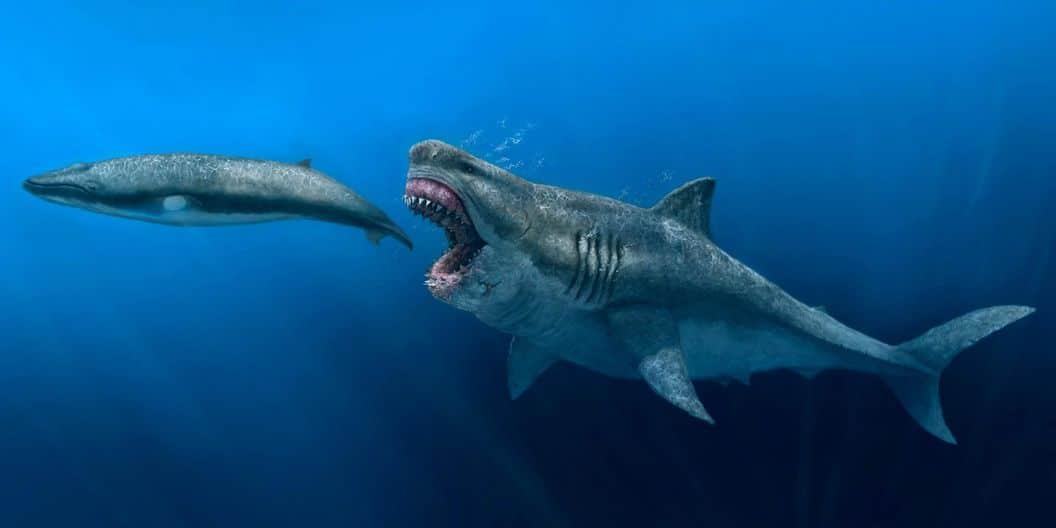
New 3D model shows that megalodon could eat prey the size of entire killer whales. Credit: J. J. Giraldo
Megalodon, the largest shark that ever lived, is famous for its gigantic, human-hand-sized teeth. However, there is little fossil evidence of its whole body. International researchers in collaboration with the University of Zurich used an exceptionally preserved specimen to create a 3D computer model of its full body. According to their results, the megalodon could fully consume prey the size of today’s killer whales and then roam the seas without more food for two months.
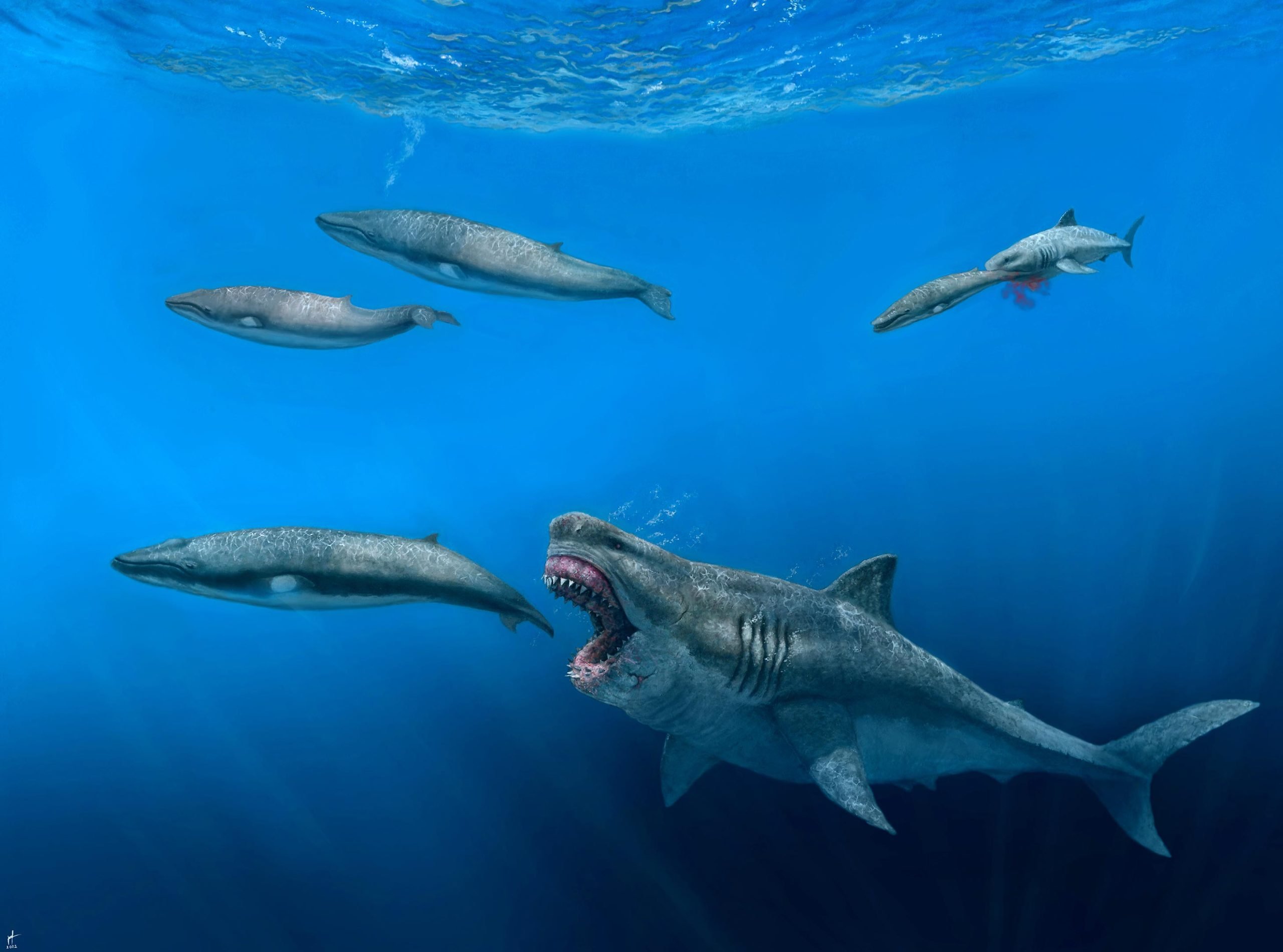
The reconstructed megadolon (Otodus megalodon) was 16 meters (52 feet) long and weighed over 61 tons. It was estimated that it could swim at around 1.4 meters per second (3.1 mph), required over 98,000 kilo calories every day, and had a stomach volume of almost 10,000 liters. These results suggest that the megalodon could travel long distances and was capable of eating whole prey up to 8 meters (26 feet) long. Notably, this is the size of modern killer whales, today’s top ocean predator. An ability to eat large apex predators of comparable size millions of years ago places megalodon at a higher trophic level than modern top predators.
The reconstructed megadolon (Otodus megalodon) was 16 meters long and weighed over 61 tons. It was estimated that it could swim at around 1.4 meters per second. Credit: J. J. Giraldo
Well-preserved spine enables reconstruction
These are the findings of an international study carried out in collaboration with the University of Zurich and published on August 17 in Science Advances. The research was only possible due to the 3D modeling of one individual megalodon which was discovered in the 1860s. Against all odds, a sizeable portion of its vertebral column was left behind in the fossil record after the creature died in the Miocene oceans of Belgium about 18 million years ago. It is estimated that it was 46 years old when it died.
“These results suggest that this giant shark was a trans-oceanic super-apex predator.” — Catalina Pimiento
“Shark teeth are common fossils because of their hard composition which allows them to remain well preserved,” says first author Jack Cooper, PhD student at Swansea University. “However, their skeletons are made of cartilage, so they rarely fossilize. The megalodon vertebral column from the Royal Belgian Institute of Natural Sciences is, therefore, a one-of-a-kind fossil.”
From single vertebra to whole body mass
The research team, which includes researchers from Switzerland, the UK, the United States, Australia, and South Africa, first measured and scanned every single vertebra, before reconstructing the entire column. Next, they attached the column to a 3D scan of a megalodon’s dentition from the United States. Finally, they completed the model by adding “flesh” around the skeleton using a 3D scan of the body of a great white shark from South Africa.
“Weight is one of the most important traits of any animal. For extinct animals we can estimate the body mass with modern 3D digital modeling methods and then establish the relationship between mass and other biological properties such as speed and energy usage,” says co-author John Hutchinson, professor at the Royal Veterinary College in the UK.
A trans-oceanic super-apex predator
The high energetic demand would have been met by feeding on the calorie-rich blubber of whales, in which megalodon bite marks have previously been found in the fossil record. An optimal foraging model of potential megalodon prey encounters found that eating a single 8-meter-long (26-foot-long) whale may have allowed the shark to swim thousands of miles across oceans without eating again for two months.
“These results suggest that this giant shark was a trans-oceanic super-apex predator,” says Catalina Pimiento, Professor at the University of Zurich and senior author of the study. “The extinction of this iconic giant shark likely impacted global nutrient transport and released large cetaceans from a strong predatory pressure.”
The complete 3D model can now be used as a basis for future reconstructions and further research. The novel biological inferences drawn from this research represent a leap in our knowledge of this singular super predator. The study helps to better understand the ecological function that megafaunal species play in marine ecosystems and the large-scale consequences of their extinction.
Reference: “The extinct shark Otodus megalodon was a transoceanic superpredator: Inferences from 3D modeling” by Jack A. Cooper, John R. Hutchinson, David C. Bernvi, Geremy Cliff, Rory P. Wilson, Matt L. Dicken, Jan Menzel, Stephen Wroe, Jeanette Pirlo and Catalina Pimiento, 17 August 2022, Science Advances. DOI: 10.1126/sciadv.abm9424
Photo by National Cancer Institute on Unsplash
A technician works among a fleet of desktop genomic sequencing machines at the Cancer Genomics Research Laboratory, part of the National Cancer Institute's Division of Cancer Epidemiology and Genetics
The European Investment Bank (EIB) to support to Polish company, Ryvu Therapeutics’ discoveryfor research and development of new cancer treatments
European Commission Press release Brussels, 17 Aug 2022
The European Investment Bank (EIB) is providing €22 million (above 100 million polish zlotys) in financing to Ryvu Therapeutics, a Polish clinical-stage drug discovery and development company focusing on novel small molecule therapies that address unmet medical needs in oncology. The funding is being provided under the EIB’s venture debt instrument, which is tailored to the specific financing needs of high-growth innovative companies. The European Fund for Strategic Investments, part of the Investment Plan for Europe, is backing this funding with a guarantee.
The EIB’s support will help Ryvu finance its development pipeline of new cancer treatments from discovery through to clinical trials. Ultimately, Ryvu aims to address the clinical limitations of current treatments in oncology and provide patients with access to innovative therapies for haematologic and solid tumours.
Valdis Dombrovskis, Executive Vice-President of the European Commission for an Economy that Works for People, said:“I welcome this investment by the EIB, backed by the Investment Plan for Europe, in Polish company Ryvu Therapeutics. It is great news for Europe’s competitiveness and its location as a research hub for innovations that change and save people’s lives. The additional funding will go towards the discovery, research and development of innovative therapeutics to treat cancer patients. This investment will also support the regional economy and create highly skilled jobs in the process.”
EIB Vice-President Teresa Czerwińska said: “Financing projects within the field of research, development and innovation is one of the EIB’s top priorities and is especially relevant today, as the world suffers from the health crisis caused by the pandemic. Support for innovative companies like Ryvu specialising in advanced biotech research is clearly needed and we are delighted to assist this ambitious company, which has a notable drug discovery and development track record. The EIB’s investment will strengthen Ryvu Therapeutics’ research, development and innovation capacity and competitiveness for the wider social benefit.”
Innovation, research, digital economy and the development of human capital are top priorities for the EIB Group. In 2021, the EIB Group’s overall financing for innovation, digital transformation and human capital projects reached €20.7 billion worldwide, of which €1.5 billion went to Poland (up from €1.2 billion in 2020).
“We are very pleased to receive funding from the European Investment Bank, which plays such an instrumental role in providing financial support to innovation-driven companies like Ryvu that seek to develop new and potentially life-saving medicines,” said Pawel Przewiezlikowski, Chief Executive Officer of Ryvu Therapeutics. “We would like to thank the EIB for their collaboration, as this funding will help Ryvu continue to advance our clinical-stage oncology pipeline, including RVU120 in clinical development for the treatment of hematologic and solid tumours, as well as earlier stage projects.”
Ryvu Therapeutics is already one of the main employers of highly qualified researchers in the biotech field in Poland. With research and development (R&D) activities based in Kraków, the additional investment in Ryvu will contribute to the creation of new highly skilled jobs and encourage economic growth in the region.
Background information
The European Investment Bank (EIB) is the long-term lending institution of the European Union owned by its Member States. It makes long-term finance available for sound investment in order to contribute to EU policy goals. The bank finances projects in four priority areas — infrastructure, innovation, climate and environment, and small and medium-sized enterprises (SMEs). In 2021, the EIB Group provided €6.5 billion in financing to projects in Poland. Part of this financing — equivalent to €1.5 billion — went to projects directly related to innovation, research, digital transformation and the development of human capital.
The European Fund for Strategic Investments (EFSI) is the main pillar of the Investment Plan for Europe. It provides first loss guarantees so that the EIB Group can invest in projects with a higher level of risk. To date, the projects and agreements approved for financing under EFSI have attracted investments totalling €524.3 billion, benefiting more than 1.4 million small and medium-sized businesses. The Investment Plan for Europe has been succeeded by the InvestEU programme, although some previously approved operations can still be signed.
Ryvu Therapeutics
Ryvu Therapeutics is a clinical-stage drug discovery and development company focused on novel small molecule therapies that address emerging targets in oncology. Internally discovered pipeline candidates make use of diverse therapeutic mechanisms driven by emerging knowledge of cancer biology, including small molecules directed at kinase, synthetic lethality and immuno-oncology targets.
Ryvu’s most advanced programmes are RVU120 — a selective CDK8/CDK19 kinase inhibitor with potential for the treatment of haematological malignancies and solid tumours currently in phase I clinical development for the treatment of acute myeloid leukaemia and myelodysplastic syndrome, and phase I/II for the treatment of r/r metastatic or advanced solid tumours — and SEL24 (MEN1703), a dual PIM/FLT3 kinase inhibitor licensed to the Menarini Group, currently in phase II clinical studies in acute myeloid leukaemia. Ryvu Therapeutics has signed ten partnering and licensing deals with global companies, including Merck, Menarini Group, Galapagos and Exelixis.
The company was founded in 2007 and is headquartered in Kraków, Poland. Ryvu is listed on the Warsaw Stock Exchange and is a component of the sWIG80 index. For more information, please see www.ryvu.com.
From July 30 to August 2, in Kazan, Tatarstan, Russia, was held the 8th Congress of the World Congress of the Tatars. Led by Tatarstan authorities, all supporters of Putin’s leadership, the Congress did not take into account the voices of the Crimean Tatars, deported and persecuted by the Russian authorities in the Ukrainian peninsula. At the end of the Congress, a statement was published, despite a few dissident voices were heard: “We, the delegates of the congress, express our approval of the actions of President of the Russian Federation Vladimir Putin to protect people in Donbass, restore peaceful life, demilitarization and denazification of Ukraine.”
For those who still think that “denazification” has anything to do with getting the rid of real Nazis, we recall the interpretation of one of Putin’s favorite ideologists Alexander Dugin: “One of the two main goals of the special operation is “denazification” (the other is demilitarization). This means that Russia will not stop until it abolishes the model of the nation and the nation-state that the Ukrainian nationalists built with the support of the West. It would be logical to assume that after the completion of the operation, the situation will return to the state in which the ethno-sociological system of Ukraine was before the beginning of its statehood. This means that the basic vector will be a new cycle of integration of Great Russians and Little Russians into one people.” (source)
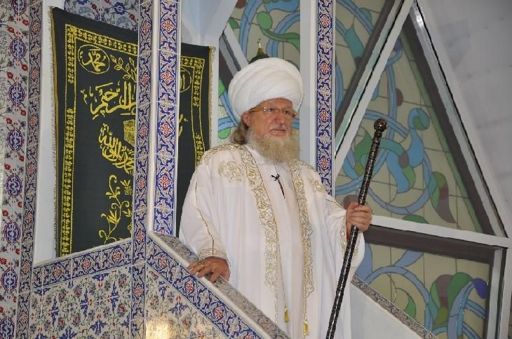
Not surprisingly, Chief Mufti Of Russia Talgat Tadzhuddin was a special guest at the event. But who is Tadzhuddin?
He is the one who, on the occasion of the Eid al-Adha holiday in July, said that “Nazi” Ukrainians should be killed “like parasites with pesticides”.
Talgat Tadzhuddin is also the one who, like Patriarch Kirill before him, justified the war by the need to fight against the “gay agenda” of the West: “representatives of sexual minorities can do whatever they want, only at home or somewhere in a secluded place in the dark. If they still go out into the street, then they should only be flogged. All normal people would do it. (…) gay people have no rights… To be gay is a crime against God. The Prophet Muhammad ordered the killing of homosexuals.”
We knew about the metaphysical war preached by Kirill during his sermons, now we know about another angle of the Russian war against Ukraine: it’s a holy Jihad. At least for Pro-Putin Islamic leaders like Talgat Tadzhuddin and the Central Muslim Spiritual Directorate in Russia, who managed throughout the years to get the rid of all other (non-aligned with the Kremlin) Muslims in the Country.
According to the researchers, following a vegan diet improves your diet quality leading to weight loss.
Researchers find that a vegan diet high in legumes helps people lose weight.
According to recent research from the Physicians Committee for Responsible Medicine that was published in the Journal of the Academy of Nutrition and Dietetics, a vegan diet enhances diet quality, which results in lower weight and enhanced insulin sensitivity. Increased consumption of legumes and reduced intake of meat, fish, and poultry were the two factors most strongly related to weight loss.
“Our research shows that the best way to improve the quality of your health is to improve the quality of the foods you eat,” says Hana Kahleova, MD, Ph.D., director of clinical research at the Physicians Committee and a study co-author. “That means avoiding animal products and eating a vegan diet rich in fruits, vegetables, grains, and beans.”
244 overweight people who participated in the 16-week trial were split into two groups at random: those who made no dietary modifications and those who followed a low-fat vegan diet consisting of vegetables, grains, legumes, and fruits without calorie limitations. Weight, body fat mass, insulin sensitivity, and diet quality were all monitored by researchers. 219 people who finished the whole study and sent in their final diet records were included in the final data analysis.
Participants on the vegan diet lost an average of 13 pounds and 9.1 pounds of fat mass. Body weight and fat mass did not decrease in the group that made no diet changes. In the vegan group, increases in fruit, legume, meat alternative, and whole grain intake and decreases in animal products, added oils, and animal fats were associated with weight loss:
Fruit: Increased intake of whole fruit was associated with a decrease in body weight.
Legumes and Meat Alternatives: Increased legume consumption was associated with decreased weight, fat mass, and visceral adipose tissue. Consuming more meat alternatives, including tofu, tempeh, and veggie burgers, was associated with a decrease in body weight.
Grains: Increased consumption of whole grains was associated with decreased body weight and fat mass.
Eggs and Dairy Products: Decreased egg intake was correlated with decreased weight. Decreased high-fat dairy intake was associated with decreased weight and fat mass.
Meat, Fish, and Poultry: Reductions in the combined intake of total meat, fish, and poultry were associated with weight loss and a decrease in fat mass.
Added Fats: Decreases in intake of added animal fats were associated with decreases in weight and fat mass. Decreased intake of added oils also correlated with decreases in weight and fat mass.
The vegan group also experienced improvements in insulin sensitivity.
The vegan group’s diet quality, measured by the Alternative Healthy Eating Index-2010 (AHEI) score, also increased by 6 points on average in contrast to no significant change in the group that did not make a diet change. The AHEI was developed by researchers at the Harvard School of Public Health to identify dietary patterns associated with a lower risk of chronic disease. The index is comprised of foods to eat more often, such as fruits and vegetables, and those to eat less often, such as red and processed meat. The higher the AHEI score, the lower the risk for chronic disease.
Reference: “Changes in Food and Nutrient Intake and Diet Quality on a Low-Fat Vegan Diet Are Associated with Changes in Body Weight, Body Composition, and Insulin Sensitivity in Overweight Adults: A Randomized Clinical Trial” by Lelia Crosby, BA, RD, LD, Emilie Rembert, BS, Susan Levin, MS, RD, CSSD, Amber Green, BS, RD, LD, Zeeshan Ali, Ph.D., Meghan Jardine, MS, MBA, RDN, LD, CDE, Minh Nguyen, MS, RD, Patrick Elliott, BS, Daniel Goldstein, BA, Amber Freeman, Meka Bradshaw, Danielle N. Holtz, Richard Holubkov, Ph.D., Neal D. Barnard, MD and Hana Kahleova, MD, Ph.D., 19 April 2022, Journal of the Academy of Nutrition and Dietetics. DOI: 10.1016/j.jand.2022.04.008
The scientists also found that the deterioration that develops within the joint might be slowed down by walking as exercise.
How walking can lead to healthier knees.
According to a recent study published in Arthritis & Rheumatology and conducted by Baylor College of Medicine researchers, walking may help people age 50 and older who have knee osteoarthritis, the most prevalent kind of arthritis, reduce frequent pain. Additionally, the study’s results suggest that walking for exercise might be a successful treatment for reducing joint deterioration.
“Until this finding, there has been a lack of credible treatments that provide benefit for both limiting damage and pain in osteoarthritis,” said Dr. Grace Hsiao-Wei Lo, assistant professor of immunology, allergy, and rheumatology at Baylor, chief of rheumatology at the Michael E. DeBakey VA Medical Center and first author of the paper.
The participants in the Osteoarthritis Initiative, a multiyear observational study in which they self-reported how often and for how long they walked for exercise, provided the data for the study. Participants who reported 10 or more occurrences of exercise starting at the age of 50 or later were categorized as “walkers,” whereas those who reported fewer instances were categorized as “non-walkers.”
Those who reported walking for exercise had 40% decreased odds of new frequent knee pain compared to non-walkers.
“These findings are particularly useful for people who have radiographic evidence of osteoarthritis but don’t have pain every day in their knees,” said Lo, who also is an investigator at the Center for Innovations in Quality, Effectiveness, and Safety at Baylor and the VA. “This study supports the possibility that walking for exercise can help to prevent the onset of daily knee pain. It might also slow down the worsening of damage inside the joint from osteoarthritis.”
Lo noted that additional health advantages of walking for exercise include improved cardiovascular health, a lower risk of obesity, diabetes, and some cancers, which are the main justifications for the Centers for Disease Control’s physical activity recommendations, first published in 2008 and updated in 2018. Contrary to medications, which sometimes have a hefty price tag and the chance of side effects, walking for exercise is a free activity with few side effects.
“People diagnosed with knee osteoarthritis should walk for exercise, particularly if they do not have daily knee pain,” advises Lo. “If you already have daily knee pain, there still might be a benefit, especially if you have the kind of arthritis where your knees are bow-legged.”
Reference: “Association Between Walking for Exercise and Symptomatic and Structural Progression in Individuals with Knee Osteoarthritis: Data from the Osteoarthritis Initiative Cohort” by Grace H. Lo, MD, MSc, Surabhi Vinod, MD, Michael J. Richard, BS, Matthew S. Harkey, Ph.D., Timothy E. McAlindon, MD, Andrea M. Kriska, Ph.D., Bonny Rockette-Wagner, Ph.D., Charles B. Eaton, MD, Marc C. Hochberg, MD, Rebecca D. Jackson, MD, C. Kent Kwoh, MD, Michael C. Nevitt, Ph.D. and Jeffrey B. Driban, Ph.D., 8 June 2022, Arthritis & Rheumatology. DOI: 10.1002/art.42241
Lo was supported by K23 AR062127, an NIH/NIAMS-funded mentored award; this work was supported in part by resources at the VA HSR&D Center for Innovations in Quality, Effectiveness, and Safety (#CIN 13-413), at the Michael E. DeBakey VA Medical Center.
In Cox’s Bazar, she visited camps housing Rohingya refugees who, after terrible repression and human rights violations, fled Myanmar five years ago “to get some safety,” she said.
“An estimated 1.1 million Rohingyas are in Bangladesh right now, meaning Cox’s Bazar, some of them in Bhashan char,” Ms. Bachelet said after visiting several sites inside a camp.
They described their grievances, their pains, how they left and lost everything they have
UN High Commissioner for Human Rights
Women share pains
The top UN human rights official met with religious leaders as well as women and youth groups who shared with her their concerns and hopes.
In a women’s safe place inside the Cox’s Bazar camp, she spoke with them about their experiences.
“They described their grievances, their pains, how they left and lost everything they have…their livelihoods” and loved ones, said Ms. Bachelet.
They talked about the shelter provided to them in Bangladesh’s Cox’s Bazar camp as well as how the UN with partners and NGOs have been supporting them with services.
Youth wishing to return
Young volunteers, aged 15 to 18, spoke of their wishes for education and to return to Myanmar, with identities as citizens.
A busy street in the Kutupalong Rohingya refugee camp in Cox’s Bazar, Bangladesh.
“When our rights are respected, we can have our livelihoods again, and we can have a land, and we can feel that we are part of the country,” she recounted their conversations.
Dignified repatriation
The High Commissioner reiterated the importance of continuing to ensure that safe and sustainable conditions exist for any returns and that they be conducted in a voluntary and dignified way.
“The UN is doing the best we can to support them. We’ll continue doing that,” she said.
“But we also need to deal with the profound roots of the problem. We need to deal with that and ensure that they can go back to Myanmar – when there are conditions for safety and voluntary return”.
Impact of war in Ukraine
Meanwhile, the current economic crisis and the war in Ukraine has driven food costs up.
“One of the problems that they have been seeing here, as in many other places of the world, is that the prices of food are going up,” explained the UN official, adding that “the same amount of money that before could buy more now can buy less”.
This is creating problems for the people in Cox’s Bazar she pointed out, insisting that the international community does not abandon the Rohingyas.
Ms. Bachelet asked that the world continues “supporting and even looking to see if they can scale up their support because of the consequences”.
Drawing to a close
During her stay in Dhaka, the top UN rights official met with Foreign Minister AK Abdul Momen at the Government guest house, several ministers, and representatives of civil society organizations along with others.
Yesterday she underscored that civic space and enabling conditions were key for society to play its crucial role in identifying and helping resolve #HumanRights challenges in the country.
She will conclude her visit tomorrow following a meeting with Prime Minister Sheikh Hasina Wazed and a press conference.
Try to have peace with everyone and holiness, without which no one will see the Lord.
Paul’s letter to the Hebrews, chapter 12, verse 14
Isn’t it true that “holiness” is often called what they are not going to do? “He’s a saint, I can’t do that” – that’s a win-win alibi! “I’m not a saint” is the best way to cover up your sins.
If the “sanctity” of everyday speech and thought is “not about us,” then about whom then? There are several options.
1) The occult point of view: there are supernatural beings, all in light and gold – “saints”, and their function is, of course, magical help. Or even worse: there are holy objects and substances that, of course, heal something.
2) Moralistic variant: “saint” – an amazing “morally perfect” individual, frightening with his perfection. From birth, he did not take his mother’s breast on Wednesday and Friday, from childhood he did not like noisy games … The reader clearly understands: this is not about him.
3) Approach of idolaters: “holy”, “this is holy to us”. A dangerous thing – because where the idols are, there is blood: what to do with the shrine, except to kill for it?
Holiness is God
Any perversion is a perversion of the norm; sick only what was healthy. Likewise, any false understanding is only a perversion of the true understanding.
Of course, the holy is different, distant, healing, perfect and good, which should be worshiped: the holy is God. He is the only true Saint, in Hebrew – “kadosh”, that is, another, separate, non-worldly. Holy is that which is consecrated to God.
To be with God means to be holy, that is, the way a person is conceived by God. To be holy means to be in general (to belong to Being, that is, to God), to enter eternal life, to be perfect, whole, healthy.
Sin is separation from God, not living with Him is Life. Ultimately, sin is death, the abomination of desolation, hell. God does not want death, so the history of the world is the history of salvation, the reunification of the whole world with God. To be saved means to be with Him, to become a god by grace.
We are saints
“Be perfect, as your Heavenly Father is perfect” – this commandment of Christ is suspiciously rarely remembered. Man is conceived by the Creator as a saint. In this sense, we are all potentially holy: Israel is holy because it is consecrated to God, the Church is holy because it is God’s: Christians used to call themselves saints at one time “simply” by belonging to the Body of Christ. If we do not become saints, then we will finally fall away from God, the source of life, and “die in hell.”
Therefore, as Leon Blois says, “there is only one grief – not to be a saint”: not to be with God is eternal death. But the Good News (i.e. Joyful, Cheerful, Hopeful) lies in the fact that there is salvation.
Saints among us
On the path to holiness, the canonized saints of the Church serve as an example for us. In communion with God and with each other, they form the Triumphant Church, into which the whole world must turn after the second Coming.
Lisa from the animated series “The Simpsons” in one of the episodes says: “I do not deny the existence of angels, but I do not believe that one of them can appear in our garage.” This is the slogan of a real agnostic (and it seems that there are no more good old atheists): whether there is a God or not is not important, but this is not about me, not about life. This is the essence of unbelief. But the saints are “angels in our garage”: real people, with sins, problems, addictions, just like us, but who fulfilled the commandment of perfection.
Holiness Quotes
Etymology of the word “saint”
The word saint is based on the Proto-Slavic element *svet- (=*svent-), which is related to the designations of the same concept in the Baltic (cf. Lit. šventas), Iranian (cf. Avest. spenta-) and a number of other languages. Ultimately, this element in the examples cited and others like them forms a link that connects the current Russian word saint with the Indo-European stem *k’uen–to-, denoting growth, swelling, swelling, that is, an increase in volume or other physical characteristics.
“Space and time, holy (sanctified) at their most important points and “material” knots, as if with a hoop fasten the holy, or God’s, world, often correlated with the holy (God’s) beauty, and the holy people inhabiting it (again with a reference to idea of birth), leading a holy life. In this holy world, the destiny and ideal of a person is to be a saint (a holy person; compare names like Svyatoslav, Svyatopolk, Svyatomir, etc.). All forms of realization of human activity are, in theory, oriented towards holiness — one’s own (potentially) or coming from above. Hence the holy word, holy deed, holy thought. And what a person is reputed to have among others, what remains after him, in his highest manifestations turns out to be holy (holy glory, holy name). Holy is the highest purpose of a person, his life path, his ideal (holy path, holy faith, holy truth, holy truth, holy life, holy God).
The sacredness (or even hypersacrality) of the ancient Russian tradition is manifested primarily in the fact that 1) everything must be sacralized in principle, wrested from the power of the evil inclination and – it is impossible to reconcile with less – returned to its original state of integrity, untouchedness, purity; 2) there is a single and universal goal (“super goal”), the most cherished desire and the most secret dream – hope – the holy kingdom (holiness, holy life) on earth and for man; 3) strong and actual is the hope that this holy state can be as close as possible in space and time to the here and now (the liturgy is already an image of this state; hence the desire to extend the liturgical time, on the one hand, and the inattention to the profane, on the other hand). – Toporov “Holiness and saints in Russian culture”