Tuesday, March 24, 2026
Home Blog Page 949

What is the relationship between economic and social efficiency?

0

The relationship between economic and social efficiency is complex. The growth of economic efficiency is usually based on the following methodological principle, according to which the implementation of the social program itself must become a catalyst for effective economic development.

The funds spent by society to meet social needs eventually return in the form of increased social and labor activity. In this system, the implementation of social governance ultimately appears as one of the subordinate factors for achieving economic efficiency.

Attempts to look at the impact of the economic factor in achieving integrated social efficiency in a similar way inevitably suffer from a simplistic approach. It is already recognized that it is quite obvious that, given the nature of social efficiency, the classical criterion (the cost-benefit ratio) is clearly insufficient. Another approach is needed, with the help of which the effectiveness of one or another social action could be assessed. The degree of achievement of social efficiency is determined by the position of movement towards a socially significant strategic goal, which is meaningfully revealed as a state of maximum realization of human needs and self-realization of its essential forces, in other words of his personality. The good of man, as a supreme value for society, becomes an end in itself for social development. Hence, the projective goal of any development usually arises as a requirement for determining the full well-being and free all-round development of all members of society, the realization of which is above all in the creation of decent living and creative conditions.

It is necessary to make a number of important methodological clarifications. The notion of social efficiency as a performance, assessed from the standpoint of approaching the socially significant goal, must necessarily be related to the changes corresponding to the general line of progressive development of the social system, ie with its gradual transition from less to less. perfect existence.

We can note that before comparing each achieved social result with the costs, it is necessary to clarify the significance of the fact of achieving this result, primarily in terms of its compliance with the goals of social development. It is also important to take into account the time interval required to achieve the goal.

The importance of this clarification for the understanding of the basic principle of social efficiency and its criteria, strongly emphasizes the specific experience of social policy. The American scientist D. Rothblatt emphasizes that in the United States in the 1930s a fundamental rethinking of the principle of effective social policy was made. The government’s measures to expand unemployment insurance funds and increase the number of social assistance recipients, which were initially seen as fully progressive, have increasingly proved ineffective in the long run, as they have little impact on improving human resources. Experience has shown that “ensuring prosperity without offering viable alternatives” for human development and initiative becomes a brake on social development insofar as it gives rise to “the reproduction of a culture of poverty from generation to generation”. Obviously, to the same extent that the time element allows for a more accurate disclosure of the main line of social development, the assessment of the social activity of the activities carried out may change radically. So to say that it is more effective to include people in need of social support in the labor process, which has a promising result from both economic and social starvation, than to provide assistance aimed at short-term “smoothing” of social tensions in society.

Considering the problem of social efficiency depending on the ideas of social development and its ideal, create additional difficulties. In these cases, when the social effect is difficult to quantify, the only reliable criterion for its evaluation can only serve the degree of approach to the goal, to the realization of these values, which are provided by it.

A number of papers deal mainly with the content of the concepts of “social effect” and “social efficiency”. As a rule, the authors of publications agree that the social effect is a certain social result, a goal-oriented activity carried out in life by economic decisions.

Moreover, in some cases it is understood as “something related to human development”, which “forms new features in the way of life and activity, both individual and collective, testifies to increased social activity, supports all-round development. of the personality and the formation of a new type of worker ”. In another case, it is treated as a “result corresponding to the goals of social development”. In the third case, as “a degree to increase the socio-psychological or sanitary-hygienic comfort of man.” In the latter cases, in fact, it is not the social result as such that is meant, but the efficiency, ie. the ratio between the result and the goal, the initial and subsequent state of social comfort.

The proposed definitions make it possible to capture the essential differences between the concepts of “social effect” and “social efficiency”. The first reflects a finding for achieving certain, quantitatively or qualitatively assessable results of social activity in an independent sense. In the second case, there is a correlation of these results with the measure or the degree of realization of the normatively set goal or ideal for social development. This measure for assessing the social effect in turn serves as an important indication of this qualitative aspect of social activity integrated into its systemic organization. Thanks to the same, social efficiency is achieved. This inherent efficiency of social activity – the constitutive qualitative characteristic, can be defined as a principle of social efficiency. It is directly related to the criteria for social efficiency, as specific qualitative features and determinants of meanings, on the basis of which, as a kind of “zero points of account”, social activity is assessed as effective or ineffective. Looking at the features that distinguish social efficiency from the result, they correlate it either with the goals or with the needs. It should be noted that “the most effective, other things being equal, will be an activity in which the goal maximally reflects human needs.” At the same time, the question of the specific social results (effects) of its managerial impact is not raised, although it is presented in the given context as very important. The point is that the consideration of the issue of evaluation of social efficiency and the content of this concept is inseparable from the specific analysis of both normatively or ideologically set goals of social development and the needs (expectations, interests, ideals) of the various social subjects.

It seems that social efficiency cannot be thought of in the categories of an abstract social good or only in the form of a movement of the social system towards some extremely generalized goal of social development.

The social object, which is the object of management to which the concept of social efficiency refers, is sufficiently complex in its structure. It covers the whole set of existing social ties and relations in society. The very goals of social governance inevitably affect the whole “space” of these connections and relationships, including the social system (society) as a whole, social groups (communities) and individuals (individuals). Based on this and the effectiveness of social management, one should think in the overall assessment of the development of all countries, aspects and components of the social system.

Obviously, the correlation of effective social activity with the goals of social progress discussed above indicates one of the important moments of social connection and interdependence between the system-wide, social-group and individual-personal dimensions of social activity, of the aggregate and as a rule long-term nature of its manifestation.

Considering the issue of socio-economic efficiency of the target complex programs, it is found that “the main purpose of the calculation and evaluation of social efficiency within the program-target method is the justification of the adopted planning and management decisions.” Taking into account the need to predict the social consequences of economic activities, which must be read in the overall assessment of their effectiveness, a number of authors note that for this “sustainable quantitative or (albeit sequential) dependencies between production-technical and social changes, between the characteristics of the planned activities and indicators reflecting the corresponding target norms ”.

Some authors link the social efficiency of the economy with the problem of efficiency. In economics and sociology, even the question of the legitimacy of this concept, such as “social efficiency” (as opposed to the more or less clear economic maximum production at minimum cost), is debatable.

Those scholars who consider this concept legitimate are trying to give it a more specific definition. In particular, the criterion for social efficiency is the degree to which mature social problems are solved with minimal time and minimal costs for society. The given definition is debatable, because the development of a criterion for optimality in the social sphere would significantly advance the understanding of the criterion for social efficiency, whatever the final wording of this concept.

The formulation of the question of optimality of social activity as an integral criterion for its effectiveness is promising precisely because of the complexity of each social object, its dependence on many variables, as well as the presence of multi-vector internal system contradictions.

What is addiction, counter-dependence and how they interfere with relationships

0

 How to Recognize the Problem and Eliminate the Interferences of Love

It is difficult to determine what is sadder – the end of a relationship or being in an unhappy one. Neither parting nor tolerance guarantee a change for the better. In order to finally achieve personal happiness, one must free oneself from the harmful patterns that have settled in the mind. According to psychologists, the criteria for choosing a partner and interaction in a couple are directly related to the expectations of love that you got used to in childhood.

Every time a relationship ends in a breakup, you hope that the next chance will allow you to avoid the mistakes you made. You will be sincere in what you want and will not betray your true desires. However, because of the psychological trauma experienced at an early age, you are drawn to emotional abusers, narcissists, and morally unstable characters. A good guy, ready to go to any lengths for you, seems boring, predictable, and unsexy. You are attracted to those whose attention must be sought and feelings must be earned, because that is how you were loved when you were a child.

Falling in love with people with whom it is unrealistic to build a healthy relationship, you step on the same rake over and over again and repeat the same scenarios. Or are you generally afraid to start, because you once experienced a painful separation, which you could not cope with.

“The reluctance to enter into a serious relationship manifests a psychological phenomenon called “counterdependence” – a disoriented, anxious-avoidant type of attachment that interferes with establishing genuine intimacy with a partner,” says Evgenia Smolenskaya, a clinical psychologist at the Mental Health Center.

How is contradependence different from addiction?

Relationship addiction or co-dependency is a violation of attachment, in which you define the object of your love as the center of the universe and selflessly strive to completely dissolve in a partner, sacrificing anything, including your own principles and interests, if only he was well.

Counterdependence is also an attachment disorder, but in a different way. This psychological distortion encourages you to avoid intimacy, although the person is very dear to you. This style of love can be called “Dog in the Manger” – like the film of the same name based on the play by Lope de Vega with the beautiful Terekhova and the young Boyarsky. She burns with passion and desperately needs his love, but she does not trust him and is afraid of the development of events.

If co-dependents come across as soft, pliable and compliant, then counter-addicts seem strong, cold, and sometimes cruel.

Counteraddicts tend to blame their partner for their own discomfort. Codependents, on the contrary, are ready to take all the blame on themselves.

Each counter-dependent person has their own “starting point” – a moment of frightening realization that it is time to move the relationship to a new level. For example, getting to know your parents or taking a vacation together pops up on the agenda. Counterdependence is launched at full power and presses the panic button, and as a result, you begin to “visit” your sweetheart, just to avoid a new stage. Tellingly, the partner of a person with counter-dependency begins to look for a problem in himself – is he attractive enough, interesting enough, and in general, what is wrong with him, since he is being avoided.

Causes and consequences of counterdependence

The underlying causes of counter-dependence are distrust, fear of betrayal, inability to accept love, and denial that you are worthy of true love.

“Despite their withdrawn behavior, the person with counter-addiction is desperate for relationships and support. Without them, he feels lonely, like all normal people, the expert explains. “Traumatic experiences, unlived conflicts, losses and negative projections led him to the conclusion, rooted in the subconscious: “intimacy is dangerous.”

At the same time, the counter-addict does not seek to control the partner, manipulate him/her, or enjoy his/her suffering. He himself feels bad in this situation – he wants to build a relationship, but he cannot.

How to overcome counter-addiction

True intimacy is always about risk and vulnerability. If partners get the help they need and work on themselves, they may very well restart the relationship in a healthy way. An important point is that positive changes occur only by mutual desire.

If counter-dependence is the problem of the one you love, you need to be patient. If he is really dear to you, and you want to be together, do not put pressure on him or put him in a rigid framework. Such people need time to get used to, feel safe – and open up. At the same time, it is worth understanding that if you take on the role of a parent, trying to compensate for what was not given to him in childhood, sooner or later he will want to leave the nest.

“Without the help of a professional, it is not easy to overcome counter-dependence,” the psychologist admits. – Simply because at a certain stage you will not notice when you turn from a strong woman ready to support your beloved into a protective mother hen. According to the observations of psychologists, if one partner is counter-dependent, the second is likely to be co-dependent. It happens that the roles change: the counter-addict can become co-dependent when he feels his self-centeredness, and the co-dependent can become counter-dependent when he learns to be angry and realizes the extent of his sacrifice.

What reveals the length of the fingers in women

0

Here’s how we can tell if a woman is physically stronger than another

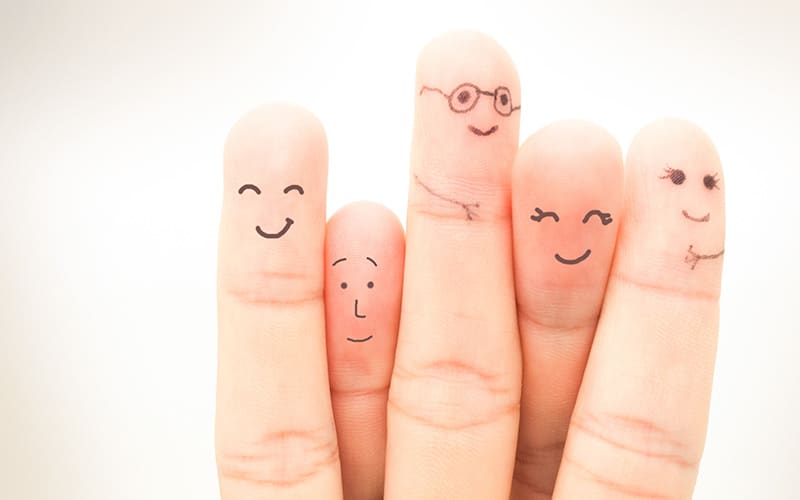
Women whose index finger is shorter than their ring finger may be stronger, according to a new study cited by the Daily Mail. The researchers looked at the relationship between the two fingers and how it relates to muscle strength.

If you have a shorter index, this has already been linked by scientists to higher exposure to testosterone in the womb.

In scientific experiments, women with a shorter index than the ring finger had a stronger grip than women with a longer index finger than the ring finger. The new study was conducted by scientists from the Department of Evolutionary Anthropology at the University of Vienna, Austria and published in the Proceedings of the Royal Society B.

What your fingers say about your skills

The team measured the ratio of finger length and grip strength of 125 healthy women aged 19 to 31 from a remote region in Austria. Grip strength was measured using a dynamometer (silometer), a handle device that is often used for routine medical screening of patients’ grip strength. Meanwhile, finger length ratios were measured using an A4 mobile scanner.

Generally

researchers have found a “clear link” between the later index and the grip strength of women.

In other words, a longer ring finger than the index finger (and therefore more prenatal testosterone exposure in the womb) is positively related to grip strength and therefore to how good a woman’s muscles are.

How to measure your index finger?

To measure your index finger, straighten it and look at the palm of your hand. There are probably wrinkles at the base of your index finger and ring finger. Your index finger probably has a crease and your ring finger has a band of creases.

Choose the crease that is closest to the palm and choose a point of the crease in the middle of the base of the finger. Mark it with a pen. Measure it from the mark to the tip of your finger.

What reveals the length of women’s fingers for the career

Women whose index finger is shorter than the ring finger are suitable for “male” professions, such as lawyer or industry manager

The profession that a woman chooses is determined by the length of her fingers, the Daily Mail reported, citing the results of a new study.

Women whose index finger is shorter than the ring finger are suitable for “male” professions, such as lawyer or industry manager. Those with a longer index are more suitable for stereotypically female professions – such as nurses or primary school teachers.

The ratio of the length of the fingers is due to the amount of the male hormone testosterone to which the fetus is exposed in the uterus. It is known that those exposed to more prenatal testosterone are more often self-confident, aggressive, prone to risks.

For the study, researchers from the National Research University of Russia, led by Prof. John Nai, analyzed data on 1,500 men and women. They found significant differences in the ratio between the two fingers only in women, and mainly for the left hand.

Ladies with a shorter index who were exposed to more testosterone before giving birth are known to be more confident and at risk. However, whether this determines the choice of profession or cultural norms is uncertain. That is why it is important to do such research in different countries with different ethnic groups, explained Prof. Nai.

A study by researchers at the University of Oxford, published last week, found that the ratio of the index finger and ring finger may indicate a tendency to infidelity.

People with approximately equal lengths of two fingers are more faithful in love, while those with a longer ring finger are more likely to cheat.

Men with the same length of thumb and forefinger are usually more attentive to women, a team from McGill University in Canada found. If the ring finger is longer, they are more likely to be quarrelsome, stubborn and rude.

Source: Daily Mail

What to do if a pack of dogs attacks?

0

Tips from trainer Ekaterina Frizorger

How to protect yourself from an attacking dog? The question is complex. When dogs are taught obedience on training grounds, a good instructor looks for an individual approach to each dog. What works with one dog may not work at all with another. Because every dog ​​has its own set of instincts, different degrees of their severity, and in addition to genetic predisposition, the dog’s life experience also plays a significant role. Even within the same breed, dogs can be very different. Therefore, there is no single recipe for how to fight off a dog.

You may be surprised, but the most dangerous bites are, more often than not, domestic dogs. Yes Yes Yes! It is those who are very much loved, appreciated, those who are assigned a very high status in the family. It is these dogs that can inflict the most serious injuries on humans and even their own owners. Therefore, I would be more afraid of an uncontrollable pet that fell off the leash than a whole flock of stray dogs that move along the streets of the city in order to find food and survive. And who survives in nature? Strongest or cunning? Definitely the trickiest! In order to survive on the street, a dog must be careful and cunning, it must have a well-expressed instinct for self-preservation. Otherwise, there is no chance of living. Stray dogs, most often, avoid people and are afraid. On the streets of the city, they get food, they have enough problems and they do not need conflicts with people. Therefore, the easiest option, seeing stray dogs in the distance, is to bypass and not frighten them. The likelihood that they will run after you, and even more so will attack, will be extremely low. If the dogs are quietly walking past you, just stop, turn sideways and turn your head away. This signal will indicate that you do not want conflict. Most likely, the dogs will pass by and then you calmly continue your movement …

If we talk about serious measures, then I must remind you that all dogs are different and what works with one may not help with the other. I’ll tell you about the simplest thing, about what helps most often. Almost all stray dogs are afraid of swing. Often it is enough to pretend that you are picking up a stone from the ground at a distance and toss an imaginary stone towards the dog, shouting “Get out!” And stamping your foot as well. Usually stray from childhood are faced with this, they are often frightened and they get scared and run away. If there really is a stone, then you can throw it in the direction of the dog that you are so afraid of. But naturally not in the dog itself.

If the dogs are already very close and are trying to bite, then you need to use whatever is at hand. Packages scare very well … if you wave them actively and swear convincingly, the dog can retreat. But you do not need to do this, if there is no attack, you should not attack a dog that just wants to pass by and attract too much attention.

I’ll tell you my childhood experience, what if it helps someone. I was 10-11 years old, I was walking in the park with my little Pekingese. A drunk man lay under a tree, and his aggressive shepherd dog was running around the park. His dog bit both people and other dogs, I knew her. And then I see that she was flying at my Pekingese and it was clear even to a child that she was flying to tear him. In my case, everything happened instinctively. I very abruptly lay down on top of my Pekingese and curled up in a club, face down on the ground. The shepherd dog attacked us, but she had nothing to grab onto. My face is in the ground, my arms and legs are hidden, my dog ​​is covered by me. After some time, people came running, hitting this shepherd with something, and then the owner “crawled”, fastened the leash. As a result, I was decently bitten on my back, my clothes were torn and I had a strong fright … but everyone was alive, without serious injuries … well, yes, there were deep scratches on the back, but this is such a small thing compared to what could have happened. And my Pekingese only had time to get scared, they didn’t eat him. If I hadn’t reacted like that, then I wouldn’t have had a Pekingese. If I grabbed him in my arms, then with a child’s growth, both the face, and the hands, and the dog would be in danger. I’m afraid to tell this as a recommendation, we will assume that I just shared my experience in a situation where you are completely helpless and cannot repel an attack.

But we live in the modern world and it is much easier and safer to carry a pepper spray can with us (I have a Spag can, once a student gave it to me). It will not hurt the dog, the discomfort will pass, but you will have time to go. Well, or a shocker that produces an electrical discharge. Many stray dogs are frightened even by a crackling sound from a shocker and run away when they hear it at a distance. The downside is that it is usually forgotten at home and it is difficult to develop the habit of carrying it with you. But, if you are very afraid of dogs and can get confused, then you will be much calmer this way.

In conclusion, I repeat, it is better to bypass and not get into conflict if you are very afraid and do not need adventure.

Not from the Gospel

0

The Bulgarian Orthodox website dveri.bg has launched a column “Not from the Gospel”, in which it publishes excerpts from sermons, speeches or texts of Russian priests and representatives of the Russian Orthodox Church without editorial intervention. They are a sad testimony to the contribution of Orthodox clergy to the formation of today’s grim cult of war and violence. We are witnessing how Christian pastors, called to lead the Church, to reveal to believers the image of Christ and His peace, are not ashamed to support even nuclear war and justify their hatred of man with quotations from God’s word. We know who is called the misanthrope. That is why today it is more than important to learn to distinguish the word of God from its cunning perversion. Christ’s call to be vigilant in the Gospel readings of Holy Week is addressed to every Christian. For every believer is called to know and discern where Christ and His peace are and what the fruits of the Holy Spirit are: “love, joy, peace, longsuffering, gentleness, goodness, faithfulness, faith, meekness, temperance” (Gal. 5: 22-23). ). And their opposite comes from the evil one.

Ep. Pitirim (Tvorogov) on the role of the whip and on Russia as an instrument of God’s wrath, as well as on the upcoming “Great War” with the European Union and the “collective West” (sermon on the day of the Forty Martyrs of Sebastian, March 22, 2022)

Today’s war is causing great pain to our hearts, it is a tragedy. Even more so for those who are Ukrainians by birth, and whose relatives and friends are now, so to speak, dying – all this cannot be understood and cannot be accepted. Now there is a psychological rejection of everything that is happening. This is with us, and even more so with the Ukrainians, who believe that Russia has attacked and is destroying them. Indeed, it looks like this from the side. But look, the answer to this question: what kind of war is this and what is happening in a spiritual sense, we can find in today’s apostolic reading. It says that God punishes whom He loves. He punishes adulterers. Every son he loves punishes him. And now it is clear that God, loving Ukraine, is punishing her. To understand what is happening, we need to know why. Why is God punishing Ukraine? And why exactly Ukraine? The current hatred of Ukrainians for the Russians is simply a weapon of God. It’s like the whip with which the father punishes the child. And the stupid, unreasonable child is really angry at the whip. Children often hide the whips with which they are punished, or the cannon with which they are punished, because they think that this is what punishes them. But the parent punishes them. And who is the parent in this case? This is God. God punishes the children He loves and the children who do not listen to Him. It is very important not only for us, in private life, but also for the life of states, never to resist God’s will. And what happened to Ukraine thirty years ago when it gained independence? What country did you start to form? Her ideology was based on hatred of Russia. We are horrified by what has happened to Ukraine in these thirty years. They were overwhelmed by the compulsive idea of ​​joining the European Union, that European prosperity, that civilization that has always been a piece of bread and bacon, figuratively speaking. That’s where they wanted to go. And what is the modern European Union? These are the ancients of Sodom and Gomorrah. They are the adulterers, the whole collective West, along with the United States. But Heavenly Father does not love or punish them. That is why these countries live well… That is why Ukrainians should not hate the whip with which God makes them wise, but the real enemy who organized this massacre. And when they find out who their real enemy is, they will unite with the Russian people. This war must end with this unification – the Ukrainian, Russian and Belarusian people must become one people… This war helps us to form the army, which then fights the kingdom of the antichrist, which is already here and which he hates so much. Russia. The great war is before us. This is not the big war yet…

Voronezh Mitr. Sergiy (Fomin) in an interview with Enoriash magazine, published on the website of the Moscow Patriarchate on April 13.

Youth in Ukraine grew up under the influence of neo-nationalist propaganda, and today these people are fighting against Russia. They are convinced that Russia has invaded Ukraine, and they must defend themselves. These people do not want to go deeper and understand why Russia was forced to decide on this special operation. They do not want to think about the question of the instrument of what forces modern Ukraine is – God’s plan for the creation of good and salvation, or is it the work of Satan to destroy Christian civilization?

Thinking this way, we can conclude that what is happening now is not a conflict between Ukraine and Russia. The time has come for apostasy, for the apostasy of the nations from God, for the oblivion of the gospel commandments for good and love. That is why we must all support our President and the work he is doing. Unfortunately, this task can no longer be accomplished without bloodshed.

Prot. Vsevolod Chaplin (speech from 2018; the author died in January 2020) on the occupation of left-bank Ukraine and why Orthodox Russians should not be afraid of nuclear war

Apparently, intensive talks are under way with the Americans on Syria. And the main thing here is not to replace the future, Russia’s independence and its place in the world out of fear. And we need to talk not only about Syria and not only about the Middle East.

They want to remove Assad – we can do without him, but we must ensure the election of an even tougher figure or the division of Syria into several ethno-confessional states (others there are not yet viable). In return, however, it must be ultimately stated that we will apply the same principles for the protection of our fellow citizens and compatriots with regard to Kyiv and the whole of today’s left-bank (on the left bank of the Dnieper) Ukraine as we did in Crimea. Within a few days.

And the main thing – which must be clearly stated: unlike the Americans, we are not afraid of the destruction of large cities. What should people living in eternity be afraid of? I recommend the residents of Moscow and St. Petersburg to confess and receive Holy Communion in the coming days. And rural Russia without millionaire cities, with their dirty foam, will live better. “

Bulgaria donates COVID vaccines to Uganda

0

The draft agreements provide for a donation of 500,000 doses

The Council of Ministers adopted a Decision approving a draft Tripartite Agreement on Donation of COVID-19 Vaccines between the Republic of Bulgaria, the Republic of Uganda and AstraZeneca, as well as a draft Bilateral Agreement on Donation of COVID-19 Vaccines Produced by AstraZeneca between the Republic of Bulgaria and the Republic of Uganda, as a basis for negotiations.

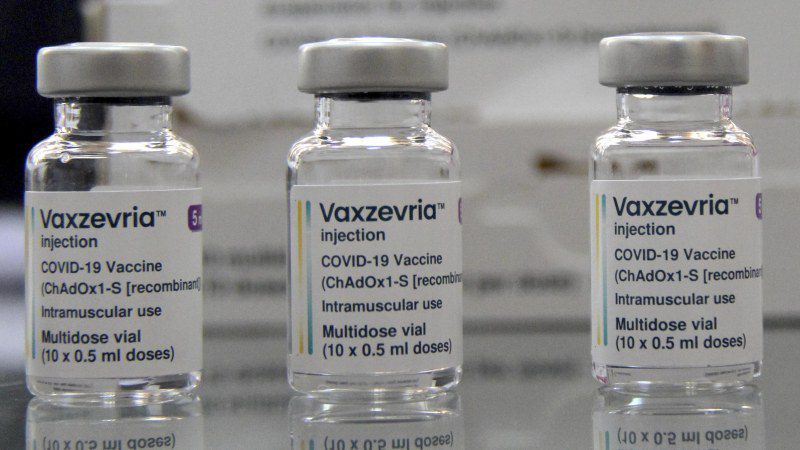
The draft agreements provide for a donation of 500,000 doses of Vaxzevria vaccine. The above agreements provide that all delivery costs are to be borne by the Republic of Uganda.

What will drinking wine lead to? Doctors reveal the secrets of this ancient drink

0

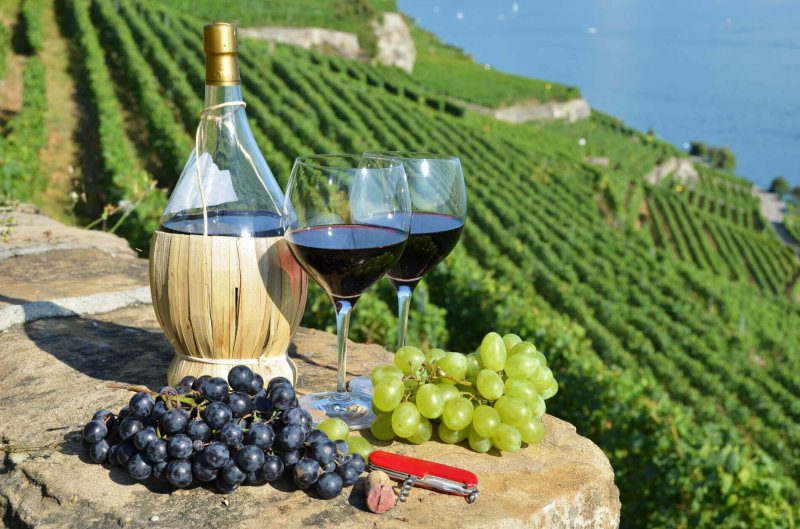
Wine is a drink known to mankind since ancient times. Its production is possible both at home and in industrial conditions. Wine is distinguished by color. It can be red, white and pink. There are pomegranate, apple, plum and others wines. But the progenitor of all wines is grape wine. The controversy about the dangers and benefits of wine has not subsided for many decades.

Home wine

Making wine at home is a very laborious and time-consuming process. Subject to all the rules and regulations for the manufacture and storage of the drink, a high-quality product of great benefit is obtained.

Benefit

A huge advantage of homemade natural wines is that they do not add dyes, alcohol, flavor enhancers, chemical impurities, preservatives. Also, the winemaker himself can control the desired taste, sweetness, saturation. Homemade wine contains vitamins B, C, PP, useful trace elements and amino acids.

Homemade wine is beneficial only when used in moderation.

In certain situations, homemade wine even has a healing effect.

White wine is more suitable for those who follow the figure. They are low in calories. And helps fight cellulite. Red wine is more vitamin-rich and helps with problem skin.

General healing effect of homemade wines

1. Wines remove poisons from the body.

2. They have anti-tumor and anti-inflammatory properties.

3. Reduce blood pressure, help with fatigue, lower blood sugar. Thus, it is shown to the elderly in the amount of one glass per day.

4. Prevent heart attacks and strokes, strengthen the entire cardiovascular system.

5. Prevents the development of diseases of the mouth and throat.

6. Prevents the development of Parkinson’s and Alzheimer’s diseases.

7. Suppress the development of bacteria, cholera, tuberculosis and malaria.

8. They are a good prophylaxis against radiation exposure.

9. Wines help in the treatment of lung diseases.

10. They are pain relievers and help in the treatment of colds.

Harm

1. Sulfur is used in wine making at home and this can in some cases lead to attacks in people with asthma.

2. White wine can lead to tooth decay and crumbling. Red wine can cause allergies.

3. If homemade wine was prepared incorrectly, then methyl alcohol may appear in it, the presence of which is deadly to humans.

4. Household wine can cause food poisoning. For example, if wine was prepared with seeds, then a large amount of hydrocyanic acid could get into the drink. Symptoms of such poisoning appear quickly and pose a great danger to human life.

5. If a winemaker uses metal utensils, then during the fermentation process a huge amount of chemical compounds is released into the drink, which is also harmful to health.

Shop wine

It is often believed that all store-bought wine is made on the basis of a special powder. This is actually a myth. Grapes are a very common raw material and there is no point in making powder out of them. The production of such a powder will take much more financial costs. But this does not mean that store-bought wine in terms of quality and benefits coincides with homemade wine.

In addition, when buying wine in a store, you can often run into not so much a fake, but simply a wine that was produced in conditions of a total reduction in production costs.

Of course, such a product does not have any medicinal and beneficial properties.

The methods for making such an inexpensive wine are as follows:

1. Mix of a quality product with a base one. In this case, the taste is achieved by adding dyes and sugar.

2. Dilution of wine with water. Then add alcohol.

3. Acceleration of the fermentation process. This is the most common form of production cost reduction in wineries. The point is adding sugar before fermentation starts or right after it starts. This speeds up the maturation of the wine, but greatly reduces its properties and quality.

4. Glycerin is added to a wine with a bad taste, and it becomes sweeter and more pleasant.

5. Use of concentrates and paints. Using these methods, they are trying to make an elite wine from cheap wine and sell it several times more expensive. Synthetic dyes are often used, which can be harmful to health.

6. Artificial wine occupies a special place among the harmful shop wines. It completely eliminates the use of grape juice and uses chemical substitutes.

Contraindications

Everything is good in moderation.

When wine is abused in the body, the process of cell destruction begins. This leads to numerous problems.

1. Ischemic heart disease.

2. Stomach ulcer.

3. Nervous diseases.

4. Cirrhosis of the liver.

5. Osteoporosis.

6. Hypertension.

7. Cancer of the throat and liver.

8. Alcoholism.

You can not drink wine for people who have the following problems:

1. Sick pancreas.

2. Sick liver.

3. If there is any allergy. Wine will strengthen it.

4. Migraine. Even a glass of wine can trigger an attack.

5. Heart disease and hypertension.

6. Kidney disease.

7. Do not mix wine with medicines. This combination is dangerous for all organs and can even lead to respiratory arrest.

8. Asthma. Small amounts of sulfur in wine can lead to a seizure.

9. Pregnancy and breastfeeding.

The main difference between homemade and shop wine is that homemade wine is natural, it contains vitamins, and helps with many ailments.

The main elements of homemade wine are:

1. Tannins – kill all bacteria and are natural antibiotics.

2. Substances that can break down harmful fat in the body, including the liver.

3. The antioxidant resveratrol is found in the skin of grapes. It protects our blood vessels and resists the formation of cancerous tumors.

But all these substances are found only in natural homemade wine and do not belong to cheap store wine, which consists of alcohol, sugar, dyes and many preservatives.

What you should and should never do in Bosnia and Herzegovina

0

Bosnia and Herzegovina, like all Balkan countries, has a diverse cultural, historical and religious heritage, and the speech you will hear there is far from unfamiliar compared to the rest of the Balkan Slavic language family.

Yet for most people, this remains an unfamiliar country. We all associate it with the horrors of war, which has undoubtedly left its deep wounds.

But life there continues, and today many people are rediscovering Bosnia and Herzegovina both because of the interesting history and the picturesque nature.

And because of its proximity, it is very likely that sooner or later you will be tempted to go there, it is important to know some rules for communicating with local people.

See what you should do and what you should never do when you are in Bosnia and Herzegovina.

What to do

– If a Bosniak offers to do you a favor, accept kindly and gratefully. Foreigners can often be cautious and skeptical when someone offers to help them, especially if they do not know them well. Try to recognize the gesture as a sign of local hospitality and show gratitude.

– Try to talk about the regions and regions of the country with the greatest possible accuracy. Provincial identity is important to people. For example, it is better to talk about someone from the south as a Herzegovinian than a Bosniak. But keep in mind that it can be difficult to hit a person’s birthplace, as many people have fled during the war and may not be able to return to their homelands.

– Expect people to ask you direct questions about age, marital status and children when they meet you, informs Cultural Atlas.

– Expect Bosniaks to have heated debates in public, especially on politics. Try to stay calm and don’t worry that these conversations can turn into quarrels. Bosniaks in general are very expressive, especially when they talk about something they are firmly convinced of. These discussions happen often and rarely end in bad feelings.

What not to do

– Avoid being too tight on money and time around Bosniaks, especially in social situations. Those who do not show generosity soon gain a bad reputation.

– Do not accuse a Bosniak of doing something wrong, especially in front of other people. They can be very sensitive when condescending remarks are made to them.

– Avoid expressing opinions about the causes and course of the war in Bosnia. A particularly sensitive topic is to discuss the participation of each ethnic group in the war.

– Avoid equating Bosnian culture with post-communist Eastern European countries or believing that there is heavy Soviet influence there.

– Do not pressure the locals to tell you their ethnicity if they are reluctant to do so. Also, if they have not already shared this information, it is best not to ask such questions unless you have a close relationship with that person.

Why did Lenin and Krupskaya not have children?

0

Lenin and Krupskaya lived together for 26 years, but they never had children. Why?

 Expert answer:

“Vladimir Lenin and Nadezhda Krupskaya really wanted to have children, but this did not happen due to the illness of their wife,” says Art. Polina Savchenko, researcher at the Shushenskoye Museum-Reserve. – Soon after her marriage in 1898, Krupskaya suffered a serious female illness: months of imprisonment affected her (from October 1896 to March 1897 in the St. Petersburg House of Pretrial Detention). Her mother wrote a petition for her daughter’s release 6 times due to her extremely difficult condition.

In 1899, Maria Aleksandrovna Ulyanova, in a letter to Nadezhda Konstantinovna, asked her if she was healthy and how long to wait for the “arrival of the bird”. Krupskaya replied to her mother-in-law: “As for my health, I am perfectly healthy, but unfortunately, the situation is bad with regard to the arrival of the bird:“ no bird is going to fly in. ” In May 1900, when Nadezhda Konstantinovna arrived in Ufa to complete her term of exile, she consulted a doctor. After the Leninist Grigory Khait found in Ufa a record of the final diagnosis made by Dr. Fedotov: “genital infantilism”. No treatment could help in those days. “

Most of the widows of the first persons of the Russian state ended their lives in seclusion. The only exceptions are Nadezhda Krupskaya and Naina Yeltsina.

The wife of the founder of the Soviet state, Vladimir Lenin, is undoubtedly the most famous of the widows. Krupskaya was not only the wife of Vladimir Ilyich, but also not the last person in the party. Because of this, many today believe that personal relationships in this couple were replaced by a great common cause.

At the same time, they start from the later photos of Nadezhda Konstantinovna, where, frankly, she really does not look attractive.

But in her youth, Nadya Krupskaya impressed men not only with her sharp mind. She was a beauty, and their romance with Vladimir Ulyanov, which ended with a wedding in exile in Shushenskoye, became a manifestation of sincere feelings.

The life of Nadezhda Konstantinovna was by no means broken by exile, but by a serious autoimmune disease – Graves’ disease, or, in other words, diffuse toxic goiter.

The bulging eyes of elderly Krupskaya are just a consequence of the disease. But even worse is the fact that the disease prevented her from giving birth to a child.

She always hid this pain from those around her, heading into work. Nadezhda Krupskaya was not just Lenin’s wife and assistant, but a person on whom much depended on the Bolshevik party.

In the early 1920s, she had to fight for her husband, who was struck by a serious illness. Nadezhda brought the semi-paralyzed Ilyich back to life, using all her pedagogical talent, re-teaching him to speak, read and write. She succeeded almost impossible – to return Lenin to active work again. But a new stroke nullified all efforts.

After the death of her husband in January 1924, work became the only meaning of the life of Nadezhda Krupskaya. She did a lot for the development of the pioneer organization, the women’s movement, journalism and literature in the USSR. At the same time, she considered Chukovsky’s fairy tales harmful for children, criticized Anton Makarenko’s pedagogical system.

But in general, Krupskaya had to struggle with the stigma of “Lenin’s wife,” because of which she was no longer regarded as an independent figure. She did not manage to win this fight.

On February 26, 1939, Nadezhda Konstantinovna celebrated her 70th birthday. At the celebration, she allowed herself to deviate from the strict diet prescribed by doctors. Sweets by that time remained for her almost the only joy in life. Women’s weakness turned into acute appendicitis, which turned into peritonitis. The next day, Lenin’s widow died.

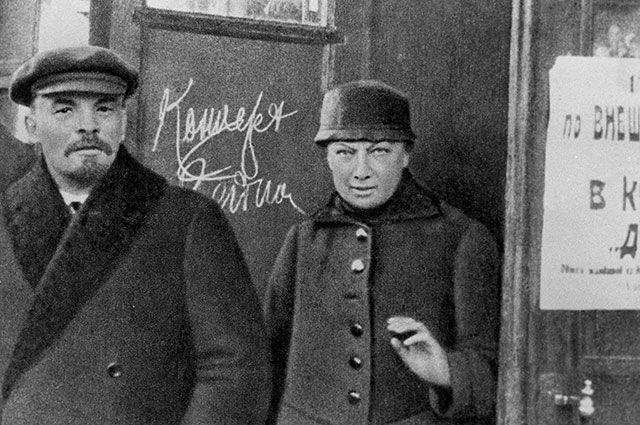
Photo: Vladimir Lenin and Nadezhda Krupskaya, 1919 RIA Novosti

Wine protects against coronavirus, but beer does not

0

Red wine protects against coronavirus according to a new study. Drinking more than five glasses of red wine a week reduces the risk of infection with COVID-19, which experts say is due to the high content of polyphenols in the drink. But beer and cider increase the chances of contracting the virus by almost 28%. According to the Daily Mail, researchers who drank more than five glasses a week had a 17% lower risk of contracting the virus. Experts believe that this is due to the content of polyphenols, which can stop the action of viruses and infections related to the respiratory tract.

White wine lovers who drank one to four glasses a week had an 8% lower risk of contracting the virus than those who did not. But, on the other hand, the chances of beer and cider lovers getting COVID-19 were 28% higher, no matter how much they drank. Data from the UK Biobank database were analyzed at China’s Shenzhen Kangning Hospital. In February 2021, a study was reported suggesting that the tannic acid contained in grape skins may help suppress COVID-19. A study by the Chinese Medical University in Taiwan, led by Mien-Chie Hung, found that tannic acid can successfully limit the replication of the COVID-19-causing SARS-CoV-2 virus in sick patients. Dr. Hung and his colleagues studied tannic acid along with five other natural compounds to test their effectiveness against viral activity. “Among the six compounds tested (catechin, kaempferol, quercetin, proanthocyanidins, resveratrol and tannic acid), tannic acid alone showed significant activity in inhibiting up to 90% of the enzymatic activity of SARS-CoV-2,” the statement said. a study published in the American Journal of Cancer Research.

The results do not mean that drinking wine can cure patients with COVID-19, the researchers note. But research shows that the wine ingredient can lead to new treatments. “This compound can be used as a medicine to treat COVID-19,” says Dr. Hung. “But further research is needed to test its activity at the cellular and animal levels.” Clinical trials in humans are then needed to test for efficacy and possible side effects. “