Tuesday, March 24, 2026
Home Blog Page 956

Euthanasia – in which countries is the procedure approved?

0

The desire for the end of life is far from limited to the emotional or mental state of a person. There is a long list of diseases and conditions that can be the basis not only for the patient’s wishes, but also for obtaining approval from a medical commission to perform euthanasia.

The term so familiar comes from ancient Greek and literally translates as “easy and beautiful death”. To date, the full definition of euthanasia, though less lyrical, is: “Consciously and purposefully accelerating the death of an terminally ill person.”

It is important to note the types of euthanasia according to the methods used. The term active euthanasia is used when taking specific medications that lead to the cessation of vital processes in the body. In contrast, passive euthanasia is the deprivation of the patient of supportive procedures and the shutdown of equipment related to his life processes.

Assisted euthanasia is a third type, which is the provision of the necessary medication to the patient, along with instructions on how to take them.

Statistics show that the number of patients who want to be euthanized in countries where this is allowed is growing at a relatively rapid pace.

For example, in the Netherlands, which is the first country to have the procedure carried out – only in 2019, the applications that have been submitted have increased by 22% compared to the previous one – 2018. But the presence of desire, in having a considerable amount of money is not a sufficient argument to obtain approval for euthanasia. Only 1/3 of the submitted applications in the country reach the approval and finalization of the procedure.

Patients go through two independent teams of medical professionals to give an opinion on whether the procedure should be performed. In addition, another important step during the approval procedure is going through a psychiatric consultation, which determines whether the person is able to make the decision on their own without being prompted by temporary depression, for example.

In diseases such as Alzheimer’s or Parkinson’s disease, which are related to compromising the patient’s adequacy, the person has the right to leave a formal request for euthanasia in case of deterioration.

In addition to the Netherlands, euthanasia also takes place in Japan, Canada, Colombia, some US states (Washington, Montana), as well as Austria, Switzerland, Belgium, Luxembourg and others. It is important to note that in some countries not all types of euthanasia are allowed to be performed. In some, only the assisted form is allowed.

Another important point is that not all countries allow the euthanasia of citizens from other countries. Switzerland stands out, where assisted euthanasia can be performed not only on persons with Swiss citizenship, but also from other countries and continents.

One of the most liberal euthanasia laws is in Belgium. In the country, the procedure can be activated even in patients under 18 years of age, as long as they are approved.

Thousands of Qatari genomes reveal ancient migrations and the genetic contribution of Arabs to world populations

0

The largest genetic study of modern Qatari population in history has expanded the data bank to study the migration of early human communities from Africa and the impact of the Arab conquests on the formation of many modern populations of the planet.

Researchers from the Qatar Department of Human Genetics (Sidra Medicine, Doha) and Cornell University in the United States have sequenced 6,218 genomes of the Arab population of Qatar. Such a large array of data on the modern inhabitants of the Arabian Peninsula was obtained for the first time. The genetic material was selected at random from the Qatar health database. Scientists have compared these samples with the DNA of modern people from other regions, as well as the ancient population of the African and Eurasian continents. An in-depth analysis of the genomic data of more than 6,000 people from a small state in the east of the Arabian Peninsula has shed light on the history of the Arabs of the entire Middle East region.

Archaeologists and paleogenetics consider the Arabian Peninsula to be the most important base for the spread of modern humans around the world. In recent years, research centers in many countries have been collecting and analyzing genetic evidence for this theory. Qatari scientists confirmed the migration of early Africans through Arabia about 90 thousand years ago, and the isolation of the local community from the populations that continued to move to Eurasia occurred later.

The Arabian population separated from the migration flow of future Europeans 42 thousand years ago, and from the ancient conquerors of South Asia – about 32 thousand years ago. It is with this that scientists explain the extremely rare appearance in the genome of the Arabs of the DNA of the Neanderthals and Denisovans, with whom the ancient people met later, having already left the Arabian Peninsula.

Geneticists claim that the formation of the five main branches of the modern Arab community was completed 12-20 thousand years ago. The population of their ancestors has undergone several fragmentation and displacement associated with climate change. The settlers in fertile lands laid the foundation for agricultural communities, and those who remained in the desert became nomadic herders.

D-statistic histograms of the contribution of various ancient human genomes to the origin of the peninsular Arabs PAR in comparison with other QGPs and world populations, inferred using Patterson’s D-statistic (Dstat).

Results are grouped by archaeological period. Abbreviations:

QGP – Qatar Genome Program, PAR – Peninsular Arabs, GAR – General Arabs of Seven Arabia and the Levant, WEP – Arabs of Western Eurasia and Persia, CAC – Asian Arabs, AFR – African Arabs, ADM – Mixed Arabs. Razali et al./ Nature, 2021

The rise of the Arab Caliphate in the 7th century AD and the Arab conquests over the next 1400 years saw the DNA of European, South Asian, and even South American communities receiving significant contributions from the Middle East Arab genome.

The Qatari Whole Genome Sequencing Program has identified a large percentage of inbreeding in the Arab population due to the isolation of early tribal groups and limited opportunities for intermarriage. Scientists believe that this information will help diagnose, identify genetic disorders and treat hereditary diseases.

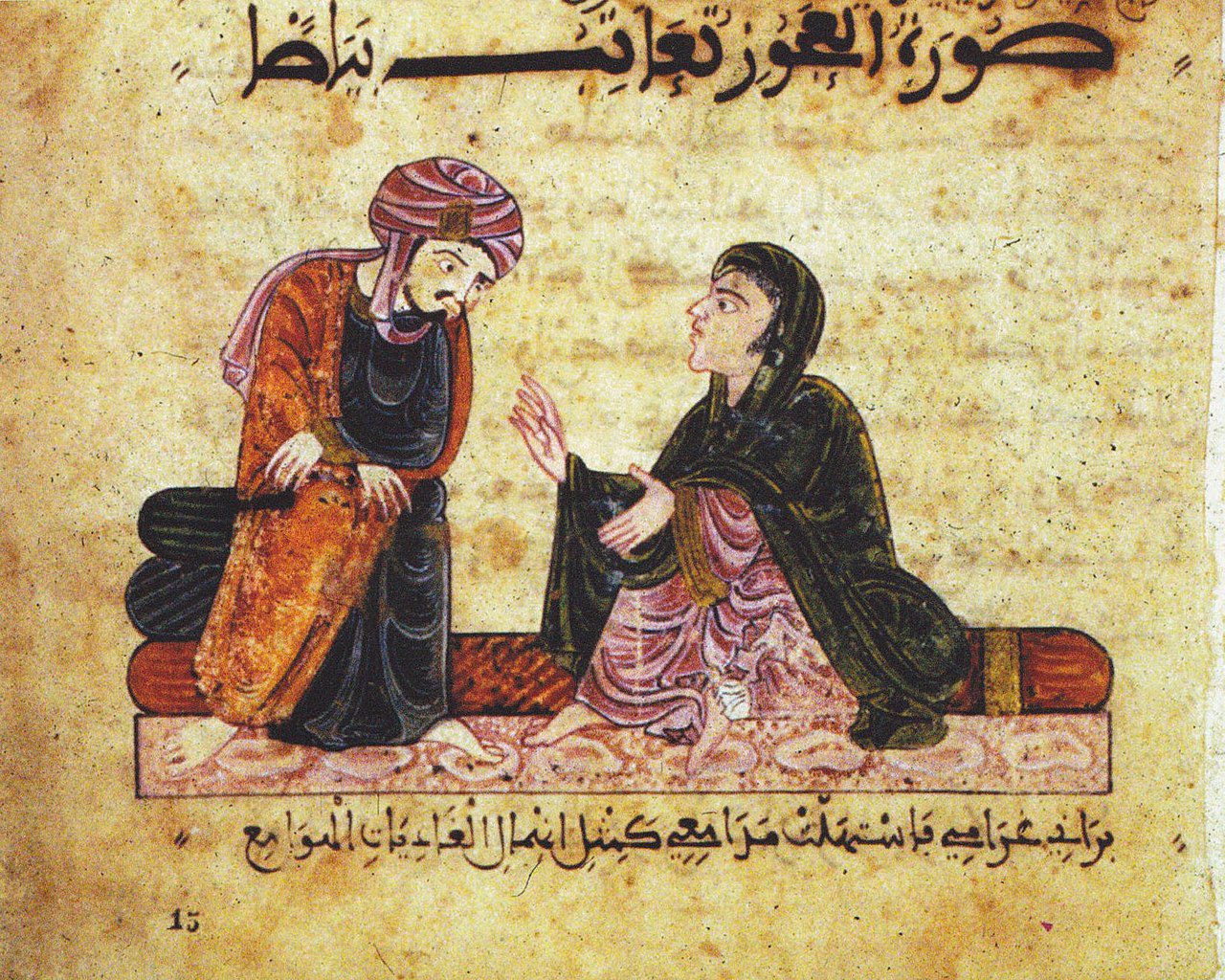
Photo: Handwritten illustration of the Arabian tale “Hadith Bayyad and Riyad”, 13th century (Biblioteca Apostolica, Vatican City)

Chocolate, red wine and olive oil to live to 122

0

Eden’s Gate experts decided to study the lifestyle of the oldest people on the planet to find out exactly what helped them live a record long time. It turns out that the secret lies in nutrition, writes “Eat This, Not That”.

Eden’s Gate is a British company founded to produce cannabidiol (CBD) products that can improve people’s quality of life by helping them feel happier. Because this company wants to help people live happier lives, it decided to explore the secrets of longevity on the planet.

In particular, the organization’s experts study the lifestyle of six people over the age of 100. They found that nutrition, exercise, stress levels and socioeconomic status were important factors in their longevity.

The oldest person on the list and in history is Jeanne-Louise Calment, who lived to be 122 and is the only person in the world to have survived more than 120 years. What is her secret to longevity? Three foods play an important role.

Chocolate, port and olive oil

Jeanne-Louise Calmen is a mystery while she is alive, and remains so even after her death. She died in 1997 at the age of 122, and when asked about the secrets of longevity, she replied: “Chocolate, port and olive oil.”

This is not surprising, given that many people over the age of 100 living in so-called “blue zones” (regions with the highest concentration of people over the age of 100) do consume olive oil and red wine on a regular basis. . Studies show that cold pressed olive oil helps control weight, lowers blood pressure, reduces inflammation and the risk of cardiovascular disease.

It has been found that red wine and dark chocolate also contain powerful antioxidants that help improve overall health if consumed in moderation.

Low stress levels are probably also an important factor. Kalman was a wealthy woman and in all her 122 years she had relatively little stress in her life. She has never worked full time, so it can be said that her stress levels were much lower than those of the average person. Because she did not have to work much, she was able to pursue active hobbies such as tennis, swimming, playing the piano and cycling.

So the valuable lessons we can learn from the oldest person in the world are: eat chocolate, drink wine, use olive oil and pursue a favorite hobby.

These foods stimulate dementia, avoid them!

0
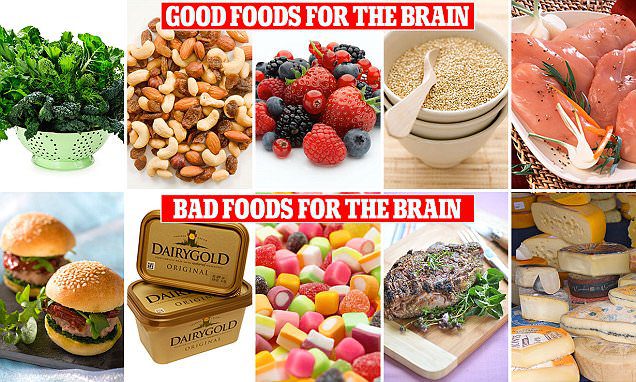
E5P1BJ Dairygold butter spread

It is estimated that the number of cases of dementia will skyrocket in the next 30 years, but we can do a lot to prevent this. Dementia is caused by the fact that neurons lose their ability to communicate with each other. There is now growing evidence that certain foods and beverages can accelerate neuronal death. Researchers warn that drinks with a high sugar content have an extremely harmful effect on the brain: if you consume more than two servings of these drinks a day, your brain will age by 11 years, writes Solen le Net in the British newspaper “Daily Express”.

Pure sugar has a bad reputation for being associated with obesity and cardiovascular disease. This is because the consumption of sugar raises blood pressure and triggers chronic inflammatory processes – two of the harbingers of the disease. Neurological health research shows that sugar can potentially have detrimental effects on brain function. The addition of sugar is a dietary supplement based on carbohydrates, which contains a certain amount of calories. A well-known example of such foods are high-sugar drinks, which provide an influx of calories to help satisfy hunger quickly. But it can have devastating effects on the brain, eventually leading to shrinkage of the prefrontal cortex.

There is also evidence that sugary drinks accelerate the aging process of the brain. Some studies even show that sugary drinks can reduce brain size and impair memory function. In a study by Boston University School of Medicine, researchers observed a group of 4,200 people who were periodically tested for cognitive ability and memory. Study participants were asked to provide information on the amount of sugary drinks they consumed, and the researchers used this data to calculate possible damage.

The scientists’ conclusions are shocking. They have calculated that if a person drinks one or two glasses of sweet drinks a day, his brain will age by 1.6 years. If we evaluate the aging process in terms of memory function, the results were even worse. If a person drinks one or two glasses of sugary drinks a day and if he drinks more than two glasses, this leads to aging of the brain by 5.8 and 11 years, respectively. The researchers noted a noticeable decline in memory function and a decrease in brain volume in those study participants who regularly consumed sugary drinks, comparing their performance to that of people who did not drink such drinks. Sudha Seshadri, a professor of neurology at Boston University School of Medicine, said: “The findings of these studies are inconclusive, but they are convincing evidence to support conclusions. It turns out that there aren’t many positive results from sugary drinks, and replacing sugar with artificial sweeteners obviously doesn’t help. ” It is difficult to measure the exact amount of sugar consumed in one or another person’s diet, so we used sugary drinks as a guide, “he said. the relationship is causal.

The first prayer for Ramadan in 88 years in “Hagia Sophia” celebrated

0

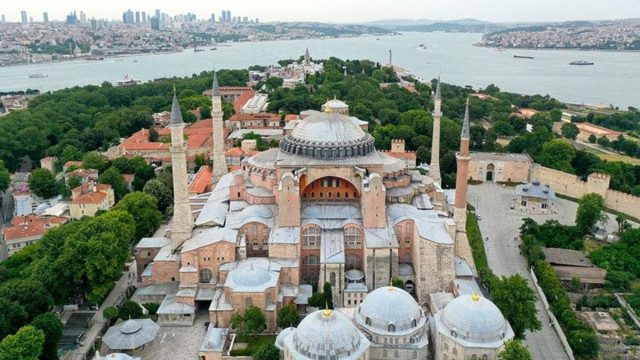
Hagia Sophia in Istanbul, which was recently converted into a mosque, will host the first special Tarawih evening prayer during the month of Ramadan tonight for the first time in 88 years.

The holy month for Muslims, Ramadan, will begin tomorrow morning with the first “sahur”, called a rough “pre-dawn meal”, before believers begin daily fasting. The first “taravih” will be performed in all mosques in the country on April 1 in the evening.

Ramadan will last until May 2, when the three-day holiday of Ramadan or Sheker Bayram begins.

Hagia Sophia was turned into a museum in 1934, but regained its status as a mosque on July 24, 2020.

Built in 537 as the largest Christian church in the Eastern Roman Empire, Hagia Sophia was turned into a mosque in 1453, after the Ottoman conquest of Istanbul.

In 1985, Hagia Sophia was added to the UNESCO World Heritage List.

The colossal building continues to be open to tourists daily, but subject to the requirements for entrance to mosques in Turkey. Since it was declared a mosque, it remains the most visited tourist site in the country, with more than 4 million people crossing the threshold of the Istanbul symbol.

The census in Northern Macedonia is a brutal forgery

0

For the first time in 19 years, there was a census in the Republic of Northern Macedonia (RNM) last September. The results were announced days ago and it turned out that with a population of 2,000,000, there are only 3504 Bulgarians. Here is what Petar Kolev, chairman of the Civic Democratic Union Party, said on this occasion in Studio Actualno:

working together, we could not imagine that we would witness such a brutal forgery. Which is largely a classic insult not only to the Bulgarian state, but mainly to the Bulgarians living in the Republic of Northern Macedonia. We are not a National Statistical Institute or the Ministry of Justice. I think that the most accurate data on how many Bulgarians live in the RNM should be able to give some institutions of a modern European and democratic country. To my great regret, anyone can see, if they are well-intentioned, look at all these facts and find that things are not really what someone is trying to present. It is illogical to have nearly 90,000 Bulgarian citizens (i.e. Macedonians with Bulgarian passports), to have another 30-40,000 who are in the process of obtaining Bulgarian citizenship, who according to the Bulgarian Citizenship Act have provided documents not only for them, but also for their ancestors, that they are of Bulgarian origin and suddenly there is such a census, in which the number is fixed at about 3500.

We had information at the time of the census that such a process begins with a clear vision to reduce as much as possible the number of the Bulgarian community in Macedonia with the ultimate goal to present to the Bulgarian and Macedonian society that this is an insignificant part of the Macedonian population, with the clear thought our main request, which is not only clearing the historical truth change of the Macedonian constitution and the registration of the Bulgarians as a nation-building people, to be eliminated as a necessity. Apparently, all these minds in Skopje, who have been working in this so-called process of de-Bulgarianization for years, had calculated that such a move would end this process and the topic of Bulgarians living in RNM would never be opened again.

Of course, we sent a formal request to the Macedonian government and to the Macedonian National Statistical Institute with something that is absolutely well-argued and logical. If this census is really fair, give every citizen in the RNM the opportunity to ask the institute and get an official document on how it was counted at this census. If there is a discrepancy, in this letter we wrote what is the procedure by which these discrepancies can be changed.

Finally, we asked what is the criminal responsibility of the persons who did this thing, because it is a change or substitution of personal data, which is a crime under Macedonian law.

Tradition is about passing on fire, not worshiping ashes

0

Broke tradition = sinned?

“Tradition is the transmission of fire, not the worship of ashes,” wrote Gustav Mahler. What is tradition in church life? Which traditions are obligatory for a Christian, which are nothing more than customs? Where is the border between tradition and commandment?

Discussion related to the modern understanding of the Sacrament of Confession. In some parishes it is no longer considered obligatory to confess before each communion, and regular parishioners receive communion regularly, but confess when necessary. This gives rise to different opinions, including about violation of church canons, about deviation from the tradition of our Church. In your opinion, is it possible, in principle, to say today that a traditional understanding and an unconventional understanding of the practice of confession has developed?

For some reason, we all tend to think of the usual things we do as traditional. But the familiar and the traditional are not the same thing. In addition, in our country, what is called traditional is perceived practically as canonized, and the church canons and commandments of God in the minds of many people are almost equal to each other. Very often you can hear: according to the canons of the Church this is impossible, that is not possible … But does it happen at the same time what is “according to the canons”?

Tradition is what holds the building of our true faith together and enables us to pray properly. There is, for example, the tradition of the Jesus Prayer – and there are things that can be wrong in this prayer: let’s say turning it into a mantra.

We have a patristic tradition, there is a tradition of icon painting, there is a tradition of worship. But none of the traditions can be frozen, dead, ritual and everyday, because then it ceases to be a tradition and turns into a familiar form of behavior. Tradition is a living phenomenon, it can change and transform along with life around. Therefore, first you need to understand what traditions we live in, and what is a form of religious behavior, so as not to substitute one for the other.

But confession before the sacrament can probably be called a tradition?

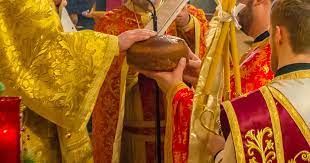
Tradition is when everyone takes communion at the Liturgy, because the Liturgy is served so that all the faithful who are in the church begin to the Holy Mysteries. And “only those who have confessed the day before can receive communion” is what we have been taught to. This is not a tradition, this is a behavioral thing that does not always bring a person real spiritual benefit and, moreover, can be an obstacle to the communion of the Holy Mysteries of Christ. You want to receive communion, but you cannot, because you have to go to the analogue and say something about yourself, and you have already confessed recently. And the person either does not go to the Chalice, or comes to confession and begins to invent something, squeeze something out of himself, like from an old doormat: “Well, what else is dirty in me?”, Or simply confesses formally. Of course, this is something that is not a tradition.

For all this “one must constantly confess”, we forget that a Christian, in essence, should not be a sinner – in the sense that he should not be prone to gross, serious sins. A Christian is one who strives for holiness, who chooses for himself the path of struggle with sin. It is impossible to confess the way of dealing with sin all the time, because there are things that are in the process. And a person in this process must from time to time mature to a certain level when the need arises to come to confession and repentance as a result of this struggle to bring to God.

And when a person constantly confesses, he begins to confess not so much the sins that he committed and of which he repented, but rather thoughts. There are so many different thoughts running through my head every day, excuse me, and now what? All this to remember and confess? Will thoughts stop coming to mind from this – condemning, nasty, depraved, empty? A life change is needed. And when some unnecessary thought comes, I can simply ask God for help in this: “Lord, I’m thinking about something wrong, help me”. You need to have your own experience and communication with God, and asking for forgiveness from Him, in addition to what happens in the Sacrament of Repentance. After all, when we have, for example, some kind of dirt on our trousers, do we run to the dry cleaner every time? We can take a brush and clean up some small dirt ourselves – that’s all.

Of course, I understand how many people will now be indignant with these words, because “the habit is given to us from above.” “What’s wrong with frequent confession? – many will say. – Better just in case, otherwise suddenly … “

A robot dog guards the ruins of Pompeii

0

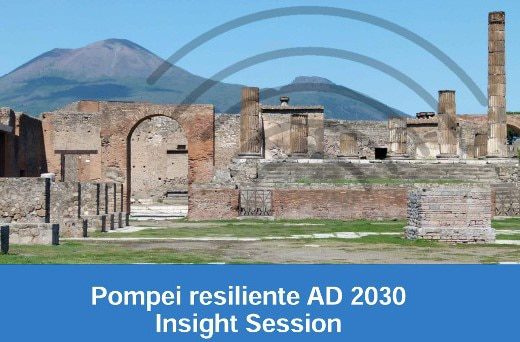
The ruins of Pompeii recently have a new guard. Guard dog, but not ordinary, but entirely mechanical. The four-legged Spot robot is the latest high-tech introduction to the archeological park, which attracts millions of tourists to the ruins of a time-honored Roman city.

The robot dog can penetrate narrow and hard-to-reach places, as well as move in different terrains, and its main task is to gather information for future research of the park.

It can also check the condition of restored elements, as well as warn of possible safety problems, thus protecting archaeologists and workers working in Pompeii.

A spot can also detect underground tunnels that treasure hunters have been digging under Pompeii for years. Through these tunnels, they managed to remove valuable artifacts from the ruins, and then sold them on the black market for antiques. The tunnels themselves are often very unstable and dangerous and the use of a robot in them will allow them to be detected, studied and blocked faster.

The Spot Robot is part of a larger project to use modern technology from the park, called Smart @ POMPEI. Another “member” of the high-tech team is a flying laser scanner that performs a three-dimensional scan of the object.

Scientists have discovered substances in the clove tree that block the reproduction of COVID-19

0

They are used in Chinese folk medicine

Chinese scientists led by Prof. Ding Kang of the Shanghai Institute of Pharmacology have discovered that clove tree flowers contain two types of complex carbohydrates that can block the activity of the Mpro protein, one of the three key viral enzymes needed to form new particles. SARS-CoV-2 virus, TASS reported. The results of the study are published in an article in the electronic library bioRxiv, BTA writes.

“We have found that the colors of the carnation species used in Chinese folk medicine contain molecules of hitherto unknown variants of pectin, which are unusually effective in the reproduction of SARS-CoV-2. Unlike other carbohydrates we have found. substances directly affect the enzyme Mpro and do not prevent the virus from entering the cells, “the article reads.

According to scientists, the enzyme Mpro hardly changes during the evolution of the new coronavirus, which makes clove pectins a particularly suitable means of combating COVID-19.

Trust in science strengthened faith in pseudoscience

0

According to the scientific method, even seemingly obvious concepts require repeated testing. This time, scientists have confirmed in practice a trivial idea – blind faith in science only aggravates the individual’s susceptibility to pseudoscientific “facts”. But there is good news: if the subjects were simply asked to critically perceive the information before the experiment, the degree of trust in fake news, albeit in scientific language, fell sharply.

A series of four experiments was recently conducted by the University of Illinois at Urbana-Champaign (UIUC). Thomas C. O’Brien, Ryan Palmer, and Dolores Albarracin published the results of their analysis in the Journal of Experimental Social Psychology. The scientific article itself will appear only in the September issue of the peer-reviewed publication, but its text has already been posted online.

The experiments were carried out as follows. First, the researchers developed two fictitious stories, similar to real ones and close in subject matter to current world problems. The first is about a virus created as a biological weapon, and the second is about the carcinogenic effects of genetically modified organisms. Based on each story, they created two texts: one that looked like it was written by scientists, which contained references to non-existent scientific works and many specialized terms, and the other that appeared to be published by some abstract “activists”.

From 382 to 605 people took part in the experiments, randomly distributed into groups receiving either a “scientific” text or a “non-scientific” one. Due to pandemic-related restrictions, work with respondents was carried out remotely. Before reading the test record, each participant took a questionnaire to characterize their degree of trust in science. And then he answered the question whether he or she considered the received text to be true. In one of the four “rounds” before getting acquainted with the “news”, the subjects were asked to take the information critically.

The results turned out to be predictable: the more the respondent trusted science, the more likely he was to recognize frank fake news as true, even if it was written in “scientific” language. Among those who did not have a special trust in science, no statistically significant difference was observed in the perception of a “scientific” and “non-scientific” text. What is most interesting, no matter how one initially feels about the authority of scientists, if he is first reminded of the need to be a skeptic and think critically, he is much less likely to be deceived by fake news.

According to the authors of the work, these results are very important in light of the recent problem of humanity – the “infodemic”, that is, the epidemic of conspiracy theory, coupled with the flourishing of fake news against the backdrop of the coronavirus pandemic. Scientists note the absolute need to stimulate people’s confidence in science, as this increases the survival of the whole society and its ability to develop. But this must be done not through the propaganda of blind faith in any seemingly authoritative source, but through the popularization of sound skepticism and critical thinking.