What do the animal and the tree have to do with the history of the Spanish capital?
In the heart of Madrid, where a number of roads depart in all directions, is one of the busiest places in the Spanish capital – Puerta del Sol. This is a place through which all tourists and many protesters in the country pass.
At one end of the square stands a special monument – a figure of a bear raising its paws to a strawberry tree. For many, this statue and its meaning remain a mystery, but if you look closely, you will see that it is present in many places in the city, not only here, because it is part of the coat of arms of the city.
The bronze statue was made in 1967 by order of the Spanish government. Although only 4 meters high, it weighs 22 tons. But at first glance, Madrid has nothing to do with bears or strawberry trees. Where does its symbolism come from?
How do the bear and the strawberry tree appear on the coat of arms of Madrid?
The bear has long been part of the coat of arms of Madrid. The first documents in which it is written that Madrid troops carried a flag with a bear and the seven stars of the constellation Ursa Major, is from 1212. Probably this comes from the ancient Roman name of Madrid – Ursalia, which translated from Latin means “Land of Bears”. “. Numerous bears that lived in the area at the time were captured and used for Roman spectacles – fighting with wild beasts.
Ten years later, the strawberry tree appeared on the coat of arms – for the first time on the seal of King Alfonso VIII. This seal was placed on a document that put an end to the land ownership dispute between the city council and the church. The document stated that the trees and forests (symbolized by the strawberry tree common here) would be owned by the city, and the animals and plains (symbolized by the bear) would be owned by the church. This royal decision resolved the dispute and later became the official coat of arms of Madrid.
Nowadays, there are no more bears around Madrid, as in almost all of Spain. They are found in the wild only in parts of Asturias.
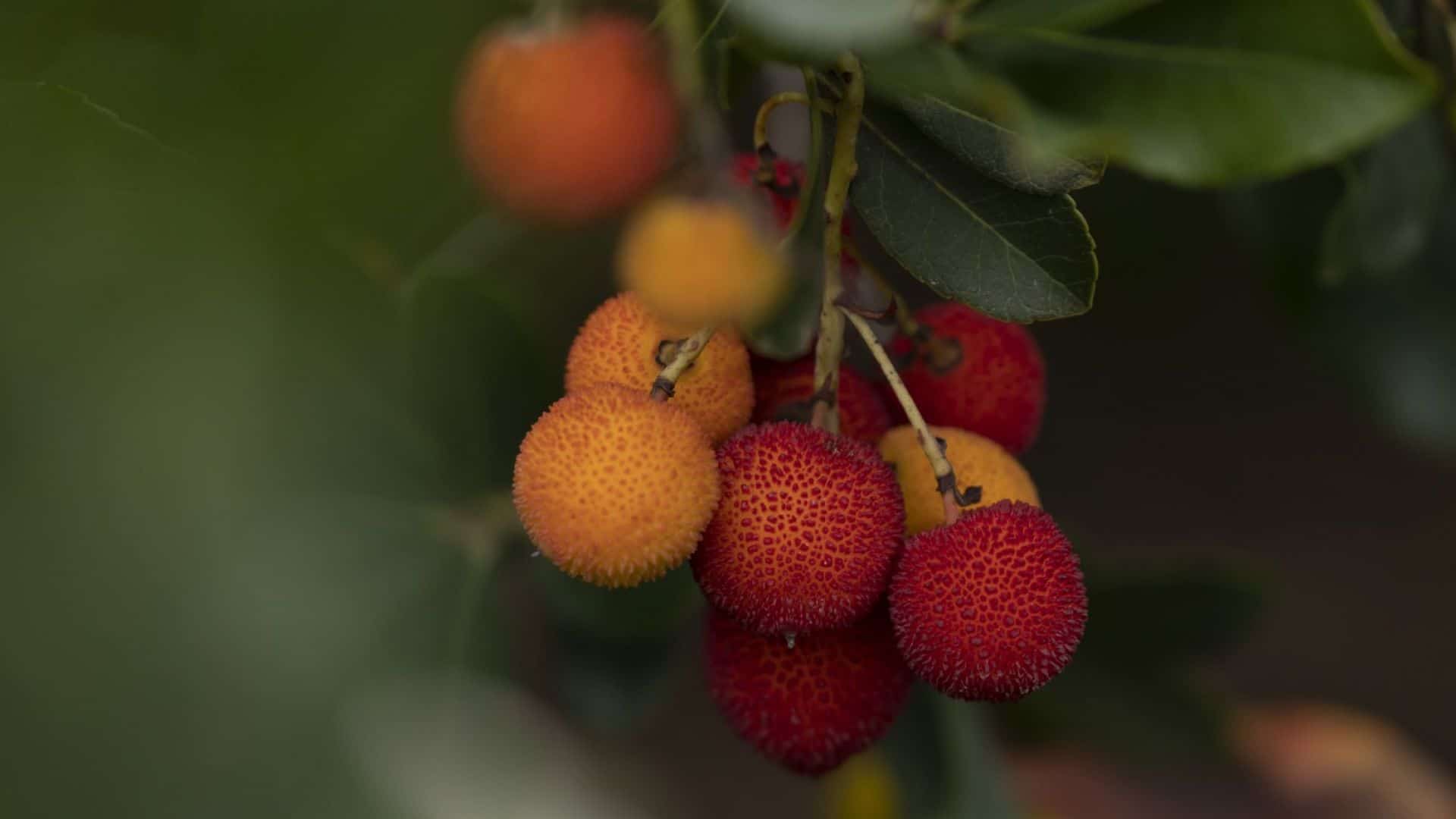
The fruits of the strawberry tree cause a slight intoxication if eaten raw
What is a strawberry tree?
The strawberry tree was once a tree typical of the Madrid area, and people believed it cured the plague. Today it is almost non-existent.
It is different from the strawberries we know. Its fruits are small, red and round and taste like figs. They are mainly used for jams and liqueurs. Fully ripe fruit contains a certain amount of alcohol and can cause mild intoxication. This may explain the popularity of the tree in the Middle Ages.
Photo: The fruits of the strawberry tree cause a slight intoxication if eaten raw
While plowing his fields, a farmer stumbled upon a unique 3,300-year-old ancient bracelet from the Hittite era.
The farmer, who lives in the village of Chitli, near the town of Corum in central Turkey, found the bracelet while preparing his fields for sowing. He later took the ancient treasure to the Corum Museum.
Experts found that the artifact is from the ancient Hittite civilization and carried out restoration work. The bracelet then remained in the museum’s collection.
The beautiful bracelet is made of bronze, nickel, silver and gold, and is decorated with images of Hittite symbols, including images of Itar / Auka and his servants Nina and Culita.
Resul Ibish, an archaeologist at the museum, told Ihlas Haber (IHA). “After the initial assessments, we realized that this piece is unprecedented and we have never seen anything like it,” he said, adding that it was from the 13th century BC.
Ibish also noted that the bracelet was deformed when it was brought to the museum and some parts of it are missing, but they are restoring it.
The archaeologist also noted that there is very little jewelry from the Hittite era and this piece sheds light on the styles of jewelry of civilization.
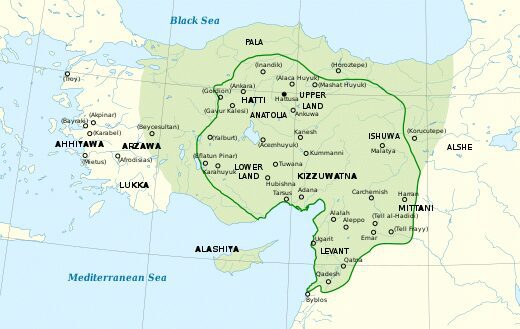
Corum is home to the ancient Hittite city of Hatusha, one of Turkey’s most important tourist destinations. It serves as an open-air museum with 6 kilometers of city walls, monumental city gates, a 71-meter underground passage, the Hittite palace in Buyukkale, 31 open temples and ancient wheat silos. It was added to the UNESCO World Heritage List in 1986 due to its well-protected architectural structures and excavation site. It also bears the 2001 UNESCO World Memory title with its cuneiform writings, the oldest known form of Indo-European languages.
Hatusha served as the capital of the Hittite Empire, which was one of the civilizations that played an important role in the development of urban life in the late Bronze Age.
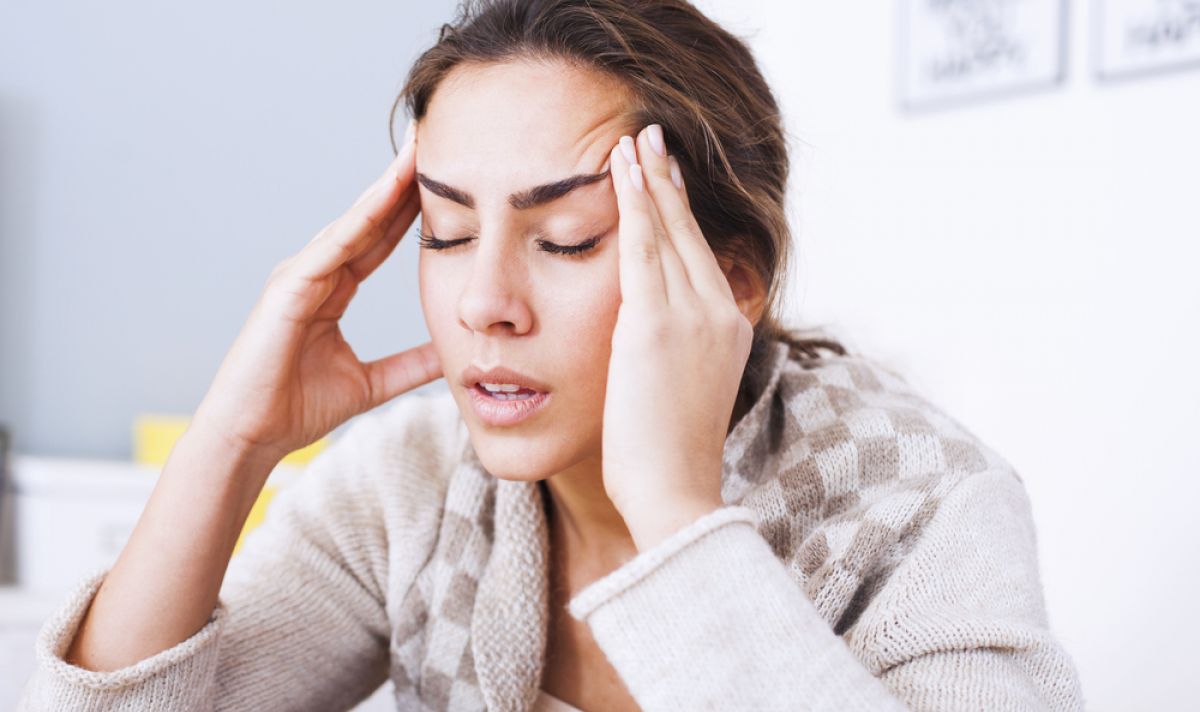
One of the most common and unexpected ailments is headaches. It can occur as a result of diet, stress, sleep deprivation, menstruation and others. It is known that some foods are able to cause us headaches, while others manage to protect us from pain.
Here are the foods and drinks that you should consume more and more often if you suffer from headaches.
Water: It is not surprising that water is first on the list. It is important for us because thanks to it we manage to hydrate. If you feel a severe headache, the first thing we advise you to do is drink a glass full to the brim with water. You will immediately feel fresh and feel much better.
Mint: Mint is a solution for people who often suffer from headaches. You can rub your temples with your fingers, having previously applied a few drops of peppermint oil.
Coffee: This is the drink that will help you deal with headaches. As soon as you feel tension in the head area, drink a cup of coffee.
Himalayan salt: Pour a glass of water, grind a little Himalayan salt in it and add the juice of half a lemon. In minutes you will forget about the discomfort.
Ginger: Ginger can help you deal with migraines. You have several options – to make tea from it, mix it with a little lemon and honey or eat it yourself.
Fruits and vegetables with high water content: One of the reasons for the exacerbation of migraine is dehydration. Therefore, in addition to the recommended 8 glasses of water a day, add to your menu fruits and vegetables that will hydrate you further, such as carrots, zucchini, cucumbers, celery, watermelon, melon, apples.
Fresh lemon juice: It can also reduce your headaches, as it is rich in vitamin C. With it you can prepare a drink to relieve migraines.
As Easter approaches, an article on History Extra, the official website of BBC History Magazine, explains that in Medieval England, although everyone was expected to attend church every week, the only compulsory church attendance for all adults was on Easter Sunday.
Professor Nicholas Orme paints a panorama of Medieval England, showing how the church played a central role in most people’s lives:
In a rural community of the Middle Ages, the local church was a major place to meet and socialize.
The Church was one of the main distributors of charity. It gave out alms such as money or food to the poor and needy.
Hospitals run by religious orders cared for the sick and poor and gave shelter to travelers.
From puberty on, everyone was expected to go to church on Sundays and for religious festivals—there were about 40 or 50 important festivals in the annual church calendar.
Shepherds, fishermen and servants, however, were often exempted from attending because of their work.
The north side of the church was “presided over” by the Virgin Mary and was considered to be the “side of the save.”
Women were seated there because they were considered to be “more open to temptation.” Men, thought to be better able to stand up to evil, were placed on the “unsafe” side.
Before 1300, the only seats in the church were for the nobility and gentry, who sat in the chancel with the clergy. The congregation mostly stood, unless they brought their own stools.
By the 15th century, parish churches were obliged to put in general seating, with the wealthy in seats at the front and inferiors farther back.
Services were conducted in Latin, but by the 15th century, the mass included some material in English.
The service included announcements, and prayers for the pope, the king, the crops and individuals in need.
Only at Easter did the congregation receive the communion bread, and even then, they did not partake of the wine. The rest of the year, an ordinary loaf was blessed and divided up.
Orme is a British historian and Emeritus Professor at the University of Exeter, specializing in the Middle Ages and Tudor period. He is author of the book Going to Church in Medieval England.
FRANCE – Alcohol (ethanol or ethyl alcohol) is a substance resulting from the natural fermentation of grain, sugar juices or plants and ripe fruits, already known and practised for a very long time in human history. Pure alcohol is a colourless liquid very inflammable and highly miscible with water. Its semi-developed formula is CH3-CH2-OH or C2H5OH.
Boiling Point: 78.37°C Melting point: -114.1°C Density = 0.7893
Considering the natural life, not only humans but also animals from the elephant to the little monkey are experimenting in sub-Saharian Africa with the psychotropic effects of alcohol with fermented fruits (such as of Marula tree) resulting in a drunk behaviour too.
Alcohol as all addictive substances has powerful effects on the human brain with progressive changes in its structure and function. Indeed, the initial effect makes the users to experience the most often euphoric and pleasurable feelings that motivate people to use again those substances despite the numerous risks, generally unknown by the users, of significant harm.
Studies of adolescents show that extended alcohol use is associated with a 10% reduction in the size of the hippocampus area of the brain responsible for memory and learning.
On the reward system (located in the limbic area) that motivates to survive, take actions, and then brings pleasure, the alcohol consumption results in raising the levels of the neurotransmitter dopamine and other proteins. This ends up transforming the controlled and occasional alcohol use into an impaired control of the drinking. With repeated drug use, the reward system of the brain becomes subservient to the need for the drug by action in the executive area in the prefrontal cortex, from where impulsions are controlled, decisions planned and then put into execution. And ultimately this is leading to addiction.
Among the symptoms resulting of alcohol, harms are disinhibition in the social behaviour, problems with concentration and memory, confusion, loss of coordination with impaired motor skills, aggressiveness, injuries in the workplace, dizziness, double vision, drowsiness, road accidents, slurred speech, lethargy and also anxiety.
A long term use leads to serious health degradation with cardiovascular problems, increased blood pressure, stroke, pancreas and liver (cirrhosis and fibrosis) problems, impaired cell tissue regeneration of the kidneys, weak immune system, depression, seizures, coma, suicidal thoughts, and death by overdose.
The binge drinking of the youths :
For a blood alcohol concentration higher than 0.8 gr/l in less than 2 hours, i.e. an intake of at least 5 glasses for boys and 4 for girls, studies from 2016 show neuro-inflammatory phenomena responsible for brain damage that could persist in the very long term, with more severe consequences for the girls.
In addition:
Alcohol is a genotoxic agent that causes DNA damage increasing the risks of cancers of the mouth, œsophagus, larynx, pharynx, liver, colon, rectum and for women, breast cancer. In a pregnant woman, the alcohol is crossing the placental barrier and thus is able to alter the developing nervous system of the embryo and fœtus.
In the case of a mother breastfeeding, the baby got with the milk the same concentration of alcohol than for the mother blood! This is causing the Fetal Alcohol Spectrum Disorders, and also is one cause of the Sudden Infant Death Syndrome.
We can (more or less) revert but…
These brain changes persist long after an individual stops using alcohol, producing a craving for the substance that can lead to relapse in more than 60% of people treated within the first year after treatment and a person can remain at increased risk of relapse for many years.
In 1913 the writer Jack London was writing about the users:
“John Barleycorn [the alcohol] extinguishes their flame, quenches their agility, and when he does not kill them or drive them mad right away, he turns them into heavy, coarse beings, twisting and distorting their original goodness and the fineness of their nature“.
Alcohol metabolism
The alcohol is soluble in water (so in blood) and has also affinity for the fat tissue of the body including the white matter of the brain (the axons of the neurons). This explains the fast reach of the highly vascularized brain and also the lungs, kidneys and the liver a key detoxifying organ.
Regardless of the amount consumed (one glass contains about 10 gr of alcohol) the liver can only metabolize a limited amount of 11-15 mg of alcohol per hour, enabling the excess of alcohol to circulate in the body. About only 10% of the consumed alcohol will be eliminated by the kidneys in urine and by the lungs with breathing. This is currently used for alcohol testing.
The oxidation of alcohol consists in three main steps :
1) in the liver, alcohol is oxidized by the enzyme alcohol dehydrogenase (ADH) in acetaldehyde (very toxic and causing the hangover), in presence of nicotinamide adenine dinucleotide (NAD) derived from Vitamine B3, 2) always in the liver, the acetaldehyde is oxidized in acetate by the enzyme aldehyde dehydrogenase (ALDH) in presence of NAD, 3) the acetate is now transformed into Acetyl CoA as for the main nutrients (carbohydrates, lipids and proteins) resulting in CO2 eliminated by breath, in fatty acids, in ketone bodies (when an excess of fatty acids), and cholesterol.
In Europe
According to the 2019 Report of the European School Survey Project on Alcohol and other Drugs (ESPAD), the youth consider alcoholic beverages (spirits, beer, wine, premixed drinks and cider) to be easy to obtain compared with other illegal substances. Between 1995 and 2019, an overall increase in heavy episodic drinking can be noted among girls (from 30% to 34%) and a decrease among boys (from 41% to 36%), narrowing the gender difference over time.
The World Health Organization (WHO) 2019 Report has found that one in every four deaths among young adults was caused by alcohol, due to injury.
Dr Carina Ferreira-Borges, of the WHO regional office for Europe, said: “When alcohol is one of the biggest killers of our young people, we cannot afford to be complacent. This is a product that is repeatedly marketed and made available to youth despite evidence that alcohol consumption has a detrimental effect on brain development and physical health. This is the next generation of leaders and we must protect them.”
Based on the 2019 figures from Eurostat, 8,4% of Europeans drink alcohol on a daily basis, 28,8% weekly and 22,8% monthly. This represents 8,7 litres per year per person across the countries of the Organisation for Economic Co-operation and Development (OECD). And alcohol is responsible for more than 290 000 deaths, representing 5,5% of all deaths.
For adults, a study made by the European Monitoring Centre for Drugs and Drug Addiction (EMCDDA) revealed that among the injured or killed drivers, the most responsible substance was alcohol alone followed by alcohol combined with another substance.
In 2019 alone, by road accidents, there were 23 000 deaths and 120 000 serious injuries.
In 2020, the number of deaths amounted to 42 per million inhabitants in the 27 countries of the European Union. According to a European Commission study, alcohol is estimated to be involved in around 25 % of all road fatalities, leading the European Commission recommendations (2021-2030) to include a zero-tolerance drink-driving limit toward the « Zero deaths » by 2050.
In conclusion
If alcohol use may cause human body and mental harms during all key sensitive periods of life with prenatal alcohol exposure, adolescent binge drinking, illnesses and overdoses all along adulthood, serious education and prevention programs have to be better developed at governmental and educational levels, starting with the youth but also involving the parents, and in partnerships with Non-Governmental Organisations (NGOs) and associations that show the Truth About Drugs (and alcohol is a drug). This is already enshrined in the International and European Conventions but not forcefully applied facing the lobbies. Similarly successfully evidenced alcohol and drug rehabilitation programs, especially those which don’t use other drugs as substitutes, must be broadly applied toward a full recovery, not for a simple and useless harm reduction, and of course with no one left behind!
The institutional framework governing EU financial market supervision is defined by various authorities. The key supervisory framework is the European System of Financial Supervision (ESFS) comprising the European Supervisory Authorities (ESAs) and the European Systemic Risk Board (ESRB). The European Central Bank and the authorities of the Banking Union also play a role in supervising the financial markets.
A report highlights the increasing vulnerabilities across the financial sector as well as the rise of environmental and cyber risks
Russia’s invasion of Ukraine and its economic consequences have aggravated the outlook for growth and inflation and brought heightened market volatility. Market resilience will critically depend on the ability of markets and financial institutions to deal with the economic consequences of the Russian invasion of Ukraine, and to withstand changes in public policy support on the monetary or fiscal side without material disruptions.
Some of the risks emerging during 2021 and highlighted in the report were amplified by Russia’s invasion of Ukraine. The EU economy was on track for a strong recovery from the crisis caused by the Covid-19 pandemic and the financial sector largely proved resilient. However, the recovery appears to have been hindered by new waves and variants of the virus, concerns regarding inflation risk, rising commodity prices and heightened geopolitical risks.
Additional vulnerabilities and risks for the financial system have built up over time. Financial markets remain vulnerable to changes in market sentiment, particularly if financial conditions tighten unexpectedly due to inflation pressures. In the real estate sector, persistent price increases and higher borrowing by households have increased risks. At the same time, the financial sector is increasingly exposed to environmental risks and risks stemming from digitalisation.
In light of the risks and uncertainties, the ESAs advise national competent authorities, financial institutions and market participants to take the following policy actions:
Financial institutions should be prepared for further potential negative implications stemming from geopolitical tensions and ensure compliance with the sanctions regimes put in place both at the EU and at global levels;
Financial institutions and supervisors should prepare for a possible deterioration of asset quality in the financial sector;
The impact of further increases in yields and sudden reversals in risk premia on financial institutions and investors should be closely monitored;
Retail investors are of particular concern, and supervisors should monitor risks to retail investors seeing that their participation in financial markets has increased substantially in recent years;
Financial institutions should further incorporate ESG considerations into their business strategies and governance structures; and
Considering the elevated level and frequency of cyber incidents, financial institutions should strengthen their cyber resilience and prepare for a potential increase in cyberattacks.
Gender-based violence remain common in Europe as does domestic violence, especially affecting women and girls. EU is taking measures to put an end to it.
Most EU countries have laws tackling violence against someone because of gender or sexual orientation, but the lack of a common definition of gender-based violence and common rules to address the issue helps to perpetuate the problem. That is why the European Parliament has repeatedly called for new EU legislation on this.
Women and girls are the main victims, but it can also affect men. LGBTIQ+ people are also often targeted. It has negative consequences at the individual level as well as within the family, community and at an economic level.
In order to better fight gender-based violence in all EU countries, in September 2021 MEPs urged the European Commission to make it a crime under EU law, alongside terrorism, trafficking, cybercrime, sexual exploitation and money laundering. This would allow for common legal definitions, standards and minimum criminal penalties throughout the EU.
The initiative follows a call from February, when Parliament requested an EU directive to prevent and combat all forms of gender-based violence. On that occasion, MEPs highlighted the need for an EU protocol on gender-based violence in times of crisis to tackle the problem and support victims of domestic abuse. Services such as helplines, safe accommodation and health attention for victims should be included in the plan as “essential services” in every EU country, Parliament argued.
Domestic violence, which increased during the pandemic, affects the whole family. In October 2021, Parliament called for urgent measures to protect victims including in custody battles where violence is suspected. These hearings should be conducted in a child-friendly environment by trained professionals. MEPs also called for EU countries to help victims achieve financial independence, enabling them to leave abusive and violent relationships.
During theplenary session in April 2022, MEPs called on the European Commission to propose common EU guidelines to protect the rights of the child in civil, administrative and family law proceedings. A resolution adopted on this said the hearing of a child should be conducted by a judge or a trained expert and no pressure should be brought to bear, including from the parents. MEPs also called on EU countries to adopt measures to link criminal and civil cases in order to prevent any discrepancies between judicial and other legal decisions that are harmful to children.
Sexual harassment and cyber violence
The Covid-19 pandemic has also led to a dramatic increase in violence against women on social media and the internet in general. In December 2021, MEPs asked the EU to adopt a common definition of gender-based cyberviolence and to make it punishable by law, with harmonised minimum and maximum penalties for all EU countries. The call builds from a Parliament report on harassment online from 2016.
Among actions that should be punished, Parliament lists cyber harassment; cyber stalking; violations of privacy; recording and sharing images of sexual assault; remote control or surveillance (including spy apps); threats and calls to violence; sexist hate speech; induction to self-harm; unlawful access to messages or social media accounts; breach of the prohibitions of communication imposed by courts; as well as human trafficking.
The Parliament has adopted laws and resolutions to help eliminate female genital mutilation worldwide. Although the practice is illegal in the EU and some member states prosecute even when it is performed outside the country, it is estimated that about 600,000 women living in Europe have been subjected to female genital mutilation and a further 180,000 girls are at high risk in 13 European countries alone.
In 2019, the Restorers, a group of five students from Kenya who developed an app helping girls deal with female genital mutilation, were shortlisted for Parliament’s Sakharov Prize for Freedom of Thought.
Parliament awarded the 2014 Sakharov Prize to Congolese gynaecologist Dr Denis Mukwege for his work with thousands of victims of gang rape and brutal sexual violence in the Democratic Republic of Congo.
New research reveals that fish are capable of solving simple mathematical problems, just like humans!
Researchers from Germany have found that both cichlids and stingrays are able to recognize and calculate small tasks without having to count – just as one looks at one’s small money on the table, reports “Study Finds”.
“We have trained animals to perform simple additions and subtractions,” said Dr. Vera Schlussel of the Institute of Zoology at the University of Bonn in a press release. “In doing so, they had to increase or decrease the initial value by one.”
Although some call fish “fools of the animal kingdom” because of their memory duration – which can last only three seconds – the new study reveals their ability to collect and subtract from one to five.
Their numerical skills are at the level of other species of invertebrates and vertebrates, and experts are beginning to suspect that they are as intelligent as birds and mammals.
In the experiments, the team trained the animals to recognize blue and yellow as symbols for addition or subtraction with a factor of one. Eight of the fish were freshwater stingrays and the rest were cichlids. During the experiments, blue meant “add one” and yellow “subtracted one”.
The authors of the study showed each of the fish cards with figures depicting one or the other color in their aquarium, and then presented them with two doors. They contained signs with different numbers of figures – one of which was the correct mathematical answer. For example, if a fish sees three blue figures, it will add one to three and swim through the door, which depicts four figures – receiving a food reward for the correct answer.
Six cichlid fish and three stingrays have learned to associate blue with addition and yellow with subtraction. On average, the cichlids needed 28 lessons to solve the math problems and the stingrays 68 lessons. Overall, they performed well, although collection was easier to digest. Overall, the success of cichlids is different, and they respond correctly in 296 of 381 tests (78%). At the same time, the stingrays responded to 169 out of 180 (94%). In the subtraction test, cichlids responded correctly to 264 out of 381 (69%), while stingrays responded correctly to 161 out of 180 (89%).
The team notes that their findings are surprising, as mathematical skills have no obvious benefit for either species.
“None of the species nests, nor is there information available about preferences for certain social groups,” the researchers said.
However, it is possible that fish that are good at math have important environmental benefits that scientists have not yet discovered.
“Arithmetic skills could be one of many cognitive by-products useful in improving individual recognition (eg by using phenotypic characteristics) or helping to detect changing environmental or social conditions,” the team explains. “Because both species live in complex habitats (rocky lake and coral reef environment), a degree of behavioral flexibility is essential for survival.”
Pyongyang has been studying the technology for a long time
An American cryptocurrency expert has been sentenced to more than five years in prison for preparing to help North Korea circumvent US sanctions by using crypto.
Virgil Griffith had previously pleaded guilty to conspiracy to violate US law.
He previously worked for the Ethereum Foundation, a non-profit organization focused on the technology behind cryptocurrency ether.
The sentence is the minimum term of imprisonment sought by prosecutors.
He was also fined $ 100,000. The 39-year-old was facing a maximum sentence of 20 years in prison and a $ 1 million fine.
His lawyer said in a statement that while the verdict was disappointing, the judge “acknowledged Virgil’s commitment to continue productive life and that he is a talented man who has a lot to contribute”.
In September, Griffith pleaded guilty to conspiracy to violate the United States International Emergency Economic Law by traveling to North Korean capital Pyongyang to present blockchain technology.
Griffith, who has a doctorate from the California Institute of Technology, traveled to North Korea via China in April 2019, although the US State Department denied him permission to go.
The information in Griffith’s presentations could have been used to circumvent the sanctions that Washington imposed on North Korea for developing nuclear weapons.
“The most important feature of the blockchains is that they are open. And the DPRK [Democratic People’s Republic of Korea] cannot stay away, no matter what the United States or the United Nations say,” Griffith said during a presentation, according to prosecutors.
In September, the US Department of Justice said he had “threatened the national security of the United States” by undermining sanctions.
Ethereum Foundation said during Griffith’s arrest that it did not approve or support his trip to North Korea.





 Gender equality has always been a priority for the EU. Discover the main issues and what the Parliament does to tackle them.