Russian journalist and Nobel Peace Prize winner Dmitry Muratov was attacked on a train by a person who attacked him with red paint, according to his newspaper Novaya Gazeta.
“An unknown assailant attacked the editor-in-chief of Novaya Gazeta and the winner of the Nobel Prize in a train car,” the independent newspaper Telegram reported. “He threw red oil-based paint mixed with acetone into the cabin. He shouted, ‘Muratov, this is for our boys,'” the newspaper quoted Muratov as saying.
“My eyes are burning terribly. I will try to wash them,” Muratov said after the attack on a train traveling from Moscow to the southeastern city of Samara. The report is accompanied by two photos of Muratov – one shows that he is in the toilet of the train, and his head, torso and arms are covered with red substance. The second photo shows the wagon flooded with a significant amount of red liquid.
“Muratov received first aid and got on the train to see his mother … We are looking for the criminal who did it,” Kiril Martinov, Muratov’s former deputy, wrote on Twitter.
Martinov added that the attack could have seriously damaged Muratov’s eyesight. Last month, Novaya Gazeta said it was suspending paper and online publishing in Russia until the conflict in Ukraine ended.
Following the February 24 invasion of Ukraine, Moscow significantly tightened its control over the independent media and passed legislation providing harsh sentences for anyone who criticized military intervention. The newspaper’s foreign-based reporters said they were launching a new edition on their own initiative, Novaya Gazeta. Evropa, in several languages, edited by Martinov.
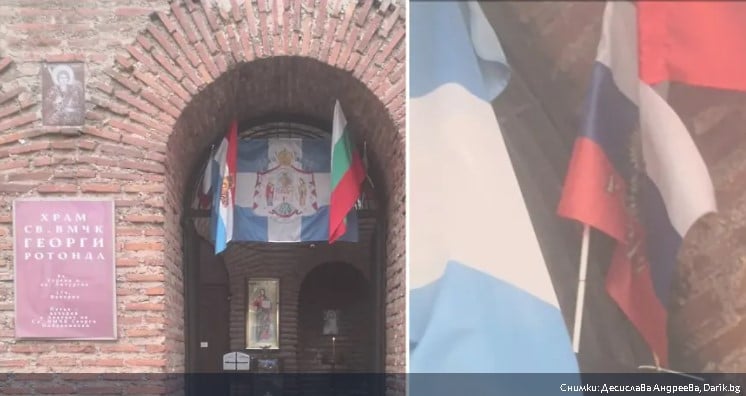
The management of the capital’s rotunda “St. George” in Sofia demonstratively placed two Russian flags at the entrance of the ancient church, along with the Bulgarian and Samara flags. Pictures were published in the media and when asked by journalists what was the reason for this, a man from the temple answered: “Should we put up the American flag?”.
After an inquiry by dveri.bg it became clear that the trustee of the church Fr. Ioan Kukov has no blessing from the Sofia Metropolitanate of the Bulgarian Orthodox Church for this action. The diocesan leadership stated that this was an initiative of the priest and gave an order to remove the flags, which has already been done.
His Holiness the Bulgarian Patriarch Neophyte as well as some diocesan metropolitans condemned the war in Ukraine and took steps in support of Ukrainian refugees in our country. In the context of military events, the raising of the Russian flag over one of the oldest temples in our capital has a clear demonstrative character and sends a message of support for Russian aggression against its neighbor.
The action in the Rotunda is not an accidental event. On December 31, 2021, the Russian Ambassador E. Mitrofanova personally presented the church with a statuette of St. George. Despite the canonical prohibitions on the consecration of statues and the liturgical non-functionality of the statue, the gift was solemnly consecrated to create a festive event for embassy staff and sponsors.
In the church circles in our country the ideology, which today became the basis of the actions of the Russian Federation in Ukraine, is welcomed. According to this ideology, sinfulness today has a clear geographical origin. Europe is the source of evil and corruption, and Russia is the standard of Orthodox piety. Her wars are in fact metaphysical and aim to spread piety and deter the antichrist. Thus, the Orthodox proved to be easy to politically manipulate. Anti-European circles are forming behind the screen of pious endeavors and causes, which gladly serve the political interests of the regime in Russia. Among such worshipers, expansion in Ukraine can more easily be described as a war of liberation. The demonstration with the flags in front of the rotunda is an expression of these underwater church currents.
The theme of this year’s Faith and Word festival is “The Church in a Changing World: Challenges and Lessons from Digitalization”. What did more than 400 delegates from dioceses from all over Russia and from abroad, who gathered together, talk about?
New quasi-religion
At the panel discussion “Immortality: Cell and Number” that opened the festival, Igor Ashmanov, President of Kribrum companies, member of the Presidential Council for the Development of Civil Society and Human Rights, noted that, on the one hand, alarmist sentiments regarding the same artificial intelligence now in many respects are injected. Even the recent past has debunked more than one such sensation (like blockchain or cryptocurrency). But, on the other hand, he warned that some of the adherents of digitalization are elevating digitalization itself to the status of a new quasi-religion:
“They are trying to impose a“ god of technology ”who supposedly will give everything that Christianity has promised, only not in the next century, but here and now. This is another claim to build a “heaven on earth”, which, as always, will turn out to be hell. “
Moreover, everything promises from happiness, health and abundance, despite the fact that it will not be necessary to work (since robots will do everything) to immortality due to biotechnology and the generation of a digital copy of consciousness. Such experiments, even blasphemous, are already being carried out: the same sensational case of the sale in Japan of a day of communication with a deceased daughter, or rather with her digital clone.
Death is incorruptible. Like the High Judge
Archpriest Alexander Abramov, secretary of the Synodal Commission on Bioethics, called all this “an aggressive attack of totalitarian transhumanism on ordinary patriarchal human society”:
“Syndrome of God” is the fear of any mention of the Creator, as an alleged withdrawal into an unscientific discourse
“Transhumanists are simply self-deluded, believing that everything in the world can be solved with the help of technology. Their “syndrome of God” is known – the fear of anyone even just mentioning the Creator, as a supposed withdrawal into an unscientific discourse ”.
Transhumanism dates back to the late 1950s, and their utopias, Fr. Alexander assured, in solidarity with the previous speaker, are not justified. Just as all the participants in the discussion agreed that all these searches for immortality are in fact nothing more than the expectation of avoiding the Court – to come up with a way to be forever stuck in a pre-trial detention center and be glad that you will not go to court.
The very category of sin is also, of course, rejected by atheists. During the discussion, it was noted that the WHO even included aging in the list of diseases (despite the fact that sodomy and schizophrenia were excluded from it). But, as a professional biologist, candidate of biological sciences and a member of the Synodal Commission on Bioethics, priest Vladimir Dukhovich, argued in his report, technologies, no matter how much oligarchic capital is invested in their development, cannot heal aging, nor can they bribe death:
“The duration of human life is set by God Himself, and sickness and death, as we know from Scripture, are the consequences of the Fall,” he recalled.
The higher the level of technology development,
the more rigidly the social world is hierarchically organized
The apology of impunity, which is behind all these efforts to achieve non-aging of the flesh and prolongation of life to satisfy passions, turns, according to father Alexander Abramov, into what is described by the theory “High tech. Low life ”- the higher the level of technology development, the more rigidly the social world is hierarchically organized.
When technology is at the forefront, there is someone behind it. Because technology has no interest of its own, and all the proclamations that it will greatly facilitate life turn into an ever-increasing segregation of the planet’s population. The majority is thus deprived of freedom of choice (if robots are already writing a “digital biography” for schoolchildren [1]), opportunities for repentance (the effect of the same social ratings introduced in China is already known to drag on to the social bottom), the joys of direct personal communication – which of us haven’t experienced it yourself?
Neurophysiologists have proven how gadgets are stupid: certain parts of the brain simply do not have time to get into work and stop acting when a person is constantly hanging on the network. And this makes the masses more and more manageable.
Humanity in a digitized society shrinks like pebbled skin. Now, for example, it has become impossible to either find or order a normal human translation. The quality of translation dropped sharply as soon as translators appeared in the same search engines Google and Yandex. Even the most expensive translation bureaus now first let the machine translate the text, and then simply finalize the result. But artificial intelligence only imitates individual cognitive abilities of a person, and all these absurdities of machine considerations already cover our life like a mudflow.
And what will happen if personal communication between teachers and students is also minimized and eliminated during the digitalization of education? ..
Trust in the omnipotence of the Internet
Many already do not even know the history of their country: why study it, if at any moment you can look at Wikipedia?
If machine translation is already a priority, then new generations of those who do not bother too much about learning languages are also growing. So, many already do not know the history of their country: why study it, if at any moment you can look at Wikipedia? We will not dwell now on the quality of knowledge that this resource condenses, but the very principle of such reliance on the omnipotence of the Internet has already been commented on this year at the Army-2021 military forum: such a generation can be instantly left “headless” by just pulling the switch. An elementary power outage is enough. There is a well-known joke:
– I know everything, – said the Internet.
– I can do everything, – the household appliances assented.
“Ha ha ha,” echoed the electricity.
But here another turn of the topic is also possible. America, as discussed at the festival as part of the panel discussion “Censorship in the Media and the Sovereign Internet,” we can shut down the network in just a couple of days. Not to mention blocking an unwanted channel (as happened with the YouTube version of the Tsargrad TV channel) or an account, just say that you are against the same same-sex marriages. The virtual space of our country is largely controlled today from across the ocean.
Every second teenager in Russia exposed to destructive effects on social media
From there, from the West, all sorts of groups of death, shock content, sexual perversion, and school shooting (shootings in schools) are purposefully conducted [2]. Almost every second teenager in Russia, 45% of the total number of minors, is actively destructive in social networks [3]. And this is real suicide, bullying (including cyberbullying), drug distribution, propaganda of debauchery, and so on. Plus gambling and internet addiction, which, as experts say, are even stronger than sexual desire [4].
There is nothing better than the Internet, a scout embedded in our apartments, offices, hospitals, classrooms, offices
It is on the Internet that all kinds of sects, including pseudo-Orthodox sects, are spreading especially smartly, acting on behalf of the Church when replacing Orthodox doctrine with symbiosis under the external church attributes of occult ideas, Islamic practices, and so on. “Their superstitions are reborn into fancies,” commented Roman Silantyev, head of the Human Rights Center of the ARNS, Deputy Chairman of the Expert Council for State Religious Expertise under the Ministry of Justice of the Russian Federation. Within the framework of the event, examples of the activities of the defrocked Vladimir Golovin, sects from Chikhachev, etc. were examined. revelations, many of them do not stop their activities.
It is clear that in this situation of external vulnerability, for the time being, it is unprofitable to turn off the Internet for us. In addition, there is no better intelligence agent than the Internet, embedded in our apartments, offices, hospitals, classrooms, offices.
War of values
In the US cyber strategy adopted in November 2019, Russia is declared America’s # 1 enemy [5]. Just like just three weeks ago, at a meeting between the current and former presidents of America Joe Biden and Donald Trump, it was openly declared: “Our Anglo-Saxon values will defeat the values of Russia and China.” “This is a declaration of a war of values on us,” commented Alexander Shchipkov, First Deputy Chairman of the Synodal Department for Church Relations with Society and the Media, Deputy Head of the ARNS, at the Church, Propaganda and National Security of Russia meeting. But at the same time he remarked: “America was chasing two birds with one stone. In their view, our and Chinese values are “red” values, and this is a false message. “
It is known that before the next discussion in the Council for the Development of Civil Society and Human Rights (HRC) under the President of the Russian Federation, a survey was initiated and conducted by VTsIOM: how do Russians feel about the introduction of social ratings? Most Russians have a negative attitude. The results of the study were sent to the members of the HRC, but the evening before the event there was a call from VTsIOM: these data cannot be published. “It means that one of the digitalizers caught on and took the trouble,” summed up Igor Ashmanov, who told the story.
Two months ago, in August, they handed over the “Digital Code of Human Rights” prepared on behalf of the President of the Russian Federation:
“Digitalization should not outpace the introduction of laws in this area, if so, it should be stopped. Otherwise, it is fraught with an increase in the vulnerability of both an individual, including children, and society as a whole from this onslaught of digital depersonalization, criminality, corruption, “the developer of the Code is sure.
“Grand Inquisitor” in action
Social ratings already introduced in China are one of the technologies of “digital totalitarianism”
Social ratings, already implemented in China, are one of the technologies of “digital totalitarianism”. But in our country today there are forces promoting such. These are the very same adherents of the modern “reincarnation” of communism with its messages of building a “paradise on earth” with strict control and lack of freedom. “Grand Inquisitor” in action.
Threats cannot be underestimated. As well as to step on the same rake, invented again in the West. The Internet was invented in America in such a way that it reflects the American view of the world, and the Americans, through the same gadgets, have already been able to impose an algorithmic way of thinking on the whole world. You will see how your teenage children quickly manipulate the smartphone screen with their thumb, this is the algorithmic thinking that has already been assigned to them. Who knows how many musicians, artists, poets, saints we will be missing because of this?
Notes:
[1] Kravtsov told what the “digital biography” of schoolchildren will be // https://rg.ru/2021/01/10/sergej-kravcov-rasskazal-kakoj-budet-cifrovaia-biografiia-shkolnikov.html
[2] Destructive trends in social media and ways to identify them // https://web.archive.org/web/20220126000539/https://docs.edu.gov.ru/document/e9ea7480e392434f996870e8cdf1115b/download/559/
[3] The OP announced the impact of destructive content on users of social networks // https://ria.ru/20201119/sotsseti-1585316528.html
[4] Nicholas (Hadzhinikolau), Metropolitan of Mesogeia and Laureotic. Attraction to the Internet and devices is stronger than sexual attraction // https://pravoslavie.ru/114967.html
[5] Smirnov Anatoly. Latest US Cyber Strategies – Preamble to War? // International processes, Volume 16, No 4 (55). P. 181–192 //
A man entered during the morning service, left a suspicious package and fled
French police have evacuated the Toulouse Cathedral of Saint-Etienne after a man who entered during the morning service left a suspicious package, the Associated Press reported, quoting Interior Minister Gerald Darmanen.
The package is believed to have contained an improvised explosive device, without a detonator, which did not explode, the minister said in a statement. The device has been neutralized.
The initially issued warning to citizens to avoid the center of Toulouse has been revoked, Darmanen said on Twitter. No arrests were reported.
The archpriest of the cathedral, Simon D’Artig, told the local newspaper “Depeche” that the man escaped after leaving a package on the steps of the altar. A priest who tried unsuccessfully to stop him told the newspaper that he initially thought of him as a courier.
Extremists have already attacked churches in France, reminds AP. In 2020, three believers were killed in a cold steel attack on the Basilica of Nice by a recently arrived Tunisian. In 2016, an 84-year-old priest was killed in front of a church altar in a town in Normandy, with the Islamic State claiming responsibility for the attack.
The country is expected to receive American Patriot complexes
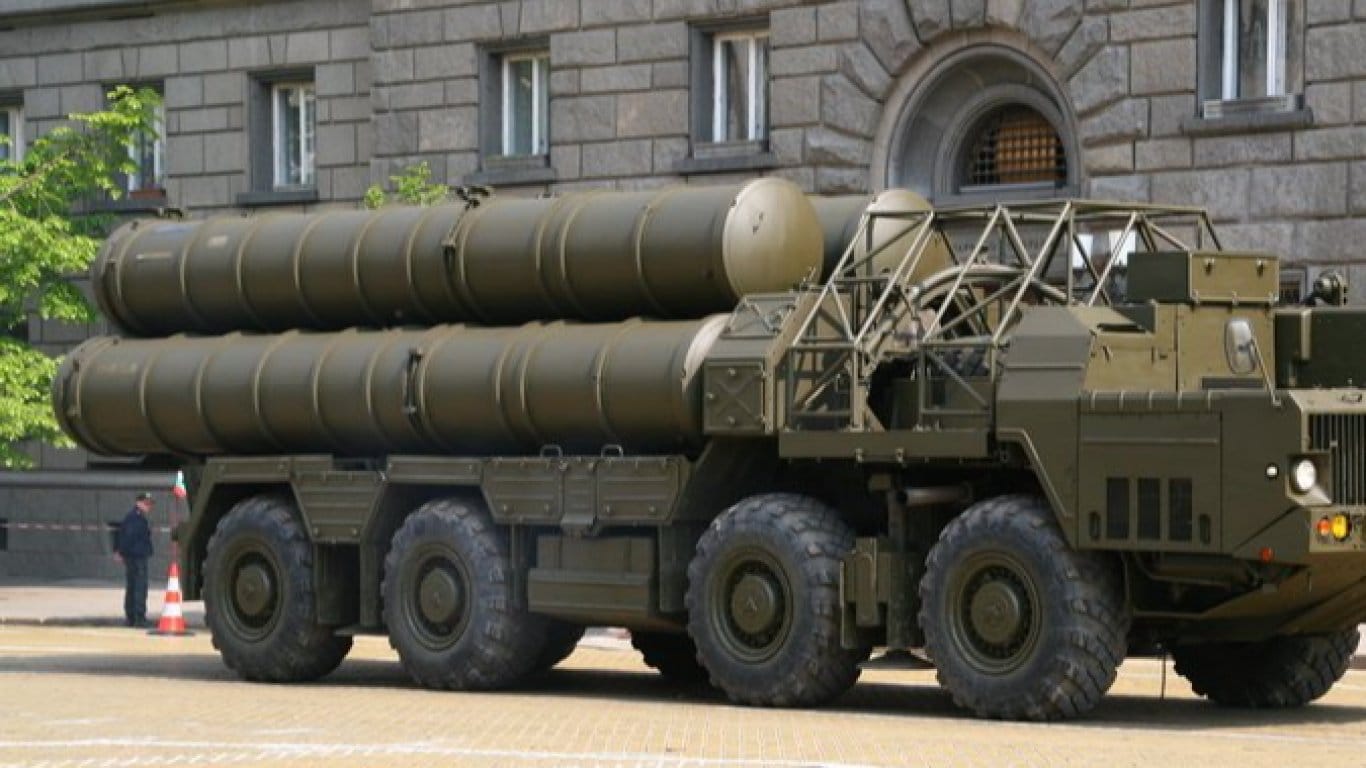
Slovakia has donated its S-300 anti-aircraft system to Ukraine to help Kyiv defend itself against the Russian invasion, Prime Minister Eduard Heger said in Kyiv, reports RFE/RL.
Ukraine has called on Western countries to provide it with anti-aircraft military equipment to help repel fierce Russian attacks, which have been going on for two months.
“I can confirm that Slovakia has donated the S-300 anti-aircraft system to Ukraine on the basis of its request for self-defense assistance against the armed aggression of the Russian Federation,” Heger wrote in an e-mail statement, Reuters reported.
The prime minister added that Slovakia’s own defense has been secured. The country is expected to receive US Patriot complexes, which are comparable to the S-300 but newer and compatible with NATO systems.
NATO member Slovakia has one battery of S-300 anti-aircraft systems, which it inherited after the break-up of Czechoslovakia in 1993.
According to local media, the complexes are already in Ukraine, after they were delivered in strict secrecy two days ago.
Bulgaria also has S-300s delivered in 1988-1989, but the government has decided to provide 2,000 helmets and 2,000 body armor free of charge to Ukraine to help protect its citizens, Bulgarian Cabinet spokeswoman Lena said on April 7th. Бориславова. They will be allocated from the available quantities with the assistance of the Ministry of Defense. “In the last few weeks, information has been gathered on what exactly the Bulgarian army has and how to provide these funds for individual protection of Ukrainian citizens so that Bulgaria can help the population in this extremely difficult time,” Borislavova explained. She clarified that the means of protection upgrade our humanitarian aid.
Although girls have more difficulty accessing education and make up most out-of-school children at the primary level, challenges facing boys are increasing at later stages, according to a report published on Wednesday by the UN Educational, Scientific and Cultural Organization (UNESCO).
The report highlights a global phenomenon: Harsh discipline, corporal punishment, and other forms of violence at school; gendered norms and expectations; and other factors, are preventing boys from achieving academically, while increasing absenteeism and dropouts.
“To make education a universal right, we need to ensure that all youth have the educational opportunities to successfully shape their lives and futures,” UNESCO chief Audrey Azoulay said in the foreword.
“As this report underlines, we need to take decisive steps to keep boys in school and support them throughout their education”.
UNESCO data reveals that for every 100 women globally, only 88 men are enrolled in tertiary education; and in 73 countries, fewer boys than girls are registered in upper-secondary schools, while the opposite is the case in a further 48 countries.
Moreover, in all regions except sub-Saharan Africa, teenagers are underrepresented in higher education – particularly in North America, Western Europe, Latin America and the Caribbean, where 81 young men for every 100 young women are in fulltime learning.
In East Asia and the Pacific, the figure is 87, while in the Arab States and Central and Eastern Europe region, it is 91 per 100.
Barriers to boys’ education
Of the 160 million children engaged in labour activity in 2020, the report reveals that 97 million were boys and cites a lack of a “protective legal framework” as one of the main reasons for their exclusion.
Of 146 countries with data, only 55 have a minimum age of employment aligned with the end of the countries’ stipulated years of compulsory education and above the age of 15, while 31 per cent have a minimum age for employment below the age of 15 or do not clearly define a minimum age.
“Poverty and child labour can lead boys to drop out,”said Ms. Azoulay, adding that to prevent this, States must urgently “align the minimum age of employment with the end of the compulsory education.
Warning signs
In some countries, signs of boys already falling behind educationally appear at the end of the first level, according to Leave no child behind.
In 57 countries which have produced data, 10-year-old boys performed worse than girls in reading – a trend that continued at the secondary level.
This is seen across East Asia and the Pacific, Latin America and the Caribbean, and the Arab States, which show some of the highest risk of boys dropping out of school.
“Fulfilling this promise of equality not only benefits boys and men; it is a step forward for all humankind,” said Ms. Azoulay adding that “inclusive and equitable education is everyone’s business”.
Action points to boys in school
The UNESCO report also reveals that only a few programmes and initiatives address the phenomenon of boys’ disengagement from education.
To prevent them from dropping out and reverse the downward spiral, it provides a set of concrete recommendations that encompass making learning safe and inclusive; investing in better data and evidence; building and financing equitable education systems; and promoting integrated and coordinated approaches to improve education for all learners.
“When everyone has equal rights and opportunities, we all stand to gain,” the UNESCO chief said.
More than 1,000 books have been banned over the past year in schools across the country, and a significant number of those books were related to race and the LGBTQ community.
A new report released Thursday by literary and free expression group PEN America tracked book bans in public schools nationwide from July 2021 to March of this year. An index by the group counted 1,586 book bans targeting 1,145 books in dozens of school districts across 26 states. Advertisement The report comes amid Republican-led efforts to ban books from school libraries around the nation. PEN America condemned the bans, noting an “alarming spike in censorship” that is “unparalleled in its intensity and frequency and represents a serious threat to free expression and students’ First Amendment rights.” The report found that:
86 school districts had banned books, representing 2,899 schools with more than 2 million enrolled students.
State by state, Texas had the most school book bans (713), followed by Pennsylvania (456), Florida (204), Oklahoma (43), Kansas (30) and Tennessee (16).
467 banned books (or 41% of all the banned books) had main characters or prominent secondary characters who were people of color.
247 banned books (22%) addressed race or racism directly.
379 banned books (33%) addressed LGBTQ issues or had main or secondary characters who were LGBTQ.
42 banned books were children’s books, including the biographies of Rosa Parks, Martin Luther King Jr., Ruby Bridges, Cesar Chavez, Sonia Sotomayor, Nelson Mandela and Malala Yousafzai.
“Book challenges in American schools are nothing new, but this type of data has never been tallied and quite frankly the results are shocking,” Jonathan Friedman, director of PEN America’s free expression and education program and lead author of the report, said in a release. Friedman noted that recent school book bans most often targeted books about racial and LGBTQ identities, and challenges to books by nonwhite male authors are “at the highest rates we’ve ever seen.” “We are witnessing the erasure of topics that only recently represented progress toward inclusion,” he said.
The top three most banned books, per the index, are about the LGBTQ community: “Gender Queer: A Memoir” by Maia Kobabe is banned in 30 districts; “All Boys Aren’t Blue” by George M. Johnson is banned in 21 districts; and “Lawn Boy” by Jonathan Evison is banned in 16 districts. “Out of Darkness,” a novel by Ashley Hope Pérez about a relationship between a Black teen boy and a Mexican American girl in 1930s Texas, is also banned in 16 districts. And “The Bluest Eye,” a book about racism in the 1940s by Nobel Prize winner Toni Morrison, is the fifth most banned book, forbidden in 12 districts.
The report noted that while book bans in public schools have existed throughout U.S. history, the breadth of such efforts has “expanded rapidly” in the last year, both in the number of books banned and “the intense focus on books that relate to communities of color and LGBTQ+ subjects.”
Books have been removed from school libraries and classrooms as a result of challenges from parents, administrators and board members, and even in response to laws passed by Republican legislators. Much of the recent push to ban certain books stems from Republican-led bills seeking to prevent students from learning about white supremacy and racism, under the pretense of purging so-called “critical race theory” from classrooms. While such laws don’t all explicitly mention critical race theory — a college-level academic discipline focused on how racism is embedded in the country’s legal, political and social institutions — they are all written with similar language meant to stifle instruction about racism, privilege and white supremacy.
The resolution received a two-thirds majority of those voting, minus abstentions, in the 193-member Assembly, with 93 nations voting in favour and 24 against.
Fifty-eight abstained from the process.
Russia, China, Cuba, North Korea, Iran, Syria, Vietnam, were among those who voted against.
Those abstaining, included India, Brazil, South Africa, Mexico, Egypt, Saudi Arabia, United Arab Emirates, Jordan, Qatar, Kuwait, Iraq, Pakistan, Singapore, Thailand, Malaysia, Indonesia and Cambodia.
The meeting marked the resumption of a special emergency session on the war in Ukraine and followed reports of violations committed by Russian forces.
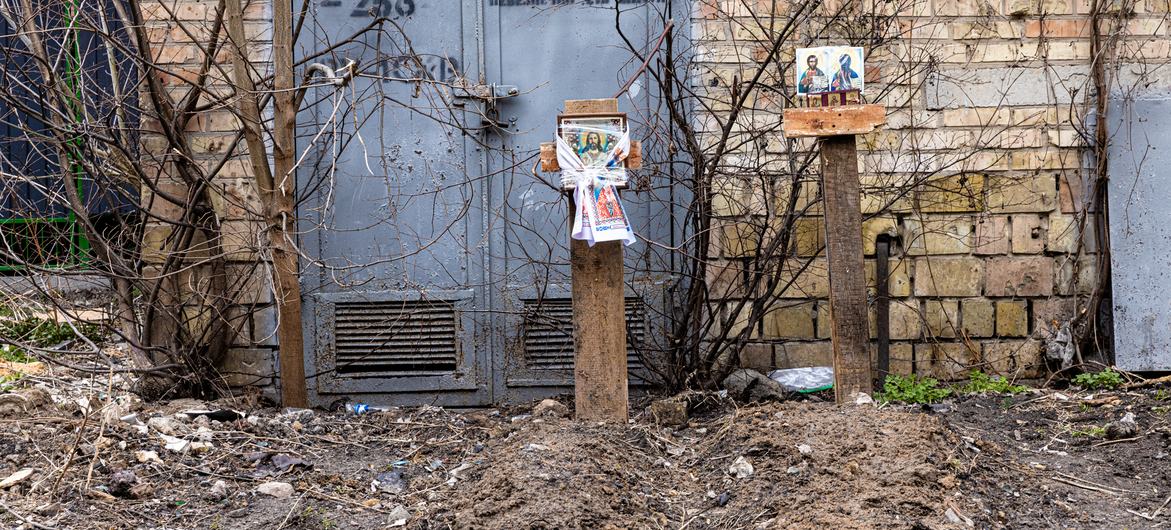
This past weekend, disturbing photos emerged from the city of Bucha, a suburb of the capital, Kyiv, where hundreds of civilian bodies were found in the streets and in mass graves following Russia’s withdrawal from the area.
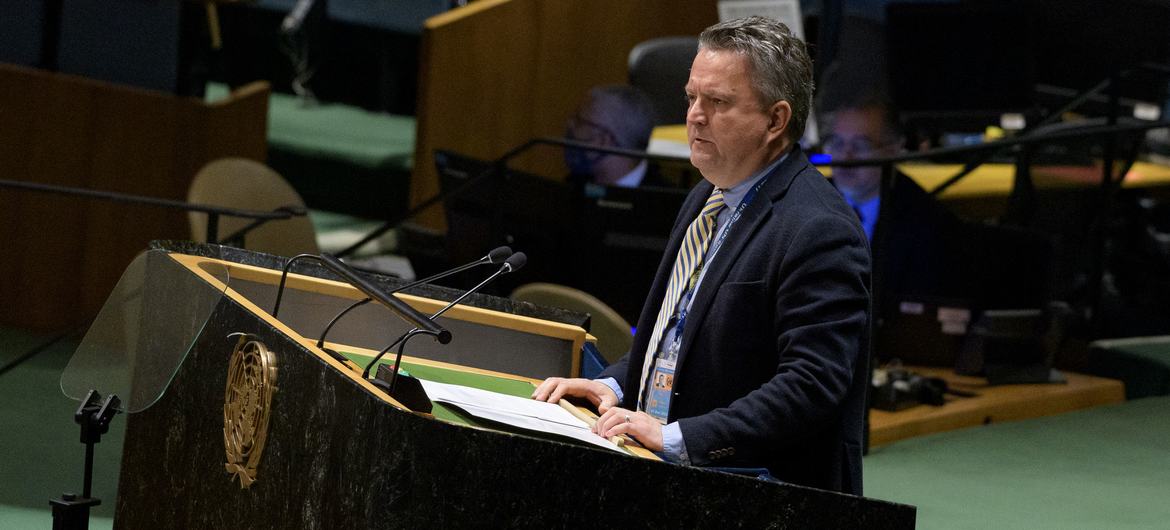
Prior to the vote, Ukrainian Ambassador Sergiy Kyslytsya urged countries to support the resolution.
“Bucha and dozens of other Ukrainian cities and villages, where thousands of peaceful residents have been killed, tortured, raped, abducted and robbed by the Russian Army, serve as an example of how dramatically far the Russian Federation has gone from its initial declarations in the human rights domain. That is why this case is unique and today’s response is obvious and self-explanatory,” he said.
This is not the first time that a Member State has had its membership of the Human Rights Council suspended. Libya lost its seat in 2011, following repression of protests by ruler Muammar Gaddafi, who was later overthrown.
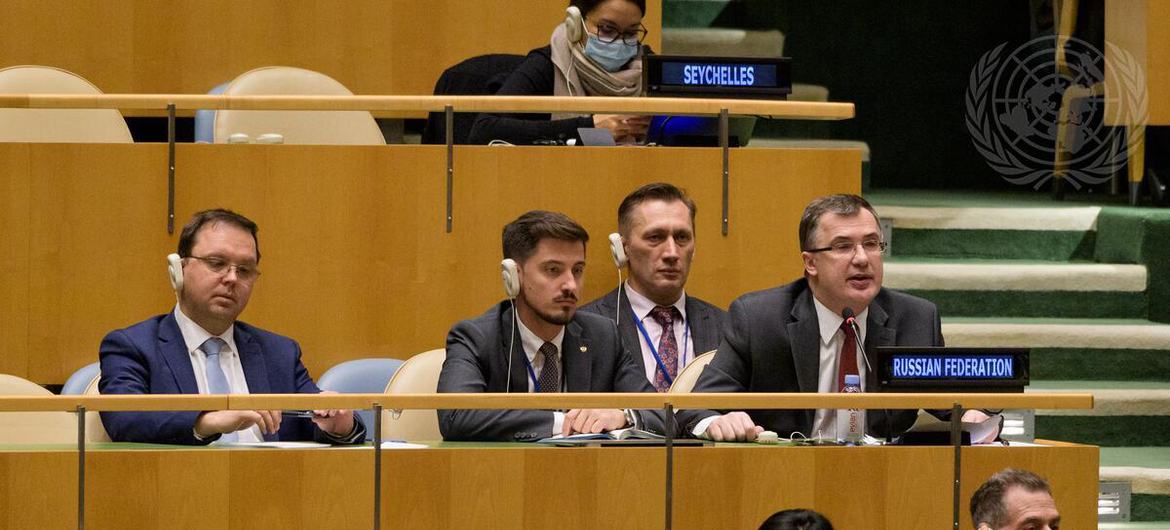
Gennady Kuzmin, Deputy Russian ambassador, in remarks before the vote, called for countries to “vote against the attempt by Western countries and their allies to destroy the existing human rights architecture.”
The vote took place on the anniversary of the 1994 genocide in Rwanda, and the Ukrainian ambassador drew parallels with this dark page in recent history.
“The genocide in Rwanda was largely due to the indifference of the world’s community, when the UN did not respond to warnings in the UN Security Council and in the General Assembly, a year before the tragedy that we commemorate exactly on this day,” said Mr. Kyslytsya.
“Today, in the case of Ukraine, it is not even a year, because the tragedy is unfolding right now before our eyes.”
UN Photo/Manuel Elías – Sergiy Kyslytsya, Permanent Representative of Ukraine to the United Nations, presents the draft resolution during the 10th plenary meeting of the General Assembly Eleventh Emergency Special Session on Ukraine.
Grounds for suspension
The UN Human Rights Council consists of 47 members and is based in Geneva.
Russia joined the body in January 2021 as one of 15 countries elected by the General Assembly to serve three-year terms.
Under the 2006 resolution that established the Council, the General Assembly can suspend a country from membership if it commits gross and systematic violations of human rights.
Russia quits Council
Speaking after the adoption of the resolution, Deputy Permanent Representative Kuzmin, suddenly stated that Russia had already decided that day, to leave the Council before the end of its term.
He claimed the Council was monopolized by a group of States who use it for their short-term aims.
“These States for many years have directly been involved in blatant and massive violations of human rights, or abetted those violations,” he said, speaking through an interpreter.
“In spite of their membership as members of the Council, they are not ready to sacrifice their short-term political and economic interests in favour of true cooperation and stabilizing the human rights situation in certain countries.”
UN Photo/Manuel Elías – The General Assembly Votes to suspend Russia from the Human Rights Council. Pictured at the end of the row on the right, is Deputy Permanent Representative of Russia, Gennady Kuzmin.
‘Dangerous precedent’: China
China was among the countries that voted against the resolution. Ambassador ZHANG Jun, feared any hasty move in the General Assembly would be like “adding fuel to the fire”, as it would aggravate divisions, intensify the conflict, and jeopardize peace efforts.
“Dealing with the membership of the Human Rights Council in such a way will set new dangerous precedent, further intensify confrontation in the field of human rights, bringing a greater impact on the UN governance system, and produce serious consequences,” he said.
EU commends ‘rare decision’
For the European Union (EU), the scale and gravity of Russia’s violations in Ukraine, and of the territorial integrity and sovereignty of the country, have called for a strong, united international response.
“The rare decision this Assembly has taken today sends a strong signal of accountability and hopefully will help preventing and discouraging more violations of human rights,” said Ambassador Olaf Skoog, head of the EU delegation.
A step in the right direction: USA
The United States was the last country to speak during the day-long meeting.
Ambassador Linda Thomas-Greenfield described the adoption of the resolution as “an important and historic moment”. It was not only about accountability for Russia, she said, but also about standing with the people of Ukraine.
“Today, the international community took one collective step in the right direction. We ensured a persistent and egregious human rights violator will not be allowed to occupy a position of leadership on human rights at the UN,” said Ms. Thomas-Greenfield.
“Let us continue to hold Russia accountable for this unprovoked, unjust, unconscionable war –and to do everything in our power to stand with the people of Ukraine.”
Martin Griffiths was in Bucha and in Irpin, both located outside the capital, Kyiv, accompanied by the country’s Deputy Prime Minister, Olha Stefanishyna.
The relief chief described the visit as “horrifying”, said UN Spokesperson Stéphane Dujarric, speaking during his daily briefing in New York.
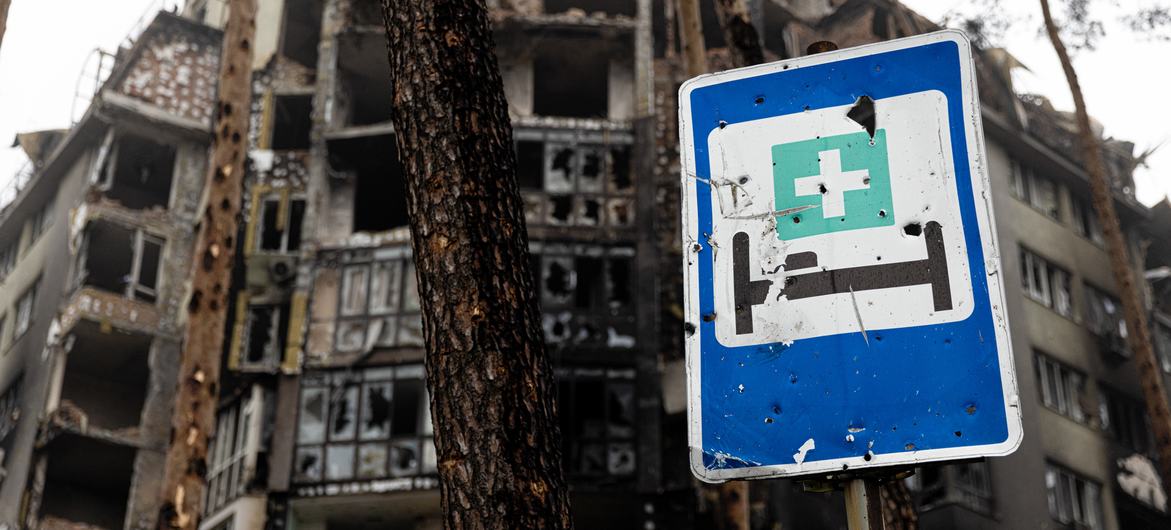
“He saw a mass grave with bodies wrapped in plastic, dozens of apartment blocks and houses destroyed, and burned-out cars in the street,” said Mr. Dujarric.
Recalling that the world is already deeply shocked by the images coming out of the area, Mr. Griffiths echoed the UN Secretary-General’s call for an immediate, independent investigation to guarantee accountability.
From Bucha, Mr. Griffiths travelled to Kyiv, where he met with Prime Minster Denys Shmyhal and other senior officials, including the Defence Minister and the Vice-Minister for Foreign Affairs.
He listened to their views and concerns, and also sought ideas for making progress with establishing a humanitarian pause, together with safe passage for aid deliveries and evacuations.
Prior to visiting Ukraine, Mr. Griffiths was in Moscow where he had also discussed these topics with Government officials on Monday.
The humanitarian affairs chief reaffirmed the UN’s core commitment to helping protect civilians and reaching all in need of aid, as quickly as possible.
“He also said that, after its temporary relocation, the UN will reestablish its humanitarian presence and leadership in Kyiv, which Ukrainian authorities warmly welcomed,” Mr. Dujarric added.
Scaling-up support
UN agencies and humanitarian organizations have dramatically scaled up operations in Ukraine over the past six weeks. Some 160 partners are now present in all 24 regions of the country, known as oblasts.
Humanitarians have reached at least two million people with assistance, and convoys have been mobilized to reach thousands in some of the hardest-hit areas, including Sumy, Kharkiv and Sievieredonetsk.
Additionally, a $1.1 billion appeal to support people inside Ukraine, launched last month, is now nearly 60 per cent funded.
Meanwhile, the World Health Organization (WHO) has underlined commitment to support the country in addressing immediate challenges and future reconstruction needs.
“The life-saving medicine Ukraine needs right now is peace,”said Dr. Hans Kluge, WHO Regional Director for Europe, speaking during a press conference from the western city of Lviv on Thursday – World Health Day.
Of the 103 attacks so far, nearly 90 have impacted health facilities, while 13 affected transport, including ambulances.
Due to the conflict, half of all pharmacies in Ukraine are also presumed closed, while some 1,000 health facilities are in proximity to conflict areas, or in changed areas of control.
Standing in solidarity
Dr. Kluge expressed solidarity with Ukraine, and its health workers, who continue to deliver care in the face of immense suffering.
“I stand with our Director-General, who on behalf of WHO, has consistently called on the Russian Federation for a humanitarian ceasefire immediately, which includes unhindered access to humanitarian assistance for those in need,” he said.
WHO’s work in Ukraine is centred around three principles, starting with keeping health facilities operational.
More aid on the way
Teams have delivered more than 185 tonnes of medical supplies to the hardest hit areas, including besieged Sumy, reaching half a million people with materials to support trauma, surgery and primary health care.
Another 125 tonnes are on the way, and items such as wheelchairs, communications aids for the blind, and other assistive products, are in transit.
WHO is also working with neighbouring countries, and across the entire European region, to ensure millions fleeing the fighting can also receive care and that health systems can manage the influx.
Conflict must end
Prior to the war, Ukraine had been making “excellent progress” against challenges such as tuberculosis, HIV and moving towards universal health coverage.
Dr. Kluge stressed the importance of not losing this momentum.
WHO is preparing to redeploy teams throughout the country as access and security improves, he said, underlining commitment to being present during the current humanitarian response and in post-conflict rebuilding.
“Health requires peace, well-being requires hope, and healing requires time,” said Dr, Kluge, adding “it is my deepest wish that this war comes to an end swiftly, without further loss of life. Tragically, this is not the reality we see.”
Press Release No: 08/22 issued jointly with COMECE 08 April 2022 Brussels
The presidents of CEC and COMECE issue a special Easter message from the Polish-Ukrainian border on 8 April 2022, invoking prayer and action for peace in Ukraine and beyond. “Let us continue to pray and work for justice, reconciliation and peace between people, cultures and nations.”
Rev. Christian Krieger and H.Em. Cardinal Jean-Claude Hollerich SJ, presidents of the Conference of European Churches (CEC) and of the Commission of the Bishops’ Conferences of the European Union (COMECE) respectively, have issued a special joint Easter message from the border between Poland and Ukraine, where they had a two-day visit to some of the facilities welcoming and supporting refugees fleeing from Ukraine due to the Russian invasion that began on 24 February 2022.
The two presidents were touched by the human tragedy reflected in the eyes of the refugees they have encountered during their visit. They also expressed sincere gratitude to all professionals, volunteers, national and religious authorities for the concrete solidarity put into place to welcome and support people who have lost everything due to war.
More than 2 million people, mostly women and children, have crossed the Polish-Ukrainian border since the beginning of the war. It is from here, from the Dorohusk-Yahodyn border crossing point between Poland and Ukraine, that, in view of Easter festivities, Rev. Krieger and Card. Hollerich invoked prayer and action for peace in Ukraine and beyond.
“The Paschal mystery of Christ takes us to the heart of injustice, violence and suffering,” reads their message. “The story of Christ’s passion and death echoes human suffering and tragedies experienced in many parts of our world, not least by Ukrainians in their own country and wherever the roads of exile have taken them.”
“In Christ, God joins our humanity, taking upon himself our limitations and our hatred, transforming our impasses, our indignation, our feelings of fatality and despair into hope through trust in him. This transformation takes place within the human being and in the world that God loves.”
This Easter, CEC and COMECE presidents call everyone to “continue to believe in the horizon that God’s grace, manifested in Christ, opens before our eyes.”
During their visit to Poland, the two presidents visited local churches from various confessions, learning about their humanitarian projects and efforts to welcome refugees to the country.
CEC and COMECE presidents were hosted by the Polish Ecumenical Council and the Catholic Bishop of Łódź, Mgr. Grzegorz Ryś.
Watch video: CEC COMECE visit to Polish-Ukrainian border