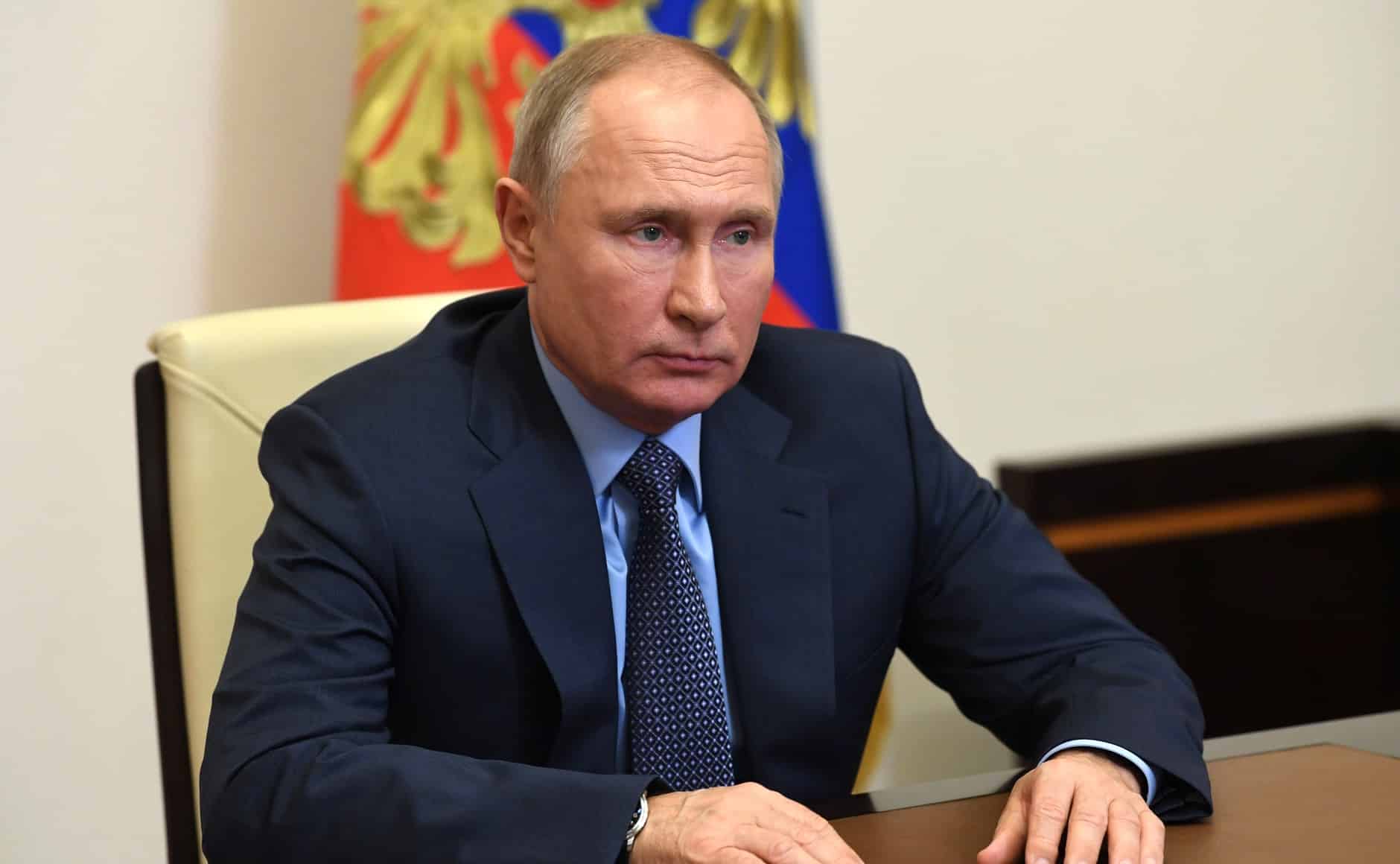
Russian President Vladimir Putin signed the law “On the Russian Movement of Children and Youth” yesterday, and the document was published on the official portal for legal information, TASS reported.
The creation of a Russian movement of children and youth is planned. Its legal status, the main principles and goals of its activity, its structure are determined, says the annotation to the law published on the website of the Federation Council.
Among the goals of this movement will be the promotion of state policy in the interest of children and youth, participation in the upbringing of children, their professional orientation, organization of children’s free time, the creation of opportunities for their all-round development and self-realization, preparation of children and youth for a fulfilling life in society, the accompanying documents say.
Participants of the movement can become children who have reached the age of 6, and the organization of their upbringing and recreation will be carried out by adult mentors.
In general, the law was prepared to ensure a unified state policy for the education of children and youth in educational organizations, associations, movements, communities and clubs, as well as to “build a continuous trajectory for their development based on the values of Russian society.” , it also says in the annotation.
In April, Diana Krasovska, a student from the 54th Yuri Gagarin School in Sevastopol, proposed to Vladimir Putin to create a children’s movement that would unite children from all over Russia. Then the president said that he “needs to think about this subject”.
The mummy, which is more than two and a half thousand years old, has been kept in Novosibirsk for 30 years, reports Alina Guritzkaya for Sibkray.ru.
The body of a man was found by scientists in one of the burial mounds in the Altai Mountains. The mummy was preserved in ice. Now it is regularly treated with a special solution by employees of the Institute of Archeology and Ethnography of the Siberian Branch of the Russian Academy of Sciences. In honor of the Museum Restorer’s Day, experts showed how the process of caring for a mummy takes place and told in detail what secrets it keeps.
This mummy is the main exhibit of the Museum of Archeology and Ethnography. It is kept in the center of the hall in a glass sarcophagus. The skin, hair, and especially the tattoo on the shoulder in the form of a deer have been preserved in almost perfect condition, despite the fact that the body is already more than two and a half thousand years old.
In 1995, in Gorny Altai, the mummy was found by an expedition, which included the famous Novosibirsk scientists Vyacheslav Molodin and Natalya Polosmak. During excavations, experts discovered a massive underground structure at a depth of about three meters. It was a wooden frame with a bed inside, on which the deceased lay. Later it turned out that this is a middle-class man, the estimated age is 20-25 years.
“This man is considered the middle layer of the population – he had only one horse. But we get the impression that the Altaians embalmed all their buried people. It is one thing if these were noble burials – they were used in the rituals of the clan, entire tribes gathered. But it (the exposed mummy) was used in family rituals before burial, ”explains Marina Moroz, leading artist-restorer of the Institute of Archeology and Ethnography of the SB RAS.
Next to the man lay another body – a woman who was supposedly his concubine. She was naked and bald. Her body was not preserved, as it was not mummified. Only the head with pieces of skin remains – it is also in the museum. By the way, just 22 meters from the burial place of this mummy, the famous Princess Ukok was discovered two years earlier.
The mummy of a man also became the most valuable find of archaeologists. When she was just taken out of the ground, her skin instantly began to darken. The fact is that before the excavations, the body was in the ice, in the dark, where the process of decomposition was simply impossible. The mummy was delivered to Novosibirsk by helicopter.
“Then there was a whole task – it was necessary to undress this mummy so as not to damage it. After all, he has boots, trousers, a fur coat, a headdress – we removed all this in parts, cut something, because we could not damage the mummy. After that, a few days later we sent the mummy to Moscow,” says Moroz.
The mummy stayed in Moscow for a year. During this time, experts have established that it belongs to the Pazyryk culture of the 6th-3rd centuries BC. Also, the capital’s restorers worked hard to ensure the safety of the body. First of all, special hinges were inserted into the phalanges of the fingers, since the hands were almost completely destroyed.
“Her fingers are hanging. This part of the body has not been preserved. The fact is that these bodies were not immediately buried – they were used in rituals for a long time. And, it was still necessary to build a magnificent structure for the departed. So people were not buried for a long time, so the body was not completely preserved, ”explains the Novosibirsk specialist.
Other parts of the body were also processed, for example, the stomach, which the Altaians opened before mummification in order to get all the organs from there. If you look closely, you can even see a scar and protruding threads.
After the necessary restoration procedures, the Altaian’s body was kept in a bath with a solution for about a year and embalmed. Exactly the same procedure, by the way, was once carried out with Vladimir Lenin.
“The mummy was saved for us: the skin was lightened, the tattoos are visible. Since 1996, it has been stored in this form with us and can be exhibited at room temperature. Everyone can see her. But we could lose these tattoos if we didn’t start the restoration on time,” says Marina Moroz.
When the mummy arrived in Novosibirsk, Moscow restorers worked on it for another ten years, since only they had the secret recipe for the solution for conservation treatment. The solution maintains the body’s moisture and impregnates the tissues, giving the mummy a “fresh look”.
“Specialists also glued the skin, which was already starting to peel off. But now she is already in a fairly good condition,” says Moroz. – The excellent scientist who was engaged in this – Vladislav Kozeltsev, unfortunately, has already died. He came to us, or I came to him in Moscow. We went back and forth, but then he gave up, said: “Marina, I’m ready to reveal the secret to you.” I think that no one else knows the composition of the solution except for me and the institute.”
So, Marina Moroz remains one of the few scientists in Russia who has a unique solution recipe that allows you to save dozens of ancient mummies and Vladimir Lenin.
The processing of the mummy itself, which is carried out every three months, is a rather monotonous process. First, museum staff remove the opaque cover and glass cover. Paper towels are placed under the mummy, and then the whole body is gently sprayed with a solution. When the procedure is completed, the mummy is again covered with a lid and a cloth – in this form it is left for a couple of days until the skin absorbs the solution.
Now the mummy for the museum is not only an exhibit, but is still an object for study. Many mysteries are kept even by one tattoo on the shoulder of a man – a deer.
“Pazyryk tattoos are all incredible mythology with mythical animals – lions, griffins. He has drawn an elk, a deer – the drawing goes to the back. We think that this indicates his status, ”explains the specialist.
According to M. Moroz, soon scientists want to scan the body of the ancient Altaian on a tomograph to find out the cause of his death. So far, even presumably, it is impossible to say from what the young man of the Pazyryk culture died.
Bulgaria aired for the first time the vanguard of the military parade in Paris in honor of France’s National Holiday – Bastille Day. A representative military formation from the National Guard unit with the Bulgarian flag led the foot march down the Champs-Elysées from the Arc de Triomphe to the Place de la Concorde, where the soldiers were greeted with applause by President Emmanuel Macron, Prime Minister Elisabeth Bourne and other officials . The Chief of Defense Admiral Emil Eftimov also took part in the celebration.
Representatives of many countries from the European Union and NATO marched behind our guardsmen. This year, special attention was shown by France to the countries in Eastern Europe. Therefore, behind the Bulgarian Guards, representative units from Estonia, Hungary, Lithuania, Latvia, Poland, the Czech Republic, Romania and Slovakia could be seen. The aim was to demonstrate the unwavering commitment of partners and allies in the defense of peace and security, which includes strengthening the defensive and deterrent potential of the Eastern flank of the Alliance, the Ministry of Defense announced. This year’s parade motto is “Share the Flame,” which calls for unity amid world crises.
The French national holiday, celebrated on July 14, symbolizes the end of the absolute monarchy and is an emblem of national unity, the message recalls. Bastille Day has been celebrated every year since 1790. The storming of the prison fortress in 1789 is considered the symbolic beginning of the French Revolution.
A total of about 6,400 military personnel participate in the events, of which 5,000 march. Numerous equipment also took part, including 66 airplanes, 25 helicopters, 119 vehicles and combat vehicles, 62 motorcycles. Traditionally, the military parade is watched by about 8,000 people in the stands, as well as by 8 million viewers in front of the television screen and on the websites of the main French media.
A week before the celebrations began, Emmanuel Macron became the first president of the French Fifth Republic to fly aboard a plane of the Patrols de France, the aviation group known for its spectacular aerial displays during official celebrations in France. And this July 14, she signaled the start of the parade by flying over Paris. On July 8, Macron was in the Alpha Jet aircraft, which performs a leadership role during the patrol flights.
Photo: Four Bulgarian honor guards with the national flag were at the head of the parade of infantrymen from different countries in honor of the national holiday of France / Freeze frame from the screen
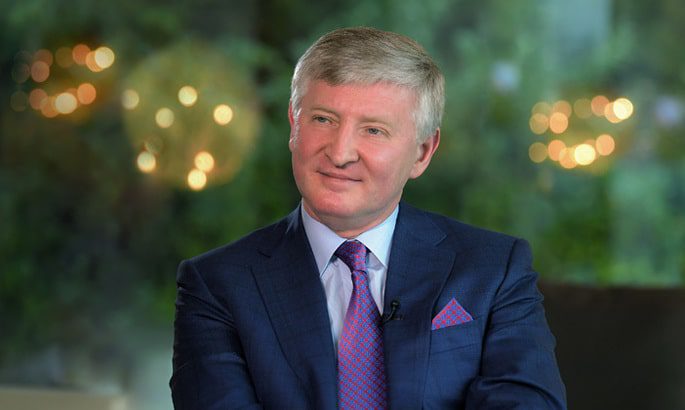
Ukrainian businessman and owner of Shakhter Rinat Akhmetov announced his exit from the media business. The decision is connected with the law on oligarchs.
“I have made a forced decision to withdraw my investment company SCM from the media business. This week, Media Group Ukraine will waive in favor of the state all broadcast and satellite television licenses of our channels and licenses of our print media in Ukraine. We will also terminate the activities of MSU online media .
This decision was dictated by the entry into force of the law “On the prevention of threats to national security associated with the excessive influence of persons with significant economic and political weight in public life (oligarchs)”. As the largest private investor in the Ukrainian economy, I have repeatedly said that I was not, am not and will not be an oligarch. The short six-month legal deadline for the sale of media assets and the Russian military aggression against Ukraine prevent SCM from selling its media business on market terms.
For more than 20 years, since 2000, together with journalists, we have created a media holding based on the principles of freedom of speech, truth and professionalism, consisting of 10 broadcast and satellite television channels, Internet resources, print media and modern production media. The total investment in this media holding exceeded 1.5 billion US dollars. But the biggest investment is the contribution of each of the 4,000 journalists and members of our media team. Thanks to your work, the channels “Ukraine” and “Ukraine 24” became leaders in terms of viewership, and the channels of the “Football” group gathered millions of fans in front of the screens. Therefore, it is difficult for me to make a decision to leave the media business.
I want to thank everyone for our common work and for our common success. And, of course, special thanks to each of our viewers and readers. Thank you for your love, for your loyalty. We have always worked only for you!”, – stated in the official statement.
Note that the “Media Group Ukraine” includes the channels “Football 1/2/3”, which show most of the matches of the Ukrainian championship.
Earlier in early June, Rinat Akhmetov will allocate 60 million hryvnia for the Ukrainian Championship
Shakhtar made an official statement: the owner of the club, Rinat Akhmetov, will allocate 60 million hryvnias for the launch of the next Ukrainian Championship. The proceeds will go to help clubs in the Premier League, League Two and children’s football projects.
“Today, Ukraine is going through difficult times. For more than 3 months there has been a war against Russia for our independence, for our cities, for our people, children, for our future. The war is going on at once on several fronts: military, economic, information, diplomatic. In this difficult time, it is important to be united, trust and help each other.
FC Shakhtar welcomes the intention of the UAF and Premier League clubs to hold the next championship of Ukraine. Due to the difficult economic situation in the country, not everyone can fully prepare for the championship. In this regard, the president of the club, Rinat Akhmetov, decided to support the Ukrainian championship, clubs of the First and Second Leagues, and children’s football projects in the amount of UAH 60 million.
The principle of solidarity is the basis of European football. Convinced, by helping, we become stronger and make our big friendly football family more united. In total, we will win!” the statement on the club’s website reads.
Recall that the next draw of the championship of Ukraine is planned to be launched in August. The format and venue are not yet known.
The Perseverance rover has taken its first sample from the Jezero delta on Mars.
NASA’s Mars Perseverance Rover has taken its first sample from the Jezero delta!
Since arriving at the delta, “Percy” has been observing and abrading different rocks to investigate whether they are a good candidate for our first core sample in this area. It wasn’t an easy start, as the first few rocks that were assessed either fractured too easily or had surfaces that were too rough to safely place the drill. What the team needed was a rock that met the following criteria:
scientifically interesting,
a manageable amount of surface topography,
large enough to fit an abrasion and two cores, and
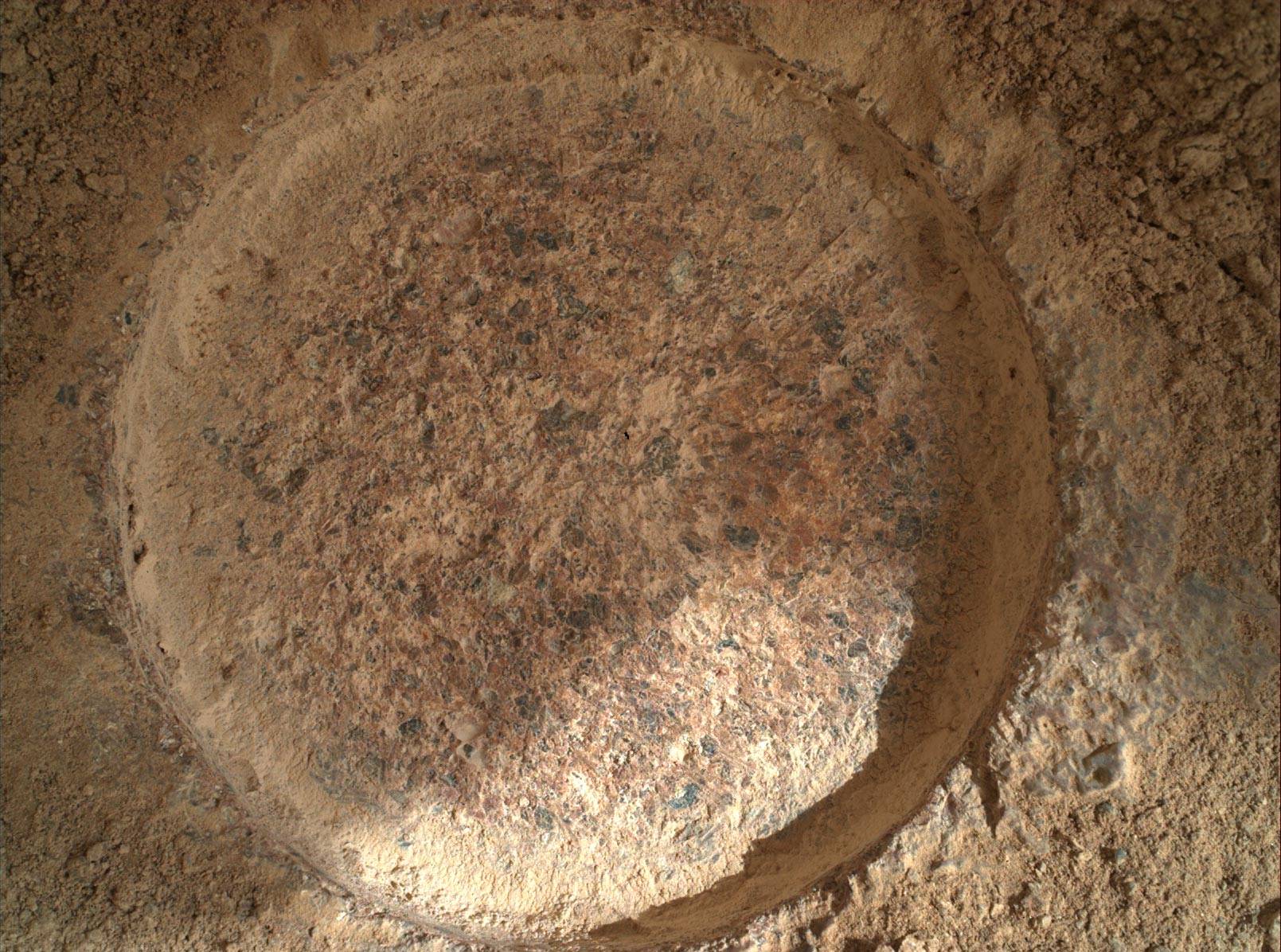
Mars Perseverance Sol 482: WATSON Camera: The abraded patch Thornton Gap. Note the visible clasts in the rock. Credit: NASA/JPL-Caltech
The first activity the rover conducted on this rock was an abrasion called Thornton Gap, and immediately the team became excited. The abrasion was very successful, exposing the inner surface of the rock without fracturing the surrounding area. Furthermore, it revealed that this rock contained individual clasts with clear boundaries. Perseverance’s full instrument suite was used to investigate and document the abraded patch, then it was time to core.
Mars Perseverance Sol 490 – Left Navigation Camera: The abraded patch and coring borehole on the rock Skinner Ridge. Credit: NASA/JPL-Caltech
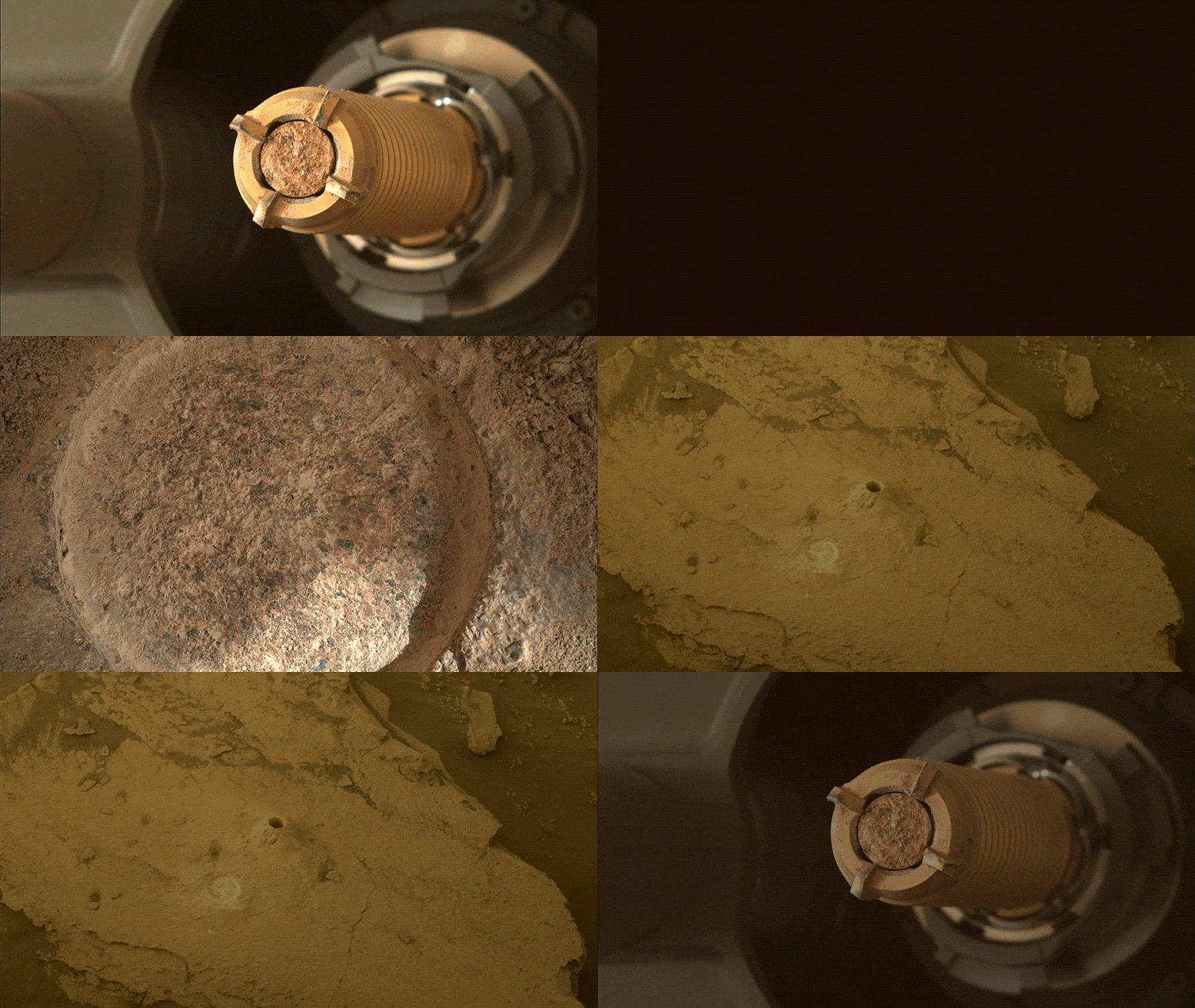
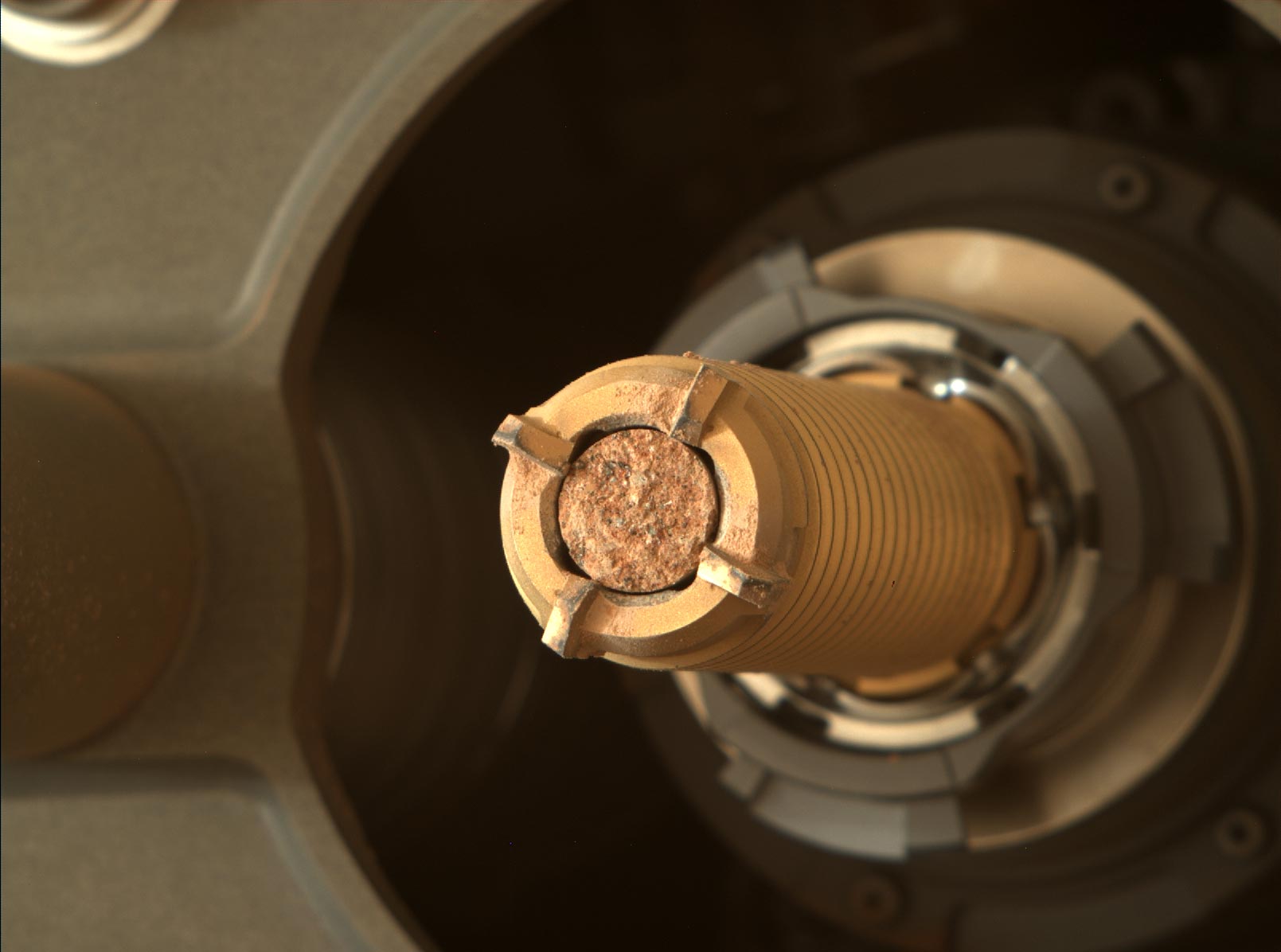
It turned out to be a fantastic choice. Collecting the core went very smoothly, and it was named Swift Run. At 6.70 cm (2.6 inches) long, it is our longest core of the mission so far. Perhaps even more exciting was to see that those same clasts visible in the abraded patch were also visible in the core. The drill data showed that the rock was one of the softer ones we have cored so far. It only required low levels of percussion to make progress through the rock, occasionally turning off percussion altogether when rotary-only drilling was sufficient.
Mars Perseverance Sol 490 – Right Mastcam-Z Camera: The Swift Run core inside the coring bit. Credit: NASA/JPL-Caltech/ASU
One last note for anyone wondering where these names come from. The Perseverance mission names areas after different national parks on Earth. Rocks, abrasions, and cores are given names related to the current area. The rover is currently in the Shenandoah quadrangle, named for the U.S. National Park in Virginia. Skinner Ridge, Thornton Gap, and Swift Run are all features in Shenandoah.
Written by Iona Brockie, Sampling Engineer at NASA/JPL
A Bulgarian was supposed to kill the German ambassador in Ankara, Franz von Papen, reports 24chasa.bg, but the bomb exploded in his hands and tore him apart.
They call General Pavel Sudoplatov the chief saboteur and terrorist of the USSR. He is a specialist in sabotage, assassination and kidnapping. Heads the network of Soviet agents around the world.
For 32 years he worked in the system and state security bodies of the Soviet Union, under the direct leadership of Stalin and Lavrentiy Beria.
In the 1930s, Sudoplatov was deputy head of the foreign department of the NKVD. During the war, he was the head of the Fourth (intelligence-sabotage) department of the NKVD-NKGB.
There are quite a few Bulgarians in Sudoplatov’s agent network. Their exact number is hidden somewhere in the Russian archives of that time. He writes about the Bulgarians and the operations in which they participate in his book “Kremlin and Lubyanka. Special operations 1930-1950”. However, the author does not name them by their real names, but by their agency pseudonyms.
In 1942, Stalin decided that the German ambassador in Ankara, Franz von Papen, should be killed. There are deliberate rumors that he will head the new government of Germany if the Wehrmacht generals succeed in eliminating Hitler.
This makes it possible to conclude a separatist peace between Germany, England and the USA. However, such an agreement would limit Soviet influence in the future European alliance.
A Bulgarian, an agent of the NKVD, was chosen as the executor of the wet order, but Sudoplatov does not even mention his code name. The assassination failed because the Bulgarian turned out to be very nervous and chaotic in his actions and the bomb exploded in his hands. He died on the spot, and Von Papen escaped with a few minor wounds.
At the beginning of 1946, the diplomat was brought before the International Military Court in Nuremberg, but on October 1, 1946, he was acquitted of all charges. In February 1947, the German Denazification Court sentenced him to 8 months in prison as a major Nazi war criminal. Von Papen appealed the sentence and in January 1949 he was released.
In the 1950s, he tried unsuccessfully to return to politics. He spent his last years in Benzenhofen Castle, where he wrote several books and memoirs. Died May 2, 1969.
In 1937, the death sentence of a famous Soviet illegal spy was signed
in Western Europe codenamed Rice. He appropriates the money given to him for operational needs and deposits it in a bank. He takes shelter in Paris, but begins to lead a lavish and baronial lifestyle. Soon other Soviet agents tracked him down.
His murderers were determined to be the Bulgarians with the agent names Afanasiev and his brother-in-law Pravdin. They were ordered to liquidate Rice in Switzerland. The two find him in a small restaurant in Lausanne.
They sit at his table, pretend to be businessmen, and begin to draw him. Before long they stage a scandal and a beating, push him outside and stuff him into their car. Three kilometers from the restaurant, they shot him and threw his body into the ditch.
Later, Afanasiev and Pravdin were invited to Sudoplatov’s office and awarded with orders. Pravdin’s mother, who lives in Paris, receives a lifetime pension by special decision of the Council of Ministers of the USSR.
Afanasiev was promoted to intelligence officer, where he served until 1953. He was sent on secret missions in Switzerland and other European countries. And Pravdin was appointed to the publishing house for foreign literature in Moscow and worked until his death in 1970.
In his book, Gen. Pavel Sudoplatov calls Ivan Vinarov “my good friend”. And it describes how agents Vinarov and Eitingon in the 1920s came into contact with Richard Sorge – the legendary Soviet intelligence officer in Tokyo. But both the Japanese and the Germans consider him a double agent.
Ivan Vinarov is perhaps the most famous Bulgarian Soviet military intelligence officer
Colonel of the Red Army, adviser in the Chinese army and lieutenant general of the Bulgarian army.
He was born on January 11, 1896 in the city of Pleven, Bulgaria. He participated in the First World War and in the Vladai uprising in 1918. For his participation in the terrorist military organization of the BKP in 1921, he was sentenced to 8 years in prison.
In 1922 he escaped from prison and emigrated to the Soviet Union. He studied at the Higher Party School of the CPSU(b), and became a member of the party. From April 1924 to November 1925, he was part of the Intelligence Directorate of the Red Army. He deals with the transfer of weapons to the Bulgarian communists, with which they carry out a series of terrorist acts. The biggest was the attack on the church “Sveta Nedelya”.
From April 1929 to June 1930, he took an intelligence improvement course and became chief resident in Austria.
Responsible for it and for Poland, Czechoslovakia, Romania, Yugoslavia, Greece, Hungary, Bulgaria and Turkey. In 1933 he returned to the Soviet Union and in 1936 he graduated from the Frunze Military Academy in Moscow.
From December 1936 to March 1938, he was head of the intelligence organization in Paris. In July 1938 he was dismissed from the Red Army, but in June 1940 he was rehabilitated.
From 1941 to 1944, he prepared Bulgarian political emigrants for waging a partisan war in Bulgaria. In 1941-1942, he performed an intelligence mission in Turkey.
Then he became Georgi Dimitrov’s adviser on intelligence matters. In May 1944 he was sent to Montenegro and joined the partisans in Yugoslavia.
After September 9, 1944, Ivan Vinarov was briefly a member of the Politburo, but by order of Georgi Dimitrov, he was removed from its composition to organize intelligence in the State Security – he knows best about this work. He also became a representative of the BKP in the command of the Third Ukrainian Front, as well as head of the Military Department of the Central Committee of the BKP.
From 1945 to 1949, he commanded the Labor Service, the predecessor of the Construction Troops. In 1949-1951 he was the assistant minister of construction and roads, he also became a minister in the first government of Chervenkov.
At the end of 1952, Vinarov was removed from the government for financial violations
He authorized the payment of salaries above the planned ones in his subordinate enterprises. He was sentenced to 2 years in prison.
On September 14, 1957, he was appointed first deputy minister of the Ministry of Communal Economy, Public Works and Roads. In 1959, the ministry was closed and the “Roads” department was created, which he headed.
In 1960, Vinarov was promoted to lieutenant general, and in 1964 he received the title “Hero of Socialist Labor”.
After his retirement, he lived in a small house in “Kailaka” park. From 1958 until his death, he was a People’s Representative from Pleven. He is credited with almost quadrupling the protected park territory.
His are also the ideas for the construction of dams and the creation of the Vit irrigation system. For his contribution to the development of Pleven, he was declared an honorary citizen. He died on July 25, 1969 in Sofia.
The Bulgarian ambassador to Moscow, Ivan Stamenov, is also an agent of the NKVD
He was born in Sofia in 1898. He graduated in law at Sofia University and in 1925 was appointed head of the Information Bureau of the Ministry of Foreign Affairs. He married a niece of Alexander Malinov. When Malinov became prime minister in 1931, he sent Stamenov as director of the royal legation in Rome.
From 1935, Stamenov was the first secretary of our embassy in Paris. On July 1, 1940, he was appointed Minister Extraordinary and Plenipotentiary in Moscow. There are two versions of his recruitment. According to one, he was recruited by the experienced intelligence officer Zhuravlev in 1934, when he was third secretary in our embassy in Rome. He was promised a personal pension for the rest of his life.
The second version says that Pavel Sudoplatov himself, then deputy head of one of the most important secret services – the international secret-political department of the KGB, attracted him to Moscow as an agent.
Wherever the recruitment took place, it was already known that Stamenov was an outspoken Russophile and a supporter of the Slavic idea: “He sympathized with the Soviet Union and cooperated with us for purely patriotic reasons,” Sudoplatov wrote in his memoirs. And he adds: “Stamenov was convinced of the need for a permanent union between Bulgaria and the USSR and saw it as the only guarantee for the protection of Bulgarian interests in the Balkans and in European politics in general…”.
In the summer of 1944, Ivan Bagryanov’s government wanted to recall him, but encountered diplomatic obstacles from the Soviet side.
One of the strangest stories in the relations between Bulgaria and the Soviet Union is connected with the name of Ivan Stamenov. Our ambassador is involved in a secret diplomatic probe with Tsar Boris the Third and a disinformation war between the Russians and the Germans.
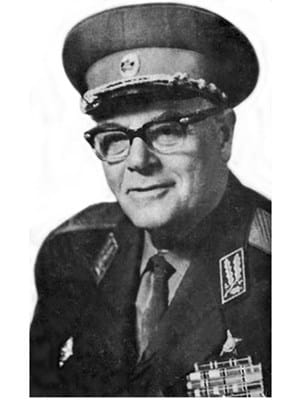
Photo: Ivan Vinarov – colonel of the Red Army, adviser in the Chinese army and lieutenant general of the Bulgarian army
Kyiv severed diplomatic relations with North Korea
Ukraine has no right to raise sovereignty issues as it supports “unjust and illegal” US actions against our sovereignty, North Korea’s foreign ministry said today, as quoted by Reuters.
North Korean media released a ministry statement after Pyongyang formally recognized the two self-proclaimed republics in eastern Ukraine as independent states. Kyiv severed diplomatic relations with North Korea and described Pyongyang’s recognition of the two self-proclaimed republics as an attempt to undermine Ukraine’s sovereignty and territorial integrity.
North Korea’s foreign ministry defended the decision by North Korean authorities, arguing that Ukraine acted against North Korea’s sovereignty by joining US sanctions against Pyongyang’s weapons programs. North Korea claims that the sole purpose of its nuclear and missile programs is to ensure the country’s defense capabilities. Pyongyang accuses the US of pursuing a hostile policy against it by imposing sanctions against North Korea and conducting joint military exercises with South Korea.
“We will continue to strengthen and develop relations of friendship and cooperation with all countries that respect our sovereignty and that treat us well, basing their actions on the principles of sovereign equality, non-interference in internal affairs and mutual respect “, the North Korean ministry said in a statement.
Auction house Alexander Historical Auctions has put up for sale a watch that belonged to the leader of Nazi Germany, Adolf Hitler.
It is reported by “European truth” (Evropeyskaya Pravda) with reference to The Times.
Auction house owner Bill Panagopoulos wants $2 million to $4 million for the lot. According to him, this thing has historical significance as evidence.
The owner of the auction house received Hitler’s watch from a distant relative of the French soldier who stole it from the old house of the leader of Nazi Germany in Bavaria in May 1945 – Robert Mignot.
According to legend, the soldiers of the French Panzer Division searched the house and did not find anyone there – but they found a network of tunnels and hiding places, in one of which the clock lay.
Mignot, upon his return from the war, sold the watch to a relative who passed it on to his descendants. In 2019, the great-grandson of a relative contacted the Panagopoulos auction house and offered to buy it.
The man says that Hitler hardly wore the watch often – he could not find photos with them, but “this does not mean that he never wore them to special events.”
Panagopoulos himself acquired the hat and blade of the German military officer responsible for the murders of the inhabitants of his father’s hometown in Greece.
In 2019, a Lebanese businessman bought items belonging to Adolf Hitler at an auction in Munich for a total of 600,000 EUR.
The earliest known depictions of two biblical heroines were recently discovered by a team of archaeologists at the ancient synagogue of Hukok in the Lower Galilee.
The Huqoq Excavation Project is entering its 10th season. Among the notable discoveries made this year are 4th-5th century depictions of the biblical heroines Deborah and Jael from the Book of Judges of Israel, the University of North Carolina at Chapel Hill reports.
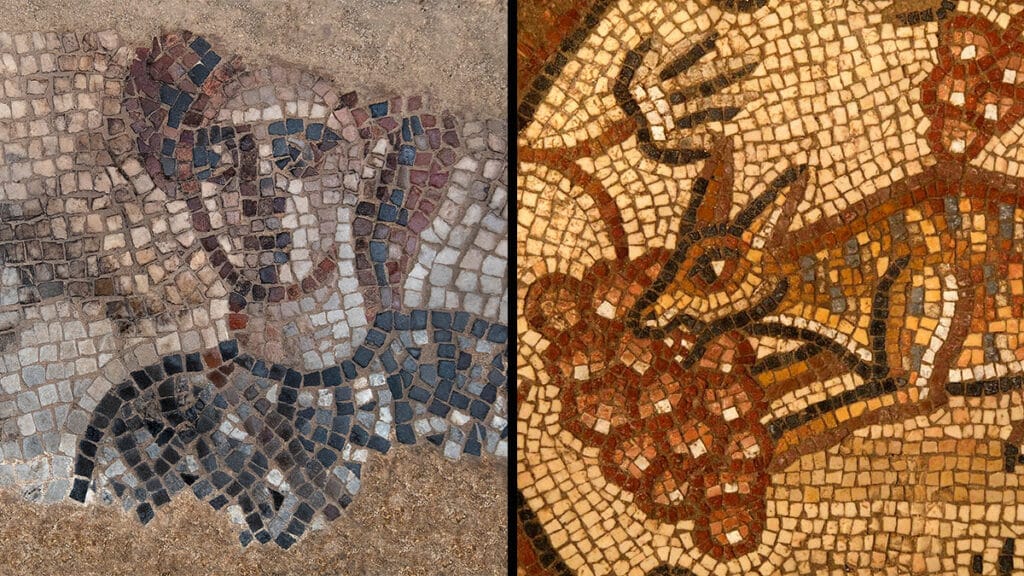
The excavation revealed a large mosaic panel on the floor, divided into three horizontal stripes, depicting an episode from Judges of Israel, chapter 4, in which the children of Israel, led by the prophetess Deborah, a woman of Lapidot, and the military commander Barak, defeat the Canaanite army led by the military leader Sisera.
After the battle, Sisera took refuge in the tent of Jael, wife of Hebera the Kenite, who drove a stake into his temple while he slept.
The top strip shows Devorah under a palm tree looking towards Varak. The middle band is not so well preserved, but appears to show Sisera seated. The bottom strip shows Sisera lying dead and bleeding as Jael drives a car into his head.
“This is the first depiction of this episode from the Old Testament, and the first time we have seen a depiction of the biblical heroines Deborah and Jael in ancient Jewish art,” said Professor Jody Magness, who led the archaeological team.
“Looking at the Book of Joshua, chapter 19, we can see how the story probably had a strong resonance among the Jews in Hukok, since it is described as taking place in the same geographical region – the territory of the tribes of Naphtali and Zebulun,” adds the professor.
Earlier discoveries at Hukok include various depictions of Samson, the men sent by Moses to survey Canaan, Noah’s Ark, the parting of the Red Sea, Jonah swallowed by the whale, the building of the Tower of Babel, the four beasts of Daniel, chapter 7 and many more finds.
Photo: Jim Haberman
Source: University of North Carolina at Chapel Hill
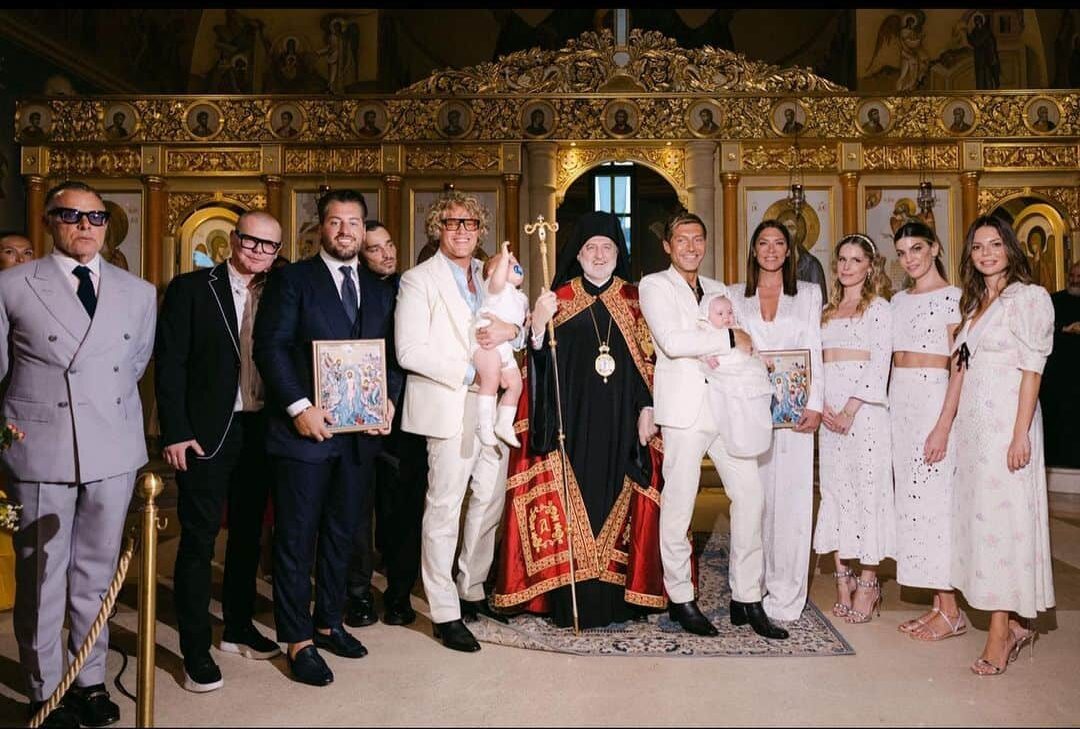
baptism of the children of a famous gay couple in Greece Orthodox Church
On July 7, American Archbishop Elpidophorus (Ecumenical Patriarchate) baptized the children of the homosexual gay couple of Norwegian fashion designer Peter Dundas and his Greek partner Evangelis Bousis at the Church of St. Theotokos Phaneromeni in the Athens seaside district of Vouliagmeni. The two children were born to surrogate mothers, and the homosexual “family” lives in the United States. The baptism was given a lot of media coverage due to the presence of a large number of Greek celebrities. Some of the most famous Greek artists took part in the noisy celebration after this. The Norwegian designer and his Greek partner advertised the baptism as the first Orthodox baptism in a gay family and thus caused a wave of discontent in church circles.
https://www.instagram.com/p/Cf1ar0ZqThQ/
The Metropolitan of Glyphada (a neighborhood of Athens where the temple where the baptism took place) Antonius made a statement addressed to the Archbishop of Athens Hieronymus and the members of St. Synod. In it he expresses his displeasure at being misled by the American archbishop Elphidophorus, who had “acted arbitrarily, arbitrarily and anti-canonically” in his diocese.
In his explanation he says that Archbishop Elpidophorus has requested written permission to baptize the two children of the Greek Bousi family from Chicago in his diocese. He did not speak personally with the archbishop either before or after the baptism and learned from the media that it was a homosexual couple. The godfathers of the two children are still Orthodox Christians, the bishop claims.
The Synod of the Church of Greece will hold an extraordinary meeting on Monday, July 18, and the main topic will be the adopted law on clerical positions, but it is likely that the issue of the baptism of the children of the secular gay couple will also be discussed. The Orthodox Church considers homosexuality to be a deviation that contradicts God’s plan for the development of the human personality, and in this sense defines it as one of man’s sinful inclinations. The Church has not placed any restrictions on the baptism of children, regardless of how they were born and who their parents are, and the requirements for godparents, who must guarantee their Christian upbringing, have long been reduced to the formal presence of an Orthodox baptismal certificate.
Nearly 50% of Greeks believe that society should accept homosexual couples. The scandal with the publicized baptism coincides with the updating of the topic of “gay marriage” in Greece. In May of this year the government again discussed legalizing civil partnership between same-sex couples, which was rejected by the Supreme Court in 2017.