The UN General Assembly overwhelmingly demanded civilian protection and humanitarian access in Ukraine on Thursday, while also criticizing Russia for creating a “dire” humanitarian situation resulting from its invasion exactly one month ago.
During its 11th Emergency Special Session, 193 Member States adopted a resolution – drafted by Ukraine and 90 co-sponsors entitled Humanitarian consequences of the aggression against Ukraine – with 140 votes in favour, five against – Russia, Syria, The Democratic People’s Republic of Korea (more commonly known as North Korea), Eritrea and Belarus – and 38 others abstaining.
At the end of a second morning of deliberations on competing draft resolutions addressing Ukraine’s humanitarian crisis, 67 States voted not to take action and vote on a second text penned by South Africa, Humanitarian situation emanating out of the conflict in Ukraine, which made no reference to Russia or its role originating the conflict.
Despite that, 50 countries gathered in the General Assembly Hall, did favour moving to a vote on the Russian-backed South African draft, and 36 abstained, but the resolution did not garner enough support to proceed to a full vote.
Speaking before the vote, South African Ambassador Mathu Joyini explained that despite the success of the Ukraine-sponsored draft, her country it put forward its draft with the focus that the humanitarian situation be the immediate priority.
“Unfortunately, instead of placing the humanitarian crisis and our response at the centre of our deliberations, the political divisions in the Assembly suggest that perhaps, in the minds of some delegations, the humanitarian response is secondary to geopolitical objectives,” she said.
While neither the context that gave rise to the crisis nor international law should be ignored, they should not divert our focus from what we should be doing, namely, “working as a global community to end the war”.
‘Blood of Ukrainian children’
Ukrainian Ambassador Sergiy Kyslytsya spoke passionately against the South African draft, as having “inconsistent thoughts, beliefs, attitudes, or course of actions,” which he maintained, only bolstered a commonly-held sceptical view of “how the General Assembly is already perceived by the peoples of the world.”
In a forceful speech, he said Ukraine had had nothing to do with the text, written without any cross-regional consultations, and “promoted unliterally by one country.”
Mr. Kyslytsya made the analogy of a “child dying in your arms and instead of administering to him the proper medicine…you opt for a placebo.”
“Will you opt for it? Will you leave the dying child with no chance whatsoever? Just because…[it] was so easy to get and to swallow?”
The Ukrainian Ambassador described the failed resolution as like “fresh paint on the mouldy rotten structure of the Assembly, where the paint isn’t actually paint but the blood of Ukrainian children, women and defenders.
“Let’s spare the Assembly from this shame”, he said. “Let’s prove that the Assembly is still a solid structure and we are the United Nations that have been wise enough to avert imminent disaster”, urging all delegations to reject South Africa’s proposal.
UN Web TV
Tally of General Assembly vote adopting the resolution on “Humanitarian consequences of the aggression against Ukraine.”
On Thursday evening, Parliament and Council negotiators agreed new EU rules to limit the market power of big online platforms.
The Digital Markets Act (DMA) will blacklist certain practices used by large platforms acting as “gatekeepers” and enable the Commission to carry out market investigations and sanction non-compliant behaviour.
The text provisionally agreed by Parliament and Council negotiators targets large companies providing so-called “core platform services” most prone to unfair business practices, such as social networks or search engines, with a market capitalisation of at least 75 billion euro or an annual turnover of 7.5 billion. To be designated as “gatekeepers”, these companies must also provide certain services such as browsers, messengers or social media, which have at least 45 million monthly end users in the EU.and 10 000 annual business users.
During a close to 8-hour long trilogue (three-way talks between Parliament, Council and Commission), EU lawmakers agreed that the largest messaging services (such as Whatsapp, Facebook Messenger or iMessage) will have to open up and interoperate with smaller messaging platforms, if they so request. Users of small or big platforms would then be able to exchange messages, send files or make video calls across messaging apps, thus giving them more choice. As regards interoperability obligation for social networks, co-legislators agreed that such interoperability provisions will be assessed in the future.
Parliament also ensured that combining personal data for targeted advertising will only be allowed with explicit consent to the gatekeeper. They also managed to include a requirement to allow users to freely choose their browser, virtual assistants or search engines.
If a gatekeeper does not comply with the rules, the Commission can impose fines of up to 10% of its total worldwide turnover in the preceding financial year, and 20% in case of repeated infringements. In case of systematic infringements, the Commission may ban them from acquiring other companies for a certain time.
Quote
After the negotiations, the rapporteur from Parliament’s Internal Market and Consumer Protection Committee, Andreas Schwab (EPP, DE), said:
“The agreement ushers in a new era of tech regulation worldwide. The Digital Markets Act puts an end to the ever-increasing dominance of Big Tech companies. From now on, they must show that they also allow for fair competition on the internet. The new rules will help enforce that basic principle. Europe is thus ensuring more competition, more innovation and more choice for users.
With the Digital Markets Act (DMA), Europe is setting standards for how the digital economy of the future will function. It will now be up to the European Commission to implement the new rules quickly.
As the European Parliament, we have made sure that the DMA will deliver tangible results immediately: consumers will get the choice to use the core services of big tech companies such as browsers, search engines or messaging, and all that without losing control over their data.
Above all, the law avoids any form of overregulation for small businesses. App developers will get completely new opportunities, small businesses will get more access to business-relevant data and the online advertising market will become fairer.”
Next steps
After the legal text is finalised at technical level and checked by lawyer-linguists, it will need to be approved by both Parliament and Council. Once this process is completed, it will come into force 20 days after its publication in the EU Official Journal and the rules will apply six months after.
Press conference in the European Parliament
On Friday, 25 March, from 8.45 CET, Parliament’s rapporteur Andreas Schwab (EPP, DE), French Secretary of State for the Digital Transition Cédric O on behalf of the Council, Commission Executive Vice-President Margrethe Vestager, in charge of Competition, and Commissioner for the Internal Market Thierry Breton will give a joint press conference in the European Parliament’s press conference room.
More details on how to follow are available in this media advisory.
New York City, 4 March 2022 (CoNGO Infonews) – Civil society organizations that are predominantly women’s NGOs today issued a statement against the war in Ukraine. The seven initiating groups called for “an immediate halt to hostilities, for all troops to be withdrawn, and for good-faith, peaceful, diplomatic negotiations to begin in a neutral territory.” They issued the statement after the United Nations General Assembly and UN Secretary-General António Guterres have called for an immediate cessation to the conflict, outlining that it contravenes the UN Charter.
CoNGO President Liberato Bautista welcomed the initiative of the organizations, stating that the joint drafting process demonstrated “the best example of NGO good practice”. The call to endorse the statement leverages CoNGO’s convening platform for NGOs to consult, collaborate and cooperate together.
The original proponents of the statement welcome endorsement of the statement by other civil society organizations. To add your endorsement, please send an email to infonews@ngocongo.org with the name and headquarter location of the organization, and the name of the responsible person agreeing to the endorsement.
Statement Against the War in Ukraine
5 March 2022
Soroptimist International, Associated Country Women of the World, International Federation of Business and Professional Women, Graduate Women International, International Alliance of Women, Federation of American Women’s Clubs Overseas, Zonta International and the NGO Committee on Aging-Vienna stand in solidarity with the people of Ukraine, who have found themselves in an unwanted conflict.
During the 20th Century, Europe and the world strove to recover from devastating wars. Now, war has returned to the continent to the detriment of humanity. The human impacts of this war will reach far into the future. This conflict is in clear violation of international law, which forbids acts of aggression, the UN Charter and human rights for all. International humanitarian and human rights law must be upheld; the targeting of civilians constitutes a crime against humanity and a war crime.
Together, we call for an immediate halt to hostilities, for all troops to be withdrawn, and for good-faith, peaceful, diplomatic negotiations to begin in a neutral territory. The actions of states must place the good of citizens and humanity at their heart, accordingly, all civilians must be protected.
War is never gender-neutral. Women and girls in all their diversity are always disproportionately affected by war, and it is no different in this conflict. The projections that millions will be displaced and will become refugees, are being realised with thousands fleeing daily. Many of those on the move are women and girls; specific, targeted, gender-transformative programmes must be immediately developed and implemented to ensure that their lives, hopes and dreams are not irreparably damaged by this war.
Women and girls caught up in this humanitarian crisis will miss out on valuable education. They are at increased risks of early or child marriage, trafficking, sexual exploitation and gender-based violence. Women and girls will now be unable to access vital medical services, including sexual and reproductive health treatment and support. The UN Population Fund has shared how pregnant women, new mothers and babies are having to be cared for in make-shift underground bunkers or are giving birth in metro stations as health facilities become unsafe or are too damaged to function.
Older and disabled women struggle to escape conflict areas as transportation becomes unsafe and usual support is no longer available. Girls and women of all ages are now facing an uncertain future with increasing fear under shelling. Many will be left with long-term trauma. The infrastructure damage caused by war sets back sustainable development, and the achievement of gender equality.
With the presence of working nuclear power plants in a war zone, the environmental risks are significant during a time when the world is already facing a climate crisis. Now, Russian nuclear forces are on high alert. The consequences of any nuclear fallout would be unimaginable and devastating to the Ukrainian people, the environment of neighbouring countries and the world. International institutions and the global political system have been constructed to avoid just such an eventuality. In 2017, the Treaty on the Prohibition of Nuclear Weapons was negotiated and the International Campaign to Abolish Nuclear Weapons was awarded the Nobel Peace Prize, both major steps towards a non-nuclear world. Any nuclear threats must be stepped down.
Civil society organisations such as Soroptimist International, Associated Country Women of the World, International Federation of Business and Professional Women, Graduate Women International, International Alliance of Women, Federation of American Women’s Clubs Overseas, Zonta International and the NGO Committee on Aging-Vienna are frequently the first responders on-the-ground, as they live in the affected communities, witnessing these challenges first hand, finding immediate solutions and distributing aid.
Members of civil society open their homes to refugees, feeding those on the move, and promoting their safety. This is already happening in Ukraine and neighbouring countries; these humanitarian efforts must be supported. Due to the nature of refugee dispersal and internally displaced persons, collecting thorough and reliable disaggregated data on women and girls in all their diversity will be almost impossible. This will make it difficult to assess the total impacts of this war on women and girls, including those living in rural and remote communities and those from indigenous communities less well-known outside of Ukraine.
The United Nations General Assembly and UN Secretary-General António Guterres have called for an immediate cessation to the conflict, outlining that it contravenes the UN Charter. The UN General Assembly has now voted overwhelmingly to condemn the invasion of Ukraine and has called for Russia to withdraw its forces. Soroptimist International, Associated Country Women of the World, International Federation of Business and Professional Women, Graduate Women International, International Alliance of Women, Federation of American Women’s Clubs Overseas, Zonta International and the NGO Committee on Aging-Vienna support these calls.
Soldiers must be withdrawn from hostilities on Ukrainian soil and political leaders must seek a peaceful resolution. International law and diplomacy should always be the mechanism to peacefully address disagreements between states; the needless destruction of war is only to the detriment of all people. In our interconnected world, we can see first-hand the rapidly increasing impacts of this conflict. We can all learn from the human stories which demonstrate the pointlessness, futility and devastation of war. Protests and acts of resistance and human understanding are being joined worldwide. The signatories of this statement join the call of many across the world for this war to end now.
_________________
{To endorse the statement, send email to infonews@ngocongo.org, including the name and headquarter location of the organization, and the name of the responsible person agreeing to the endorsement).
ENDORSING ORGANIZATIONS (As of March 11, 2022, 01:030PM EDT):
Original Proponents Soroptimist International Associated Country Women of the World | ACWW | United Kingdom International Federation of Business and Professional Women | IFBPW Graduate Women International | GWI International Alliance of Women | IAW Federation of American Women’s Clubs Overseas | FAWCO Zonta International NGO Committee on Aging-Vienna
Co-endorsers in the order received Pan Pacific South East Asia Women’s Association | PPSEAWA Universal Esperanto Association | UEA Servas International International Association of Applied Psychology | IAAP | France World Association for Psychosocial Rehabilitation | WAPR L’Association des Femmes de l’Europe Méridionale | AFEM | France International Office for Catholic Education | OIEC | Italy Sisters of Charity Federation | SCF Mother’s Legacy Project | MLP | USA World Council for Psychotherapy | WCP Sovereign Military Order of the Temple of Jerusalem | OSMTH | Scotland Greek League for Women’s Rights | GLWR | Greece Maryknoll Fathers and Brothers | USA World Federation of Methodist and Uniting Church Women | WFMUCW | Global Credo Action | Togo Maryknoll Sisters | USA Virinoj por la Mondo | Women for the World International Women’s Development Agency | IWDA | Australia VIVAT International | USA Japan Asia Cultural Exchanges, Inc. | JACE | USA Soka Gakkai International | SGI | Japan International Women’s Year Liaison Group | IWYLG | Japan International Council of Women Make Mothers Matter | MMM | France Young Global Leadership Foundation | YGLF United Methodist Church—General Board of Church and Society | UMC-GBCS | USA Mercy International Association | Sisters of Mercy of the Americas Pax Christi International | PCI United Methodist Women | UMW | USA International Federation on Ageing | IFA | Canada Servicio Profesionales Desarollo Rural / Agricultura | SEDRA | Chile World Organization for Early Childhood Education | OMEP | US Women’s Caucus at the UN | USA The Imam Mahdi Association of Marjaeya | I.M.A.M. | USA Generations United | GU | USA The World Federation of Ukrainian Women’s Organizations | WFUWO | Canada Women First International Fund | USA CGFNS International | USA Miriam College (Philippines) International Council of Women | ICW-CIF | Kolping International | Germany STUF United Fund | USA Club Ohada Thies | Senegal International Federation of Settlements and Neighborhood Center | IFSNC | Sweden/Finland Inner Wheel International | IIC | United Kingdom) Council of Organizations of the United Nations Association of the USA The Unforgotten | unforgotten.org National Grange | USA National Judicial Conduct and Disability Law Project, Inc. | NJCDLP | USA NGO Committee on Sustainable Development-NY
The European Technical Advisory Group of Experts on Immunization (ETAGE) met virtually on 14 March 2022 to update its recommendations for Member States of the WHO European Region on prioritization and use of COVID-19 vaccines.
Based on a review of available evidence on vaccine effectiveness, the status of COVID-19 vaccination in the Region, and global guidance from the Strategic Advisory Group of Experts on Immunization (SAGE), ETAGE concluded the following.
The primary public health objectives of COVID-19 vaccination programmes in every country should remain to reduce severe disease and deaths and to maintain essential services.
The highest priority in every country should still be to ensure and provide a primary series (1–3 doses, depending on the vaccine product) and a booster dose to the highest-priority target population groups:
most vulnerable populations (moderately and severely immunocompromised individuals of any eligible age; older adults; residents of long-term health-care facilities; people with underlying health conditions; and disadvantaged sociodemographic groups, including refugees and migrants);
close contacts of immunocompromised people; and
identified essential services workers (for example, front-line health- and social-care workers and school teachers).
In line with SAGE’s advice, ETAGE recommends a reduced interval of 4−6 months between the primary dose series and a booster dose to optimize protection in the population.
Evolving evidence demonstrates that the use of different COVID-19 vaccine platforms (that is, vaccine products) for the primary series and booster dose is effective. Therefore, countries may use either homologous or heterologous schedules to facilitate improved COVID-19 vaccine uptake.
Countries may consider vaccinating their healthy population aged over 12 years simultaneously with the highest-priority groups if they have sufficient vaccine supply and financial and human resources. However, countries should ensure that vaccination of lower-priority groups does not divert resources from fulfilling the main objective of protecting vulnerable people who are likely to develop severe disease, and maintaining operation of essential services.
Taking into account that COVID-19 is less severe in healthy children aged 5−11 years, countries should postpone vaccination of this population group until they reach high uptake with primary doses and a booster dose in the highest-priority population groups. While making decisions on vaccinating healthy children aged 5−11 years, countries should consider the balance of benefits and risk of COVID-19 vaccination in this age group, as well as financial and programmatic considerations.
The implementation of COVID-19 vaccination of children (aged 5−11), including those who receive vaccination as part of the priority population groups, requires training of health-care workers regarding the specific formulation, dose and volume of vaccine for use in children to avoid programmatic errors.
Countries should continue to improve their immunization information systems to collect vaccination uptake data for the COVID-19 vaccine primary dose series and the booster dose by age group and by target population group (for example, health-care workers), as well as data on enablers and barriers to vaccination. Such data will help to improve monitoring of COVID-19 vaccination programme performance, identify vaccination gaps and plan targeted interventions.
The pandemic caused disruptions to routine health services and greatly impacted immunization systems, leaving many children unprotected against vaccine-preventable infections. Countries should undertake efforts to establish and implement catch-up vaccination strategies to ensure children who missed their routine doses are vaccinated at the earliest possible opportunity.
A full report of the meeting is forthcoming and will be posted on the WHO/Europe website.
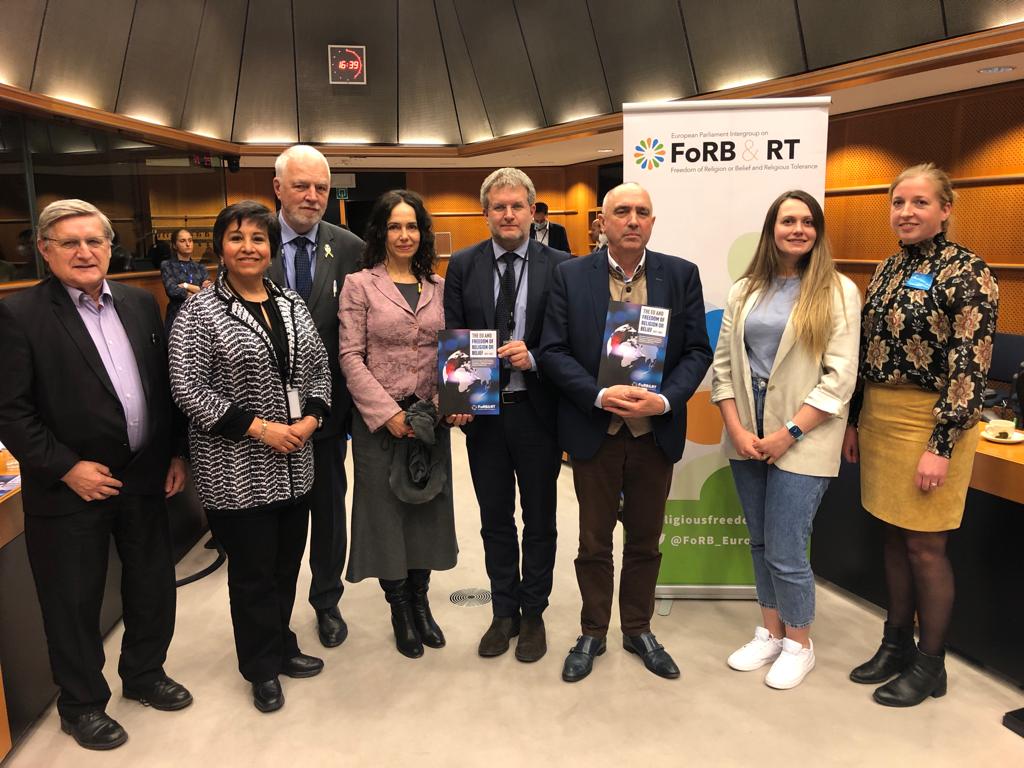
On 22 March, MEPs Peter Van Dalen and Carlo Fidanza made public their 45-page report “The EU and Freedom of Religion or Belief 2017-2021” at the European Parliament in Brussels.
Willy Fautré, director of Human Rights Without Frontiers, was invited as a guest speaker to share his views about the situation in Asia.
“First of all, I would like to very warmly congratulate the Intergroup on Freedom of Religion or Belief of the European Parliament and the authors of this extremely well-documented report which highlights the accelerated decline of religious freedom in a number of countries.
I have been asked to share my views on this issue in Asia, a huge continent. One thing is very disturbing in the report. Among the 11 countries selected by the Intergroup for the deterioration level of religious freedom, 8 are from Asia: Afghanistan, China, India, Iran, Myanmar, Pakistan, Turkey and Vietnam. A couple of them are Communist countries and the others have a dominant religion enjoying the support of the state and public institutions, either Sunni or Shia Islam, Hinduism or Buddhism.
These Asian countries total a population of 3.4 billion people, which represents 42% of the world population.
Religious minorities in such contexts are vulnerable to all sorts of arbitrary restrictions, discrimination, social hostility, violence and killings.
The increasing denial of freedom of religion or belief covers a wide range of issues:
In Pakistan, where the dominant religion is Sunni Islam, Ahmadis are banned as a heretical group. There are also laws criminalizing apostasy and alleged blasphemous behaviours punishable by life imprisonment and even by death.
In our database of religious prisoners, we have documented cases of 16 Ahmadis and 26 Protestants, a number of them being on the death row.
In practice, there are forced conversions of young girls from non-Muslim minorities after they have been kidnapped and forcefully married to Muslim men.
There is also a persistent climate of extreme social hostility and mob violence against Christians and Ahmadis leading to killings.
In India, where Hinduism is the dominant religion, anti-conversion and anti-blasphemy laws similarly breach the right to change religion and restrict various forms of expression about religious issues.
Discriminatory laws inspired by religious nationalism negatively impact the lives of non-Hindu citizens and residents in India, leading to hostility, tensions and mob violence against Muslims and Christians.
Laws denying access to foreign funding have forced Amnesty International to close its office in India and have restricted the health and education activities of religious caritative institutions.
In Iran, all laws and regulations are based on Islamic criteria and the Sharia is strictly applied. This results in religious minorities, especially Christians, Baha’i and non-Shi’a Muslim minorities, being persecuted by the government and being subject to unjustified prison sentences. Muslims are prohibited to change or renouncing their religious beliefs and proselytizing or just attempting to convert Muslims is punishable by death. In our database of religious prisoners, we have 51 documented cases of Baha’is, 12 Christians and 7 Sufis.
In Myanmar, there is the extreme and persistent persecution of the predominantly Muslim Rohingya community, resulting in violence and a massive exodus of Rohingyas into neighbouring country Bangladesh, which has been going on since 2016. Last year, the military grabbed power and went on fueling Burmese Buddhist nationalism, which leads to violence and discrimination, especially towards Muslims and to a lesser extent Christians.
In Turkey, increasing religious nationalism is also propagated by the government. Under president Erdoğan,. Erdogan is publicly targeting atheists, Christians and Jews.
This hostility comes in the form of lacking protection and government support for minority religious sites. The famous Hagia Sophia in Istanbul was even converted from an Orthodox Christian church into a mosque. Furthermore, the government is implementing a ban on foreign religious workers, such as Christian evangelists, which is also leading to their expulsion.
In Vietnam, an atheist Communist country, the government is actively persecuting religious minority groups, in particular those which are denied registration imposed by a law since 2018 on the ground of national interest, public order or national unity. This mainly concerns Christians from the Hmong and Montagnard minorities as well as Buddhists from the An Dan Dai Dao and the Hoa Hoa groups who refuse to declare loyalty to the Communist Party. In our database of religious prisoners, we have documented cases of 26 Buddhists, 8 Protestants and 2 Catholics.
In Afghanistan, even before the shift in power last year, Islamic doctrines were already incorporated into the country’s laws. This resulted in the criminalization of blasphemy and apostasy with the possibility of the death penalty as a result. The situation has become ever more concerning since the Taliban reclaimed power after the allied forces left the country in the summer of 2021.
Last but not least
In China, the government is becoming more and more authoritarian in all its policies, enforcing a so-called sinicization of society, in which religion is seen as a threat to the official atheist ideology.
Under the guise of sinicization, Xi Jinping has banned a number of so-called undesirable religious groups and reinforced the full control of the Chinese Communist Party over all sectors of society, including all religious groups.
One or two million Uyghur Muslims have been and are allegedly politically reeducated in detention camps. All religious groups have people in prison, especially those that are banned like Falun Gong.”
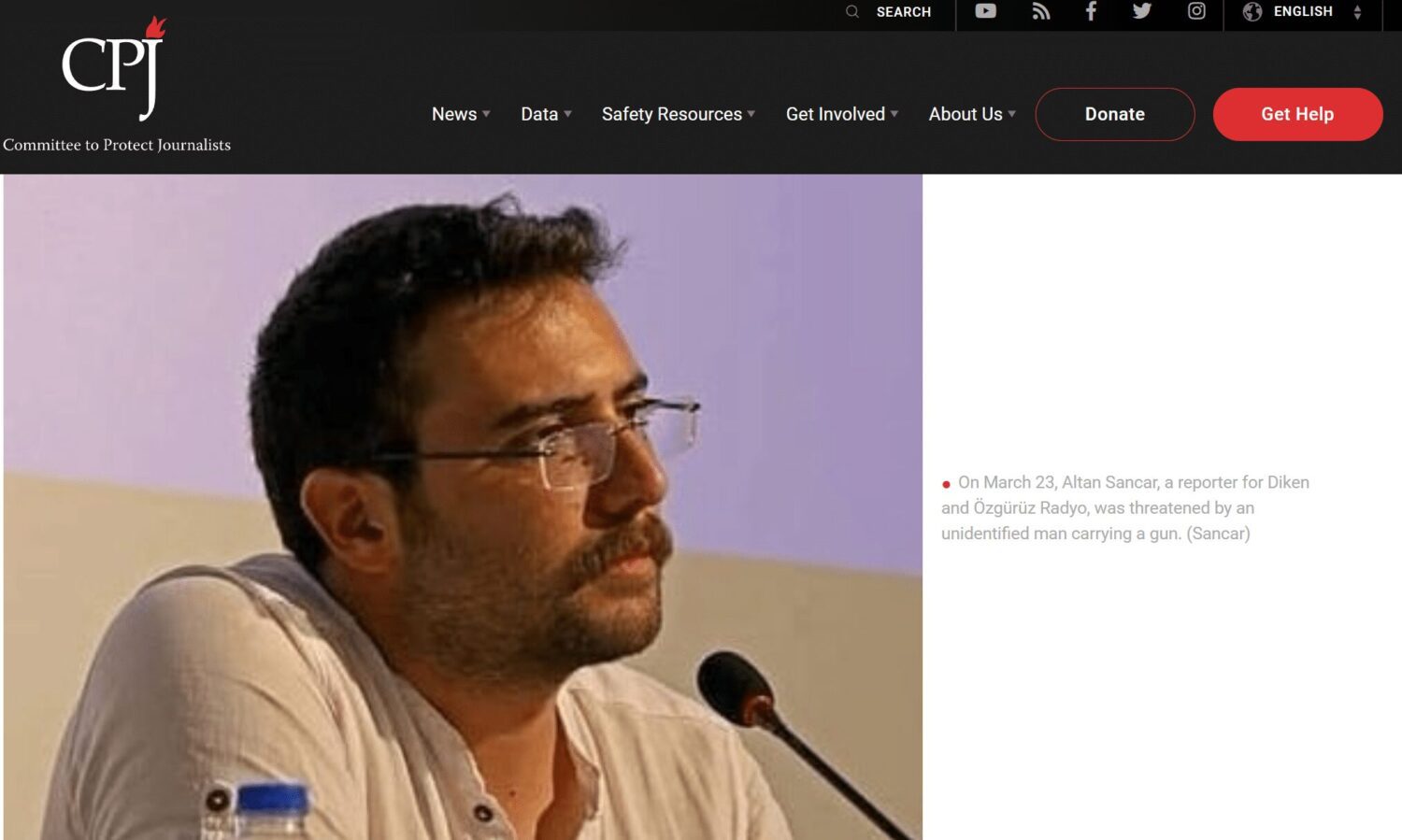
Istanbul, March 24, 2022 – Turkish authorities should thoroughly investigate a recent threat against journalist Altan Sancar, determine whether it was related to his work, and ensure the journalist’s safety, the Committee to Protect Journalists said Thursday.
On Wednesday around 12:30 a.m., Sancar, a reporter for independent news website Diken and independent online radio Özgürüz Radyo, was driving alone in the southeastern province of Diyarbakır on the road to the Eğil district to visit family, when he stopped because another car was blocking the road, according to newsreports and Sancar, who spoke with CPJ via messaging app.
Two unidentified men got out of the car and one approached Sancar, who remained in his vehicle, and showed the journalist the handle of a gun tucked in his pants by lifting his jacket up, according to those sources. The man implied Sancar was in dangerous territory and said the journalist should be “smart,” before he and the other man returned to car and drove away.
“Turkish authorities should do their best to identify the aggressors in this case in order to ensure the safety of journalist Altan Sancar, determine if he was targeted for his work, and bring the responsible parties to justice,” said Carlos Martinez de la Serna, CPJ’s program director, in New York.
Retaliation against Altan Sancar
“Turkish authorities should take threats against journalists seriously and investigate the matter thoroughly because impunity encourages the aggressors.”Sancar covers politics in the capital Ankara, where he is based and is involved in various documentary work and research projects about minorities in Turkey, the journalist told CPJ, adding that he believes the threat was in retaliation to his political reporting.
Sancar filed a criminal complaint with the local prosecutor’s office on March 23, he told CPJ, adding that he was concerned for his safety. CPJ emailed the Chief Prosecutor’s Office of Eğil for comment but received no immediate reply.
In 2020, an anonymous Twitter account threatened Sancar that “death will find you” while he was working for critical online outlet Artı TV, he told CPJ. The journalist said nothing came out of the criminal complaint he filed then, and he has continued to receive threats on social media.
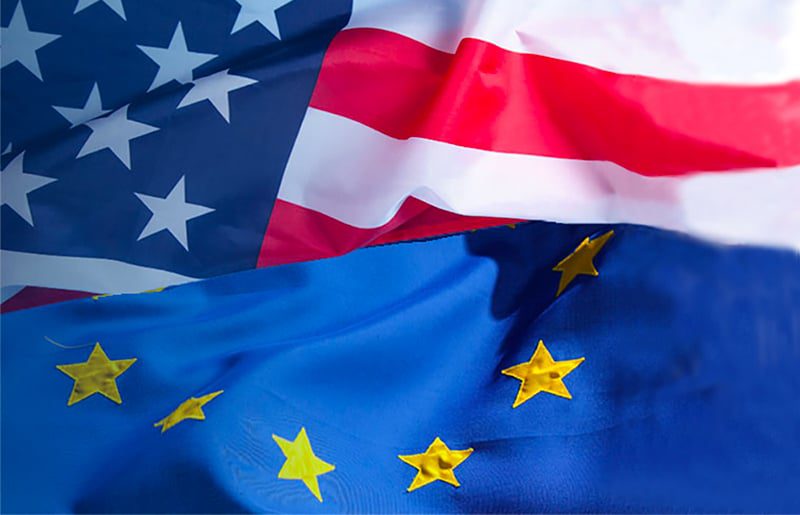
Today, the European Council was joined by President Joseph R. Biden, Jr. of the United States.
The leaders discussed the coordinated and united response of the European Union and the United States to Russia’s unprovoked and unjustified military aggression in Ukraine.
They reviewed their ongoing efforts to impose economic costs on Russia and Belarus, as well as their readiness to adopt additional measures and to stop any attempts to circumvent sanctions.
Leaders discussed the urgent needs caused by Russia’s aggression, committed to continuing providing humanitarian assistance, including to neighboring countries hosting refugees, and underscored the need for Russia to guarantee humanitarian access to those affected by or fleeing the violence.
Leaders welcomed the opening of international investigations, including by the Prosecutor of the International Criminal Court, and ongoing efforts to gather evidence of atrocities.
In addition, leaders discussed EU-U.S. cooperation to reduce dependence on Russian fossil fuels, accelerate the transition to clean energy, as well as the need to respond to evolving food security needs worldwide.
The leaders also concurred on the importance of strengthening democratic resilience in Ukraine, Moldova, and the wider Eastern partnership region.
Finally, leaders underscored the importance of enhancing transatlantic security and defence, including through robust NATO-EU cooperation as described in the EU’s Strategic Compass.
Data analysis on unintended pregnancy and abortion from 150 countries has revealed major disparities in accessing sexual and reproductive healthcare, the UN health agency, WHO, said on Thursday.
With partner organisation the Guttmacher Institute, the WHO said that the results would allow health authorities to better understand family planning needs in their countries, including contraception and abortion care.
According to the data – which represent the first such exercise at a country level – unintended pregnancy and abortion rates vary widely, even within the same region.
The greatest variations are in Latin America, where unintended pregnancy rates ranged from 41 to 107 per 1,000 women, and in sub-Saharan Africa, where the range was 49 to 145 women per 1,000.
Even in regions with low unintended pregnancy rates, it is still hugely important to invest in giving women and girls the information they need to choose whether they want to have children, said the Guttmacher Institute’s Jonathan Bearak, whose study appears in the journal, BMJ Global Health.
Essential health coverage
“Sexual and reproductive health and rights are an essential part of universal health coverage and are required to end discrimination against women and girls,” the WHO said.
These disparities are not shaped purely by income-level. In Europe, for example, most countries with higher unintended pregnancy rates than the regional average, are classified as high-income, while the two countries with the lowest estimates are in the middle-income category.
This finding reflects how barriers to accessing and using effective sexual and reproductive healthcare, exist in all settings, not just those where resources are scarce.
Abortion bans, ineffective
“The proportion of unintended pregnancies ending in abortion – as great as 68%, even among countries that completely prohibited abortion – illustrates the strength of the desire of millions of women and adolescents to avoid unplanned childbearing”, said Mr. Bearak.
While the estimates go a long way in increasing the quality of evidence available, there remains a pressing need for more and better data.
Women in La Paz, Bolivia, receive information on modern contraceptive methods.
Fair investment
These country-level estimates highlight the importance of equitable investment in comprehensive sexual and reproductive healthcare, and will further inform countries working to implement WHO’s new guidelines for quality abortion services.
“For good health, people in countries around the world need access to a comprehensive package of sexuality education, accurate family planning information and services, as well as quality abortion care,” said Dr Bela Ganatra, who leads WHO’s Prevention of Unsafe Abortion unit.
“This research aims to support countries as they work to strengthen the lifesaving services they provide for sexual and reproductive health and improve health outcomes – especially for women and girls.”
Since the Ukraine war started on 24 February 2022, over 3 million people have fled the country to neighbouring states, with the majority, mostly women and children, crossing into Poland to seek protection.
Many of them are in need of immediate medical assistance, having been deprived of food and water and exposed to freezing temperatures during their arduous journeys. Others, with underlying health conditions, need special treatments and medication. Mental health and psychosocial services need to be scaled up to help those that have witnessed the horrors of war – as well as the frontline workers who are supporting them.
WHO in Poland is supporting the Polish health system and health workers to meet the immediate health needs of refugees from Ukraine, as well as to ensure continuity of care for those with existing health conditions.
We visited some of the refugee reception points along the Polish border with Ukraine to hear first-hand about the impacts on health resulting from such a large-scale population displacement.
Little Free Libraries have been offering complimentary books in Rhode Island for years. Now more than 100 charming wooden boxes are propped up on posts or fences outside local homes, schools, businesses and churches from Misquamicut to Newport to Cumberland. Katy Westcott took the idea one step further, offering free craft, fiber and art supplies in her new Little Craft Supply Library on Nelson Street in Providence.
The movement to build community, inspire readers and expand book access was started by Todd Bol in Wisconsin in 2009, and has grown to share 42 million books in more than 100,000 Little Free Libraries across the world. It launched a unique Read in Color program in 2020 to “distribute books that provide perspectives on racism and social justice; celebrate BIPOC, LGBTQ+ and other marginalized voices; and incorporate experiences from all identities for all readers.”
Courtesy of the little free library community.
Each library and its contents are as unique as its owner. Some build the library kiosk from scratch, while others, like Westcott and Lisa and Bob McNulty, buy the pre-fabricated model from the nonprofit organization. The McNultys painted their Montauk Avenue library in Misquamicut in 2018 with the poem “Why Read?” and an illustration from The Giving Tree by Shel Silverstein. It grew so much that they added an adjacent children’s and young adult book shed. It’s also one of 1,725 geocache sites in Westerly, and it has its own blog.
“Our library is successful because the community of the Misquamicut Fire District and its guests have embraced it. Even though this is technically a beach community, the library is used year-round,” Lisa McNulty says. “Our neighbors not only use the library but also help keep it stocked.”
Scouting the state for free libraries is a literary adventure. From Ball O’Brien Park on Block Island to the Brain Box on Regina Drive in West Greenwich, or the St. Antoine Library on Rhodes Avenue in North Smithfield to Gaspee Library on East View Street in Warwick’s Pawtuxet Village, readers are bound to find something unexpected.