Sunday, March 22, 2026
Home Blog Page 981

This is our moment: President Metsola to EU leader

0
President Metsola opened the 23-24 March plenary sitting in Brussels © European Union 2022

Addressing EUCO leaders, EP President Roberta Metsola spoke on Ukraine’s European path, Europe’s compassionate and strong response, and the need to diversify energy sources away from Russia.

European Parliament President Roberta Metsola remarks at the European Council of 24 March 2022, Brussels:


This invasion of Ukraine has changed everything for all of us. It means everything that we have been defending and promoting around the world about our way of life and our European values is now at stake. Europe must meet the moment if we are to ensure that this does not change everything for the next generation too. This is our moment.


I am proud of how Europe has responded, and led by example both in terms of aid to Ukraine and in holding the Kremlin to account. And I am proud of the global alliance that we have built. The rules-based order of the world remains strong. Putin miscalculated not only the courage and resistance of Ukraine, but the strength of the democratic order. He fundamentally mistook our debates for weakness and he will now pay an unprecedented cost.


Ukraine, more than ever before, now looks to the European Union as its destination. We must respond with honesty but also with the hope that they desperately need. Of course, every country must have its own path, which can be a complex one, but the European future of Ukraine should not be in doubt. Just as we owe clarity to the Western Balkans.


Russia’s recent threats against Bosnia and Herzegovina leave no doubt that Putin is ready to continue his destructive campaign also in the Western Balkans.


Millions of people have fled Ukraine. Millions more are internally displaced and expected to make their way to Europe. We must be ready, but more importantly we must be willing to do what is necessary to provide a future without fear for those arriving at our borders. We must lead this effort. The face of Europe we must show must be one of open hearts and open homes. A tangible expression of our European way: matching compassion with strength.


We must remain vigilant. Too many vulnerable people, mainly women and children, are at risk of exploitation or worse, and we must ensure the legal instruments are in place that allow us to identify who is at our borders.


That means a renewed effort in pushing forward with legislation that is already on the table. We can find solutions, and in all my talks with so many of you, I have seen willingness and the understanding that the world has changed and therefore we must too. The next months are crucial and you will find the European Parliament as a constructive and pragmatic partner. The activation of the Temporary Protection Directive was good, but we know it will not be enough.


The point I want to underline is that the European Parliament shares the same goals and wants to find solutions to the common challenges we face.


We have a window of opportunity to find practical and workable solutions to files on asylum and migration that have been blocked for too long. Now is the time to reinforce our unity before we are faced with an impossible situation and again have to face our citizens with excuses on why we did not manage.


The same in true for the rule of law. We can find a way forward. Our European way, that Ukraine wants part of, is about the spirted defence of the rule of law, of justice, of equality, of opportunity. We cannot lose sight of why Ukraine is pushing so hard to join our Union. The shared values we have are what makes this project worth fighting for.


On security, Putin has accelerated this debate by a generation. Our mind-set is fundamentally different now. We are at risk and we must get closer together, raise our national defence contributions and use our common EU budget more efficiently. Let us look at what unspent funds remain and channel them towards the causes that need them the most.


We cannot talk about security without also talking about food security. We have to anticipate the next crisis on our doorstep and find ways to protects our supply lines, our farmers and our people.


On energy, I want to underline the importance of the synchronisation of the Ukrainian and Moldovan power grid with ours: a tangible result. This was accomplished thanks to an extraordinary effort by those involved, who rose to the challenge. The continued support showed by neighbouring Member States to ensure that gas flows eastwards to Ukraine, providing a third of Ukraine’s gas needs, is also to be commended.


At the same time, energy prices across the Union are rising and I want to express support for the initiatives calling for coordinated approaches, presented by many of you.


The European Parliament also welcomes the new proposal of the Commission to ensure that EU’s gas stocks are replenished to 80% of capacity ahead of next winter, through joint procurement mechanisms, mandatory strategic stocks and the inclusion of additional solidarity measures. Member States and the Commission should know that Parliament is prepared to deal with the proposal with the urgency the present situation requires. We are ready.


We must urgently work to diversify our energy sources away from Russia. Our long-term target must be zero gas from the Kremlin. We know this cannot happen overnight but this is the only long-term solution.


As ambitious as we have been with Fit for 55, we now need to move faster not slower. This concerns our security, our independence as well our climate considerations.


Finally allow me one quick word on the need to support the reconstruction of Ukraine. Here, our Union can also take the lead as we did with the creation of a Special Solidarity Fund for Ukraine. The efforts of Greece and Italy in promising to re-build theatres and hospitals in Mariupol not only give tangible results, but give hope.


Hope is what Ukraine needs to sustain. Belief in Europe. Belief in pushing back against Putin’s massive war machine.


Thank you.

Targeted by Traffickers – Ukrainian Refugees at High Risk of Exploitation

0
ukraine
Artwork@Yasser Rezahi

Vienna (Austria), 24 March 2022 — One month into the war in Ukraine, millions of people, mainly women and children, continue to flee their homes. As long as the conflict continues, the risk of them being targeted by Traffickers and criminal networks grows.

The United Nations Office on Drugs on Crime (UNODC), the leading entity within the UN system to address the criminal elements of human trafficking, is supporting countries that are affected by the refugee crisis to identify potential victims and develop short and long-term strategies to prevent this crime.

Latest figures from the UN Refugee Agency (UNHCR) indicate that around ninety percent of the over 3.6 million refugees from Ukraine are women and children.

“Evidence from conflicts shows that criminals profit from the chaos and desperation of war. Crisis increases vulnerabilities as well as opportunities to exploit people in need, especially internally displaced people and refugees,” says UNODC Executive Director Ghada Waly.

UNODC is working closely with other UN and international entities, non-governmental organizations (NGOs), and law enforcement authorities to coordinate responses to the current risks.

“People who have fled conflict, especially women and children, are particularly at risk of human trafficking and exploitation,” says Ms. Waly.  

“The longer a conflict lasts, the more vulnerable they can become as they struggle to start a new life. We need to take urgent and determined action to protect people and prevent them from falling victim to traffickers.”

UNODC research has demonstrated how people fleeing conflict are vulnerable to becoming victims of trafficking.

A few years after the war in Syria started, UNODC data noted a rapid increase in the number of identified victims of trafficking from Syria in the Middle East, Turkey and in European countries.

In 2018, the Global Report highlighted how Afghans and Rohingya people from Myanmar, fleeing conflict and persecution, were targeted by traffickers.

“People escaping conflict are in a very dangerous and precarious situation,” says Ilias Chatzis, Chief of the UNODC Section on Human Trafficking and Migrant Smuggling.

“They can be more easily deceived by phoney travel arrangements and fake job offers that lead them into exploitative situations. Traffickers are known to use such methods, as well as violence, to trick and coerce their victims.”

Global data on detected cases of human trafficking, collected by UNODC since 2006, continue to show that women are the main target of traffickers and are primarily subjected to sexual exploitation.

At the same time, figures consistently show an increase in the number of children identified as trafficked. Boys and girls currently account for around a third of all identified trafficking victims, a proportion that has tripled in the past 15 years.

“When we consider which group of people are the prime targets for traffickers, the danger is obvious, especially since most of the women leaving Ukraine are travelling without other adult family members, and some children are even travelling alone,” says Mr. Chatzis.

According to UNODC’s anti-trafficking experts, countries receiving refugees need to be aware of the risks of exploitation and ensure access for refugees to essential services, including education and childcare, as well as opportunities for employment.  

“The swift actions taken by many European countries to allow refugees to safely cross borders and receive humanitarian visas offers temporary protection and has significantly reduced the need for those fleeing to resort to migrant smugglers,” says Ilias Chatzis.

“But the risk of trafficking will not go away in the short term. We are seeing massive numbers of refugees. If they are not properly supported, the risk of exploitation will increase,” he adds.

UNODC crime prevention experts are assisting NGOs, border control and law enforcement officials in countries affected by the refugee crisis to strengthen anti-trafficking efforts that include the early detection and prevention of related criminal activity and the identification and protection of victims.

The trafficking of Ukrainian victims is already a well-established, illegal industry with criminal networks operating between Ukraine and countries in Europe and Central Asia.

Victims are exploited in Ukraine, and Ukrainians are trafficked internationally.  The UNODC Global Database shows that in 2018 Ukrainian victims were identified as trafficked to 29 countries.  Over half were identified in the Russian Federation and a quarter in Poland.

The UNODC research paper “Conflict in Ukraine: Key Evidence on Risks of Trafficking in Persons and Smuggling of Migrants” can be found here.

RELATED TOPICS: UN Trust Fund for Victims of Human Trafficking Announces 10 NGO Projects Selected

Ten more years of roaming without additional fees

0
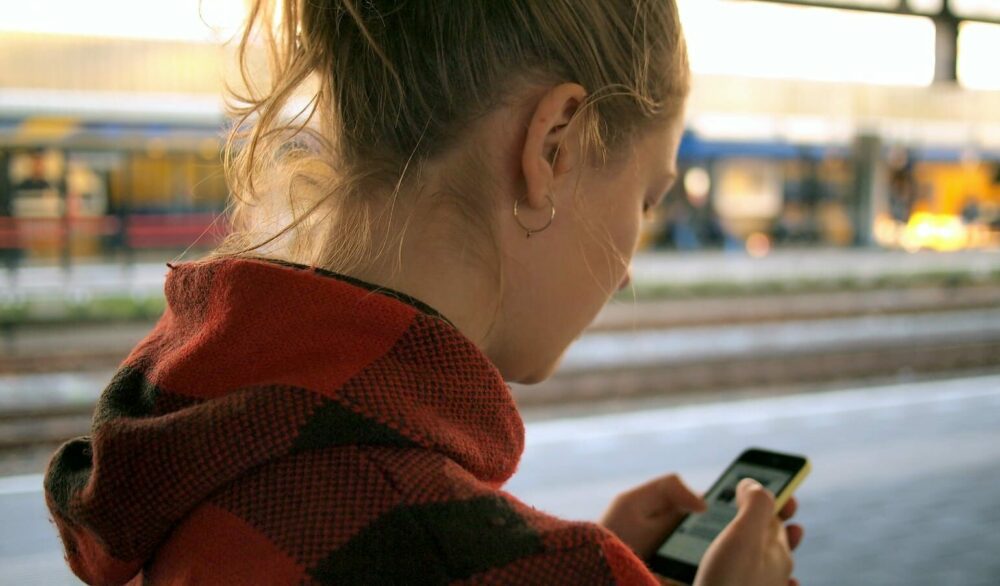
woman holding phone
Consumers will continue to be able to use mobile phones when travelling abroad in EU with no additional fee

The EU will renew the “Roam Like At Home” scheme for another ten years, under plans adopted by Parliament on Thursday.

The legislation, a follow-up to the 2017 elimination of roaming surcharges and agreed between Parliament and Council in December means consumers will continue to be able to use their mobile phones when travelling abroad in the EU with no additional fees on top of what they already pay at home.

In addition, they will enjoy the same quality and speed of mobile connection abroad as at home. Roaming providers will be obliged to offer the same roaming quality to that provided domestically, if the same conditions are available on the network of the visiting country. In negotiations with Council, MEPs secured a provision in the new rules to prohibit practices that reduce the quality of roaming services (e.g. by switching the connection from 4G to 3G).

Free access to emergency services

Travellers and people with disabilities will have access to emergency services without any additional charge – whether by call or text message, including the transmission of caller location information. Operators will also have to provide information about the European emergency number 112.

Call for ending surcharges for intra-EU calls

During talks with member state ministers, MEPs pushed for an end to surcharges for intra-EU calls (e.g. when calling from Belgium to Italy), as consumers are still confused about the difference between roaming calls and intra-EU calls. The costs of intra-EU calls are currently capped at 19 cents per minute. This agreement provides for the Commission to look into this and assess whether further reductions of the caps are necessary.

Wholesale roaming charges – the price operators charge each other when their customers use other networks– will be capped at €2 per Gigabyte (from 2022 and will reduce progressively to €1 in 2027. If consumers exceed their contract limits when roaming, any additional charges cannot be higher than the wholesale roaming caps.

Quote

Lead MEP Angelika Winzig (EPP, AT) said: “Roam-like-at-home is an unprecedented European success story. It shows how we all directly benefit from the EU single market. We managed to cut costs further and improve quality of service for all European citizens and businesses. While roaming they will now experience the same quality of service and speed of data as they do at home. Deliberately slowing down data speed will not be allowed anymore. At the same time, by significantly cutting the wholesale caps, we create more fairness and competition on the telecommunications market. With this regulation we take another important step towards a true European digital single market, for a successful, strong and effective European Union of the future”.

Next steps

The law, adopted with 581 votes to 2, with 5 abstentions, will now have to be formally endorsed by Council to come into force.

Background

The Roaming Regulation established the ‘Roam-Like-At-Home’ rule that mandated the end of retail roaming surcharges in the EU as of 15 June 2017. The regulation is currently in force until 30 June 2022. Five years after the regulation was adopted in 2015, the Commission reviewed the scheme to assess its effects and the need to extend it, as explained in its impact assessment.

Japan to invest US$42B in India to strengthen economic ties, Kishida tells Modi

0

By   —  Shyamal Sinha

With Prime Minister Narendra Modi listening, Japanese Prime Minister Fumio Kishida Saturday called out Russia’s aggression against Ukraine, describing it as a “serious development” that has “shaken the foundation of international order”.

Modi, who held talks with Kishida at Hyderabad House in New Delhi, did not mention Ukraine directly and referred to “geopolitical developments”.

“Geopolitical developments are presenting a new set of challenges. In this context, the deepening of India-Japan partnership is not only important for the two countries, but also for the Indo-Pacific region and will encourage peace, prosperity and stability for the world,” Modi said, adding that they also exchanged views on regional and global issues.

Japan’s Prime Minister Fumio Kishida on Saturday said his country will invest $42 billion in India over the next five years in a deal that is expected to boost bilateral trade. Kishida met his counterpart, Narendra Modi, in New Delhi during his first visit to India since taking office. The two leaders held talks ranging from the economy to security cooperation. In a televised press statement, Kishida said the investment plan will bring huge benefits for several industries, from the development of urban infrastructure to green energy. Kishida also said the two sides reaffirmed Japan and India’s commitment to strengthen security ties across the Indo-Pacific region.

India says ties with Japan are key to stability in the region. The two nations, along with the United States and Australia, are members of the Indo-Pacific alliance known as “the Quad” that is countering China’s rising influence in Asia   The bilateral trade between India and Japan for 2019-20 crossed US$11.87 billion, according to government data. India’s exports from Japan amounted to $3.94 billion while India’s imports from Japan stood at $7.93 billion. In September, the Quad leaders announced Japan would work with India on a $100 million investment in Covid-19 vaccines and treatment drugs.

The Japanese investments in India touched $32 billion between 2000 and 2019, mainly in the automobile, electrical equipment, telecommunications, chemical, insurance and pharmaceutical sectors. Japan has also been supporting infrastructure development in India, including a high-speed rail project. Kishida also urged Modi to take a tougher line on Russia’s invasion of Ukraine, but a joint statement after the talks fell short of condemning Moscow’s actions.

Unlike fellow members of the Quad alliance – Japan, Australia and the United States – India has abstained in UN votes deploring Russia’s actions, calling only for a halt to the violence while still buying Russian oil.

Kishida told a joint news conference that he and Modi held an “in-depth discussion” and that “Russia’s invasion … shakes the very foundations of the international order and must be dealt with firmly.”

But Modi made no direct mention of Ukraine and their joint written statement afterwards called only “for an immediate cessation of violence and noted that there was no other choice but the path of dialogue and diplomacy for resolution of the conflict”.

India is the only Quad member that has not condemned Russia’s invasion of Ukraine. It has refrained from taking sides and abstained from voting against Russia at the UN or criticising Russian President Vladimir Putin. Japan, meanwhile, has imposed financial sanctions to isolate Russia, including export controls on hi-tech products.

“They emphasized that the contemporary global order has been built on the UN Charter, international law and respect for sovereignty and territorial integrity of states,” the joint statement said — a language similar to India’s statements at the UN where it has not named Russia but has flagged issues of concern.

“They underscored the importance of safety and security of nuclear facilities in Ukraine and acknowledged active efforts of the IAEA towards it,” the joint statement said.


New Male Contraceptive Effectively Prevents Pregnancy – Without Side Effects

0
New Male Birth Control Pill Effectively Prevents Pregnancy – Without Side Effects

Today, scientists report a non-hormonal male contraceptive that effectively prevents pregnancy in mice, without obvious side effects. Women have many choices for birth control, ranging from pills to patches to intrauterine devices, and partly as a result, they bear most of the burden of preventing pregnancy. But men’s birth control options — and, therefore, responsibilities — could soon be expanding.

The researchers presented their results this week at the spring meeting of the American Chemical Society (ACS). ACS Spring 2022 is a hybrid meeting that was held virtually and in-person March 20-24, with on-demand access available March 21-April 8. The meeting features more than 12,000 presentations on a wide range of science topics.

Currently, men have only two effective options for birth control: male condoms and vasectomy. However, condoms are single-use only and prone to failure. In contrast, vasectomy — a surgical procedure — is considered a permanent form of male sterilization. Although vasectomies can sometimes be reversed, the reversal surgery is expensive and not always successful. Therefore, men need an effective, long-lasting but reversible contraceptive, similar to the birth control pill for women.

Non Hormonal Men’s Birth Control Pill
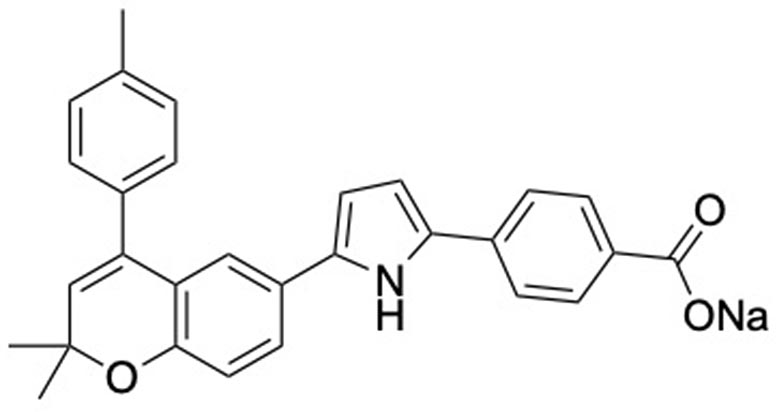
A non-hormonal male contraceptive (known as YCT529; structure shown here) prevents pregnancy in mice by blocking a vitamin A receptor, with no obvious side effects. Credit: Md Abdullah Al Noman

“Scientists have been trying for decades to develop an effective male oral contraceptive, but there are still no approved pills on the market,” says Md Abdullah Al Noman, who is presenting the work at the meeting. Most compounds currently undergoing clinical trials target the male sex hormone testosterone, which could lead to side effects such as weight gain, depression and increased low-density lipoprotein (known as LDL) cholesterol levels. “We wanted to develop a non-hormonal male contraceptive to avoid these side effects,” says Noman, a graduate student in the lab of Gunda Georg, Ph.D., at the University of Minnesota.

To develop their non-hormonal male contraceptive, the researchers targeted a protein called the retinoic acid receptor alpha (RAR-a). This protein is one of a family of three nuclear receptors that bind retinoic acid, a form of vitamin A that plays important roles in cell growth, differentiation (including sperm formation) and embryonic development. Knocking out the RAR-a gene in male mice makes them sterile, without any obvious side effects. Other scientists have developed an oral compound that inhibits all three members of the RAR family (RAR-a, -ß and -?) and causes reversible sterility in male mice, but Georg’s team and their reproductive biology collaborators wanted to find a drug that was specific for RAR-a and therefore less likely to cause side effects.

So the researchers closely examined crystal structures of RAR-a, -ß and -? bound to retinoic acid, identifying structural differences in the ways the three receptors bind to their common ligand. With this information, they designed and synthesized approximately 100 compounds and evaluated their ability to selectively inhibit RAR-a in cells. They identified a compound, which was named YCT529, that inhibited RAR-a almost 500 times more potently than it did RAR-ß and -?. When given orally to male mice for 4 weeks, YCT529 dramatically reduced sperm counts and was 99% effective in preventing pregnancy, without any observable side effects. The mice could father pups again 4-6 weeks after they stopped receiving the compound.

According to Georg, YCT529 will begin testing in human clinical trials in the third or fourth quarter of 2022. “Because it can be difficult to predict if a compound that looks good in animal studies will also pan out in human trials, we’re currently exploring other compounds, as well,” she says. To identify these next-generation compounds, the researchers are both modifying the existing compound and testing new structural scaffolds. They hope that their efforts will finally bring the elusive oral male contraceptive to fruition.

The researchers acknowledge support and funding from the National Institutes of Health and the Male Contraceptive Initiative. Georg is a consultant with YourChoice Therapeutics.

Title

Development of selective RARa antagonists as male contraceptive agents

Abstract

The quest for an effective male contraceptive agent has begun decades ago with no approved pills to date. Compounds undergoing clinical trials are all targeted on male sex hormone testosterone which could lead to hormonal side effects such as weight gain, depression, increased low-density lipoproteins, etc. Our effort focused on developing a non-hormonal male contraceptive to avoid the hormonal side effects. Vitamin A has long been known to be essential for male fertility and vitamin-A-deficient diet causes mammalian male sterility. One particular receptor of vitamin A metabolite retinoic acid (RARa) is validated as the target for male contraception by gene knockout studies. Also, oral administration pan-RAR antagonist BMS-189453 which inhibits the activity of RAR a, ß, and ? lead to reversible sterility in male mice. Knocking out RAR alpha and treatment with a pan-RAR antagonist did not present any significant side effects in mice. We pursued to develop a selective RARa antagonist as a safe, effective, and reversible male contraceptive agent with no off-target effects on RARß and RAR?. Based on the published crystal structures of RARa-ligand complex as well as structures elucidated by us, we envisioned to exploit the structural differences between RARa, ß, and ? ligand-binding domain to achieve RARa selectivity. Also, the structural differences between RARa bound to the agonist and the antagonist facilitated the design of full antagonists. Aided by all the structural information, we designed and synthesized about 100 compounds and evaluated RARa antagonist activity and selectivity using a luciferase-reporter cell assay. We obtained several antagonists with single-digit nanomolar IC50 values for RARa with excellent selectivity over RARß and RAR?. One RARa-selective antagonist showed good oral bioavailability and desired pharmacokinetic properties in mice, and upon oral administration, it showed complete inhibition of embryo formation in mating studies. Modification of active compounds is ongoing to obtain additional potent and selective inhibitors with good pharmacodynamic and pharmacokinetic properties.

More EU action needed for secure food supply

0
More EU action needed for secure food supply | News | European Parliament

Parliament calls for immediate and substantial food aid to Ukraine and for the EU to make its food production more independent.

A resolution on the need for an urgent EU action plan to ensure food security in and outside the EU following the Russian invasion of Ukraine was adopted on Thursday with 413 votes in favour, 120 against and 49 abstentions. In the text, MEPs call for immediate help in the form of food supplies for Ukraine, and for a reboot of the EU’s food production strategy.


Food aid for Ukrainian people

Given the severe impact the Russian attack on Ukraine will have on food security for Ukrainians, Parliament calls for robust long-term humanitarian food aid for Ukraine from both the EU and at the international level. The EU should also open food corridors to and from Ukraine, serving as an alternative to closed Black Sea ports. Ukrainian farmers should also be provided with scarce seeds, fuels and fertilisers.


A more independent EU

MEPs say the COVID-19 pandemic and the war in Ukraine have made it apparent that the EU needs to reduce its dependence on imports from too few suppliers. They call for a diversification of supply from third countries, and demand in the short term that the Commission assess how to cushion the impact of high fertiliser prices on farmers. To reduce the dependence on fertiliser imports in the long term, Parliament proposes a switch to alternative organic sources of nutrients for agriculture and support for agricultural innovation.


Increasing EU production and help for farmers

Given the disruption to agricultural imports, MEPs demand domestic food production be increased. Agricultural land should be used only for the production of food and feed. To address immediate needs, MEPs want it to be possible for farmers to use fallow land for the production of protein crops in 2022. The Commission should also provide support for worst-affected sectors and should mobilise the crisis reserve of €479 million. Member states should also, according to MEPs, be allowed to grant broad, rapid and flexible state aid to operators on the agricultural market.

Statement of the Christian Group on Migration on the arrival of refugees from Ukraine

0
Statement of the Christian Group on Migration on the arrival of refugees from Ukraine

Refugees leaving Ukraine by train. (Credit: Emilio Morenatti / AP)

The document includes “important steps to be taken at policy and practice level to respond to the important and increasing needs of the affected population”.

The Christian Group on Migration, composed of organisations representing Churches throughout Europe, as well as Christian agencies particularly concerned with migrants, refugees, and asylum seekers, releases on Thursday 24 March 2022 a statement welcoming the warm EU-wide support to refugees from Ukraine and appeals to EU Member States to broadly implement the Temporary Protection Directive. The document includes “important steps to be taken at policy and  Download the Statement

Ukraine: 28 days of war, 64 verified attacks on health care, and 18 million people affected

0
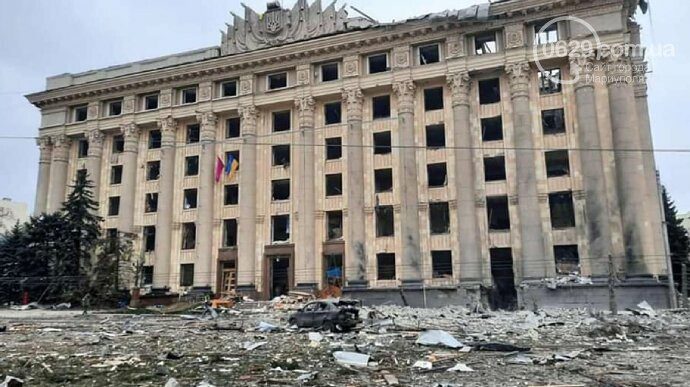
Kharkiv regional administration building bombed
Kharkiv regional administration building bombed © 0629.com
Copenhagen, 24 March 2022

One month of war has had a devastating impact on Ukraine’s health system, severely restricted access to services, and triggered an urgent need to treat trauma injuries and chronic conditions. Destroyed health infrastructure and disrupted chains of medical supplies now pose a grave threat to millions of people.

Impact on health

Close to 7 million people are internally displaced, and the number of people that have fled to neighbouring countries is fast approaching 4 million.

That means that 1 in 4 Ukrainians are now forcibly displaced, aggravating the condition of those suffering from noncommunicable diseases. According to the International Organization for Migration (IOM), 1 in 3 of the internally displaced suffers from a chronic condition.

A number of hospitals have been repurposed to care for the wounded: a shift due to necessity – which comes at the cost of essential services and primary health care. Approximately half of Ukraine’s pharmacies are thought to be closed. Many health workers are displaced themselves or unable to work.

Close to 1000 health facilities are close to conflict lines or are in changed areas of control. The consequence of that – limited or no access to medicines, facilities and health professionals – mean that treatments of chronic conditions have almost stopped.

COVID-19 vaccination and routine immunization has also come to a halt. Prior to the invasion, at least 50 000 people were getting vaccinated against COVID-19 per day. Between 24 February and 15 March, however, only 175 000 people were vaccinated against COVID-19.

Attacks on health care

As of 22 March, WHO had verified 64 incidents of attacks on health care in 25 days (between 24 February and 21 March) causing 15 deaths and 37 injuries. That is 2–3 attacks per day. WHO condemns these attacks in the strongest possible terms.

“Attacks on health care are a violation of international humanitarian law, but a disturbingly common tactic of war – they destroy critical infrastructure, but worse, they destroy hope,” said Dr Jarno Habicht, WHO representative in Ukraine. “They deprive already vulnerable people of care that is often the difference between life and death. Health care is not – and should never be – a target.”

WHO’s response

On the day the war started, WHO activated its contingency plans, repurposed staff and projects, and shifted focus to emergency needs – to support Ukraine’s health system and workers.

WHO works closely with Ukraine’s Ministry of Health and authorities to identify gaps and needs in the country’s health system – and swiftly respond. WHO has opened an operations hub in Rzeszów in Poland, developed a pipeline of trauma supplies to most Ukrainian cities, and sent more than 100 metric tonnes of medical equipment over the border, to health facilities across the country.

Some 36 metric tonnes of supplies are currently on their way to Lviv, with an additional 108 metric tonnes waiting to be dispatched, consisting of trauma supplies, medication for chronic diseases, paediatric drugs and blood transfusion supplies.

“What we are delivering – and where – meets the very needs of people on the ground, where Ukrainian health workers are working around the clock in unimaginable circumstances. A team of trained health-care professionals can, with one WHO trauma kit that contains surgical equipment, consumables and antiseptics – save the lives of 150 wounded people. In other words, delivering 10 such kits, means 1500 lives saved,” said Dr Habicht.

As part of a United Nations convoy on 18 March, a WHO truck also reached Sumy in the north-east of Ukraine, carrying critical medical supplies sufficient to treat 150 trauma patients and provide primary health care to 15 000 patients for 3 months. Among other deliveries to health facilities in past days are artificial lung ventilation machines, chemical protection suits, a haematology analyser, liquid oxygen bulk tanks and cryogenic cylinders.

More than 20 emergency medical teams have also been deployed to Ukraine, Poland and the Republic of Moldova, to provide training and specialized medical care to supplement existing services.

In an assessment of the public health situation in refugee-hosting countries (see link below), WHO identifies and lists key health risks and makes related recommendations – on vaccine-preventable diseases, maternal and child health, and chronic infectious and noncommunicable diseases.

“I have seen with my own eyes the exceptional humanitarian response in neighbouring countries, but this emergency is far from over. We expect more people – mainly women, children and older persons – with even greater health needs to be displaced in the coming weeks. They may face challenges in accessing the services and medicines that they need – and this can have life-threatening consequences,” said Dr Hans Henri P. Kluge, WHO Regional Director for Europe.

Justin Trudeau: “Canada, the EU, and our partners are facing a defining moment”

0
Justin Trudeau: “Canada, the EU, and our partners are facing a defining moment” | News | European Parliament

In anticipation of the Canadian Prime Minister’s speech to the European Parliament, he met with European Parliament President Roberta Metsola

The two leaders denounced Russia’s unjustifiable and immoral aggression and discussed the long history of cooperation between Canada and the European Union, and agreed to foster further collaboration in favour of democratic freedom, the rule of law, and human rights. They discussed the economic impacts felt by Canadians and Europeans due to rising energy and food prices, and agreed to further collaboration to create good jobs and economic opportunities, including through the Canada-European Union Comprehensive Economic and Trade Agreement (CETA).

Addressing MEPs

Addressing MEPs, Canada’s Prime Minister Justin Trudeau, stressed that NATO and the EU are more resolved and united than ever and that pressure on Putin must be increased.

Opening the debate on Wednesday afternoon, Parliament President Roberta Metsola said Canada was an ally and precious partner of the EU. “Our relationship has withstood the test of time”, she said. Addressing Russia’s invasion of Ukraine, President Metsola stressed the joint commitment the EU and Canada have made and said their shared core values were under attack. “This is our generation’s moment to live up to the world we have inherited”, she added.

In his speech, Prime Minister Justin Trudeau condemned “Putin’s criminal invasion of a sovereign, independent, democracy: Ukraine.”

“Vladimir Putin has violated the most basic precepts of international law. And he is now killing innocent civilians by bombing hospitals and residential buildings. This blatant disregard for the law and for human life poses an immense threat to Europe and to the world”, he said.

“Canada, the EU, and all of our partners and allies are facing a defining moment. We cannot fail. We must meet this moment. Putin thought democracy was weak. He thought he could weaken the EU and NATO. But he miscalculated. NATO and the EU are now more resolved and united than ever”, he said, before adding:

“We cannot let Ukraine down. They are counting on us. So let us use all the tools we have at our disposal. We must continue to impose unprecedented sanctions on Putin and his enablers in Russia and Belarus, increasing the pressure, as much as we can”, the Canadian Prime Minister said.

You can watch the recording of Mr Trudeau’s full address here.

Transatlantic unity

The MEPs who took the floor after Mr Trudeau’s intervention were: Siegfried Mureşan (EPP, Romania), Iratxe García Pérez (S&D, Spain), Malik Azmani (Renew Europe, Netherlands), Ernest Urtasun (The Greens/EFA, Spain), Marco Zanni (ID, Italy), Raffaele Fitto (ECR, Italy), Nikolaj Villumsen (The Left, Denmark). You can watch the recording of their interventions here.

MEPs highlighted the importance of transatlantic unity and called for further sanctions against Russia. Defending democracy comes at a price, they said, but the cost of not defending it would be higher. MEPs also stressed the importance of the green transition and energy independence, which are crucial not only in the fight against climate change, but also to guarantee security and stability in Europe.

There were calls for more investment in security and strategic cooperation with partners like Canada. Europe should, MEPs said, build a strong military pillar within NATO and meet its financial commitments to the alliance. Members also pointed to the massive exodus of refugees from Ukraine and welcomed Canada’s decision to receive an unlimited number of people fleeing the invasion.

In anticipation of the Canadian Prime Minister’s speech to the European Parliament, he met with European Parliament President Roberta Metsola

The two leaders discussed denounced Russia’s unjustifiable and immoral aggression and discussed the long history of cooperation between Canada and the European Union, and agreed to foster further collaboration in favour of democratic freedom, the rule of law, and human rights. They discussed the economic impacts felt by Canadians and Europeans due to rising energy and food prices, and agreed to further collaboration to create good jobs and economic opportunities, including through the Canada-European Union Comprehensive Economic and Trade Agreement (CETA).

The girl who sang in a bomb shelter opens a concert in Poland

0
Amélia Singing - Ukraine
Screenshot

The little girl who moved millions of people in early March, singing “Let It Go” in a basement in Kiev. Amelia Anisovych opened a charity concert in Poland on Sunday 20 March.

Alongside Polish artists Daria Zawiałow, Dagadana and Marcin Wyrostek in front of a silent stadium of 14,000 people, 7-year-old Amelia Anisovych opened the concert “Together With Ukraine” and performed the Ukrainian national anthem. Dressed in the traditional Ukrainian costume, the little girl took the microphone, the audience lighting the room with their cell phones.


After six days in a bomb shelter in Kiev, Amelia is now safe in Poland with her older brother and grandmother. Her parents stayed in Kiev “to defend their city,” the grandmother worriedly explained in an interview on Polish television.

The fundraising event was held at Atlas Arena in Łódź which raised about 828 000 dollars to support Polish Humanitarian Action (PAH). The organization provides aid to victims of the conflict in Ukraine.