Saturday, March 21, 2026
Home Blog Page 995

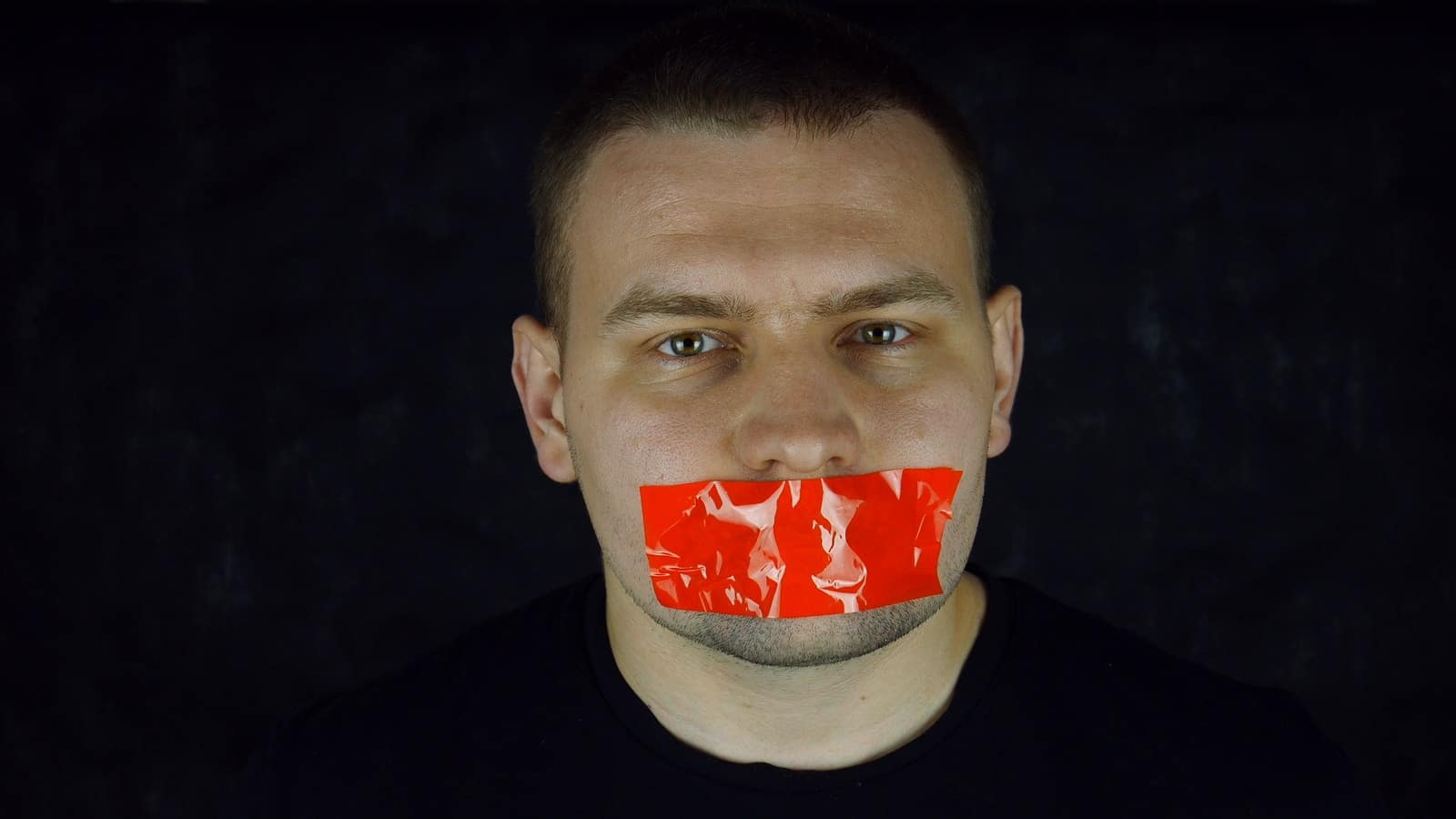
Freedom of expression is a fundamental and determining right in a state governed by the rule of law

0
man in black crew neck shirt with red and white face paint

Right to honour, while still a fundamental right, is more of an individual right, says Spanish expert

Carlos Brito Siso, Chairman of the Human Rights Section of the Bar of Attorneys of Madrid (ICAM), published in specialized legal portal otrosi.net that the right to freedom of expression allows individuals to express their opinions, “which may even cause discomfort or offence to others, but which cannot be prohibited for that reason, as the European Court of Human Rights (ECtHR) has indicated and as is protected by art. 10 of the European Convention on Human Rights (ECHR). Indeed, it is important for any democratic state that such expressions of opinion and dissenting voices are heard.”

While explaining that there are some limits, he states that:

“On the other hand, the right to honour is not exhaustively included in the ECHR, but the doctrine of the ECtHR has considered it a right that can be protected under Article 8 ECHR, as can be seen in the case of Fürst-Pfeifer v. Austria, although in this case the balance between Articles 8 and 10 of the ECHR was not assessed as such, since the Court based itself on determining whether the Austrian courts had correctly applied the principles inherent to freedom of expression.”

Freedom of expression is a fundamental and determining right in a state governed by the rule of law

“Freedom of expression is a fundamental and determining right in a state governed by the rule of law, whereas the right to honour, while still a fundamental right, is more of an individual right. When these rights collide, a balancing test must be carried out, as established in the settled constitutional jurisprudence on the right to freedom of expression and the right to honour. This weighing up should be in line with the criteria of the ECtHR, which has ruled on the matter.”

Freedom of expression prevails over the right to individual honour when the specific manifestations of this freedom are aimed at expressing ideas or opinions of public interest

“With regard to the collision of these rights, the Constitutional Court (TC) has considered that freedom of expression prevails over the right to individual honour when the specific manifestations of this freedom are aimed at expressing ideas or opinions of public interest, which are not formally injurious or absolutely vexatious and are necessary to transmit the corresponding ideas or opinions (STC 9/2007, FJ 4, ECLI:ES:TC:2007:9).”

Attorney Brito continues to explain in his longer article that:

Spain has a duality of channels for claiming a possible infringement of the right to honour, we have the criminal route, where the limitations are provided for in the CP (arts. 205-216) that attack honour as a specific modality of the so-called “crimes of expression“. On the other hand, in the civil order, it is contemplated in the LO 1/1982, where the response is of a compensatory nature, recognising that the rights to honour, privacy and self-image will be civilly protected against any type of illegitimate interference, in accordance with the provisions of the LO. In the majority of cases, they are settled by the latter route, due to the fact that it is a more expeditious procedure with a restorative content, preferable to a punitive one.”

“To cite an example, in STS 700/2021 (ECLI:ES:TS:2021:3666), the Civil Chamber upheld a judgment in which it did not consider unlawful interference with the right to honour of some companies dedicated to the sale of products for the elderly in their homes, with respect to comments posted on the company’s website, comments that were made by a user. The Chamber considered that the right to freedom of expression must prevail in the public interest:

“… although the comments are highly disparaging, they have sufficient factual basis and are framed in a context of social alarm and public debate reflected in the media and of importance and interest to the public in general and to consumers in particular, especially to the most vulnerable, to whom they can warn and alert of commercial door-to-door selling practices that are the object of criticism and reprobation. At this juncture, it is appropriate and convenient to reinforce the prevalence of freedom of expression with respect to the right to honour, giving the former greater and sufficient protection to exclude the illegitimacy of the intrusion that could be inferred from the use of the expressions uttered in isolation or in other circumstances…”.

Brito explains that in this case, it was appropriate to reinforce the prevalence of freedom of expression over the right to honour, especially when vulnerable consumers were involved. On the right to honour and legal persons in the ECtHR, see the case of Gawlik v. Liechenstein.

The article published in otrosi.net concludes saying that:

In short, we insist on the problematic use of criminal instruments for the protection of the right to honour, due to the difficulty that freedom of expression and its proportionality could pose, with criminal proceedings not being the appropriate way to claim a possible infringement of the right to honour, which can be settled by civil jurisdiction as indicated above. In civil proceedings, financial compensation and the respective measures for publicising the sentence may be obtained in the event that the infringement of honour is determined not to be covered by the right to freedom of expression.

However, the claim for financial compensation in civil proceedings must also be adequate and proportional, avoiding arbitrariness or manifest disproportion, in accordance with the criteria established in art. 9.3 of the LO 1/1982 (vid. STS 237/2019, FD 2, ECLI:ES:TS:2019:1331).

Finally, in legal praxis, these delimitations, which the courts are responsible for weighing up, leaning towards one or other of these rights, are not uncontroversial. In this case, the right to freedom of expression, its scope and importance within the rule of law, is vindicated. In this way, some unpleasant expressions are no more than a manifestation, inappropriate for some people, but fortunately protected by the right to freedom of expression.”
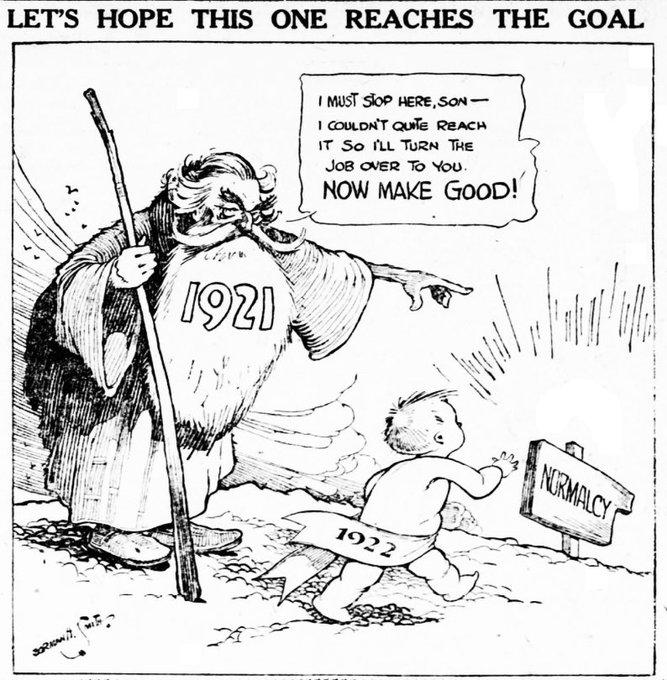
LET’S HOPE THIS ONE REACHES THE GOAL

0

Depressingly relevant New Years’ cartoon from exactly 100 years ago, at the end of our previous deadly pandemic.

Cartoon by Dorman Smith, who was the staff political cartoonist for NEA Syndicate here in Cleveland from 1921 until 1932. NEA was owned by EW Scripps, which also owned the Cleveland Press. He was replaced by young Herbert Block!

Herblock won his first (of three) Pulitzer Prizes while at NEA in Cleveland… then would come to the Great Depression and World War II, yeah!

What happened to us ever since?

We were fighting for ideas, now we are back to our primary instinct: fighting for land like we don’t have enough of it, I really can’t believe too few of our institutions are only self-interest and not Humanity concerned. I say that based on all the facts which are abundant; constant, rich on the news.

I started to imagine if God looked down on us while giving us free will, shaking his head and saying: “Damn! Mom told me to have confidence in them but boy! they are so eager to prove me wrong! I can’t believe I am doing this now. I am going to regret this surely. I am going to deeply be held accountable for everything that happens next even if I gave them the choice to do better than me…

At the same time that he will give humanity its free will, I image God, saying to himself, I hope they have understood, what I was trying to do in my time…

Because yes, I have burned Babylon, I had to start somewhere! It’s not like they gave me a choice, those Babylonians. Yes! I burned Sodom & Gomorrah; how about that? I wasn’t going to let them do that, not on my watch. That was old days, people were different, they couldn’t believe it, they were interested only in their social ascension.

I didn’t tell them to be like me. I told them they were made in my image, that’s a little different, isn’t it?

In my time people were telling me they were taking care of each other, but I couldn’t bear to see the poverty, the children and women that were just neglected and invisible for so many.

Drugs were their pleasure to keep citizenship a dream and have no opponent, sex was their weapon against each other and a nice distraction for the city… They were drive-by envy and cupidity, indolent, and had so many hidden threats to keep the poor poorest and the rich, richer… Life was a hard bitch!

Some did not eat their fill while others gorged themselves on excess and gluttony, They were in all the excesses of life and the social varnish was necessary while the civilization was in danger.. That was excessive for me… Governments were there to make all my people in slavery. Life was unfair, people needed hope.

I wanted them to have a love for one another, I wanted them to see another like brother, like a sister, like me… and be able to forgive, understand, believe and take life with the certainty that tomorrow will come if they work towards it.”

Parliament calls for EU rules and strategy to counter the crackdown on civil society in Europe

0
Parliament calls for EU rules and strategy to counter the crackdown on civil society in Europe
MEPs adopted proposals to recognise the crucial role of civil society for democracy, calling for a Commission strategy and common rules across all member states.

Following a plenary debate on Monday that took stock of the role of civil society in dealing with the challenges and threats stemming from Putin’s aggression in Ukraine, MEPs voted on Tuesday in favour of proposals to counter the crackdown on civil society in Europe, with 526 votes for, 115 against, and 54 abstentions.

Parliament’s proposals revolve around three key areas:

  • an enabling regulatory and political environment free from chilling effects, threats and attacks;
  • sustainable and non-discriminatory access to resources; and
  • civil dialogue and participation in policy-making.

Parliament underlines the continuous deterioration of civil society-related freedoms (also in the context of the COVID-19 pandemic), as well as the obligation of the EU and its member states to ensure an enabling environment for civil society organisations (CSOs). It condemns physical and verbal attacks against CSO representatives while stressing that those who work on migration in particular should not be criminalised. It also deplores “the outsourcing by public authorities of public service missions to CSOs” and voices concerns over the emergence of government-organised non-governmental organisations (NGOs).

The report calls for a ‘European civic space index’ and a comprehensive civil society strategy, which should include, among other points, common minimum legal and administrative standards for CSOs across the EU and a statute of European cross-border associations and non-profit organisations. European Union funding should be more flexible and made available to more organisations.

Quote

Rapporteur Anna Júlia Donáth (Renew, HU) said: “Civilian helpers at our borders with Ukraine are asking us to support their work, while they are out there representing justice and a more humane approach, in line with the EU’s core values. They are asking us to defend them, so they can do their job undisturbed, and to protect them from oppressive governments who persecute them based on Russia’s example. In light of the war in our neighbourhood, Parliament’s call to set up a framework to protect European civil society is ever more important.”

Background

The global clampdown on civil society is swiftly becoming more severe, with some member states introducing restrictive laws. In its 2020 report, the EU Agency for Fundamental Rights found that 57% of national and local organisations said the situation had “deteriorated” or “greatly deteriorated” in light of the COVID-19 pandemic.

MEPs demand a ban on ‘golden passports’ and specific rules for ‘golden visas’

0
MEPs demand a ban on ‘golden passports’ and specific rules for ‘golden visas’ | News | European Parliament
Concerned that EU citizenship is for sale, Parliament proposes new common rules to address the many problems linked to ‘citizenship/residence by investment’ schemes ‘golden passports’.

On Wednesday, MEPs adopted a legislative initiative report calling on the Commission to table a proposal by the end of its mandate. The commitment by the Commission, France, Germany, Italy, the UK, Canada, and the US to limit wealthy Russians with ties to the government from accessing ‘golden passports’ was raised during Monday’s debate in plenary. The text passed with 595 to 12 and 74 abstentions.

Ban ‘golden passports’…

Parliament stresses that ‘citizenship by investment’ (CBI) schemes, under which third country nationals obtain citizenship rights in exchange for a sum of money, undermine the essence of EU citizenship. Parliament describes the practice -in place in Malta, Bulgaria and Cyprus- as “free riding”, as member states sell what was never intended to become a commodity. Applications have been accepted even when requirements were not met, MEPs say, and demand that these schemes be phased out due to the risks they pose.

…and regulate ‘golden visas’

Noting the less severe risks posed by ‘residence by investment’ (RBI) schemes, Parliament asks for EU rules to help tackle money laundering, corruption, and tax evasion, including:

  • stringent background checks (also on applicants’ family members and on sources of funds), mandatory checks against EU databases, and vetting procedures in third countries;
  • reporting obligations for member states, including a “notification and consultation” scheme to allow other member states to object; and
  • requirements for minimum physical residence (for applicants) and active involvement, quality, added value, and contribution to the economy (for their investments).

No passports, nor visas for Russian oligarchs

Parliament welcomes the commitment by the relevant member states to limit the sale of citizenship to Russians with ties to the Russian government, and calls for all CBI and RBI schemes in the EU to exclude Russian applicants with immediate effect. MEPs urge EU governments to reassess all approved applications from the past few years and ensure that “no Russian individual with financial, business or other links to the Putin regime retains his or her citizenship and residency rights”. In addition, they call on the Commission to ban Russian nationals who are subject to EU sanctions from all RBI schemes.

A fragmented system and the role of intermediaries

MEPs deplore the lack of comprehensive security checks and vetting procedures in both types of schemes, adding that it should not be possible to file successive applications in different member states. Member states should not rely on checks carried out by non-state actors. Parliament calls for an EU levy of a meaningful percentage on the investments made – until ‘golden passports’ are phased out, and indefinitely for ‘golden visas’. It also asks the Commission to put pressure on third countries that benefit from visa-free travel to the EU to follow suit.

Noting that intermediaries in these schemes are neither transparent nor held accountable, Parliament calls for a ban on their involvement in CBIs and a “strict and binding regulation” for their role in RBIs, which should include sanctions.

Quote

Rapporteur Sophia in ‘t Veld (Renew, NL) commented: “These schemes only serve to provide a back door into the EU for shady individuals who cannot enter in broad daylight. It is time we closed that door, so that Russian oligarchs and other persons with dirty money stay out. Member state governments have refused to address the problem, claiming it was not an EU matter. Given what is currently happening, they cannot duck this issue anymore.”

Next steps

The Commission has to prepare a legislative proposal or justify its decision not to do so.

Background

At least 130 000 persons benefitted from CBI/RBI schemes in the EU from 2011 to 2019, generating revenues of over €21.8 billion for the countries concerned. CBI schemes exist in Malta, Bulgaria (where the government has tabled a draft law to end the scheme) and Cyprus (which is only processing applications submitted prior to November 2020, all of which have already been examined, according to the Cypriot government). Twelve member states have RBI schemes based on diverging amounts and options of investment.

Belarus: UN report reveals extent of violations in human rights crackdown

0
Belarus: UN report reveals extent of violations in human rights crackdown
The Belarusian Government’s continuing crackdown on political opponents, civil society, journalists and lawyers has seen the fundamental human rights of tens of thousands violated, with no sign of any of the perpetrators being held accountable, the UN rights office, OHCHR, reported on Wednesday.
The report details the findings of OHCHR’s examination of the human right situation in Belarus, mandated by the UN Human Rights Council.

The review covers the run-up to the disputed 9 August 2020 elections – in which sitting President Alexander Lukashenko claimed victory amidst widespread allegations of vote rigging – up to 31 December 2021, drawing on 145 first-hand interviews, as well as “analysis of a wide range of information and evidence”, said the OHCHR.

No justice: Bachelet

“The examination not only lays bare the violations inflicted on people trying to exercise their fundamental human rights, but highlights the inability of victims to access justice,” said UN High Commissioner for Human Rights, Michelle Bachelet.

The authorities’ extensive and sustained actions to crush dissent and repress civil society, independent media and opposition groups, while at the same time shielding perpetrators, points to a situation of complete impunity in Belarus”, she added.  

When victory was declared by the president in August, hundreds of thousands rallied to voice their opposition peacefully, meeting a “massive and violent crackdown”, the report says, with arrests and detentions reaching a scale unprecedented in Belarus.

The report says testimony indicates arrests were largely random, with security forces pursuing and subduing any person within reach.

‘Climate of fear’

In addition, men without insignia and wearing balaclavas took part in the forced dispersal of protests, “creating a climate of fear and lawlessness,” the report says. Broad use of unnecessary and disproportionate force repeatedly violated people’s rights, including to freedom of expression, assembly and association.

Between May 2020 and May 2021, at least 37,000 people were detained, many of them placed in administrative detention for up to 15 days. Some 13,500 people were arbitrarily arrested and detained between 9 and 14 August alone.

The report indicates that torture and ill-treatment were widespread and systematic, with individuals targeted for their real or perceived opposition to the Government or the election results.

Many victims feared filing a complaint, while those who did had their cases dismissed.

Prisons filling up

By the end of last year, 969 people were being held in prison on what OHCHR’s investigation suggests are purely politically motivated charges, with several activists given sentences of 10 years or more. By 4 March, this figure had risen to 1,084.

After the election, the Government continued to harass those seeking to exercise their rights.

In September 2020, the authorities began pressing charges against opposition figures, human rights defenders, journalists, lawyers and ordinary citizens, a trend that continued throughout 2021, with the Government also passing a raft of legislative amendments that further curbed the exercise of fundamental freedoms.

Critics targeted

Civil society and human rights organizations, as well as independent media, continued to be targeted, says OHCHR.

By October, 270 NGOs had been closed down, and by the end of the year, 32 journalists had been detained and 13 media outlets declared “extremist”. 

Lawyers who defended dissidents, spoke out about human rights violations or brought cases to UN human rights mechanisms, were detained, intimidated, faced disciplinary sanctions or were even disbarred.

As of November 2021, 36 lawyers had lost their licences, said OHCHR.

Conclusions

OHCHR’s examination found that “individuals were targeted following a consistent pattern of unnecessary or disproportionate use of force, arrests, detention – including incommunicado detention – torture or ill-treatment, rape and sexual and gender-based violence and the systematic denial of due process and fair trial rights”, said a press release accompanying the report.

The report also concludes that the scale and patterns of the violations identified, their widespread and systematic nature, and the evidence of official policy, knowledge and direction of policy implementation by Belarusian authorities, requires further assessment of the available evidence from the perspective of applicable international criminal law.

Belarus violating international law

The failure to effectively investigate human rights violations contravenes Belarus’ obligations under international human rights law, says the report, adding that beside the lack of investigations, “there was an active policy to shield perpetrators and prevent accountability, reflected in the level of reprisals, intimidation of victims and witnesses, attacks on lawyers and human rights defenders”.

The report makes detailed recommendations to Belarus and other States, to work towards accountability through available legal processes, for serious violations of international human rights law in Belarus.

French EU Presidency: CEC and COMECE meet with Ambassador Leglise-Costa

0
French EU Presidency: CEC and COMECE meet with Ambassador Leglise-Costa

Press Release
Brussels, 8 March 2022

A delegation of the Conference of European Churches (CEC) and the Commission of the Bishops’ Conferences of the European Union (COMECE) met with Ambassador Philippe Leglise-Costa, Permanent Representative of France to the European Union, on 7 March 2022, to exchange on the priorities of the French Presidency of the Council of the European Union.

The meeting was an occasion to share with the French ambassador CEC-COMECE contribution to the French EU Presidency Programme: Recovery, Strength and a sense of Belonging.

The document gathers a series of concrete policy recommendations addressing the priorities of the French EU Presidency. They stretch from the promotion of a fair and just recovery from the COVID-19 pandemic to the development of a European strategic culture of peace, with human security at its heart.

The document also includes recommendations on: EU migration and asylum policies, the EU-Africa partnership, digital transition-AI, the ecological transition, employment, worker’s conditions and a responsible and sustainable market economy, the Conference on the Future of Europe, freedom of religion, health, fundamental rights and the fight against antisemitism, education and culture.

Churches shared their concerns on the ongoing Russian military invasion of Ukraine, urging the EU to tirelessly seek a peaceful solution to the conflict, while ensuring safe humanitarian corridors and welcoming refugees fleeing the war.

Meetings with rotating EU Council Presidencies are part of a long-standing tradition supported by Article 17 of the Treaty on the Functioning of the European Union, which foresees an open, transparent and regular dialogue between the EU and the churches, as well as religious associations or communities. COMECE and CEC will continue to engage with current and upcoming EU Presidencies.

The COMECE-CEC delegation was composed of:

  • Dr Jørgen Skov Sørensen, General Secretary of CEC
  • Lena Kumlin, CEC’s Senior EU Policy Advisor seconded by the Evangelical Lutheran Church of Finland
  • Alix de Wasseige, COMECE Policy adviser
  • Stefan Lunte, General Secretary of Justice and Peace Europe

Download COMECE-CEC Contribution

For more information or an interview, please contact:

Naveen Qayyum
Communication Officer
Conference of European Churches
Rue Joseph II, 174 B-1000 Brussels
Tel. +32 486 75 82 36
E-mail: naveen@cec-kek.be
Website: www.ceceurope.org
Facebook: www.facebook.com/ceceurope
Twitter: @ceceurope
YouTube: Conference of European Churches
Subscribe to CEC news

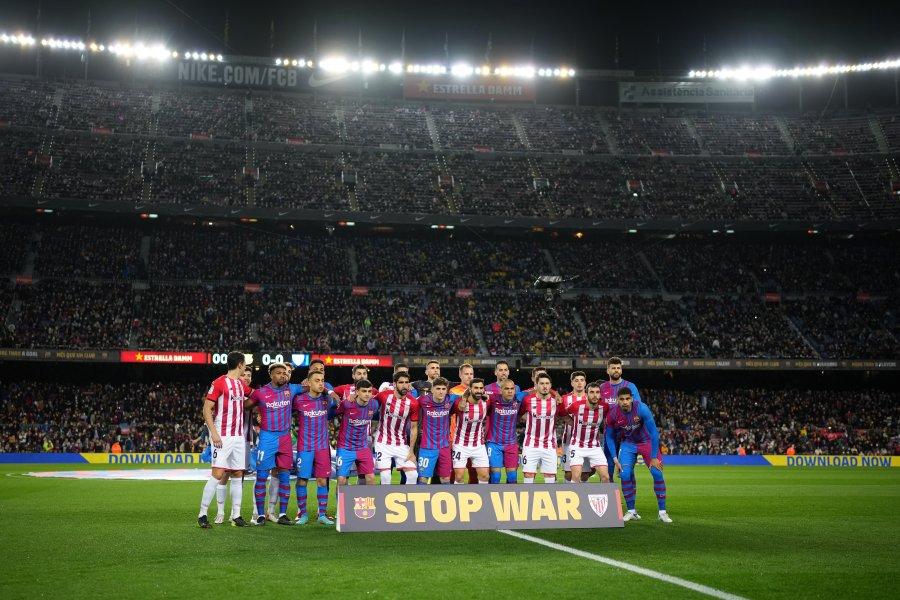
Barcelona changes the name of Camp Nou

0

The name of the legendary stadium of Barcelona “Camp Nou” will be changed for the first time in its history and the facility will now be called “Spotify Nou Camp”, reports Marca. The change is part of a € 280 million deal between the Catalan giants and music streaming giant.

According to the information, Barcelona will receive a little less than 100 million euros a year for the next three seasons, but in return will have to add the name of Spotify to that of its stadium. In addition, the company’s logo will be placed on the teams of the men’s and women’s teams of Barça.

The deal is expected to solve some of Barcelona’s difficult financial problems and allow the club to be active in the summer transfer window after the end of the season. According to Mark, a large part of the first tranche of money will be invested in the purchase of Borussia Dortmund goal scorer Erling Holland, who is wanted by a number of leading European clubs.

Researchers have documented for the first time that plants can defend themselves against herbivores

0

A new study from the University of Copenhagen confirms that plants use defenses to avoid being eaten. Scientists for the first time were able to confirm this fact.

Researchers from the Department of Plant and Environmental Sciences at the University of Copenhagen have published a study showing for the first time that plants protect themselves.

In scientific circles, the exact mechanisms of how plants protect themselves have been a mystery. Among the many observations made by researchers, in 1974, the optimal defense theory was put forward about how plants behave in order not to be eaten. But scientific evidence to support this theory was lacking.

“In the course of the study, we have shown that the old leaves of the plant sacrifice themselves and redirect their defense to younger leaves. Their purpose is to scare away larvae and other herbivores. By doing so, the plant increases the chances of survival.” – Barbara Ann Halkier, Professor and Head of Research

Also, plants have a special protective chemistry: it works like wasabi or mustard – it causes a burning sensation in the mouth. The researchers confirmed this information during the experiment.

The results of the study provide compelling evidence of how plants optimize their defenses. Also, this information will help to properly deal with agricultural pests, such as the African cotton leafworm (Spodoptera littoralis) – this is one of the most destructive moth larvae for crops.

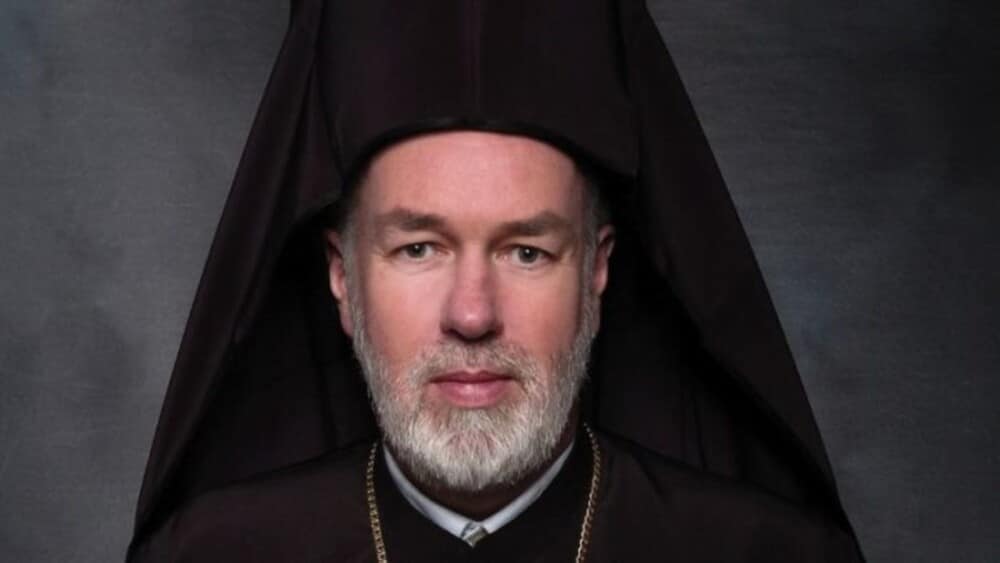
Metropolitan of Belgium: What is happening in Ukraine fills us with deep sorrow

0

Metropolitan Athenagoras of Belgium expressed his sorrow and support for the millions of innocent Ukrainian citizens who are experiencing this terrible war.

“What is happening in Ukraine fills us with deep sorrow. This war is hurting millions of innocent people. That is why the hostilities must stop immediately and President Vladimir Putin must end the military operations,” the Metropolitan of Belgium said and continued, “let us join our prayers for common sense to prevail, for the fury of war to stop, and for those responsible to find the path of respect and tolerance. We extend our hands and open our hearts to all our brothers and sisters who are immersed in pain and suffering.”

Read below the message of Metropolitan Athenagoras of Belgium:

“What is happening in Ukraine fills us with deep sorrow. This war is hurting millions of innocent people. That is why the hostilities must cease immediately and President Vladimir Putin must end the military operations. It is necessary to restore peace through negotiations because as Orthodox Christians we condemn violence and war. Besides, the war between Christians is a fratricidal war.

Most of the older ones know about the war in Europe from the narratives of our parents and grandparents, from the history described in books and films. Attacking a peaceful and sovereign nation is a sad reminder that the work for peace never stops.

The Holy Metropolis of Belgium cannot remain silent. Let us join our prayers for common sense to prevail, for the fury of war to stop, and for those responsible to find the path of respect and tolerance. We extend our hands and open our hearts to all our brothers and sisters who are immersed in pain and suffering.”

 03.03.2022, 13:04, https://www.doxologiainfonews.com

Russian Interior Ministry replaced the Makarov pistol

0

The Russian Interior Ministry armed itself with the latest compact Lebedev pistol end of 2021. It should replace the obsolete PM, developed by the designer Nikolai Makarov back in 1948.

RIA Novosti reported about the adoption of a new compact Lebedev pistol (PLC) with reference to a source in the security forces. “The Ministry of Internal Affairs, following the results of state tests, has adopted a new PLC pistol,” the agency quoted him as saying.

The product will gradually replace the Makarov pistol in the Ministry of Internal Affairs: it was created in 1948, and was adopted in 1951. PM has been used in dozens of countries. It is still actively used in different parts of the Earth due to its simplicity and reliability. At the same time, the Soviet pistol loses a lot to modern samples, if we talk about such key indicators as accuracy and power.

The PLC was developed by the Kalashnikov group of companies. It is distinguished from the basic version by its reduced length, weight and height. The pistol is powered by cartridges of nine by 19 millimeters; magazine capacity – 14 rounds. The PLC can be equipped with a tactical flashlight and a laser designator. Its compact size makes it suitable for concealed carry.

The development of the basic version, designated PL-14, began in 2014. The novelty was officially presented at the Army-2015 International Military-Technical Forum. The modernized version – PL-15 – was demonstrated a year later at the same exhibition.

A modified version of the PL-15, as well as a shortened version of the product (PL-15K), was shown at Army-2017. At the beginning of the year, the family’s pistols began to be supplied to the units of the security forces. According to the press service of Kalashnikov, the company is ready to start serial production of the new product.

We will remind, recently it became known about the completion of state tests of the Chukavin sniper rifle from the Kalashnikov concern. It will replace the obsolete SVD in the Armed Forces, created back in the 1960s. Among the main features of the novelty are versatility and relatively small dimensions, which will allow snipers to do without auxiliary weapons.

Several years ago, the Russian Ministry of Defense selected the improved AK-12 and AK-15 Kalashnikov assault rifles as mass firearms. They, in particular, differ from earlier versions in better accuracy of fire. At the same time, the defense department preferred the AEK-971 and AEK-973 assault rifles as weapons for special units.

Aerospace forces‘ pilots will be armed with a new submachine gun PPK-20.

Aerospace forces will receive a new PPK-20 submachine gun. The weapon will be stowed in a wearable emergency stock.

It will be placed in a portable emergency stock (NAZ) with a folded stock. Ammunition magazines and other items will be located in the new body unloading.

The pilot’s NAZ includes, among others, a first aid kit, food, a knife and portable radio communications. He is in the ejection seat. Earlier it became known that the Ministry of Defense decided to add a new automatic weapon to the NAZ. For this, various samples from Russian manufacturers were tested. PPK-20 showed good results according to the test results.

The submachine gun was developed by the Kalashnikov concern and was shown to the public for the first time last year. The product was created chambered for nine by 19 millimeters. The basis for the novelty was the Vityaz-SN submachine gun. PPK-20 is manufactured by Izhevsk Machine-Building Plant.

The submachine gun has a mass of 3.65 kilograms with cartridges. The length with the stock folded is 640 millimeters. The product has received a low-noise firing device and an ergonomic pistol grip. Powered by PPK-20 magazines for 30 rounds.

In recent years, Russia has adopted many different sets of small arms in order to replace the old Soviet models.