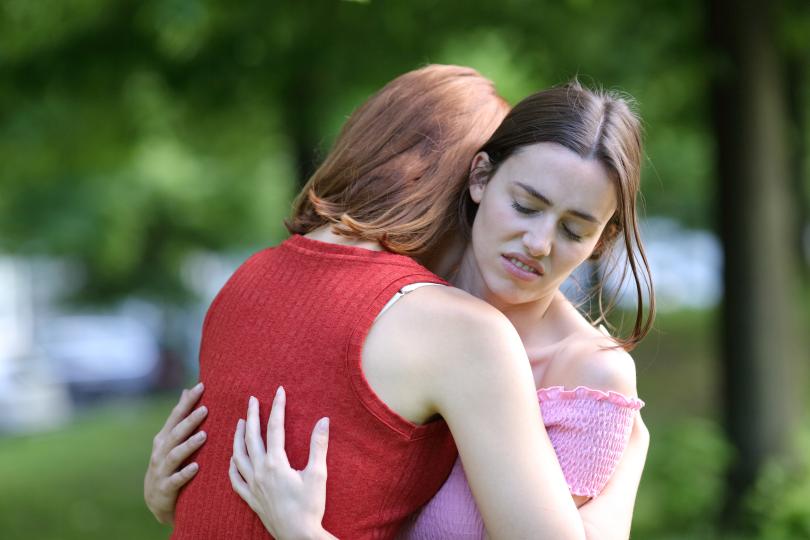
Hugs help women cope with stress, even if it is short, because it reduces the body’s reactions in exhausting situations, the Daily Mail reported. The authors of the study from the Ruhr University in Bochum explain the effect of hugs in women by saying that they enjoy them more. The fairer sex also produce more oxytocin, which suppresses the production of the stress hormone cortisol.
The study included 76 couples aged 18 to 32 years. The researchers measured stress indicators such as cortisol levels in saliva, blood pressure, and mood swings. The stressful event was the immersion of the hand in ice water. According to the authors, the results show that “social touch can be a buffer against stress.” Previous research has shown that even holding hands can reduce stress in women. For many people, stress causes symptoms that interfere with their daily lives – headaches, stomach problems, anxiety, mental health problems, difficulty concentrating. Some become irritable, their sleep and diet change. Experts recommend that stressed people talk to friends, relatives or a doctor, or do breathing exercises. It also helps to plan before stressful events.
Maya tooth jewelry made of jade, gold and other precious metals and stones, probably not only gave “gloss” to their owners, but also served as a prevention of caries and periodontal disease. This property was possessed by cement, which was attached to the teeth of all this beauty, scientists from Mexico and the United States said.
Researchers of the Mayan culture know that the ancient representatives of this people were very fond of giving their smile additional beauty, namely, they grinded their teeth or drilled cavities in them to insert “fillings” of jade, gold, turquoise, jet or hematite. This was also done for ritual purposes: fillings were glued to incisors and canines in early adulthood, they remained with a person for life and probably had spiritual significance.
All this splendor was attached to the teeth with the help of special cement. Its nature was studied by scientists from the Autonomous University of Yucatan (Mexico), as well as Harvard and Brown Universities (USA). They presented their findings in the journal Archaeological Science: Reports. Jeweled teeth have been taken from archaeological sites in Guatemala, Belize and Honduras.
In the study, the scientists identified 150 organic molecules that are commonly found in plant resins. Depending on the place of origin of the tooth, the cement, as it turned out, had a slightly different set of substances, but the main ingredients were the same.
Their mixture was extremely strong. It is understandable, because the teeth encrusted with jewels have survived to this day. Scientists also found out that such blotches on teeth were made not only by rich people, but also by representatives of not very successful classes. And both men and women.
But the main conclusion of the authors of the work concerns the therapeutic properties of cement. It turned out that he had a healing and hygienic effect. The adhesive mixture, according to the researchers, was able to reduce the risk of inflammation and infections in the mouth, since one of its main ingredients was pine resin, which has antibacterial properties.
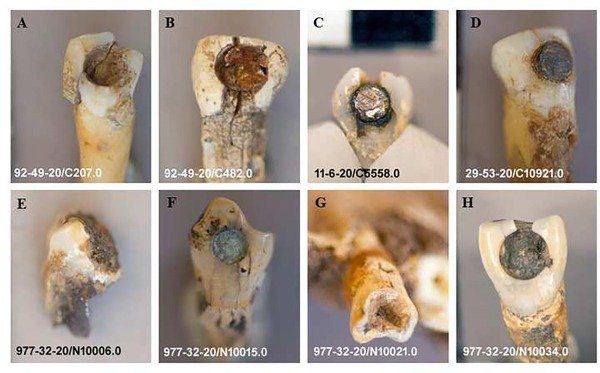
Two of the eight fillings were sealed with a mixture containing sclareolide, a natural product derived from a variety of plant sources, including sage and tobacco. This substance has both antibacterial and antifungal effects. In addition, it smells good, so it is often used in perfumery. In addition, scientists have found in the cement essential oils of plants of the mint family, which also have an anti-inflammatory effect.
The drilling was done so skillfully that it rarely affected the nerve pulp and blood vessels in the center of the tooth. By the way, archaeologists know that the Mayans were reverent about dental hygiene, so the conclusions of scientists look quite plausible: the cement mixture could serve not only to fix precious metals and stones, but also to prevent caries and periodontal disease.
Today’s college graduates can become the generation to succeed “where my generation has failed” the UN chief said on Tuesday, urging the class of 2022, not to work for “climate wreckers” in industries that continue to profit from fossil fuels.
UN Secretary-General António Guterres was delivering the commencement address at Seton Hall University in New Jersey, one of the oldest and most prestigious Catholic universities in the United States, close to New York City.
He told graduates that they needed to be the generation that succeeds in meeting the aspirations of the Sustainable Development Goals (SDGs) of ending extreme poverty and hunger, reducing inequality, and developing new tech that can “end disease and suffering.”
“You will succeed in replacing hatred and division with reason, civil discourse, and peaceful dialogue.You will succeed in building bridges of trust among people – and recognize the inherent dignity and rights we share as human beings. You will succeed in balancing the scales of power for women and girls, so they can build better futures for themselves and for us all.”
Above all, he said, the graduates who had battled through the impediments thrown up by the COVID-19 pandemic, needed to be the generation that addresses the “planetary emergency of climate change.”
‘Dead end’
Investing in fossil fuels is now “a dead end – economically and environmentally. No amount of greenwashing or spin can change that. So, we must put them on notice: Accountability is coming for those who liquidate our future.”
The UN chief said it was time for them to take action, and choose careers wisely, thanks to the benefit of their higher education.
“So my message to you is simple: don’t work for climate-wreckers. Use your talents to drive us towards a renewable future. Thanks to Seton Hall, you have the tools and the talents you need.”
He told the graduates they now had a “priceless opportunity to give back, and be the ‘servant leaders’ that our world needs.”
They were heading into “a world brimming with peril”, he warned, with wars and divisions on a scale, not seen in decades.
Crying out for solutions
“Each challenge is another sign that our world is deeply fractured. As I tell world leaders across my travels, these wounds will not heal themselves. They cry out for international solutions.
Only a multilateral approach can help build a better and more peaceful future, said Mr. Guterres: “Building a better, more peaceful future requires collaboration and trust, which are sorely lacking in today’s world.”
It now falls to you, he told his young audience, to “use what you have learned here to do something about it. To live up to your motto, and in the face of peril, go forward in building a better future.”
Throughout history, he said, “humanity has shown that we are capable of great things. But only when we work together. Only when we overcome differences and work in the same direction, with the same aim – to lift all people up, not only those born to wealth and advantage.”
He emphasized the virtues of goodwill, tolerance and respect, calling on the newly minted graduates to invest in being global citizens: “Be useful. Be mindful. Be kind. Be bold. Be generous with your talents.”
The EU wants a just energy transition. Find out how the Social Climate Fund aims to help those who are most exposed to energy poverty.
As part of its efforts to achieve carbon neutrality by 2050, the EU plans to introduce further requirements for reducing emissions in construction and transport. The new rules will stimulate Europeans and businesses to invest in alternative energy sources, better isolation and clean transport.
In order to support vulnerable households and small business in this energy transition, the European Commission proposed creating a Social Climate Fund with a budget of €72 billion for 2025-2032. The establishment of the fund is part of the Fit for 55 legislative package, which aims to achieve the objectives of the European Green Deal.
Parliament is expected to adopt its position during the plenary session at the beginning of June, which would allow it to start negotiating the final text with the Council.
The proposal, jointly drafted by Parliament’s environment and employment and social affairs committees, aims to establish common definitions across the EU for energy poverty and mobility poverty.
Energy poverty refers to vulnerable households, micro-enterprises, small and medium-sized enterprises and transport users having difficulties accessing alternatives to fossil fuels. Mobility poverty refers to households that have high transport costs or limited access to affordable modes of transport.
Parliament seeks a specific focus on challenges faced by islands, mountainous regions and less-developed and remote areas. It will also ask to block access to the fund for countries that do not respect fundamental rights or the rule of law.
How can the Social Climate Fund help you?
The Social Climate Fund should finance concrete measures to address energy and mobility poverty, both in the short and in the longer term, including:
Reduction in energy taxes and fees or provision of other forms of direct income support to address the rising prices of road transport and heating fuel. This would be phased out by the end of 2032
Incentives for building renovation and for switching to renewable energy sources in buildings
Incentives to shift from private to public transport, car sharing or cycling
Support for the development of a second-hand market for electrical vehicles
“Not only are the majority of rich countries failing to provide healthy environments for children within their borders, they are also contributing to the destruction of children’s environments in other parts of the world,” said Gunilla Olsson, Director of the UNICEF Office of Research – Innocenti.
Unhealthy. Dangerous. Toxic.
This is the world the majority of wealthy countries are creating for children.
The latest Innocenti Report Card 17: Places and Spaces compares how 39 countries in the Organization for Economic Co-operation and Development (OECD) and European Union (EU) impact children’s environments.
Indicators include exposure to harmful pollutants, such as toxic air, pesticides, damp and lead; access to light, green spaces and safe roads; and countries’ contributions to the climate crisis, resource consumption, and e-waste dumping.
The report states that if the entire world consumed resources at the rate of OECD and EU countries, the equivalent of 3.3 earths would be needed to keep up with consumption levels.
If it were at the rate at which people in Canada, Luxembourg and the United States do, at least five earths would be needed, according to the report.
Not in your own backyard
While Spain, Ireland and Portugal feature at the overall top of the list, all OECD and EU countries are failing to provide healthy environments for all children across all indicators.
Based on CO2 emissions, e-waste and overall resource consumption per capita, Australia, Belgium, Canada and the United States are among other wealthy countries that rank low on creating a healthy environment for children within and beyond their borders.
Meanwhile, Finland, Iceland and Norway are among those that provide healthier environments for their country’s children but disproportionately contribute to destroying the global environment.
“In some cases we are seeing countries providing relatively healthy environments for children at home while being among the top contributors to pollutants that are destroying children’s environments abroad,” attested Gunilla Olsson, Director of UNICEF Office of Research
In contrast, the least wealthy OECD and EU countries in Latin America and Europe, have a much lower impact on the wider world.
Harmful exposures
Over 20 million children in this group, have elevated levels of lead – one of the most dangerous environmental toxic substances – in their blood.
In Iceland, Latvia, Portugal and the United Kingdom, one in five children is exposed to damp and mould at home; while in Cyprus, Hungary and Turkey, that number rises to more than one in four.
Many children are breathing toxic air both in and outside of their homes.
More than one in 12 children in Belgium, Czech Republic, Israel and Poland and are exposed to high pesticide pollution, which has been linked with cancer – including childhood leukaemia – and can harm vital body systems.
Source: WHO
Routes of children’s exposure to toxic substances.
“We owe it to ourselves and to future generations to create better places and spaces for children to thrive,” Ms. Olsson said.
Improve children’s environments
Children in poor families tend to face greater exposure to environmental harm –entrenching and amplifying existing disadvantages and inequities.
“Mounting waste, harmful pollutants and exhausted natural resources are taking a toll on our children’s physical and mental health and threatening our planet’s sustainability,” said the UNICEF official.
As such, UNICEF has urged national, regional, and local governments to improve children’s environments by reducing waste, air and water pollution, and ensuring high-quality housing and neighbourhoods.
Children’s voices count
Governments and businesses must immediately honour their commitments to reduce greenhouse gas emissions by 2050. And climate adaptation should also be at the forefront of action across various sectors – from education to infrastructure.
Child-sensitive environmental policies must ensure that children’s needs are built into decision making and that their perspectives are considered when designing policies that will disproportionately affect future generations.
UNICEF’s report outlines that although children are the main stakeholders of the future and will face today’s environmental problems for the longest time, they are the least able to influence the course of events.
“We must pursue policies and practices that safeguard the natural environment upon which children and young people depend the most,” Ms. Olsson said.
Source: WHO
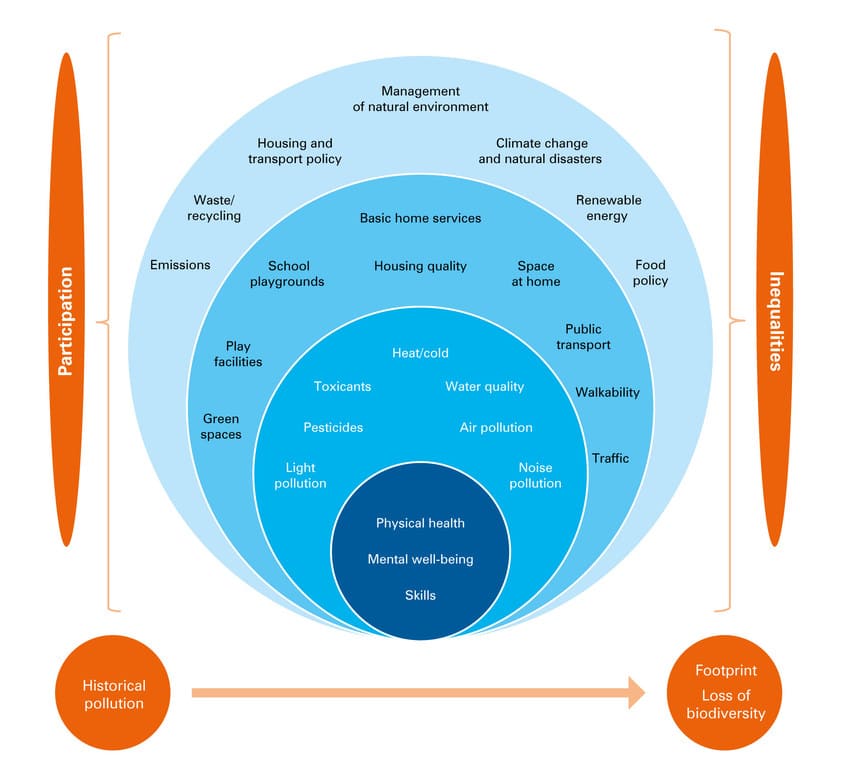
UNICEF Innocenti Report Card 17 illustrates a child-centred framework encompassing their physical and mental health; both the world around them and at large; the environment as shaped by past actions; and the impact of countries beyond their own borders.
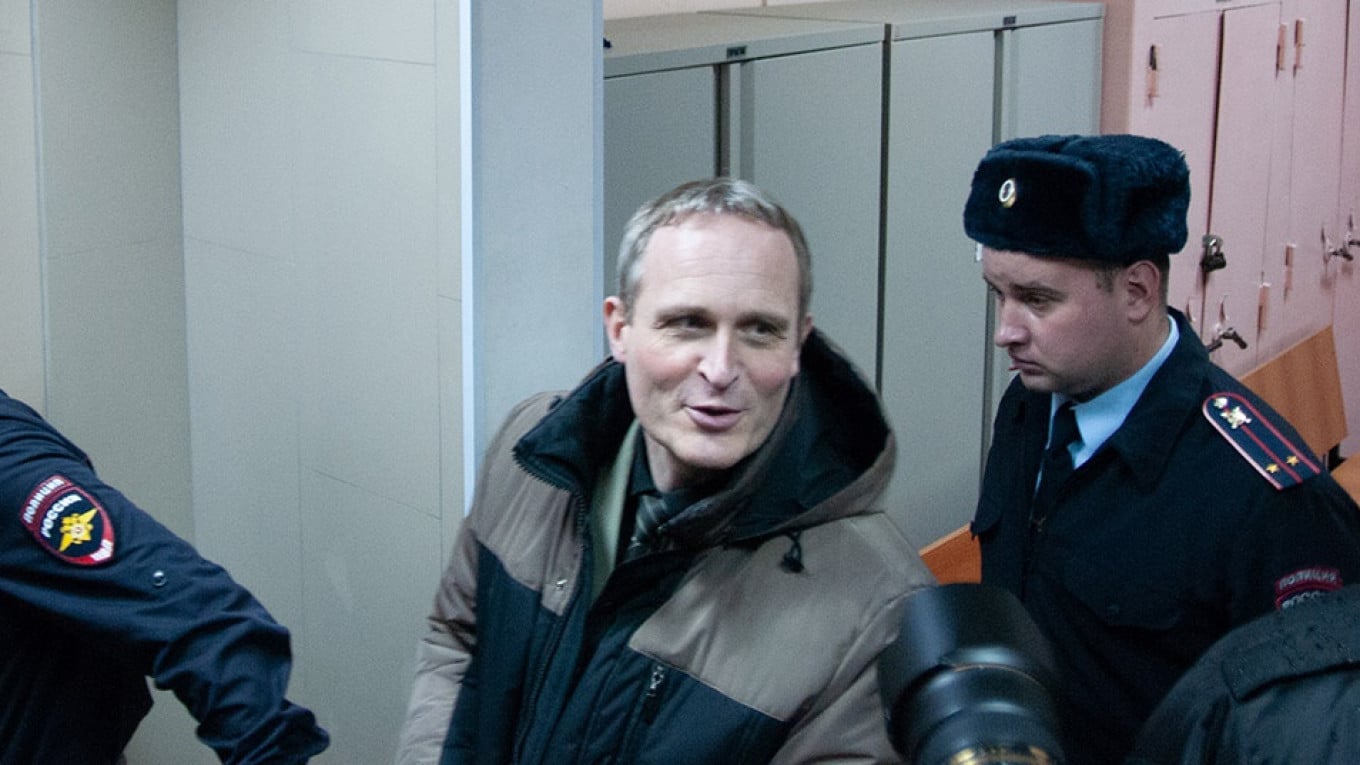
Dennis Christensen was the first Jehovah’s Witness to be convicted on extremism charges in Russia.Courtesy of Jehovah’s Witnesses
After five years spent in prison, Dennis Christensen was released this Tuesday 24th May. He is expected to be deported to Denmark on Wednesday morning.
Dennis Christensen has served 5 years of his 6-year sentence. This is because his two years in pretrial detention counts as three years towards his sentence.
He was the first to be arrested and sentenced to prison following the April 2017 Russian Supreme Court ruling that liquidated the Witnesses legal entities. He has been in prison the longest, although in recent years others have been sentenced to longer terms, as much as eight years.
Dennis Christensen was born in Copenhagen (Denmark) in 1972 into a family of Jehovah’s Witnesses.
In 1991 he graduated from the courses of carpentry and in 1993 he received a diploma of construction technician at the Higher School of Craftsmen in Haslev (Denmark).
In 1995 he went to St. Petersburg to volunteer in the construction of Jehovah’s Witnesses buildings in Solnechnoye. In 1999 he moved to Murmansk where he met his future wife Irina, who by then had become a Jehovah’s Witness relatively recently. They got married in 2002, and in 2006 decided to move south to Oryol.
On February 6, 2019, the Zheleznodorozhny District Court found Christensen guilty of extremism. He was sentenced to 6 years in prison to be served in a penal colony located in Lgov (Kursk region). On May 23, 2019, the Court of Appeal upheld this verdict.
Christensen Timeline
May 25, 2017, he was arrested and detained when heavily armed police officers and Federal Security Service (FSB) raided a peaceful weekly religious service of Jehovah’s Witnesses in Oryol, Russia.
May 26, 2017, he was ordered to be held in pretrial detention.
February 6, 2019, he was convicted and sentenced to six years in prison.
· The April 20, 2022, Supreme Court ruling, albeit grossly unjust, simply liquidated all of the Witnesses’ legal entities, Local Religious Organizations (LROs), in Russia and Crimea, declaring them “extremist”. During the 2017 Supreme Court hearing, the Russian government claimed that individual Witnesses would be free to practice their faith. However, the government’s claim of allowing freedom to worship has been inconsistent with its actions.
To addressing youth unemployment, more than 33 million new jobs need to be created by 2030 in the Middle East and North Africa region by 2030, if the world’s largest unemployment hot spot is to be substantially improved, four United Nations agencies said on Monday.
The joint-release by the UN labour agency, ILO, the UN Development Programme (UNDP), the UN Population Fund (UNFPA) and the UN Children’s Fund (UNICEF) was issued ahead of a two-day meeting in Amman, Jordan, aiming to address the youth transition from learning, to work, a key priority for adolescents and young people across the vast predominantly Arabic-speaking region.
Exchange good practices
The high-level regional meeting on Young People’s Learning, Skilling, Inclusion and Work, runs for two days, bringing together government officials from key sectors, the private sector, and the UN, in dialogue with young people themselves to enable an exchange of good practices.
“Current education systems and curricula do not match the evolving labour market and the changing nature of work. They do not provide young people with enough skills, critical to success in today’s economy”, the statement said.
Skills such as communication, creativity, critical thinking, problem-solving and cooperation, are lacking in the skillsets of many young people.
According to the agencies, “healthy, skilled educated adolescents and youth can drive positive change towards a world fit for them that promotes and protects their rights”.
Inequalities and vulnerable contexts
Young people continue to face a host of challenges in the region – especially those living in poverty or in rural areas; refugees, displaced, migrants, girls and young women; and people with disabilities; who are more likely to be out of school and left behind.
According to UN data, before the COVID-19 pandemic, the region already had more than 14 million children out of school and one of the lowest rates of return to education in the world. Furthermore, the pandemic has deepened the education crisis and widened existing inequalities.
Unemployment stunts potential
Youth unemployment in those countries is almost twice as high as the world average, and has grown 2.5 times faster than world average between 2010 and 2021.
These numbers represent a significant drain on the economic potential of the region. To reduce the overall unemployment rate to 5 per cent and to be able to absorb the large number of young people entering the workforce and stabilize youth unemployment, the region needs to create more than 33.3 million new jobs by 2030.
Worldwide, the recovery of the global jobs market is also going into reverse, ILO, said on Monday, blaming COVID and “other multiple crises” that have increased inequalities within and between countries.
According to its latest update on the world of work, there are 112 million fewer full-time jobs today than there were before the pandemic.
Expected outcomes
The regional meeting aims to address the means of strengthening links between learning and the labour market.
These include enhancing education systems – including skilling and technical and vocational education and training – strengthening links between learning and the labour market; enhancing policies, and exploring opportunities with the private sector to create jobs and support youth entrepreneurship.
“Young people need life skills education to help them explore and nurture positive values regarding their health, rights, families, relationships, gender roles and equality, and empower them to shape their lives and make informed decisions about their reproductive life”, the agencies highlighted.
Vienna (Austria), 23 May 2022 – How can science and research support peace and development around the world? How can data and information help us prevent crime?
These are among the questions that the Vienna International Center’s exhibition sought to answer for the more than 1,400 visitors attending the 2022 Long Night of Research, an Austria-wide event showcasing 2,500 science and research stations across the country. Led by the International Atomic Energy Agency (IAEA) with contributions from UN agencies present in Vienna, the Long Night of Research, held on 20 May 2022, demonstrated how the UN is contributing its scientific data and innovation to create a safer and more peaceful world. The UN Office on Drugs and Crime (UNODC) contributed two exhibitions to the night.
How can we protect those who protect us?
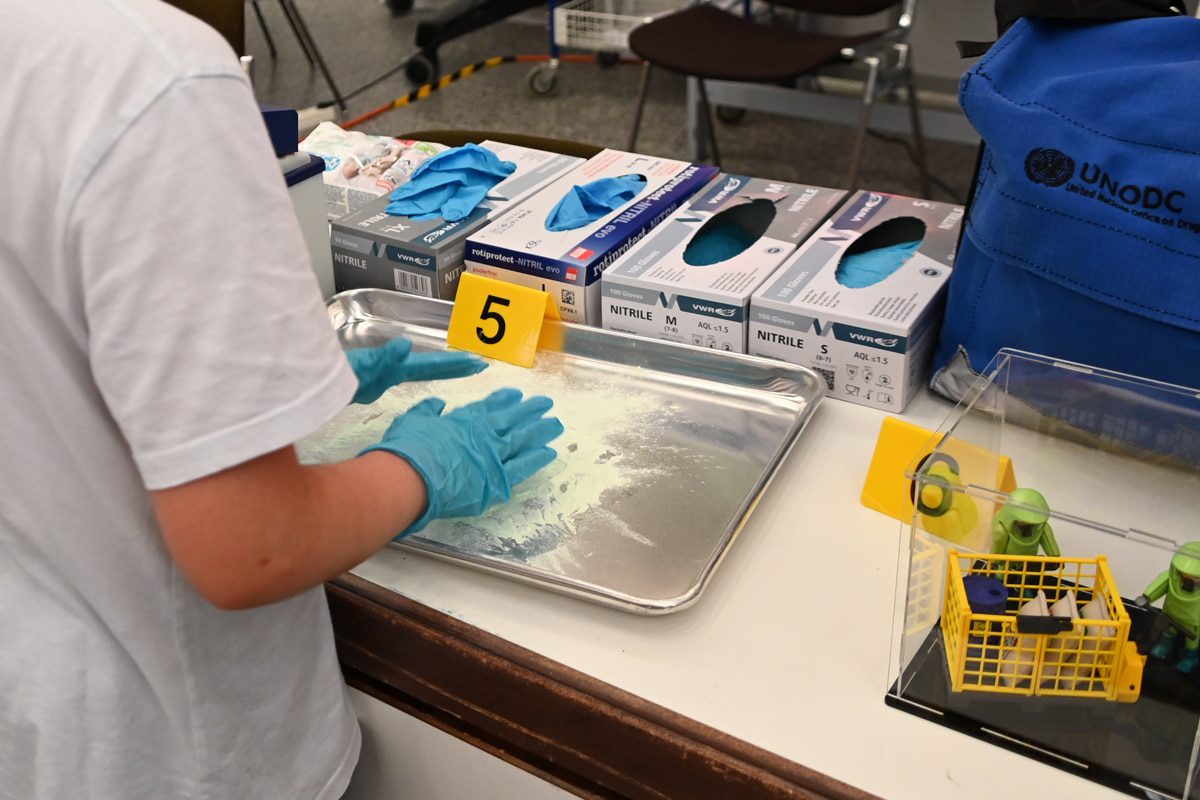
The first exhibition described a variety of threats that forensic officers face when carrying out their duties – including encountering unknown substances and chemicals. Experts from the UNODC Laboratory and Scientific Service demonstrated how officers deal with chemical seizures in a remote environment. Visitors further learned which Personal Protective Equipment (PPE) was required to keep our officers safe when handling or disposing of chemicals.
For example, at the booth, UNODC staff showed how to properly use PPE by having visitors wear gloves, touch a special substance, remove the gloves, and then examine their hands under a special machine. If the gloves were not removed properly, traces of the substance would glow under the machine’s special light.
UNODC staff also demonstrated how to get fingerprinted and the use of modern handheld devices to help with identifying unknown substances, something which Alexander Loren, ten, found exciting: “If you don’t know what drug it is, the machine can identify it! I identified paracetamol for headaches. It was fun.”
Can data help us prevent crime?
Through its huge data collection on various types of crime, UNODC helps police, detectives, policymakers and others to reduce crime around the world. The second exhibition allowed visitors to spot illicit crops on satellite images to fight the world drug problem, watch videos explaining how drugs are produced from opium poppy and coca bush, and learn how alternative development can provide farmers in vulnerable communities with incentives for alternative livelihoods.
A display of chocolate, teas, soaps, coffee, and more adorned the booth as real-life examples of how UNODC works to help farmers find alternatives to planting coca bush, opium poppy, or cannabis. Visitors of all ages were also invited to participate in an interactive crime quiz based on latest findings from UNODC flagship publications, such as the Global Study on Homicide and the Global Report on Trafficking in Persons.
Another section of the booth asked children to match photos of trafficked products with the protected animals or plants – like tigers, pangolins, songbirds, elephants, etc. – affected by such trafficking. All the animals on display were protected under the Convention on International Trade in Endangered Species of Wild Fauna and Flora (CITES).
“I learned about different animals and plants and how they’re used,” explained Mia Chaari, an elementary school-aged girl. “For example, tigers, which were my favorite, are used for tiger bone wine.”
A third section of the booth featured a mannequin, decked out in several flashy clothing items. Visitors were asked to notice how the different items she was wearing were connected to crime. For example, she sported a counterfeit watch and sunglasses, shoes with leather made from a trafficked animal, and a phone that could eventually be considered electronic waste (e-waste).
To learn more about the different stations at the Vienna International Centre’s Long Night of Research, click here.
Further information
UNODC research constitutes the key global authority in the fields of drugs and crime, providing high-quality, essential evidence to inform policy-making and valuable sources of knowledge in drugs and crime domains, including in the framework of the Sustainable Development Agenda. For more, click here.
The Governing Board of the Conference of European Churches (CEC) reaffirms its consistent stance on Ukraine, condemning Russian aggression, and calling for peace with justice.
In its first physical meeting since the COVID-19 pandemic, held 19 to 21 May in Brussels, the board members, gathered from across Europe, discussed churches’ response to the war in Ukraine.
Together, they affirmed the need for an immediate ceasefire, a diplomatic solution through international law, respect of borders, self-determination of people, respect for truth and the primacy of dialogue over violence.
The board members stressed the need for welcoming all refugees.
They discussed the importance of healing and reconciliation, considering the long-term effects of the war, including inflation and the energy crisis among other challenges.
They also expressed concern over the religious dimension of the war. CEC’s statement with the Council of European Bishops’ Conferences (CCEE) emphasises that “religion cannot be used as a means to justify this war. All religions, and we as Christians, are united in condemning the Russian aggression, the crimes that are being committed against the people of Ukraine, and the blasphemy that is the misuse of religion.”
Global Christian solidarity has been underlined by CEC. “This is a time for churches in Europe and globally to form a strong alliance of solidarity. This is a time to gather in prayer for people who possess the power to make decisions that will make peace possible,” said CEC General Secretary Dr Jørgen Skov Sørensen.
CEC President Rev. Christian Krieger has previously urged Patriarch Kirill of Moscow and All Russia to speak clearly against Russian aggression in Ukraine. “I am disheartened by your daunting silence on the unprovoked war that your country declared against another country, which is home to millions of Christians, including Orthodox Christians that belong to your flock,” he said in his letter to Kirill.
As part of the meeting, a seminar on Ukraine was held. The hybrid event featured reflections from the Ukrainian churches, describing their hopes and struggles for the future.
Among the speakers were CEC president, H.E. Archbishop Yevstratiy of Chernihiv and Nizhyn, Deputy Head of the Department of External Church Relations of the Orthodox Church of Ukraine, Rev. Vasyl Prits from the Department for External Church Relations of the Ukrainian Orthodox Church (Moscow Patriarchate) and Ms Khrystyna Ukrainets, Head of National Partnerships at the Ukrainian Educational Platform from the Greek Catholic Church.
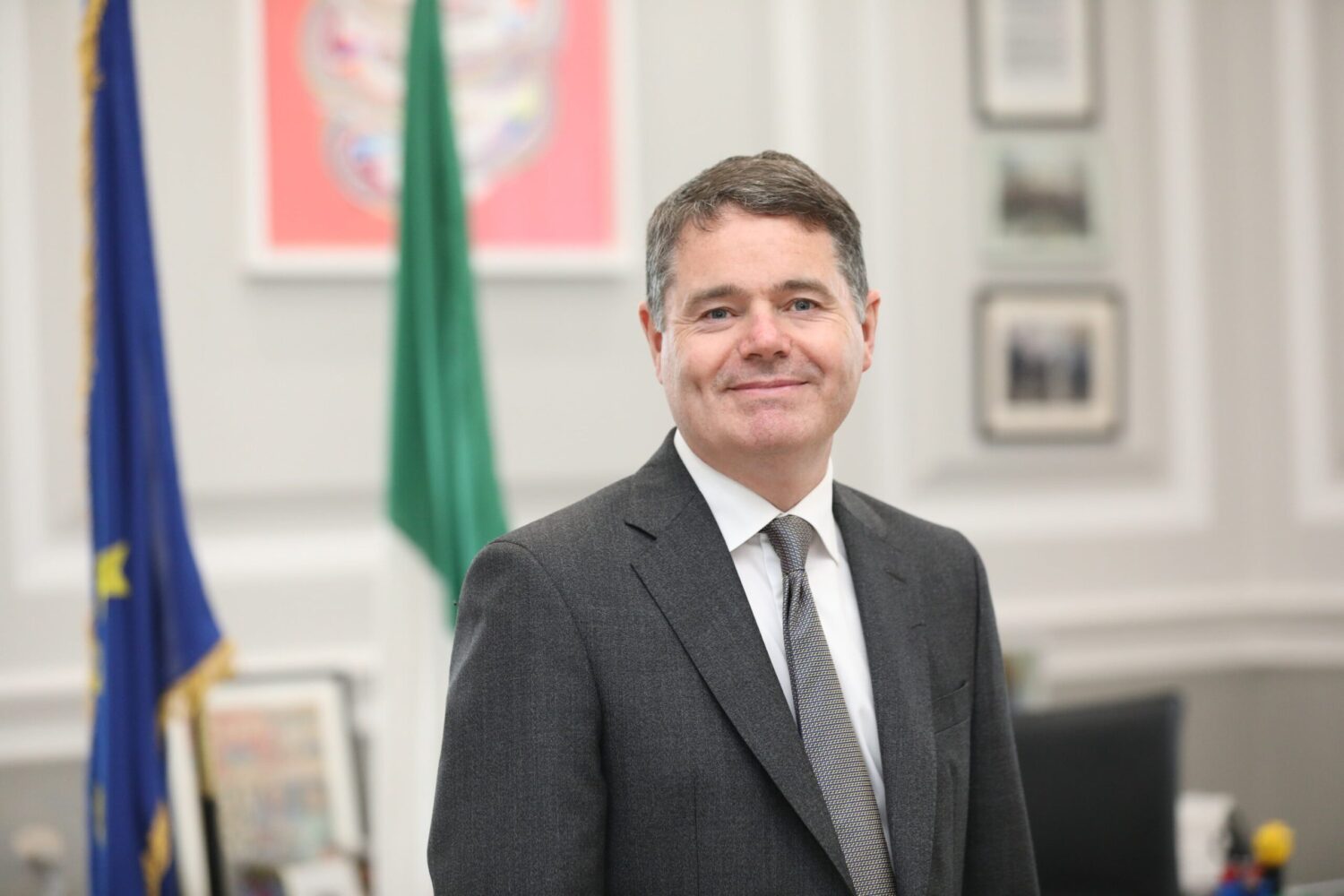
Remarks by Paschal Donohoe following the Eurogroup meeting of 23 May 2022
Let me start this press conference with a thought for the people of Ukraine. While we are aware that the Eurogroup discussed the economic consequences of the war that has been inflicted upon them, we’re also very, very conscious of their human suffering at this terrible time.
That said, let me say a word about where we are economically. It’s now very clear that the economic toll of this war is worldwide. High prices and disruption to food supplies are crippling across the world with very serious consequences for the most vulnerable in our societies. And of course, the euro area is facing these challenges, too.
However, we do have the resilience to face this new shock with savings that were built up during the pandemic. Healthy balance sheets in the financial sector and the flexibility and agility of our economy can and will see us through this challenge.
There will be an impact on growth in the short term and the high price of energy and other commodities on world markets which does mean that, as a continent, our purchasing power has suffered. Our discussion today showed that many member states are indeed cushioning the blow for their citizens, especially for the most vulnerable households.
The Commission presented to the Eurogroup the package it issued today and the European Central Bank outlined how it is responding to higher inflation. The Eurogroup has consistently emphasised that our fiscal strategy should be agile and responsive to unfolding events. This approach remains all the more relevant as heightened uncertainty needs sufficient flexibility.
That’s why the Commission’s announcement on keeping the general escape clause activated for another year is an important development. At the same time, this decision doesn’t change our objective of progressively shifting our fiscal stance from supportive this year to neutral next year. There is broad agreement amongst ministers that we need to strive to continue to make our budgetary policies and decisions as sustainable as possible in this uncertain environment. So we will be following up on the discussion today in more depth in the next couple of months. The policy trade-offs are very complex and we will take the time necessary to get the policy balance right. We will aim to adopt a statement on the budgetary stance for next year at our July Eurogroup meeting.
On the subject of fiscal policy, we discussed the updated draft budget plans of Portugal and Germany. We welcomed the Commission opinions on them and we share the Commission’s positive assessment. As usual, we have adopted a short Eurogroup statement reflecting our views.
We also today discussed the candidacies for the upcoming vacancy of the Managing Director of the European Stability Mechanism. The purpose of having this discussion within the Eurogroup was to assess the level of support that candidates receive and to play a role in facilitating the actual appointment which will take place at the ESM Board of Governors.
Following a brief presentation by my colleagues from Italy, Luxembourg, the Netherlands and Portugal of their nominees, we then held an indicative vote. The Netherlands have decided to withdraw their candidacy. That means we now have three candidates in this contest: Marco Buti, Pierre Gramegna and João Leão. We will continue further informal consultations with a view to add to reaching an agreement at the ESM Board of Governors meeting on the 16th of June.
Today, we continued our discussion in inclusive format on the draft work plan to complete the Banking Union, building on the special meeting we had earlier this month and much work in in the high level working group. We had a full discussion on my proposal for a stepwise and time bound work plan. The meeting we had this evening fully met my expectations regarding our discussion.
What is on the table is very finely balanced, based on four policy areas, two phases and a political checkpoint. I have to acknowledge that differences of views remain. This is what I would expect at this point in the process.
Nonetheless, reaching agreement would be beneficial. It would send a sense of commitment on an important point and indicate that we’ve aimed and have been successful in reaching a fair balance for all parties. We will work hard in the time ahead to set the path for the future of this vital and common project.
I will re-engage on this again in June to find an agreement. I continue to reflect on all the arguments that I heard today on Banking Union, and I’ll engage with all ministers and do my very best to help reach a balanced compromise.