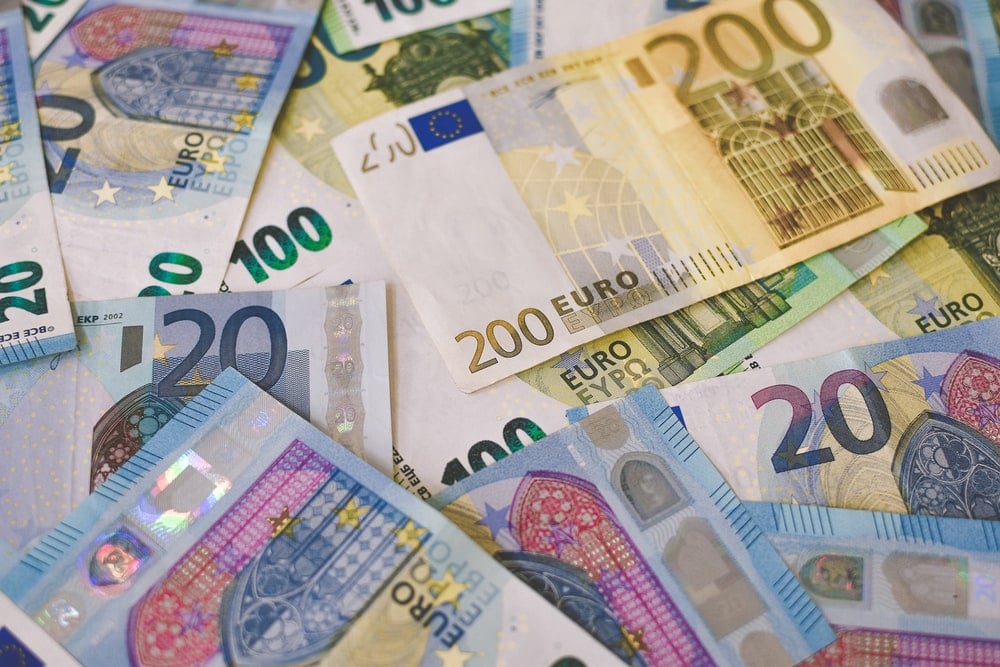
The minimum wage in France will automatically increase from May 1 by 2.65% or about 34 euros due to high inflation since November, the French Ministry of Labor announced, AFP reports. For full-time work, the monthly minimum wage will become 1645.58 euros gross. The net salary will increase from 1269 to 1302.64 euros. The gross hourly minimum wage is 10.85 euros compared to 10.57 euros so far.
In France, the purchasing power of minimum wage workers is protected by an automatic indexation mechanism enshrined in law, which ensures that the minimum wage rises at least as fast as inflation affecting the lowest-income households.
According to the final data on the consumer price index in March, published today by the National Statistical Institute, inflation, excluding tobacco, between November 2021 and March 2022 reached 2.65 percent for 20% of households with lowest income.
The minimum wage rose 0.9 percent in January after an extraordinary 2.2 percent rise in October, also due to inflation. For one year (from May 2021 to May 2022) the increase of the minimum wage in the country is 5.9 percent or purely 72 euros. Annual inflation in March reached 4.5 percent in France, an unprecedented level since the 1980s, the statistical institute said, confirming its preliminary estimate from the end of March. This paves the way for the automatic indexation of the minimum wage from 1 May. In February, the consumer price index rose by 3.6 percent.
As in previous months, the acceleration of inflation is explained by the rise in energy prices, which in March reached 29.2 percent compared to +21.1 percent in February. Petroleum products rose 43.5 percent as a result of market tensions following Russia’s invasion of Ukraine. The increase in food prices also intensified, by 2.9 per cent compared to 2.1 per cent in February. The prices of fresh products increased by 7.6 percent in one year. On the other hand, industrial goods slowed down to 2.1 percent from 2.2 percent in February.
People from different Bulgarian governments have also taken part in the biggest financial pyramid in history, according to one of their lawyers.
Victims of crypto queen Ruzha Ignatova, who lured thousands with her OneCoin pyramid, want to sue Bulgaria for $ 20 billion. This is clear from documents submitted by one of the lawyers of the victims, Dr. Jonathan Levy, who is authorized to represent a large part of the people who lost their money in the scheme of the Bulgarian Ignatova, writes BG VOICE.
According to the lawsuit, Bulgaria has done nothing to prevent fraud, which has led to huge losses for investors. To date, they are estimated at $ 20 billion.
Dr. Levy also addressed the Ombudsman of Bulgaria. So far, however, there is no procedure before any court in the country and abroad on the complaint of Dr. Levy.
Dr. Levy claims that OneCoin is the largest financial pyramid in history, and people from various Bulgarian governments have taken part in it. Proof is that no government has done what is necessary to seize the assets of Ruzha Ignatova and OneCoin. It even still had active bank accounts, real estate, and 230,000 bitcoins valued at more than $ 16 billion.
This is due to court documents quoted from the website Vitsoin.com.
Ruzha Ignatova founded Onesoin together with her brother Konstantin Ignatov in 2014. The scheme was something like a multi-level marketing network, including packages that were seemingly linked to a blockchain network. Ignatova told her “clients” and the general public that OneSoin would be the most dominant cryptocurrency and that in the end it would be.
The headquarters of the company is based in Bulgaria, but it is registered as an offshore company in Dubai.
At the end of 2016, it became public knowledge that the project had never used any type of blockchain technology. In 2017, the American law enforcement agencies issued a secret order for Ignatov’s arrest. She disappeared a little later.
Konstantin Ignatov is appealing in 2019. Since then, the lawsuits continue. U.S. officials say “the OneCoin scam has taken about $ 4 billion in victims worldwide.”
Where is Ruzha Ignatova?
The wanted Bulgarian can hide in different places. Various reports in recent years suggest that it may be located in the UAE, Greece or Russia. One of the most popular versions is the one for Dubai, as the United Arab Emirates and the United States do not share an extradition agreement.
According to the decreed court documents, the deal for the acquisition of the current 230,000 bitcoins took place in October 2017. At that time, the virtual currency traded for about 6,000 dollars.
The brother of the crypto queen Ruzha Ignatova managed to escape the impending sentence of 90 years in prison. Konstantin was detained in the United States, but is no longer one of the main defendants in the OneCoin trial, after reaching an agreement with the plaintiffs ‘investors’ lawyers.
Details of the court settlement remain unclear, but representatives of all investors who have suffered heavy financial losses from the fraud say they “do not interfere in any way” with further investigation against other defendants. It is clear from the cited documents that the process will continue to be directed at another key figure in OneCoin – Konstantin’s sister Ruzha Ignatova, who is the founder of the company considered the Ponzi Scheme, ie a financial pyramid.
While the exact reasons for settling the case are not yet clear, it is now clear that Ignatov has spoken out against his missing sister. His words became known that he provided the state government with information “about the crimes I committed and any information I had about OneCoin and its associates and the crimes committed there.”
Ignatov claims they are the work of members of his family. These were his sister and his mother Veska, who played an important role in the work of OneCoin.
Constantine himself had even hired a private investigator to find Rose, but he swears he hasn’t spoken to her since she disappeared. Months ago, he claimed, it was covered by dissatisfaction with hundreds of thousands of dollars invested by investors who realized it was a pyramid. Ignatov admitted that he lied, claiming that he had contact with his sister before he was detained. This has been going on for a long time since it has already gone underground. OneCoin customers were told that Ruza ran the business.
Vitamin D is the only known vitamin that can be produced independently by the human body under the influence of sunlight. Its deficiency quickly causes serious health problems. This vitamin helps absorb calcium and supports the functioning of the thyroid gland. The body signals its deficiency with the help of three tangible symptoms, namely:
1. Fatigue Scientists have found that a lack of vitamin D leads to a decrease in activity levels and increased fatigue in humans. This fact is proved by the results of a study by American doctors. It involved people with vitamin D deficiency. About 77% of them said they were very tired, and after treatment with high doses of this vitamin, their condition improved significantly.
2. Bone pain or muscle weakness Vitamin D ensures the health of the skeletal system – this is its main function. Contributes to the complete absorption of calcium. In the absence of this vitamin, a person may experience bone pain and muscle weakness. This conclusion was reached by scientists whose study was published in the journal Musculoskeletal Medicine.
3. Depression
The results of a study published in the journal Issues in Mental Health Nursing show that vitamin D deficiency can lead to the development of depression and other mental disorders. This substance supports the proper development and functioning of the brain, and also participates in the regulation of an enzyme that is necessary for the production of the hormones dopamine, adrenaline and norepinephrine. They provide a good mood and well-being. Lack of vitamin D leads to deterioration of hair and teeth, as well as an increase in blood pressure. To compensate for the lack of this substance, you need to add some important foods to your diet. An excellent source of vitamin D is oily fish, in particular the liver of fatty fish, such as cod. Suitable are mackerel, sardines, herring. It is better for the fish to be wild than the cold seas. It has the highest amount of vitamin D and omega-3, say nutritionists. At the same time it is better not to fry such fish, but to roast it. You can also include canned foods in your diet. Lack of vitamin D is also manifested in frequent colds, bad mood, irritability.
Vitamin D is needed to normalize bone mineral density. That is, it prevents the development of osteoporosis, ensures the normal mineralization of bones, and this applies to teeth and nails.
The sun vitamin is essential for maintaining the normal functioning of a number of tissues and organs. Vitamin D deficiency is common – in 50 to 90% of the population depending on the settlement, which requires raising the question of its intake in the form of drops or tablets. Knowing that vitamin D is a source of health for bones, teeth, musculoskeletal system, helps to achieve remission in autoimmune diseases, takes care of modulating the innate and acquired immune system, protects against viral diseases, successfully copes with some problems with your thyroid, reproductive system, hormones and skin, you are probably taking vitamin D.
However, if you do it wrong, the result will be zero, and it is possible that the wrong intake will lead to disabilities and health problems. We have prepared for you the most common mistakes that are made when taking vitamin D3 to help restore body levels fully, easily, quickly and safely for health.
1. You are not taking the right dose On most packages you will read a dose of about 400 IU. However, this is the minimum and it is insufficient if you suffer from an autoimmune disease. Most rheumatologists prescribe at least 1,000 IU, and some sources indicate greater benefits than taking about 3,000 IU. If the decision to take is up to the patient and is not backed by tests, it is good to follow the instructions on the package. If the deficiency is proven and the doctor has prescribed a higher dose – the intake should be according to the prescription.
2. You forget to take vitamin K with vitamin D Very few people know that vitamin D3 should be taken together with K2. In case of K2 deficiency and taking shock doses of D3, side effects unfavorable to health have been observed for a long time. Among them is the fact that D3 accumulates in the kidneys, not where needed. The combined formula – D3 + K2 is the optimal choice, as the manufacturer has perfectly balanced the necessary levels of these two vitamins.
3. You collect the sun with a sunscreen product Yes, this is also a vitamin D intake, but it is natural – from the sun’s rays. It’s great to protect your skin and take preventive measures against aging and skin cancer, but sunscreens do not allow the synthesis of vitamin D. Leave your hands from wrists to shoulders unprotected for at least 20-30 minutes a day to get your precious vitamin from the sun.
4. You do not take the right vitamin D If your package says D2, then your choice is wrong. Vitamin D3 is what you need. It is much more fully absorbed and is much more effective than D2. A number of studies such as those published in NIM prove this fact. https://pubmed.ncbi.nlm.nih.gov/9771862/
5. You forget that taking even a vitamin can be dangerous if you exceed the norms
Although rare, vitamin D3 is toxic in amounts much higher than acceptable. Although a vitamin, it is still a medicinal product and everything related to it should be discussed with your doctor. The article is for information only and does not replace consultation with a doctor. We advise you not to engage in self-medication.
a ruined cube tower that someone else has built; ·
toys, play paraphernalia and other things that children have not been able to share or that one child takes from another; ·
different views of children on the choice of joint play, game situations, characters, their actions, distribution of roles; ·
disputes about the correctness of the game actions. Preventing conflicts between children The causes of conflict situations depend on age. At the age of 2-3, children most often quarrel over toys that cannot be shared and broken structures. At this age, children go through the next stage of personality formation – for a while they become ardent owners and very severely encroach on “their” things. At the same time, children still do not know how to fully express their emotions in words. Therefore, conflicts are usually resolved with the help of physical force, crying and adult participation. By the age of 4-5, children in kindergarten begin to interact more actively with each other. Disputes over the choice of joint games, the desire or unwillingness to play together come to the fore. In preschool, the causes of conflict become even more diverse – children may have different views on the rules of the game, the distribution of roles and the behavior of players. Which children are most prone to conflict in kindergarten? In every preschool there are children who have or because of whom conflict situations most often arise. They may have different behaviors: ·
Aggressive – irritated when not listened to, harassed others. ·
Complainant – always finds a reason for dissatisfaction and expresses it. ·
Silent – calm, speaks little, so it is difficult for other children and the teacher to understand what he wants. ·
Too responsive – agrees with everyone. ·
Omniscient – believes that only he knows how and what to do. ·
Indecisive – makes decisions for a long time, is afraid of mistakes.
Maximalist – wants everything right now. ·
Secret – hides complaints and can take revenge on the offender when he has forgotten about his bad behavior. ·
Liar – spreads false or unverified information, transfers his evil deeds to others.
Children who cause conflicts in preschool seek to communicate with their peers, but do not know how to do so due to the peculiarities of their character and upbringing. Many of them try to establish themselves in the team with the help of disputes and quarrels. The educator must explain to the children that in communicating with others they must be able to negotiate, express their point of view and listen to others. What must be done:
1. Create rules of behavior in the group: do not quarrel, do not use offensive nicknames, do not take toys from each other, ask permission if you want to take something from someone else, etc. 2. Talk about real or imagined conflict situations, encouraging children to analyze – ask what caused the quarrel, how they would feel in the place of each participant, how to reconcile the warring parties.
3. Organize games that show examples of right and wrong behavior in conflict situations. 4. Encourage children who are trying to create conflicts to behave properly.
5. Explain to the children that any contentious situation can be resolved through compromise. How to resolve a children’s conflict in kindergarten, if it has arisen?
Not all conflict situations between children require the intervention of adults. Small battles are usually decided by themselves. They are extremely important for socialization, teach children to resolve conflicts on their own, the ability to find a compromise. If the conflict is serious, the teacher should not just call the children to order. He must become a mediator in a dispute:
find a compromise that will satisfy all parties to the conflict;
partial or complete elimination of the cause of the quarrel;
Dr. Zheko Naychov graduated in medicine in Sofia in 2006. He started working as an intern in the clinic of cardiac and vascular surgery at Lozenets Hospital, where he still works today. In 2009 he went to Japan as a full-time doctoral student in the Department of Surgery at the University of Hiroshima, where he defended his doctorate. After returning to Bulgaria in 2013, he became a part-time assistant at the Department of Surgery at the Medical Faculty of Sofia University “St. Kliment Ohridski”. Participates in various educational and research projects in Bulgaria and abroad. Outside of the field of surgery, his research interests are related to research on the healing properties of various medicinal plants.
Every week, Dr. Naychov answers questions from standartnews.com readers. The Easter for the family of Eastern Orthodox Christians just passed and we share this article about the Easter eggs.
• If you do not have allergies or specific diseases, relax it a bit
• Avoid the use of raw, interfere with an important vitamin
Whether we are fasting or not, we are all looking forward to the festive Easter table, where eggs have a special place. Much can be said about the religious and philosophical symbolism of the Easter egg, of the egg in general, or of which comes first: it or the hen. What I intend to do is focus on the health aspects of its consumption.
Since ancient times, eggs have been one of the most affordable sources of complete protein
In the traditional Bulgarian village, even the poorest people raised at least one or two chickens in the yard. The wealthier, who had more meat on the table, could not afford to eat it every day. In our time, when meat is often cheaper than vegetables, it is difficult to imagine, but in times when there were no refrigerators, the slaughter of an animal was a serious action, suggesting a clear plan for what will happen to meat, so as not to spoil. While with eggs it was just the opposite – the hens lay regularly and it is even advisable to eat the produce on time, because otherwise it will be wasted. It would not be an exaggeration to say that in our lands, along with wheat and dairy products, eggs have always been a staple food.
They are first and foremost an extremely valuable source of protein. The very word for protein in Bulgarian comes from the name of part of the egg – the protein. It is the closest in composition to the so-called. reference protein – a theoretical “ideal protein” in which the ratio of its constituent amino acids best meets the needs of the human body. In addition, eggs contain almost all the necessary vitamins
and minerals, as well as a moderate amount of fat, with almost no carbohydrates. That is why they are widely recommended in fitness diets.
Of course, it is not possible that something is so good and there are no downsides. The main disadvantages of eggs are the following.
Probably the most frightening of all is the high cholesterol content in the yolk. When elevated blood cholesterol levels proved to be a risk factor for developing atherosclerosis, eggs were immediately branded harmful. At the time, it was thought that the level of cholesterol in the blood depended directly on food, and we outright forbade patients to eat eggs. It took a long time before it was proven that this was not the case. Undoubtedly, there is a relationship, but it is not as strong as previously thought.
Today we know for sure that one egg a day does not affect the risk of developing cardiovascular disease in Caucasians and even reduces this risk in Asians. As for larger quantities, the data from the studies are rather contradictory. The main problem with this type of research on the relationship between nutrition and disease comes from the fact that people who tend to take more care of themselves are also willing to pay attention to the fashion recommendations for healthy eating.
Declare a food healthy now and you will find that in twenty years, research will really prove it as such. Why? Well, because people who care more about their health will start eating it. They will live longer and be healthier than those who do not pay much attention to themselves, not because they have eaten the praised food, but because they have taken better care of themselves overall. And it will be very, very difficult to prove what the contribution of this particular factor really is.
Something similar happens with the consumption of eggs. When trying to study their effects on heart health, scientists inevitably face the fact that people who eat more eggs, at the same time overeat, tend to take fewer drugs and are more obese. Then prove what exactly is the reason for their increased incidence of cardiovascular disease.
Another thing we need to pay attention to when it comes to the consumption of eggs is their effect on the already diseased gallbladder.
People with such problems should avoid eggs and I communicate this to everyone else. Those affected know it without anyone telling them, and avoid eggs because they are immediately tempted to feel serious discomfort.
Of course, people with egg allergies should not eat them either.
Finally, food poisoning is on the rise. Unfortunately, there is not much to do with them, except to pay attention to the origin of the eggs we eat. Whoever happens to come across infected eggs, the feeling is unpleasant, but rarely lead to more serious complications. The main cause is salmonella. The problem is that the toxin it releases is neither taste nor smell and is not destroyed by high temperatures. That is, if you come across Salmonella-infected eggs, even if you boil or cook them in another way, the bacteria will die, but the toxin they produce while they are alive will remain and cause us considerable trouble when we swallow it.
From everything we have seen so far, we have not focused only on the consumption of raw eggs. In short, avoid it. The reasons for this are as follows. First and foremost, due to its high nutritional value, eggs are a great environment for the development of all kinds of microbes
And even if they do not have the already mentioned salmonella, raw eggs and foods prepared with them can be a source of other infections. It is no coincidence that mayonnaise, ice cream and other foods traditionally made with raw eggs are now made with egg powder. It is treated and properly sterilized so that it does not pose a health risk.
The other reason why it is good to avoid raw eggs requires a little more detailed explanation. One of the proteins contained in eggs is called avidin and has a very high affinity for vitamin H.
Both substances form a healthy complex so that the vitamin cannot be absorbed by the human body. Daily consumption of raw eggs can lead to a deficiency of this vitamin in the body. During heat treatment, avidin loses its properties and can no longer interfere with the absorption of vitamin H.
After all, Easter is once a year, and especially if you’re not in the habit of over-consuming eggs for the rest of the year, I don’t see anything wrong with letting it end a bit and pleasing yourself. As long as you do not have specific reasons to avoid eggs and do not overdo them regularly, there is no point in depriving yourself of this tasty and complete source of nutrients and energy.
Africa’s King Mansa Musa Keita I is richer than he can describe, Time writes, and he probably has a right. This is the richest man in the world of all time. Unlike the papers of today’s millennials, Musa’s condition is unclear and he simply cannot be given an exact figure.
And yet, if we have to name it, experts estimate that in today’s world our situation would be around $ 400 billion. In comparison, as of March 2022, the fortune of the richest man in the world at the moment – Elon Musk – is estimated by Forbend at $ 219 billion.
Mansa Musa ruled the Malian Empire in the 14th century and its lands are full of natural resources, mostly gold. He was also the master of world salt production.
Musa Keita was the first to come to power in 1312. When he was crowned, he was given the name Mansa, which means king of kings. At that time, Europe was starving and in the midst of civil wars, but many African kingdoms were thriving.
During his travels, the African man spent a lot of gold with himself, saying that he gave him incredible amounts of ordinary things. In this way, it has caused huge inflation in Egypt.
During his reign, Mansa Musa expanded the borders of his empire immensely. His empire stretches over 3,000 kilometers. Authorities over the areas that today inhabit the countries of Mauritania, Senegal, Gambia, Guinea, Burkina Faso, Mali, Niger, Nigeria and Chad, writes money.bg
NASA’s Galileo spacecraft image of Jupiter’s moon Io, the planet’s third-largest moon. Credit: NASA/JPL/University of Arizona
Rutgers study shows new way dunes can form on varied celestial surfaces.
Scientists have long pondered how Jupiter’s innermost moon, Io, has meandering ridges as magnificent as any that can be seen in movies like “Dune.” Now, a Rutgers research study has presented a fresh explanation for how dunes can form even on a surface as icy and roiling as Io’s.
The study, published in the journal Nature Communications on April 19, 2022, is based on a study of the physical processes controlling grain motion coupled with an analysis of images from the 14-year mission of NASA’s Galileo spacecraft, which allowed the creation of the first detailed maps of Jupiter’s moons. The new research is expected to expand our scientific understanding of the geological features on these planet-like worlds.
“Our studies point to the possibility of Io as a new ‘dune world,’” said first author George McDonald, a postdoctoral researcher in Rutgers’ Earth and Planetary Sciences Department. “We have proposed, and quantitatively tested, a mechanism by which sand grains can move, and in turn dunes could be forming there.”
Potential dunes on Jupiter’s moon Io. An analysis indicates that the dark material (lower left) is recently emplaced lava flows, while the repeated, line-like features dominating the image are potential dunes. The bright, white areas may be newly emplaced grains as the lava flows vaporize adjacent frost. Credit: NASA/JPL-Caltech/Rutgers
Current scientific understanding dictates that dunes, by their nature, are hills or ridges of sand piled up by the wind. And scientists in previous studies of Io, while describing its surface as containing some dune-like features, concluded the ridges could not be dunes since the forces from winds on Io are weak due to the moon’s low-density atmosphere.
“This work tells us that the environments in which dunes are found are considerably more varied than the classical, endless desert landscapes on parts of Earth or on the fictional planet Arrakis in ‘Dune,’” McDonald said.
The Galileo mission, which lasted from 1989 – 2003, logged so many scientific firsts that researchers to this day are still studying the data it collected. One of the major insights gleaned from the data was the high extent of volcanic activity on Io – so much so that its volcanoes repeatedly and rapidly resurface the little world.
Io’s surface is a mix of black solidified lava flows and sand, flowing “effusive” lava streams, and “snows” of sulfur dioxide. The scientists used mathematical equations to simulate the forces on a single grain of basalt or frost and calculate its path. When lava flows into sulfur dioxide beneath the moon’s surface, its venting is “dense and fast moving enough to move grains on Io and possibly enable the formation of large-scale features like dunes,” McDonald said.
Once the researchers devised a mechanism by which the dunes could form, they looked to photos of Io’s surface taken by the Galileo spacecraft for more proof. The spacing of the crests and the height-to-width ratios they observed were consistent with trends for dunes seen on Earth and other planets.
“Work like this really allows us to understand how the cosmos works,” said Lujendra Ojha, a co-author and an assistant professor in the Department of Earth and Planetary Sciences. “In the end, in planetary science, that is what we are trying to do.”
Reference: “Aeolian sediment transport on Io from lava–frost interactions” by George D. McDonald, Joshua Méndez Harper, Lujendra Ojha, Paul Corlies, Josef Dufek, Ryan C. Ewing and Laura Kerber, 19 April 2022, Nature Communications. DOI: 10.1038/s41467-022-29682-x
The paper also included authors from the University of Oregon, the Massachusetts Institute of Technology, Texas A&M University and the Jet Propulsion Laboratory at the California Institute of Technology.
Often, women with disabilities are invisible and marginalised in society, including among those promoting the rights of persons with disabilities, and those promoting gender equality and the advancement of women, the Commissioner for Human Rights of the Council of Europe, Ms Dunja Mijatović, noted in an address of Thursday.
The exclusion of women with disabilities from decision-making spaces has for a long time impoverished our societies, Ms Dunja Mijatović, added. It masks the root causes of the discrimination they face, allows the perpetuation of harmful stereotypes, both concerning gender and disability, and leads to innumerable human rights violations.
Violence against women and girls with disabilities
Increased risk of sexual violence and abuse is only one aspect among many that prevent women and girls with disabilities from enjoying a wide range of human rights on an equal basis with others. For a long time, women with disabilities, who make up an estimated one fifth of the world’s women, remained invisible, both because of their gender and their disabilities.
This invisibility explains the statistical evidence that they are in a disadvantaged position compared to both women without disabilities and men with disabilities. Regrettably, the protection of their human rights is not given the necessary attention from all policymakers and institutions, Ms Dunja Mijatović noted. Considerations about women’s rights are often excluded from disability-related laws, while gender equality legislation frequently fails to incorporate a disability dimension.
This situation is acknowledged in the United Nations Convention on the Rights of Persons with Disabilities (CRPD), ratified by all Council of Europe member states but one (Liechtenstein). This Convention specifically dedicates an article to women with disabilities (Article 6), setting out the obligation of states to recognise that women and girls with disabilities are subject to multiple discrimination and to take measures to offset this discrimination, as well as to ensure the full development, advancement, and empowerment of women.
In its general comment on Article 6, the treaty body of the CRPD sets out the many ways in which women with disabilities are specifically hindered from enjoying their human rights protected under different articles of the UN Convention. Many of these considerations also apply to the rights enshrined under the European Convention on Human Rights.
In addition to types of gender-based violence that affect all women and girls, disability-specific forms of violence perpetrated against women and girls with disabilities include, among others: the withdrawal of necessary supports to live independently, to communicate or to move around, for example by removing or controlling access to vital communication aids (such as hearing aids) or refusal to assist with communication; removal of accessibility devices and features, such as wheelchairs or ramps; as well as the refusal by caregivers to assist with daily activities, such as bathing, dressing, eating and menstrual management. Other disability-specific forms of violence can include the harming of assistance animals and bullying, verbal abuse, and ridicule on the grounds of disability.
Women with disabilities are also too often subjected to sexual violence, including very often in institutions. Ms Dunja Mijatović stated: “As I highlighted on many occasions, institutional settings are breeding grounds for violence and abuse, including sexual violence, due to various factors such as geographic isolation, power asymmetries and the impossibility for victims to seek and obtain outside help, which all contribute to impunity for perpetrators.”
She added “This involves both interpersonal violence, but also often structural and institutional forms of violence. Personal stories of women, for example with intellectual disabilities, who live or survived living in institutions expose the many ways in which violence and abuse against them can be normalised and become structural.”
Sexual and reproductive health and rights of women and girls with disabilities
A particular form of violence specifically targeting women and girls with disabilities concerns involuntary sterilisation, contraception and abortion, as well as other medical procedures performed without the free and informed consent of the women concerned, despite the fact that such acts are specifically prohibited under the Council of Europe Convention on violence against women and domestic violence (the Istanbul Convention) and the CRPD.
This issue is intimately linked to the question of legal capacity (download), a right enshrined in Article 12 of the CRPD and more often denied to women with disabilities than men with disabilities, Ms Dunja Mijatović stated. She added that frequently, the right to physical integrity of women with disabilities, in particular with intellectual and psychosocial disabilities, is violated as a result of substituted decision-making, where an appointed guardian or a judge is empowered to take life altering decisions, supposedly in the “best interests” of the woman and against her will and preferences.
Such practices are commonplace around Europe as can be seen in numerous concluding observations of the CRPD Committee and reports of the monitoring body of the Istanbul Convention (GREVIO), for example concerning Belgium, France, Serbia and Spain.
It is shocking that legislation in many European countries allows for forced sterilisation, contraception and abortion, considering that these practices are clearly based on eugenicist assumptions about the value of the lives of persons with disabilities or stereotypes concerning the capacity of persons with disabilities to be mothers, Ms Dunja Mijatović stated.
It is regrettable that states are still introducing such legislation, as for example in the Netherlands where a law introduced in 2020 allows for forced contraception, which perpetuates this discrimination and such stereotypes.
She therefore called on all member states to follow the example of Spain, which following the recommendations by GREVIO and the CRPD Committee, and after extensive consultations, abolished forced sterilisation, even with the prior approval of a judge, in 2020.
Women with disabilities in emergencies and conflict situations
Another area of concern which has unfortunately become even more pressing in Europe is the inclusion of women with disabilities in responses to emergencies and conflict situations.
As the war in Ukraine is raging and Europe is witnessing the unfolding of a humanitarian catastrophe, member states must do their utmost to ensure that humanitarian support also reaches women and girls with disabilities, who face additional barriers, including those affecting communication and mobility, in a situation where their support networks are disrupted and the accessibility infrastructure they rely on is being destroyed, Ms Dunja Mijatović stated.
She called on member states who are hosting those women and girls with disabilities who escaped Ukraine to be particularly attentive to their needs and avoid secondary victimisation, owing for example to inaccessible reception facilities which may further increase the risk of violence and abuse.
Participation and inclusion of women and girls with disabilities
Discrimination against women with disabilities is a pervasive problem, which is not limited to the issues mentioned above.
The Commissioner on Human Rights pointed out, that as in all areas concerning disability, the way forward must involve the full participation and involvement of women and girls with disabilities in policy and decision-making mechanisms and legislation affecting women and persons with disabilities, in accordance with the principle of “Nothing about us without us”. Member states need to make a lot of progress in this regard and go beyond tokenistic gestures which are not accompanied by long-term budgeting and planning.
She also sees de-institutionalisation and legal capacity reforms to eliminate all forms of substituted decision-making as crucial to improving the situation of women with disabilities and all the more reason to treat these issues as an absolute priority.
She concluded that it is high time to put an end to this state of affairs and take a firm commitment to reverse the exclusion of women and girls with disabilities. The first step in this direction must be the acknowledgment of the untapped strength and resilience of women and girls with disabilities, so that they themselves can lead the way forward.
The UN chief announced on Friday that he will be traveling to Russia to meet with Foreign Minister Sergey Lavrov and will also be received by President Vladimir Putin.
From today’s briefing: Secretary-General @antonioguterres will visit Moscow, where, on Tuesday, 26 April, he will have a working meeting and lunch with Foreign Minister Sergey Lavrov and will be received by President Vladimir Putin.https://t.co/Sdkj8ljAht
“He hopes to talk about what can be done to bring peace to Ukraine urgently,” said UN Associate Spokesperson Eri Kaneko.
In efforts to end the war in Ukraine, the UN chief wrote separate letters to the leaders of Russia and Ukraine, requesting to meet with each of them in their respective capitals, UN News reported last Wednesday.
He is currently working with the Government of Ukraine on scheduling a meeting in Kyiv with President Volodymyr Zelenskyy.
The announcement comes before the UN’s next appeal for Ukraine, which is being scheduled for next week.
EU negotiators agree on landmark rules to effectively tackle the spread of illegal content online and protect people’s fundamental rights in the digital sphere.
On Friday, Parliament and Council reached a provisional political agreement on the Digital Services Act (DSA). Together with the Digital Markets Act, the DSA will set the standards for a safer and more open digital space for users and a level playing field for companies for years to come.
More responsible online platforms
Under the new rules, intermediary services, namely online platforms – such as social media and marketplaces – will have to take measures to protect their users from illegal content, goods and services.
Algorithmic accountability: the European Commission as well as the member states will have access to the algorithms of very large online platforms;
Swift removal of illegal content online, including products, services: a clearer “notice and action” procedure where users will be empowered to report illegal content online and online platforms will have to act quickly;
Fundamental rights to be protected also online: stronger safeguards to ensure notices are processed in a non-arbitrary and non-discriminatory manner and with respect for fundamental rights, including the freedom of expression and data protection;
More responsible online marketplaces: they have to ensure that consumers can purchase safe products or services online, by strengthening checks to prove that the information provided by traders is reliable (“Know Your Business Customer” principle) and make efforts to prevent illegal content appearing on their platforms, including through random checks;
Victims of cyber violence will be better protected especially against non-consensual sharing (revenge porn) with immediate takedowns;
Penalties: online platforms and search engines can be fined up to 6% of their worldwide turnover. In the case of very large online platforms (with more that 45 million users), the EU Commission will have exclusive power to demand compliance;
Fewer burdens and more time to adapt for SMEs: longer period to apply the new rules will support innovation in the digital economy. The Commission will follow closely the potential economic effects of the new obligations on small businesses.
Safer online space for users
Newtransparencyobligations for platforms will allow users to be better informed about how content is recommended to them (recommender systems) and to choose at least one option not based on profiling;
Online advertising: users will have better control over how their personal data are used. Targeted advertising is banned when it comes to sensitive data (e.g. based on sexual orientation, religion, ethnicity);
Protection of minors: platforms accessible to minors will have to take specific measures to protect them, including by fully banning targeted advertising;
Manipulating users’ choices through ‘dark patterns’ will be prohibited: online platforms and marketplaces should not nudge people into using their services, for example by giving more prominence to a particular choice or urging the recipient to change their choice via interfering pop-ups. Moreover, cancelling a subscription for a service should become as easy as subscribing to it;
Compensation: recipients of digital services will have a right to seek redress for any damages or loss suffered due to infringements by platforms.
Harmful content and disinformation
Very large online platforms will have to comply with stricter obligations under the DSA, proportionate to the significant societal risks they pose when disseminating illegal and harmful content, including disinformation.
Very large online platforms will have to assess and mitigate systemic risks and be subject to independent audits each year. In addition, those large platforms that use so-called “recommender systems” (algorithms that determine what users see) must provide at least one option that is not based on profiling;
Special measures in times of crisis: when a crisis occurs, such as a public security or health threat, the Commission may require very large platforms to limit any urgent threats on its platforms. These specific actions are limited to three months.
Quote
“The Digital Services Act will set new global standards. Citizens will have better control over how their data are used by online platforms and big tech-companies. We have finally made sure that what is illegal offline is also illegal online. For the European Parliament, additional obligations on algorithmic transparency and disinformation are important achievements,” said rapporteur Christel Schaldemose (DK, S&D). “These new rules also guarantee more choice for users and new obligations for platforms on targeted ads, including bans to target minors and restricting data harvesting for profiling.”
Next steps
The text will need to be finalised at technical level and verified by lawyer-linguists, before both Parliament and Council give their formal approval. Once this process is completed, it will come into force 20 days after its publication in the EU Official Journal and the rules will start to apply 15 months later.
From 23 to 27 May, a delegation from the EP’s Internal Market Committee will visit several company headquarters (Meta, Google, Apple and others) in Silicon Valley to discuss in person the Digital Services Act package, and other digital legislation in the pipeline, and hear the position of American companies, start-ups, academia and government officials.