Monday, September 21, 2026
Home Blog Page 184

Ageing stars likely destroy their closest planets

0
Ageing stars likely destroy their closest planets


Ageing stars look to be destroying the giant planets orbiting closest to them, according to a new study by astronomers at University of Warwick and UCL.

1 13 Ageing stars likely destroy their closest planets

Image credit: NASA/GSFC/Frank Reddy

Once a star like the Sun runs out of hydrogen, it cools down and expands to become red giant. In the Sun’s case this will happen in about five billion years and scientists think this expansion will cause the destruction of Mercury, Venus and perhaps Earth, but lack evidence on how or whether this will definitely happen.

In a new study published in the Monthly Notices of the Royal Astronomical Society, researchers from Warwick and UCL have looked at nearly half a million nearby star systems to get more clarity on the matter by finding out how common it is for a nearby planet to survive their host star becoming a red giant.

Across these star systems, they found that planets are much less likely to be found orbiting close-by to red giant stars, indicating that many of the planets were likely already destroyed when their host stars expanded.

Lead author Dr Edward Bryant, Warwick Astrophysics Prize Fellow, University of Warwick, who completed most of this work while at the Mullard Space Science Laboratory at UCL said: “This is strong evidence that as stars evolve off their main sequence, they can quickly cause planets to spiral into them and be destroyed. This has been the subject of debate and theory for some time but now we can see the impact of this directly and measure it at the level of a large population of stars.

“We expected to see this effect, but we were still surprised by just how efficient these stars seem to be at engulfing their close planets.

“We think the destruction happens because of the gravitational tug-of-war between the planet and the star, called tidal interaction. As the star evolves and expands, this interaction becomes stronger. Just like the Moon pulls on Earth’s oceans to create tides, the planet pulls on the star. These interactions slow the planet down and cause its orbit to shrink, making it spiral inwards until it either breaks apart or falls into the star.”

The researchers focused their investigation on stars that had just entered the “post-main sequence” phase of their lives (after running out of hydrogen) and only found 130 planets and planet candidates (including 33 we didn’t know about before) orbiting closely around these ageing stars.

When limiting their investigation to just the stars that had progressed to the stage of cooling and expanding (and hence classed as red giants), they found that the chance of a red giant hosting a nearby planet was only 0.11%, about three times lower than the percentage of a main-sequence star hosting a close giant planet.

Co-author Dr Vincent Van Eylen, Mullard Space Science Laboratory at UCL said: “In a few billion years, our own Sun will enlarge and become a red giant. When this happens, will the solar system planets survive? We are finding that in some cases planets do not.

“Earth is certainly safer than the giant planets in our study, which are much closer to their star. But we only looked at the earliest part of the post-main sequence phase, the first one or two million years of it – the stars have a lot more evolution to go.

“Unlike the missing giant planets in our study, Earth itself might survive the Sun’s red giant phase. But life on Earth probably would not.”

While this study has found that rate at which giant planets occur decreases with how old the star is, there is much to learn from the small number of planets that are still found closely orbiting a red giant star. But more data is needed to get to the bottom of why some, but not all planets fall victim to ageing stars.

Dr Bryant concluded by saying: “Once we have these planets’ masses, that will help us understand exactly what is causing these planets to spiral in and be destroyed.”

The paper, ‘Determining the impact of post-main sequence stellar evolution on the transiting giant planet population’ is published in MNRAS. DOI: https://doi.org/10.1093/mnras/staf1771

The researchers received funding from the UK Science and Technology Facilities Council (STFC).

Source: University of Warwick


Source link

The 2025 EIT Innovation Awards Winners Announced

0
The 2025 EIT Innovation Awards Winners Announced

The EIT Awards highlight why Europe needs strong innovation ecosystems connecting education, research and business in an innovation ecosystem. These innovators show how entrepreneurship and collaboration can address real challenges that matter to citizens. We are committed to supporting this work and helping more talented Europeans turn their fledgling ideas into marketable solutions. Antoaneta Angelova […]

Source link

UN peacekeeper shot and wounded near ‘Blue Line’ in southern Lebanon

0
UN peacekeeper shot and wounded near ‘Blue Line’ in southern Lebanon

According to a note to correspondents According to UN spokesperson Stéphane Dujarric, the incident occurred during a patrol of the UN Interim Force in Lebanon (UNIFIL) was inspecting a roadblock in the village of Bastarra, southern Lebanon.

THE Blue lineestablished by the United Nations, extends approximately 120 kilometers along Lebanon’s southern border and serves as a “withdrawal line” to confirm Israel’s withdrawal from southern Lebanon.

In a separate incident on the same day, another UNIFIL patrol reported machine gun fire coming from south of the Blue Line, in the immediate vicinity of its position, near the village of Kfar Shouba.

“UNIFIL had informed the Israel Defense Forces in advance of activities in these areas, in accordance with the usual practice of patrolling sensitive areas near the Blue Line,” Mr. Dujarric said.

He noted that in recent days, incidents restricting UNIFIL’s movements by local individuals have also taken place in the Mission’s area of ​​operations.

“Any act that could endanger the safety and security of United Nations peacekeepers is completely unacceptable,” Mr. Dujarric said.

“We reiterate our call to all actors to cease activities that endanger the well-being of peacekeepers and that interfere with their mandated activities in support of the implementation of the Security Council resolution 1701“, he added.

The UN spokesperson further reminded the parties of their responsibility to ensure the safety and security of peacekeepers.

Originally published at Almouwatin.com

International Day for Epidemic Preparedness: How EU funding is boosting Europe’s readiness for future health emergencies

0
International Day for Epidemic Preparedness: How EU funding is boosting Europe’s readiness for future health emergencies

27 December is observed as International Day for Epidemic Preparedness, highlighting the crucial need to prevent, detect and effectively respond to health threats that can become epidemics. 

Several projects managed by HaDEA are enhancing Europe’s resilience against potential future outbreaks, ultimately working to protect the lives and wellbeing of citizens. 

EU-funded projects deepening our understanding of viruses with pandemic potential 

PANDOMIC aims to strengthen pandemic preparedness at the EU level by enhancing the monitoring of microbial genomic information through cross-border collaboration. Funded under the EU4Health programme and implemented in Luxembourg and Romania, PANDOMIC is developing advanced techniques to read the complete genetic code of SARS-CoV-2, while expanding to other viruses and pathogens, such as respiratory syncytial virus (RSV), and antimicrobial resistance (AMR) in foodborne pathogens. 

Having started in 2023 and now nearing its end date, the project has already achieved key results: the RSV genetic analysis has been added to national monitoring systems in Luxembourg, while a national bioinformatics hub has been established in Romania.   

Genomic surveillance of selected infectious diseases in the Czech Republic (HERA2CZ) is a recently completed project funded under EU4Health with the objective of supporting Prague’s National Institute of Public Health in better identifying and studying the genetic makeup of pathogens affecting humans. These include viruses such as SARS-CoV-2 and antibiotic-resistant bacteria. 

Thanks to HERA2CZ, the Institute has successfully developed methods for reading entire genetic codes of several viruses and incorporated them into the work of national reference laboratories. This has contributed to a more robust public health system, capable of monitoring multiple disease threats and antimicrobial resistance, strengthening Czech and EU capacity for outbreak detection. 

LONG COVID seeks to examine the mechanisms behind the long-term effects of a COVID-19 infection. Funded under Horizon Europe, the project is developing tools and knowledge to support physicians in accurately managing long COVID syndrome (LCS). 

By combining expertise from clinical medicine, virology, metabolism and immunology, LONG COVID aims to develop and apply a machine learning and AI-powered support tool for long COVID prediction. 

EU-funded projects working to accelerate the production of vaccines and medicines 

RoboPharma project is developing a decentralised and agile pharmaceutical manufacturing platform to enhance the production capabilities of pharmacies across Europe. By using cutting-edge technologies such as AI-driven analytics and automated workflows, the platform aims to rapidly respond to fluctuating demand, ensuring swift, scalable and efficient production of essential medicines.  

As a result, this EU4Health funded project is contributing to improving crisis preparedness while strengthening the overall EU pharmaceutical supply chain, empowering healthcare providers to respond quickly and effectively to public health emergencies. 

The EU4Health SPEEDCELL project aims to accelerate the development and manufacturing of vaccines and others biological products by establishing a faster, more flexible and more efficient production platform that can address future health crises timely and effectively. 

The project aims to reduce vaccine and other therapeutics production time to just 100 days achieving the so-called ‘100 days mission’ goal. 

EU4Health contracts advancing preparedness against cross-border health threats 

In addition to these projects, HaDEA has signed contracts under the EU4Health programme to strengthen preparedness against potential future health threats. 

One contract seeks to develop a groundbreaking diagnostic device to provide antimicrobial susceptibility results on bacteria within an hour, which will help clinicians choose the appropriate treatments and therefore reduce the prescription of wide-range antibiotics and the risks associated with antimicrobial resistance (AMR). 

HaDEA is also funding a new medical device that aims to revolutionise the detection of viruses and other pathogens through an international consortium on RApid Next Generation Sequencing for Effective Medical Response (RANGER).  

The partnership is working to develop a rapid point-of-care medical device that enables hospitals and other healthcare facilities to detect respiratory viruses at an early stage, contributing to making a difference between a contained local outbreak and an epidemic. Funded under the EU4Health programme, RANGER’s medical device is meant to timely detect known respiratory pathogens while monitoring unusual or new pathogens via a surveillance application, helping with early warning and pandemic preparedness. 

Two other contracts will support training programmes in the field, including workshops and trainings on civil military cooperation in health security preparedness and the development of simulation exercises to test the prevention, preparedness and response capacities of the European Union for future health crises. 

Background 

EU4Health is the fourth and largest of the EU health programmes. The EU4Health programme goes beyond an ambitious response to the COVID-19 crisis to address the resilience of European healthcare systems. The programme provides funding to national authorities, health organisations and other bodies through grants and public procurement, contributing to a healthier Europe. HaDEA manages the vast majority of the total EU4Health budget and implements the programme by managing calls for proposals and calls for tenders from 2021 to 2027.     

Horizon Europe is the research and innovation programme of the EU for the period 2021-2027. The aims of Cluster 1 ‘Health’ include improving and protecting the health and well-being of citizens of all ages by generating new knowledge, developing innovative solutions and integrating where relevant a gender perspective to prevent, diagnose, monitor, treat and cure diseases. Horizon 2020 (H2020) was the EU’s multiannual funding programme between 2014 and 2020.        

Source link

UN renews ceasefire efforts in Sudan

0
UN renews ceasefire efforts in Sudan

This call follows a peace initiative presented by the transitional Prime Minister of Sudan during a Security Council meeting earlier this week.

UN Secretary-General António Guterres “takes note of the peace initiative,” its spokesperson said on Friday, stressing that “the search for lasting and inclusive peace is essential as the conflict enters a new year.»

He called on the parties to agree on an immediate cessation of hostilities and work towards a lasting ceasefire that preserves the unity and territorial integrity of Sudan, urging Sudanese actors to “prioritize compromise and articulate a shared vision for a civilian-led transition.»

The Secretary General Personal envoy for SudanRamtane Lamamra, remains ready to advance consultations with both parties to help ensure an inclusive and lasting resolution, complementing the ongoing efforts of Member States and regional partners.

Peacekeepers withdraw after deadly attack

The peace effort comes against a backdrop of serious security setbacks on the ground.

This weekend, the UN peacekeeping mission in Abyei oil region – which straddles Sudan and South Sudan – has completed the evacuation of its logistics base in Kadugli, South Kordofan, ending nearly 13 years of operations at the site.

The withdrawal followed drone attacks on December 13 that killed six Bangladeshi peacekeepers and seriously injured nine other people. The remains of those killed have been repatriated, while eight of the injured are being treated in Kenya.

The Kadugli base served as the headquarters of the Joint Border Verification and Monitoring Mechanism (JVMM), which monitors a demilitarized and secure border zone established by Sudan and South Sudan in 2012.

UNISFA continues to operate from other locations, including Tishwin and Abu Qussa.

Humanitarian needs are increasing

Beyond the battlefield, humanitarian needs continue to increase.

A recent UN-led assessment shows that female-headed households face increased vulnerability across Sudan, including reduced access to cash, education and water services, and greater exposure to displacement and protection risks.

At Monday’s Security Council meeting, senior UN officials warned that intensified fighting – particularly in Kordofan and Darfur – has led to massive displacementdisrupted access to aid and worsened already catastrophic conditions for civilians.

In its third year, the war between the Sudanese Armed Forces (SAF) and the paramilitary Rapid Support Forces (RSF) has precipitated one of the world’s worst humanitarian crises, killing thousands of civilians, displacing millions and triggering famine conditions in several regions.

Originally published at Almouwatin.com

Sri Lanka cyclone: More than a million still need aid weeks after Ditwah floods

0
Sri Lanka cyclone: More than a million still need aid weeks after Ditwah floods

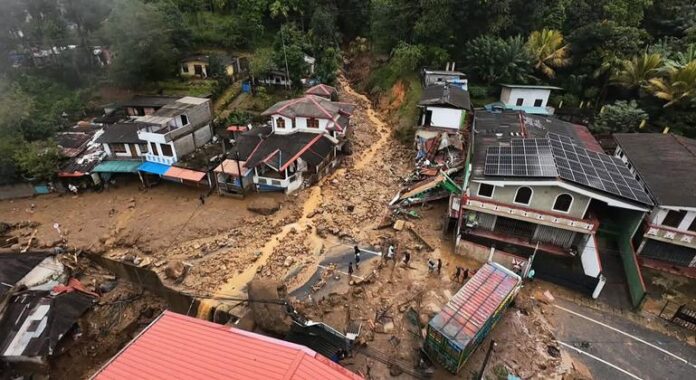
The cyclone made landfall on the island’s eastern coast on 28 November, triggering widespread flooding and deadly landslides across all 25 districts.

While some displaced families have begun returning home, recent heavy rains caused fresh flooding, landslides and road closures, particularly in the central districts of Kandy, Nuwara Eliya and Polonnaruwa.

According to UN assessments, nearly 1.8 million people – about 8 per cent of the island nation’s population – remain affected. Among them, more than 1.2 million people require humanitarian support, including nearly 527,000 children.

A joint rapid needs assessment led by national authorities and humanitarian partners confirmed extensive damage across all nine provinces, with severe disruption to essential services and heightened risks for women, children and persons with disabilities.

Hunger and food insecurity is rising, with reports that nearly one in three households is food insecure and many families resorting to “coping strategies” such as reducing meals.

Child protection needs and response in the aftermath of Cyclone Ditwah.

Children at heightened risk

The UN Children’s Fund (UNICEF) reports critical gaps in child protection, education, nutrition, as well as water, sanitation and hygiene (WASH) services. Many children remain displaced in overcrowded centres or with host families, where inadequate lighting, privacy and sanitation increase protection risks, including gender-based violence.

Education has been severely affected. More than 1,300 schools and six universities sustained damage, while around 500 schools continue to serve as temporary shelters.

Authorities have begun relocating students from damaged schools to nearby functioning ones, but humanitarians warn that temporary learning spaces will be needed in several areas to prevent prolonged disruptions to education.

Despite the challenges, UNICEF and partners have scaled up emergency assistance, reaching more than 76,000 people with WASH services, nearly 9,000 with nutrition support and over 5,600 with child protection services.

Displacement and destruction

The International Organization for Migration (IOM) estimates that over 272,000 people remain displaced, most staying with host communities, while others are sheltering in schools, religious buildings and community centres.

As of mid-December, authorities reported 643 deaths and 183 people still missing. More than 107,000 homes were damaged or destroyed, making shelter one of the most urgent needs.

IOM teams on the ground are delivering shelter and essential relief items to support communities affected by Cyclone Ditwah.

IOM teams on the ground are delivering shelter and essential relief items to support communities affected by Cyclone Ditwah.

Economic toll and food insecurity

The cyclone has dealt a heavy blow to livelihoods.

A rapid post-disaster assessment by the World Bank estimated damage at $4.1 billion – equivalent to 4 per cent of the country’s GDP.

Agriculture losses are estimated at over $800 million, with more than 58,000 hectares of paddy land flooded in eastern districts, threatening food production and incomes for smallholder farmers.

Funding gap threatens recovery

At the Government’s request, UN agencies and humanitarian partners launched a Humanitarian Priorities Plan this month, seeking $35.3 million to support the most vulnerable.

UNICEF alone requires $7.8 million to sustain its emergency response for children, but as of 23 December, less than half that amount had been received or pledged.

Humanitarian agencies warn that without sustained funding and continued support, recovery will be slow – particularly for children, whose education, safety and well-being remain at risk as Sri Lanka faces a long and difficult recovery.

Source link

EIT RawMaterials Backed Startup Fibrecoat Named to Time’s Best Inventions 2025

0
EIT RawMaterials Backed Startup Fibrecoat Named to Time’s Best Inventions 2025

From the university lab to TIME Magazine’s Best Inventions list, FibreCoat’s radar-absorbing material is reshaping Europe’s defence and aerospace sectors.

FibreCoat, supported by EIT RawMaterials in 2021, has been recognised by TIME Magazine as one of the Best Inventions of 2025. Its breakthrough Radar Absorbing Material (RAM) combines metal-coated fibres with plastics to create lightweight, customisable composites that can make aircraft and other objects undetectable by radar.

It’s a great honour to be part of that list. When I look at the other inventions featured, major innovations like Anthropic Claude Sonnet 4 and Nvidia DGX Spark, it feels incredible to see our name among them. As a small materials startup working in a niche field, this recognition gives us valuable visibility and might connect us with customers we hadn’t anticipated. It’s also a huge success for our team. Everyone feels proud and energised as we head toward the end of the year.

Robert Bruell, CEO and Co-founder of Fibrecoat

A story of persistence and reinvention

FibreCoat spun out from Aachen University, but its story began in 2014, when the idea emerged to make fibre-reinforced plastics more affordable by coating polymers onto glass fibres that could be directly processed into finished products. Together with co-founder Alexander Lüking, the team advanced the concept from a laboratory idea to pilot scale. By 2018, the technology was performing well, yet progress in the industry remained slow. After witnessing how companies often acquired university innovations only to shelve them rather than industrialise them, the founders decided to take matters into their own hands. In 2020, supported by Germany’s EXIST grant and joined by a third co-founder, Richard Haas, they officially launched FibreCoat.

The company’s journey soon faced major challenges. The COVID-19 pandemic halted polymer research as chemists were unable to work remotely, and key materials became increasingly difficult to source. This prompted FibreCoat to pivot toward metal coating. When the war in Ukraine drove energy prices sharply upward in Germany, the team swiftly moved production to Georgia. In 2023, FibreCoat secured its first major order, around 50 tonnes, and continued scaling. By the end of 2024, the company had raised an additional €20 million to expand its production capacity within the defence sector. Today, FibreCoat credits its growth to a strong, adaptable team and what the founders describe as a form of “smart naivety”: a firm belief in their mission, paired with the willingness to listen and adapt as the world evolves.

The support of EIT RawMaterials Booster Programme

In 2021, the company was in a foggy phase. The support from EIT RawMaterials helped bridge a dry period between investments and provided the opportunity to explore new markets and networks. The materials sector is a small, tight-knit community, and having access to it proved invaluable.

As a first-time founder, the team often received advice from incubators designed for software or consumer startups, which did not always apply to the materials industry. Unlike software, where scaling to thousands of users is key, the materials world focuses on working with a limited number of customers initially and producing materials by the tonne. EIT RawMaterials played a crucial role by connecting the company with investors who understand deep tech and materials, offering valuable feedback, and helping navigate the unique challenges of fundraising in this sector.

FibreCoat’s Radar-Absorbing Material

FibreCoat’s radar-absorbing materials are designed to shield fighter jets, drones, and satellites from radar detection. Unlike traditional solutions, which often rely on bulky foams or paints that degrade over time and require frequent reapplication, FibreCoat’s technology offers a more sustainable and cost-effective alternative. By combining coated fibres with plastics, the company produces lightweight, high-performance plates capable of absorbing a much broader range of radar frequencies than conventional materials. The design can be fully customised according to the specific application, radar type, or radiation requirements, providing tailored protection for advanced defence and space systems.

Driving Europe’s Raw Material Independence

FibreCoat is helping to reduce Europe’s dependency on imported raw materials by developing high-performance solutions tailored to the defence and space sectors. Its AluCoat product, for example, combines the strength of glass with the conductivity of aluminium to create advanced materials from resources available in Europe. By building its own production lines, FibreCoat enables local manufacturing for partners, ensuring control over production and protection from global supply chain disruptions.

Looking ahead, the company is expanding its product portfolio for defence, including projects supporting NATO and Ukraine, while also advancing in the space sector with radiation-absorbing materials set to fly on a satellite next year. Through strategic scaling and innovation, FibreCoat aims to bring more European-made materials to both defence and civilian markets.

Discover more about FibreCoat’s Journey

Source link

Civil war in Sudan: the health system “on the verge of collapse”

0
Civil war in Sudan: the health system “on the verge of collapse”

The UN agency has revealed shocking figures linked to attacks on health facilities in Sudan, highlighting that the country records the highest percentage of deaths in the world linked to attacks on the health sector, in blatant violation of international humanitarian law.

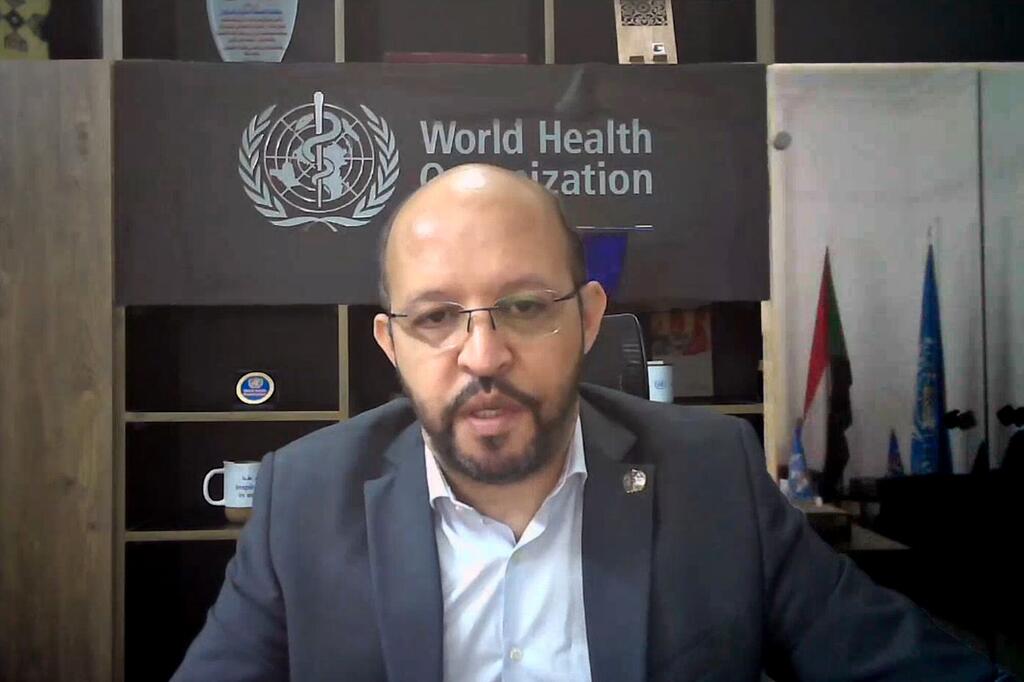
In a conversation with Abdelmonem Makki from UN NewsShible Sahbani, WHO Representative in Sudan, explains the seriousness of the situation and how the organization is supporting the country’s health authorities and citizens.

Shible Sahbani: The war started in April 2023, which means that in a few days it will have lasted 1,000 days. During this period, the country was plunged into a rapidly deteriorating humanitarian situation, a security crisis, a displacement crisis, a famine-type crisis, but also a health crisis.

The climate and conditions in Sudan are conducive to the spread of malaria and dengue fever by mosquitoes. Outbreaks of vaccine-preventable diseases, such as measles and polio, are also currently being reported in many states.

Health facilities are under attack, there is a shortage of medicines and supplies, and a lack of financial and human resources to operate health services. This means that the system is on the verge of collapse.

Sudan was once considered the breadbasket of the entire region. Today, the country faces one of the most serious food crises in the world: more than 21 million people face high levels of acute malnutrition and food insecurity. Children under five and pregnant or breastfeeding women are particularly at risk: it is estimated that nearly 800,000 children under five will have suffered from severe acute malnutrition in 2025.

UN News: How is WHO supporting Sudanese health authorities?

Civil war in Sudan: the health system “on the verge of collapse”

Shible Sahbani: The World Health Organization (WHO) is responsible for coordinating the health response, in collaboration with the Ministry of Health and other partners. We provide expertise and technical support, as well as capacity building to respond to epidemics, malnutrition, non-communicable diseases and mental health needs. Since the start of the war, WHO has provided approximately 3,000 tons of medical supplies, worth approximately $33.3 million. We also provided cash assistance to health workers who were not receiving salaries, as well as fuel to generate electricity in health facilities.

UN Info: According to UNICEFVaccination rates in Sudan have fallen to their lowest level in 40 years and thousands of children have not received vaccine doses. What dangers does this pose for the children of Sudan?

Shible Sahbani: This reduction in vaccination coverage is one of the main reasons why vaccine-preventable diseases, such as measles, diphtheria and polio, are spreading across the country. Malnutrition and other health problems also make children less immune, putting their lives and futures at serious risk.

A health facility looted in Darfur (file, 2024)

UN News: Can we avoid a further worsening of the health crisis?

Shible Sahbani: We must view Sudan as a country that must recover as quickly as possible. Sudan is a large country with a high population density and has immediate needs. But we also need to strengthen the health system. In this regard, we are working with the government to develop a new strategy for rapid recovery and development and to build resilience.

The eastern part of the country remained stable and was not directly affected by the war. But the massive influx of displaced people from other states has placed a huge burden on health facilities.

The western part – particularly Kordofan and Darfur – is where populations are bombarded and face serious security problems and serious difficulties in accessing health services. The central region, which includes Al-Jazeera, Khartoum and Sennar, was hit hard by the war but is now accessible.

Originally published at Almouwatin.com

Development cooperation agreement marks new phase in UN-Iraq partnership

0
Development cooperation agreement marks new phase in UN-Iraq partnership

Thursday, the UN and Iraq sign a new agreement, the Sustainable Development Cooperation Framework for 2025 to 2029, to help the country progress towards its national goals, which are also reflected in the Sustainable development agenda for 2030 adopted by Member States in 2015.

The agreement comes before the closure of the United Nations Assistance Mission for Iraq (MANUI), which has been assisting the government on key policy issues for over two decades.

“The signing of the Framework Agreement constitutes a natural and honorable transition in relations between the United Nations and the Republic of Iraq,” declared MANUI Chief Mohamed Al Hassan. “This reflects an orderly and responsible transition from supporting political stability to the stage of consolidating the sustainable development partnership between Iraq and the organization. »

Listen to our interview with Mr. Al Hassan on the closure of UNAMI.

About the frame

In order to reach the 2030 Agendawhich also includes the 17 Sustainable Development Goals (SDGs), countries must not only work collectively, but also do their part at the national level.

Cooperation frameworks for sustainable development There are agreements between the UN and individual governments that give countries the tools to achieve these goals, from planning to implementation and monitoring.

The plan for Iraq focuses on four main strategic priorities that align with the country’s national development plan:

  1. Improved access to education, health and social services.
  2. Create opportunities for employment and economic growth.
  3. Protect the environment and fight climate change.
  4. Strengthen the rule of law and good governance.

How will we achieve this?

Implementation, monitoring and reporting of the UN-Iraq Development Framework will be guided by a steering committee co-chaired by the Iraqi Ministry of Planning and the UN Resident Coordinator who leads the country team.

Government institutions and UN agencies will come together to assess progress each year and ensure the framework remains on track.

Implementation will be supported by a dedicated fund, alongside a strategy to mobilize resources for the necessary financing.

Closure of the UN mission

MANUI was created in 2003 following the fall of Saddam Hussein and supported Iraq throughout the political transition, post-conflict recovery and fight against ISIL, also known as Daesh. The special political mission ends its mandate on December 31.

With the country now much more stable than it was twenty years ago, Iraq is striving to acquire greater autonomy.

“Iraq believes that it is ready to move to another phase, consolidating its sovereignty and territorial integrity,” Mr. Al Hassan said. said previously UN News. “I believe wholeheartedly that Iraq is ready for this.”

Originally published at Almouwatin.com

Syria: Guterres deplores deadly explosion at mosque in Homs

0
Syria: Guterres deplores deadly explosion at mosque in Homs

At least eight people were killed and 18 others injured in the explosion at the Ali Bin Abi Talib mosque – a place of worship for the minority Alawite community – in the Wadi al-Dahab neighborhood.

Syria has been on a path to political transition since the toppling of the Assad regime last December, but continues to face sectarian and other violence.

A group called Saraya Ansar al-Sunna claimed responsibility, according to media reports.

Call for justice

“The Secretary-General reiterates that attacks on civilians and places of worship are unacceptable. He emphasizes that those responsible must be identified and brought to justice,” he added. statement said.

It also “notes that the Syrian authorities have condemned the attack and reaffirmed the State’s commitment to fighting terrorism and holding its perpetrators accountable.”

The UN chief expressed his condolences to the families of those killed and wished the injured a speedy and full recovery, the statement concluded.

Originally published at Almouwatin.com