The membranes of cells and the organelles within them are made up of molecules called lipids, most of which are created in the cell’s endoplasmic reticulum (ER). Scientists once thought that transport of lipids from the ER to other organelles occurred either in bulk via bubble-like structures called vesicles, or piecemeal via lipid-transport proteins that shuttle back and forth between the ER and other membranes.
But over the last decade, structural studies by the Reinisch lab together with cell biology studies by the De Camilli lab, have found that lipid transport also occurs through rod-like proteins, such as members of the VPS13 protein family. These rod-like proteins act as bridges enabling the bulk movement of lipid molecules directly from the ER to organelle membranes.
The two new studies represent the first complete molecular characterization of two VPS13 proteins and provide insight into their regulation.
The first study, published in Cell and led by Reinisch, focused on the protein VPS13A, mutations in which are associated with chorea-acanthocytosis (now renamed VPS13A disease), a neurodegenerative disorder that causes involuntary movement and abnormally-shaped blood cells.
The researchers used a technique called single-particle cryo-electron microscopy (cryo-EM) to visualize the atomic structure of VPS13A while it was bound to a membrane. The team of collaborator and co-senior author Stefano Vanni, PhD, a professor at University of Fribourg, Switzerland, also conducted simulations that showed how lipids were moving from VPS13A to a membrane.
Membranes are made up of two layers of lipids. VPS13A is anchored to one layer by a protein known as XK. As VPS13A delivers lipids to that layer, XK then helps evenly distribute those lipids between both membrane lipid layers, the researchers found.
“This is essential—you can’t deliver lipids just to one layer because then you would have two unequally-sized layers in the membrane,” Reinisch explains.
Interestingly, mutations in XK are also associated with a neurodegenerative condition very similar to chorea-acanthocytosis, called McLeod syndrome.
This is also the first time researchers have gotten insight into how lipids can be delivered en masse to a membrane, De Camilli, a coauthor of the study, adds.
VPS13 proteins can be active or inactive
In the second study, published in Molecular Cell, researchers also used cryo-EM to analyze the structure of VPS13C, whose dysfunction is associated with Parkinson’s disease. Last year, De Camilli’s lab discovered that when the membranes of lysosomes, the trash cans of cells, are damaged, VPS13 proteins rush to contacts between the ER and these organelles to repair them by delivering new lipids.
In the new study, the researchers found that when VPS13C is not attached to a lysosome, there is a crown-shaped structure blocking the tube that lipids travel through that prevents the protein from attaching to a membrane. This suggests that the protein is in an inactive state and needs to undergo a conformational change to be able to deliver lipids, the scientists say.
This crown-shaped structure also exists on VPS13A, as shown in the Cell study. Because the team had analyzed VPS13A when it was bound to a membrane, they were able to capture this protein in its active state. In this conformation, the crown-like structure had moved to the side, unblocking the tube.
The findings from both studies highlight that VPS13 proteins may exist in active and inactive states. More research will be needed to understand how these proteins transition between the two states. “But this is a really big step in terms of understanding how the VPS13 proteins are regulated,” Reinisch says.
Learning to treat neurodegenerative disease
Understanding how these proteins function and are regulated can help scientists elucidate the mechanisms underlying neurodegenerative diseases, and, therefore, develop therapies. Growing evidence suggests, for example, that leaky lysosome membranes may be a cause of Parkinson’s disease. Because lysosomes act as the cell’s garbage disposal, if their membranes break down, the toxic material they contain leaks into the cell. Scientists think this might contribute to the onset of neurodegenerative diseases.
Enhancing the function of VPS13C could help in cases of Parkinson’s disease where dysfunction of lysosomes is implicated.
“There are now data suggesting that in fact this protein can be made more efficient,” De Camilli says. “That is something for the future, but it’s a promising avenue.”
Certified viewers, indirect projection and careful timing can protect eyesight during total, partial and annular eclipses A solar eclipse can be observed s…
Certified viewers, indirect projection and careful timing can protect eyesight during total, partial and annular eclipses
A solar eclipse can be observed safely, but ordinary sunglasses, improvised filters and cloud cover do not protect the eyes. During every partial or annular phase, viewers need certified solar eclipse glasses or a safe indirect viewing method. Unprotected viewing is permissible only during the brief total phase of a total eclipse, when the Moon completely covers the Sun.
Why an eclipsed Sun can still damage eyesight
An eclipse makes the Sun appear less bright, encouraging people to look for longer than they normally would. However, the uncovered part of the Sun remains intense enough to injure the retina, the light-sensitive tissue at the back of the eye.
Even when 99% of the Sun is hidden, the remaining crescent can cause serious and potentially permanent damage. Clouds, mist, smoke or a low position near the horizon do not make direct viewing safe.
Retinal injury may occur without pain. The eye has no immediate warning mechanism that reliably tells a person when damage is taking place, so an observer may believe nothing harmful has happened until changes in vision appear later.
How to identify safe eclipse glasses
Solar viewers intended for direct observation should comply with the EN ISO 12312-2:2015 standard. This is different from ISO 12312-1, which applies to ordinary sunglasses and does not provide sufficient protection for looking at the Sun.
A clear EN ISO 12312-2:2015 marking on the viewer, packaging or instructions.
A visible and legible CE conformity mark on products sold in the European Union.
The manufacturer’s name, instructions for use and appropriate warnings.
Filters without scratches, holes, tears, creases, lighter patches or other damage.
Purchase through a reputable supplier, observatory, planetarium or recognised astronomy organisation.
A printed certification claim is not, by itself, proof that an unknown product has been properly assessed. If the origin or condition of a viewer is doubtful, the safer choice is not to use it and to observe through an indirect projection method instead.
Ordinary sunglasses are unsuitable, regardless of their darkness or price. Smoked glass, exposed photographic film, CDs, X-ray film, tinted plastic and homemade combinations of filters are also unsafe.
Using solar viewers correctly
Inspect eclipse glasses before every use. Put them on before turning towards the Sun. When finished, turn away from the Sun before removing them.
People who normally wear prescription glasses can place eclipse viewers over them. The solar viewer must remain securely positioned so that direct sunlight cannot enter around its edges.
Observation should be brief, with regular pauses. Children and people requiring assistance should be supervised closely. Adults should demonstrate the procedure before the eclipse begins, when excitement and changing light can make instructions harder to follow.
Damaged viewers should be discarded. Tape or glue should not be treated as a reliable repair for a torn or punctured solar filter.
Total, partial and annular eclipses require different precautions
During a partial eclipse, part of the Sun remains visible at all times. Certified protection is therefore required throughout the event. This applies even when only a very thin crescent remains.
An annular eclipse produces the familiar “ring of fire” because the Moon appears too small to cover the Sun completely. The bright ring is direct sunlight, so eclipse glasses must remain in place during annularity as well as during the surrounding partial phases.
A total eclipse is the only exception. Observers located inside the path of totality may remove their viewers after the Sun has become completely covered. Anyone outside that narrow path will experience only a partial eclipse and must remain protected.
Viewers must be replaced as soon as the first bright point of the Sun returns. This appearance, sometimes called the diamond-ring effect, marks the end of safe unfiltered observation. Anyone uncertain whether totality has begun or ended should keep the glasses on.
Cameras, binoculars and telescopes need separate filters
Eclipse glasses are designed for unmagnified viewing. They must not be used as a filter while looking through binoculars, a telescope or a camera viewfinder.
Optical instruments concentrate sunlight and heat. This can damage the instrument, destroy an incorrectly positioned filter and cause immediate eye injury. A solar filter designed specifically for the equipment must be securely fitted over the front aperture, before sunlight enters the optics.
Filters that attach behind the eyepiece are unsafe because concentrated light reaches them first. Anyone unfamiliar with solar observation should seek assistance from an observatory, astronomy association or experienced operator rather than improvising an optical arrangement.
Cameras and smartphones also require care. Pointing a lens at the Sun for an extended period may damage the sensor, particularly when magnifying lenses are used. A suitable front-mounted solar filter and the equipment manufacturer’s instructions should guide any attempt to photograph the partial phases.
Indirect projection offers a simple alternative
People without certified glasses can follow an eclipse without looking towards the Sun. A pinhole projector uses a small opening in an opaque card to cast an image of the Sun onto a second surface.
The observer should stand with their back to the Sun, allowing sunlight to pass through the hole onto paper, card or another light-coloured surface. The projected image will change as the Moon moves across the Sun. No one should look through the pinhole.
A kitchen colander can produce many small projected crescents. Gaps between tree leaves create the same effect naturally, covering the ground with changing images of the eclipsed Sun.
Projection is particularly suitable for schools, families and public events because several people can watch the same image without sharing glasses. It can also make the eclipse more accessible to people who are uncomfortable wearing viewers or cannot position them reliably.
Possible signs of solar retinopathy
Solar retinopathy is retinal injury caused by looking directly at the Sun. Symptoms may not appear immediately and can develop hours or days after exposure.
Possible warning signs include blurred vision, visual distortion or a dark or missing area near the centre of the visual field. Reading and recognising fine detail may become difficult. Symptoms can affect one or both eyes.
Anyone who notices a change in vision after viewing the Sun should seek prompt medical or eye-care assessment. The absence of pain does not mean that no injury has occurred.
Planning a safe viewing location
Official astronomical sources should be used to confirm whether an eclipse will be total, partial or annular at a particular location. The distinction determines whether there will be any period when glasses can be removed.
Observers should also consider the Sun’s height, the direction of the horizon, weather, heat, transport and crowd conditions. A famous location is not necessarily the best one. A nearby open space with an unobstructed view and manageable access may offer a safer experience.
Public observation sites can provide trained staff, reliable timing announcements and equipment adapted for group use. Organisers should make instructions available in accessible formats and in languages understood by residents and visitors.
12 August 2026: a total eclipse crossing Greenland, Iceland, Spain and northeastern Portugal, with a partial eclipse across much of Europe.
2 August 2027: a total eclipse visible from southern Spain, North Africa and parts of the Middle East.
26 January 2028: an annular eclipse crossing Portugal and Spain, with partial phases visible elsewhere.
The same safety principle applies to all three events: protect the eyes whenever any part of the Sun’s bright surface remains visible. Good preparation does not diminish the experience. It allows people to concentrate on the changing light, temperature, shadows and sky without exposing their eyesight to an avoidable risk.
Wednesday’s rare event will bring totality to Greenland, Iceland, Spain and a corner of Portugal as authorities urge safe viewing and careful travel A tota…
Wednesday’s rare event will bring totality to Greenland, Iceland, Spain and a corner of Portugal as authorities urge safe viewing and careful travel
A total solar eclipse will cross parts of Europe and the North Atlantic on Wednesday, 12 August, bringing complete darkness briefly to Greenland, western Iceland, much of northern Spain and a small area of northeastern Portugal. Most other European observers will see a partial eclipse. With the phenomenon occurring close to sunset in Spain, authorities are urging people to choose locations carefully, avoid unnecessary travel and use certified eye protection throughout every partial phase.
Where the eclipse will be total
The narrow path of totality will pass across the Arctic, northeastern Greenland, western Iceland and the Atlantic before reaching the Iberian Peninsula. According to the European Space Agency, Spain will contain the largest inhabited area of totality in Europe. The event will be the first total solar eclipse visible from mainland Spain since 1905.
A total eclipse occurs when the Moon passes directly between Earth and the Sun, completely covering the Sun’s bright surface for observers inside a relatively narrow corridor. The solar corona, the Sun’s outer atmosphere, becomes visible during this brief period. Outside the corridor, the Moon will cover only part of the Sun.
The maximum phase of Wednesday’s eclipse will occur near Iceland at approximately 19:46 Central European Summer Time. The longest period of totality anywhere along the path will last about two minutes and 18 seconds.
Across much of Ireland, the United Kingdom, France, Belgium, the Netherlands, Scandinavia and central Europe, the eclipse will be partial. The proportion of the Sun covered will depend on the observer’s exact location. In those areas, there will be no safe period for looking at the Sun without suitable protection.
Spain’s low evening Sun changes the view
Spain is situated near the end of the eclipse path, meaning totality will occur with the Sun already low in the western sky. Buildings, hills, trees and even slight changes in terrain could obstruct the event. A location with a clear western horizon may therefore matter as much as the distance travelled.
The Spanish National Geographic Institute’s official eclipse information provides local timings and visibility data. In A Coruña, the partial phase is expected to begin at 19:31, with the maximum at 20:28. Totality should last about 76 seconds, with the Sun approximately 12 degrees above the horizon.
In Burgos, the eclipse begins at 19:33 and reaches its maximum at 20:29. Totality is expected to last about 104 seconds, but the Sun will be only eight degrees above the horizon. In Palma, the maximum is expected at 20:32, when the Sun will be just two degrees high and close to setting.
These differences make last-minute journeys risky. Moving a short distance may improve the view, but heavy traffic can leave travellers stranded without a clear horizon or access to an official viewing area.
Certified viewers are essential
Ordinary sunglasses, regardless of how dark they appear, do not provide adequate protection for direct solar observation. Viewers should use eclipse glasses or handheld solar filters conforming to the EN ISO 12312-2:2015 standard. Products sold in the European Union should also carry the appropriate CE conformity marking and identify the manufacturer.
Certified protection must remain in place during every partial phase. Only observers located inside the path of totality may remove it, and only after the Sun has been completely covered. The viewers must be replaced immediately when the first bright sunlight reappears.
Cameras, telescopes and binoculars require correctly fitted solar filters placed in front of their optics. Looking through magnifying equipment while wearing eclipse glasses is not safe because concentrated sunlight can damage both the filter and the eye.
Children require close supervision, particularly during the transition into and out of totality. People without certified protection can still follow the event through indirect projection methods or official broadcasts, including ESA’s English-language transmission from the Javalambre Astrophysical Observatory in Teruel.
Traffic and accessibility shape the event
Spain has prepared an exceptional traffic and civil-protection operation. A government economic assessment projected approximately 446,700 additional visitors in affected provinces during the week of 10 to 16 August. Authorities have warned that congestion could be severe and prolonged before and after the eclipse.
Travellers have been advised to use public transport where possible, choose designated observation areas and avoid stopping on road shoulders. An eclipse seen from a nearby, prepared location is safer than one pursued through congested roads at the last moment.
The official Spanish viewing tool has been designed to meet WCAG 2.1 AA accessibility standards and includes assisted navigation and audio features. That work recognises that access to a major public science event should not depend entirely on sight, private transport or specialist knowledge.
A shared exercise in public science
The eclipse offers European scientists an unusual opportunity to explain solar physics to a mass audience. ESA missions including Solar Orbiter and Proba-3 study the Sun, its corona and its effects on Earth continuously, while Wednesday’s alignment will make part of that science visible without specialist equipment.
Wednesday’s event begins a remarkable sequence for the Iberian Peninsula. Another total solar eclipse will cross Spain on 2 August 2027, followed by an annular eclipse on 26 January 2028. Yet each event will have a different path, time and safety context. For millions of Europeans, this week’s eclipse will remain a rare chance to witness daylight briefly give way to the Moon’s shadow.
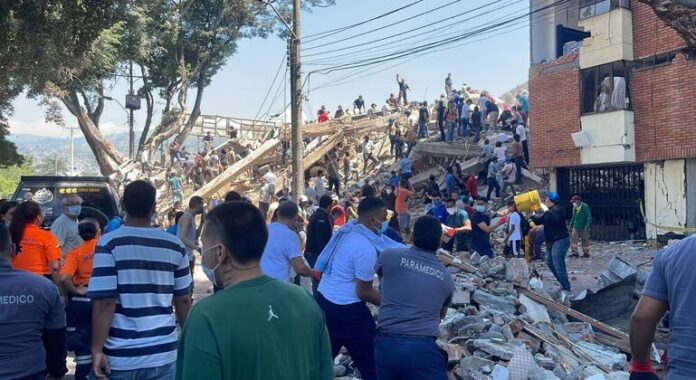
Hundreds have been injured and the country’s newly elected president said on Tuesday that more than 180 have died due to Monday’s 7.4 magnitude quake, which flattened homes and buildings in the west of the country and caused landslides.
“Nearly 5,000 homes have been damaged and 387 have been destroyed; 61 buildings have collapsed and more than 550 educational institutions, 24 health facilities and more than 350 community centres have [been] affected,” said Jens Laerke, spokesperson for the UN aid coordination office, OCHA.
“Those are official Government figures, we know they are being updated,” he added.
Redirecting resources
The United Nations is redirecting resources, moving pre-positioned emergency supplies and deploying additional staff to areas impacted, said UN Resident Coordinator in Colombia, María José Torres Macho, briefing UN correspondents on Tuesday.
The Government has asked the UN to complement the national response, with initial priorities including temporary shelter, health, food security and protection.
She said the UN was moving quickly, including by providing emergency kits already stored in country and World Food Programme logistics capacity, that can be used by the wider humanitarian community.
Particular attention is being paid to families who have lost their homes, as well as women and children in vulnerable communities.
Drawing on lessons from the recent earthquake response in Venezuela, the UN is looking at how to ensure pregnant women and young children are reached from the outset, including through possible mobile units for remote areas.
The Resident Coordinator said the speed of the response also reflects the UN’s existing presence in affected regions and close coordination with Colombian institutions. “We were called upon immediately to be part of the response,” she said.
Watch her briefing via videolink in full below:
Health needs
The UN World Health Organization (WHO) cited official Colombian data from late Monday indicating that damage has been reported in 24 health facilities across six departments.
Valle del Cauca department experienced the “most significant health infrastructure impacts” and particularly the city of Cali, said WHO spokesperson Tarik Jasarevic. Key facilities affected include Hospital Universitario del Valle, where part of a tower housing cardiology and paediatric services collapsed, and Clinica Nuestra, which was fully evacuated.
“Our office in the country in Colombia activated its emergency response and its field teams and teams have been deployed to affected areas, including Cali and Chocó, to support health sector assessment and coordination,” Mr. Jasarevic said, briefing journalist in Geneva.
The earthquake struck at around 7:34am local time, with its epicentre near San José del Palmar, in Chocó department, close to Valle del Cauca.
The tremor was felt across large parts of Colombia and in neighbouring countries, including Panama, Ecuador and Venezuela.
According to the Colombian Geological Service, the quake’s epicentre was at a depth of about 103 kilometres (64 miles), and was the largest seismic event recorded in the country this century.
Pereira, a city of around 500,000, lies about 35 miles from the epicentre. As emergency teams search for survivors, the city’s mayor reported 18 dead there late Monday.
In Cali, the country’s third largest city, authorities reported multiple landslides with people trapped and requested reinforcements for rescue operations.
Damage has also affected transport infrastructure including at six airports closed for inspections: Quibdó, Pereira, Manizales, Armenia, Cartago and Buenaventura. Popayán airport in Cauca is operating with restrictions owing to an unrelated alert for the possible eruption of the Puracé volcano.
The Government has activated emergency coordination centres in Bogotá, Quibdó, Armenia and Cali, while authorities continue rescue operations and assessments.
Evacuation orders were issued as far away as the capital, Bogotá, which is 250 miles east of San José del Palmar.
The UN Children’s Fund (UNICEF) is monitoring the situation and coordinating with partners and national authorities to assess needs and support affected children and adolescents, while the UN Development Programme (UNDP) is working with government institutions to help analyse damage and needs.
Miroslav Jenča, the head of the UN Verification Mission in Colombia, expressed solidarity with victims and affected communities, particularly in Chocó, Eje Cafetero and Valle del Cauca, and said the Mission was available to support the authorities’ response.
New bloc-wide requirements bring PFAS limits, conformity checks and clearer responsibility across packaging supply chains The European Union’s new packagin…
AITETAI-generated from cited sourcesTransparency information
AI-generated content: This report was produced from the cited sources using artificial intelligence and underwent automated source and consistency checks. It was not substantively reviewed by a human editor.
New bloc-wide requirements bring PFAS limits, conformity checks and clearer responsibility across packaging supply chains
The European Union’s new packaging regulation begins applying across the bloc on 12 August, introducing immediate chemical-safety and compliance duties while starting a longer transition towards recyclable, reusable and less wasteful packaging. Businesses face new documentation requirements, and food-contact packaging containing PFAS above specified limits can no longer be placed on the EU market.
A common rule for the EU market
The Packaging and Packaging Waste Regulation, known as the PPWR, replaces a system built around a 1994 directive with a directly applicable EU regulation. It covers the full packaging life cycle, from design and manufacturing to distribution, collection and waste treatment.
Its scope reaches far beyond consumer-facing bottles and boxes. Transport packaging, e-commerce materials, food containers, industrial packaging and components such as closures and labels can all fall within the framework.
From 12 August, manufacturers must assess whether packaging complies with the requirements applicable to it, prepare technical documentation and issue an EU declaration of conformity. They must also provide identifying and contact information on the packaging or through an accepted data carrier.
Importers and distributors acquire their own verification duties. The exact responsibility depends on who designs the packaging, whose name or trademark it carries, where the supplier is established and whether a business modifies an existing product.
This allocation of responsibility matters because packaging frequently moves through several specialist companies before reaching a shop shelf. A food producer, contract packer, packaging manufacturer, importer and online marketplace may each hold different pieces of the information needed to demonstrate compliance.
PFAS limits begin immediately
The most consequential immediate consumer-health measure concerns per- and polyfluoroalkyl substances, or PFAS, in packaging intended to contact food. Such packaging cannot be placed on the EU market from 12 August when it contains PFAS at or above the regulation’s specified concentration limits.
PFAS have been used in some coatings to resist grease, moisture and heat. The large chemical family contains substances with differing properties and risk profiles, but their persistence and potential release throughout production, use and disposal have prompted growing regulatory concern. Earlier reporting by The European Times examined the wider health and environmental concerns associated with PFAS polymers.
The restriction is not a requirement to remove every package already sitting in a warehouse or shop. Packaging placed on the market before 12 August may remain available. However, the European Commission says there is no general stock-exhaustion period for food-contact packaging manufactured earlier but first placed on the market after the deadline.
That distinction will be important for enforcement. Authorities and businesses must determine when an item was first made available on the EU market, rather than relying only on its production date.
Testing remains an enforcement challenge
The Commission’s implementation guidance on PFAS packaging acknowledges that the EU does not yet have a single harmonised testing method for these materials. It recommends a staged analytical approach beginning with total-fluorine screening, followed where necessary by tests distinguishing organic from inorganic fluorine and more targeted analysis.
This creates a practical risk of uneven enforcement. Laboratories may differ in equipment, detection limits and interpretation, while smaller producers may struggle to obtain reliable information from coating or material suppliers.
National surveillance authorities will need to coordinate closely so that comparable packaging is treated consistently across the single market. Clear procedures for repeat testing, contested results and corrective action will be essential, particularly where a failed sample could interrupt an entire product line.
Authorities should also avoid placing the evidential burden on consumers. The regulation is designed around supply-chain responsibility, meaning businesses must understand the materials they use and maintain documentation before products reach the public.
Most visible changes will come later
The start of general application does not mean every packaging reform arrives at once. The regulation uses a phased timetable, and many of its most visible requirements will apply closer to 2030 or through later implementing measures.
These include detailed recyclability performance grades, minimum recycled-content requirements for plastic packaging, reuse targets for selected sectors and restrictions on certain single-use formats. The EU also aims to reduce packaging waste per person progressively through 2040.
Consumers should therefore not expect shelves to look entirely different on Wednesday. Some changes will occur behind the scenes through technical files, supplier declarations and material substitutions. Common labels and broader design changes will emerge gradually as standards and implementing rules are completed.
The distinction between immediate and future duties is especially important for small businesses. The PPWR contains targeted exemptions and adjusted responsibilities for some micro-enterprises, but it does not create a blanket exemption from packaging law. Obligations depend on the business’s role, location, product and packaging type.
Cross-border sellers may face particular complexity because producer-responsibility registration and enforcement still involve national systems. Without accessible guidance and proportionate fees, smaller businesses could respond by limiting deliveries to some EU countries, weakening the single-market benefits that a common regulation is meant to provide.
Success depends on enforcement and design
The PPWR attempts to change the economics of packaging rather than treating recycling as the consumer’s responsibility alone. Manufacturers will increasingly have to consider unnecessary weight and volume, hazardous substances, material separation and credible end-of-life routes during product design.
That shift is necessary because a technically recyclable package delivers little environmental value when collection systems cannot capture it or recycling plants cannot process it economically. Reuse targets will face a similar credibility question if return networks are inconvenient, inaccessible or more resource-intensive than the disposable products they replace.
EU institutions and national governments must now make compliance workable without diluting the regulation’s purpose. That requires consistent market surveillance, affordable laboratory capacity, clear multilingual advice and practical support for smaller companies seeking data from their suppliers.
The new regime will not eliminate Europe’s packaging waste overnight. Its immediate significance is more foundational: responsibility begins moving upstream, chemical safety becomes part of packaging conformity, and companies must provide evidence rather than relying on broad environmental claims. Whether that produces safer products and less waste will depend on the quality of enforcement long after the first deadline passes.
Deaths at a Zaporizhzhia steel plant and damage at a Kyiv children’s hospital sharpen concern over civilian protection and Moscow’s reported North Korean s…
AITETAI-generated report and illustrationTransparency information
AI-generated content: This report was produced from the cited sources using artificial intelligence and underwent automated source and consistency checks. It was not substantively reviewed by a human editor.
AI-generated images: One or more images accompanying this report were generated or substantially modified using artificial intelligence. They are illustrative and should not be understood as documentary photographs unless explicitly stated otherwise.
Deaths at a Zaporizhzhia steel plant and damage at a Kyiv children’s hospital sharpen concern over civilian protection and Moscow’s reported North Korean supply line
Russian missile, drone and artillery attacks killed at least 10 people across Ukraine, according to Ukrainian authorities, as Kyiv accused Moscow of using newly supplied North Korean ballistic missiles. The overnight barrage struck workers in Zaporizhzhia, reached the grounds of a children’s hospital in Kyiv and renewed pressure on European governments to strengthen Ukraine’s air defences.
Workers killed in Zaporizhzhia
Seven workers were killed and 21 people were injured when missiles struck a steel plant in the southeastern city of Zaporizhzhia, according to the company and Ukrainian officials. Three other people, including a 15-year-old boy, were reported killed by Russian drones and artillery in the Dnipropetrovsk region.
The same-day casualty reports remain subject to revision as emergency services examine damaged sites. Nevertheless, the locations affected underline the exposure of people whose daily lives continue close to functioning factories, transport networks and other infrastructure that may be targeted or caught in wider attacks.
In Kyiv, an attack damaged the grounds of a children’s hospital. Medical staff and patients had moved into shelters, and no casualties were reported at the facility. The incident nevertheless carries particular weight in a country where hospitals have repeatedly operated through air alerts, interrupted power supplies and damage to surrounding infrastructure.
Ukraine’s air force said Russia used Zircon missiles, Iskander ballistic missiles and 120 long-range drones during the wider assault. Such military accounts are difficult to verify independently while an attack is unfolding, but the combination described by Kyiv illustrates the challenge facing air-defence crews: different weapons approach at different speeds and trajectories, forcing Ukraine to distribute a limited stock of interceptors across a large country.
North Korean weapons claim
President Volodymyr Zelenskyy said a North Korean ballistic missile was used in the Zaporizhzhia attack. He also said Russia had received a fresh supply of missiles from Pyongyang and was preparing to deploy additional North Korean troops.
The precise origin of the weapon used in Zaporizhzhia has not yet been demonstrated through publicly available technical evidence. Independent examination of debris will therefore be important. The allegation should be treated as a serious Ukrainian intelligence claim rather than a completed international investigation.
Its strategic significance extends beyond Ukraine. Russia and North Korea signed a mutual defence agreement in 2024, while the United States, South Korea and Ukraine have previously reported transfers of North Korean troops, artillery ammunition and missiles to Russia. Continued cooperation could provide Moscow with additional weapons while giving Pyongyang operational information about the performance of its systems in wartime.
That feedback could affect security calculations in both Europe and East Asia. It also complicates sanctions enforcement, which must track procurement networks, shipping routes and financial intermediaries without obstructing legitimate humanitarian trade or relying on untested allegations.
Civilian protection under growing pressure
The attack fits a broader pattern documented by the UN Human Rights Monitoring Mission in Ukraine, which has warned that the daily use of missiles, drones and guided bombs is increasing civilian harm across Ukrainian cities.
International humanitarian law requires parties to distinguish between military objectives and civilians, assess whether expected civilian harm would be excessive, and take feasible precautions. Medical facilities receive special protection. A full legal assessment of any individual strike requires evidence about the target, weapon, warning procedures and circumstances known to those who planned the attack.
For civilians, however, the immediate consequences are already clear. Industrial workers, patients, children and emergency personnel must repeatedly interrupt ordinary activity and move into shelters, often with only minutes of warning. Even when a hospital escapes casualties, damage to access routes, utilities or nearby buildings can disrupt care.
A European air-defence question
European governments have already identified stronger Ukrainian air defence as a priority. The July Kyiv Declaration supporting Ukraine called for systems and interceptors capable of countering ballistic missiles, while condemning military assistance from third countries to Russia.
The latest barrage sharpens the practical question behind those commitments: whether Europe can provide interceptors quickly enough while replenishing its own stocks and expanding production. Ballistic missile defence is particularly demanding because only a limited number of systems can engage such threats reliably.
Military assistance is only part of civilian protection. European support can also strengthen hospital backup power, shelter capacity, emergency communications, trauma care and independent documentation of attacks. Industrial workplaces require credible alert procedures and shelters that remain accessible during every shift.
Diplomatic pressure on Pyongyang and tighter enforcement against weapons supply networks will also matter. But claims about individual missiles should be supported by transparent technical findings whenever security considerations permit. Accountability is strongest when evidence can withstand independent scrutiny.
The overnight attacks show why civilian protection cannot be separated from Europe’s wider security debate. Each successful interception may save lives, but air defence alone cannot end the threat. That requires sustained protection for Ukraine, pressure on the networks sustaining Russia’s war and diplomacy directed towards a just peace rather than temporary pauses between increasingly sophisticated barrages.
A “commission” of international experts exposes how untested stories shaped an international miscarriage of justice. A new collection of studies on the lon…
A “commission” of international experts exposes how untested stories shaped an international miscarriage of justice.
A new collection of studies on the long and troubled saga of Konstantin Rudnev and Ashram Shambhala arrives at a moment when public debate about minority spiritualities is shaped less by knowledge than by the inertia of repeated claims. Anticipated by earlier treatments in “Bitter Winter,” the collection will appear in late August in an annotated edition of “The Journal of CESNUR.” It opens with an introduction by James T. Richardson, one of the most respected scholars of law and religion, whose long career has been devoted to examining how legal systems respond to unconventional forms of belief. His framing of the Rudnev case underscores the gravity of what the collection reveals.
The ten authors who contributed to the volume form a constellation of expertise rarely assembled around a single case. Massimo Introvigne reconstructs Rudnev’s formative years and intellectual trajectory. Patricia Duval analyzes the Russian judicial process with the precision of a human-rights attorney. Alessandro Amicarelli examines the Montenegrin asylum context through the lens of a lawyer specialized in freedom of belief. María Vardé offers a legal-anthropological reading of the Argentine proceedings. Márk Nemes and Karolina Maria Kotkowska explore the doctrinal architecture of Rudnev’s teachings. Susan J. Palmer documents the experiences of advanced students of Rudnev. Willy Fautré investigates the role of the Russian Orthodox Church in shaping state policy. Rosita Šorytė analyzes the construction of Rudnev’s public image in Russian media. I contributed an article focused on the circulation of information about Rudnev and how journalism, when it abandons its basic standards, can become an instrument of distortion rather than clarification. Together, these ten authors formed a commission of sorts, a collective effort to examine a case that has suffered from years of misinformation.
The materials assembled in the volume show that the Rudnev case did not develop inside the quiet corridors of institutions. It unfolded in the noisy arena of public communication, where stories travel faster than facts and where repetition often substitutes for verification. The public encountered Rudnev through a mosaic of reports that were presented as established truth even when they rested on conjecture. These reports circulated across borders with remarkable ease, shaping perceptions in Russia, Montenegro, and Argentina long before any official inquiry had concluded. The result was a climate in which the presumption of guilt became the default lens through which every new development was interpreted.
My own contribution traces how this climate was manufactured. It follows the trajectory of claims that began as rumors, were repeated as news, and eventually became reference points for institutional actors. In many instances, the material circulated was not merely inaccurate but demonstrably false. Yet it was printed, shared, and cited as if it had passed through the ordinary filters of journalistic scrutiny. The Rudnev case thus became an example of how journalism can fail when it abandons its responsibility to interrogate sources, contextualize information, and resist the temptation of sensationalism.
The consequences of this failure were not confined to the media sphere. In Russia, the portrayal of Rudnev in the press created an atmosphere in which certain prosecutorial strategies appeared believable, even when they relied on concepts long rejected by scholars such as “brainwashing.” In Montenegro, the narrative imported from abroad shaped the environment in which Rudnev sought protection, creating expectations and fears of “cult” activities that had little to do with local realities. In Argentina, an incident in a hospital was gradually reframed as evidence of a sprawling criminal enterprise, supported by hypotheses that were never subjected to serious verification. Each country produced its own version of the story, but all versions shared the same origin: a media ecosystem that had ceased to question the information it reproduced.
The essays gathered in the volume show that the Rudnev case is not simply a story of institutional malfunction. It is also a story of how information, once distorted, becomes nearly impossible to correct. When a particular image of a person or movement gains traction, it tends to replicate itself. Journalists cite earlier articles, commentators rely on previous reports, and authorities assume that the media have already done the necessary work. The result is a cycle in which errors reinforce one another until they become indistinguishable from fact. The Rudnev case illustrates how dangerous this cycle can be when it intersects with legal proceedings that determine a person’s freedom and safety.
The collection is not a brief for Rudnev’s legal defense. Its purpose is to restore the conditions under which a fair assessment can be made. It examines documents, testimonies, and procedural histories with the patience required to separate what is known from what has merely been asserted. It shows how the case has been shaped by forces that extend beyond the individuals directly involved. It also demonstrates that journalism, when it fails to uphold its own standards, can contribute to profoundly unjust outcomes.
For journalists, the Rudnev case offers a lesson that should not be ignored. It shows the importance of skepticism, the need to verify sources, and the obligation to resist narratives that appear ready-made for publication. It also illustrates how easily journalism can become a conduit for misinformation when institutional pressures, ideological agendas, or simple carelessness intervene. The consequences of such failures are not limited to the pages of newspapers. They affect real people, real communities, and real legal processes.
The articles approach the Rudnev case with an awareness of the broader dynamics that shaped it. The essays show that the persecution of minority spiritualities often begins not with official hostility but with stories that circulate unchecked. Once these stories take hold, they can influence institutions, shape public opinion, and distort legal proceedings. The Rudnev saga demonstrates how essential it is for journalism to remain committed to accuracy, context, and fairness, especially when reporting on groups that are already vulnerable to misunderstanding.
New consent rules shift responsibility from households to companies, while raising questions about enforcement and offshore employment France has prohibite…
AITETAI-generated from cited sourcesTransparency information
AI-generated content: This report was produced from the cited sources using artificial intelligence and underwent automated source and consistency checks. It was not substantively reviewed by a human editor.
New consent rules shift responsibility from households to companies, while raising questions about enforcement and offshore employment
France has prohibited unsolicited commercial telephone calls from Tuesday, replacing its opt-out register with a system that requires businesses to obtain a consumer’s clear prior consent. The reform promises stronger protection from intrusive sales practices, but its success will depend on enforcement, transparent consent records and support for workers affected by the restructuring of France-linked call centres abroad.
Consent replaces the Bloctel register
The change reverses the logic of French telemarketing regulation. Until now, people generally had to place their numbers on Bloctel if they did not want to receive sales calls. From 11 August, commercial canvassing by telephone is prohibited by default across almost every sector.
According to the French government’s consumer guidance, a business may call only when the consumer has agreed in advance or when the offer is connected to an existing contract. A company could, for example, contact a current customer about a genuinely related service, but an earlier purchase does not provide unlimited permission for unrelated marketing.
Consent must be free, informed and demonstrated through a clear positive action. Continuing to browse a website or failing to untick a preselected box is not sufficient. The request must identify the business, describe the goods or services involved and state how long permission will remain valid.
That period cannot exceed one year and cannot be renewed automatically. Consumers must also be able to withdraw consent at any time through a process no more complicated than the one used to give it. Withdrawal may be made orally.
Businesses carry the burden of proof
The reform transfers an important practical burden from households to traders. Companies and contractors acting on their behalf must retain digital evidence showing when consent was obtained, what information was presented and what the consumer agreed to receive. These records must normally be preserved for three years and supplied to the consumer on request.
Permitted calls remain subject to time restrictions. In ordinary circumstances, commercial calls may be made only from Monday to Friday, between 10:00 and 13:00 and between 14:00 and 20:00. Calls on weekends and public holidays remain prohibited unless the consumer has expressly requested contact at a precisely identified time.
The consequences reach beyond administrative penalties. A contract concluded after a call that did not comply with the new requirements may be invalid. Consumers who continue to receive abusive commercial calls can report them through SignalConso, the platform operated by France’s competition and consumer-protection authority.
There are limited exceptions, including certain offers involving newspaper, magazine and periodical subscriptions. Businesses may also respond to a consumer who has requested information, but narrowly regulated sectors such as energy renovation and home adaptations face additional restrictions intended to curb fraud involving public subsidies and vulnerable households.
Enforcement will determine the outcome
The new regime gives consumers a clearer legal position, but it will not by itself end fraudulent or disguised calls. Criminal operators already willing to conceal their identity, spoof telephone numbers or operate outside French jurisdiction may disregard the consent requirement just as some ignored Bloctel.
Authorities will therefore need to scrutinise consent records, outsourcing arrangements and lead-generation companies rather than relying entirely on individual complaints. Businesses should not be allowed to obscure responsibility through chains of subcontractors or vague forms that bundle telephone marketing with unrelated data-processing permissions.
Consumers must also be able to distinguish unlawful commercial canvassing from outright fraud. A sales ban does not make an unexpected caller trustworthy merely because the person claims to have permission. People should remain cautious about disclosing passwords, bank details or security codes. The European Times’ guidance on responding to consumer fraud explains the importance of stopping suspicious payments, preserving evidence and reporting incidents quickly.
A labour impact beyond France
The reform also has consequences outside French territory. Morocco developed a large French-speaking outsourcing industry that handles sales, customer service and technical support for European companies.
Moroccan Employment Minister Younes Sekkouri has estimated that 40,000 to 50,000 call-centre jobs could be exposed. Industry and trade-union representatives have cautioned that the available data are incomplete, however, and the eventual effect will depend on how quickly companies move from outbound sales towards customer support and other services.
Reporting from Morocco’s call-centre sector indicates that smaller companies heavily dependent on French telemarketing may face the greatest pressure. Workers in insecure employment, including migrants with uncertain status, could be especially vulnerable if businesses close without adequate wages or severance.
Protecting French consumers and protecting Moroccan workers are not competing obligations. Companies that profited from low-cost outsourcing had ample warning of the regulatory change and should be expected to manage restructuring responsibly. Moroccan authorities, employers and unions will need credible retraining plans, enforceable labour protections and closer oversight of companies receiving public incentives.
A broader European shift
France’s reform reflects a wider principle in European privacy and consumer law: silence should not be treated as permission. Consent should be specific, understandable and genuinely revocable, particularly when personal data are used to enter someone’s private space.
The immediate question is whether French households notice fewer unwanted calls. The deeper measure of success will be whether regulators can trace responsibility across borders, prevent deceptive consent practices and ensure that the economic costs of compliance are not simply transferred to the least protected workers.
Technology has changed how people communicate, travel, work, and document their daily lives. It is also changing the evidence available when an accident results in a personal injury claim. Smartphones, dashboard cameras, surveillance systems, connected vehicles, wearable devices, and digital medical records can all create information that helps establish what happened before, during, and after an incident.
For personal injury claims, this growing volume of digital evidence can provide details that previously depended heavily on witness recollections, physical records, or competing accounts of an accident. At the same time, using digital information effectively requires careful attention to preservation, context, authenticity, and privacy.
Smartphones Are Creating New Sources of Evidence
Smartphones can contain several types of information that may become relevant after an accident. Photographs and videos can document vehicle damage, road conditions, visible injuries, weather, traffic signals, and the position of vehicles immediately following a collision.
Depending on the circumstances, timestamps, location information, communications, and other device data may also help establish a timeline. This can become particularly important when the parties involved disagree about when or how an incident occurred.
In a busy metropolitan area such as Fort Lauderdale, where accidents may involve congested roads, pedestrians, rideshare vehicles, and multiple drivers, these digital records can help clarify complicated events. As Jarrett Blakeley, CEO of Blakeley Car Accident & Personal Injury Lawyers, explains, “As a Fort Lauderdale personal injury lawyer, I increasingly see digital evidence becoming an important part of understanding what actually happened in an accident. A photograph taken at the scene, video from a nearby camera, smartphone data, or information recorded by a vehicle can provide details that may not be apparent from a written accident report alone. When these records are identified and preserved early, they can help establish a much clearer picture of the circumstances surrounding an injury.”
The growing availability of this information means that evidence collection after an accident is no longer limited to traditional documents and witness statements.
Dashcams and Surveillance Cameras Can Reconstruct Events
Video evidence has become another valuable source of information in personal injury investigations. Dashboard cameras can capture collisions directly, while cameras installed on homes, businesses, parking facilities, and public infrastructure may record incidents from different angles.
Such footage can potentially show vehicle movements, traffic conditions, pedestrian behavior, visibility, or the sequence of events immediately before an accident. When different parties provide conflicting descriptions, video can offer another source of information against which those accounts can be evaluated.
The challenge is that footage may not remain available indefinitely. Some systems automatically overwrite recordings after a set period, making early identification and preservation particularly important. Original files can also contain metadata and other information that may be lost when videos are copied, compressed, or uploaded elsewhere.
Connected Vehicles Are Producing More Detailed Accident Data
Modern vehicles increasingly function as connected computer systems. Sensors and onboard technologies continuously monitor aspects of vehicle operation, creating another potential source of evidence following serious collisions.
One important example is the event data recorder, or EDR. According to the National Highway Traffic Safety Administration (NHTSA), an EDR records technical vehicle and occupant information for a brief period before, during, and after a crash. Depending on the system, this can include pre-crash vehicle dynamics, driver inputs, restraint use and deployment information, and crash-related data.
NHTSA also notes that EDR information is routinely incorporated into its crash databases and can provide objective real-world crash information. However, the agency’s research emphasizes that EDR information has limitations and should be evaluated alongside other sources of evidence rather than in isolation.
This makes vehicle-generated information particularly useful when combined with photographs, roadway evidence, witness accounts, video footage, and professional accident reconstruction.
As vehicles incorporate more cameras, radar, automated safety systems, and connectivity features, the amount of technically generated evidence potentially available after collisions is likely to continue expanding.
Wearable Technology Can Document the Recovery Process
Digital evidence can also provide information about what happens after an accident. Smartwatches and fitness trackers routinely collect data involving movement, activity levels, exercise, sleep patterns, and other measurements.
When appropriate and reliable, changes in this information may provide additional context about how an injury has affected someone’s normal activities. For example, a substantial reduction in activity following an accident could complement medical records describing mobility restrictions or a lengthy rehabilitation period.
However, wearable information requires careful interpretation. Activity data alone cannot diagnose an injury, establish its cause, or explain why a person’s behavior changed. Device accuracy, missing data, usage patterns, and other factors can affect what the information actually demonstrates.
Its greatest value may therefore come from supporting a broader collection of medical and factual evidence rather than attempting to replace it.
Digital Medical Records Are Creating More Detailed Timelines
Healthcare itself has become highly digitized. Electronic health records can provide detailed timelines of emergency treatment, diagnostic testing, specialist consultations, rehabilitation, prescriptions, physician notes, and follow-up care.
For personal injury claims, these records can help document when treatment began, how medical care progressed, and whether an injury required continuing attention. They may be particularly valuable in complex cases involving multiple providers or lengthy rehabilitation.
Electronic records still require context. A detailed digital history does not automatically explain whether an accident caused a particular condition. Still, it can provide healthcare professionals, attorneys, insurers, and other parties with a more organized chronology to evaluate alongside medical opinions and other evidence.
Digital Evidence Introduces Questions About Authenticity
The existence of a photograph, screenshot, video, or electronic record does not automatically establish that it is reliable. As digital evidence becomes more important, questions about authenticity and integrity become equally important.
Under Rule 901 of the Federal Rules of Evidence, a party seeking to authenticate an item generally must provide sufficient evidence to support a finding that the item is what the party claims it to be. That principle can become especially relevant with electronic material, where files can be edited, metadata altered, screenshots removed from their original context, and content generated or manipulated digitally.
Original files, metadata, device information, timestamps, witness testimony, and documentation showing how information was obtained may therefore become important when establishing reliability.
These concerns are likely to become even more significant as image manipulation, synthetic media, and other digital technologies make convincing alterations increasingly accessible.
Preserving Digital Evidence Is Becoming More Important
Unlike many forms of physical evidence, digital information can disappear quickly. Surveillance recordings may be overwritten, online content can be deleted, devices can be replaced, and software platforms may retain certain information for only limited periods.
Preserving relevant material early can therefore be critical. Original photographs and videos should generally remain intact, while information about when and where records originated may help establish their context later.
Preservation also matters for vehicle-generated information. Depending on the technology involved, retrieving certain data may require specialized tools or technical knowledge.
The increasing importance of preservation reflects a broader shift in accident investigations. Identifying potential digital evidence is becoming an important complement to photographing the scene, obtaining medical documentation, reviewing physical evidence, and interviewing witnesses.
Technology Is Creating a More Complete Evidence Picture
The biggest change may not come from any single technology. Instead, it comes from the ability to combine several independent sources of information.
Consider a collision in which surveillance footage shows the vehicles approaching an intersection, EDR information provides details about braking and vehicle dynamics, and smartphone photographs document the immediate aftermath. Electronic medical records establish the progression of the resulting injuries.
Each source answers a different question. Together, they can potentially provide a much more detailed reconstruction of the incident and its consequences than any one source could provide independently.
Technology does not eliminate uncertainty, and digital records still require careful interpretation. But as more devices create usable information, personal injury investigations are increasingly moving toward evidence environments in which physical and digital records complement one another.
Frequently Asked Questions (FAQ’s)
1. What is considered digital evidence in a personal injury claim?
Digital evidence can include smartphone photographs and videos, dashcam recordings, surveillance footage, text messages, electronic medical records, vehicle event data, GPS information, wearable-device records, and other electronically stored information relevant to an accident or injury.
2. Can vehicle data show what happened during a crash?
Certain vehicles contain event data recorders capable of recording information for a brief period surrounding a collision. NHTSA explains that EDRs may capture information involving vehicle dynamics, driver inputs, restraint systems, and crash characteristics. The exact information available depends on the vehicle and system involved.
3. Can smartwatch or fitness tracker data be used as evidence?
Wearable-device information may sometimes provide supporting context about activity levels, mobility, sleep, or changes in routine following an injury. However, this information generally needs to be interpreted alongside medical records and other evidence because wearable data by itself cannot establish the cause or severity of an injury.
4. Why is preserving digital evidence quickly important?
Some digital information is temporary. Surveillance systems may overwrite recordings, online content can disappear, and devices or accounts may change. Early preservation can help retain original files and contextual information such as timestamps and metadata.
5. Are screenshots enough to prove digital evidence is authentic?
Not necessarily. Authentication requirements depend on the circumstances and applicable law. Under Federal Rule of Evidence 901, evidence generally needs sufficient support for a finding that it is what its proponent claims. Original records, metadata, testimony, and information about how a file was obtained may help establish authenticity.
6. Will digital evidence replace traditional accident evidence?
Probably not. Digital evidence is most useful when combined with established sources such as physical evidence, medical documentation, witness accounts, accident reports, and expert analysis. The technological shift is creating additional layers of information rather than eliminating traditional investigative methods.
Conclusion
Digital evidence is transforming personal injury claims by expanding the information available to understand accidents, injuries, and recovery. Smartphones, cameras, connected vehicles, wearable devices, and electronic medical records can provide details that complement traditional forms of evidence and create more complete timelines.
At the same time, the growing role of technology introduces important questions involving preservation, authenticity, interpretation, and privacy. As vehicles, healthcare systems, and everyday devices become increasingly connected, understanding how digital information can be responsibly collected and evaluated will become an increasingly important part of modern personal injury investigations.
RSF forces have encircled El Obeid, capital of North Kordofan, threatening a full-scale assault as civilians flee there for safety
Fighting in West Darfur has displaced some 18,000 people from more than 20 villages in the past week alone, most fleeing across the border into Chad
Funding shortfalls have forced the closure of three health facilities in Central Darfur, cutting off some 75,000 displaced people from essential care
Sudan’s $3 billion humanitarian appeal is only 40 per cent funded, with $1.2 billion received so far this year
OCHA drew particular attention to the situation around El Obeid, capital of North Kordofan state, where insecurity continues to endanger civilians and drive displacement.
People are flocking to the city and surrounding areas in search of safety and assistance. The rebel RSF militia have effectively encircled the town and are threatening a full-scale ground assault
Providing water for thousands
Despite the challenging environment, the UN and partners are reaching people in El Obeid.
They have provided two million litres of drinking water to about 133,000 people amid severe water shortages.
Meanwhile, UN migration agency IOM reported that fighting in Sirba locality, West Darfur state, has displaced roughly 18,000 people from more than 20 villages since last week. Most have reportedly fled across the border into Chad.
Protect civilians, facilitate aid
The war in Sudan shows no signs of stopping as the Sudanese Armed Forces (SAF) and former allies the Rapid Support Forces (RSF) remain locked in a brutal battle for power.
The war erupted in April 2023, creating one of the world’s worst humanitarian crises. More than 30 million people need humanitarian assistance and more than nine million people are displaced within the country.
OCHA once again called on all parties to protect civilians and to facilitate rapid, safe, unhindered and sustained humanitarian access.
At the same time, funding gaps are limiting the assistance available to people in need, the agency added.
Appeal to donors
Funding shortfalls forced the recent closure of three health facilities in Central Darfur state, leaving some 75,000 displaced people without adequate access to essential health services.
OCHA continues to urge donors to provide additional support for the humanitarian response in Sudan.
A nearly $3 billion appeal to meet needs this year is just over 40 per cent funded, with $1.2 billion received to date.
Diplomatic track
As the war grinds on, the UN remains committed to achieving de-escalation.
The Secretary-General’s Personal Envoy for Sudan, Pekka Haavisto, continues to engage the parties.
He “has been able to have meetings with both of the sides, and is trying to work with them,” UN Deputy Spokesperson Farhan Haq told journalists in New York.
The Envoy also continues to work with UN partners, including the African Union, the League of Arab States, and the East African bloc IGAD “to actually get a full cessation of hostilities and progress in negotiations between the parties.”