

We’re excited to share a major milestone for AMLA —we have officially signed a lease for our new office space in Frankfurt! Our future home will be located in the iconic MesseTurm, where we’ll be occupying the top floors. The lease agreement marks the beginning of our permanent presence in Frankfurt and our long-term commitment […]
UN forum tackles slavery reparations for Africa, people of African descent

They urged greater collaboration between governments, civil society and regional organizations to create a system that would compensate Africa and the African diaspora for the enduring legacies of colonialism, enslavement, apartheid and genocide between the 16th and 19th centuries.
“Africa was under siege,” said Hilary Brown, speaking on behalf of the Caribbean Community (CARICOM) about the 300 years of enslavement and exploitation on the continent. “Her political, economic and social systems thrown into chaotic instability as Europe plundered the continent for her most valuable asset, her people.”
Partnership and justice
She highlighted the strengthened partnership between CARICOM and the African Union (AU) whose 2025 theme is “Justice for Africans and the People of African Descent through reparations.”
“With a strengthened partnership with the AU, the global reparations movement is at a defining moment and inflection point marked by a united global Africa finally coming together to speak with one voice on seeking justice for Africans and people of African descent.”
Ms. Brown called for a “clear, diplomatic and advocacy strategy to advance the agenda through joint action in the United Nations, the Commonwealth, and other intergovernmental bodies”, and a high-level forum on reparatory justice.
She also highlighted the need “to negotiate with all the entities that benefitted from African enslavement: the governments, the universities, the Church, the private sector.”
Representing the African Union Commission on the panel, Angela Naa Afoley Odai, said the 55-member AU bloc wants “a collective approach towards seeking regress.”
In 2025, delegates at a reparations summit in Ghana agreed to create a Global Reparations Fund, which would be based on the African continent. Few other details have yet been decided.
Civil society critical
Today’s conversation also shifted attention to the importance of civil society in the fight for reparations.
Nkechi Taifa, director of the United States-based based Reparation Education Project, said it was “not governments but the unstoppable fire of the people that ignited the global movement for reparations.”
Referencing civil society leaders such as the late “Queen Mother” Audely Moore and Marcus Garvey, Ms. Taifa spoke enthusiastically about the diaspora’s grassroots fights for justice, noting “Africa’s children – displaced, but never disconnected.”
She noted that the fourth Permanent Forum on People of African Descent, which started on Monday and will continue through Thursday at UN Headquarters, “must and can continue to be a space where civil society and Government meet as equals helping to shape, not shadow, global reparations agendas.”
United Nations support
The discussion was moderated by Permanent Forum member June Soomer, who called reparatory justice a “critical and urgent global priority,” with a welcome from the current Chairman of the Permanent Forum, Martin Kimani.
The United Nations has acknowledged that slavery and the transatlantic slave trade were crimes against humanity and has called for remedial action.
In remarks prepared for him at the opening of the Permanent Forum, Secretary-General António Guterres said the international community must strive for “reparatory justice frameworks grounded in international human rights law, developed with the inclusive and meaningful participation of affected communities” that redress past wrongdoing and acknowledge not just past harms but ongoing injustices resulting from racism.
“Remedial actions” is also mentioned in the Durban Declaration and Programme of Action which was adopted by Member States at the World Conference Against Racism, Racial Discrimination, Xenophobia and Related Intolerance (WCAR), held by the United Nations, in Durban, South Africa, in 2001.
World News in Brief: Gaza aid crisis worsens, South Sudan clashes, Ecuador oil spill update
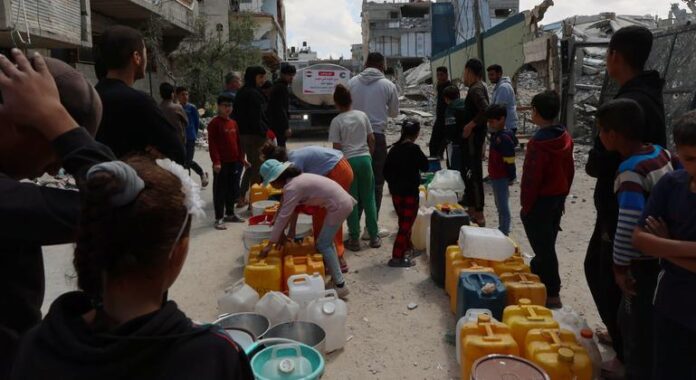
“It has now been a month and a half since any supplies were last allowed through the crossings into Gaza,” UN Spokesperson Stéphane Dujarric told journalists at the daily media briefing in New York.
OCHA said about 70 per cent of the Gaza Strip is currently under displacement orders or in “no go” zones.
Over the weekend, the Israeli military issued four new displacement orders, some of them following reports of Palestinian rocket fire.
The UN was able to “relocate some existing fuel stocks from areas under displacement orders to locations where they are more easily accessible by humanitarian workers,” said Mr. Dujarric.
A surge in attacks causing mass civilian casualties has been reported by UN partners on the ground, according to OCHA.
The Al Ahli hospital in Gaza City was targeted by an Israeli strike and has now gone out of service, the World Health Organization (WHO) said.
Additionally, a UN warehouse in Gaza City and a community food distribution point in Khan Younis were hit and damaged by Israeli strikes over the weekend.
South Sudan: UN responds to deteriorating security in Upper Nile state
Peacekeepers with the UN Mission in South Sudan (UNMISS) are stepping up patrols, and engaging with various communities and authorities, amid a deteriorating security situation, the global organization reported on Monday.
This comes as clashes continue in areas of Upper Nile State between the South Sudan People’s Defense Forces (SSPDF) and the Sudan People’s Liberation Movement in Opposition (SPLA-iO), causing casualties and displacement.
Elsewhere, intercommunal violence in Warrap and Lakes states is also rising, with over 200 deaths reported in recent weeks.
Accord in Abyei
Meanwhile, the UN is highlighting positive developments in Abyei, the disputed oil-rich region straddling Sudan and South Sudan.
Sixty youth leaders from the Ngok Dinka community of Abyei and the Twic Dinka community of Warrap State in South Sudan recently signed an agreement committing to an immediate cessation of hostilities.
The parties agreed to re-open key routes enabling the free and secure movement of both people and goods. They also pledged to collaborate to counter misinformation and hate speech.
The accord was the result of a four-day dialogue attended by key peace partners including the UN Interim Security Force for Abyei (UNISFA) and UNMISS.
Both missions reaffirmed their full support towards these efforts and to strengthening dialogue and harmony between communities.
Ecuador oil spill affects 150,000, UN assessment finds
A massive oil spill in Ecuador last month has left at least 150,000 people in need of humanitarian assistance, according to an assessment by UN aid coordination office OCHA.
The disaster was caused by the rupture of the SOTE pipeline in Esmeraldas province in March, resulting in the spilling of over 25,000 barrels of oil.
The UN Disaster Assessment and Coordination (UNDAC) team, which is part of OCHA, carried out the assessment.
In addition to the thousands affected, the team also pointed to a concerning increase in respiratory and gastrointestinal diseases, as well as limited access to safe drinking water.
People’s livelihoods have been particularly hit hard, especially in fishing, agriculture and shellfish harvesting.
OCHA said more than 37,000 women have lost their means of earning a living. Many are shellfish gatherers and now face growing health risks and exposure to gender-based violence.
The UN is testing water from affected rivers, treatment plants and seafood from the ocean for hydrocarbons and heavy metals, as it could have long term environmental and health repercussions.
UN Resident Coordinator in Ecuador, Lena Savelli, has shared the findings and recommendations with Government ministers and the national humanitarian forum.
The top official also reiterated the UN’s commitment to support the Government with technical assistance.
Israeli strikes in Lebanon continue to kill civilians, UN rights office warns

At least 71 civilians have been killed by Israeli forces in Lebanon since the 27 November 2024 ceasefire, according to an initial review by the Office of the UN High Commissioner for Human Rights (OHCHR).
Among the dead are 14 women and nine children. More than 92,000 people remain displaced by the violence.
Recent escalation
At a press briefing in Geneva, OHCHR spokesperson Thameen Al-Kheetan detailed recent escalations, including a strike on a residential building in Beirut’s southern suburbs on 1 April that killed two civilians. The area was near two schools and suffered extensive damage.
Two days later, Israeli airstrikes destroyed a newly opened medical centre in Naqoura, southern Lebanon, and damaged ambulances stationed nearby. Additional strikes between 4 and 8 April reportedly killed six more people in towns across southern Lebanon.
Furthermore, since the ceasefire began, at least five rockets, two mortars and a drone were launched from Lebanon towards the north of Israel, according to the Israeli army. Tens of thousands of Israelis are still reportedly displaced from the north.
Call to end violence
Mr. Al-Kheetan said Israeli strikes since the ceasefire have repeatedly hit civilian infrastructure, including residential buildings, roads, and at least one café.
“The violence must stop immediately,” he said, emphasising the obligation of all parties to uphold international humanitarian law, including the principles of distinction, proportionality, and precaution.
He also called for prompt, independent investigations into all alleged violations of international humanitarian law and for accountability for those found responsible.
“Civilians must be protected, and displaced people — in both Lebanon and Israel — must be allowed to return safely,” Mr. Al-Kheetan said. He also stressed the urgent need to clear unexploded ordnance from southern Lebanon to enable safe resettlement.
Respect the ceasefire
Mr. Al-Kheetan further reiterated High Commissioner Volker Türk’s call on all parties to respect the terms of the ceasefire and Security Council resolution 1701.
Adopted in August 2006, resolution 1701 called for a full cessation of hostilities between Hezbollah and Israel following their 34-day war. It also called for the withdrawal of Israeli forces from southern Lebanon, the deployment of the Lebanese army and the disarmament of all non-state armed actors in Lebanon.
Millions displaced, health system in ruins as Sudan war fuels famine
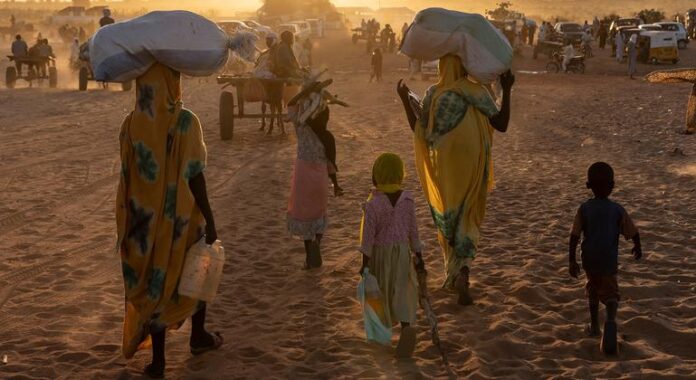
With fighting showing no sign of abating and humanitarian access extremely limited, the crisis in Sudan has become one of the world’s largest emergencies, the UN Office of the High Commissioner for Refugees (UNHCR) warned on Monday.
“This is a very, very sad milestone,” Mamadou Dian Balde, UNHCR Regional Director for East Africa said, marking two years since the outbreak of war.
“We are seeing massive violations, massive displacements and a devastating impact on millions of people.”
A humanitarian catastrophe
The war, which erupted in April 2023 between the Sudanese Armed Forces (SAF) and the paramilitary Rapid Support Forces (RSF), has triggered a full-blown humanitarian catastrophe.
More than half the population – around 25 million people – require humanitarian assistance and protection, but funding shortfalls and insecurity have left vast swaths of the country beyond reach.
The UNHCR-led $1.8 billion Regional Refugee Response Plan for 2025 – which aimed to support 4.8 million refugees and host community members – remains only 10 per cent funded, Mr. Balde said, jeopardizing essential services such as food, shelter, education and healthcare.
“Communities that have very little are sharing what they have with the refugees. It is an extraordinary show of solidarity,” he added, urging the international community to step up support for the most vulnerable across the region.
Thousands of lives at risk
Hunger has reached catastrophic levels in Sudan, with famine confirmed in 10 areas and 17 more at risk, according to the UN World Food Programme (WFP).
In some areas, emergency food assistance is the only barrier preventing starvation. However, vital operations are constrained by insecurity and lack of funds.
“Without immediate assistance, especially in famine or famine-risk areas, thousands of lives are at risk,” said Makena Walker, WFP Acting Country Director in Sudan.
“We can scale up – but we need all parties to guarantee safe, unhindered access for humanitarian convoys,” she added.
A mother sits alongside her eight-year-old daughter at a hospital in Sudan.
Children hit hardest
Children remain among the hardest hit.
According to the UN Children’s Fund (UNICEF), child casualties this year have surged by 83 per cent compared to early 2024. Children are also at severe risk of sexual and gender-based violence or being forced into armed groups, on top of already losing out on education.
In addition, an estimated 146,000 children are projected to suffer from severe acute malnutrition this year, leaving them up to 11 times more likely to die than a well-nourished child.
A public health emergency
The crisis has also spiralled into a public health emergency, with over 20.3 million people now in urgent need of medical care. Cholera, measles, malaria and dengue are spreading rapidly across two-thirds of Sudan’s states, with cholera alone claiming over 1,500 lives.
This situation is unravelling against a health infrastructure on the brink of collapse: 38 per cent of hospitals in the worst affected regions are non-functional and the remaining only partially operational, according to the UN World Health Organization (WHO).
Attacks on healthcare have surged, with 156 attacks verified over the past two years, resulting in hundreds of deaths and injuries.
“In addition to being a famine crisis, the humanitarian situation in Sudan is also a protection and health crisis,” said Shible Sahbani, WHO Representative in the country.
The UN health agency is determined to continue working to improve health access for Sudan’s people. However, recent funding cuts have forced WHO to scale back operations, potentially affecting health services.
If funding does not flow, 4.7 million people targeted for health interventions this year will be affected. Services at 335 health facilities will also have to be reduced, including trauma and emergency care.
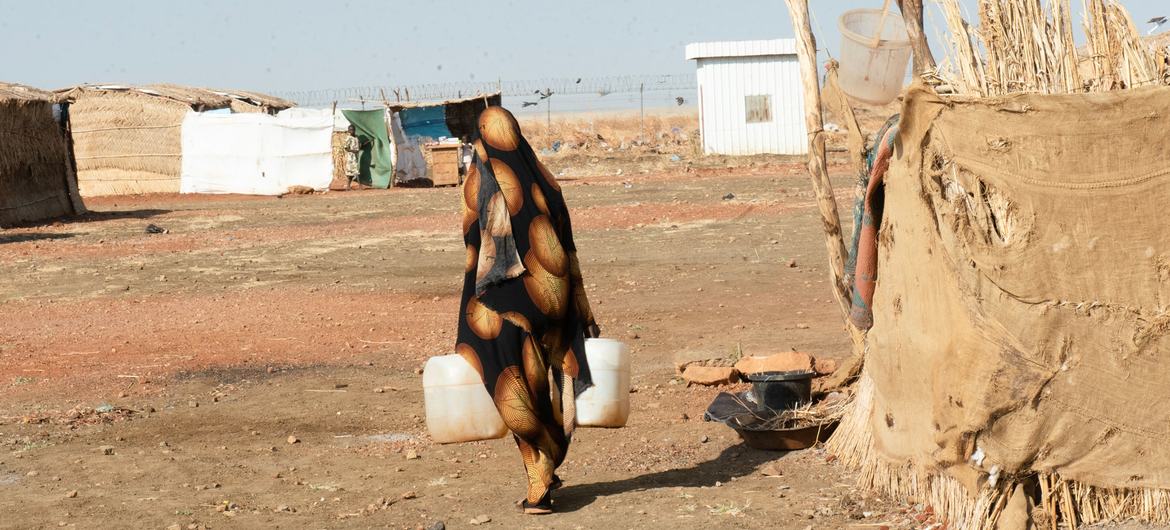
A woman carries water to her shelter in a camp for internally displaced persons in eastern Sudan.
Working against the odds
Despite the challenges, UN humanitarians and partners continue their efforts to reach the most vulnerable communities with lifesaving assistance.
Since the war began, WFP has provided over 13 million people with food and nutrition support. For its part WHO, has supported over one million people with health services, treated 75,000 severely malnourished children and helped vaccinate 11.5 million children against polio and measles.
But aid workers warn the situation is deteriorating fast, particularly in the states of Darfur and parts of Khartoum and Al-Jazirah (also spelled Gezira), where active fighting and sieges are cutting civilians off from assistance.
Mr. Balde reiterated the urgent need for the international community to help silence the guns, “we call for peace, protection and sustained support – [only then] normalcy can return, and refugees can return home.”
EU invests €86 million in climate resilience and water quality projects
Today, the Commission invests €86 million in new Strategic Integrated Projects focusing on improving water quality and availability, cleaning up polluted rivers, improving fire and flood protection, and reducing greenhouse gas emissions. This funding will support projects awarded as part of the 2023 calls for proposals to help Europe become a climate-neutral continent by 2050.
The selected projects are located in Denmark, Estonia, Poland, Slovenia and Iceland and will help national, regional and local authorities implement national and European environmental and climate legislation.
They are expected to mobilise significant additional investment from other EU funding sources. This includes agricultural, structural, regional and research funds, in addition to national funds and private sector investment.
In Denmark, the LIFE ACT project brings together 27 municipalities to ramp up local climate action plans. Receiving €28.4 million in support (of which the EU will provide €17 million), it will reduce municipal CO₂ emissions by 75% and make 2,900 km of coastline more resilient to climate change by 2050.
In Estonia, the LIFE SIP WET-EST project focuses on improving water quality. With €29.9 million in support (of which the EU will provide €17.9 million), the project is future-proofing the Western Estonian river basin by controlling pollution, restoring ecosystems and reducing risks from droughts and floods.
Poland is receiving a €21.9 million budget (of which the EU will provide €13.1 million) to tackle major recycling and landfill challenges in the Pomorskie Voivodeship region. 31 project partners, including the regional government, municipalities and universities, have set an ambitious 65% recycling target while aiming to cut landfill waste to 10% by 2035.
The LIFE4ADAPT project will help Slovenia better prepare for droughts, forest fires and floods, which have hit the country in recent years. The €26.5 million funding (of which the EU will provide €14.2 million) will help the country’s Climate Service Centre and Climate Portal finance new ways of managing climate risks and launching educational programmes.
In Iceland, the LIFE ICEWATER project unites government agencies, researchers and municipalities to enhance water quality. With €39.6 million in support (of which the EU will provide €23.8 million), the project promotes sustainable water use and reduces pressure on vital resources.
The Commission also adopted today the work programme for the implementation of the LIFE Programme in 2025-2027. It sets out key strategies, actions and funding opportunities with the aim to drive Europe’s transition to a clean, circular, competitive and climate-resilient economy. The work programme establishes an overall budget of €2.3 billion for projects tackling circular economy, zero pollution, nature and biodiversity, climate mitigation and adaptation, and clean energy.
Background
The LIFE Programme is the only EU funding programme entirely dedicated to environmental, climate and energy objectives. It has co-financed more than 6,000 projects since 1992 across the EU and associated countries. Funding for the five Strategic Integrated Projects announced today is part of a wider €5.43 billion budget assigned to the LIFE programme under the 2021-2027 Multiannual Financial Framework.
The programme is actively contributing to achieving the EU’s climate neutrality objective by 2050 under the European Climate Law. They also support the EU Biodiversity Strategy for 2030, the Water Framework Directive, the Marine Strategy Framework Directive, and the Sustainable Urban Mobility Plans, contributing to a clean energy transition. The LIFE Programme is managed by the European Climate, Infrastructure and Environment Executive Agency (CINEA).
Projects help the EU protect and improve the quality of the environment, halt and reverse biodiversity loss, support the reduction of greenhouse gas emissions, boost preparedness against climate impacts, facilitate the energy transition and ensure water resilience.
Water resilience is a key component of the EU’s competitiveness. Maintaining its cutting-edge water industry will allow the EU to achieve both its environmental and economic ambitions. The call for evidence, which closed on 4 March, responded to a clear demand for action to address water challenges and reverse the widespread degradation and structural mismanagement of water resources and ecosystems across the EU.
The LIFE calls for proposals 2025 are expected to be published on the Funding & tender opportunities portal on 24 April 2025. CINEA will organise virtual information sessions from 13 to 15 May 2025 to guide potential applicants through the LIFE Calls for proposals 2025.
EU invests €86 million in climate resilience and water quality projects

The EU is investing €86 million in several projects in the EU and Iceland that will work on water quality and availability, cleaning up polluted rivers, improving fire and flood protection, and reducing greenhouse gas emissions. Their work will help Europe become a climate-neutral continent by 2050.
2024 warmest year on record in Europe, finds EU climate report
The latest European State of the Climate report illustrates clearly the impact of climate change in Europe and the Arctic. In 2024, Europe was the fastest-warming continent, with a clear climate divide – eastern parts suffered from extreme heat and drought, while western parts were extremely hot and humid. At the same time, it experienced the […]
2024 warmest year on record in Europe, finds EU climate report

The European State of the Climate Report finds that Europe was the fastest-warming continent in 2024. It also notes that there were record-high numbers of extreme heat days and tropical nights, as well as widespread flooding. The report calls for urgent action to increase climate resilience.
10 Essential Steps For A Sustainable Environment

Sustainability is not just a trend; it’s a fundamental approach to ensuring a livable planet for future generations. By implementing these 10 vital steps drawn from Germany’s successes, you can significantly enhance your efforts towards a sustainable environment. Germany has set an impressive example with its innovative policies and community engagement that foster renewable energy and waste reduction. This guide will empower you with practical strategies to integrate into your daily life and promote environmental stewardship, ultimately leading to a healthier ecosystem.
Understanding Sustainability
To build a sustainable future, it is imperative to grasp the concept of sustainability which emphasizes a balance between ecological health, economic vitality, and social equity. This principle guides your actions towards conserving resources, protecting the environment, and ensuring that future generations can thrive. A sustainable approach is not just an option; it is a necessity for the planet’s well-being.
Definition and Importance
At its core, sustainability is the practice of meeting your present needs without compromising the ability of future generations to meet theirs. It involves a respectful relationship with the environment, advocating for efficient resource use, and emphasizing social responsibility. By adopting sustainable practices, you contribute to a healthier planet and society.
Global Impact and Challenges
Between the urgency of climate change and the depletion of natural resources, your efforts towards sustainability face significant challenges. However, the positive impact of collective action cannot be overstated. By actively participating in sustainability initiatives, you can reduce your carbon footprint, support biodiversity, and promote social equity, creating a ripple effect that influences communities globally.
Importance of sustainability extends beyond personal choices; it encompasses a broader commitment to address pressing issues like pollution, deforestation, and resource scarcity. Your active role in this movement sparks positive change in your community and contributes to a worldwide shift necessary for combating climate change and protecting ecosystems. Yet, challenges are significant, including policy resistance and economic disparities, emphasizing the need for collaboration and innovation for transformative progress.
Lessons from Germany’s Approach
Some of the most effective environmental strategies can be learned from Germany’s commitment to sustainability. By prioritizing renewable energy sources, strict regulations, and strong community engagement, Germany demonstrates that a comprehensive approach can lead to meaningful change. You can adopt similar practices in your community by studying their methods and tailoring them to fit your local context, fostering a collaborative effort towards environmental preservation.
Renewable Energy Initiatives
By investing heavily in renewable energy, Germany has transformed its energy landscape. The nation harnesses wind, solar, and biomass technologies, aiming for a significant reduction in greenhouse gas emissions. You can reflect on their success and consider how these initiatives can inspire your own energy choices, ultimately contributing to a more sustainable future.
Waste Management Strategies
Among the pivotal strategies Germany employs, its innovative waste management system stands out. By implementing a highly organized recycling program and promoting waste reduction, Germany sets the benchmark for effective waste handling that you can mirror in your lifestyle to minimize environmental impact.
Germany’s waste management approach is an exemplary model for you to emulate. Through a robust recycling system, citizens are encouraged to sort their waste into different categories, which has significantly improved recycling rates. This method not only minimizes landfill usage but also creates job opportunities in the recycling sector. Furthermore, Germany has enacted laws that penalize excessive waste, promoting a culture of responsibility. You can adopt similar habits by staying informed about local recycling practices and advocating for policies that encourage sustainable waste management in your community.
Community Engagement and Education
Assuming you want to build a sustainable environment, engaging your community is key. Germany illustrates the importance of involving citizens in sustainability initiatives through participation and collaboration. By fostering active involvement, you enable collective decision-making and empower your community. This approach not only enhances public awareness but also promotes individual responsibility towards a more sustainable future.
Involving Local Residents
Before implementing any eco-friendly initiatives, you should focus on involving local residents in planning and execution. This not only cultivates a sense of ownership but also gathers valuable insights and feedback. By organizing community meetings and consultations, you give residents a platform to voice their opinions and actively participate in shaping sustainability projects in your area.
Educational Programs and Workshops
Workshops and educational programs play a significant role in increasing awareness about environmental issues. They equip you with the knowledge and tools needed to make sustainable choices in everyday life. By attending these sessions, you learn about recycling, energy conservation, and urban gardening, which can have a positive impact on both your community and the environment.
But the true value of these educational programs lies in their ability to foster a sense of unity and purpose among participants. Engaging in hands-on workshops allows you to share experiences, learn innovative practices, and even collaborate on local projects. Through knowledge-sharing, you can address pressing environmental challenges while building a more sustainable and connected community. Ultimately, these initiatives empower you to act within your local context, creating a ripple effect of positive change.
Sustainable Transportation Solutions
After witnessing the environmental impact of traditional transportation methods, Germany has embraced a range of sustainable solutions to enhance urban mobility. By prioritizing low-emission options and reducing reliance on fossil fuels, you can contribute to a cleaner environment while improving the quality of urban life. With innovations in public transit and a focus on cycling and pedestrian pathways, Germany serves as a model for developing a more sustainable transportation ecosystem.
Public Transit Innovations
At the forefront of Germany’s sustainability efforts are advanced public transit systems that prioritize efficiency and accessibility. With an extensive network of trains, trams, and buses, you have convenient access to eco-friendly options that significantly reduce your carbon footprint. These innovations not only promote a vibrant public transport culture but also encourage residents to leave their cars at home.
Cycling and Pedestrian Pathways
One of the most effective approaches in Germany is the development of dedicated cycling and pedestrian pathways. These clearly defined routes not only enhance safety for cyclists and walkers but also create a harmonious environment for all road users. You are encouraged to embrace these pathways, which integrate seamlessly into urban landscapes.
Cycling has become a pivotal part of Germany’s transportation strategy, transforming cities into more bike-friendly environments. By investing in extensive networks of well-maintained cycling lanes, you can navigate urban areas safely while minimizing your environmental impact. Furthermore, the focus on pedestrian-friendly spaces encourages a healthier lifestyle by promoting walking as a viable mode of transport. These pathways also foster community interaction, making urban areas more vibrant and accessible for everyone. Ultimately, prioritizing cycling and walking enhances your quality of life while contributing to a more sustainable and eco-friendly environment.
Green Urban Planning
Your urban environment plays a pivotal role in fostering sustainability. Cities in Germany focus on integrating green spaces and efficient public transport systems, minimizing reliance on cars. By prioritizing walkable neighborhoods and reducing pollution, urban planning aims to create healthier living spaces for you and your community. Incorporating elements like energy-efficient buildings and renewable energy sources contributes to a well-rounded sustainable approach, ensuring your city thrives in harmony with nature.
Eco-Friendly Architecture
Along with smart city planning, eco-friendly architecture significantly contributes to sustainability. Buildings designed with natural materials, energy-efficient systems, and innovative technologies reduce energy consumption and the carbon footprint. These structures not only enhance your living experience but also promote a healthier planet for future generations through their environmentally conscious design.
Parks and Green Spaces
Spaces dedicated to parks and green areas substantially enhance urban life. They serve as vital lungs for the city, improving air quality and providing habitats for wildlife. Well-planned parks promote outdoor activities, contributing to your mental and physical well-being. Ensuring green spaces are abundant and accessible is a step forward in creating a community atmosphere where you can connect with nature and each other.
Parks play a significant role in urban landscapes, acting as necessary components of sustainable environments. They offer a refuge for the community, encouraging physical activity and social gatherings. Green spaces also help combat urban heat, promote biodiversity, and support mental well-being. By preserving and enhancing parks, you contribute to a more sustainable urban environment that fosters a sense of belonging and promotes a healthier lifestyle.
Policy and Legislation
Many countries can learn from Germany’s approach to environmental policy and legislation, which focuses on integrating sustainability into all levels of governance. The German government prioritizes laws aimed at reducing carbon emissions, promoting renewable energy, and enhancing resource efficiency. By implementing these policies, Germany sets a framework that empowers citizens and businesses to contribute to a sustainable future.
Government Role in Sustainability
Among the various stakeholders in sustainability, the government plays a pivotal role in shaping effective environmental policies. It is responsible for creating legislation that supports green initiatives, investing in sustainable technologies, and fostering collaborations between industries and communities. This active engagement helps you understand the importance of coordinated efforts to achieve long-term sustainability goals.
Successful Policy Models from Germany
The systematic reforms in Germany offer remarkable examples of effective policy models that can guide your own sustainability efforts.
Plus, Germany’s transition to a green economy is illustrated through initiatives such as the Erneuerbare-Energien-Gesetz (EEG), which promotes renewable energy sources by ensuring fixed feed-in tariffs. The German Energy Transition or “Energiewende” emphasizes a commitment to reducing greenhouse gas emissions by transitioning away from fossil fuels. These models have led to a significant increase in renewable energy usage, decreasing costs, and fostering innovation in energy technologies. As you consider implementing similar strategies, it’s vital to recognize how a well-defined policy framework can drive change and encourage active participation in sustainability efforts.
To wrap up
Now that you’ve explored the 10 imperative steps for a sustainable environment through the lessons learned from Germany, you have valuable insights to implement in your own life and community. By adopting these practices, you can contribute significantly to a healthier planet. Embrace renewable energy, reduce waste, support local economies, and engage in conservation efforts. Your actions can lead to meaningful change and inspire others to follow suit, creating a ripple effect toward sustainability. Start today and become an active participant in building a more environmentally-friendly future.
FAQ
Q: What are the 10 crucial steps for creating a sustainable environment as demonstrated by Germany?
A: The 10 crucial steps include: 1) Promoting renewable energy sources, 2) Enhancing energy efficiency, 3) Implementing effective recycling systems, 4) Supporting sustainable transportation options, 5) Encouraging sustainable agriculture practices, 6) Conserving water resources, 7) Protecting natural habitats and biodiversity, 8) Raising public awareness and education about sustainability, 9) Fostering green technologies and innovation, and 10) Establishing strong policies and Governance frameworks to support sustainability efforts.
Q: How has Germany successfully promoted renewable energy sources?
A: Germany has invested significantly in renewable energy technologies such as wind, solar, and biomass. The country has implemented feed-in tariffs and subsidies that encourage individuals and businesses to invest in renewable energy installations. This supportive policy framework has led to a remarkable increase in the share of renewable energy in Germany’s energy mix, significantly reducing reliance on fossil fuels.
Q: What recycling systems has Germany put in place to enhance sustainability?
A: Germany operates one of the most effective recycling systems in the world, known as the “Closed Loop Recycling System.” This includes a mandatory deposit system for beverage containers, detailed waste sorting protocols, and an extensive infrastructure for collecting and processing recyclables. As a result, the country has achieved a recycling rate of over 60%, minimizing waste and promoting circular economy practices.
Q: How does Germany support sustainable transportation options?
A: Germany has invested heavily in public transportation systems to reduce car dependency. This includes expanding train and bus networks, promoting cycling through dedicated bike lanes, and encouraging the use of electric vehicles with subsidies and charging infrastructure. Furthermore, cities are implementing “car-free” zones to discourage vehicle traffic and promote pedestrian and cycling activities.
Q: In what ways does Germany engage the public in sustainability education?
A: Germany places a strong emphasis on public awareness and education about sustainability. Initiatives include integrating environmental education into school curriculums, community outreach programs, and public campaigns to raise awareness about climate change and sustainable practices. Various organizations and NGOs also play a role in providing resources and facilitating discussions around sustainable living, thus empowering individuals to make environmentally friendly choices.
