Wednesday, September 30, 2026
Home Blog Page 591

Deadly attacks in eastern Aleppo highlight Syria’s vulnerability

0
Deadly attacks in eastern Aleppo highlight Syria’s vulnerability

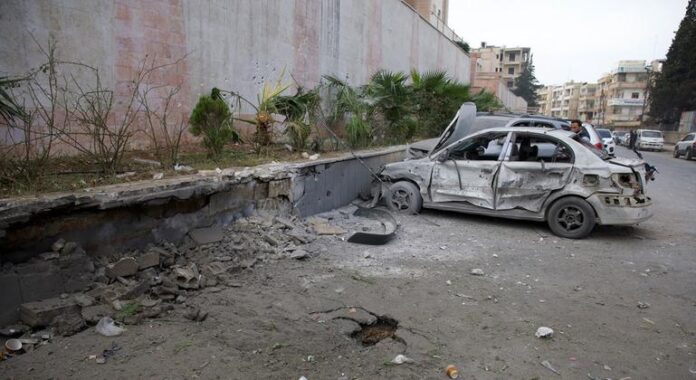
The explosion on Monday – close to the Turkish border – targeted a vehicle transporting seasonal agricultural workers. According to news reports, at least 11 women and three children were among the dead.

It follows another attack just days earlier that killed four civilians and injured nine others, including six children. Monday’s car bombing was reportedly the seventh in just over a month and it marks the deadliest attack inside Syria since the fall of the Assad regime.

The area has been a battleground for Turkish-backed forces and mostly Kurdish fighters. No group has claimed responsibility for Monday’s attack so far.

“We reiterate that all parties must uphold their obligations under international humanitarian law to protect civilians,” said UN Spokesperson Stéphane Dujarric, briefing journalists in New York.

“Civilians and civilian infrastructure should never be targeted.”

Thousands displaced

Meanwhile, hostilities persist in northeast Syria, particularly in eastern Aleppo, Al-Hasakeh and Ar-Raqqa, where over 25,000 have been displaced.

Shelling, airstrikes, and ongoing clashes have devastated communities, leading to widespread destruction of homes, hospitals, and essential infrastructure, according to a humanitarian bulletin issued by UN relief coordination office, OCHA.

Across the country, lack of public services and funding have made it difficult for humanitarian organizations to respond.

In Homs and Hama, electricity is available for only 45 to 60 minutes every eight hours, while in northwest Syria, more than 100 health facilities have run out of funding since the start of the year.

The UN and its partners are appealing for $1.2 billion to assist 6.7 million of Syria’s most vulnerable people through March 2025.

Humanitarian efforts

Despite the challenges, UN agencies and partners continue their efforts to deliver assistance and monitor the situation, as security allows.

On February 3, a UN cross-border mission from Türkiye to Idlib assessed cash distribution efforts – part of a broader effort to reach communities in need.

“So far in 2025, we completed 40 cross-border missions to Syria, mostly to monitor and assess projects – nearly double the number of missions that we had at the same time last year,” Mr. Dujarric said.

On January 30, UN teams also conducted an assessment mission to Sweida, close to the Jordanian border, marking the first UN presence in the area since October 2023. The visit revealed critical shortages of drinking water and irrigation resources, exacerbated by years of drought.

© UNICEF/Muhannad Aldhaher

Refugee returns

Meanwhile, a recent survey by the UN refugee agency, UNHCR, found that 27 per cent of Syrian refugees in Jordan, Lebanon, Iraq and Egypt, plan to return home within the next 12 months – a sharp increase from less than 2 per cent recorded in April last year.

Since the fall of the Assad regime in December, to 23 January, over 210,000 Syrians have returned with many facing challenges related to destroyed property, lack of infrastructure, and security concerns.

Internally displaced persons (IDPs) within Syria are also beginning to return home, albeit in small numbers.

Since early December, approximately 57,000 IDPs – mostly single-family groups or individuals – have left IDP camps.

However, nearly two million people remain in over 1,500 camps across Idlib and northern Aleppo, where safety concerns and a lack of essential services continue to hinder returns.

Source link

Stories from the UN Archive: Marian Anderson broke barriers with music and diplomacy

0
Stories from the UN Archive: Marian Anderson broke barriers with music and diplomacy

Battling extensive racial prejudice, she broke many barriers, including as the first African American to perform with the Metropolitan Opera.

UN Secretary-General Dag Hammarskjöld hailed her contributions to art and diplomacy, which live on in her legacy as an inspiration for generations to come.

Watch UN Video’s latest Stories from the UN Archive episode below:

Operatic hommage to human rights

A distinguished alto, Ms. Andersen was a major presence on the diplomatic scene, including the 1950 commemoration held at New York’s Metropolitan Opera House for the second anniversary of the landmark UN Universal Declaration of Human Rights.

Following her epic performance, she shared an A-list table, as shown in the archive photo below, with (from right to left) head of International Business Machines (IBM) Thomas Watson, former UN first lady and chair of the UN Commission on Human Rights Eleanor Roosevelt, General Assembly President Nasrollah Entezam, UN Secretary-General Trygve Lie and Jeannette Kittredge Watson.

Marian Anderson (far right) at an intermission on Human Rights Day at New York’s Metropolitan Opera House in 1950. (file)

Cold war collaboration

A staple in the UN conference rooms and at commemorations, Ms. Anderson joined Ezio Pinza, Danny Kaye and other stars in 1953 during UN Day celebrations. Watch that performance here.

Again in 1976, the US ambassador took the stage in the iconic General Assembly Hall at the UN’s 31st birthday celebration, appearing alongside the National Symphony Orchestra of Washington DC, under the direction of Antal Dorati.

Ms. Anderson was one of two soloists. She was the narrator in Aaron Copland’s composition Lincoln Portrait, and Lazar Berman, the Soviet pianist, performed Tchaikovsky’s First Piano Concerto.

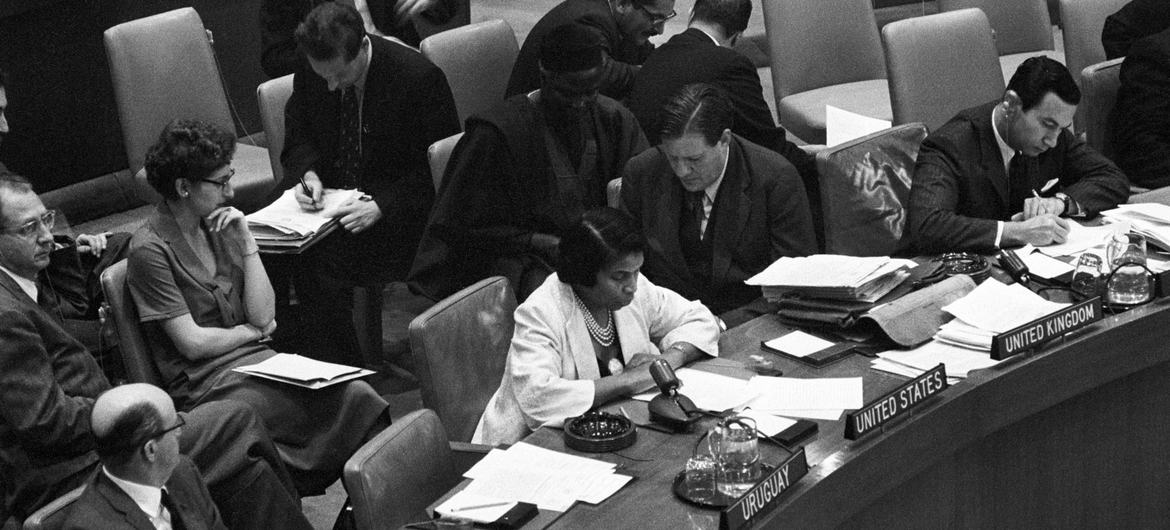
US Ambassador Marian Anderson addresses the Fourth Committee during a discussion in on the Cameroons in 1958. (file)

US Ambassador Marian Anderson addresses the Fourth Committee during a discussion in on the Cameroons in 1958. (file)

Stories from the UN Archive

UN News is showcasing epic moments across UN history, cultivated from the UN Audiovisual Library’s 49,400 hours of video and 18,000 hours of audio recordings.

Catch up on UN Video’s Stories from the UN Archive playlist here and our accompanying series here.

Source link

Speech by President António Costa at the EU Ambassadors Conference 2025

0
Speech by President António Costa at the EU Ambassadors Conference 2025

European Council President António Costa spoke at the annual conference of the EU ambassadors from the EU delegations and offices around the world, the heads of EU military and civilian missions and the heads of the European Commission representations in all 27 EU member states.

Source link

Relief chief in Israel and Palestine: ‘We must be practical, innovative and persistent’

0
Relief chief in Israel and Palestine: ‘We must be practical, innovative and persistent’

Under-Secretary-General for Humanitarian Affairs Tom Fletcher is in the region as a fragile ceasefire and hostage agreement between Israel and Hamas continues to hold in Gaza, amid rising violence in the West Bank.

He will engage with authorities, aid partners and those on the frontlines of the humanitarian response.

“Humanitarian needs are huge – we must be practical, innovative and persistent,” he wrote in a post on the social media platform X.

Understand obstacles, strengthen coordination

Mr. Fletcher held discussions with Prime Minister Mohammad Mustafa and several Palestinian ministers.  

He also met Dr. Younis Al-Khatib, President of the Palestine Red Crescent Society, to discuss the challenges that emergency responders are facing.

“Palestine Red Crescent teams have been saving lives under impossible conditions, showing extraordinary courage – too many paying the ultimate price,” he wrote in another social media post.

He’s also scheduled to meet Israeli and Palestinian officials and visit areas in the West Bank, the Gaza Strip and Israel to better understand obstacles facing aid partners, and strengthen humanitarian coordination. 

A car filled with belongings heads back to Rafah, in the southern Gaza Strip.

Aid scale-up

The UN and partners are expanding life-saving aid operations as more humanitarian supplies enter Gaza. They are also assessing the needs of Palestinians across the enclave and adapting the response accordingly. 

OCHA noted that displaced people continue to move between southern and northern Gaza as they reunite with family and start rebuilding their lives. 

Latest figures indicate that more than 545,000 people are estimated to have crossed from the south to the north over the past week, while more than 36,000 people have been observed moving in the opposite direction.

Keeping children safe

Furthermore, partners working in the protection sector have distributed identity bracelets to more than 30,000 children under the age of four to help prevent family separation.

“This effort was critical, as partners reportedly received more than 250 young children who had been separated from their caregivers while crossing to the north,” OCHA said.

Protection and services

In North Gaza governorate, protection partners said three temporary sites have been established in Beit Hanoun, Beit Lahiya and Jabalya, each of which can host 5,000 people. 

The UN’s sexual and reproductive health agency UNFPA has also reported the expansion of protection services for women in Jabalya, as well as in Gaza city.  

The World Food Programme (WFP) noted that prices have started to fall since the ceasefire took effect and as more humanitarian commodities enter Gaza, although they still remain above pre-conflict levels. 

One-third of households reportedly have better access to food, but consumption remains significantly below levels prior to the crisis. “For most households, the primary obstacle is lack of cash,” OCHA said.

Meanwhile, partners working on education report that some 280,000 school-aged children in Gaza have registered in the e-learning programme run by the UN agency that assists Palestine refugees, UNRWA. 

West Bank update

OCHA also reported on the situation in the West Bank, where an ongoing operation by Israeli forces in Jenin and Tulkarm has expanded to nearby Tubas governorate, resulting in further death, destruction and displacement.

The agency warned that “once again that lethal, war-like tactics are being applied, raising concerns over the use of force that exceeds law enforcement standards.”

On Monday, Israeli forces raided El Far’a refugee camp and blocked the entrances. As a result, dozens of families have reportedly fled the camp, fearing a larger Israeli operation.

This came a day after Israeli forces reportedly destroyed 20 residential structures in the Jenin refugee camp where more than 50 families were living.

They also conducted house-to-house searches in the town of Tammun, displacing as many as 15 families and blocking the town’s entrance.

OCHA reported that the Palestinian death toll in recent Israeli operations in the West Bank now stands at 39 since 21 January, the day when the operation in Jenin began.

“Meanwhile, tight movement restrictions across the West Bank continue to hamper access to basic services, leaving Palestinians queuing for hours at Israeli checkpoints or forced to take significantly longer detours,” the agency said. 

Source link

Sudan: UN chief condemns reported executions as starvation risks rise

0
Sudan: UN chief condemns reported executions as starvation risks rise

Many of the victims are believed to be from the Darfur and Kordofan regions.

“The Secretary-General reminds all warring parties in Sudan of their obligations under international law, especially in relation to the protection of civilians and civilian infrastructure,” said his Spokesperson Stéphane Dujarric, briefing correspondents in New York.

“Sudanese women, Sudanese children and Sudanese men are paying the price for the continued fighting by the belligerents,” he stated.

Government troops have been battling their former allies-turned military rivals, the Rapid Support Forces (RSF), for control of Sudan since April 2023.

The UN High Commissioner for Human Rights Volker Türk described the “senseless” war where alleged war crimes have been committed on both sides as having taken an “even more dangerous turn for civilians” – as reports mount of brutal, ethnically targeted killings.

Mr. Türk’s office, OHCHR, is working to corroborate these reports.

Humanitarian crisis escalates

Attacks on civilians continue across Sudan, Mr. Dujarric said.

On Saturday, a strike on a crowded market in Omdurman reportedly killed at least 60 people and injured more than 150, according to UN humanitarians.

Civilian casualties have also been reported in North Kordofan, as well as North and South Darfur.

Aid coordination office, OCHA, has warned of rising fatalities, particularly following reported attacks on the Abu Shouk displacement camp, where famine conditions were identified in December.

UN Humanitarian and Resident Coordinator in Sudan, Clementine Nkweta-Salami, condemned the indiscriminate attacks at the weekend, stating: “The deliberate targeting of civilian areas represents a blatant disregard for human life and the most basic principles of the laws of war. Such atrocities must cease immediately.”

Rising malnutrition and starvation

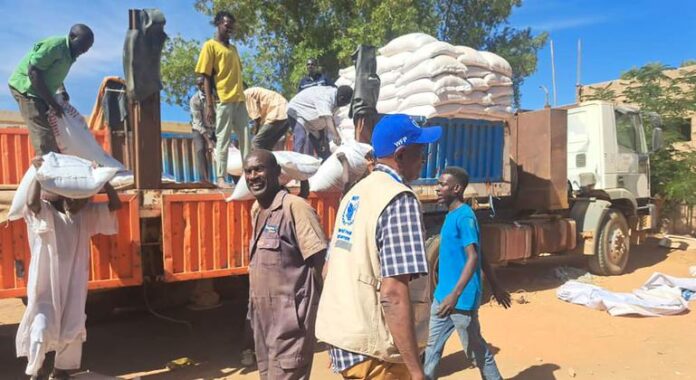
The food crisis in Sudan is worsening, with reports confirming more than 70 hunger-related deaths – mostly among children – in Khartoum State, according to OCHA.

In January alone, over 1,100 cases of severe malnutrition were recorded in three Omdurman neighbourhoods, underscoring the dire need for food assistance.

Malnutrition rates are particularly high in areas where access restrictions have forced the closure of community kitchens, a critical lifeline for many families.

“We stress once again the urgent need for increased funding and logistical support to sustain nutrition programmes and community kitchens, ensuring that the most vulnerable – especially children and older people – receive adequate food, nutrition and healthcare assistance,” Mr. Dujarric said.

As the humanitarian catastrophe worsens, the UN reiterates its call for all parties to protect civilians and facilitate access to life-saving aid.

“The suffering of Sudanese civilians has gone on for too long,” Ms. Nkweta-Salami said. “It’s long past time to end this war and prevent further devastation.”

Source link

Remarks by President António Costa at the press conference following the Informal EU leaders' retreat of 3 February 2025

0
Speech by President António Costa at the EU Ambassadors Conference 2025

During a press conference, President António Costa presented the main results of the first-ever meeting of European leaders dedicated to defence.

Source link

West Bank violence undermining Gaza ceasefire: UNRWA

0
West Bank violence undermining Gaza ceasefire: UNRWA

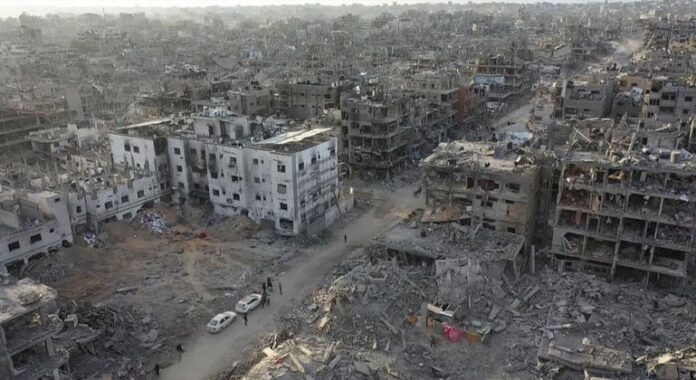
It comes a day after Israeli Security Forces (ISF) carried out a series of controlled detonations at the Jenin refugee camp, located in the northern West Bank, destroying large areas there “in a split second”.

UNRWA said it received no prior warning of the explosions “as contact between staff and Israeli authorities is no longer permitted – putting civilian lives at risk.”  

‘A ghost town’

The agency said residents of the camp “have endured the impossible, facing nearly two months of unceasing and escalating violence,” adding that Jenin “has been rendered a ghost town” in the past months. 

“The operations conducted both by Israeli and Palestinian security forces have led to the forced displacement of thousands of camp residents, many of whom will now have nowhere to return to,” it said. “The basics of life are gone.”

UNRWA noted that “on a day that was supposed to mark the beginning of the new school semester for thousands of children, 13 schools in the northern West Bank remained closed due to ISF operations in the area.”

Ceasefire undermined

Furthermore, its services inside Jenin camp have been interrupted for months and stopped completely in early December.

“Today’s shocking scenes in the West Bank undermine the fragile ceasefire reached in Gaza, and risk a new escalation,” the agency said.

The first phase of the temporary truce and hostage release deal came into effect two weeks ago, following 15 months of war which killed some 46,000 Palestinians, according to the Gaza health authorities.

The conflict was sparked by the 7 October 2023 Hamas-led attacks on Israel. Some 1,200 people were killed and 250 were taken as hostages.

In October 2024, the Israeli parliament adopted two laws banning UNRWA’s operations in its territory and prohibiting Israeli authorities from having any contact with the agency, which went into force last Thursday. 

Source link

9/2025 : 3 February 2025 – Order of the General Court in case T-1126/23

0
9/2025 : 3 February 2025 – Order of the General Court in case T-1126/23

Asociația Inițiativa pentru Justiție v Commission

New accessions

Rule of law: action brought by a professional association of Romanian prosecutors against the Commission decision repealing the decision establishing the mechanism for cooperation and verification is dismissed as inadmissible

Source link

Haiti: ‘I was deported to a country I never lived in’

0
Haiti: ‘I was deported to a country I never lived in’

Mireille

Pregnant and exhausted and clutching a small bag with all that was left of her belongings, Mireille* stood under the relentless Haitian sun, not sure what to do next.

She had just been deported from the Dominican Republic, a country she had called home since she was eight years old.

Over the years she has seen Haiti, the land of her birth, overcome by gang violence as well as humanitarian, political and economic crises.

Mireille gazes through the protective bars at the GARR facility, reflecting on her journey back to Haiti.

“I was deported to a country I never lived in,” she said, filled with a mix of anger and despair.

The Dominican Republic had been her home for nearly three decades. It was where she built her life, forged relationships and created memories. But overnight, she became an outsider, stripped of her dignity and forced to return to a country she didn’t know.

Mireille’s ordeal began in the early hours of the morning, five days before she crossed the border into Haiti when she was taken to a crowded and uncomfortable detention center, where she stayed for several days before being transported to the border.

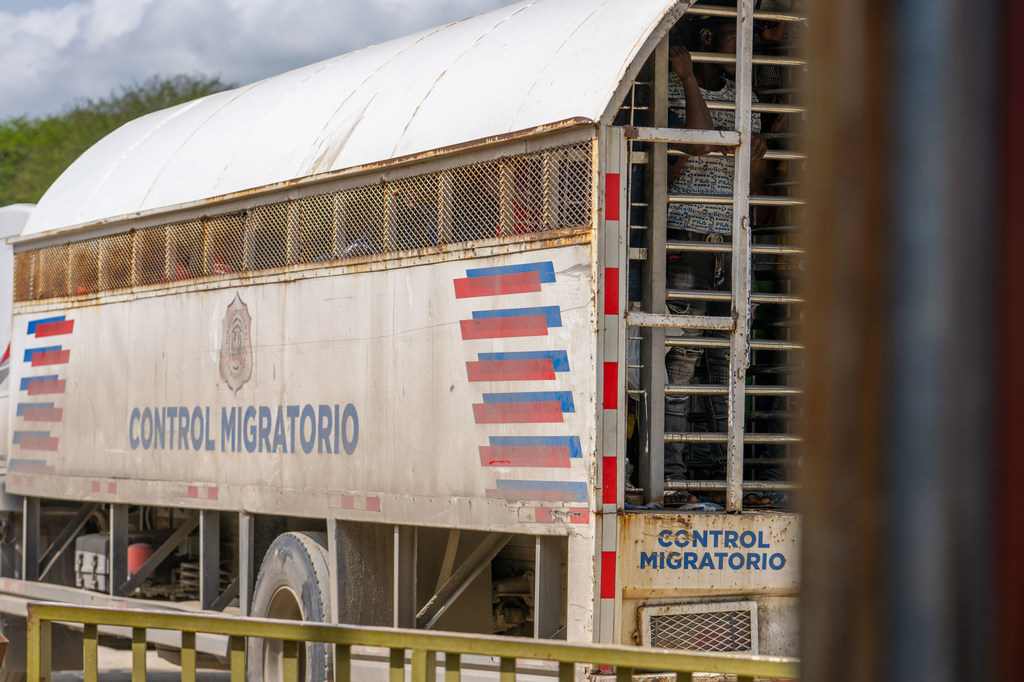
A deportation truck arrives at the Belladère border crossing between the Dominican Republic and Haiti.

A deportation truck arrives at the Belladère border crossing between the Dominican Republic and Haiti.

“I arrived in Haiti feeling scared and unsure of what to do,” Mireille said. “I barely know this country, and I’m struggling to figure out where to start. It’s disorienting and difficult.”

Guerson and Roselène

Guerson and Roselène* had spent over a decade in the Dominican Republic, building their lives in Loma de Cabrera, not far from the border with Haiti.

Guerson worked as a mechanic at a small garage fixing cars, motorbikes, and agricultural equipment. His hands, often smeared with grease, were a source of pride. “People trusted me with their vehicles,” he said. “It was hard work, but I could provide for my family.”

Roselène, meanwhile, managed their modest home. She prepared meals and supplemented the family income by selling patés and fried plantains to neighbours.

A simple life

Their daily life was simple but stable. Their son Kenson attended a local preschool, and Roselène spoke of her pride seeing him learn to write his name.

Then the Dominican authorities arrived. “My children didn’t understand,” said Guerson. “Kenson asked if we were going on a trip. I didn’t know how to answer him.”

The family was herded onto a truck “I held my baby so tightly. I was afraid we wouldn’t survive the journey,” Guerson recalled.

Crossing the border into Haiti felt like stepping into chaos.

The town of Ouanaminthe, already struggling with a sharp increase in deportations, lacked the capacity to respond to the growing crisis.

Families stood on dusty roads, clutching bags and children, unsure of where to go.

“We stood there for hours, lost,” Roselène said. “The children were hungry. I didn’t know how to comfort them because I had nothing left to give.”

Crisis country

Mireille, Guerson and Roselène are just three of the more than 200,000 Haitians who were forcibly repatriated to their homeland in 2024, some 97 per cent of them from the Dominican Republic.

Nearly 15,000 people were returned from across the border in the first two weeks of January alone.

They returned to a country in crisis.

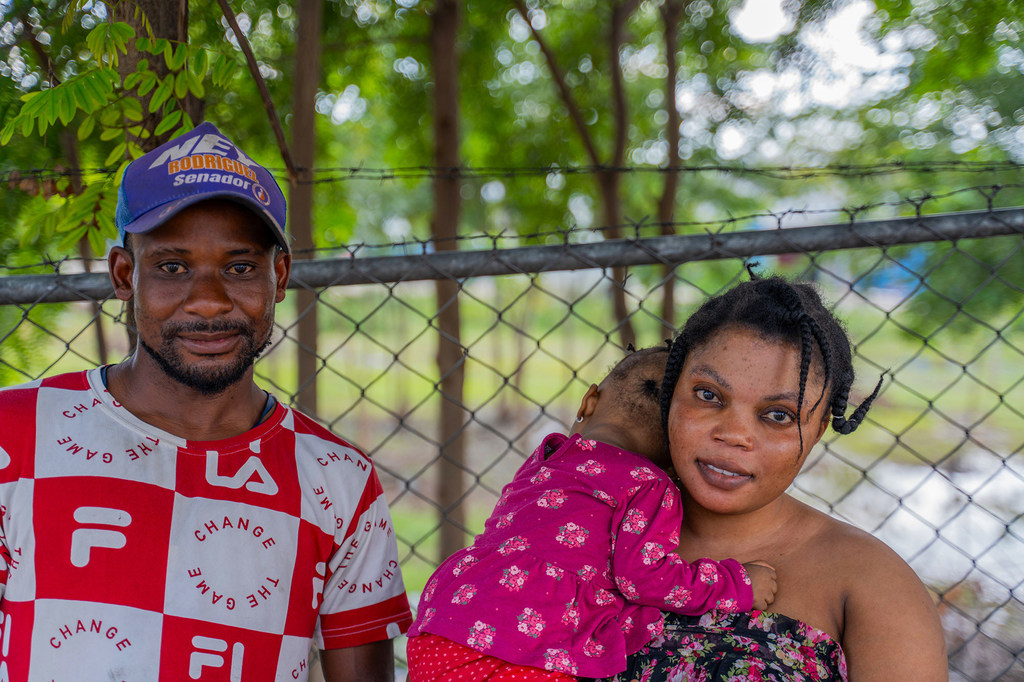
Guerson (left) and Roselène are beginning a new life in Haiti.

Guerson (left) and Roselène are beginning a new life in Haiti.

Armed groups now control large parts of the country, including key roads in and out of the capital, Port-au-Prince.

The years of violence have displaced over 700,000 people, forcing families into precarious shelters including abandoned schools and churches. In these places, access to food, water and healthcare is limited, leaving many extremely vulnerable.

Nearly 5.5 million people, half of Haiti’s population, require humanitarian aid to survive.

Safety net across the border

Fortunately, when migrants cross over the border into Haiti, they are not alone.

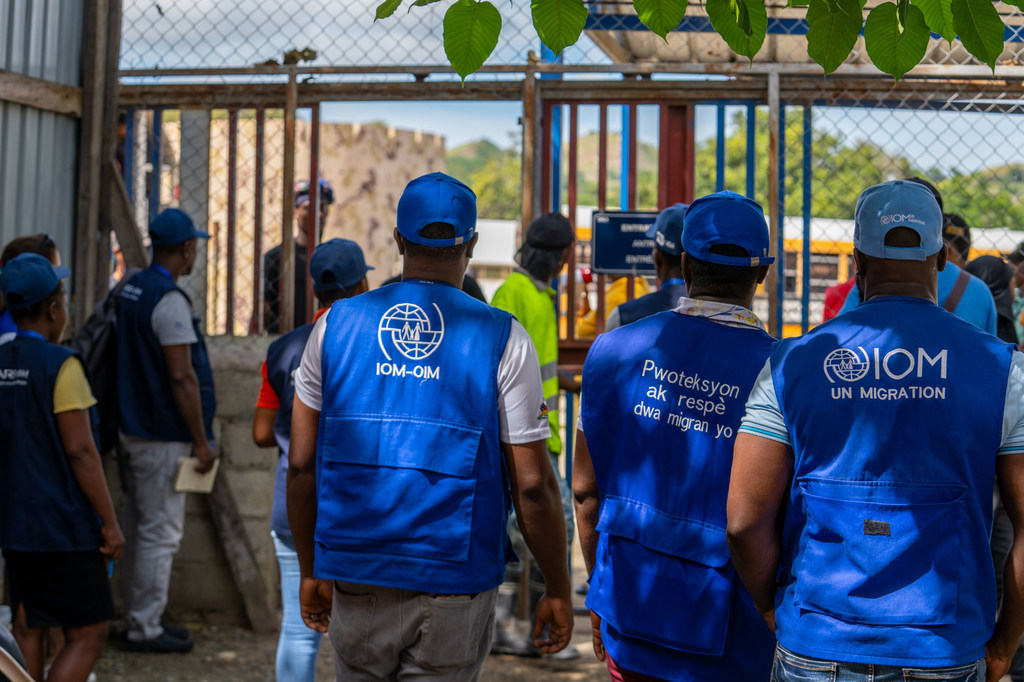
The UN’s International Organization for Migration (IOM) works with the Support Group for the Repatriated and Refugees (Groupe d’Appui aux Rapatriés et Réfugiés, GARR) to ensure the returnees have access to a range of services to meet their immediate needs, including psychosocial support, health referrals, for example pre-natal care, and the distribution of basic items such as clothing, hygiene products, and toiletries.

Temporary accommodation is also available for the most vulnerable, so they can rest and take stock before moving forward with their lives.

IOM staff prepare to assist deported Haitians as they re-enter their home country.

IOM staff prepare to assist deported Haitians as they re-enter their home country.

For unaccompanied children, family reunifications are organised and in cases of gender-based violence, survivors are provided with specialised care.

IOM also works with the Office National de la Migration (ONM), Haiti’s government agency for migration.

ONM leads the registration process, ensuring that each individual is accounted for and works with IOM to assess vulnerabilities and provide individual assistance.

The future remains unclear for many returnees in a country where the vast majority of people struggle to get by on a daily basis.

Guerson and Roselène remain somewhat hopeful that they will return to the Dominican Republic someday. “In the meantime, I will find a way to work,” Guerson said softly, his words conveying uncertainty. “I do this for my children.”

*Names have been changed for their safety

Fact Box:

The work of IOM as well as GARR and ONM is supported by international donors, including the European Union’s Civil Protection and Humanitarian Aid Operations (ECHO), Global Affairs Canada (GAC), and the Korea International Cooperation Agency (KOICA).

Source link

Remarks by President António Costa ahead of the Informal EU leaders' retreat.

0
Speech by President António Costa at the EU Ambassadors Conference 2025

European Council President António Costa will chair the Informal EU leaders’ retreat in Palais d’Egmont, Brussels. Upon arrival he hi

Source link