Monday, September 28, 2026
Home Blog Page 728

Gaza: ‘One door’ insufficient as aid lifeline for 2.2 million people |

0
Gaza: ‘One door’ insufficient as aid lifeline for 2.2 million people |

At least 200 truckloads each day are needed and despite the “outstanding” efforts of national and international partners, UN humanitarians are stuck having to bring all supplies through a single choke point on Gaza’s southern frontier with Egypt, built as a pedestrian crossing, said Jamie McGoldrick.

The veteran UN aid official spoke exclusively to UN News on Saturday, in his first interview since becoming the interim Resident Coordinator in the Palestinian Occupied Territory late last month.

The Irish national served in the same role, where he is also UN Deputy Special Coordinator for the Middle East Peace Process, between 2018 and 2020.

Prior to that, he was the UN’s Humanitarian and Resident Coordinator in Yemen at the height of the brutal civil conflict there which began in 2015. He has also worked with the International Red Cross.

Mr. McGoldrick recently returned from Gaza, and spoke to Ezzat El-Ferri from Jerusalem, where the UN Special Coordinator’s office (UNSCO) is headquartered, with other offices in the West Bank city of Ramallah and the Gaza Strip. 

The interview had been edited for length and clarity:

UN News: You just came back from Gaza, and you’ve been in this role before. You’ve described the situation there as dire in previous years. What was your initial reaction when you first entered Gaza during this war? 

Jamie McGoldrick: Well, clearly, the situation has changed dramatically since I was last there.  The thing that strikes you most is the numbers. As soon as you arrive through Rafah, what hits you straight away is the immensity of the people who are displaced: every street, every pavement. 

They also have these makeshift tents built onto the side of buildings encroaching on the roads. It’s very hard to move around. The place is really, really packed.

The second thing I think is the fact that this crowded nature causes the lack of services that people have. Because this has happened so quickly, that number of people coming to the south (of Gaza). They reckon 1.7 or 1.8 million people in Rafah, which used to have a population of around 250,000.

People have taken up space in hospitals, taken up space in UNRWA schools…and you go to these places, and you see the conditions people live in, the squalor, the crowded nature, the makeshift nature of it. 

No one had the time to plan anything. People ran from where they came from: the middle area, the north area, and they came with very little. They’ve had to try and set up a place for themselves in a very difficult, chaotic environment. And the fact that it’s the winter there as well. So, all of that makes it very, very difficult. 

It has overwhelmed us because we have a very limited role there for this type of work, and we’ve had to try and scale up, trying to address the needs. And even when I was there eight days ago – I came back just two days ago – the difference in that time was the fact that the crowds still keep coming…The desperation is getting deeper, the human suffering is more intensified.

People clamour for food in the city of Rafah in the southern Gaza Strip

But more importantly we would need to do more to scale up, to get more people, get more access, bring in more material. But it is a mammoth task.

UN News: I’m sure you also met colleagues that were there when you were in this role previously. What experiences have they shared with you? 

Jamie McGoldrick: The first one is that of human dimension: people tell you what they’ve left behind. Some tell you they’ve left their houses which have been destroyed, and others tell you of the family members that died. You know, the life they’ve once had is gone and probably gone for such a long time.

There’s a degree of shock and a degree of despair. And I think there’s a sort of hopelessness there as well, because they don’t see any answers to what it is that they face ahead. It’s amazing also that there is resilience and the steadfastness of some of these colleagues who have been in that situation, who have come to the south fleeing as a displaced person, but still standing up to do work.

It’s quite incredible that the people in Gaza have that spirit…and they still keep going on. The fact that there’s been 146 UN colleagues killed. Others have lost parts of the families, yet they still deliver.

It’s not as though you were running away to safety, because where you are right now is unsafe. Where you are right now is getting more and more cramped and crowded. And it’s not as though you’ve arrived somewhere as a displaced person and that’s it. There’s more to come…

UN News: Like you just said, UN humanitarians have been raising their voice about the challenges of being able to get aid into Gaza at scale. On the ground, what does that mean for the population? How much of their needs are being met right now? 

Jamie McGoldrick: Before this started, what you had was around 500 trucks per day coming in as commercial transport. And the UN served those who were unfortunate, not able to buy those things commercially. We, the humanitarians, need to have about 200 trucks in a day. And that all covered the population – the humanitarian and the commercial [goods]. 

What you have now is that the commercial [sector] has stopped. So, the people who were being served by the commercial sector are now squeezing what’s in the humanitarian sector and everybody’s in need. What we’ve got is a situation where the key issues for us are better shelter, more food supplies, better water, sanitation, sewage and the health needs.

Protection concerns all round

At the same time, there’s a lot of protection concerns: gender-based violence, child protection issues as there are a lot of unaccompanied children.

And then also, we need to ourselves, as humanitarians, the ability to do that work. That means protection for us as well. Which means having good communication systems, having the ability to move around. And deconfliction in terms of our humanitarian movements [so they] are actually safeguarded.

And unfortunately, that hasn’t been the case. There’s been a number of incidents. We are trying to bring in more trucks. Yesterday, we had 200 trucks, the most we’ve ever had to crossing into Rafah. There’s nothing coming in from the north. It’s all coming in from the south. We’re trying to save the population, but we know there’s probably all of the population of 2.2 million need some assistance of some kind.

And we are right now facing an uphill struggle to just address the needs of those who we reach. We need to reach far farther, far deeper and far for other places like the north. But there’s ongoing conflict and military operations prevent us from either moving in some of the central zones. So, we’re kind of stuck where we are, and it’s very hard to move convoys, the convoys going north to serve those 250,000 – 300,000 estimated population there.
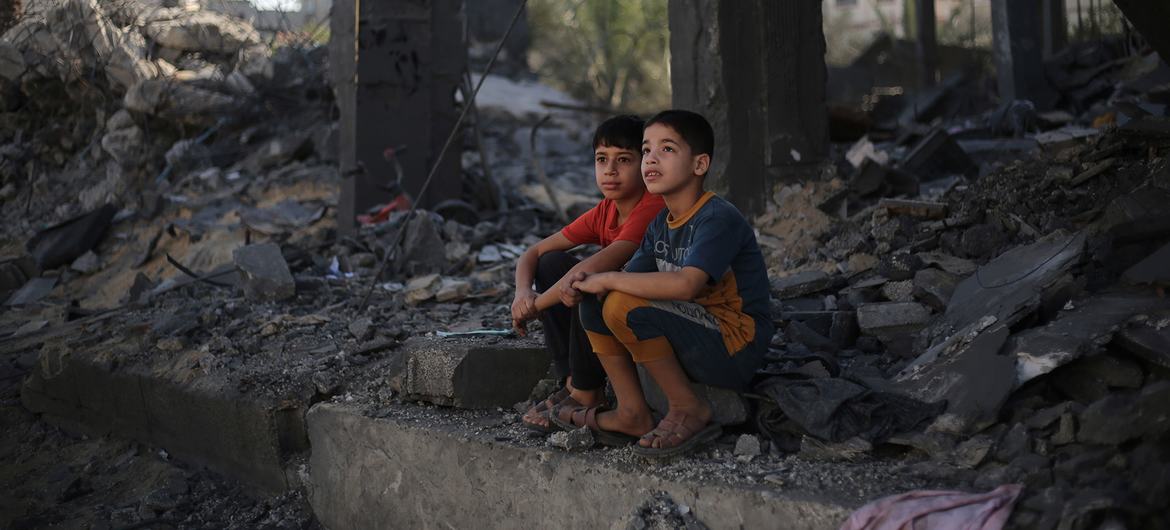
Two children sit in the rubble of what is left of their house in Rafah city, in the southern Gaza Strip.

Two children sit in the rubble of what is left of their house in Rafah city, in the southern Gaza Strip.

We don’t have the ability to do that quickly. There’s only one road. It’s the coast road, because the major road in the middle is actually under military operations at the moment. So, we’re squeezing all of our efforts to the north while we’re trying to struggle to save the south. We have to scale up and the commercial supplies have to start again. 

We also have to get more support from donors who have been very willing to let us buy more trucks, rent more trucks, to bring aid in. But it is the struggle that we face. And those four key sectors I just mentioned to you are where the lifesaving will take place.

UN News: We’ve heard several UN officials saying that we need commercial shipments to start coming back into Gaza. But if the economy is in shambles and there’s military activity going on, how can people go on about commerce and go on about their lives, a normal economy? 

Jamie McGoldrick: What we would like to do eventually is that, if the commercial sector starts up again, we can actually start supplying the shops that are closed because there’s nothing in them. All the stocks have gone. We have to replenish those stocks.

And once we have that up to a certain scale, we can then start to use cash cards, cash voucher systems. 

‘Long, long struggle’ just to keep aid flowing

But we’re a long way off that right now. We’ve got a long, long struggle of just keeping the supply of humanitarian assistance, especially food and medical supplies in there. 

Because if we don’t do that, these things, these items are going to be very rife for the black market, and we’ll start to see this exploitation taking place. We’ve already seen that happening. 

UN News: Some Israeli officials have said that the only thing hindering the entry of aid into Gaza is the limitations of the UN. How would you respond to them? 

It’s a difficult environment because we’ve been able to do limited aid distributions and the Rafah Governorate, where half of the population is now estimated to be, and the rest of the Gaza Strip, it’s been largely stopped due to the intensity of the hostilities and the restrictions on our movements: we’ve had only five out of 24 planned convoys for food and medicine have been allowed to go to the north, for example. 

Reliance ‘on one crossing point’

We are trying to increase our operations. Our operations have been sort of hampered by the insistence of the government of Israel to use a pedestrian crossing in Rafah to bring truckloads of supplies. And while it’s working well, we can’t rely on all of Gaza – 2.2 million people – on one crossing point. We have to open up elsewhere. 
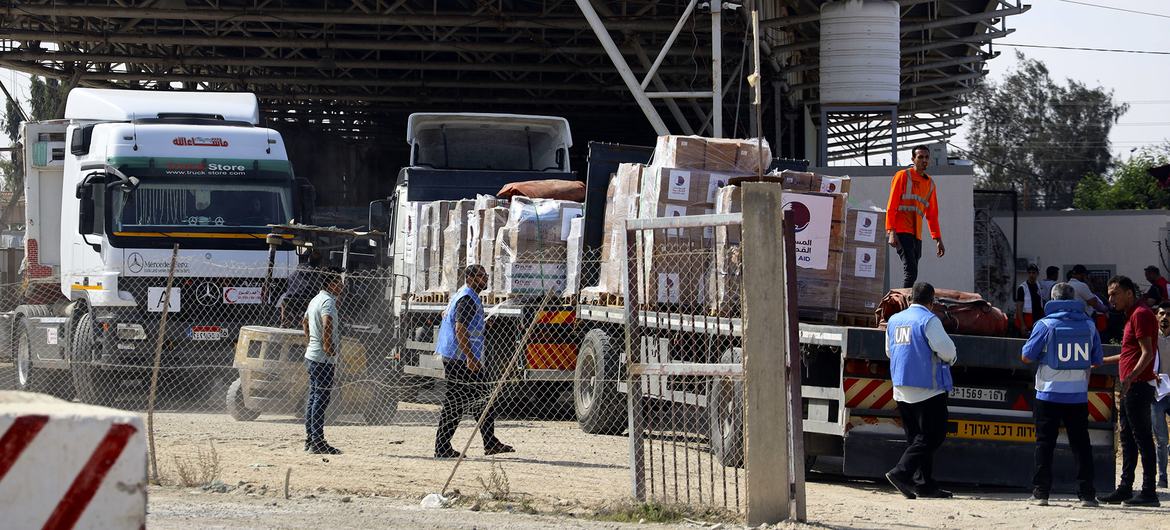
Aid convoys enter the Gaza Strip through the Rafah border crossing. (file)

Aid convoys enter the Gaza Strip through the Rafah border crossing. (file)

The humanitarian operations are kept on a very light availability of fuel. This is a lifeline for the operations of the hospitals to keep the oxygenation, to keep the various parts of the actual hospitals working, the desalination plants to keep drinking water going there.

The ongoing humanitarian operation, I’ve got to say, is absolutely outstanding. The work that’s been done by our national colleagues there, supported by the internationals.

So, we are really struggling. I don’t think it’s because we are against getting more in, or [that] we are not taking up our challenges.

We are at this 100 per cent-plus, but there are restrictions in there…It has to be so that that we can actually bring in what we need and more and more places where there are populations – and not serving 2.2 million through one door – and that’s something that has to change. 

UN News: With the situation in Gaza right now, sometimes the West Bank can fall off the radar. Do you have any updates on the situation there?

Jamie McGoldrick: I think we all see the situation in the West Bank. There have been flashpoints in the West Bank since early last year and then since 7 October, the tragic issue, I think that’s accelerated. And we’ve seen over 300 Palestinians have been killed and some 80 children have been killed.

We’ve seen from OCHA and the report’s it’s done that there’s an increase obviously in settler violence against Palestinians. And I think that’s something that we see as a constant trend. There were around 200,000 work permits in Israel but that’s now been suspended…I think that many of them probably lost their jobs now.

No revenue transfer from Israel

And there’s all the civil servants that were there and they’re now getting reduced wages because the actual Palestinian Authority is struggling, because the transfer of revenues from Israel hasn’t happened for some time.

The humanitarian community, many parts of it, are inside, part of the West Bank…We’re trying to address the crises that comes up. It’s very, very hard to keep those two things going at the same time, the concentration on Gaza but then not trying to forget the size of the ongoing problem, that’s happening in the West Bank. 

UN News: 57 years now of occupation, the issue is over 75 years old. People are really starting to lose hope in the peace process. So, what can be done to restore that hope and revitalize the office of the Special Coordinator [for the Middle East Peace Process], to reach a settlement? 

The Special Coordinator’s office is still full on trying to address all of these crises which are interlinked, which is the humanitarian linked with the governance challenges, so that’s something that will have to happen.

More pressure needed to free hostages

But I think at the same time, we have to push harder and strengthen the negotiations on the immediate, unconditional release of hostages by Hamas. That has to happen. 

We have to scale up assistance going into Gaza, taking into account Israel’s own internal security concerns, and we have to increase the humanitarian crossings to allow aid into Gaza, such as Kerem Shalom in addition to Rafah. But we also have to look at northern crossing points. 
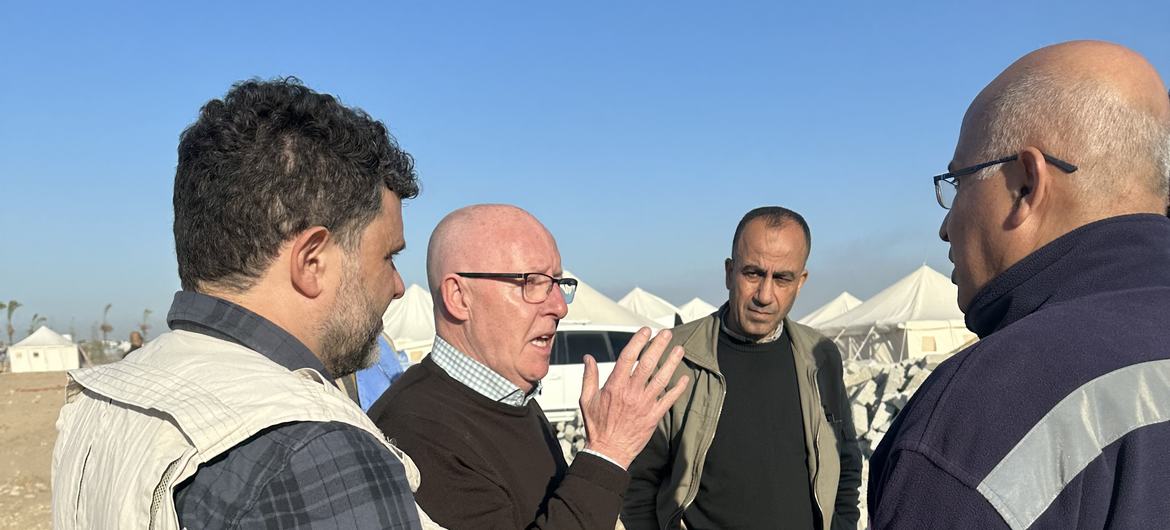
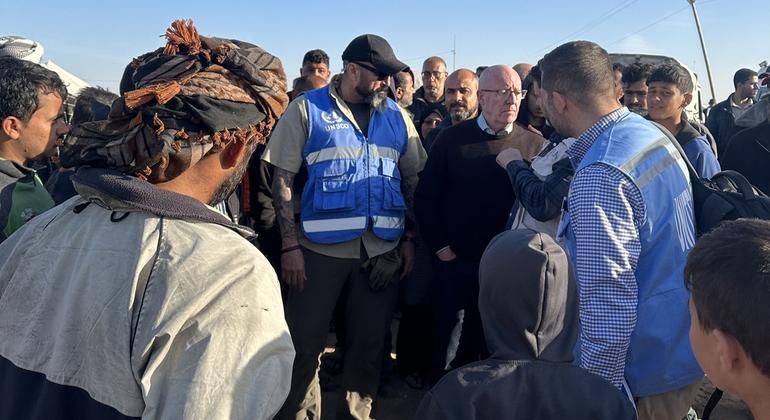
Jamie McGoldrick - Interim Resident and Humanitarian Coordinator in the occupied Palestinian Territory meeting Palestinian Red Crescent Representatives in Rafah, Southern Gaza

Jamie McGoldrick – Interim Resident and Humanitarian Coordinator in the occupied Palestinian Territory meeting Palestinian Red Crescent Representatives in Rafah, Southern Gaza

We have to restore these basic services, medical, humanitarian, which have been impacted by this conflict and then start to build new ones to resume the lifesaving operations. 

And we have to allow more injured patients and those people to get treatment outside Gaza, because Gaza is devoid of the full range of services required for people who have been caught up in this crisis. We have to allow more and more services into those areas.

‘At some time, we have to get back to the peace process’

I think the peace process can’t be understood or considered at this time. We’re almost 100 days of war – how is it going to end and if and when it does, how can the parties, the different parts of the Palestinian parties come together, and how can then the Palestinians and the Israelis sit round the negotiating table, given the depths of what’s happened in that time?

So, I think that there’s a lot of healing to go through and there’s a lot of circumspection to go through, a lot of understanding what all this means. But at some time, we have to get back to that peace process, some way of pulling out an understanding of how people are going to live together. 

UN News: That was exactly going to be my last question to you. How is it possible that after all of this, parties can actually sit back down at the table? How can we explain this to the layperson who doesn’t know?

Jamie McGoldrick: I think peace is more normal than war. I think that’s the fundamental and I think that all people want to live in peace and have a life. They want to have a future. The want their dreams, they want to be able to know what’s coming next. They want to be able to socialize and have families, and you can’t have that in the situation where you’ve got this conflict and you’ve got this insecurity, and I think that has to disappear.

Understanding, appreciation, accommodation

And then you can start the mending process, the healing process. You have to then think for yourself, how do you link to your neighbour? How do you link to the people that you are going to have to live side by side with? And it’s an understanding and appreciation, an accommodation. 

And we see it in many, many conflicts around the world. And unfortunately, this one is one of the most longstanding and the most deep rooted.

Source link

War against Hamas in Gaza is act of self-defence, Israel tells world court

0
War against Hamas in Gaza is act of self-defence, Israel tells world court

On the second and final day of preliminary hearings at the International Court of Justice (ICJ), Israel’s legal team insisted that the twin military objectives were to eradicate the existential threat posed by Hamas militants and to free some 136 hostages still held in the war-shattered enclave.

“Israel is in a war of defence against Hamas, not against the Palestinian people” in the aftermath of Hamas-led terror attacks on 7 October, Israel co-agent Tal Becker told judges in The Hague.

There had been “tragic” and “heartbreaking” civilian suffering “in this war, like in all wars”, Mr. Becker said, as he read out the last anguished text messages sent by the father of one Israeli farming family, burned to death in their home by presumed Hamas fighters who “tortured children in front of parents and parents in front of children”.

Defence ‘obligations’

Mr. Becker also rejected South Africa’s petition to the court under the provisions of the Genocide Convention to issue “provisional measures” to order Israel to immediately suspend its military campaign in Gaza.

This amounted “to an attempt to deny Israel its ability to meet its obligations to the defence of its citizens, to the hostages and to over 110,000 displaced Israelis unable to safely return to their homes”, he said.

The issue of justified self-defence featured prominently in Israel’s presentation.

When a State is attacked, it has the right to defend itself and its citizens, Israel’s legal team insisted, before underscoring the deep trauma resulting from the 7 October terror attacks by Hamas and other Palestinian militants who rampaged across southern Israel, slaughtering some 1,200 people and taking around 250 captive.

“There is no genocidal intent here; this is no genocide,” said Israel counsel Malcolm Shaw. Hamas atrocities “do not justify violations of the law in reply – still less genocide – but they do justify…the exercise of the legitimate and inherent right of a State to defend itself as enshrined in the UN Charter“.

‘Weaponizing genocide’

Rejecting South Africa’s “profoundly distorted” description of the war in Gaza, Israel’s legal team accused that country’s legal team of attempting to “weaponize” the term genocide, which it insisted was a better description of Hamas’s “annihilationist language” about “cleansing” Palestine of Jews.

The armed group which controls Gaza had diverted billions of dollars of aid and turned the Strip into “perhaps the most sophisticated terrorist stronghold in the history of urban warfare” embedded in communities, the court heard.

“Urban warfare will always result in tragic deaths, harm and damage, but in Gaza these undesired outcomes are exacerbated because they are the desired outcomes of Hamas,” said Galit Raguan, for Israel.

Asserting that “every single hospital” searched by Israeli Defense Forces had found evidence of military use by Hamas, the Israel legal counsel also alleged that weapons had been found hidden inside a hospital incubator.

The world court also heard how the Israeli military had demonstrated “the precise opposite” of any possible genocidal intent by restricting its targeting to military personnel or objectives “in accordance with international humanitarian law in a proportionate manner in each case”.

Israel’s efforts “to mitigate harm” during military operations and to alleviate suffering through humanitarian activities had gone “relatively unnoticed” amid the “unprecedented and extensive” use of telephone calls and leafletting to warn populations of impending conflict, the Israel legal team noted.

Next steps in the case

Now that initial representations from both South Africa and Israel have concluded at the ICJ, one of the justices’ first tasks is to assess whether there are sufficient grounds to approve the South African application for provisional measures against Israel, to “protect against further, severe and irreparable harm to the rights of the Palestinian people under the Genocide Convention”. 

These measures are expected in weeks, legal commentators have said.

They are designed “to ensure Israel’s compliance with its obligations under the Genocide Convention not to engage in genocide, and to prevent and to punish genocide”, according to an earlier ICJ press release.

If this results in a ceasefire call which is not implemented, the matter would then need to be taken up by the UN Security Council, which could then agree on a resolution aimed at enforcing an end to hostilities.

Next month, the world court is also due to consider a separate case concerning Israel and Palestine, requested by the UN General Assembly in a resolution adopted on 30 December 2022, before the current conflict.

In that resolution, the General Assembly requested an advisory opinion from the ICJ on the legal consequences of “Israeli practices and affecting the human rights of the Palestinian people in the Occupied Palestinian Territory, including East Jerusalem”.

The procedure will involve a public hearing on 19 February 2024, after the court takes receipt of written reports from numerous States.

Source link

Aerogel Can Become the Key to Future Terahertz Technologies

0
Aerogel Can Become the Key to Future Terahertz Technologies


High-frequency terahertz waves have great potential for a number of applications including next-generation medical imaging and communication. Aerogels could be a nice addition to this. 

Researchers at Linköping University, Sweden, have shown, in a study published in the journal Advanced Science, that the transmission of terahertz light through an aerogel made of cellulose and a conducting polymer can be tuned. This is an important step to unlock more applications for terahertz waves

Conducting polymer-cellulose aerogel and optic measuring set-up.

Conducting polymer-cellulose aerogel and optic measuring set-up. Image credit: Thor Balkhed/Linköping University

The terahertz range covers wavelengths that lie between microwaves and infrared light on the electromagnetic spectrum. It has a very high frequency.

Thanks to this, many researchers believe that the terahertz range has great potential for use in space exploration, security technology and communication systems, among other things. In medical imaging, it can also be an interesting substitute for X-ray examinations as the waves can pass through most non-conductive materials without damaging any tissue.

However, there are several technological barriers to overcome before terahertz signals can be widely used. For example, it is difficult to create terahertz radiation in an efficient way and materials that can receive and adjust the transmission of terahertz waves are needed.

Adjustable filter

Researchers at Linköping University have now developed a material whose absorption of terahertz signals can be turned on and off through a redox reaction. The material is an aerogel, which is one of the world’s lightest solid materials.

“It’s like an adjustable filter for terahertz light. In one state, the electromagnetic signal will not be absorbed and in the other state it can. That property can be useful for long-range signals from space or radar signals,” says Shangzhi Chen, postdoc at the Laboratory of Organic Electronics, LOE, at Linköping University.

The Linköping researchers used a conducting polymer, PEDOT:PSS, and cellulose to create their aerogel. They also designed the aerogel with outdoor applications in mind. It is both water-repellent (hydrophobic) and can be naturally defrosted via heating by sunlight.

Large modulation range

Conducting polymers have many advantages over other materials used to create tunable materials. Among other things, they are biocompatible, durable, and have a great ability to be tuned. The tunability comes from the ability to change the charge density in the material. The great advantages of cellulose are the relatively low production cost compared to other similar materials and that it is a renewable material which is key for sustainable applications.

“The transmission of terahertz waves in a broad frequency range could be regulated between around 13 % and 91 %, which is a very large modulation range,” says Chaoyang Kuang, postdoc at LOE.

The study was funded by, among others, the Swedish Research Council, the Foundation for Strategic Research, the Foundation for Internationalization of Higher Education and Research, the Knut and Alice Wallenberg Foundation, the Wallenberg Wood Science Centre, and through the Swedish government’s strategic initiative in new functional materials, AFM, at Linköping University.

Article: Switchable Broadband Terahertz Absorbers Based on Conducting Polymer-Cellulose Aerogels; Chaoyang Kuang, Shangzhi Chen, Min Luo, Qilun Zhang, Xiao Sun, Shaobo Han, Qingqing Wang, Vallery Stanishev, Vanya Darakchieva, Reverant Crispin, Mats Fahlman, Dan Zhao, Qiye Wen, Magnus P. Jonsson; Advanced Science, published online November 23, 2023. DOI: 10.1002/advs.202305898

Facts: The terahertz range covers the wavelengths that lie between microwaves and infrared light on the electromagnetic spectrum. The waves have a width of between 0.1 and 1 millimetre and the frequency is at least 0.3 terahertz and at most 30 terahertz. 1 terahertz means that 1000 billion waves are sent or received in one second.

Written by Anders Törneholm 

Source: Linköping University


Source link

Metsola in Lithuania: Freedom Prize awarded to the European Parliament

0
Metsola in Lithuania: Freedom Prize awarded to the European Parliament | News
© European Parliament

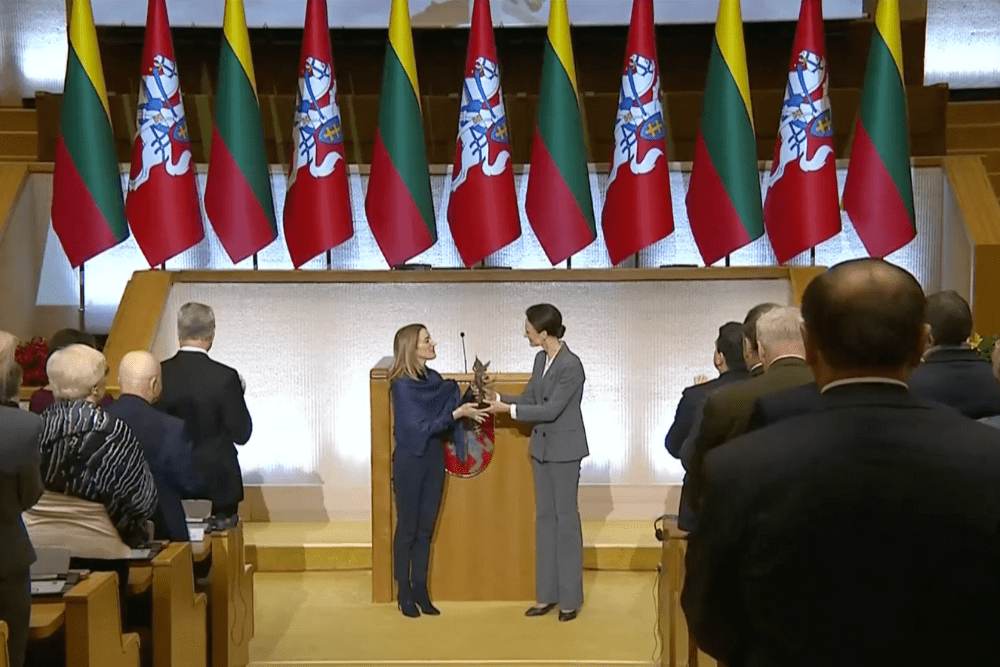
At the award ceremony today in Vilnius, European Parliament President Roberta Metsola thanked the Seimas, the Lithuanian Parliament, for its decision to honour the European Parliament with the 2023 Freedom Prize.

President Metsola said in her keynote speech marking the Day of Defenders of Freedom:

“This award does the European Parliament a great honour. It will inspire us to continue our support of democracy. It will inspire us to stand up for Europe. Lithuania knows only too well what is at stake. Why we need Europe to stand up for our freedoms and our values. Why we must stand firmly for Ukraine. Why Europe must be the light that the world sees.”

On 23 November 2023, the Seimas awarded the European Parliament and Petras Plumpa, political prisoner and participant in the Lithuanian unarmed anti-Soviet resistance, with the 2023 Freedom Prize of the Republic of Lithuania.

The European Parliament received the Prize for its current efforts to consolidate democracy and human rights, for defending the right of nations to sovereignty, for its unrelenting efforts towards historical justice, for supporting the cause of Lithuania’s freedom and the aspiration of the Soviet-occupied Baltic States towards independence, for the diplomatic assistance to Lithuania that restored its independence, and for its contribution to EU integration. As far back as 1983, the European Parliament adopted a resolution condemning the Soviet Union’s occupation of the Baltic States.

President Metsola´s visit to Lithuania kicked off a series of visits to Member States to ‘Get out the vote’ in the run up to the European elections on 6-9 June. During her visits, the President meets with the country’s leadership, and holds town hall discussions with young people and civil society representatives to highlight the importance of election participation and strengthening democracy.

You can find the full speech of President Metsola here.

President Metsola awarded the Grand Cross of the Order of the Lithuanian Grand Duke Gediminas

On Friday 12 January 2024, President of the Republic of Lithuania Gitanas Nausėda awarded the Grand Cross of the Order of the Lithuanian Grand Duke Gediminas to the President of the European Parliament Roberta Metsola “for her leadership and personal will to effectively consolidate strong support of the majority of the European Parliament’s political groups on key issues relevant to the European Union’s and Lithuania’s political agenda”.

President Metsola wholeheartedly thanked President Nauseda and the people of Lithuania for the prestigious award:

“It serves as a constant reminder of our duty to defend democracy, freedom and our common European values.”

Background

The Freedom Prize of the Republic of Lithuania is awarded every year on 13 January, the Day of the Defenders of Freedom, to mark the events of 13 January 1991, when Soviet troops stormed the Lithuanian Parliament, the TV Tower, and the Lithuanian Radio and Television building, killing 11 peaceful citizens and injuring hundreds of others.

The Freedom Prize was established in 2011 to honour individuals and organisations for their achievements in and contribution to the defence of human rights, development of democracy, and promotion of international cooperation for the cause of self-determination and sovereignty of the nations in Central and Eastern Europe.

Gaza crisis: aid agencies warn of ‘tragic, avoidable surge’ in child deaths

0
Gaza crisis: aid agencies warn of ‘tragic, avoidable surge’ in child deaths

“About 160 children are killed every day; that’s one every 10 minutes,” said UN World Health Organization (WHO) spokesperson Christian Lindmeier, echoing concerns from the UN Children’s Fund about the serious additional threat of a mass disease outbreak in the enclave.

“If youngsters continue to have restricted access to water and sanitation in Gaza, we will see a tragic yet entirely avoidable surge in the number of children dying,” UNICEF spokesperson James Elder told journalists in Geneva, who noted that more than 5,350 Palestinian children had reportedly been killed, according to the enclave’s health authorities. 

“The death toll among children is sickening,” Mr. Elder said. “Grief is becoming embedded in Gaza. So this then is a stark warning: without sufficient fuel, without sufficient water, conditions for children will plummet.”

The UNICEF spokesperson added that at least 30 Israeli children are still being held hostage “somewhere in this hellscape”, before appealing for their immediate release, to spare them “their fear (and) the torment” their families have endured.

Hospital evacuation planned

Speaking to journalists in Geneva, WHO’s Mr. Lindmeier explained that “every 10 minutes, two children are injured”, while youngsters and their families caught up in the conflict have been dying “in terrifying circumstances”.

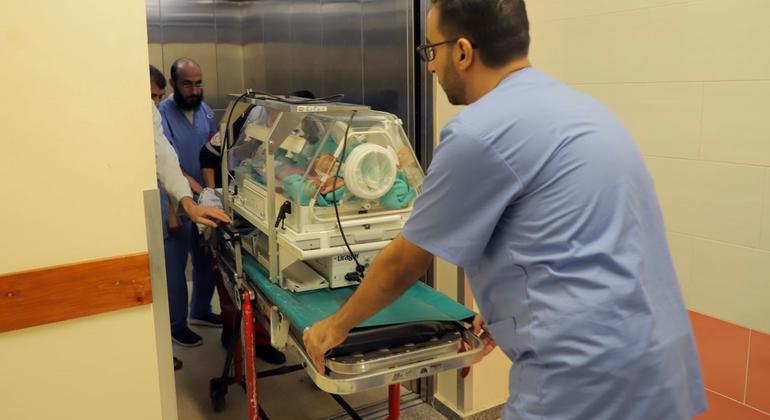
According to the UN health agency, around 180 babies are born every day in the war-shattered enclave. More than 20 of them need specialized care, just like the infants from Al-Shifa hospital in Gaza City, where 31 premature and low-birthweight babies in intensive care were evacuated over the weekend. The original number of infants was 33 but two died “because of the lack of care available to them,” Mr. Lindmeier said.

Highlighting the dire situation all over Gaza where “less than half” of the enclave’s hospitals and clinics now function “in any capacity”, the WHO official said that plans were continuing to evacuate the remaining 200 patients and 50 health workers from Al-Shifa hospital, as a desperate, last resort.

Facing ‘certain death’

“When these people – the doctors, the nurses, the patients – are asking to be evacuated, that’s really the last resort,” he said, adding that it meant “that the situation on the ground has grown so dire that the only other alternative is facing what they think certain death”. 

The WHO spokesperson explained that such evacuations were extremely complicated and dangerous, requiring coordination with Israeli Defense Forces and with Hamas “to get to a safer place inside Gaza”.

The evacuation teams will “need time, they need preparation, they need specialized equipment, they need safe passage”, Mr. Lindmeier said.

Almost no water, fuel, food

According to the UN health agency, Gaza is now home to thousands of injured and critically ill people. There has been a sharp increase in diseases such as diarrhoea, and respiratory infections, along with “almost no water, fuel, food, electricity, or medical supplies”.

Some 72,000 cases of upper respiratory infections have been reported in displacement shelters with close to 49,000 cases of diarrhoea and over half of these among children under age five. This compares with a pre-war monthly average of 2,000 cases in 2021, 2022

Arrival of medical staff and equipment

Speaking later in New York, UN Deputy Spokesperson Farhan Haq said around 40 trucks carrying medical equipment, alongside 180 doctors and nurses, entered Gaza on Monday for the establishment of a second Jordanian field hospital in the southern city of Khan Younis. The facility will have 150 beds.

He also reported that the Indonesian Hospital in Beit Lahiya, northern Gaza, came under attack on Monday.  Twelve people were reportedly killed, including patients and their companions, and many others were injured. 

This marked the fifth time the hospital has been hit since the start of hostilities last month.

“Hospitals and medical personnel are specifically protected under international humanitarian law and all parties to the conflict must ensure their protection. Hospitals must not be used to shield military objectives from attack,” he said.

The UN agency that assists Palestine refugees, UNRWA, further reported that nearly 93,000 displaced people are sheltering in 156 of its facilities across all five governorates in the Gaza Strip, including in the north.

UN at the ready

Meanwhile, international media have been reporting on the possibility of a deal between Israel and Hamas that would involve a hostage exchange and a cessation of fighting for four or five days.

Asked about UN humanitarian response in the event of a possible ceasefire, Mr. Haq said it was “a little bit premature” to talk about the issue.

“But certainly, what we are doing is trying to make sure that we are ready, so if there is any pause in fighting, which is what we’ve been asking for, we would be able to deliver humanitarian aid more effectively,” he said.

WHO staff member killed

The World Health Organization (WHO) mourned the death of a staff member who was killed in Gaza on Tuesday.

Dima Abdullatif Mohammed Alhaj, 29, worked as a patient administrator at the Limb Reconstruction Centre, a critical part of the WHO Trauma and Emergency Team, and had been with the UN agency since December 2019.

Ms. Alhaj had evacuated from Gaza City to her parents’ house in the south, which was bombed on Tuesday.

She was killed alongside her husband, six-month old son, and two of her brothers. Reportedly, over 50 family and community members sheltering in the same house also died.

“She was a wonderful person with a radiant smile, cheerful, positive, respectful. She was a true team player. Her work was crucial, and she had been requested to take on even more responsibilities to support the Gaza sub-office and team,” said Dr. Rik Peeperkorn, WHO representative in the occupied Palestinian territory.

He expressed deepest condolences to her mother and father, a long-serving medical specialist in Gaza, as well as to her family and many friends.

WHO noted that the humanitarian community and the UN have suffered losses since the start of the conflict.  Two doctors from the medical charity MSF were also killed on Tuesday while UNRWA has lost 108 colleagues to date.

“The death of Dima and her family is another example of the senseless loss in this conflict,” said WHO.  “We plead again with all those who hold in their hands the power to end this conflict to do so.”  


Source link

Back to Gas: Teslas Too Expensive for Hertz, Other EVs Too

0
Back to Gas: Teslas Too Expensive for Hertz, Other EVs Too


Rental giant Hertz is divesting approximately 20,000 electric vehicles, including Teslas, from its U.S. fleet, opting for gas-fueled cars instead. 

Tesla car being charged in an underground parking lot.

Tesla car being charged in an underground parking lot. Image credit: Upgraded Points via Unsplash, free license

This move comes around two years after entering a deal with Tesla to provide its vehicles for rent. This move signifies a downturn in demand for electric vehicles (EVs), experts say.

Hertz has decided to shift its focus to gas-powered vehicles, citing increased expenses associated with collision and damage for EVs. Despite initially aiming to transition 25% of its fleet to electric by the end of 2024, the company has reassessed its strategy.

CEO Stephen Scherr last year highlighted challenges arising from elevated expenses for its EVs, particularly Teslas. To mitigate issues, Hertz even restricted torque and speed on the EVs, making them available to experienced users on the platform to enhance adaptability after certain users experienced front-end collisions.

The company’s shares, which also include vehicles from Swedish EV maker Polestar among others, experienced a decline of approximately 4%. Concurrently, Tesla’s stock saw a decrease of about 3%.

Hertz anticipates incurring approximately $245 million in charges attributed to depreciation expenses resulting from the EV sale in the fourth quarter of 2023.

While consumers appreciate the driving experience and per-mile fuel savings of an EV, there are other “hidden costs to EV ownership.” Hertz acknowledged in a regulatory filing on Thursday that expenses related to collision and damage, primarily associated with EVs, remained elevated in the quarter.

The company, which initially aimed to acquire 100,000 Tesla vehicles by the end of 2022 and 65,000 units from Polestar over five years, has shifted its focus towards enhancing profitability for the remainder of its electric vehicle (EV) fleet.

Hertz’s used car website indicates the sale of certain Tesla Model 3 vehicles for approximately $20,000, nearly half the cost of the least expensive variant of the compact sedan.

The inventory includes over 700 EVs available for purchase, featuring models such as BMW’s i3, Chevrolet’s Bolt, and Tesla’s Model 3 and Model Y SUVs.

Written by Vytautas Valinskas


Source link

Seamless Sojourns in Europe, Unlocking the Secrets of the Schengen Area

0
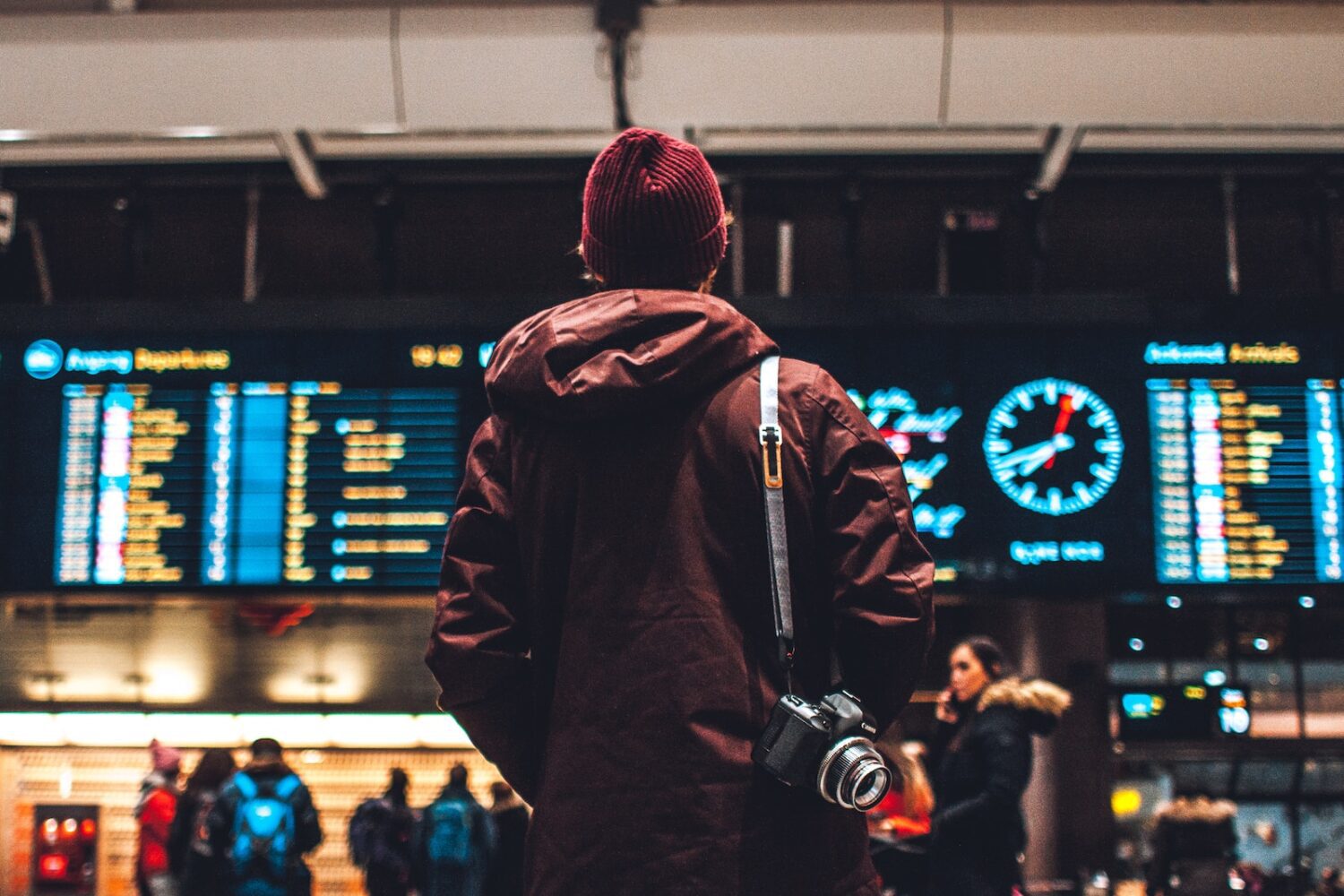
person looking up to the flight schedules
Photo by Erik Odiin on Unsplash

In the web of integration, the Schengen zone shines as a symbol of liberty and solidarity dismantling borders and granting European Union (EU) citizens the precious privilege of travelling without passports. Since its inception, in 1995 this borderless territory has become one of the achievements of the European project empowering individuals to live, study, work and explore freely within its boundaries. As we embark on an exploration of the intricacies of the Schengen area let us delve into the elements that make it a cornerstone of coexistence in Europe.

A Symphony of Nations; Understanding Schengen

At its essence, the Schengen area showcases the integration among EU countries. This passport-free region includes all EU member states except Ireland and Cyprus which will soon join. Surprisingly four non-EU countries—Iceland, Norway, Switzerland and Liechtenstein—also stand side by side within this agreement to offer a travel experience.

Unleashing Liberty; The Purpose and Benefits

The significance of the Schengen area extends beyond convenience; it embodies freedom. EU citizens revel in their ability to tour any member state for up to three months without needing anything, other than a passport or identity card.

The freedom offered by the Schengen area goes beyond leisure activities as it empowers individuals to live and work in any member state while enjoying the treatment, as local residents. Entrepreneurs find comfort in the freedom to establish their businesses while students appreciate the right to pursue education across EU countries.

Maintaining Security; A Borderless Approach

While the Schengen rules eliminate border controls security remains a priority. Once inside the Schengen area travelers can move freely between countries without facing border checks. However, this smooth movement is not without precautions. National authorities may conduct checks near borders based on police intelligence and experience striking a balance between freedom and security.

Addressing Challenges; External Borders

The challenges posed by increased migration flows in 2015 and subsequent security concerns led some member states to reintroduce border controls. The outbreak of the COVID-19 pandemic in 2020 further intensified this trend. Recognizing these challenges the European Commission proposed updates in 2021 to ensure that internal border controls are used as a resort. This careful approach highlights a commitment to preserving the integrity of the Schengen zone.

EU Responses; Adapting to Changing Circumstances

Dealing with migration issues and securing borders has prompted the establishment of tools and agencies, within the EU. The Schengen Information System, Visa Information System and the European Border and Coast Guard Agency (Frontex) have emerged as protectors of the Schengen principle. Moreover the Asylum, Migration and Integration Fund (AMIF) and the Internal Security Fund (ISF) play roles in addressing these challenges highlighting the EU’s commitment, to responsibility and cooperation.

Looking ahead; Future Developments

The journey towards strengthening the Schengen area does not stop here. The European Travel Information and Authorisation System (Etias) is set to play a role in improving security measures. Expected to be operational by mid 2025 Etias will screen travelers without requiring a visa serving as a prelude to their arrival in the EU. Additionally, plans are underway to reinforce the EU Border and Coast Guard Agency with a team of 10,000 border guards by 2027 showing a commitment to enhancing Europe’s security in the years to come.

As we navigate through the network of the Schengen area its importance becomes evident; it is more than a geographical region; it represents shared values, cooperation and an unwavering pursuit of a united Europe that celebrates diversity. So let borders fade away as new adventures begin within this essence of Schengen spirit.

A Breakthrough for Inclusivity, the EU Disability Card

0
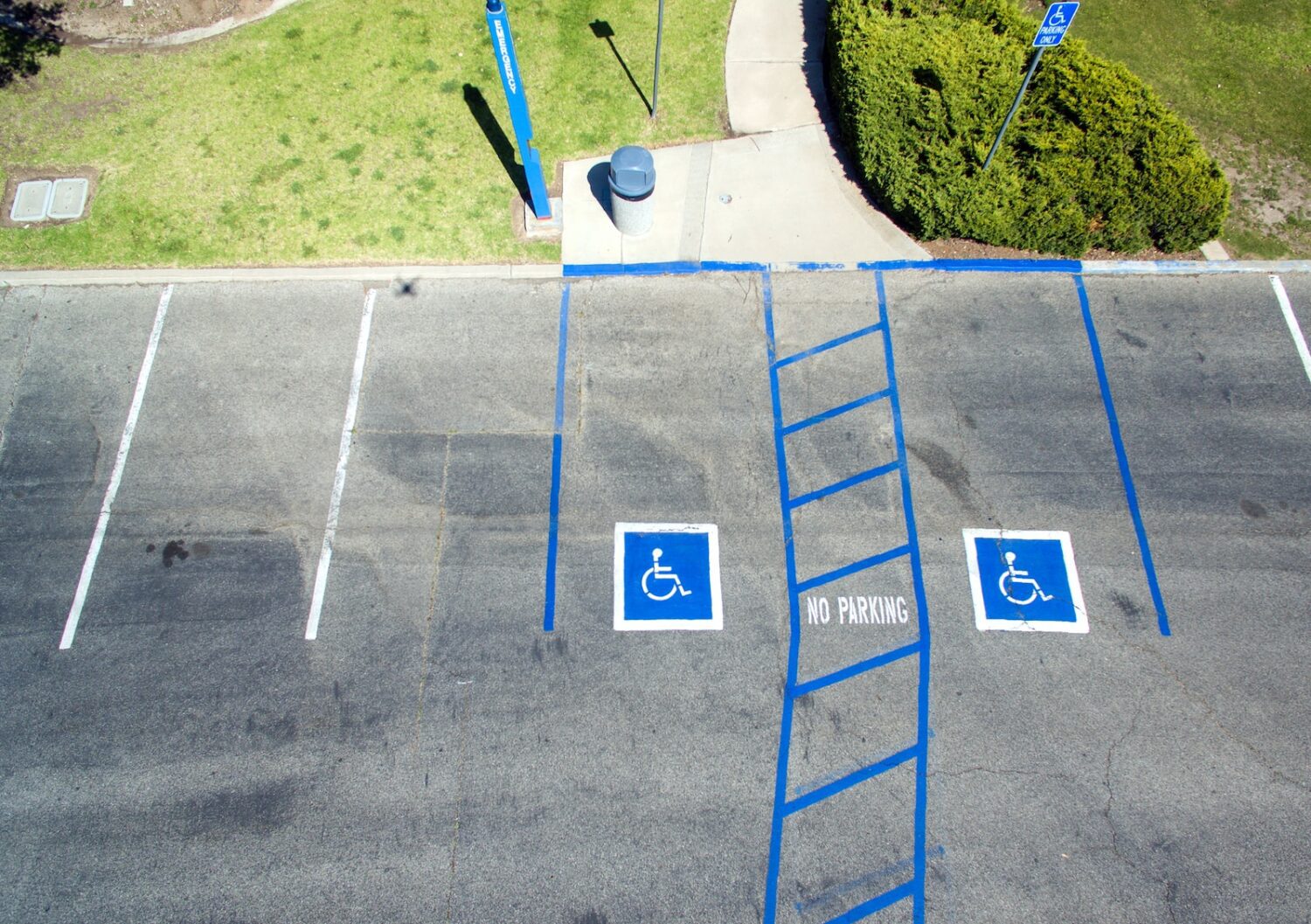
gray asphalt road near green grass during daytime
Photo by Robert Ruggiero on Unsplash

In a groundbreaking move towards inclusivity, the Employment and Social Affairs Committee of the European Parliament has unanimously adopted a proposal for an EU Disability Card, aiming to facilitate the free movement of persons with disabilities within the European Union. The initiative also seeks to revamp the European Parking Card for individuals with disabilities, ensuring equal rights and conditions for cardholders when traveling or visiting other EU countries.

Persons with disabilities often face barriers when crossing borders within the EU due to varying recognition of their disability status. The proposed directive aims to streamline this process by introducing a standardized EU Disability Card and enhancing the European Parking Card, providing individuals with disabilities access to the same special conditions, including parking, regardless of the member state they are in.

Key Highlights:

1. Swift Issuance and Digital Options:

  • The EU Disability Card is proposed to be issued or renewed within 60 days, while the European Parking Card would be processed within 30 days, both at no cost.
  • A digital version of the parking card can be requested and obtained within 15 days, offering a convenient and efficient alternative.

2. Inclusive Accessibility:

  • Both cards will be available in physical and digital formats, ensuring accessibility for a broader range of users.
  • Rules and conditions for obtaining the cards will be made available in accessible formats, national and international sign languages, braille, and easily understandable language.

3. Recognition for Work, Study, and Erasmus+:

  • To facilitate access to benefits and social assistance, the proposal includes temporary protection for European Disability Card holders working or studying in another member state until their status is formally recognized.
  • This extends to individuals participating in EU mobility programs, such as Erasmus+.

4. Awareness and Information:

  • Member states and the Commission are urged to raise awareness about the European Disability Card and the European Parking Card, establishing a comprehensive website with information available in all EU languages and national and international sign languages.

5. Unanimous Political Support:

  • The Employment and Social Affairs Committee’s endorsement, with 39 votes in favor and no votes against or abstentions, reflects a united commitment to fostering freedom of movement for persons with disabilities within the EU.

Lucia Ďuriš Nicholsonová, the rapporteur for this legislation, emphasized the significance of this milestone, stating,

“With the adoption of this crucial piece of legislation, persons with disabilities are a step closer to having freedom of movement within the EU.”

Lucia Ďuriš Nicholsonová

The proposal will move to the January plenary session for further endorsement. Once approved, negotiations with the Council will commence, aiming to bring this legislation to fruition and provide tangible benefits for persons with disabilities at the earliest opportunity.

Relations of the Ortrhodox Church with the rest of the Christian world

0

By the Holy and Great Council of the Orthodox Church

  1. The Orthodox Church, as the One, Holy, Catholic, and Apostolic Church, in her profound ecclesiastical self-consciousness, believes unflinchingly that she occupies a central place in the matter of the promotion of Christian unity in the world today.
  2. The Orthodox Church founds the unity of the Church on the fact of her establishment by our Lord Jesus Christ, and on the communion in the Holy Trinity and in the sacraments. This unity is expressed through the apostolic succession and the patristic tradition and is lived out in the Church up to the present day. The Orthodox Church has the mission and duty to transmit and preach all the truth contained in Holy Scripture and Holy Tradition, which also bestows upon the Church her catholic character.
  3. The responsibility of the Orthodox Church for unity as well as her ecumenical mission were articulated by the Ecumenical Councils. These stressed most especially the indissoluble bond between true faith and sacramental communion.
  4. The Orthodox Church, which prays unceasingly “for the union of all,” has always cultivated dialogue with those estranged from her, those both far and near. In particular, she has played a leading role in the contemporary search for ways and means to restore the unity of those who believe in Christ, and she has participated in the Ecumenical Movement from its outset, and has contributed to its formation and further development. Moreover, the Orthodox Church, thanks to the ecumenical and loving spirit which distinguishes her, praying as divinely commanded that all men may be saved and come to the knowledge of the truth (1 Tim 2:4), has always worked for the restoration of Christian unity. Hence, Orthodox participation in the movement to restore unity with other Christians in the One, Holy, Catholic and Apostolic Church is in no way foreign to the nature and history of the Orthodox Church, but rather represents a consistent expression of the apostolic faith and tradition in a new historical circumstances.
  5. The contemporary bilateral theological dialogues of the Orthodox Church and her participation in the Ecumenical Movement rest on this self-consciousness of Orthodoxy and her ecumenical spirit, with the aim of seeking the unity of all Christians on the basis of the truth of the faith and tradition of the ancient Church of the Seven Ecumenical Councils.
  6. In accordance with the ontological nature of the Church, her unity can never be perturbed. In spite of this, the Orthodox Church accepts the historical name of other non-Orthodox Christian Churches and Confessions that are not in communion with her, and believes that her relations with them should be based on the most speedy and objective clarification possible of the whole ecclesiological question, and most especially of their more general teachings on sacraments, grace, priesthood, and apostolic succession. Thus, she was favorably and positively disposed, both for theological and pastoral reasons, towards theological dialogue with other Christians on a bi-lateral and multi-lateral level, and towards more general participation in the Ecumenical Movement of recent times, in the conviction that through dialogue she gives a dynamic witness to the fullness of truth in Christ and to her spiritual treasures to those who are outside her, with the objective aim of smoothing the path leading to unity.
  7. In this spirit, all the local Most Holy Orthodox Churches participate actively today in the official theological dialogues, and the majority of these Churches also participate in various national, regional and international inter-Christian organizations, in spite of the deep crisis that has arisen in the Ecumenical Movement. This manifold activity of the Orthodox Church springs from a sense of responsibility and from the conviction that mutual understanding and cooperation are of fundamental importance if we wish never to “put an obstacle in the way of the gospel of Christ (1 Cor 9:12).
  8. Certainly, while the Orthodox Church dialogues with other Christians, she does not underestimate the difficulties inherent in this endeavor; she perceives these difficulties, however, on the path towards a common understanding of the tradition of the ancient Church and in hope that the Holy Spirit, Who “welds together the whole institution of the Church, (Sticheron at Vespers of Pentecost), will “make up that which is lacking” (Ordination Prayer). In this sense, the Orthodox Church in her relations with the rest of the Christian world, relies not only on the human efforts of those involved in dialogue, but especially on the guidance of the Holy Spirit in the grace of the Lord, who prayed “that…all may be one” (Jn 17:21).
  9. The contemporary bilateral theological dialogues, announced by the Pan-Orthodox meetings, express the unanimous decision of all local most holy Orthodox Churches who are called to participate actively and continually in them, so that the unanimous witness of Orthodoxy to the glory of the Triune God may not be hindered. In the event that a certain local Church chooses not to assign a representative to a particular dialogue or one of its sessions, if this decision is not pan-Orthodox, the dialogue still continues. Prior to the start of the dialogue or of the session, the absence of any local Church ought to be discussed at all events by the Orthodox Committee of the dialogue to express the solidarity and unity of the Orthodox Church. The bi-lateral and multi-lateral theological dialogues need to be subject to periodical evaluations on a pan-Orthodox level. 
  10. The problems that arise during the theological discussions within Joint Theological Commissions are not always sufficient grounds for any local Orthodox Church unilaterally to recall its representatives or definitively withdraw from the dialogue. As a general rule, the withdrawal of a Church from a particular dialogue should be avoided; in those instances when this occurs, inter-Orthodox efforts to reestablish representational fullness in the Orthodox Theological Commission of the dialogue in question should be initiated. Should one or more local Orthodox Churches refuse to take part in the sessions of the Joint Theological Commission of a particular dialogue, citing serious ecclesiological, canonical, pastoral, or ethical reasons, this/these Church(es) shall notify the Ecumenical Patriarch and all the Orthodox Churches in writing, in accordance with pan-Orthodox practice. During a pan-Orthodox meeting the Ecumenical Patriarch shall seek unanimous consensus among the Orthodox Churches about possible courses of action, which may also include—  should this be unanimously deemed necessary—a reassessment of the progress of the theological dialogue in question.
  11. The methodology followed in the theological dialogues aims at both the resolution of the received theological differences or of possible new differentiations, and to seek the common elements of the Christian faith. This process requires that the entire Church is kept informed on the various developments of the dialogues. In the event that it is impossible to overcome a specific theological difference, the theological dialogue may continue, recording the disagreement identified and bringing it to the attention of all the local Orthodox Churches for their consideration on what ought to be done henceforth.
  12. It is clear that in the theological dialogues the common goal of all is the ultimate restoration of unity in true faith and love. The existing theological and ecclesiological differences permit, however, a certain hierarchical ordering of the challenges lying in the way of meeting this pan-Orthodox objective. The distinctive problems of each bilateral dialogue require a differentiation in the methodology followed in it, but not a differentiation in the aim, since the aim is one in all the dialogues.
  13. Nevertheless, it is essential if necessary for an attempt to be made to coordinate the work of the various Inter-Orthodox Theological Committees, bearing in mind that the existing unity of the Orthodox Church must also be revealed and manifested in this area of these dialogues.
  14. The conclusion of any official theological dialogue occurs with the completion of the work of the relevant Joint Theological Commission. The Chairman of the Inter-Orthodox Commission then submits a report to the Ecumenical Patriarch, who, with the consent of the Primates of the local Orthodox Churches, declares the conclusion of the dialogue. No dialogue is considered complete before it is proclaimed through such a pan-Orthodox decision.
  15. Upon the successful conclusion of the work of any theological dialogue, the pan-Orthodox decision about the restoration of ecclesiastical communion must, however, rest on the unanimity of all the local Orthodox Churches.
  16. One of the principal bodies in the history of the Ecumenical Movement is the World Council of Churches (WCC). Certain Orthodox Churches were among the Council’s founding members and later, all the local Orthodox Churches became members. The WCC is a structured inter-Christian body, despite the fact that it does not include all non-Orthodox Christian Churches and Confessions. At the same time, there are other inter-Christian organizations and regional bodies, such as the Conference of European Churches, the Middle East Council of Churches and the African Council of Churches. These, along with the WCC, fulfill an important mission by promoting the unity of the Christian world. The Orthodox Churches of Georgia and Bulgaria withdrew from the WCC, the former in 1997, and the latter in 1998. They have their own particular opinion on the work of the World Council of Churches and hence do not participate in its activities and those of other inter-Christian organizations.
  17. The local Orthodox Churches that are members of the WCC participate fully and equally in the WCC, contributing with all means at their disposal to the advancement of peaceful co-existence and co-operation in the major socio-political challenges. The Orthodox Church readily accepted the WCC’s decision to respond to her request concerning the establishment of the Special Commission on Orthodox Participation in the World Council of Churches, which was mandated by the Inter-Orthodox Conference held in Thessaloniki in 1998. The established criteria of the Special Commission, proposed by the Orthodox and accepted by the WCC, led to the formation of the Permanent Committee on Consensus and Collaboration. The criteria were approved and included in the Constitution and Rules of the World Council of Churches.
  18. Remaining faithful to her ecclesiology, to the identity of her internal structure, and to the teaching of the ancient Church of the Seven Ecumenical Councils, the Orthodox Church’s participation in the WCC does not signify that she accepts the notion of the “equality of Confessions,” and in no way is she able to accept the unity of the Church as an inter-confessional compromise. In this spirit, the unity that is sought within the WCC cannot simply be the product of theological agreements, but must also be founded on the unity of faith, preserved in the sacraments and lived out in the Orthodox Church.
  19. The Orthodox Churches that are members of the WCC regard as an indispensable condition of their participation in the WCC the foundational article of its Constitution, in accordance with which its members may only be those who believe in the Lord Jesus Christ as God and Savior in accordance with the Scriptures, and who confess the Triune God, Father, Son, and Holy Spirit, in accordance with the Nicene-Constantinopolitan Creed. It is their deep conviction that the ecclesiological presuppositions of the 1950 Toronto Statement, On the Church, the Churches and the World Council of Churches, are of paramount importance for Orthodox participation in the Council. It is therefore very clear that the WCC does not by any means constitute a “super-Church.” The purpose of the World Council of Churches is not to negotiate unions between Churches, which can only be done by the Churches themselves acting on their own initiative, but to bring Churches into living contact with each other and to promote the study and discussion of the issues of Church unity. No Church is obliged to change her ecclesiology on her accession to the Council… Moreover, from the fact of its inclusion in the Council, it does not ensue that each Church is obliged to regard the other Churches as Churches in the true and full sense of the term. (Toronto Statement, § 2). 
  20. The prospects for conducting theological dialogues between the Orthodox Church and the rest of the Christian world are always determined on the basis of the canonical principles of Orthodox ecclesiology and the canonical criteria of the already established Church Tradition (Canon 7 of the Second Ecumenical Council and Canon 95 of the Quinisext Ecumenical Council).
  21. The Orthodox Church wishes to support the work of the Commission on “Faith and Order” and follows its theological contribution with particular interest to this day. It views favorably the Commission’s theological documents, which were developed with the significant participation of Orthodox theologians and represent a praiseworthy step in the Ecumenical Movement for the rapprochement of Christians. Nonetheless, the Orthodox Church maintains reservations concerning paramount issues of faith and order, because the non-Orthodox Churches and Confessions have diverged from the true faith of the One, Holy, Catholic and Apostolic Church.
  22. The Orthodox Church considers all efforts to break the unity of the Church, undertaken by individuals or groups under the pretext of maintaining or allegedly defending true Orthodoxy, as being worthy of condemnation. As evidenced throughout the life of the Orthodox Church, the preservation of the true Orthodox faith is ensured only through the conciliar system, which has always represented the highest authority in the Church on matters of faith and canonical decrees. (Canon 6 2nd Ecumenical Council)
  23. The Orthodox Church has a common awareness of the necessity for conducting inter-Christian theological dialogue. It therefore believes that this dialogue should always be accompanied by witness to the world through acts expressing mutual understanding and love, which express the “ineffable joy” of the Gospel (1 Pt 1:8), eschewing every act of proselytism, uniatism, or other provocative act of inter-confessional competition. In this spirit, the Orthodox Church deems it important for all Christians, inspired by common fundamental principles of the Gospel, to attempt to offer with eagerness and solidarity a response to the thorny problems of the contemporary world, based on the prototype of the new man in Christ.  
  24. The Orthodox Church is aware that the movement to restore Christian unity is taking on new forms in order to respond to new circumstances and to address the new challenges of today’s world. The continued witness of the Orthodox Church to the divided Christian world on the basis of the apostolic tradition and faith is imperative.

We pray that all Christians may work together so that the day may soon come when the Lord will fulfill the hope of the Orthodox Churches and there will be “one flock and one shepherd” (Jn 10:16).

† Bartholomew of Constantinople, Chairman

† Theodoros of Alexandria

† Theophilos of Jerusalem

† Irinej of Serbia

† Daniel of Romania

† Chrysostomos of Cyprus

† Ieronymos of Athens and All Greece

† Sawa of Warsaw and All Poland

† Anastasios of Tirana, Durres and All Albania

† Rastislav of Presov, the Czech Lands and Slovakia

Delegation of the Ecumenical Patriarchate

† Leo of Karelia and All Finland

† Stephanos of Tallinn and All Estonia

† Elder Metropolitan John of Pergamon

† Elder Archbishop Demetrios of America

† Augustinos of Germany

† Irenaios of Crete

† Isaiah of Denver

† Alexios of Atlanta

† Iakovos of the Princes’ Islands

† Joseph of Proikonnisos

† Meliton of Philadelphia

† Emmanuel of France

† Nikitas of the Dardanelles

† Nicholas of Detroit

† Gerasimos of San Francisco

† Amphilochios of Kisamos and Selinos

† Amvrosios of Korea

† Maximos of Selyvria

† Amphilochios of Adrianopolis

† Kallistos of Diokleia

† Antony of Hierapolis, Head of the Ukrainian Orthodox in the USA

† Job of Telmessos

† Jean of Charioupolis, Head of the Patriarchal Exarchate for Orthodox Parishes of the Russian Tradition in Western Europe

† Gregory of Nyssa, Head of the Carpatho-Russian Orthodox in the USA

Delegation of the Patriarchate of Alexandria

† Gabriel of Leontopolis

† Makarios of Nairobi

† Jonah of Kampala

† Seraphim of Zimbabwe and Angola

† Alexandros of Nigeria

† Theophylaktos of Tripoli

† Sergios of Good Hope

† Athanasios of Cyrene

† Alexios of Carthage

† Ieronymos of Mwanza

† George of Guinea

† Nicholas of Hermopolis

† Dimitrios of Irinopolis

† Damaskinos of Johannesburg and Pretoria

† Narkissos of Accra

† Emmanouel of Ptolemaidos

† Gregorios of Cameroon

† Nicodemos of Memphis

† Meletios of Katanga

† Panteleimon of Brazzaville and Gabon

† Innokentios of Burudi and Rwanda

† Crysostomos of Mozambique

† Neofytos of Nyeri and Mount Kenya

Delegation of the Patriarchate of Jerusalem

† Benedict of Philadelphia

† Aristarchos of Constantine

† Theophylaktos of Jordan

† Nektarios of Anthidon

† Philoumenos of Pella

Delegation of the Church of Serbia

† Jovan of Ohrid and Skopje

† Amfilohije of Montenegro and the Littoral

† Porfirije of Zagreb and Ljubljana

† Vasilije of Sirmium

† Lukijan of Budim

† Longin of Nova Gracanica

† Irinej of Backa

† Hrizostom of Zvornik and Tuzla

† Justin of Zica

† Pahomije of Vranje

† Jovan of Sumadija

† Ignatije of Branicevo

† Fotije of Dalmatia

† Athanasios of Bihac and Petrovac

† Joanikije of Niksic and Budimlje

† Grigorije of Zahumlje and Hercegovina

† Milutin of Valjevo

† Maksim in Western America

† Irinej in Australia and New Zealand

† David of Krusevac

† Jovan of Slavonija

† Andrej in Austria and Switzerland

† Sergije of Frankfurt and in Germany

† Ilarion of Timok

Delegation of the Church of Romania

† Teofan of Iasi, Moldova and Bucovina

† Laurentiu of Sibiu and Transylvania

† Andrei of Vad, Feleac, Cluj, Alba, Crisana and Maramures

† Irineu of Craiova and Oltenia

† Ioan of Timisoara and Banat

† Iosif in Western and Southern Europe

† Serafim in Germany and Central Europe

† Nifon of Targoviste

† Irineu of Alba Iulia

† Ioachim of Roman and Bacau

† Casian of Lower Danube

† Timotei of Arad

† Nicolae in America

† Sofronie of Oradea

† Nicodim of Strehaia and Severin

† Visarion of Tulcea

† Petroniu of Salaj

† Siluan in Hungary

† Siluan in Italy

† Timotei in Spain and Portugal

† Macarie in Northern Europe

† Varlaam Ploiesteanul, Assistant Bishop to the Patriarch

† Emilian Lovisteanul, Assistant Bishop to the Archdiocese of Ramnic

† Ioan Casian of Vicina, Assistant Bishop to the Romanian Orthodox Archdiocese of the Americas

Delegation of the Church of Cyprus

† Georgios of Paphos

† Chrysostomos of Kition

† Chrysostomos of Kyrenia

† Athanasios of Limassol

† Neophytos of Morphou

† Vasileios of Constantia and Ammochostos

† Nikiphoros of Kykkos and Tillyria

† Isaias of Tamassos and Oreini

† Barnabas of Tremithousa and Lefkara

† Christophoros of Karpasion

† Nektarios of Arsinoe

† Nikolaos of Amathus

† Epiphanios of Ledra

† Leontios of Chytron

† Porphyrios of Neapolis

† Gregory of Mesaoria

Delegation of the Church of Greece

† Prokopios of Philippi, Neapolis and Thassos

† Chrysostomos of Peristerion

† Germanos of Eleia

† Alexandros of Mantineia and Kynouria

† Ignatios of Arta

† Damaskinos of Didymoteixon, Orestias and Soufli

† Alexios of Nikaia

† Hierotheos of Nafpaktos and Aghios Vlasios

† Eusebios of Samos and Ikaria

† Seraphim of Kastoria

† Ignatios of Demetrias and Almyros

† Nicodemos of Kassandreia

† Ephraim of Hydra, Spetses and Aegina

† Theologos of Serres and Nigrita

† Makarios of Sidirokastron

† Anthimos of Alexandroupolis

† Barnabas of Neapolis and Stavroupolis

† Chrysostomos of Messenia

† Athenagoras of Ilion, Acharnon and Petroupoli

† Ioannis of Lagkada, Litis and Rentinis

† Gabriel of New Ionia and Philadelphia

† Chrysostomos of Nikopolis and Preveza

† Theoklitos of Ierissos, Mount Athos and Ardameri

Delegation of the Church of Poland

† Simon of Lodz and Poznan

† Abel of Lublin and Chelm

† Jacob of Bialystok and Gdansk

† George of Siemiatycze

† Paisios of Gorlice

Delegation of the Church of Albania

† Joan of Koritsa

† Demetrios of Argyrokastron

† Nikolla of Apollonia and Fier

† Andon of Elbasan

† Nathaniel of Amantia

† Asti of Bylis

Delegation of the Church of the Czech lands and Slovakia

† Michal of Prague

† Isaiah of Sumperk

Photo: Council’s logo

Note on the Holy and Great Council of the Orthodox Church: Given the difficult political situation in the Middle East, the Synaxis of the Primates of January 2016 decided not to assemble the Council in Constantinople and finally decided to convoke the Holy and Great Council at the Orthodox Academy of Crete from 18 to 27 June 2016. The opening of the Council took place after the Divine Liturgy of the feast of Pentecost, and the closure – the Sunday of All Saints, according to the Orthodox calendar. The Synaxis of the Primates of January 2016 has approved the relevant texts as the six items on the agenda of the Council: The mission of the Orthodox Church in the contemporary world; The Orthodox diaspora; Autonomy and the manner of its proclamation; The sacrament of marriage and its impediments; The importance of fasting and its observance today; The relationship of the Orthodox Church with the rest of the Christian world.

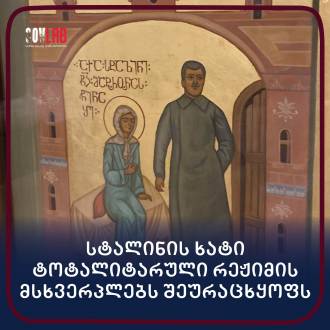
An icon with an image of Stalin in the Tbilisi Cathedral was covered with paint

0

An icon of St. Matrona of Moscow, which also depicts Soviet commander-in-chief Joseph Stalin, was placed in Tbilisi’s Holy Trinity Cathedral. The icon was placed a few months ago, but on the eve of the Nativity of Christ in the old style, it was moved to a more central place, where it attracts the attention of visitors. Georgian historian Giorgi Kandelaki posted photos of the icon on his Facebook page with the words: “Icon of Joseph Stalin, the initiator of the destruction of Georgia’s independence, the murderer of thousands of clergy and the creator of the Soviet totalitarian system, in the Holy Trinity Cathedral.” Another success for the Russian information war machine.”

His publication found a strong public response and the patriarchate had to comment on the case. The head of the press office of the patriarchate, Fr. Andrija Jagmaidze confirmed in a conversation with the Georgian publication CNews that Stalin is indeed depicted on one of the icons in the cathedral, but reminded that the icons sometimes have images of people who insulted or persecuted the Church. He gave as an example the persecutor of Christians Diocletian, who is depicted on the icon “St. George advises Diocletian”. According to the representative of the patriarchate, it is not the icon itself that is a provocation to the feelings of the faithful, but the drawing of attention to it on the eve of the holiday.

However, his words did not convince the outraged people, who rightly note that on this icon Stalin is not represented as a torturer, as is the case with the icon of St. George, but as a meek Christian standing humbly next to a saint. She wants to legitimize the myth of Stalin’s secret Christianity, which is particularly popular among supporters of the Soviet regime.

On January 10, the icon was covered with blue paint. Civil activist Nata Peradze published footage of the painted icon. This is the reason why dozens of supporters of one of the far-right Georgian movements with a pro-Putin orientation surrounded her home and attempted to lynch her, “finishing what the state does not do.” The police did not allow suicide. As RFE/RL’s Georgian Service reported, an angry mob swarmed the house of Georgian activist Nata Peradze on January 10 after she posted a video online showing blue paint splattered on an icon of St. Matrona of Moscow in Tbilisi’s Holy Trinity Cathedral that had recently sparked controversy because it carries an image of the Soviet dictator Josef Stalin. It was initially unclear whether Peradze had defaced the icon, but as activists of the pro-Russia Alt-Info group gathered outside her home and loudly accused her of “insulting the icon,” she admitted she threw the paint.

Georgia’s Institute for the Study of the Soviet Past has called for the icon to be removed from the central Georgian temple. They remind that the icon was placed in the temple on the eve of the 103rd anniversary of the Soviet occupation of Georgia, “which began precisely on the initiative of Joseph Stalin”, and is “an insult to the memory of the victims of Soviet Russian totalitarianism”: “During Joseph Stalin’s rule in Georgia saw the execution of hundreds of clergy, most of them pastors and parishioners of the Georgian Orthodox Church, especially during the anti-Soviet uprising of 1924 and then during the Stalinist terror of 1937-1938. during Stalin’s rule, some 80,000 clergy and up to one million citizens were executed simply for their religious beliefs,” the organization said in a statement.

However, after the paint splatter incident, the icon was cleaned and placed in an even more central location in the temple, and media access to the temple was temporarily banned “without permission”.

Meanwhile, it is clear that the icon was donated to the church in Tbilisi by the leaders of the pro-Russian Alliance of Patriots party Irma Inashvili and David Tarkhan-Muravi. It aims to revive the cult of Stalin on church grounds, so that he is presented as a patron of the church and not as a persecutor. This goal is clearly recognized by the faithful who react sharply to this provocation, especially since in the recent church history of Georgia, its most popular contemporary saint Gabriel (Urgebadze) is known for his act of protest when during the Holy Week of 1965. publicly burns a portrait of Lenin with the words: “The Lord says: Do not make for yourself an idol or any image of that which is in heaven above, that is on the earth below, and that is in the water under the earth; do not bow down to them and do not serve them.’ Lenin’s portrait was carried at a demonstration on the eve of Easter, and neither the saint nor his contemporaries could have guessed that the time would come when the images of the persecutors of the Church of Christ would occupy a place of honor in the temple.