It details how systemic racism, marginalization and exclusion, rooted in the legacies of enslavement and colonialism, continue to have a negative effect on all aspects of life.
UN High Commissioner for Human Rights Volker Türk urged States to “accelerate action towards meaningful, inclusive and safe participation for people of African descent in every aspect of public affairs”.
Tackling systemic racism
The UN rights chief emphasized that efforts to address systemic racism must be grounded in evidence, with data analysed in terms of race and ethnic origin.
But he warned that many countries still do not collect, publish, or use such data to inform policymaking.
While the report includes examples where participation has been facilitated, it cautions that there are persistent challenges and the lack of “a safe and enabling environment” in many countries.
“Racial abuse and discrimination, surveillance, harassment, intimidation, arrests and violence against people of African descent and civil society actors of African descent, hinder meaningful, inclusive and safe participation for people of African descent in public affairs in many countries,” Mr. Türk said.
Targeted action
The High Commissioner urged States to take targeted action to change the status quo.
This includes evidence-based legal, policy and institutional approaches to dismantle systemic racism, including in law enforcement, as described in a new guidance note on transformative change for racial justice and equality.
Deaths continue
According to the OHCHR report, the deaths of people of African descent during or after interactions with law enforcement continue.
It found that little progress has been made to address impunity – despite attempts by families seeking justice.
“Deaths during or after interactions with law enforcement continue to be reported, with insufficient progress towards accountability and redress,” Mr. Türk said.
“States need to take firm action to ensure justice and redress in these cases, and to put in place strengthened and independent oversight mechanisms. It is essential that they examine what role racial discrimination, stereotypes and biases play in law enforcement and accountability processes,” he added.
The case of Adama Traoré
Speaking in Geneva, OHCHR spokesperson, Ravina Shamdasani, pointed out that the death of 24-year-old Adama Traoré in police custody in 2016 was “one of seven illustrative cases” in the report, demonstrating the “challenges that families of African descent face in seeking truth and justice promptly”.
Last week judges concluded that the gendarmes responsible for his arrest in Beaumont-sur-Oise, north of Paris, had not committed “illegitimate intentional violence” and could not be charged for failing in their duties.
Ms. Shamdasani emphasized that OHCHR is watching the case closely following the family’s decision to appeal the ruling.
She noted that: “Seven years after his death the family are still waiting for the full truth to be formally established, for corresponding responsibilities and for appropriate measures to be taken to ensure that justice and effective remedies are put in place so such an incident cannot occur again”.
She added that the report highlights allegations of an online smear campaign and threats against Adama Traoré’s sister.
These include posts from accounts on social media site X of two professional police unions, following her cooperation with the Committee on the Elimination of Racial Discrimination (CERD) last year.
“We will continue to follow this closely,” she said.
Reparations
Regarding questions of reparations for people of African descent, Ms. Shamdasani pointed out that the High Commissioner has insisted on several pillars of the response to systemic racism.
These include “confronting the legacies of the past, accountability and redress”. She stressed that Mr. Turk believes “States need to recognise that behind contemporary forms of racism, dehumanization and exclusion, is a failure to acknowledge responsibilities for enslavement”.
He believes there is a need to “comprehensively repair the harms”.
She emphasized again that the process of redress needed to be “informed by people of African descent,” with “wide-ranging initiatives, including formal acknowledgement, apologies, truth-telling processes and reparations in various forms. This should be structured through “the effective participation of people of African descent and their communities,” she added.
The UN refugee agency, UNHCR, and 64 humanitarian and national civil society organisations on Monday appealed for $1 billion to provide essential aid and protection to more than 1.8 million people fleeing the ongoing conflict in Sudan who are expected to arrive in five neighbouring countries by the end of 2023.
Since the crisis began when rival military groups clashed in mid-April, projections of growing numbers of people trying to escape fighting have sharply spiked upwards.
“The crisis has triggered an urgent demand for humanitarian assistance, as those arriving in remote border areas find themselves in desperate circumstances due to inadequate services, poor infrastructure and limited access,” said Mamadou Dian Balde, UNHCR Regional Bureau Director for the East and Horn of Africa and Great Lakes, and Regional Refugee Coordinator for the Sudan Situation.
“Partners active in this response are making every effort to support those who are arriving and their hosts, but without enough donor resources, these efforts will be severely curtailed.”
The current appeal is based on expectations reflecting a two-fold increase of what was initially estimated in May to respond to the crisis.
Displacement, needs continue to soar
More than one million refugees, returnees, and third-country nationals have already fled the country, the agency reported.
Critical necessities include water, food, shelter, health services, cash aid, core relief items, and protection services. Urgent attention is also required for an increasingly dire health situation among new arrivals. High malnutrition rates, disease outbreaks, such as cholera and measles, and related deaths are occurring in several receiving countries.
‘Action can no longer be delayed’
Tweet URL
“It is deeply distressing to receive reports of children dying from diseases that are entirely preventable, should partners have had sufficient resources,” Mr. Balde said. “Action can no longer be delayed.”
The countries receiving people fleeing Sudan – Central African Republic, Chad, Egypt, Ethiopia, and South Sudan – were hosting hundreds of thousands of displaced people even before this crisis.
“Countries in the region are facing major challenges of their own and yet they continue to show remarkable generosity, but we cannot take their hospitality for granted,” he said.
“The international community needs to stand in solidarity with host governments and communities and address the persistent underfunding of humanitarian operations; this is crucial to support individuals and communities in need, pending much needed peace.”
The 2023 Sudan Emergency Regional Refugee Response Plan (RRP) was launched in May 2023, revised in June 2023, and again in August 2023. The revisions reflected dramatic and ongoing increases in external displacement from Sudan and the resulting humanitarian crisis.
While needs have grown exponentially, donor resources have not kept pace. Currently, only 19 per cent of the increased requirements has been received.
Learn more about the Sudan Emergency Regional Refugee Response Plan here.
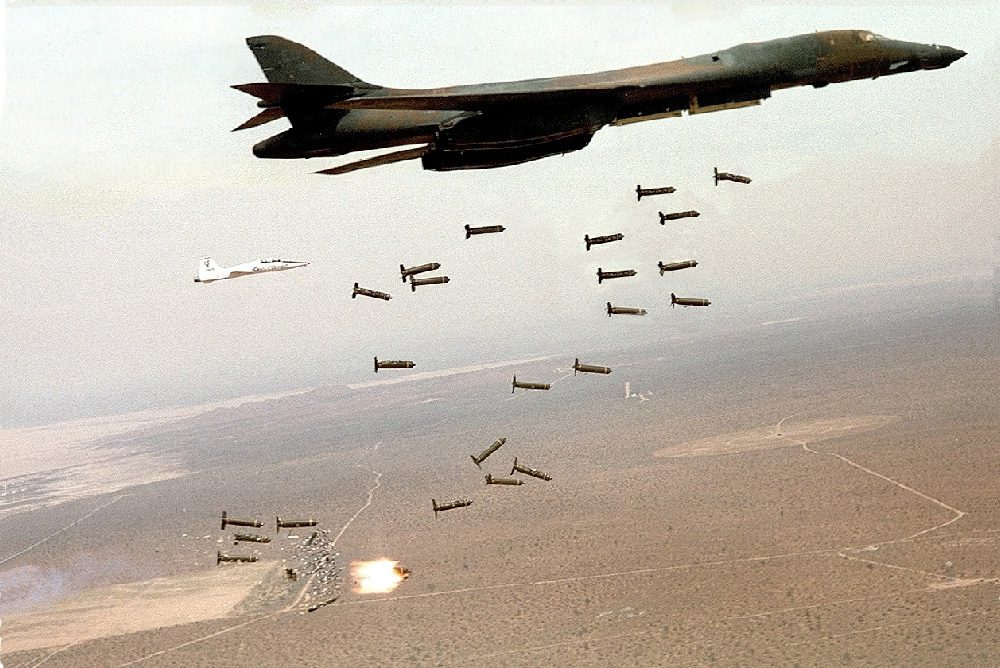
U.S. Air Force - A B-1B Lancer drops cluster munitions.
There has been a dramatic increase in the number of civilians killed by cluster munitions, according to new data released on Tuesday by the UN-partnered Cluster Munition Monitor (CMC) civil society group.
The CMC 2023 report indicates that 1,172 people were killed or injured in 2022, which is the highest number since regular reporting started in 2010.
Speaking to journalists in Geneva, Human Rights Arms Advocacy Director Mary Wareham, emphasised that 95 per cent of casualties reported were civilians.
“It is unconscionable that civilians are still dying and being wounded from cluster munitions 15 years after these weapons were prohibited,” she said.
Cluster bombs are weapons designed to be scattered over large areas, containing several hundred “mini-bombs” called sub-munitions. As they make no distinction between civilians, civilian property and military targets, cluster bombs violate the rules of international humanitarian law.
Convention milestone
The treaty banning the weapons was first agreed in May 2008 and entered into force on 1 August 2010. The Convention prohibits all use, stockpiling, production and transfer of cluster munitions, primarily because of the indiscriminate harm they cause civilians.
Global support for the convention is in “good standing”, Human Rights Arms Advocacy Director Mary Wareham noted, as 112 countries are now bound by its provision and 12 others are signatories.
Other positive developments include South Sudan’s accession to the convention on 3 August, while Nigeria ratified it on 28 February, the report authors noted.
Since the convention’s adoption in 2008, there have been no confirmed reports or allegations of new use, production, or transfers of cluster munitions by any state party to the international treaty.
Ms. Wareham emphasised that the greatest obstacle to eradication “are the governments that are unwilling to join this Convention and that undermine its principles by using and transferring these weapons”.
She also highlighted civil society’s efforts to prevent the transfer of United States cluster munitions stocks to Ukraine.
“We were appalled by that decision, we fought it behind the scenes for the year leading up to this decision,” said Ms. Wareham. “The cluster munitions have been transferred now…There can be no responsible use of cluster munitions.”
Today, we hosted the launch of the Cluster Munition Monitor 2023.
This comprehensive annual report covers policy, use, production, transfers, stockpiling, contamination, casualties, clearance, education and victim assistance. #ClusterMunitionMonitor
— United Nations Institute for Disarmament Research (@UNIDIR) September 5, 2023
Facts and Figures
According to the UN-partnered report, 987 people were killed or wounded directly in cluster munition attacks in 2022. This is compared to the previous year, where no casualties were attributed to cluster munition attacks anywhere in the world.
The vast majority of these casualties were in Ukraine, where at least 890 people, primarily civilians, were killed or wounded in attacks. The report highlights that Russia has repeatedly used cluster munitions in Ukraine since the invasion in February 2022 and that Ukraine itself has also employed the weapons – although to a lesser extent.
Furthermore, government forces in Syria and Myanmar were found to have used cluster munitions in 2022. This is the first year use of the deadly weapons have been reported in Myanmar. None of these countries has signed or ratified the 2008 treaty banning cluster munitions.
Long-term impacts
Cluster munitions pose severe long-term risks to communities. It is reported that up to 40 per cent do not explode on impact, allowing for decades of intermittent detonations.
The report authors warned of the dangers of when war ends and communities go back to “normal”, often triggering any unexploded remnants.
According to the Paul Holtom, Head of the conventional arms and ammunition programme at UN Institute for Disarmament Research at least 185 people were killed or wounded by cluster munition remnants across Ukraine, Syria, Myanmar, Azerbaijan, Iraq, Laos, Lebanon and Yemen in 2022.
Devastating for children
Loren Persi, the report’s editor, said that “these remnants are particularly devastating for children”, who made up 71 per cent of remnant casualties in 2022.
Youngsters are often drawn to the weaponry which often land “in areas where children play or work taking animals out of the field”, said Mr. Persi, who emphasised the importance of education and awareness around the ammunition’s dangers.
The report’s authors also insisted that governments should unite to condemn any use of cluster munitions and join the global ban on these weapons.
To date, “124 countries are managing to live without cluster munitions in their arsenals, without using them and they are using alternative weapons, means and methods of war fighting,” said Ms. Wareham.
The Cluster Munition Monitor is a civil society group, of which the UN Institute for Disarmament Research is a partner. It is the official monitoring regime for the Mine Ban Treaty and the Convention on Cluster Munitions.
UN relief chief Martin Griffiths released $125 million from the UN’s Central Emergency Response Fund (CERF) on Tuesday to assist underfunded humanitarian operations in 14 countries across Africa, Asia, the Americas, and the Middle East.
Faced with these record needs, less than 30 per cent of the target funding goal has been received.
“It is a cruel reality that in many humanitarian operations, aid agencies are scraping along with very little funding right at a time when people’s needs compel them to scale up,” said Emergency Relief Coordinator Griffiths.
“Thanks to the generosity of a vast range of donors, we can count on CERF to fill some of the gaps. Lives are saved as a result. But we need individual donors to step up as well – this is a fund by all and for all,” he continued.
Skyrocketing needs
The recent injection brings the emergency fund’s total support to more than $270 million this year.
This is the largest amount ever allocated, to the highest number of countries, reflecting skyrocketing needs and the fact that regular donor funding is not keeping pace.
“Funding, generally, is growing in absolute dollar terms. The main issue is that the needs are outpacing that growth, so the funding gap widens,” said OCHA Spokesperson Jens Laerke.
Tuesday’s CERF allocation will help scale up humanitarian assistance in some of the world’s most protracted and neglected crises, including: Afghanistan ($20 million), Yemen ($20 million), Burkina Faso ($9 million), Myanmar ($9 million), Mali ($8 million), Haiti ($8 million), Venezuela ($8 million), Bangladesh ($8 million), the Central African Republic ($6.5 million), Mozambique ($6.5 million), Uganda ($6 million), Cameroon ($6 million), the Occupied Palestinian Territories ($6 million), and Malawi ($4 million).
An unprecedented number of migrants and refugees continue to cross the dense tropical jungle between Colombia and Panama known as the Darien Gap, risking their lives and facing horrific human rights abuses, the UN rights office (OHCHR) said on Tuesday.
So far this year, more than 330,000 people have crossed the Darien Gap on their journey towards North America – the highest annual figure recorded to date, OHCHR said. One in five was a child.
Risk of sexual violence
During the crossing, migrants and refugees are exposed to multiple human rights violations and abuses, including sexual violence – “a particular risk for children, women, LGBTI people and people with disabilities”, said OHCHR spokesperson Marta Hurtado.
She added that there were also murders, disappearances, trafficking, robbery, and intimidation by organised crime groups.
10-day journey through Darien Gap
Ms. Hurtado pointed out that traveling on foot through the 575,000-hectare jungle was already perilous in itself, and a four to seven-day walk across the Darien Gap in the dry season could turn into a 10-day trip during the nine month-long rainy season.
The harrowing trek involves climbing steep mountains and crossing dangerous waterways.
Increased vulnerabilities
OHCHR highlighted “limited humanitarian attention” both in Panama and Costa Rica as a factor that worsened the precarious living conditions in the two countries and increased vulnerabilities.
Last month, the UN quoted figures from Panamanian authorities showing that those crossing the jungle came mainly from Venezuela (55 per cent), Haiti (14 per cent), and Ecuador (14 per cent).
Some are coming from Colombia and Peru and children of Haitian parents born in Chile and Brazil have been recorded too.
Others come from as far away as China, Afghanistan and Nepal.
#DarienGap: We're worried about the risks & vulnerabilities faced by an unprecedented number of migrants and refugees crossing on their journey to North America. We urge all States to promote human rights-based solutions to migration governance challenges. https://t.co/yr46YWzQRdpic.twitter.com/cerIlm4zYu
With the support of the international community, the Government of Panama has built three migration centres to provide shelter, food, health care and water and sanitation for those on the move, OHCHR said. Two are located in Darien province and one at the border with Costa Rica.
However, capacity remains stretched. OHCHR warned that amid rising numbers of incoming refugees and migrants, providing protection and aid was increasingly challenging for the authorities.
Avoid anti-migrant narratives
Ms. Hurtado said her office recognised the efforts being made by Costa Rica and Panama to meet humanitarian needs.
OHCHR called on the international community to strengthen its support to the States in the Americas to close protection gaps and to help address the structural factors forcing people to leave their homes.
Back in August, the UN migration agency (IOM) and the UN refugee agency (UNHCR) also urged a “collaborative, comprehensive and regional approach” in responding to humanitarian and protection needs of people on the move across the whole Latin America and Caribbean region.
Advocating for human rights-based solutions to migration governance challenges, OHCHR warned against “discriminatory, anti-migrant narratives” targeting vulnerable people on the move.
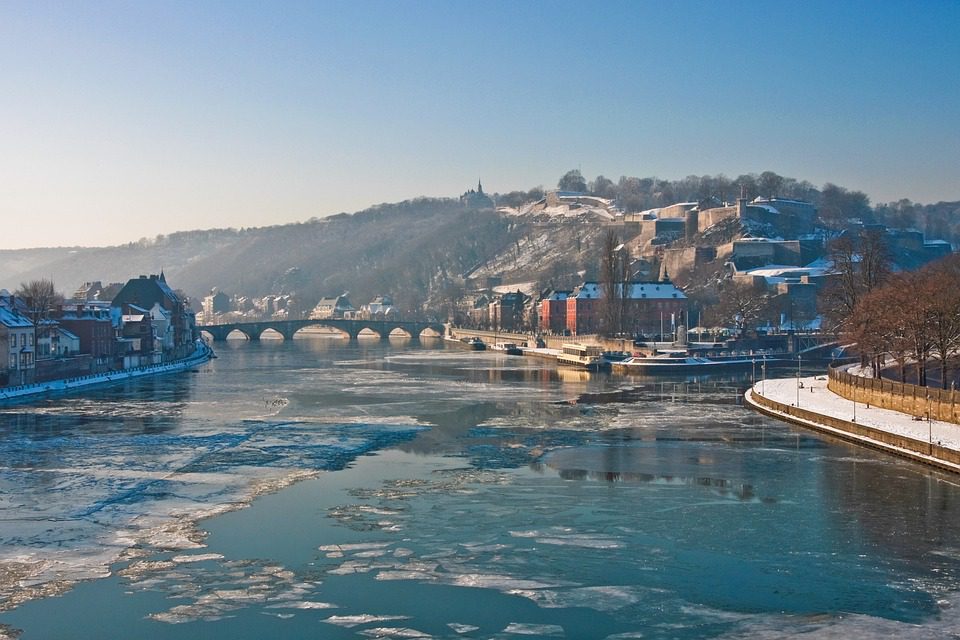
Namur, jewel of Wallonia: between architectural heritage and natural landscapes
Located in the heart of Wallonia, Namur is a Belgian city full of architectural treasures and breathtaking natural landscapes. This capital of the Walloon region offers visitors a unique experience, combining history, culture and nature.
Namur is above all a city rich in architectural heritage. The heart of the city is dominated by the majestic citadel, which offers a breathtaking view of the Meuse and the surrounding area. Built in the 13th century, this fortress has witnessed many historical events and is now a must-see place for history buffs. The ramparts of the citadel also offer a pleasant walk, allowing you to discover the different panoramas offered by the city.
Going down from the top of the citadel, we discover the picturesque streets of the city center. Place d’Armes, with its colorful houses and lively terraces, is the vibrant heart of Namur. There is also the town hall, a magnificent building dating from the 17th century. Not far from there is Saint-Aubin’s Cathedral, another architectural gem of the city. This Gothic cathedral, built in the 13th and 14th centuries, houses many works of religious art.
Namur is also renowned for its religious heritage. Saint-Loup collegiate church, with its flamboyant Gothic facade, is another monument not to be missed. Inside, you can admire splendid stained glass windows and sculptures dating from the Middle Ages. Not far from there is the Saint-Jean-Baptiste church, another example of the religious architecture of Namur.
But Namur is not just about its architectural heritage. The city is also surrounded by natural landscapes of great beauty. The Meuse valley, with its green hills and picturesque little villages, offers wonderful walks and bike rides. Nature lovers can also explore the many trails in the natural park of the Burdinale and Mehaigne valleys, which offer a great diversity of landscapes.
The Jardin des Plantes, located in the heart of the city, is a real haven of peace. This botanical park, created in the 19th century, is home to plant species from all over the world. Garden lovers can also visit Parc Louise-Marie, a magnificent landscaped park laid out in the 19th century.
Namur is also a lively city, where many cultural events take place throughout the year. The Festival International du Film Francophone de Namur, held every year in September, is one of the most important events in the city. We discover French-speaking films from all over the world, as well as meetings with directors and actors.
In short, Namur is a city that combines architectural heritage and exceptional natural landscapes. Between the citadel, the picturesque alleys of the city center and the green landscapes of the Meuse valley, this Walloon city offers a unique experience to those who visit it. Whether you are a lover of history, culture or nature, Namur will meet all expectations.
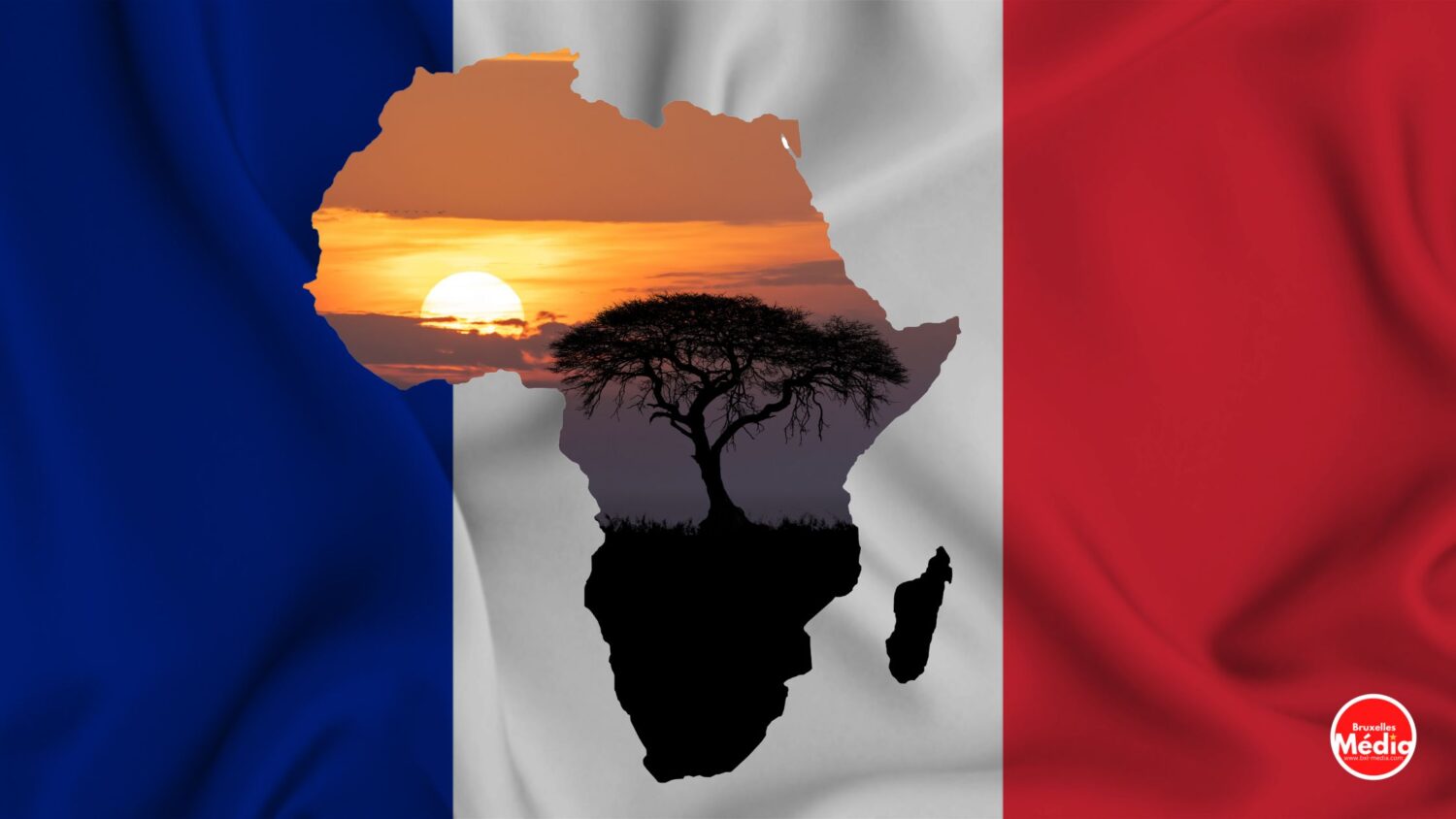
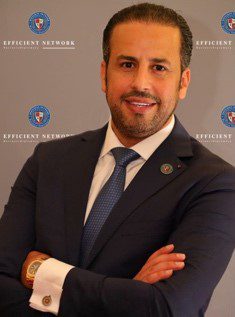
Exploring the relationship, between Africa and France Kamal Benali delves into this multifaceted connection. Drawing from his expertise in geopolitics he carefully examines the political, economic, and cultural aspects that have shaped this bilateral bond. With his experiences and extensive network of connections with leaders, he provides an insightful analysis of the challenges and possibilities that lie ahead for these two entities. In doing he offers a perspective, on how their engagement is evolving in a rapidly changing global landscape.
Article written by Kamal Benali
France’s future in Africa is currently being played against a backdrop of the fight against terrorism, the well-understood economic interests of the former colonial power, a resurgence of African nationalism, and foreign influences, notably Russia via its armed and economic arm on the continent, Wagner.
France’s legitimacy in the fight against the influence of radical Islamists and terrorists in the Sahel is unquestionable, even if it is also, and by the same token, a question of bolstering France’s economic and geopolitical interests, interests recently undermined in Niger following the coup d’état that toppled the duly elected President Mohammed Bazoum.
Some French-speaking African countries, such as Mali and Burkina Faso, believe, rightly or wrongly, that their sovereignty has been under French tutelage for too long and that the time has now come for them to fully assume their destiny, regardless of France’s wishes, i.e., its interests. While we may sometimes doubt the authenticity of this nationalism among the new leaders of these two countries, who are known to be ready to exchange one past tutelage for another (e.g., Russia), we do not question the reality of the emergence of a strong national feeling. It’s a mixture of pride in what they are and rejection of what France has represented for the active youth of these nations.
The diplomatic battle is intense today. On the one hand, several ECOWAS countries do not recognize Niger’s new leaders, while France is intervening in this thorny issue. On the other hand, the military regime now ruling Niger enjoys the support of a large part of the population. The latter, whether spontaneously or as a result of skillful manipulation, is exasperated by what it perceives as French domination.
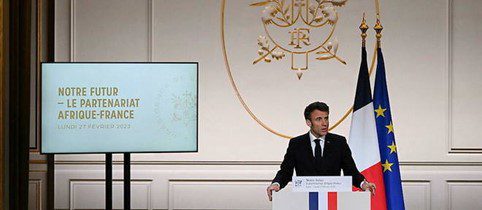
Yet another idea for a future partnership between Africa and France
Consequences of external intervention in West Africa
Are we witnessing a repetition of what has already happened in Mali and Burkina Faso, where leaders and populations seem to have agreed to end France’s influence, if not its presence, without anyone seriously doubting Wagner’s role in these operations? This position, in reality, has only one aim: to exploit the natural resources of these countries on behalf of Russia and certainly not to put them at the service of their development and populations.
France’s presence in West Africa, and specifically in Niger, is the subject of fierce contestation. France must adapt to this new African reality for economic and geopolitical reasons. This adaptation is crucial not only to counter Russian expansionism but also to safeguard its interests, not all of which are illegitimate.
The recent political history of West African countries has been a succession of setbacks for France.
Chronic poverty, substantial income inequalities between the ruling class and the population, and idle young people with no future, all too often forced by necessity to emigrate to Europe, make an already delicate situation even more difficult for security, political, and economic reasons. The stability of the West African states is thus compromised, with the vivid anti-French sentiment serving as a catalyst as much as a pretext for serial destabilization operations.
From intervention in Libya to the crisis in Mali
In 2013, Mali’s interim President Dioncounda Traoré called on France under President François Hollande to prevent Bamako from being taken over by heavily armed terrorist groups from Libya and northern Mali.
On January 11, 2013, François Hollande launched Operation Serval to push these terrorist groups away from Bamako, Mali’s capital. But this was no more than a tactical retreat for these groups since, entrenched in northern Mali, the terrorists had successfully formed a terrorist state in Kidal, i.e., establishing themselves on a territory.
In reality, the creation of these armed groups stems from the bombing of Libya orchestrated by NATO at the request of Great Britain and France, leading to the collapse of Mr. Gaddafi’s regime. This intervention, justified in the name of human rights by the West, lifted the barriers holding back sub-Saharan immigration. The human rights fallout could prove worse than the problems it was hoped to solve by eliminating the Libyan leader. What’s more, traffic in modern, sophisticated weapons has been organized. These weapons have been recovered by jihadists, including Al-Qaeda, the Islamic Al Maghreb (AQIM), and Arsadine, as well as by the Tuareg rebels of the Mouvement national pour la libération de l’Azawad (MNLA), who dominate northern Mali. The common aim of these movements is to destabilize the countries bordering Libya and, if possible, take control of them.
On August 18, 2020, Mali’s democratically elected President, Ibrahim Boubacar Keïta, was overthrown by a group of colonels led by Assimi Goïta. These soldiers were quick to criticize, with a particular bias, the lack of effectiveness of the French Barkhane force, which they deemed incapable of eradicating terrorism in northern Mali. This criticism prompted the regime to call for withdrawing French troops and MINUSMA a few months after coming to power. Despite more than ten years of operations, these forces were accused of being costly for Mali and ineffective against the terrorists and the areas they control.
After Mali, Burkina Faso, Guinea Conakry and now Niger, What about the decolonization pact?
Deteriorating economic conditions are often conducive to the emergence of undemocratic powers, whose actions always end badly for people who may have believed that authoritarian or even dictatorial regimes would be more effective than others who respect civil liberties. We witnessed this in Europe between the two Great Wars and Latin America throughout the last century. However, before projecting this pattern elsewhere, we must analyze the historical, political, and cultural conditions and traditions of the countries concerned, particularly in Africa.
Russia’s growing influence in Africa
It’s important to understand that the collective consciousness of African populations has evolved through observation of world events to which they have access, just like most other peoples.
Scrutinizing the horizon, reading the signs of the times, and understanding the economic stakes of today’s world are now within people’s grasp. However, this understanding needs to be improved on the one hand by manipulations of the popular masses orchestrated by a group of interests working for Russia. On the other hand, it is biased either by the naivety or personal interests of new leaders, often military. Some of them have seen fit, even wise, to enlist the help of the Wagner armed group to run their country.
It is not in the interests of the people or the continent to welcome a partner with dubious intentions to this region, which is already vulnerable for the above reasons. Economically, the aim is to despoil the countries concerned. Geopolitically, the purpose seems to destabilize the European continent, notably by encouraging mass immigration.
But it’s doubtful that Africa will benefit from such destabilization if Wagner’s plundering of countries is indeed likely.
Mali is a case in point. In the name of the indisputable principle that people everywhere are free to determine their destiny, the coup d’état of May 18, 2021, in Mali, saw Mr. Assimi Goita come to power as President of the Transition. Only a few months after taking office, he decided to call in the private Russian militia Wagner to reconquer the territories under jihadist control completely. We know that this reconquest has come to a standstill, that massacres have been carried out by the militia as mentioned above, whose modus operandi is well known, and that the country’s economy is gradually being handed over to the Wagner group and therefore to Russia.
What can France and its allies do about this situation? Strategically, their options are limited. They mainly denounce the Russian government’s involvement and association with the Wagner group. Jean-Yves Le Drian, former head of the Quai d’Orsay, has openly criticized this alliance. He stressed that France would never support policies that overly favor Russia, given that there is no valid justification for Russia’s presence in Africa other than its attempt to destabilize Europe through hybrid wars.
On the Mali-Burkina Faso front, France was at the forefront of clashes between terrorist groups and the national forces of both countries. Violent attacks on the Burkinabe national army and mining operations, the economic mainstay of Burkina Faso, led the population to express their displeasure with a French convoy, ultimately demanding the withdrawal of these troops. This situation opened a door of opportunity for Russia, eager to become more involved in this region with its far-reaching economic and geostrategic implications.
As a result, the constitution was suspended on January 24, 2022, and the government and national assembly dissolved, with the regime promising a “return to constitutional order” within “a reasonable timeframe.” These circumstances led to the fall of the government of President Roch Marc Kaboré, who has been in power since 2015. He was overthrown by Lieutenant-Colonel Paul-Henri Sandaogo Damiba, surrounded by other military personnel, who set up the “Mouvement Patriotique pour la Sauvegarde et la Restauration” (MPSR), currently in power.
The waltz continued eight months later, this time with the arrival on the scene of Captain Ibrahima Traoré, who put an end to the short-lived power of Lieutenant-Colonel Paul Henri Sandaogo Damiba, judged to be overcautious and too close to France due to his close relations with President Alassane drama OUATTARA of Côte d’Ivoire.
On this occasion, a vast and delighted crowd, mainly of young people claiming to be patriots, pan-African activists, and militants, attacked the French embassy. They also threatened French interests throughout the country. Their anger was palpable in the streets of Ouagadougou: they waved Russian flags and demanded the immediate withdrawal of some 400 French special forces soldiers stationed in Burkina Faso.
While France condemned these acts, Russia saw them as an opportunity. It quickly declared its willingness to support the new military regime in its fight against terrorism.
A more cautious approach towards the Niger regime would have been more profitable for France in the current volatile context of anti-French sentiment, to which we can add the incapacity, if not the incoherence, of ECOWAS countries undermined by hidden agendas against each other. This situation has only strengthened the regime’s position in power in Niamey despite the firm stance taken by French Foreign Minister Catherine Colonna.
But to no avail, the regime held firm, and Bazoum was still detained.
Challenging colonial ties and the rise of Russia
Since September 2022, against a diplomatic row between France and its former colony, Burkina Faso, Ouagadougou and Moscow have grown considerably closer. Faced with the skepticism of the international community, Burkina Faso’s Minister of Foreign Affairs, Olivia Rouamba, arrogantly reassured everyone that “Russia is a reliable partner.”
Several Burkinabe officials, including Prime Minister Apollinaire de Tambéla and the President of the Transitional Parliament, Dr Ousmane Bougouma, recently visited Moscow….
Indeed, according to the vindictive philosophy of these military regimes (Mali, Burkina, Guinea Conakry, and Niger), which came to power through a coup d’état, the revision of treaties and subsequent agreements has become a significant imperative and a fundamental question of national sovereignty.
The two putschist heads of state of Mali, Mr. Assimie GOITA and Burkina Faso’s Captain Traoré, have officially and definitively broken all cooperation agreements with the former colonial power. It was done during the Russia-Africa summit on July 22 and 23, 2023, in St. Petersburg, Russia. What a symbol!
On July 26, 2023, in a dramatic turn of events in Niger, General Abdourahmane Tchani, former head of the presidential guard for 13 years, overthrew and kidnapped President Mohamed Bazoum, who had been democratically elected for two years, and became President of the ruling military regime.
France condemned this latest coup and called for the immediate release of President Bazoum. At the same time, ECOWAS threatened the regime with sanctions ranging from border closures to the halting of financial and economic transactions between member countries and Niger.
A few days later, pro-Putsch demonstrators attacked the French embassy in Niamey, forcing France to evacuate its nationals, who were promptly repatriated to French territory.
As for the Russians, whose flag was waved several times during the popular demonstrations, they mischievously called for “restraint and the release of President Mohamed BAZOUM and his ministers.”
Among the forces present in Niger, France has a contingent of 1,500 soldiers. In contrast, the USA has around 1,100 on its logistical base, equipped with sophisticated equipment and drones for surveillance, apparently of terrorists in the Sahel.
Is France paying for its support for the overthrown president, Mohamed Bazoum?
Some African observers believe that France would have done better to invest in the fight against terrorism in its former colonies, now independent countries, than to finance a 3-billion-euro war of stalemate between Russia and Ukraine. France remains Niger’s biggest strategic partner, from which it obtains 34% (note: this figure does not seem right – 6% is, I believe, the correct figure) of the uranium used to run its French nuclear power plants.
All this feverish decision-making did not fail to affect the firm measures taken by ECOWAS on August 10, which, given the provisions of regional agreements, could have helped activate military force to restore constitutional order in Niger.
What’s more, the countries bordering Niger, such as Algeria, Chad, and, in the case of some of its elected representatives, Nigeria, are opposed to military intervention, the ultimate solution advocated by ECOWAS leaders, or at least by the few ECOWAS member countries who still want to spare France and the European Union.
Faced with this complex situation, the regimes that emerged from the military coups (Mali, Burkina Faso, Guinea Conakry, and Niger) have formed a bloc and are threatening to ignite the entire sub-region in the event of an attack by one of these countries headed by a military regime.
Has France become entangled in Africa the American way?
National interests generally dictate foreign policy. France was surprised by an American intervention in Niger during the crisis. The United States quickly dispatched a new ambassador to Niamey to the detriment of French interests.
On Saturday, August 19, 2023, Kathleen FitzGibbon became U.S. Ambassador to Niger, as announced in an official press release from the U.S. State Department. According to the document, on the instructions of Secretary of State Antony J. Blinken, FitzGibbon has been tasked with overseeing the U.S. diplomatic mission in Niger and helping to manage the current political crisis. With solid experience in West Africa, she is considered ideal for the role. She has yet to present her credentials due to the delicate situation. She will plead for preserving constitutional order in Niger and releasing President Bazoum and other detainees. The determination of the United States to work with African partners, such as ECOWAS, to ensure security and democracy in the region remains unwavering.
This appointment is a real slap in the face for France. The African Union also seems reticent about the French intervention. While condemning the coup, it is opposed to the presence of foreign forces on the continent.
An analysis of the French situation in Africa shows increased antagonism towards France. All this benefits Russia and China, who recognize Africa’s strategic wealth. The era of Françafrique is over, marking a turning point in Franco-African relations. A clear sign of this change is the open letter signed by 94 parliamentarians addressed to Macron, highlighting the evolution of influences: Russafrique militarily, Chinafrique economically, and Américafrique diplomatically.
France must react. It starts with a fundamental understanding of Africa and appointing representatives who can speak for France and establish a relationship of trust with African leaders. A clear and lasting African strategy is needed, backed by solid partnerships such as the one with Morocco, whose diplomacy is renowned. It is crucial to recognize the motivations of foreign players such as Russia, whose intentions are not necessarily aimed at the well-being of African peoples.
The science of music, the field of neuroscience, lies behind our love of music
Music is a universal language that has been an integral part of human culture for thousands of years. It can evoke powerful emotions, trigger vivid memories, and even influence our behavior. But have you ever wondered how our brains interact with melodies and lyrics? The field of neuroscience is shedding light on the fascinating science behind our love for music. In this article, we will delve into two key aspects of this science: the processing of melodies and the impact of lyrics on our brains.
The Processing of Melodies
Les mélodies sont les éléments constitutifs de la musique. Ils comprennent une séquence de notes et de rythmes qui créent une composition musicale. Notre cerveau a une capacité remarquable à traiter les mélodies et à donner un sens aux motifs qu’elles contiennent. Des études utilisant l’imagerie par résonance magnétique fonctionnelle (IRMf) ont révélé les régions spécifiques du cerveau impliquées dans ce processus.
One such region is the auditory cortex, located in the temporal lobes of the brain. This area is responsible for receiving and processing auditory information, including melodies. When we listen to music, the auditory cortex decodes the different pitches, rhythms, and timbres present in the melodies. Additionally, the cerebellum, which is traditionally associated with motor coordination, has also been found to play a role in processing melodies. This suggests a link between our ability to perceive music and our ability to move in rhythm.
Moreover, research has shown that when we listen to a familiar melody, our brains engage in a process called predictive coding. This means that our brains anticipate the upcoming notes based on the patterns we have learned. This predictive coding helps us make sense of complex melodies and enhances our enjoyment and engagement with the music.
The Impact of Lyrics on Our Brains
While melodies play a crucial role in our love for music, lyrics add another layer of meaning and emotional depth to the songs we cherish. The combination of melodies and lyrics can create a powerful and emotionally resonant experience. Neuroscientists have been exploring how our brains respond to the interplay between music and language.
Language processing primarily takes place in the left hemisphere of the brain, specifically in areas such as Broca’s area and Wernicke’s area. These regions are responsible for speech production and comprehension, respectively. When we listen to lyrics in a song, these language-related brain regions become active as we process the words and their meaning.
Furthermore, research has shown that the emotional content of lyrics can have a profound impact on our brains. Sad lyrics, for example, can activate the amygdala, a brain structure involved in processing emotions. This may explain why we often seek comfort in melancholic songs during times of sadness or heartbreak. On the other hand, upbeat and positive lyrics have been found to trigger the release of dopamine, a neurotransmitter associated with pleasure and reward. This may explain why we feel a sense of elation and joy when we listen to uplifting songs.
In conclusion, the science of music provides valuable insights into how our brains interact with melodies and lyrics. It unveils the intricate neural processes involved in perceiving and appreciating music. Whether it’s the processing of melodies in the auditory cortex or the emotional impact of lyrics on our amygdala, music has a profound effect on our brains and can enhance our emotional well-being and overall quality of life.
Leuven, between tradition and modernity: a city with a unique atmosphere
Located in Belgium, the city of Leuven is a destination that embodies both tradition and modernity, offering a unique atmosphere to its visitors. With its rich history and its warm atmosphere, Leuven is a city that knows how to charm all those who discover it.
Tradition is omnipresent in the streets of Leuven. The city is known for being home to the oldest university in the Netherlands, the University of Louvain, founded in 1425. This university is a symbol of knowledge and culture, and attracts thousands of students from all over the world every year. The university’s historic buildings, such as the University Library, are architectural gems that bear witness to the city’s glorious past.
Walking through the cobbled streets of Leuven, you can also admire magnificent religious buildings. The city has many churches, the most famous of which is undoubtedly the Church of Saint-Pierre. With its Gothic façade and colorful stained glass windows, this church is an unmissable place of worship, but also a true artistic masterpiece.
But Leuven is not just about its past. The city is also turned towards the future and offers a decidedly modern atmosphere. Walking through the city center, you will discover many trendy boutiques, trendy cafes and gourmet restaurants. Leuven is a young and dynamic city, where creativity and innovation are omnipresent.
The modernity of Leuven is also manifested through its museums. The M Museum, located in a contemporary building, houses a collection of modern and contemporary art that will delight art lovers. The temporary exhibitions offered by the museum make it possible to discover renowned international artists, thus making Leuven a center of contemporary culture.
But what makes Leuven truly unique is its friendly atmosphere. The townspeople are known for their friendliness and warm hospitality. The café terraces are always lively, and it’s easy to mingle with the locals to share a drink or chat about anything and everything. The festivals and events organized throughout the year, such as the beer festival or the Christmas market, also contribute to this festive and friendly atmosphere that reigns in the city.
Finally, Leuven is also a green city, with many parks and green spaces. Park Abbey Park is a real haven of peace, where it is good to walk and enjoy nature. The botanical gardens of the University of Leuven are also an ideal place to relax and admire the beauty of the local flora.
In conclusion, Leuven is a city that harmoniously combines tradition and modernity. Its storied past and iconic buildings speak to its rich history, while its vibrant arts and culture scene reflects its commitment to the future. But it is above all its warm and friendly atmosphere that makes Leuven an unmissable destination. Whether you are interested in culture, gastronomy or simply discovering new cities, Leuven is a city that is sure to seduce you.