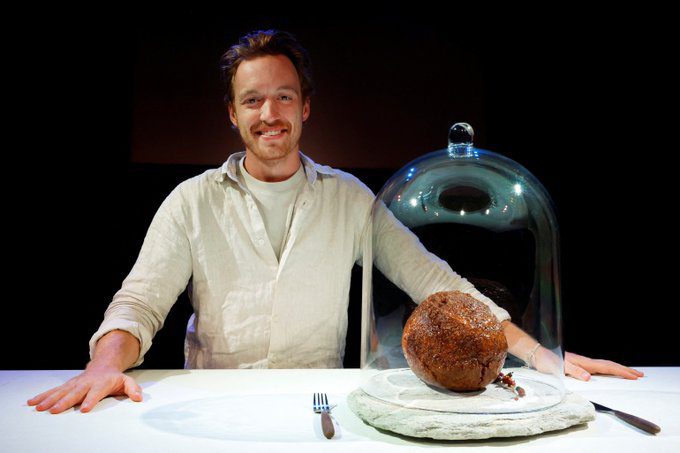
A huge meatball made from flesh cultured using the DNA of an extinct woolly mammoth has gone on display at NEMO, a science museum in the Netherlands, Reuters and AFP reported.
It was created by Australian cultured meat company Vow. From there, they say they want to get people talking about cultured meat and present it as a more sustainable alternative to the real thing.
The company insists that the new product is not an April Fool’s joke.
“We wanted to create something completely different from anything you can get now,” Vow founder Tim Noakesmith told Reuters. He explained that the additional reason they chose a mammoth was because scientists believe the extinction of this animal was caused by climate change.
Since the mammoth DNA obtained by the Vow company was incomplete, experts added that from an African elephant.
“Like they do in the movie ‘Jurassic Park,'” adds Vow’s James Ryall, but stresses that the biggest difference is that they’re not creating real animals.
Creating cultured meat usually means using the blood of a dead calf, but Vow uses an alternative, meaning no animals are killed to create the mammoth meatball.
The product, which has an aroma of crocodile meat, is currently not fit for consumption.
“Its protein is literally 4,000 years old. We haven’t seen him in quite a while. That means we want to do rigorous testing – something we practice with every product we bring to market,” said Noakesmith.
The company “Vow” hopes that cultured meat will find a place on the market in the European Union, where, however, there is still no legislation for such products.
“I buy paintings out of passion, never as an investment,” admits the 87-year-old legendary actor
A collection of works of art by French film legend Alain Delon will be auctioned, France Presse and Italian daily La Repubblica reported, citing information from auction house Bonham-Cornet de Saint-Cyr. The works in May and June will be shown in New York, Hong Kong, Geneva, London, and the auction itself under the title “Alain Delon: 60 years of passion” will take place on June 22 in Paris.
The collection contains 81 works and is estimated at 4-5 million euros. It includes paintings, sculptures and drawings from the era of the Italian Renaissance and the French XIX century. Among them are works by Paolo Cagliari, called Veronese, by Eugene Delacroix, Corot, Millet, Raoul Dufy… For example, Dufy’s oil painting La plage de Sainte-Adresse (The Beach of Sainte-Adresse, 1906) is estimated between 600,000 and 800 000 euros, Delacroix’s drawing Cheval arabe attaché à un piquet (“Arabian horse tied to a post”, 1825) – at 400,000-600,000 euros, and that of Veronese – San Giorgio e il drago (“St. George and the Dragon “) – between 40,000 and 60,000 euros, explains exhibition commissioner Arnaud Cornet de Saint-Cyr. According to him, Alain Delon is a great collector with an instinct for art.
The actor bought the first drawing in 1964 in London, when he was 24 years old. “Since then, over the years, I have acquired many picturesque canvases, sculptures, drawings that moved me, that spoke to me, and sometimes comforted me. These works have accompanied me for many years and are part of my life,” says the 87-year-old actor in the catalog for the collection. “I work a lot and all my money was spent on classical art. There are people who prefer to collect cars, I buy paintings. I buy out of passion, never for investment,” Alain Delon stated in 2007 in an interview with the French magazine Monde.
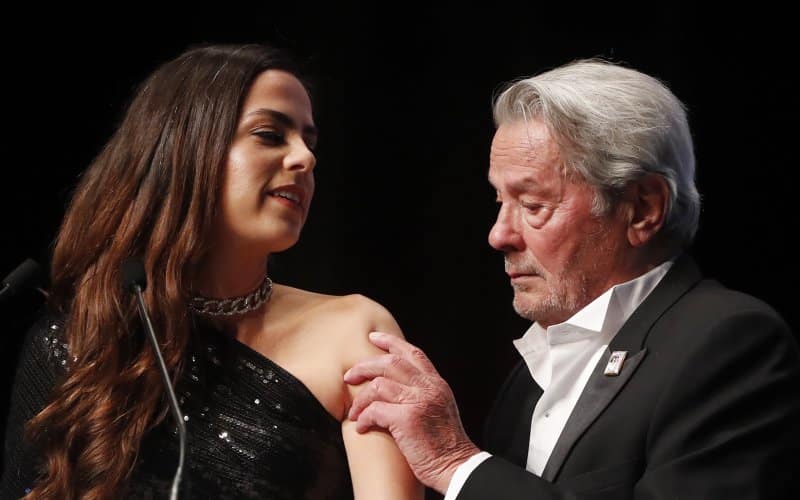
For more than 60 years, Alain Delon has been an avid and discerning art collector. “There are two things I consider my legacy: my acting career and my art collection. I’m very proud of both. People ask me if there is a common thread connecting the works I have bought. I answer them: this is me,” Delon says. Anoushka Delon – the daughter of model-turned-actor Rosalie van Bremen, said: “These wonderful works of art were a part of my childhood and now I’m so happy that the world will discover them. I know that they were my father’s faithful company and that they brought him endless joy.”
In 2016, the star of “Rocco and His Brothers,” “Borsalino,” “Death of a Scoundrel,” “Mr. Klein,” “The Assassination of Trotsky” and dozens of other notable films, sold his collections of crosses, wristwatches , weapons, as well as his collection of bronze sculptures by the Italian sculptor Rembrandt Bugatti, which enjoyed particular interest.
Photo: Alain Delon with his daughter Anushka / ERA
Ms. McGlade spoke to UN News at UN Headquarters, during the 2023 session of the Forum, which takes place between 17 and 28 April.
“I’ve been an activist in my community sine I was young. I decided to study law because I thought that I could help to improve our human rights situation. I was fortunate enough to be able to undertake a master’s degree in international human rights, so I’ve been using it as best I can at international forums, and also advocating for reforms in Australia, because our human rights situation is very dire.
My people, the Noongar, were violently dispossessed from their lands by the British, and were basically enslaved: my great grandmother was an indentured child labourer. People who resisted the very cruel laws of the time were incarcerated and taken from their countries by chains to an island prison, where many died. Aboriginal children were forcibly removed from their families, en masse, as part of a policy called assimilation.
This is our violent history. As I was growing up, we faced many issues, including racism and the targeting of Aboriginal people, including aboriginal youth, by police; violence against women; refusal of our land rights; and poverty.
Coded racism, rights denied
Today, there is still a lot of racism in the media and in society. We face serious human rights issues, including the removal of children from their mothers, the high incarceration rates of Aboriginal people, particularly children and young people, in conditions that are very inhumane.
Australia is not the country I grew up in, when openly racist, derogatory language was used. But there’s more coded racism now. For example, the terribly sad issue of Aboriginal child sexual abuse is used as an excuse for removing children from their families.
There’s a lot of resistance to our rights being recognized, even the right to have our own national indigenous body, which should not be argued about in this day and age.
In some ways our rights situation is getting worse, according to the government’s own data. We’re seeing more incarceration of Aboriginal people; more Aboriginal children being removed from their mothers and families, increasingly to non-Indigenous families where they lose their cultural identity; and we’re seeing more Aboriginal suicides as well.
These are the shocking, ongoing impacts of colonization and we know that systemic and institutional racism and discrimination is a key driver of these issues.
The fight for a voice in parliament
There have been some improvements. We are now looking at a national referendum to change the Australian Constitution, to enshrine a democratically elected Aboriginal voice in parliament, that will be consulted and heard on matters affecting Aboriginal people. This would represent a historic, very substantive reform to the Constitution.
I’m really hoping that we are going to make this change. But of course, we are a minority, just four per cent of the population, and a majority of Australians will need to vote in favour of the reform.
We’re also calling on Australia to adopt a national action plan based on the UN Declaration on the Rights of Indigenous Peoples. That was a recommendation of the World Conference on Indigenous Peoples in 2014, and it still hasn’t happened. Australia cannot claim leadership internationally, without respecting its international commitments in respect to indigenous peoples.
The power of international law
This Forum is a real chance for us to raise indigenous human rights issues with the governments of the world and indigenous peoples of the world listening. Decisions made here may not be binding at a national level, but UN Member States do have an obligation to genuinely engage, and to uphold our rights as indigenous peoples.
Sometimes we have a better chance of influencing domestic reforms in our country by arguing our case before the UN and in UN forums: the UN is still a prestigious international forum that we know that our governments have to respect.
I’ve used UN mechanisms to advance the issue of violence against indigenous women in Australia; for over five years, I went to various UN treaty bodies and highlighted this issue and the failure of the government allocate resources and develop relevant policies. This eventually led to a commitment from the Australian Government to act.
We are a part of the UN and the World Affairs now. With the threat of climate change and our future in the balance, it should be very clear that indigenous peoples have their place in this dialogue.”
The UN Permanent Forum on Indigenous Issues
The United Nations Permanent Forum on Indigenous Issues (UNPFII) is a high- level advisory body to the Economic and Social Council. The Forum was established to deal with indigenous issues related to economic and social development, culture, the environment, education, health and human rights.
In addition to the six mandated areas (economic and social development, culture, the environment, education, health and human rights), each session is thematically focused on a specific issue.
The Permanent Forum is one of three UN bodies mandated to deal specifically with indigenous peoples’ issues. The others are the Expert Mechanism on the Rights of Indigenous Peoples and the Special Rapporteur on the rights of indigenous peoples.
The 2023 session of the Forum takes place from 17-28 April at UN Headquarters.
Near-unanimous resolution urges Nigeria to “repeal the blasphemy laws at federal and state level”
Supreme Court of Nigeria to hear case of Yahaya Sharif-Aminu, sentenced to death for blasphemy on Whatsapp
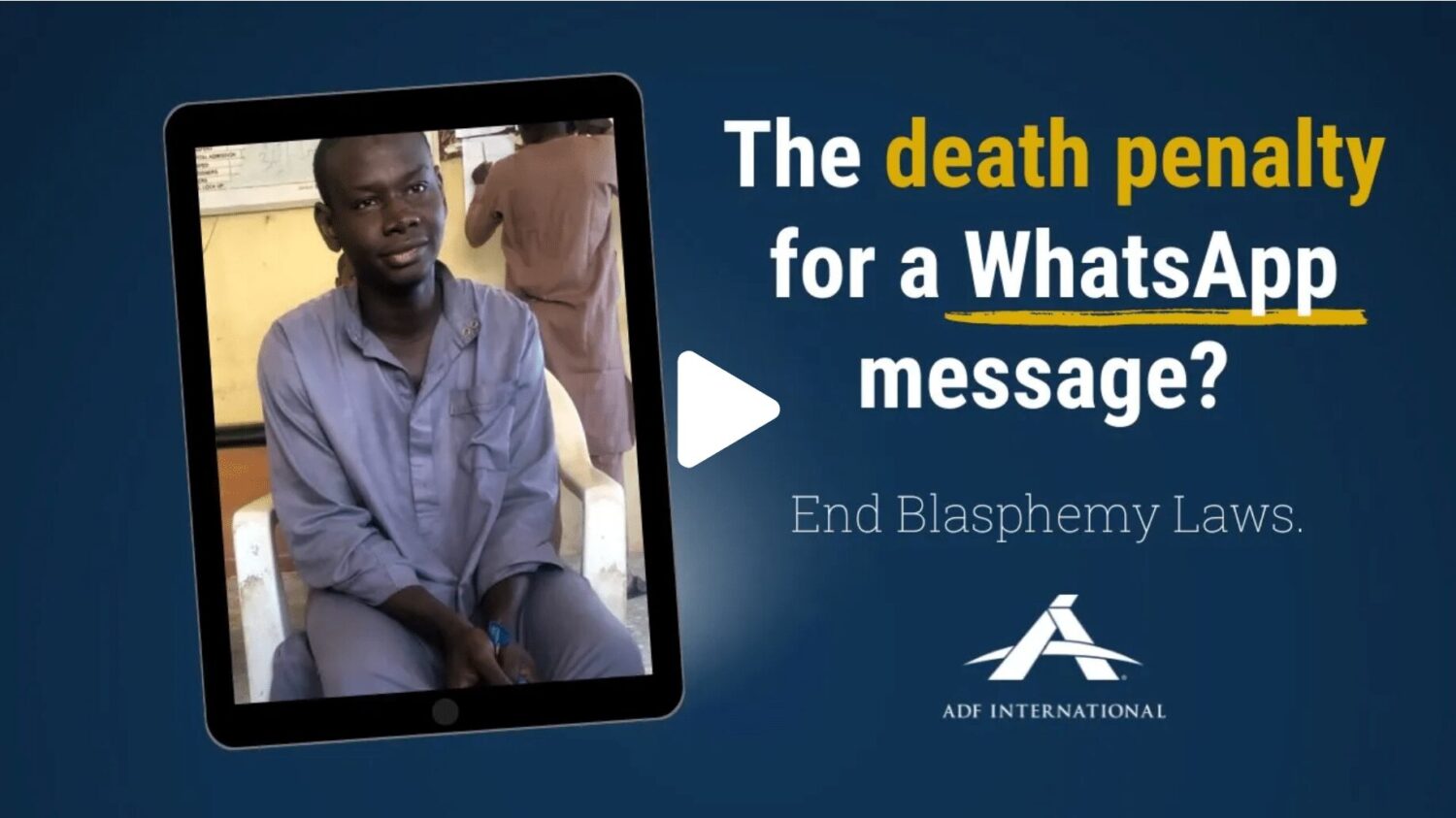
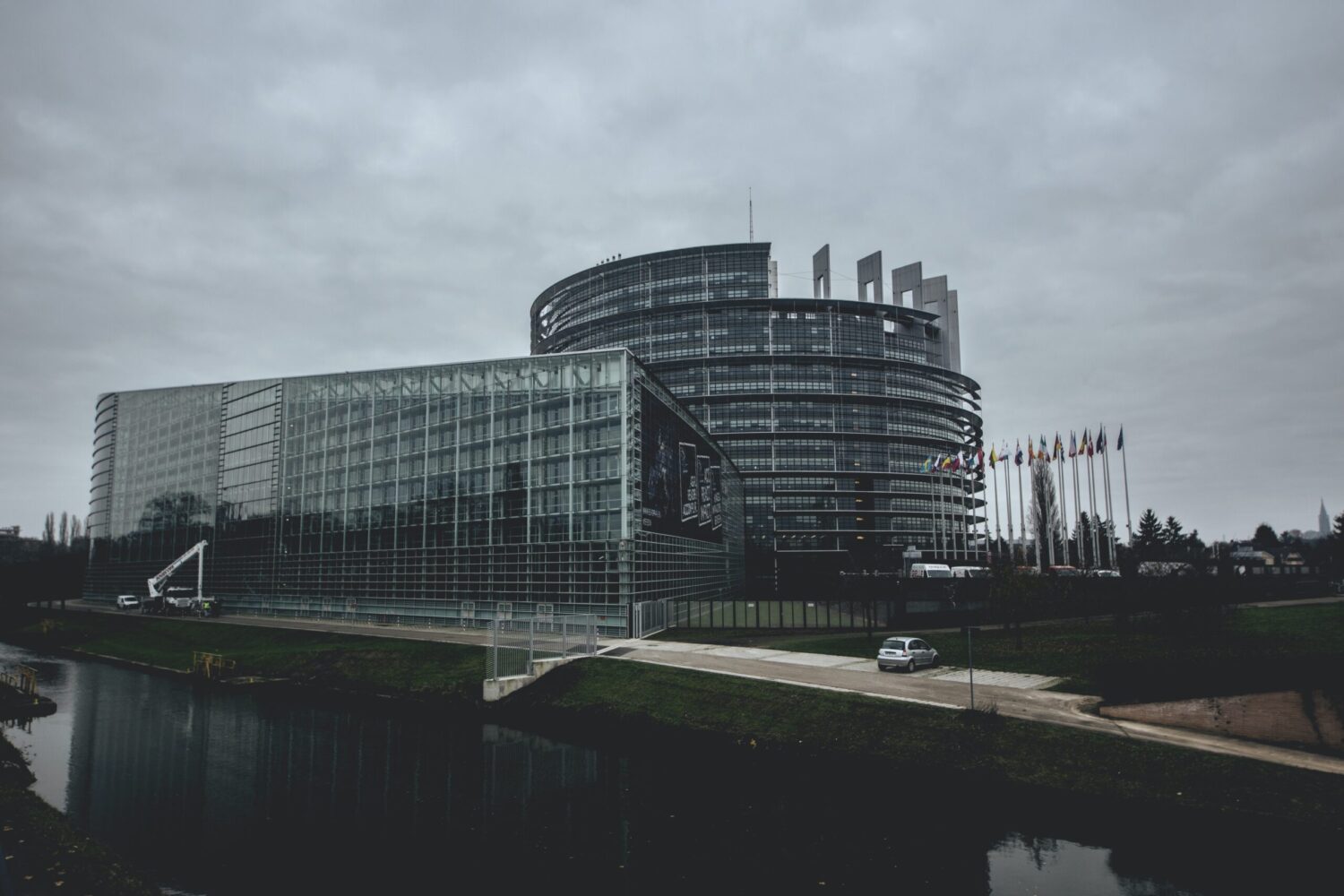
Brussels (20 April 2023) – ADF International – In an urgency resolution the European Parliament has called for the release of Yahaya Sharif-Aminu, a young Nigerian musician sentenced to death under the blasphemy law of Kano state, northern Nigeria. The resolution “recalls that blasphemy laws are in clear breach of international human rights” and “contrary to the Nigerian Constitution which guarantees religious freedom and freedom of expression.” The resolution was adopted with a vote of 550 in favor and only seven votes against.
(SEE FULL RESOLUTION AT THE END OF THE ARTICLE)
Yahaya Sharif-Aminu’s case will be heard by the Supreme Court of Nigeria and has the potential to overturn the country’s draconian blasphemy law regime in the northern states. Blasphemy laws contribute to a culture of rampant fear and violence by targeting minority faith groups with criminal penalties, including in some parts, the death penalty, for religious expression perceived as offensive.
Kola Alapinni, the international human rights lawyer who is representing Yahaya at the Supreme Court of Nigeria in partnership with ADF International, stated:
“Nobody should be persecuted for their faith. Blasphemy laws are a grave violation not only of international law, but also of our Nigerian constitution. Together with ADF International, we are committed to defending Yahaya, and the human rights of all Nigerians. The international community must highlight the abuses of fundamental freedoms in Nigeria”.
Alapinni further added:
“Nigerian citizens deserve the freedom to speak about their beliefs and to freely live out their faith. We applaud the efforts of the European Parliament to denounce what is happening under the blasphemy laws in Nigeria and support Yahaya”.
The death sentence for alleged “blasphemy”
In 2020, Sufi Muslim Yahaya Sharif-Aminu was sentenced to death by hanging for “blasphemy”. His alleged crime involved sending song lyrics on WhatsApp that were deemed blasphemous toward the prophet Mohammed.
With support from human rights legal advocacy group ADF International, Sharif-Aminu has appealed his case to the Supreme Court of Nigeria and is challenging the constitutionality of Sharia-based blasphemy laws.
The parliamentarian resolution urges “the Nigerian authorities to repeal the blasphemy laws at federal and state level.” It also calls for the immediate unconditional release of individuals that “face blasphemy allegations.”
Carlos Zorrinho, MEP (EPP) said during the debate:
“In the name of dignity, justice and respect for the most basic human rights, I reiterate our call for the immediate release of the musician Yahaya Sharif-Aminu who is literally on death row right now.”
Bert-Jan Ruissen, MEP (ECR) stated:
“The mere existence of blasphemy laws stimulates grave violence against persons who are accused of blasphemy, very often even before police forces and justice systems can intervene.”
Georgia du Plessis, Legal Officer at ADF International in Brussels, stated:
“ADF International is working not only with the urgent goal of saving Yahaya’s life and securing his release, but also to put an end to blasphemy laws everywhere. Together with our Nigerian partners, we are committed to defend Yahaya and support his fight for freedom of expression and religious freedom at the Supreme Court of Nigeria”
Du Plessis added:
“Religious freedom and freedom of expression are fundamental human rights. Blasphemy laws punish people for peacefully voicing their beliefs and are inherently inconsistent with human rights. The European Parliament has taken a much-needed step to bring Yahaya’s case to public attention. We are hopeful that the resolution provides international momentum for a positive outcome.”
“Case has unprecedented potential for religious freedom”
A newly released video features Nigerian lawyer Kola Alapinni, who has partnered with ADF International to secure Yahaya Sharif-Aminu’s freedom. Also featured in the video, the mother of the so-called “blasphemous” musician recounts the trial and traumatic experiences her son has endured.
Yahaya Sharif-Aminu remains in prison awaiting the Supreme Court to hear his appeal. Meanwhile, his case is far from an isolated incident. Together with minority Muslims, the persecution of Christians in Nigeria is especially severe. In 2021, 90% of all Christians worldwide that were killed for their faith were in Nigeria.
Kelsey Zorzi, Director of Global Religious Freedom for ADF International, said:
“Religious freedom advocates have waited decades to overturn this blasphemy law. We can’t let this opportunity pass us by. The case has unprecedented potential for religious freedom and freedom of expression in Nigeria and could be the catalyst for the change we all are hoping for. Blasphemy laws are a catastrophe—they destabilize countries and provoke violence. As we are advocating for freedom of religion and speech around the world, we can clearly see that sentencing someone to death for their peaceful expression is the ultimate censorship”.
Yahaya Sharif-Aminu’s Supreme Court appeal could end blasphemy laws in his home state of Kano and across northern Nigeria. A positive decision would lead the way towards abolishing blasphemy laws around the world.
The risk of death penalty and execution of singer Yahaya Sharif Aminu for blasphemy in Nigeria
European Parliament resolution of 20 April 2023 on the risk of the death penalty and the execution of singer Yahaya Sharif-Aminu for blasphemy in Nigeria (2023/2650(RSP))
The European Parliament,
– having regard to Rules 144(5) and 132(4) of its Rules of Procedure,
A. whereas on 10 August 2020, Nigerian singer Yahaya Sharif-Aminu was brought before an upper Sharia court in Kano State, where he was tried without legal representation and sentenced to death by hanging for alleged blasphemy in a song he composed and shared on social media containing allegedly derogatory comments regarding the Prophet Muhammad;
B. whereas on 21 January 2021, Kano State High Court ordered a retrial on the grounds of procedural irregularities and on 17 August 2022 the Court of Appeal upheld the constitutionality of the blasphemy provisions in the Sharia Penal Code and affirmed the retrial order;
C. whereas in November 2022, Yahaya Sharif-Aminu filed an appeal with the Supreme Court against his conviction, arguing that the blasphemy law under Kano State’s Sharia Penal Code directly violates Nigeria’s Constitution and binding international human rights treaties; whereas he remains in prison;
D. whereas many other people have been harmed by Nigeria’s blasphemy laws; whereas student Deborah Yakubu was stoned and beaten to death in 2022; whereas Rhoda Jatau was attacked by a mob and is on trial without the right to bail; whereas humanist Mubarak Bala was sentenced to 24 years in prison;
E. whereas the International Covenant on Civil and Political Rights (ICCPR), to which Nigeria is party, restricts capital punishment to the most serious crimes; whereas despite this, Sharia, practiced in at least 12 states in northern Nigeria, imposes the death penalty for blasphemy;
F. whereas blasphemy laws in Nigeria are in violation of its international human rights commitments, the African Charter and the Nigerian Constitution;
1. Urges the Nigerian authorities to immediately and unconditionally release Yahaya Sharif-Aminu, drop all charges against him and guarantee his due process rights; calls for the release of Rhoda Jatau, Mubarak Bala and others who face blasphemy allegations;
2. Recalls that blasphemy laws are in clear breach of international human rights obligations, in particular the ICCPR, and contrary to the Nigerian Constitution, which guarantees religious freedom and freedom of expression;
3. Urges the Nigerian authorities to uphold human rights throughout the country by ensuring that federal, state and Sharia law do not deny Nigerians protection under the national Constitution and international conventions; urges the Nigerian authorities to repeal the blasphemy laws at federal and state level;
4. Recalls that Nigeria has immense influence throughout Africa and the Muslim world and stresses that this case is an unprecedented opportunity to lead the way towards abolishing blasphemy laws;
5. Urges the Nigerian Government to tackle the impunity surrounding blasphemy accusations;
6. Recalls the international efforts to abolish the death penalty and urges Nigeria to immediately withdraw the use of capital punishment for blasphemy and take steps towards full abolition;
7. Calls for the EU and its Member States, as key development partners, to raise individual cases, human rights concerns and blasphemy laws with the Nigerian authorities;
8. Instructs its President to forward this resolution to the Nigerian authorities and international institutions.
The European Commission announced today that it is taking Bulgaria to court in three cases – for clean vehicles, for the electronic toll service and for the marketing of natural mineral and spring waters.
Clean vehicles
Brussels has decided to file a claim against Bulgaria before the Court of the European Union because the authorities in Sofia have not translated into national laws and regulations (the so-called non-transposition) the rules for clean vehicles.
The Clean Vehicles Directive sets national public procurement targets for clean vehicles.
This applies in particular to city buses, where public procurement accounts for around 70% of the market.
In the case of Bulgaria, the directive requires at least 17.6% of all light commercial vehicles, 7% of all trucks and 34% of all city buses bought between August 2, 2021 and December 31, 2025 to be clean vehicles, and at least 17% of all city buses bought in the same period to have zero exhaust emissions.
The directive also covers leasing, rental and financial leasing of vehicles, as well as contracts for certain services such as:
• public road transport
• specialized services for road transport of passengers,
• non-scheduled land passenger transport,
• specific postal and parcel services
• household waste collection.
It aims to further improve the air quality in municipalities and extend the life cycle of products (according to the principles of the circular economy).
The first reference period for reporting what has been achieved at the national level is after two years – in 2025, and the second is in 2030. Bulgaria has not yet introduced the directive into its legislation.
The deadline for transposing the directive was August 2021. The Commission sent an official notification letter to Bulgaria in September 2021 and a reasoned opinion in April 2022 (two of the three steps in a criminal procedure – note ed.)
As Bulgaria continues to violate the directive, the Commission has now decided to take the third and final step and refer the case to the Court of Justice of the EU.
Electronic toll service
The European Commission has decided to file a lawsuit against Bulgaria and Poland for not transposing the rules for electronic road tolling into national legislation.
The European Electronic Road Tolling Service (EETS) is a charging system where, once fully implemented, road users in the EU can pay tolls with one subscription contract, have one service provider and one on-board device, which covers all member states.
The Directive has two objectives: to ensure the interoperability of electronic road tolling systems and to facilitate the cross-border exchange of information on non-payment of tolls.
Significant differences in the technical specifications of electronic road charging systems could hinder the achievement of interoperability of electronic road charging across the EU and harm the efficiency of transport operations, the cost-effectiveness of road charging systems and the achievement of transport objectives. policy, notes the European Commission.
The lack of transposition of these rules is therefore an obstacle to the interoperability of Member States’ electronic road tolling systems and to the cross-border enforcement of the obligation to pay road tolls in the EU.
This means that drivers may be required to have more than one subscription contract, provider and on-board device in order to drive to or through Bulgaria and Poland. Problems could also arise in the collection of tolls for non-resident offenders, as well as for drivers from these countries in other Member States.
The deadline for transposing this directive expired on 19 October 2021. The Commission started the infringement procedures against these Member States in November 2021 and decided to send reasoned opinions in May 2022. As they continue to breach their obligation to transpose the directive , the Commission decided to refer the cases to the Court of Justice of the EU.
Water trade
The European Commission has also decided to file a claim against Bulgaria before the Court of Justice of the EU for improper application of EU rules on the exploitation and marketing of natural mineral waters.
The European Commission takes legal steps to guarantee consumers’ right to information, protect them from being misled and ensure fair trade.
According to Brussels, the Bulgarian legislation is not in line with the rules, as it does not prohibit the marketing under more than one commercial description, as required by the directive, of natural mineral and spring waters originating from the same source.
In addition, contrary to the rules, Bulgarian legislation does not require the name of the source to be indicated on the labels of mineral and spring waters. Bulgarian legislation allows also to use the designation “spring water” for water that does not meet the conditions for use of this term.
After sending a letter of formal notice in July 2020 and a reasoned opinion in September 2021, the Commission concluded that the infringements found had not been remedied.
Already in February of this year, the European Commission decided to file a claim before the Court of the European Union against Bulgaria and 10 other member states for not notifying it of the adoption of measures for the transposition of two directives in the field of copyright, the institution’s press service reported .
The European Commission has also decided to file a claim before the Court of Justice of the European Union against Bulgaria and three other member states because they have not introduced into their national legislation on open data and the reuse of data from the public sector.
“Every time I talk about it, I cry,” she told UN News, describing how propaganda spread messages of hate that sparked a deadly wave of unspeakable violence. She lost 60 family members and friends in the mass slaughter.
Ahead of the UN General Assembly’s commemoration of the International Day of Reflection on the 1994 Genocide against the Tutsi in Rwanda, Ms. Mutegwaraba spoke with UN News about hate speech in the digital age, how the 6 January attack on the United States Capitol triggered deep-seated fear, how she survived the genocide, and how she explained the events that she lived through, to her own daughter.
The interview has been edited for clarity and length.
UN News: In April 1994, a call was put out over the radio in Rwanda. What did it say, and how did you feel?
Henriette Mutegwaraba: It was terrifying. A lot of people think the killing started in April, but beginning in the 1990s, the Government put it out there, in the media, newspapers, and radio, encouraging and preaching anti-Tutsi propaganda.
In 1994, they were encouraging everyone to go to every home, hunt them down, kill kids, kill women. For a long time, the roots of hatred ran very deep in our society. To see the Government was behind it, there was no hope that there were going to be any survivors.
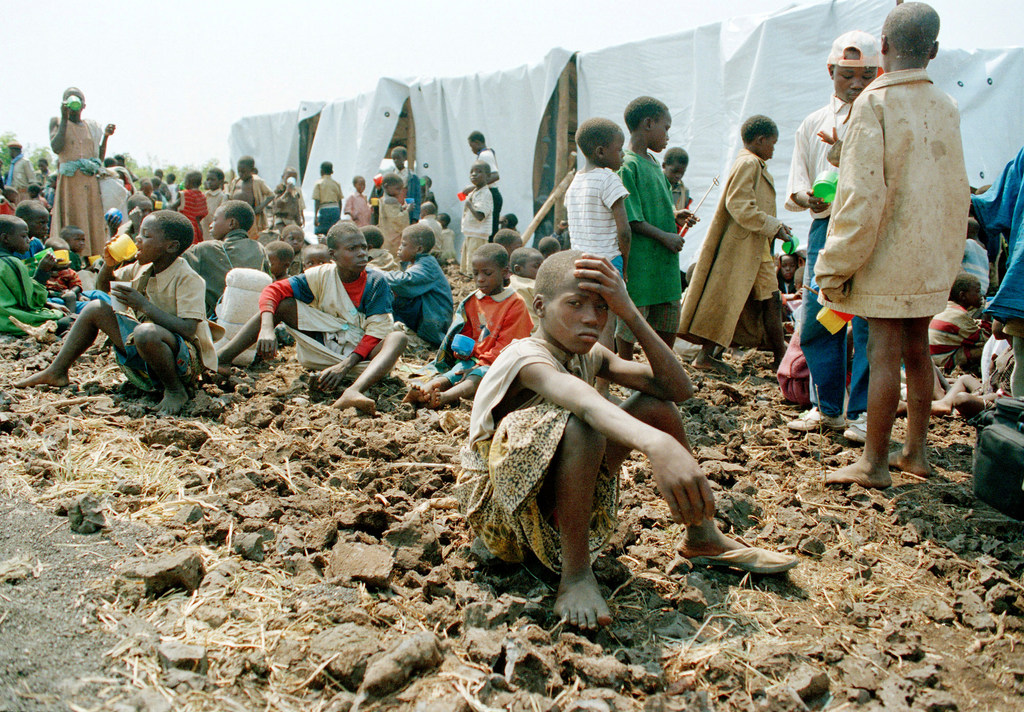
A 14-year-old Rwandan boy from the town of Nyamata, photographed in June 1994, survived the genocide by hiding under corpses for two days.
UN News: Can you describe what happened over those 100 days, where more than a million people were killed, mostly by machetes?
Henriette Mutegwaraba: It wasn’t only machetes. Any tortuous way you can think about, they used. They raped women, opened pregnant women’s wombs with a knife, and put people in septic holes alive. They killed our animals, destroyed our homes, and killed my entire family. After the genocide, I had nothing left. You could not tell if there was ever a house in my neighbourhood or any Tutsi there. They made sure there were no survivors.
UN News: How do you heal from that terror and trauma? And how do you explain what happened to your daughter?
Henriette Mutegwaraba: The genocide complicated our life in many ways. To be aware of your pain is very important, then surround yourself with people who understand and validate your story. Share your story and decide not to be a victim. Try to move forward. I had so many reasons to do that. When I survived, my young sister was only 13, and she was the main reason. I wanted to be strong for her.
For years, I didn’t want to feel my pain. I didn’t want my daughter to know because it was going to make her sad, and see her mother, who was hurt. I didn’t have answers for some questions she asked. When she asked why she doesn’t have a grandfather, I told her people like me don’t have parents. I didn’t want to give her an expectation that she was going to see me when she walks down the aisle and gets married. There was nothing to give me hope.
Now, she’s 28 years old. We talk about things. She read my book. She’s proud of what I’m doing.
UN News: In your book, By Any Means Necessary, you address the healing process and the phrase “never again”, connected to the Holocaust. You also spoke about the attack on the capitol in Washington, DC on 6 January 2021, saying you hadn’t felt that feeling of fear since 1994 in Rwanda. Can you talk about that?
Henriette Mutegwaraba: We keep saying “never again”, and it keeps happening: the Holocaust, Cambodia, South Sudan. People in the Democratic Republic of the Congo are being killed now, as I’m speaking.
Something needs to be done. Genocide is preventable. Genocide doesn’t happen overnight. It moves in degrees over years, months, and days, and those orchestrating genocide know precisely what they intend.
Right now, my adopted country, the United States, is very divided. My message is “wake up”. There’s so much propaganda happening, and people are not paying attention. Nobody is immune to what happened in Rwanda. Genocide can happen anywhere. Do we see the signs? Yes. It was shocking to see such a thing happening in the United States.
Racial or ethnic discrimination has been used to instill fear or hatred of others, often leading to conflict and war, as in the case of the Rwanda genocide in 1994.
UN News: If the digital age existed in 1994 in Rwanda, would the genocide have been worse?
Henriette Mutegwaraba: Totally. Everybody has a phone or television in a lot of developing countries. A message that used to take years to spread can now be put out there, and in one second, everybody in the world can see it.
If there was Facebook, Tik Tok, and Instagram, it would have been much worse. The bad people always go to youth, whose minds are easy to corrupt. Who is on social media now? Most of the time, young people.
During the genocide, a lot of young people joined the militia and participated, with a passion. They sang those anti-Tutsi songs, went into homes, and took what we had.
UN News: What can the UN do about quelling such hate speech and preventing a repeat of what that hate speech grew into?
Henriette Mutegwaraba: There is a way for the UN to stop atrocities. During the 1994 genocide, the whole world turned a blind eye. Nobody came to help us when my mother was being killed, when hundreds of ladies were being raped.
I hope this will never happen again to anybody in the world. I hope the UN can come up with a way to respond quickly to atrocities.
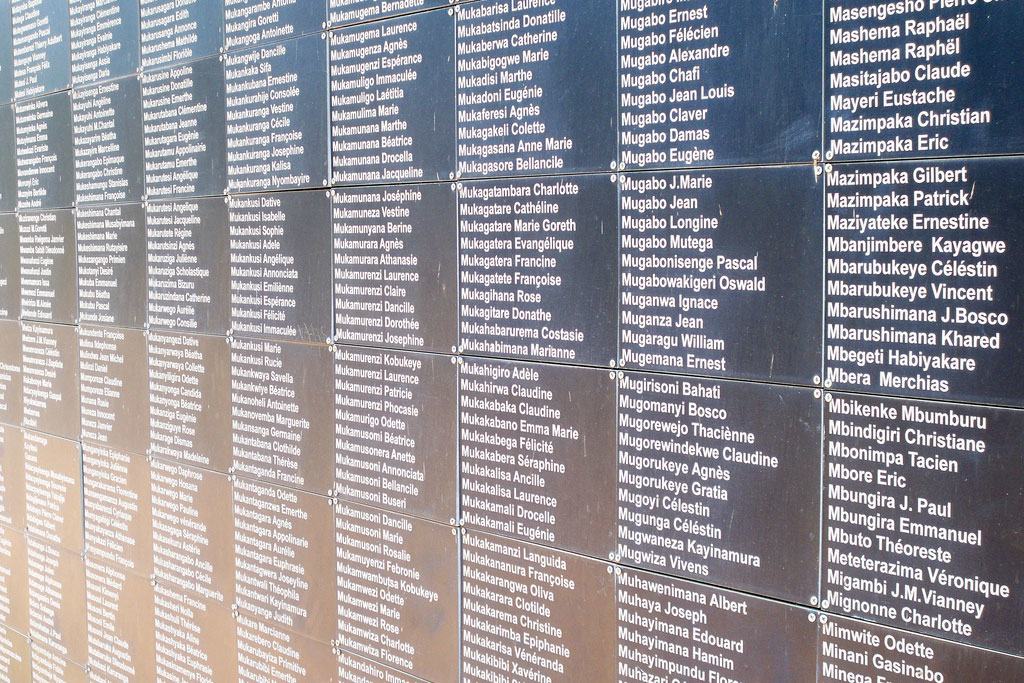
Wall of Rwanda Genocide victims’ names at the Kigali Memorial Centre
UN News: Do you have a message for young people out there maneuvering through social media, seeing images, and hearing hate speech?
Henriette Mutegwaraba: I have a message for their parents: are you teaching your kids about love and caring about their neighbours and community? That’s the foundation for raising a generation that will love, respect neighbours, and not buy into hate speech.
It starts from our families. Teach your kids love. Teach your kids to not see colour. Teach your kids to do what is right to protect the human family. That’s a message I have.
“The focus of the mission was to enhance the capacity of the early warning alert and response network (EWARN) and ensure rapid detection, verification and response to communicable diseases alerts and outbreaks”, the WHO office for the Eastern Mediterranean said in a statement issued on Thursday.
They identified areas in preparedness and response that needed strengthening, said WHO, and carried out several field visits, including to Maaret Tamsrin, one of the areas impacted by the earthquake, to assess the local hospital and the integration of reception centres as part of the wider early warning system review.
Two reception centres were also visited for water quality monitoring, and the drinking water tested in coordination with a Syrian NGO, resulting in a recommendation to chlorinate water supply at the centres.
Rapid response
Mission members also boosted capacity in the rapid response teams (RRTs) which have been set up for cholera and other epidemic-prone diseases. This included a two-day online RRT training course on how to establish teams at reception centres.
“RRTs are vital, as the members can rapidly investigate and respond to outbreaks and communicable diseases”, said Dr Sherein Elnossery of the Infectious Hazard Prevention unit at the WHO Regional Office, who was part of the mission and delivered the training.
More than 150 participants attended the training from surveillance, community health care, WASH and medical teams. It included sessions on outbreak response, community engagement, water and hygiene services.
In addition, the psychological impact of community crises was addressed, and participants instructed on providing psychological first aid.
Strengthening cholera response
During the mission, the WHO team worked to strengthen the coordination and leadership of the response to cholera and other epidemic-prone diseases. They also supervised the implementation of an oral cholera vaccination campaign targeting 1.7 million people in Dana and Harim subdistricts.
Additionally, team members assessed the risk of the existing cholera outbreak expanding and, accordingly, 10 subdistricts in north-west Syria with a target population of 1.12 million people have been identified for oral cholera vaccine campaigns.
Dr Elnossery insisted that WHO “will continue to support the affected areas in northwest Syria to recover from the earthquake”.
Over 200 international participants working with the mRNA Technology Transfer Programme had their first face-to-face meeting, in a bid to make one of the most revolutionary medical technologies which led the field in vaccine development against COVID-19, more widely and fairly available, in the places where it is most needed.
‘Lifesaving’ breakthrough: Tedros
“I am delighted to be here in Cape Town with our partners to support a sustainable model for mRNA technology transfer to give low and middle-income countries (LMICs) equitable access to vaccines and other lifesaving health products,” said WHO Director-General Dr Tedros Adhanom Ghebreyesus.
“I am immensely proud of the achievement of all those involved in this project; in less than two years we have shown that when we work collaboratively, we succeed collectively.”
Tedros was joined for the launch by South African ministers Dr. Joe Phaahla and Ebrahim Patel, together with high-level officials from funding countries, to review the progress of the programme, launched by WHO and the Medicines Patent Pool (MPP), in June 2021.
The meeting participants include partners from 15 countries in the programme, leading experts, industry, civil society representatives, and funders.
During the five-day meeting, participants will share progress and discuss critical enablers for the sustainability of the programme such as intellectual property issues and regulatory aspects, as well as the science of mRNA technologies and key applications relevant to other disease areas such as HIV and tuberculosis.
Vaccine equity
The COVID-19 pandemic has underscored that inequity exists in access to many health products, especially vaccines. As of March this year, more than three years after WHO declared COVID-19 a Public Health Emergency of International Concern (PHEIC), 69.7 per cent of the global population had received at least one dose of a COVID-19 vaccine.
However, this proportion remains below 30 per cent in low-income countries (LICs).
This programme aims to contribute to equitable access to mRNA vaccines by increasing the distribution of sustainable manufacturing capacity across LMICs, enhancing regional and inter-regional collaboration, and developing and empowering a local workforce through tailored and inclusive training and expert support.
Dr. Phaahla, Minister of Health South Africa, said: “What we see here today, is a moment in history, a programme that is aimed at empowering LMICs through a global collaborative network.
‘Thrilling’ progress
“I am thrilled to see the progress made in such a relatively short time and welcome the support from so many different countries – countries like South Africa that have a strong vibrant biomanufacturing capacity and that are willing to work together, learn from and share with each other.”
Afrigen in Cape Town and local vaccine maker Biovac were chosen last year by WHO for the pilot project to give LMICs the technological know-how and licences to manufacture COVID vaccines, and Afrigen has used mRNA sequencing to produce its own version of the inoculation, known as AfriVac 2121, and is currently scaling up that process to a level suitable for manufacturing vaccine batches to be used in Phase I/ II clinical trials to GMP standards.
In a parallel process, Afrigen will continue to carry out training and technology transfer to network partners.
According to news reports, the vaccine candidate will move to the human testing phase, in early 2024.
“This must be the first step in providing respite from the fighting and paving the way for a permanent ceasefire,” he told journalists in New York.
Dialogue and transition
The AU meeting brought together the UN, the League of Arab States, the East African bloc IGAD, the European Union, and countries committed to bringing an end to the hostilities in Sudan, where rival military factions have been battling for power for nearly a week.
Hundreds have been killed in the interim, including children. Humanitarians have been hampered from carrying out lifesaving operations, due to attacks and looting.
Mr. Guterres said the cessation of hostilities must be followed by serious dialogue, allowing for the successful transition, starting with the appointment of a civilian government.
Concern for UN staff
He condemned the targeting of humanitarian workers and assets, and reminded the parties of their international obligations, including to ensure the safety and security of aid workers.
“I’m also extremely worried about the situation of United Nations personnel, many of whom are trapped in their homes in areas of active conflict. We are doing everything in our power to be able to support them,” he continued.
Clashes between the Sudanese armed forces and the paramilitary group, the Rapid Support Forces (RSF) – who are at odds over the return to civilian rule – erupted on Saturday. Most of the fighting has been in the capital, where residents have been trapped in their homes for days.
Secretary General António Guterres briefs the media on the situation in Sudan.
Concern over healthcare
Thousands have fled the city, though evacuation has become increasingly difficult. Humanitarians warn that people are running out of food, fuel and other vital supplies, and many urgently need medical care.
“The situation in Sudan is increasingly concerning and heart breaking. Over 330 people have died so far, and nearly 3,200 are injured,” the Director-General of the World Health Organization (WHO), Tedros Adhanom Ghebreyesus, wrote in a statement posted on his official Twitter account.
Tedros condemned all loss of life, especially attacks on civilians and healthcare. He expressed deep concern over reports of forces occupying health facilities, underlining that attacks on healthcare are a flagrant violation of international law.
Services in chaos
“The lack of safe access, of electricity, food, water, personnel and the diminishing medical supplies are making it nearly impossible for many health facilities to function at the exact time when there are thousands injured in need of urgent care,” he said.
Tedros urged the sides to respect the truce so that people can seek refuge or healthcare, or access food, water and medicine.
The head of the UN Children’s Fund (UNICEF) also called on the parties to respect their international obligations to protect boys and girls from harm and to ensure humanitarians can quickly reach children in need.
Childhood under fire
“Five days of intense hostilities in Sudan, and four failed ceasefires, have already taken a devastating toll on the country’s children,” UNICEF Director Catherine Russell said in a statement. “If the violence does not stop, this toll will only increase.”
She said at least nine children have reportedly been killed, and more than 50 reportedly injured as hostilities continues in Khartoum, the Darfur states and North Kordofan, though insecurity makes it difficult to collect and verify information.
“We have received reports of children sheltering in schools and care centres while fighting rages around them, of children’s hospitals forced to evacuate as shelling moves closer, and hospitals, health centres and other critical infrastructure damaged or destroyed, limiting access to essential and lifesaving care and medicine,” she added.
Critical care disrupted
Humanitarian needs in Sudan were already at record levels at the start of the year, according to UN relief agency, OCHA, with nearly one third of the population, almost 16 million people, requiring assistance.
Ms. Russell said the crisis has disrupted critical-life saving care for an estimated 50,000 children suffering from acute malnutrition, who need ongoing round-the-clock care.
“The fighting also puts at risk the cold chain in Sudan, including over $40 million worth of vaccines and insulin, due to the breaks in the power supply and the inability to restock generators with fuel,” she added.
Hunger could rise
Meanwhile, the World Food Programme (WFP) warned that the violence could push millions more into hunger.
WFP had planned to support some 7.6 million people in Sudan this year but was forced to temporarily halt operations as the fighting is preventing teams from carrying out activities such as delivering critical emergency food, providing school meals, and preventing and treating malnutrition.
The UN agency has also suffered immense losses as three staff members were killed in crossfire on Saturday, and two sustained severe injuries. WFP added that its staff, offices, vehicles, equipment and food stocks have also come in the direct line of fire.
The UN Humanitarian Air Service (UNHAS), which WFP manages on behalf of the international community, is now completely grounded. One aircraft in Khartoum has been damaged beyond repair, and at least 10 vehicles and six food trucks have been stolen.
Additionally, WFP guesthouses, offices and warehouses in Nyala, South Darfur, have been overrun and looted, resulting in the loss of up to 4,000 metric tonnes of food.
With Sudan’s health system reportedly at near collapse, the UN reproductive health agency, UNFPA, is concerned about pregnant women who require ongoing care and access to hospitals where they can safely give birth.
UNFPA Regional Director Laila Bakur, who spoke to UN News on Wednesday, estimated that there are approximately 219,000 mothers-to-be in Khartoum alone.
“We find that there is very little that we can do in terms of provision of care, and they have not been able to access any form of safe delivery,” she said.
For more than a month, no Russian massive missile attacks have been launched against Ukraine.
The fact about the significant reduction in the frequency and scale of rocket attacks was announced by Yuriy Ihnata, the spokesperson of the Ukrainian Air Force.
He noted that after several explosions, the Russian Federation dispersed its military planes from the Engels airfield.
“Obviously, the missiles they used to destroy our infrastructure were all the strategic potential they had, all the stockpile. I will remind you that approximately 750 cruise missiles were destroyed, not counting those that reached their targets. That is, there were more than 850 missiles that the enemy used to destroy our infrastructure,” Ihnat said.
According to him, the enemy switched to a more economical option of attacks – guided bombs.
Ukrainian Brigadier General Oleksiy Khromov explained that at current production levels, Russia would not be able to rebuild its missile stockpile in the medium term.
“This could potentially jeopardize Moscow’s ability to defend its strategic interests in the Far East and on the border with NATO countries,” Brigadier Khromov said.