Pope Francis presided over the beatification Mass of Pope John Paul I, recalling how his smile communicated the goodness of the Lord. He encouraged everyone to learn from the Lord on how to love without limits and be a Church with a happy, serene and smiling face, that never closes doors.
By Thaddeus Jones
Recalling the example of the “smiling pope,” John Paul I, Pope Francis presided over his beatification in Saint Peter’s Square on Sunday. The Mass was celebrated by Cardinal Marcello Semeraro, Prefect of the Dicastery for the Causes of Saints, with 25 thousand faithful participating in a rainy and later sun-filled square.
In his homily, Pope Francis recalled how in today’s Gospel we hear of large crowds following Jesus who gives them a challenging message: to become His disciple means to put aside earthly attachments, to love Him more than his or her own family, to carry the cross we bear in our lives.
Crowds seek hope
The Pope observed that this admonition of the Lord contrasts with what we often see in our world, where the crowds are taken by the charisma of a teacher or leader, attaching their hopes for the future based on emotions, but they become more susceptible to those who instead shrewdly take advantage of them, telling them what they want to hear for their own profit, glory or power, profiting on society’s fears and needs.
Beatification of John Paul I in St. Peter’s Square
God’s style is different
The Pope explained that God’s way is different, as he does not exploit our needs or vulnerabilities, or offer easy promises and favours. The Lord is not interested in huge crowds, or seeking approval, the Pope went on to say, pointing out that the Lord appears more worried about those who follow with easy enthusiasm but without a more profound understanding of what is needed.
“Instead of yielding to the allure of popularity, (Jesus) asks each person to discern carefully their reason for following him and the consequences that it will entail.”
Many in the crowds recounted in the Gospel reading were hoping Jesus would become their leader and free them from their enemies, the Pope observed, someone who could easily fix all their problems. This worldly focus on only one’s needs, of gaining prestige and status, power and privilege, needs to be challenged he pointed out, as “this is not the style of Jesus…and cannot be the style of his disciples and of his Church.”
Pope Francis greets all those present at the beatification mass for John Paul I, before turning to the Virgin Mary and praying for world peace.
Carrying one’s cross
The Lord asks a different attitude of us, the Pope said, he wants his disciples to prefer nothing other than this love, even over their deepest affections and greatest treasures.
“To follow him does not mean to become part of a court or a triumphal procession, or even to receive a lifetime insurance policy. On the contrary, it means “carrying one’s cross” (Lk 14:27): shouldering, like him, one’s own burdens and those of others, making one’s life a gift, spending it in imitation of his own generous and merciful love for us. These are decisions that engage the totality of our lives.”
Love without measure
To commit as a disciple of Jesus means to look to the Lord more than ourselves, to learn how to love from the Crucified One, “the love that bestows itself to the very end, without measure and without limits.”
“In the words of Pope John Paul, “we are the objects of undying love on the part of God.” An undying love: it never sinks beneath the horizon of our lives; it constantly shines upon us and illumines even our darkest nights.”
When we look upon the Crucified Lord, the Pope continued, we are called to overcome the focus on ourselves, to love God and others everywhere, even those who see things differently, even our enemies.
Love calls for sacrifice
To love can involve “sacrifice, silence, misunderstanding, solitude, resistance and persecution,” the Pope pointed out, and it calls on us to take risks, and never to settle for less or we can end up living life “halfway,” without taking the decisive steps needed to be the Lord’s disciples, truly committing ourselves to Him and helping others.
“As Pope John Paul also said, if you want to kiss Jesus crucified, “you cannot help bending over the cross and letting yourself be pricked by a few thorns of the crown on the Lord’s head.” A love that perseveres to the end, thorns and all: no leaving things half done, no cutting corners, no fleeing difficulties.”
Pope Francis greeting pilgrims attending the beatification of John Paul I in St. Peter’s Square
Love without compromise
Recalling the example of Blessed John Paul I, Pope Francis recalled how the new Blessed lived the joy of the Gospel, “without compromises, loving to the very end.” He did not seek his own glory, but lived as a “meek and humble pastor.”
“With a smile, Pope John Paul managed to communicate the goodness of the Lord. How beautiful is a Church with a happy, serene and smiling face, that never closes doors, never hardens hearts, never complains or harbours resentment, does not grow angry or impatient, does not look dour or suffer nostalgia for the past.”
In conclusion, the Pope encouraged us to ask Blessed John Paul I to help us obtain from the Lord “the smile of the soul” and to pray in his own words: “Lord take me as I am, with my defects, with my shortcomings, but make me become what you want me to be.”
Listen to our report
Full video of the Beatification of Pope John Paul I
A photo exhibition in the Western Indian Ocean region
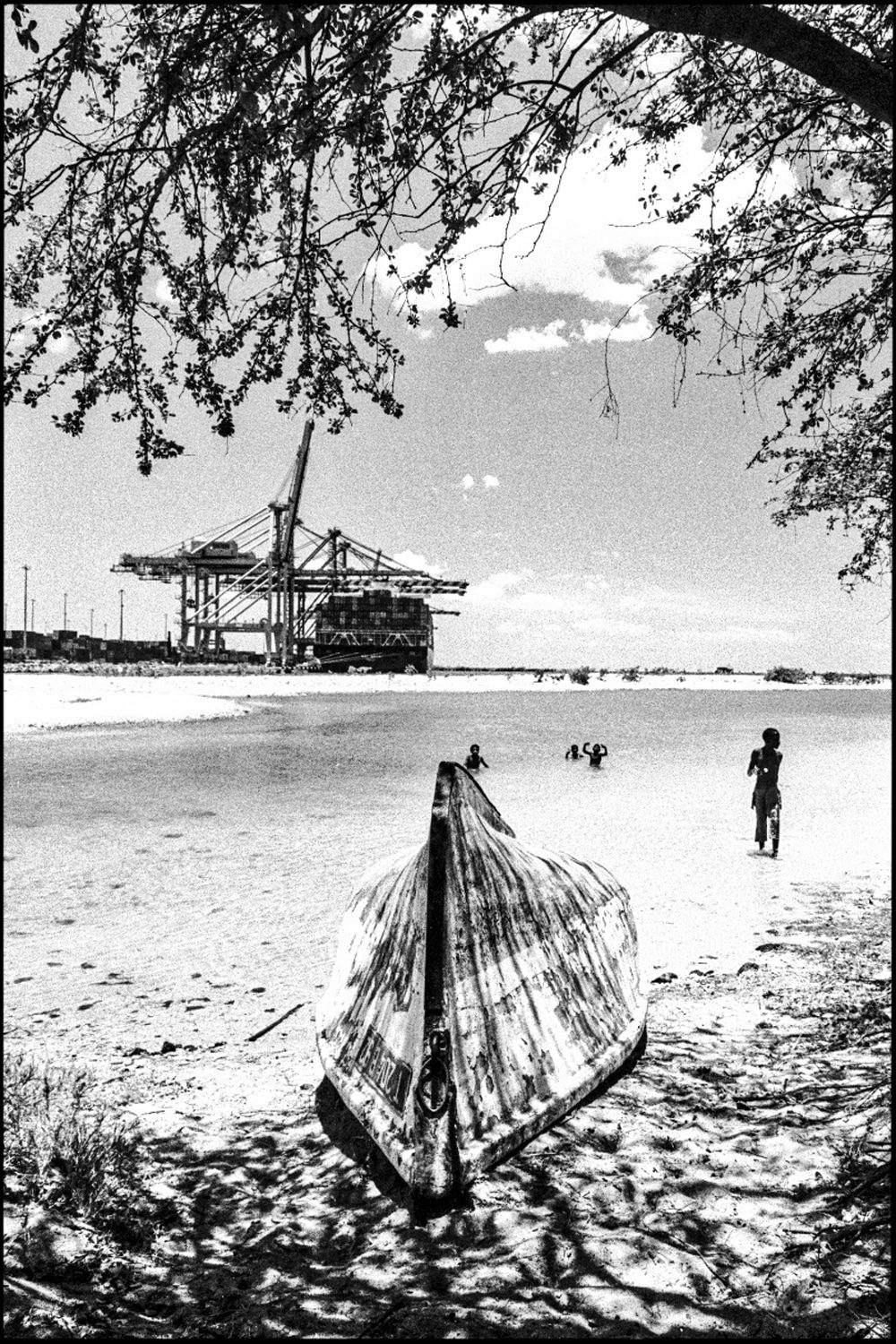
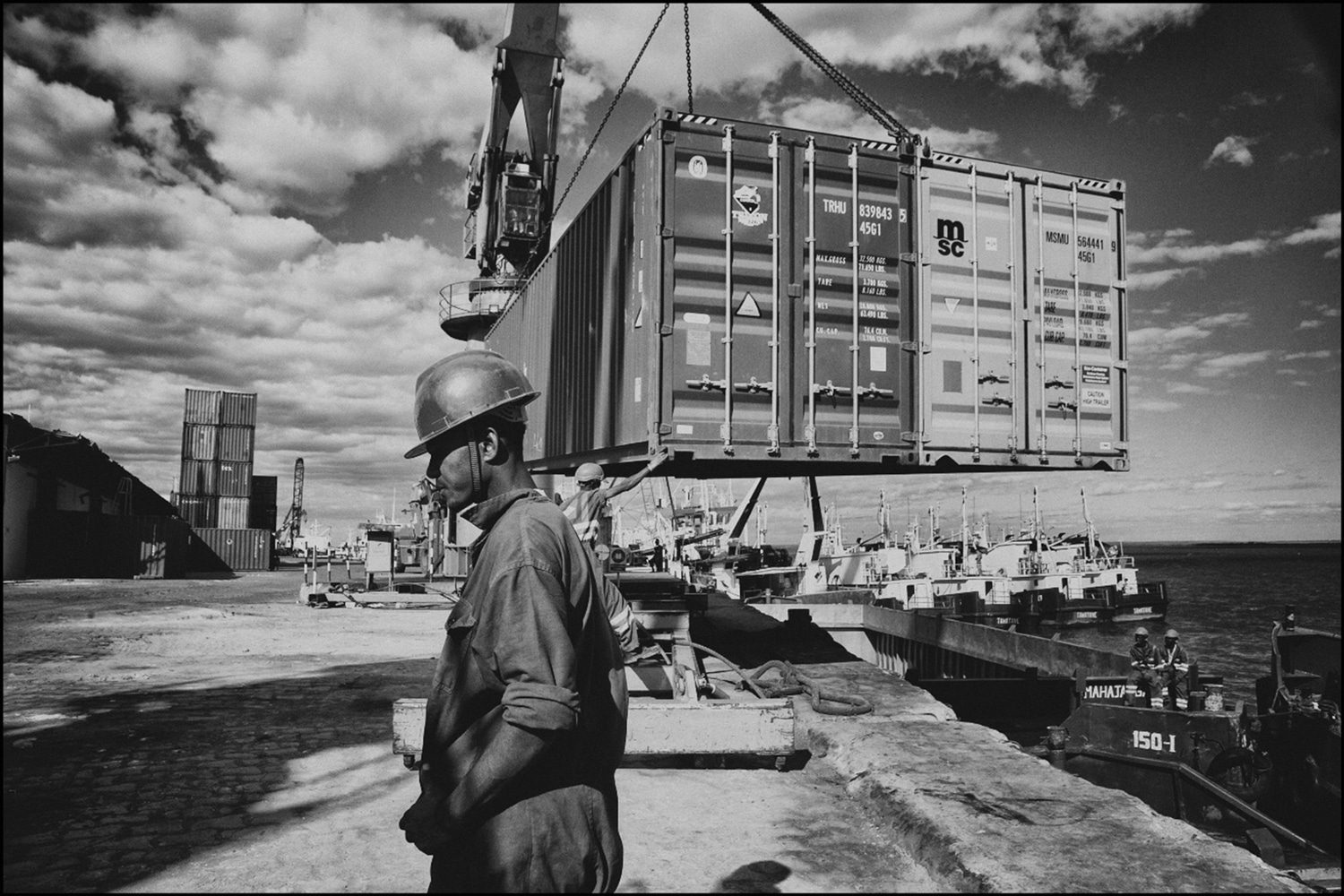
Ports play a vital role in the global economy, with over 90% of goods being traded across the ocean. Yet ports also have a large impact on the lives of people living along the coastline, from changing their landscapes and providing employment opportunities to affording opportunities to connect to the rest of the world.
The large role that ports play in coastal communities means that port security is crucial to the well-being of a country’s culture and economy. Ports are often spread over thousands of hectares of sea and land, meaning that criminals have many opportunities to smuggle illegal weapons, drugs, and commit multiple crimes.
The UN Office on Drug and Crime’s Eastern Africa office has enhanced port security in the Western Indian Ocean and recently held photo exhibitions in Madagascar, Mauritius, and Tanzania to showcase how ports and people are interconnected, thus underscoring the need to maximize port security.
A picture tells a thousand words, as our photo exhibits show below:
Mahajanga, Madagascar
Photographer: Rijasolo
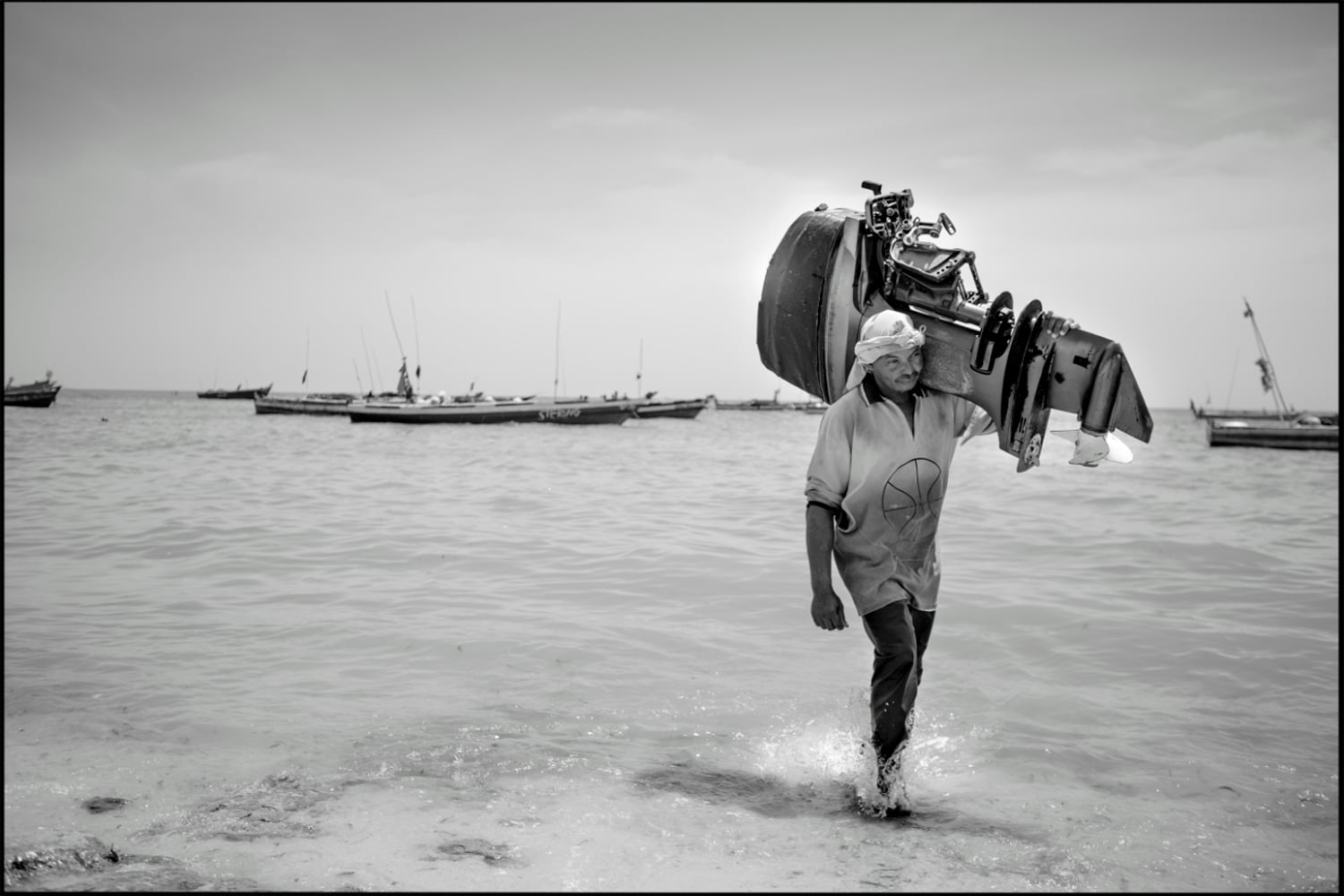
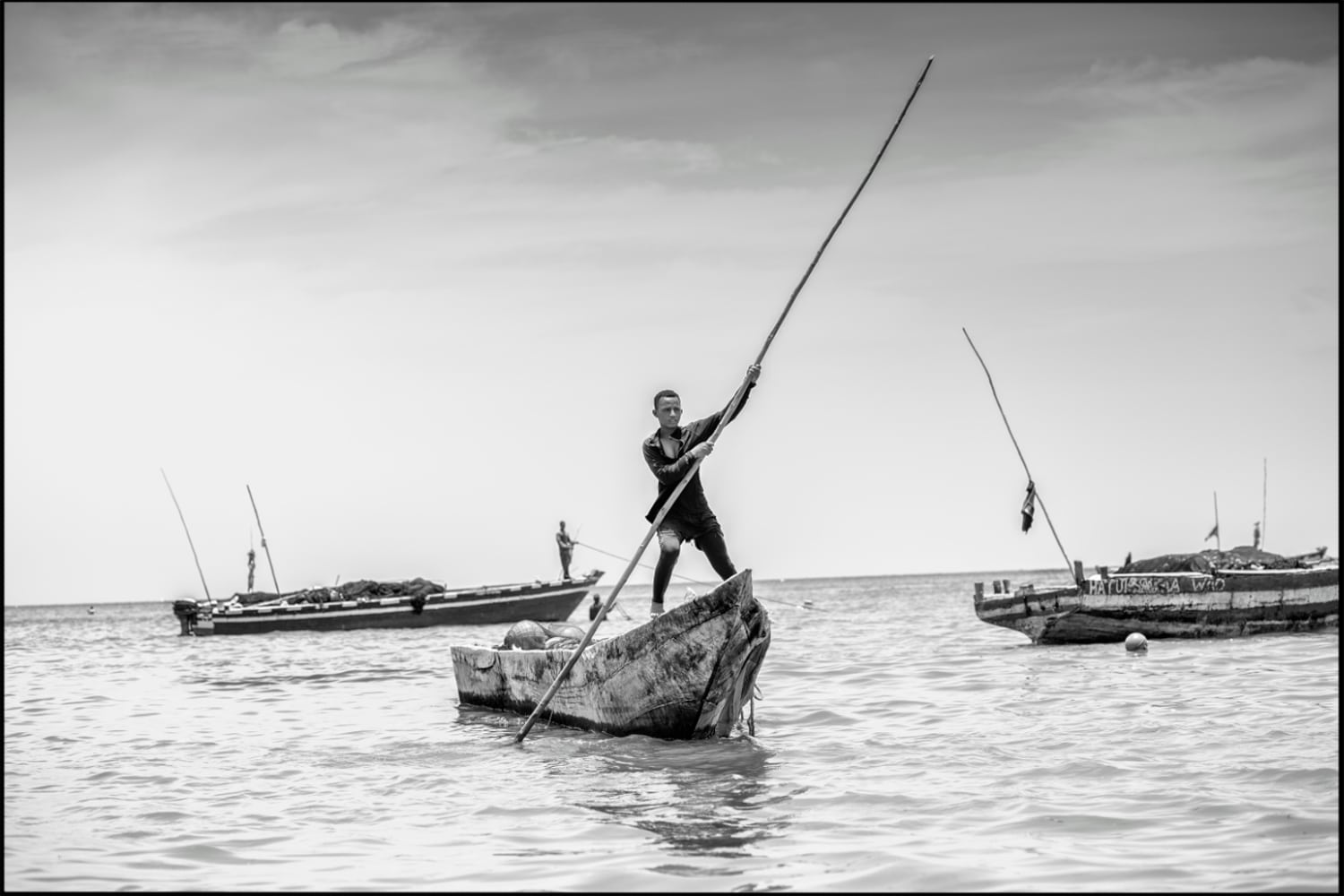
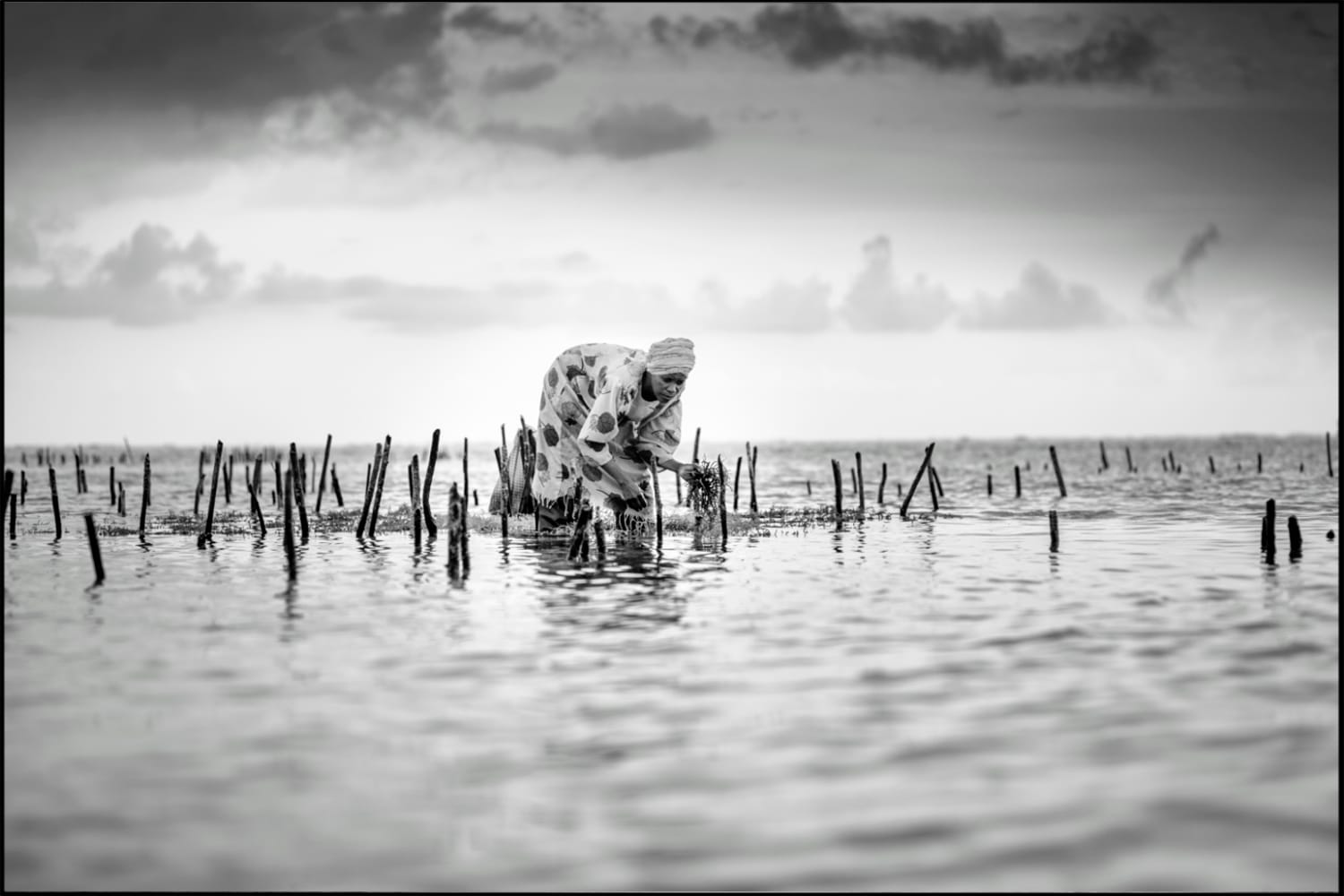
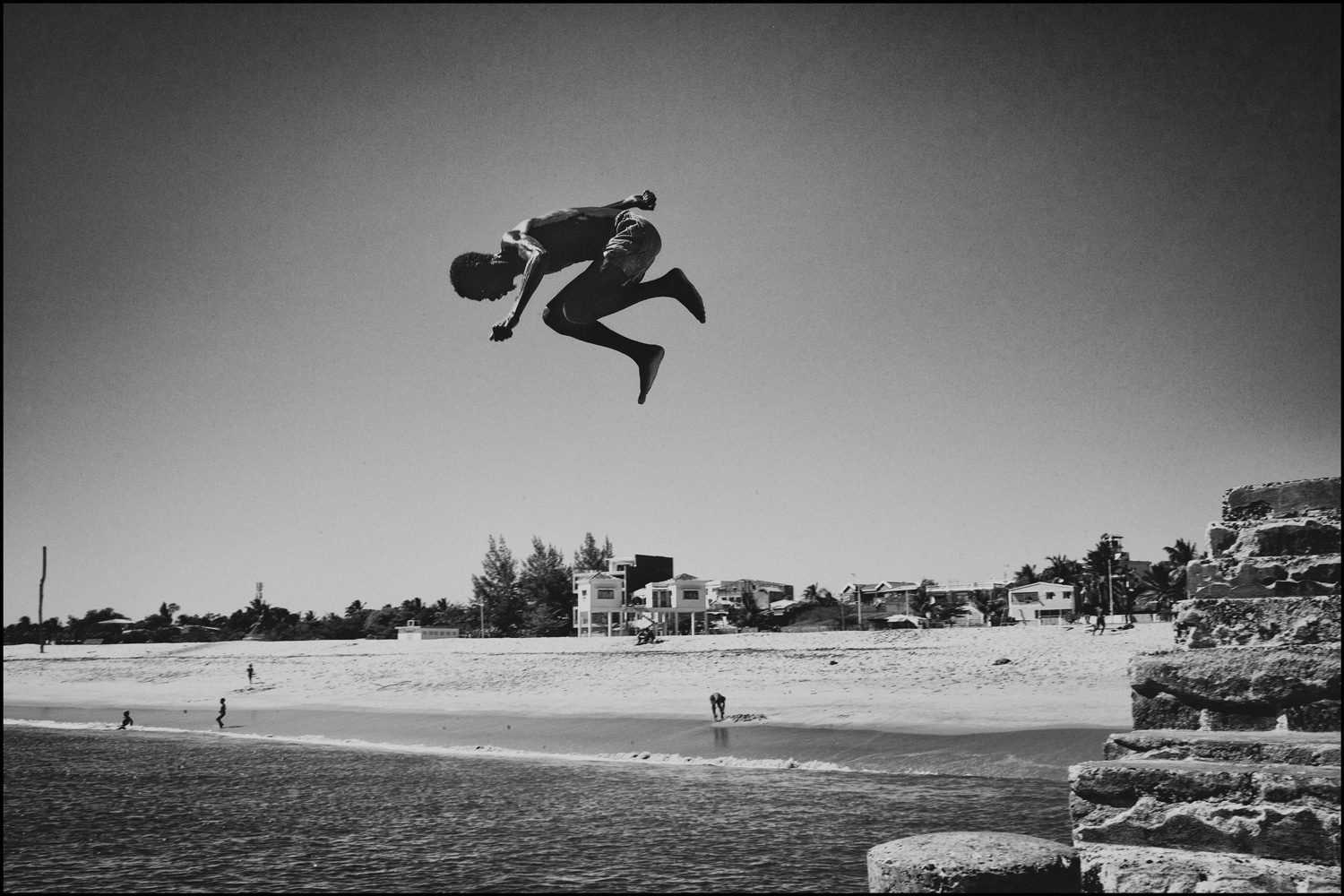
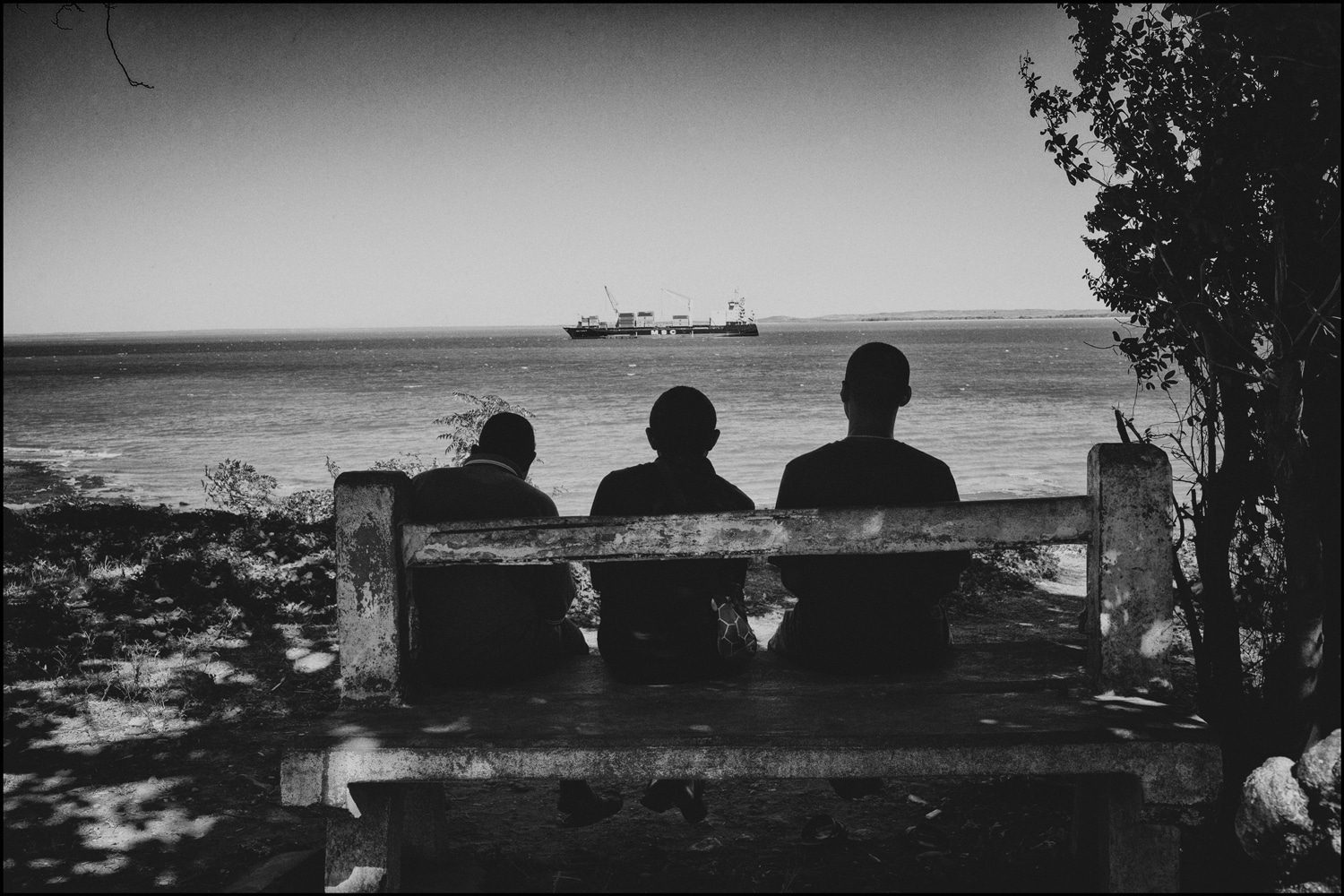
“Whether they are port dockers, dhow captains, fishermen or simple evening strollers, their economic and social life is directly or indirectly linked to this maritime environment. My role as a photographer is to reveal this friendship between them and “their” sea,” explains Rijasolo, the photographer.
“A port is open 365 days a year, 24 hours a day. A port never stops. There are a lot of actors who gravitate around this area. And indirectly, the port creates a very close link between its inhabitants, its surroundings and its activity.
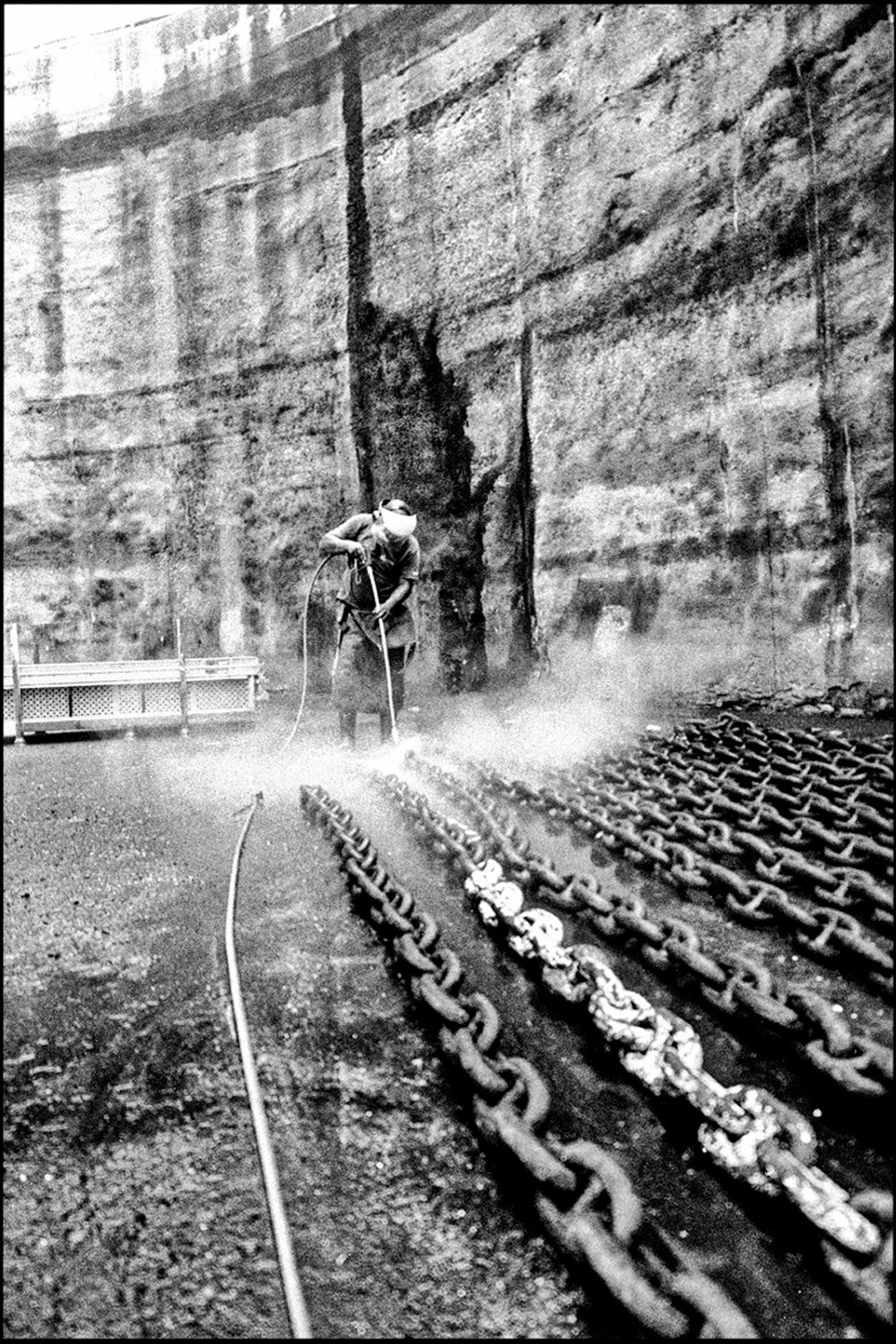
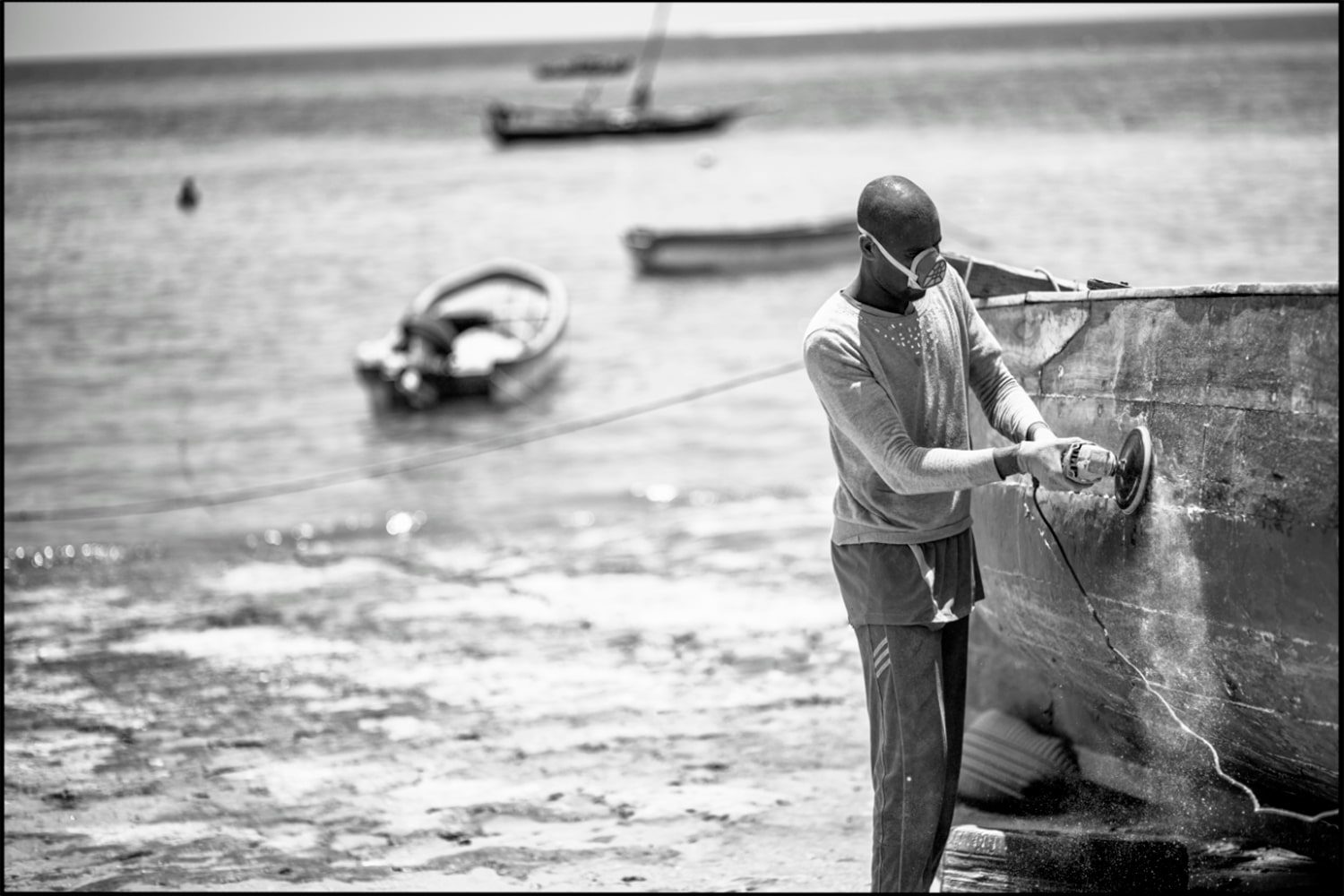
I also had the chance to meet men and women who work there every day. They do jobs that we do not necessarily know: divers who inspect the hulls of ships, taxi boats, supply boats, shipyards with teams of 500 people capable of repairing all the parts of a ship, fishermen who sew the tuna fillets, propeller spinners… It’s a world of enormous proportions.”
With financial support from the European Union (EU), UNODC’s Global Maritime Crime Programme (GMCP), in collaboration with the International Maritime Organization (IMO) and INTERPOL, are implementing a programme on Port Security and Safety of Navigation in Eastern and Southern Africa and the Indian Ocean. The Indian Ocean Commission is coordinating this project across Angola, Comoros, Kenya, Madagascar, Mauritius, Mozambique, Namibia, Seychelles, and Tanzania. To learn more about GMCP, click here.
The human body needs various vitamins to function. A healthy diet provides most of the vitamins that people need. When the diet alone does not provide enough nutrients, taking vitamin supplements helps fill nutritional deficiencies. Because supplements are not as strictly standardized and regulated as pharmaceuticals, it can be difficult to determine the amount of a substance in a particular preparation and know an acceptable dose. Vitamin supplements can be measured in milligrams, micrograms, or international units. Converting between these units can help clarify the amount of vitamin needed.
What are International Units (IU) and what are they used for?
One of the most common unit conversions in medication is from international units (IU) to milligrams (mg) and micrograms (μg). This is because people are used to seeing milligrams in the dosage of medication, and noting in other units of measurement confuses them.
International unit (ME, in English: International unit, IU) in pharmacology is a unit for measuring doses of a substance based on its biological activity. It is used with vitamins, hormones, some drugs, vaccines, blood components and similar biologically active substances.
Despite its name, the IU is not part of the International System of Measurement. The amount of substance in 1 IU for different classes (types) of substances is completely different.
The exact definition of one IU differs for different substances and is established by international agreement. The Committee for Biological Standardization of the World Health Organization provides reference blanks (samples) of certain substances, (arbitrarily) quantifies the IU units contained in them, and defines biological procedures for the comparison of other blanks with the reference blanks. The aim of such procedures is to achieve that different preparations having the same biological activity contain the same amount of IU units.
In the metric system, 1000 milligrams (mg) is a unit of mass equal to 1 gram and 1000 micrograms (mcg) is equal to 1 milligram (mg) and will be the same no matter what you measure. The IU (International Unit) tries to measure “biological effect”, not mass. The international units themselves are most often used for dosing vitamins, vaccines, enzymes, hormones or medicines, where it is necessary to account for the biological effect of a unit of active substance.
In other words, international units (I.U.) account for the action and effect of the active substance in the body, not just its quantity in the medication. However, this creates difficulty in converting IU into milligrams and micrograms, because each substance has a different activity in the body and it must be calculated specifically for it.
Thus, if you know the recommended dose in micrograms (μg), and the product is given international units (IU), then you must convert the values for the specific substance. For example, 1 IU of vitamin A is the biological equivalent of 0.3 mcg of retinol but 0.6 mcg of beta-carotene.
If you need to convert from mg to μg or vice versa, you can use the converter to convert grams, milligrams, and micrograms for solid dosage forms.
The Committee for Biological Standardization of the World Health Organization (WHO) deals with how many IUs different medicines respond to and their standardization.
1 IU insulin = 45.5 μg pure crystalline insulin
1 IU Vitamin A = 0.3 μg retinol, or 0.6 μg beta-carotene
1 IU Vitamin C = 50 μg L-ascorbic acid
1 IU Vitamin D = 0.025 μg cholecalciferol/ergocalciferol
1 IU Vitamin E = 0.67 mg of D-alpha-tocopherol, 0.9 mg of DL-alpha-tocopherol and 0.74 mg of D-alpha-tocopheryl acetate
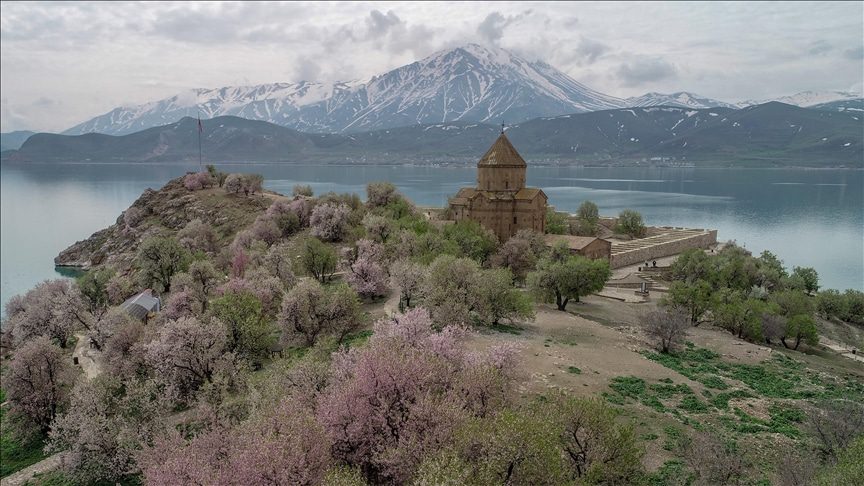
An 1,100-year-old Armenian church in Turkey’s eastern Van province hosted its tenth special Mass since it opened in 2010 after a 95-year hiatus, reported Mesut Varol and Emre Ilikan from Anadolu Agency.
Sahak Mashalyan, head of the Armenian Patriarchate in Turkey, and Father Harutyun Damatian came to the island with their clergy to perform the ceremony at Akdamar Church.
The liturgy was presided over by Damatian and attended by 46 clerics from the patriarchate and some visitors from Istanbul, Armenia and other parts of the world.
After the liturgy, Mashalyan expressed his gratitude to the authorities who gave permission for the ceremony to take place.
He also made remarks about the ongoing dialogue between Turkey and Armenia.
Stressing that the Turkish and Armenian nations share a thousand-year coexistence, Mashalyan said the two nations can develop promising and brighter relations, Anadolu Agency reported.
“Today we prayed that the two friendly peoples would live in peace so that the Caucasus would become a land of peace. May God protect our country and humanity,” Mashalyan said.
Hundreds of pilgrims flocked to the island where the unique temple is located.
Akdamar Church, a medieval Armenian place of worship, was built between 915-921 by architect Bishop Manuel under the direction of King Gagik I Artsruni.
The church, which has a special place in East-West Christian art, bears the most important decorations and the most elaborate wall reliefs of its time and was accepted into the UNESCO World Heritage Tentative List on April 13, 2015.
On September 19, 2010, Akdamar Church hosted its first service after a 95-year hiatus. Since then, a service is held in the church once a year, only on this day.
Photo: Akdamar Church, on the island of the same name in Lake Van, Turkey | AA
The German city of Weilerwist wants to deal with the problem of dog excrement in the streets, gardens and parks with the help of DNA tests, Deutsche Presse-Agentur – DPA reported from Aahen.
The mayor of the city, Anna-Katharina Horst, has asked the association of mayors of the towns in the state of North Rhine-Westphalia, where the city is located, to tell her whether there is a legal basis to take samples of dog DNA material. In this way, offending dogs can be identified and mainly which dog owners are irresponsible and do not clean up after them when they are taken out for a walk.
The city has 17,500 residents and 1,586 dogs. Streets, playgrounds, green spaces and even the cemetery have been turned into makeshift dog toilets, authorities complain.
The politician reports that the employees of the public works department also suffer from the misuse of green spaces as dog toilets, as reports Daily Sabah. A medical mask is not enough to protect from the excrement: a visor is also needed. The reactions to her initiative are mixed, reports Horst, who herself grew up with dogs. “What comes to me is mostly supportive.” She wants dog excrement removed from public spaces, she says. Her motive, she says, is not to fill the municipality’s coffers. “I’m going for a deterrent effect.”
Ablution is an integral part of Islamic rituals. Even prayer, which is one of the pillars of Islam, is considered invalid unless it is preceded by a ritual bath (K.5:6). That is, the quality of Muslim prayer depends on the purity of the body. There is a special stimulating hadith regarding ablution: “It is narrated from the words of ‘Uthman bin ‘Affan, may Allah be pleased with him, that the Messenger of Allah said:“ Sins will leave the body of the one who begins to perform ablution properly, even coming out from under his nails “(Muslim)”77. According to Sharia, ablution is performed in the following cases:
On the occasion of prayer
During the Hajj
If a person swears to perform ablution
In case of a vow, touch the Quran with the body
The Koran itself is also washed, its pages, where the name of Allah or Muhammad is written, in case it gets into an unclean place.
In general, any touch to the Quran (in Arabic) must be preceded by ablution: “Let only people who have been cleansed from defilement, who have performed ablution, touch the Holy Quran” (K.56: 79,80). However, if the Qur’an is translated from Arabic into any other language and printed in non-Arabic letters, then ablution is not required. Muslims consider the Quran to be holy only when printed in Arabic. “We sent down the Koran in Arabic – in their language (Arabs – polytheists – author) – without any curvature” (K.39:28). If we accept this doctrine, then God must understand only the Arabic language, since the Koran, according to Islamic teachings, has always been in the thoughts of God and is His word (of course, Arabic). This doctrine of the exclusiveness of the Arabic language once again reveals to us the elitist, sectarian nature of Islam, according to which the mechanism of salvation works only inside the organization and ceases to operate outside it.
There is an opinion that the above quote about touching the Qur’an only by the purified (K.56:79) is related to the “original Qur’an”, i.e. “al-lauh al-mahfuz – the heavenly tablet kept by Allah (K.56:77). By “purified” in this case, angels are meant. For people, this indication has a purely practical meaning and indicates the absence of a state of defilement and defiling factors. At the same time, failure to perform ablution in this case does not make a Muslim “infidel.”
Obligatory ablution according to Sharia is also required in the following cases:
After sexual intercourse
After childbirth
After touching a dead body
After the funeral washing of the deceased
Ablution when taking an oath or vow
Ablution can be performed with both water and sand. The ablution itself is of three types:
Full immersion in water. At the same time, a full bath should be distinguished from bathing in a river, pool or bath for washing and pleasure, which is not a bath.
Immersion of hands and face in water (irtimasi).
Wetting certain parts of the body with water (wudu).
Sharia insists on exact observance of the conditions of water ritual ablution. Water for ablution must be pure and not stolen. It is forbidden to use water poured into gold or silver dishes for ablution. Dishes made of gold or silver are forbidden not only to be used anywhere, but also to be made, bought, sold or exchanged. It is also forbidden to use vessels (dishes) from the bones of a dog, pig or carrion. The use of items made of precious metals is allowed only if they are severely deformed (beyond recognition), as well as if the composition of the metal is mixed (provided that non-precious metal will prevail in it in percentage terms). Water or food that was in gold or silver dishes is not considered unclean, but can only be used from non-precious dishes. It is also considered acceptable to use dishes if it is not known what material they are made of. The use of gold or silver paint is not prohibited. The reason for such “golden” prohibitions “follows from the general doctrines of Islam, condemning excessive passion for earthly goods and wealth. According to Muslim theologians, earthly wealth distracts and weakens the believer’s desire to fulfill religious duties and love for the afterlife. Before ablution, it is recommended to go out of need. If a person goes to the toilet after ablution, then he must perform ablution a second time and only after that proceed to prayer.
Regarding the washing of toes, a student of Imam Malik ibn Anas Ibn Wahb said the following: “Once I heard that someone asked Malik about washing his toes when performing Uudu (ablution or a ritual state of purity necessary for performing religious prescriptions – author) to which he replied “People shouldn’t do that.” I waited until most of the people had left the study circle and informed him that there is one hadeeth about this. He asked what kind of Hadith it was, and I said that Al – Layt ibn Sad, and Ibn Luhaya, and Amr ibn Al – Kharis told from the words of Al Mustaurid Shidad Al – Kurashi that he saw the Messenger of Allah (s) rubs the little finger between the toes. Malik said, “This is indeed a good Hadith which I have never heard before.” Later, when I heard people ask Malik about washing between the toes, he insisted that this place must be washed. (Ibn Abi Hatim, “Al Jarh wat – Tadil” (Hyderabad, India: Majlis Dairah al Maarif al Uthmaniyya, 1952), preface, pp. 31-33″ 80.
Washing feet without removing sandals or stockings is considered invalid. However, in case of severe frost or the danger that the shoes may be stolen or an insect will sting the bare foot, ablution without removing the shoes is allowed. If during a prayer a person has doubts about whether he performed ablution correctly, his prayer is considered invalid and must be interrupted.
Regarding the understanding of the verse about washing hands: “.. wash your faces and hands up to the elbows …” (K.5: 6) there are two points of view. The first was followed by the students of Abu Hanifa Zufar, Ibn Daoud Az-Zahiri and some of Malik’s students. They accepted the words “up to the elbows”, in the sense – not higher than the elbows. (Muhammad ibn Ali Ash – Shaukani, “Nail Al Autar”) All four imams belonged to the second. They believed that this verse means: “up to the elbows, including the elbows.” (“Al Insaf fi Bayan Asbab al Ikhtilaf”) They based their opinion on reliable hadiths that talk about how Muhammad performed ablution. “Nuaym Ibn Abdillah Al Mujmir narrated the following: “I saw Abu Hurairah perform ablution. He washed his face completely, then washed his right hand, including its upper part … then he said: “I saw that the Messenger of Allah (s) does Oudu in this way” (Collected by Muslim “Sahih Muslim”, English, translation, v.1.S.156, No. 477)81.
The washing of different parts of the body is accompanied by the reading of special prayers, which in itself complicates this process and requires the knowledge of these prayers by heart. Before starting the ablution, a person, looking into the water, should say: “In the name of God, I swear to God, glory to God, who made the water clean and did not make it dirty.” Before washing hands, one must say: “O God, accept me among the penitent and among the cleansed.” When rinsing the mouth: “O God, be my witness on the day I meet You. Teach my tongue to remember You.” When washing the nostrils: “O God, do not forbid me the heavenly winds, accept me among those who smell the heavenly wind, its spirit and beauty.” When washing the face, it is said: “O God, make my face white.” When washing the right hand: “O God, show me my Book on the right and eternity in paradise on the left.” When washing the left hand, one should say: “My God, do not give me my Book from the side of the North and behind my back and do not make it tied around my neck. I seek refuge in You from the fire (hell).” While washing the head, it is said: “O God, do not deny me Your mercy, blessing, accept my repentance.” When washing the feet, it is said: “O God, strengthen my feet, when the path becomes slippery, make my aspiration pleasing to You. O possessor of wealth and generosity!”
It is necessary to start ablution on time in order to be in time for the beginning of the prayer. According to the Shariah, ablution is considered invalid if the already washed face and hands have time to dry before washing the feet. Parts of the body should be washed in order so that during the process of ablution all of them are wet.
For people with bodily injuries (wounds, ulcers), Sharia provides special rules for ablution. Such ablution is called “jabriye” (forced). For example, if a person has an ulcer on his hand, which results in the danger of water contamination, he should remove the bandage and wash around the wound. If this cannot be done yet, the Shariah requires that the bandage be replaced, after which it is necessary to stroke its surface with a wet hand or to perform ablution with dry and clean sand.
The practice of washing with sand (tayyom) (K.4:43; 5:6) is a feature of the inhabitants of the desert, where one cannot always find water. In addition to sand, this type of washing also includes washing with earth and clay. Washing with hot sand also has a disinfecting effect, helps to destroy germs and remove dirty stains from clothes. Very convenient and practical – three in one! In addition to sand, Sharia allows bathing with alabaster and lime (not red-hot).
78.G.M.Kerimov. Sharia. Muslim life law. Chapter 4. Prohibitions of Sharia. https://rogtal – sgedo.ru
79.Practical Encyclopedia. Fundamentals of the right spiritual life. According to the works of St. Ignatius (Bryanchaninov). SPb. SATIS POWER .2005 Ss.64,65,69.
80.Quoted from: Abu Amin Bilal Phillips. Evolution of Fiqh. Imams and Taqlid. https://ksunne.ru/istoriya/evoluciya.index.htm
81.Quoted from: Abu Amin Bilal Phillips. Evolution of Fiqh. The main reasons for the inconsistency of fatwas. https://ksunne.ru/istoriya/evoluciya.index.htm
Source: Chapter 8. Rites in Islam – Unexpected Sharia [Text] / Mikhail Rozhdestvensky. – [Moscow: b. i.], 2011. – 494, [2] p.(in Russian)
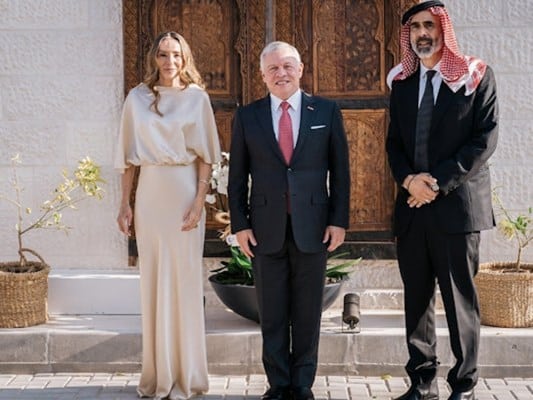
The Royal Hashemite Family of Jordan has announced the wedding of His Royal Highness Prince Ghazi bin Mohammed and Her Royal Highness Miriam, Princess of Tarnovo. It took place on Saturday, September 3.
“Their Highnesses Prince El Hassan bin Halal and Prince Talal bin Mohammed attended the ceremony. The Hashemite Royal Family wishes Their Royal Highnesses Prince Ghazi bin Mohammed and Princess Miriam Ghazi a long and happy life,” the statement said.
Princess Miriam is the former daughter-in-law of King Simeon II. She was married to Prince Kardam Turnovski. She has retained her Orthodox faith, despite her new husband’s Muslim faith.
The day before the wedding, on Miriam’s birthday, she and her children visited the memorial to Kardam, which was erected by the Jordan River.
Miriam was born on September 2, 1963 in Madrid as Doña Miriam Ungria y López, daughter of Don Bernardo Ungria y López and Doña María del Carmen López y Oleaga (deceased in 2019). She graduated in history and geography, specializing in art history at Compuletense University in Madrid. He then studied gemmology, jewelry making, jewelry design, gem setting and wax patterns at the European Center for Jewelry Making at the University of Oviedo. She created her own fashion line MdeU.
On July 7, 1996, in the Santos Adreas and Demetrio Orthodox Church in Manrid, Doña Miriam Ungria y Lopez married the heir to the throne of Bulgaria Kardam, Prince Tarnovski (born December 2, 1962 in Madrid). Kardam was the eldest son of King Simeon II (born 1937) and Queen Margarita (born 1935 as Margarita Gómez-Assebo and Quehuella).Prince Kardam and Princess Miriam have two sons Boris (born 1997) and Beltrán (born 1999 .), who were baptized in the Orthodox faith.
On August 15, 2008, Kardam and Miriam crashed in Madrid. Both are seriously injured, but Miriam manages to recover. Cardam, however, has a brain injury and remains in a coma. His wife, who remained a Catholic after the wedding, converted to the Orthodox faith as a gesture to her husband’s family. Prince Kardam died on April 7, 2015 in Madrid after nearly 7 years in a coma.
Prince Ghazi bin Mohammed was born on October 15, 1966 in Amman. He was the son of Prince Mohammed bin Talal (1940–2021) and his first wife Princess Feriyal (born 1945 as Irshaid). His uncle is the late King Hussein of Jordan, making him a first cousin of the current monarch, Abdullah II.
The prince graduated from the prestigious Harrow High School in London. He then took a degree in literature at Preston in 1988. He completed his PhD in modern and medieval literature at Trinity College, Cambridge. His topic is “What is it to fall in love?: Exploring the literary archetype of love”. The prince is King Abdullah II’s chief adviser on religious and cultural affairs and the king’s special envoy. He was also its regent.
From the time of their wedding on 4 May 1997 until their divorce in 2021, Prince Ghazi bin Mohammed was married to Princess Arej Ghazi (formerly Zawawi). They have four children: Princess Tasnim (1999), Prince Abdullah (2001), Princess Jenna (2003) and Princess Salsabel (2014).
On 18 May 2021, the Hashemite Royal Family of Jordan announced that Princess Arej Ghazi’s title was changing to Princess Arej bint Omal Al Zawawi. Similar announcements are used to announce divorce.
During the war, as part of the headquarters of divisions, corps, separate formations, officers of the General Staff held the positions of chiefs of staff, their deputies and officers for assignments. It was on their shoulders that the provision of intelligence data fell to the troops. It cannot be said that all the General Staff officers showed themselves in the war from the best side. In particular, shortcomings in the organization of reconnaissance of individual detachments (for example, the neglect of the opportunity to use the Bulgarians as a source of information) largely depended on the personal qualities of an officer. Nemirovich-Danchenko noted shortcomings in the area that directly concerned the officers of the General Staff – the organization of undercover intelligence. Exaggerating, he nevertheless presented the situation correctly on the whole. “Also, some of our scouts are poorly organized, while Turkish spies are prowling all over the country. Back in Chisinau, people who understood the seriousness of the situation and knew Turkish forces better than our diplomats offered to organize a mass of scouts in Turkey itself. Our blindness was so great that this proposal was not put into motion. “Forgive me, we will finish the campaign in three months, why spend money on scouts!” Thanks to these far-sighted optimists, throughout the campaign we had no information about the movements of the Turks, while they received the most accurate information about ours” [28]. As an example, V.I. Nemirovich-Danchenko cited the actions of General Boreisha at Shipka, when he “saw the army of Suleiman, but did not understand its movements,” and because of his mistake, the Russian troops were almost completely defeated [29]. True, in this state of affairs it was not so much the General Staff officers who were involved in the organization of intelligence that were to blame, but the top military leadership.
In general, for the most part, lower-level officers of the General Staff coped with their duties. However, intelligence data was often simply ignored by the high command. Many of the senior officers of the General Staff advanced to their posts due to connections, intrigues, origins or past merits. Hence – little knowledge, indecision, poor understanding of the tactics and strategy of warfare. Thus, the second assault on Plevna, undertaken by N.P. Kridener. As a contemporary noted, “Baron Kridener’s mistake was not at all that he attacked Plevna on the orders of the Main Apartment (which was how the English correspondents justified his failure – O.G.), but that he proceeded to attack, limiting himself to information about the situation enemy, gleaned from the past bitter experience of Schilder-Schuldner … and did not first find out exactly all the necessary details of the position of Osman Pasha’s army” [30]. N.P. Ignatiev, who was with the army during the war, in letters to his wife succinctly described the main shortcoming of Russian military intelligence. “Yesterday I saw the entire retinue of the commander-in-chief,” he wrote in a letter dated August 3, “and cursed with them for the turn of the case, accusing the officers of the General Staff who did not foresee anything, playing hide and seek with the Turks and leading troops into battle without reconnaissance of the area! The accusations of the entire army are directed at Levitsky. It turns out that a good officer of the General Staff, Parensov, warned that masses of Turks were gathering in Plevno and that 8 battalions were going to Lovcha, where we had only Cossacks. Parensov received a reprimand from Levitsky, who accused him of unfounded information and useless anxiety caused to the commander in chief. It is remarkable that Levitsky’s letter was sent exactly on the day when the Turks attacked Lovcha, drove out the Cossacks and beat the unfortunate Bulgarians who were defending themselves in the school and church … Instead of listening to Parensov, who was on the spot, and sending infantry to Lovcha, taking the appropriate measures regarding Plevno, the Pole Levitsky “besieged” the zealous and efficient officer” [31].
Among other things, the officers of the General Staff led the work on mapping Bulgaria and the Balkan Peninsula. Since this was also a kind of reconnaissance, only of the already occupied territory, the author will not dwell on it in more detail. By order of November 1, 1876, a field Military Topographic Department was formed at the headquarters of the Active Army, consisting of nineteen people under the command of Colonel General Staff D.D. Oblomievsky and his assistant, Captain of the General Staff M.A. Savitsky [32]. In winter, it was exclusively clerical work: preparing maps and plans for the war, putting on maps information about routes, settlements, information about the location, movement, number of Turkish troops received by the headquarters officer over the leaders, copying and sending plans to the troops Turkish positions, etc. With the outbreak of hostilities, two topographers were seconded to the headquarters of each corps to conduct topographic work. Special trigonometric work was entrusted to Colonel General Staff M.N. Lebedev. In June 1877, a survey of Bulgaria was organized with the center in the city of Sistov, which was headed by Colonel of the General Staff A. Ernefelt [33]. However, in 1877, the work was carried out slowly, since Russian troops occupied only a small part of Bulgaria, and besides, heavy rains, snowfalls and fogs at the end of the year prevented their implementation. As a result of the successes of the army in the winter of 1877-1878. filming intensified, and after the end of hostilities, work was already carried out in three batches. During the war in October 1877, instead of D.D. Oblomievsky was occupied by N.D. Artamonov, which testified to the importance that the Russian command attached to mapping Bulgaria (recall that N.D. Artamonov headed the military intelligence of the army) [34].
The need to urgently map roads in the territory occupied by Russian troops in August 1877 led not only to an increase in the number of topographers in the Military Topographic Department. Officers of the General Staff and combatants were involved in the shooting. At the end of October, the filming work was completed, and the compiled five-verst map of Bulgaria was sent to the troops [35]. By November, the Department had prepared maps of the middle part of Bulgaria, Romania, the Balkan and Shipka passes, Plevna, Adrianople [36]. The work was carried out until May 1883, although most of them were completed at the end of 1879. As a result, Bulgaria was studied in detail in military topographic terms, and rich material was collected for compiling its map.
The war ended with a Russian military victory. At the end of January 1878, peace negotiations began between Russia and Turkey in the town of San Stefano. The Russian side was represented by N.P. Ignatiev and A.I. Nelidov. On February 19, a preliminary agreement was signed, which was generally based on the project of N.P. Ignatiev, who proposed the creation of independent Romania, Serbia and Montenegro, as well as Greater Bulgaria with access to the Black and Aegean Seas [37]. However, Austria-Hungary and Great Britain opposed the sharp weakening of the Ottoman Empire in Europe and the creation of a vast Slavic state, to a certain extent dependent on Russia. The British government stated that the articles of the San Stefano treaty should be brought up for discussion at an international congress. The Russian Foreign Ministry did not want a new war, which could result in a coalition against Russia, so negotiations with Great Britain were entrusted to Count P.A. Shuvalov – Ambassador to London. He was not, unlike N.P. Ignatiev, a supporter of radical measures, and tried to be as compliant as possible in order to avoid unnecessary complications.
The congress opened on June 1, 1878 in Berlin. Since the activities and results of the Berlin Congress have been studied in detail in Russian and Soviet literature, the author will not dwell on its work in detail, but will only note that its results largely meant the strategic defeat of Russia. With the end of the war, Russia faced new conditions in the Balkans, the study of which is beyond the scope of this article.
Summing up, it can be noted that the officers of the General Staff played a significant role in organizing military intelligence in Bulgaria during 1856-1878. They were both its implementers and inspirers. Thus, N.P. Ignatiev, who served as envoy in Constantinople from 1864 to 1876. Being a supporter of strengthening Russia’s influence in the Balkans, he strongly supported the national liberation aspirations of the Balkan peoples, both diplomatically and materially, organizing the supply of weapons, business trips of Russian officers to organize the armies of the Balkan countries. He also facilitated the admission of Russian General Staff officers to study Turkey under the guise of mapping.
However, for the most part, the officers of the General Staff played the role of executors in relation to Turkey – intelligence officers, holding the posts of official and unofficial military agents, visiting the country secretly. Their main goal was to collect information about the armed forces, about a possible theater of operations. Based on this information, the Russian command drew up plans for the conduct of the war. It cannot be said that the intelligence activities of the officers of the General Staff were of sufficient quality. But this was explained, first of all, by the closeness of Turkey to the Russian military, since the Ottoman Empire traditionally considered Russia as a potential adversary. However, even incomplete information allowed the Russian command to draw up quite feasible plans for the conduct of the war, however, in fact, they underwent changes for various reasons, including the indecision of the high command. Military intelligence was conducted by the General Staff officers at the level of European standards of that time in this area. But its results often depended on the subjective factor. In particular, the quality of reconnaissance depended on the personal qualities of the officers of the General Staff who carried it out (their preparedness, degree of responsibility, moral and personal qualities, etc.); on the qualities of the chiefs who received information from lower-level intelligence officers (how much they found it necessary to use it, and this, in turn, again raised the question of the personal characteristics of this or that officer); finally, on the degree of use of intelligence information by the high command. As the war of 1877-1878 showed, often this information was poorly used precisely because of the low competence or interest of people from the Main Apartment.
That is why it is possible to evaluate the activities of military intelligence in relation to Bulgaria in the period under review in two ways: while being at a high level, it still retained many negative features, most of which were subjective.
In 1875-1876. A number of uprisings broke out in the Balkans against Turkish rule. With the aggravation of the Balkan question and the uprising in Bulgaria in April 1876, the likelihood of war increased markedly. After the suppression of this uprising by the Turks, supporters of an active policy in the Balkans took over in the Russian government. In the fall, mobilization was announced and preparations for war began. In November 1876, the field headquarters of the Army in the Field was formed. In October, General Staff Colonel V.G. was sent to help the military agent in Constantinople. Zolotarev [18].
The most important task before the war was reconnaissance of the theater of operations and the deployment of Turkish troops. To solve it, in the autumn of 1876, colonels of the General Staff were sent to Romania: first – M.A. Kantakuzin (for negotiations on a convention on the passage of Russian troops), and then – G.I. Bobrikov and P.D. Parensov. At the same time, in October, at the request of the President of the Council of Ministers of Romania, Prince Bratianu, Colonel of the General Staff V.G. arrived in Bucharest. Zolotarev to assist the Romanian army in preparing for the war [19]. P.D. Parensov received from the Chief of Staff of the Active Army A.A. Nepokoichitsky’s task was to collect information about the Turks and the fortifications of Ruschuk in Bulgaria [20]. Arriving in Romania under an assumed name, P.D. Parensov, with the help of the Russian consulate, contacted the Bulgarians who lived there. Through them, the colonel managed to establish a fairly extensive intelligence network across the Danube, and supply the headquarters with the necessary information. However, despite the dedication of P.D. Parensov, his efforts were often in vain due to the negligence of the Assistant Chief of Staff of the Army in the Field, Major General of the General Staff K.V. Levitsky, to whom the colonel sent his reports.
As for G.I. Bobrikov, then, as already noted, he arrived in Bucharest in December as a military representative to the Commander-in-Chief in order to ensure the advance of the Russian army through the territory of the principality, as well as to negotiate with Prince Charles and Bratianu on signing a convention allowing the Russian army to pass through Romania and on entry of the latter into the war with Turkey [21]. At the same time, he was engaged in intelligence. The first successes of the Russian army in the war of 1877-1878. were largely associated with the quality activities of P.D. Parensova and G.I. Bobrikov, primarily on the organization of undercover intelligence in Bulgaria [22].
To organize intelligence at the headquarters, there was a position of a staff officer over the leaders. According to the regulation on the Army in the Field, the latter “is in charge of collecting information about the forces, disposition, movements and intentions of the enemy, disposes of the delivery of reliable guides and scouts to the army, compiles general summaries from their testimony, checks the testimony of prisoners collected by periodicals … He takes care of finding guides for the army from local residents and distributes them to parts of the troops according to the instructions of the Chief of the Army, ”to whom he is directly subordinate [23]. Colonel of the General Staff N.D. was appointed to this position. Artamonov.
With the outbreak of war, the overall leadership of intelligence passed to N.D. Artamonov. Occupying the position of a staff officer over the columnists of the headquarters of the Army in the Field, he coordinated intelligence activities and selected translators and guides for army units. Following the recommendations of the colonels of the General Staff P.D. Parensova and G.I. Bobrikov, who, together with N.D. Artamonov were the main organizers of the intelligence of the Russian army, on April 27, 1877, the chief of staff of the Army in the Field A.A. Nepokoichitsky, by his order, recommended appointing guides and interpreters from the Bulgarians. Anyone who wanted to get a place as a guide or interpreter had to have a recommendation from P.D. Parensova, G.I. Bobrikova or N.D. Artamonov [24]. The latter used the assistance of Bulgarian agents, recruited before the war, in order to avoid the penetration of Turkish spies into the Russian army. On the ground, the organization of intelligence was entrusted to the officers of the General Staff.
As a whole, intelligence activities can be assessed satisfactorily. Due to the lack of allocated funds and the lack of operational communications, intelligence was often delayed, or was used at headquarters for other purposes. Before the war, the field headquarters was actively involved in determining the size and location of the Turkish army, since until then information of such a plan was incomplete. The department of the headquarters officer over the counselors received information from the embassy in Constantinople, from the consuls, from the General Staff, from P.D. Parensova and G.I. Bobrikov and other persons sent to conduct intelligence in Romania and Bulgaria. Consular reports were the most reliable, since their headquarters received them in 10–15 days. In January 1877 N.D. Artamonov completed a reporting table on the Turkish troops, on the basis of which he concluded that Turkey put up more regular troops in this war than in previous ones. N.D. Artamonov noted that if the Russian command wanted to quickly reach Constantinople, then the proposed four corps would not be enough. His remarks were taken into account, and in April three more corps arrived at the theater of operations from Russia [25]. Based on the reports of the consuls and the military agent in Constantinople, Colonel of the General Staff A.S. Zeleny in March 1877, the latter, together with Colonel of the General Staff A.A. Bogolyubov compiled a detailed statement of the location and number of Turkish troops [26]. A table of Turkish troops compiled on its basis was sent to the troops in April 1877.
However, with the outbreak of hostilities, it became more difficult to obtain reliable information, since all Russian consuls were expelled from Turkey. Therefore, the Bulgarians became the most reliable means of obtaining information about the enemy. Established P.D. Parensov and G.I. Bobrikov, the intelligence network helped the Russian army during its offensive in Bulgaria [27].
Notes:
[18] Russian State Military Historical Archive (hereinafter – RGVIA). – F. 485. – D. 766. – L. 1.
[19] The liberation of Bulgaria from the Turkish yoke. Documents in three volumes. – M., 1961. – T. 1. – S. 443.
[20] Parensov P.D. From past. (Memoirs of an officer of the General Staff about the war of 1877-1878) // Russian antiquity. – 1899. – Prince. 1. – S. 126.
[27] For more details, see: Kosev K., Doinov S. The Liberation War of 1877–1878 and the Bulgarian National Revolution. – Sofia, 1988. – 390 p.; Todorov G.D. Roleta in Bulgarian in Russian found out the prez liberation of the Russian-Turkish war (1877–1878) // Izvestiya na instituta za istorii. – Sofia, 1960. – T. 9. – 3-56.
[28] Nemirovich-Danchenko V.I. Year of the War: Diary of a Russian Correspondent 1877-1878: In 2 vols. – St. Petersburg, 1878. – T. 1. – P. 28.
[29] Ibid.
[30] Maksimov N.V. Beyond the Danube // Otechestvennye zapiski. – 1878. – No. 7. – P. 128.
[31] Ignatiev N.P. Camping letters in 1877. – M.: ROSSPEN, 1999. – S. 171-172.
[32] RGVIA. – D. 53. – L. 1.
[33] Ernefelt A. Astronomical, geodesic and topographic works on the Balkan Peninsula in 1877-79 // News of the Russian Geographical Society. – 1880. – T. 16. – Issue. 4. – S. 381.
[34] Starodymov N.A. Decree. op. – S. 49.
[35] Glushkov V.V., Dolgov E.I. On topographic work during the Russian-Turkish war of 1877–1878. // Geodesy and cartography. – 1998. – No. 4. – P. 58.
[36] RGVIA. – F. 485. – D. 53. – L. 15.
[37] For more details, see: Ignatiev N.P. San Stefano. Notes of N.P. Ignatiev. – Pg., 1916. – 359 p.
Source: Drinovsky collection / Drinovsky collection. -2008. – T. 2. – X. – Sofia: Academician vidavnitstvo im. prof. Marina Drinova. – S. 152-160.
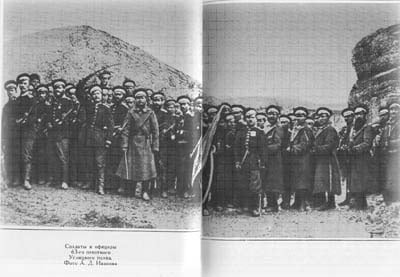
Source of the illustration:Vinogradov V.I. Russo-Turkish War 1877-1878 and liberation of Bulgaria. – M.: Mysl, 1978. – P. 220-221.
The Byzantine Empire had an extensive network of social institutions supported by the state, the church, or private individuals. Already in the decisions of the First Ecumenical Council in Nicaea (4th century), the obligation of the bishops to maintain in every city an “inn” to serve travelers, the sick and the poor was noted. Naturally, the largest number of social institutions were concentrated in the capital, Constantinople, but many were also scattered in the countryside. The various sources (legislative acts, monastery typica, chronicles, lives, inscriptions, seals, etc.) speak of hundreds of charitable institutions, which are divided into the following groups:
• hospitals and inns – often in the sources they are used as synonyms, and in all probability they were used according to specific needs;
• shelters for the poor;
• nursing homes;
• homes for blind people;
• orphanages;
• homes for widows;
• baths for leprosy patients and baths for poor people;
• deaconies – especially common social centers in urban parishes; in Egypt they operated mainly for monasteries, while at the same time the monasteries supported other deacons in the cities; there they gave out food and clothes for the poor (new), but there were also deacons with a special purpose, such as care for the sick, for the elderly, baths for the poor and travelers;
• homes for the mentally ill (only church ones) – more information about these homes appears from the 10th century; a legislative act from the 10th century states: “A sick (mentally) woman should not leave, but it is the duty of her relatives to take care of her; if there are none, to enter the houses of the church”.
A large number of these public and ecclesiastical welfare homes were supported by monasteries or even housed there. They had a large bed base, which varied according to specific needs. Information about the larger ones is given in the sources. Thus, for example, we understand that some homes were two-story buildings – such as the hospital of St. Theophylact of Nicomedia, the inn of Macarius in Alexandria. For others, the number of beds is known, for example: the ecclesiastical hospital of Antioch in the time of Patriarch Ephraim (527-545) had over forty beds. Four hundred beds were available in the hospital for lepers at Phorcyda, the New Virgin Mary Inn in Jerusalem had two hundred beds, seven shelters in Alexandria had forty beds each, i.e. a total of two hundred and eighty, etc. n.
The life of St. Theophylact, Bishop of Nicomedia (806-840) gives a lot of information about his charitable work and especially about the work of the hospital he founded. In the two-story hospital, there was a chapel of Saints Cosmas and Damian the Silverless. The bishop assigned doctors and staff to care for the sick, and he himself went to the hospital daily and distributed food. Every Friday he served an all-night vigil in the hospital chapel, and then he himself washed the sick, as well as the lepers, for whom there was a special wing.
The hospitals in Angira, Paphlagonia, were staffed by monks. They have given day and night shifts. Palladius’ Lavsaica tells of a monk who interrupted his prayer during the service in the bishopric (where the sick had gathered) and helped a pregnant woman to give birth.
The life of St. Ravulas, bishop of the city (5th century), gives us many details about the social activity in Edessa. He built a hospital in the city and he himself saw to it that it was in order, that the beds had soft mattresses and that it was always clean.
The hospital was cared for by ascetics, companions of St. Ravulas, men and women. He considered it his highest duty to visit the sick daily and greet them with a kiss. For the maintenance of the hospital, he set aside several villages from the diocesan ones, and all the income from them went to the sick: he set aside about a thousand dinars annually.
Bishop Ravoulas also built a women’s shelter, which had been lacking in Edessa until then. In twenty-four years as a bishop, he did not build a single church, his life reports, because he thought that the money of the church belonged to the poor and the suffering. He ordered four pagan temples to be destroyed and the women’s shelter in question to be built with the material. Among the canons he compiled for the administration of his district was one that read: “To every church there should be a house where the poor can rest.”
For the lepers, who were hated at that time and lived outside the borders of the cities, he took special care with great love. He sent his trusted deacons to live with them and cover their many needs with church money.
We cannot fail to mention the famous Basiliad of St. Basil the Great (4th century) in Caesarea – a huge complex of social institutions, where a large place was dedicated to lepers. St. Basil had influence over the wealthy citizens of the district and they donated large sums to the welfare complex. Even the emperor, who was originally opposed to him, agreed to donate several villages for the benefit of lepers in Basiliad.
The brother of St. Basil and St. Gregory of Nazianzus, Naucratius founded a retirement home in a forest in Cappadocia where he cared for poor old people after he left his legal profession. He hunted in the nearby forest and thus fed the old people in the home.
Social institutions were supported by the state or the church, occasionally receiving donations from emperors or private individuals in money and property, so many of them had their own property. Some of them were private, as for example in Amnia, Paphlagonia, where the wife of St. Philaret (8th century) after his death built houses for the poor to help the area devastated by the Arab invasions. In addition to homes, she rebuilt destroyed temples and founded monasteries.
In certain areas, separate institutions for men and women functioned, such as in Cappadocia, Antioch, Jerusalem, Alexandria, or they were mixed, but men and women were separated on different floors or wings of buildings, as was the case in the leper home in Alexandria. All of them had their own cemeteries. There were also special cases such as the inn of Ilia and Theodore in Melitini, Armenia. They were merchants who, now grown up, turned their home into an inn for travelers and the sick. Apart from them, however, other people also lived permanently in the home: virgins, old people, blind people, invalids, and they all led a monastic life of fasting and abstinence.
In cities such as Jerusalem, Jericho, Alexandria and others there were separate nomads for monks. In some cases, they were also used as a place of “conviction” for priests and monks serving punishment or exile. For example, on the island of Chios imp. Theodora built an inn especially for the Monophysite monks and exiled bishops. In Gangra, Paphlagonia, there was also a church inn, where in 523 the Monophysite Metropolitan Philoxenus of Hierapolis was exiled for the second time, where he died.
Emperors took special care of these establishments and there was a state policy for their development. In the life of St. Simeon the Pillar, it is mentioned that the abbot of the home for the poor in Lichnidos (now Ohrid) Domnin was accepted by imp. Justinian in Constantinople on some debts of the house. Justinian built or restored such homes in many fortresses of the empire, especially in its frontier regions. There are numerous inscriptions where his name is mentioned in connection with the restoration of social homes in Byzantium.
Until the end of the empire, the care of this particular type of establishment for society’s outsiders was among the state’s priorities in its domestic policy. For its part, the church looked at the “outsiders” in a way completely new in human history and gave them something that no social institution, however well maintained, could give: it restored their human dignity as has broken down the walls by which misfortune and disease have separated these people from society. Moreover, she looked at them as Christ Himself, according to His words: I tell you the truth: inasmuch as you did it to one of the least of these My brothers, you did it to Me.
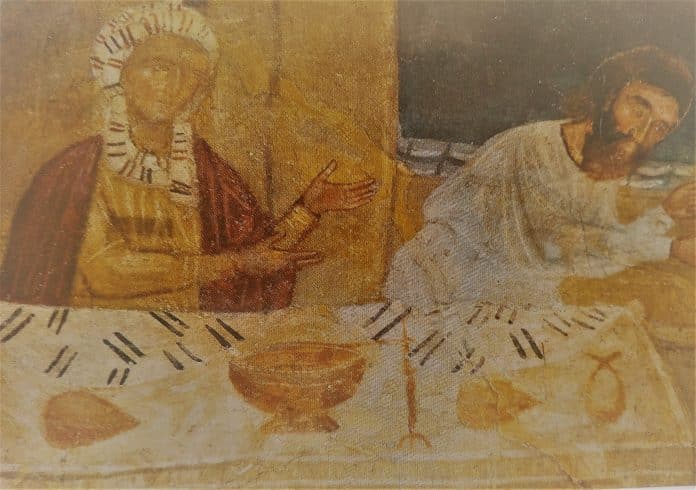
Illustration: Icon “The dinner of St. Joseph and St. Anna”, Wall painting from the Boyana Church (Bulgaria), XIII c.
Shelves in Russian shops are filled with bottles and cans of Hoegaarden, Stella Artois and Delirium Tremens
While many Western companies seek to distance themselves from Russia, the Belgium-Luxembourg Chamber of Commerce boasted of the success of its Belgian beers, which were the drink of choice in Russian stores.
The chamber of commerce released a video showing shelves in Russian stores filled with bottles and cans of Hoegaarden, Stella Artois and Delirium Tremens.
The Chamber notes with satisfaction that until now their monthly sales have remained at the levels of the beginning of 2022.
Their representative specifies that since beer and food products are not subject to European sanctions, they still have the right to transport and sell them in Russia. It is also possible to produce Belgian beers there, as long as the Russian companies that decide to do so have purchased the relevant licenses.
“We are happy that even in Russia they can still drink Belgian beer, as we are convinced that it is the best amber liquid in the world,” wrote the representative of Stella Artois on Twitter.
A little later he deleted his comment. The brag from the makers of Stella Artois comes as another iconic Belgian brand – Leffe – faces calls to boycott its products.
They were sent after the management of Leffe decided to open seven breweries on the territory of Russia. They announced this intention days ago and it caused an avalanche of angry reactions.
According to some analysts, behind the Belgian-Luxembourg Chamber of Commerce is its representation in Russia – respectively Russian citizens.
So far, the Federation of Belgian Chambers of Commerce, which represents accredited trade unions both in Belgium and abroad, has declined to comment on the matter.
The Federation only confirmed that the Belgian-Luxembourg Chamber of Commerce in Russia is one of their members, which is completely free to advertise its products.



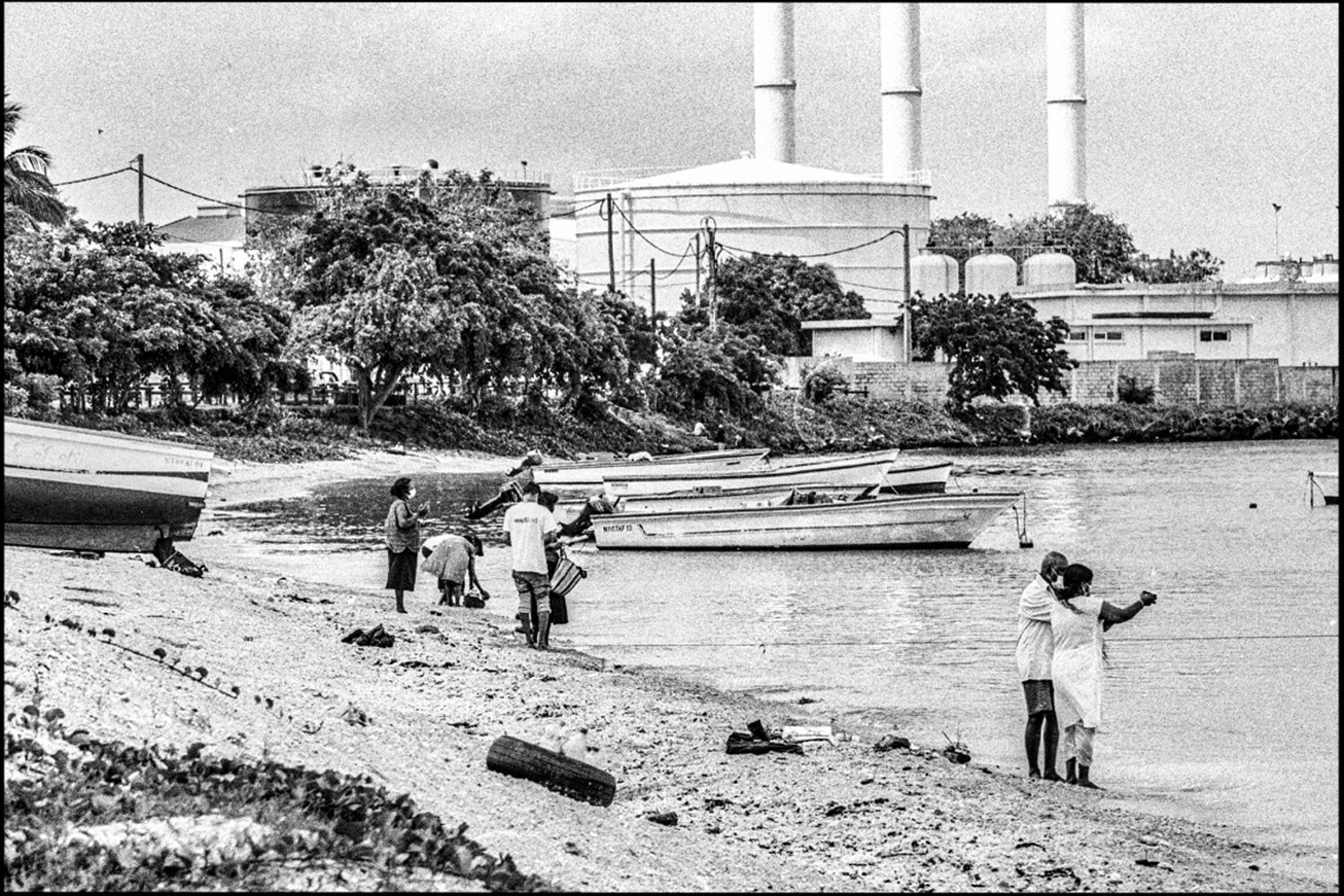 Bain de dames – decotees praying by the sea; © Keivan Cadinouche