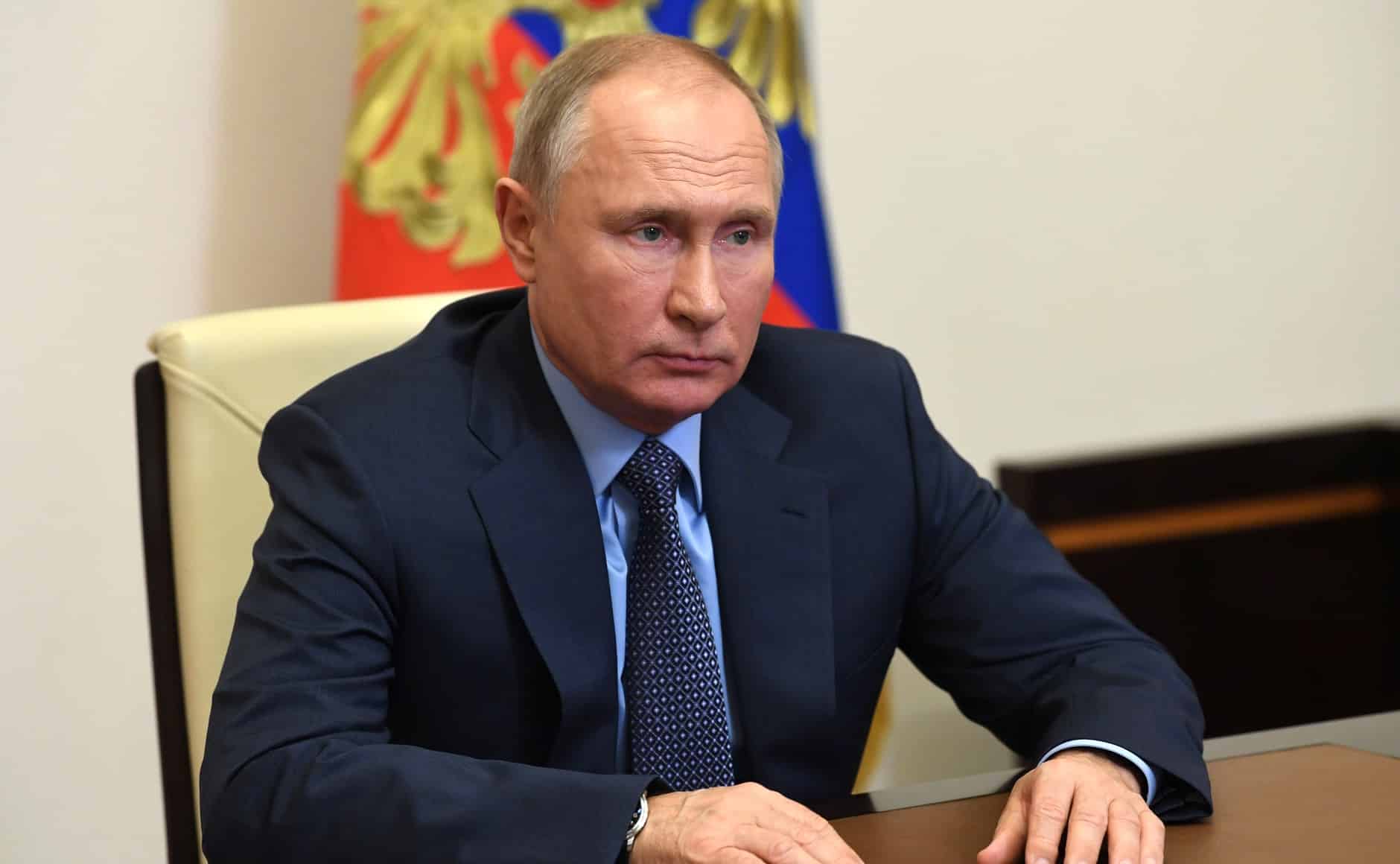
At a meeting with young people last week, Russian President Vladimir Putin assured that in 10 years they will live much better. “Solving the tasks will improve the quality of life,” he explained.
Putin added that Russia relies on “such young, energetic and successful people.” And that anyone who chooses to leave the country will regret it.
“This is not a threat. They will regret not because we are threatening someone, but because Russia is a country with great potential,” he said. “And many regret that they have to leave. able to make sovereign decisions. And we are a sovereign state, we must be ambitious for the future. “
Asked about the special operation, he said that Tsar Peter I had been waging a 21-year war in order not to conquer territories, but to regain previously lost Russian territories.
“Obviously now it’s up to us to return and strengthen,” he said.
Shortly afterwards, it was rumored that there could be referendums on autonomy in Donetsk and Luhansk.
Flowers can affect our mood. Their color sometimes affects our health. The science that studies and applies the health effects of flowers is called color therapy. How do flowers affect mood? Red color has a positive effect on the immune system, so it has a beneficial effect on the exhausted, undergoing surgery, suffering from spring or chronic fatigue. The flaming scarlet bouquet has an invigorating effect, “mobilizes” the nervous system.
In no case are red roses, cloves, dahlias, etc. served to people with hypertension, because the red color raises blood pressure!
Violet has a calming effect, strengthens the inner balance. Those engaged in mental work put on the table a vase with a bouquet in purple, as it activates the thought process.
The yellow color symbolizes the sun. It is attributed the ability to improve mood and activate. If you want people to be always sunny, “bright” flowers are served – yellow roses and tulips, daffodils, crocuses…
With all this in mind, we could distinguish between warm and cold colors. The warm ones include yellow, orange and red (the warmest is orange-red). The cold ones are blue, green and purple. However, it is possible for shades to make the cold warmer (for example, yellow-green is warmer than blue-green). In such cases, care is taken not to be dominated by warm colors (green dominates over ultramarine, but is lost over red).
In the combination of yellow and blue, in order to have harmony, the yellow must be less. Lighting makes the dark color more intense than the light color in the shade. If you are looking for a cheerful mood, warm tones are chosen, but for solemn occasions cold ones are preferred. A calm atmosphere is created by flowers of the same color. The combinations allow different shades of the same color in ascending line – white colors are suitable for bright, they harmonize with the cold, as well as light purple, light red, blue, bright orange and yellow.
Change your mood and surroundings with the color of flowers
How do flowers affect mood? Each of us prefers a certain color and this preference speaks for us. However, by choosing the right color, we can improve our mood, facilitate relaxation or, conversely, stimulate activity, namely to turn to a loved one with a flower. Flowers simply affect us in a fundamental way, and so do plant flowers. And if we combine the colors of the decoration and furniture of the apartment with flowers, we can move to one or another part of the apartment according to your mood.
White flowers
How do flowers affect mood? The white color of the flowers can relieve stress, depression and fear. If you are under pressure or the person you want to give a gift to is busy with work and care, duties, you are not up to date, white flowers will refresh you. White flowers create a feeling of freedom, purity, unrestraint. However, if it snows in the winter, you want something more colorful. And a little of the green. White also shows optimism, reliability, kindness, especially if you buy white lilies. Think of the spring atmosphere when fruit trees are in bloom. A little pink will only enhance the effect.
Yellow flowers – how do flowers affect mood?
Yellow flowers stimulate thinking, improve communication skills, relax and radiate inner peace. They are ideal for resolving important issues and for important meetings. However, the energetic yellow color also has its drawbacks. As a gift, yellow flowers can symbolize jealousy, self-love and self-pity, confusion, and childhood. However, if we do not mind and need to light the apartment, yellow is definitely perfect. Sunflowers in particular have a strong energy impact.
Orange flowers
Orange flowers relax the atmosphere, support communication, encourage, show a desire for openness. So, if you are about to deal with something unpleasant or decisive and you find it difficult to gather courage, do not forget to give orange flowers. You will help yourself and the other party. Orange gerberas are ideal because they symbolize truthfulness. On the other hand, orange gladioli are a symbol of patience and tolerance.
Red flowers
Red is an energetic, passionate and highly emotional color. People with a more violent nature (so-called hot heads) should avoid red flowers. But people who are softer, more restrained and looking for courage can use the power of this color. If we just need a rush of energy at all times, and also courage, red flowers are perfect. If you even give red tulips as a gift, you will give your loved one the most curious flowers in life. Red roses, for a change, symbolize devotion. However, it is better not to give away red carnations, because here the symbolism is completely different. Condolences.
Pink flowers – how do flowers affect mood?
Pink flowers symbolize loyalty, devotion, love, but also an apology in the form of orchids, as well as the desire for contact and affection, the desire to be heard, to debate, to discuss.
Purple flowers
Purple flowers are soothing, excellent for meditation, symbolize and inspire spirituality and harmony. So, if you want to clear your head, calm down, but also gain courage and strengthen your will, reach for purple flowers. Purple is also a sign of true emotion, of a big heart.
Blue flowers
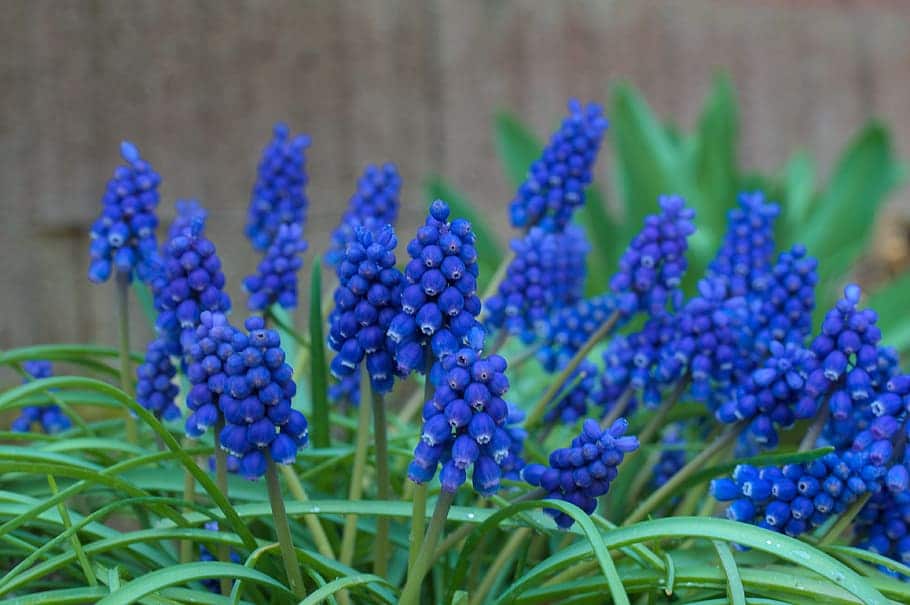
Blue is not a common color for flowers, but blue flowering plants are found. If you need to calm down, cool your passions, but also get inspired. Blue evokes feelings of happiness, calm, but also kindness and modesty, reliability, honesty.
The decree was adopted by “an unconstitutional body and in violation of the Constitution of the USSR”
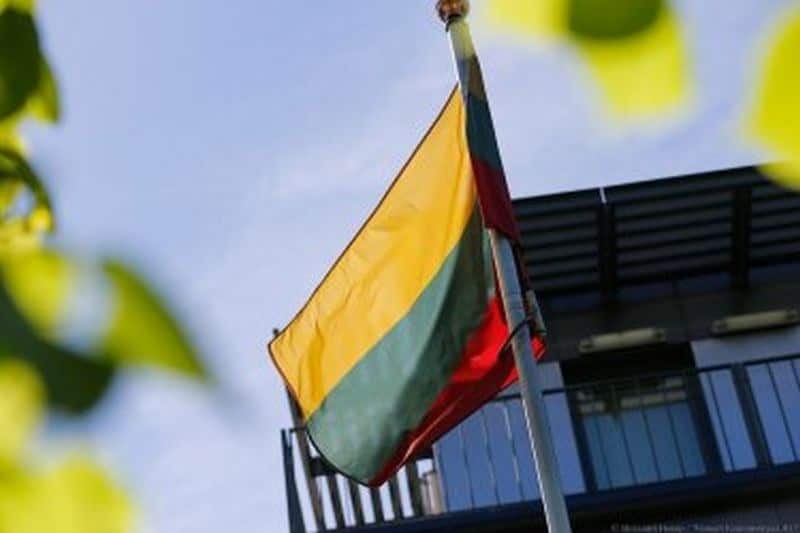
A bill calling for the repeal of the Decree of the USSR State Council “On the Recognition of the Independence of the Republic of Lithuania” was introduced in the Russian State Duma.
The project was submitted by Evgeny Fyodorov, a member of the ruling United Russia party. In his explanatory note, Fyodorov said that the decree recognizing Lithuania’s independence was illegal, “because it was adopted by an unconstitutional body and in violation of the USSR Constitution.”
The decree was adopted in 1991 at a meeting of the USSR State Council chaired by President Mikhail Gorbachev. He declared the recognition of Lithuania as an independent state.
Lithuania declared independence in March 1990. By the time the Soviet Union recognized Lithuania’s independence, it had already been recognized by more than 50 countries.
Fyodorov not only questioned this decree, but also stressed that Lithuania “did not have a referendum on secession from the USSR and no transitional period was established to address all contentious issues.”
Fyodorov questioned Lithuania’s independence in 2015.
Earlier, Lithuania, Slovakia, Latvia and Estonia called for the confiscation of Russian assets frozen by the European Union to finance Ukraine’s reconstruction after Russia’s invasion.
On May 3, Ukraine announced that about $ 600 billion was needed to rebuild the country from the devastation caused by Russia. But as the war is still in full swing, the amount has probably increased, the letter said.
In May, Lithuania stopped importing Russian energy, including oil, natural gas and electricity, making it completely free of Russian energy supplies.
The European stock exchange Nord Pool has decided to stop trading in Russian electricity from its only importer in the Baltic states, Inter RAO, which means that Lithuania no longer imports Russian oil, electricity and natural gas.
“This is not only an extremely important stage for Lithuania on its path to energy independence, but it is also an expression of our solidarity with Ukraine. We need to stop funding the Russian military machine, “said Energy Minister Dainius Cravis.
Lithuania will achieve full energy independence when it successfully implements synchronization, meets its electricity needs through local green energy production and becomes an exporter, Cravis added.
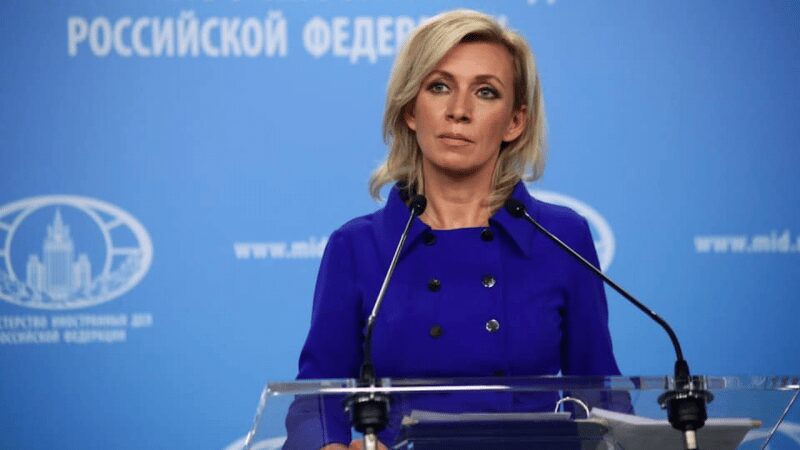
Russia has banned dozens of British journalists, members of the media and the defense industry from entering the country, the Russian Foreign Ministry said today, quoted by Reuters.
With this move, which Moscow says is a reciprocal response to Western sanctions and pressure on its state media abroad, 29 journalists and members of British media organizations such as the BBC, Sky News and the Guardian and Times it is forbidden to enter Russia by name.
More than a dozen British figures, who Moscow says are linked to the defense industry, have also been denied access to Russia. TASS clarified that the statement of the Russian Ministry of Foreign Affairs instructs 49 representatives of major British media, the army command and the military-industrial complex to enter Russia. Among those on the “black list” are the commanders of the British Navy and Air Force.
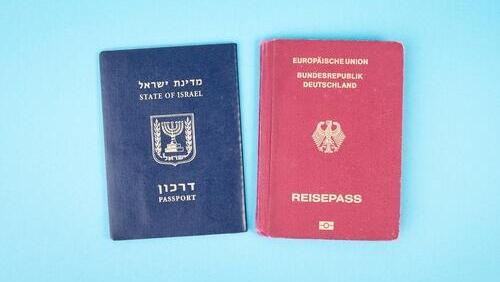
In June 2021, a new by-law on German citizenship came into force
New citizenship rules have been in effect in Germany for a year now, but many Israelis still do not know that they can apply for this passport. The by-law in question restores historical justice and allows persons whose relatives were victims of Nazi persecution to become holders of a German passport. Information about this can be found on the Israeli legal website Psakdin.
Meanwhile in the world
As Attorney Tal Ophir (https://www.psakdin.co.il/Lawyers/2296) explains, “Germany’s new laws make citizenship simple and easy for anyone who can prove their ancestors were German citizens between 1933-1945. “.
“As part of correcting a historical injustice, Israelis who are related to Nazi-era German citizens will not need to be in the country, take difficult language exams, undergo official interviews and submit documents on their economic situation to the authorities. There are no specific requirements other than proof of blood relationship with the former a German citizen and a legal connection between the applicant and the person in connection with which there is a justification for the request,” says Tal Ophir’s article on the legal website.
According to him, the granting of German citizenship is no longer conditional on the renunciation of existing citizenship – the new amendment also allows you to have an Israeli or other passport.
► German nationality law and new regulations
Despite many reservations that in the past made it impossible for the descendants of female Holocaust survivors to obtain citizenship, the reform expanded the provisions of sub-article 116 of the German constitution. This subarticle redefines descendants in accordance with the German constitution (Grundgesetz). It allows citizenship to be conferred on the maternal side (and in the case of illegitimate birth, also on the paternal side). This significantly expands the circle of those entitled to citizenship.
In the past, the descendants of Holocaust survivors or women whose citizenship was revoked in 1941 could only acquire citizenship if they were born before 1953. This rule led to discrimination against almost half of the people associated with Nazi Germany. The entry into force of the new version of the law makes it possible for these people to apply as well.
► Who is eligible for German citizenship?
Under the new rules, children, grandchildren, great-grandchildren, and sometimes even great-great-grandchildren of holders of German citizenship can acquire citizenship.
The German nationality law is based on blood law. That is, applicants do not have to live in Germany or stay there for a certain period of time to obtain citizenship. In the process of obtaining it, there is no need to come to Germany.
► Issuing a German passport to children
With regard to minor descendants, the rule applies: if one of the parents already has German citizenship, there is no need to go through all the procedures. Granting citizenship to minors will become a consular procedure with registration at the embassy. You need to contact the German embassy, order a queue and come with a birth certificate (teudat lida) and proof of the parent’s citizenship (citizenship certificate and / or passport). The birth of a child is registered in the population register of Germany and the child automatically receives citizenship.
For adult descendants of German citizens, the procedure for proving kinship with a German citizen will be simplified, since the latter is already recognized as a German citizen. However, the applicant will have to go through the same procedures within the same time frame.
► Citizenship process
The process of granting foreign citizenship requires careful work, adherence to a schedule and many rules related to the law. It also requires the professional quality of drafting the appeal. To do this, you need to contact an experienced specialist who is familiar with German laws and speaks German – this will increase the chances of a positive decision. So advises the lawyer Tal Ofir.
► How long does it take to get a passport?
On average, the process is 1-2 years from the start of official procedures. There are individual cases that require genealogical analysis and search for lost documents of the owner of the original citizenship. Sometimes delays are related to the work of the German commissions responsible for approving requests. In such cases, the process takes longer, but not more than 3 years.
► Required documents
As with any procedure for obtaining citizenship, it is required to prove your connection with the German state. This proof consists in providing the documents of his relative, who was a German citizen in 1933-1945.
These documents include a birth certificate, a diploma from a recognized academic institution, marriage/divorce certificates, or other document showing ties to Germany.
At the same time, in the 30s, 300,000 Jews were forced to leave Germany, and they could not always take documents with them.
In such cases, it is necessary to search for documents in Germany. Genealogy department of the law firm Decker, Pex, Ofir & Co. does this all the time and has already helped many clients to find documents and obtain European citizenship. This is a paid service.
► Advantages of German citizenship
Since the German economy is one of the most powerful in Europe, citizens of the country can receive many benefits. This applies both to those who settle in the country and to those who live abroad during the entire period of possession of the passport. The conditions for holders of a German passport include:
• Opportunity to live and work in EU countries without restrictions – in France, the Netherlands, Italy, Hungary, etc.
• Improved benefits package at work: pension contributions, annual leave, sick leave, health insurance and special social security conditions.
• Visa-free entry to the US and Australia – countries where Israelis must obtain a visa when traveling, as well as the possibility of visiting countries where Israelis are not allowed to enter – Qatar, Malaysia, Venezuela, etc.
• Education in selected universities free of charge or with a scholarship. Obtaining diplomas from reputable universities all over the world and in the EU countries.
• Subsidized modern medical services – available in all EU countries and Scandinavia at prices for local residents.
• Starting a business and buying real estate – setting up a business in the EU countries and receiving substantial tax benefits.
From ancient times the people have been looking for ways to destroy each other. Poisons are among the easiest and quietest ways to get rid of enemies. Many famous dictators and rulers even had a special servant whose main task was to taste the food before them for fear of being poisoned. Toxic substances are numerous and varied. Some of them lead to health problems, others “kill” slowly, and in others death occurs instantly.
Some of the strongest poisons in the world
Arsenic
Classic poisoning was especially popular during the Victorian era. At that time, arsenic was used in many household products such as paints and wallpaper. Arsenic poisoning leads to severe ailments such as bleeding, vomiting, accompanied by sharp pain. Death occurs after painful convulsions, coma and circulatory failure. A few hours after ingestion of the poison are sufficient until a fatal outcome is reached.
Cyanide
We often read about cyanide as a fast-acting poison in crime and spy novels. Cyanide was one of the components of Cyclone B gas, which was used by the Nazis in concentration camps during World War II. Death occurs instantly. Cyanide impedes cellular respiration, the body stops producing energy, leading to “internal asphyxia”. It occurs in the form of gas (hydrogen cyanide) and white powder (potassium cyanide). In its natural form it is found in apricot kernels and some plants. Symptoms of cyanide poisoning are rapid breathing, nausea, severe convulsions. It smells of bitter almonds.
Ricin
Ricin is extracted from the seeds of the plant and is a residual product of the oil. If taken with food, it is not always fatal because it is difficult to digest. The substance is lethal if inhaled or injected directly into the circulatory system. Ingestion of plant beans has the most certain lethal effect. Castor oil is one of the “slow poisons”. Symptoms appear within a few days of taking it. In the United States and Russia, it is defined as a chemical warfare agent. It is alleged that Saddam Hussein used ricin against his own countrymen. During the autopsy of the Bulgarian journalist and writer Georgi Markov, it was established that he was killed with ricin, contained in a small ball fired from an umbrella. And yet what is the strongest poison? Experts give 2 answers to this question: polonium and botulinum toxin.
Polonium
Polonium is a radioactive element, making it difficult to find and even more difficult to transport. Fortunately, very few people in the world have access to it. It is considered to be the strongest poison of the 21st century. He is linked to the deaths of Russian dissident Alexander Litvinenko, journalist Anna Politkovskaya and even Palestinian leader Yasser Arafat. Polonium is extremely toxic to living organisms. Its most common form is polonium 210, which is 250,000 times more toxic than hydrogen cyanide. Even 1 gram of polonium 210 can kill 10 million people.
Botulinum toxin
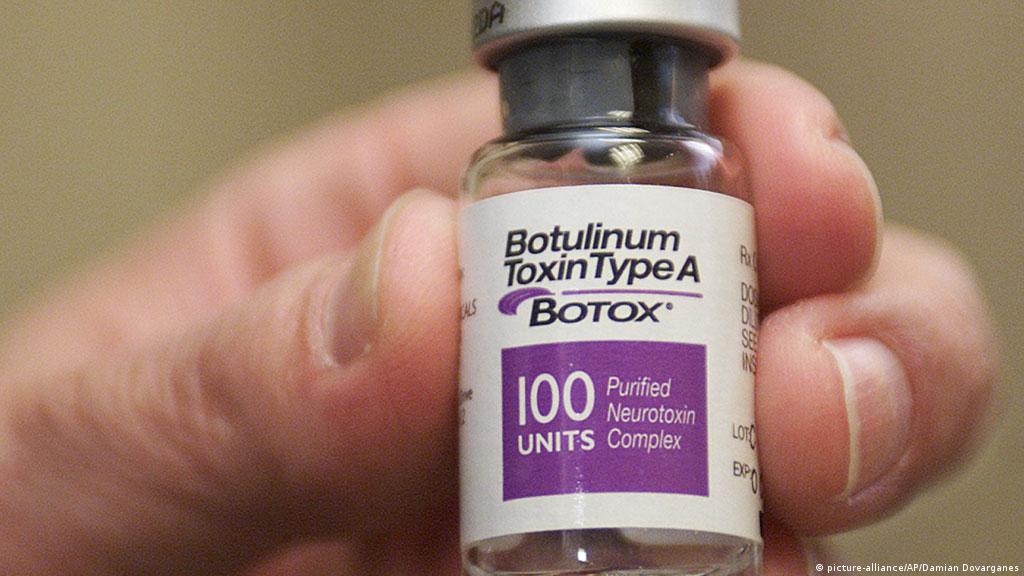
It is not among the most popular poisons, but it is certainly the most deadly. Botulinum toxin is the strongest poisonous substance known to mankind. Just one tablespoon of botulinum toxin can kill more than 1 billion people. It is estimated that under Saddam Hussein, Iraq has accumulated three times as much of this poison, which could eliminate life on the planet. The toxin is created by the bacterium Clostridium botulinum, which is widespread throughout the world. It causes botulism by ingesting the bacteria along with food. This food poisoning has killed millions of people over the centuries. It can be avoided if the food is heated above 100 degrees. Today, botulism is rarely fatal. Botulinum toxin is widely used in cosmetics and medicine – to treat excessive sweating and smooth wrinkles in the form of Botox.
As the Swiss physician, alchemist and philosopher Paracelsus said 500 years ago, “All things are poisonous and there is nothing that is not poisonous. It’s not the poison that poisons, it’s the dose. “
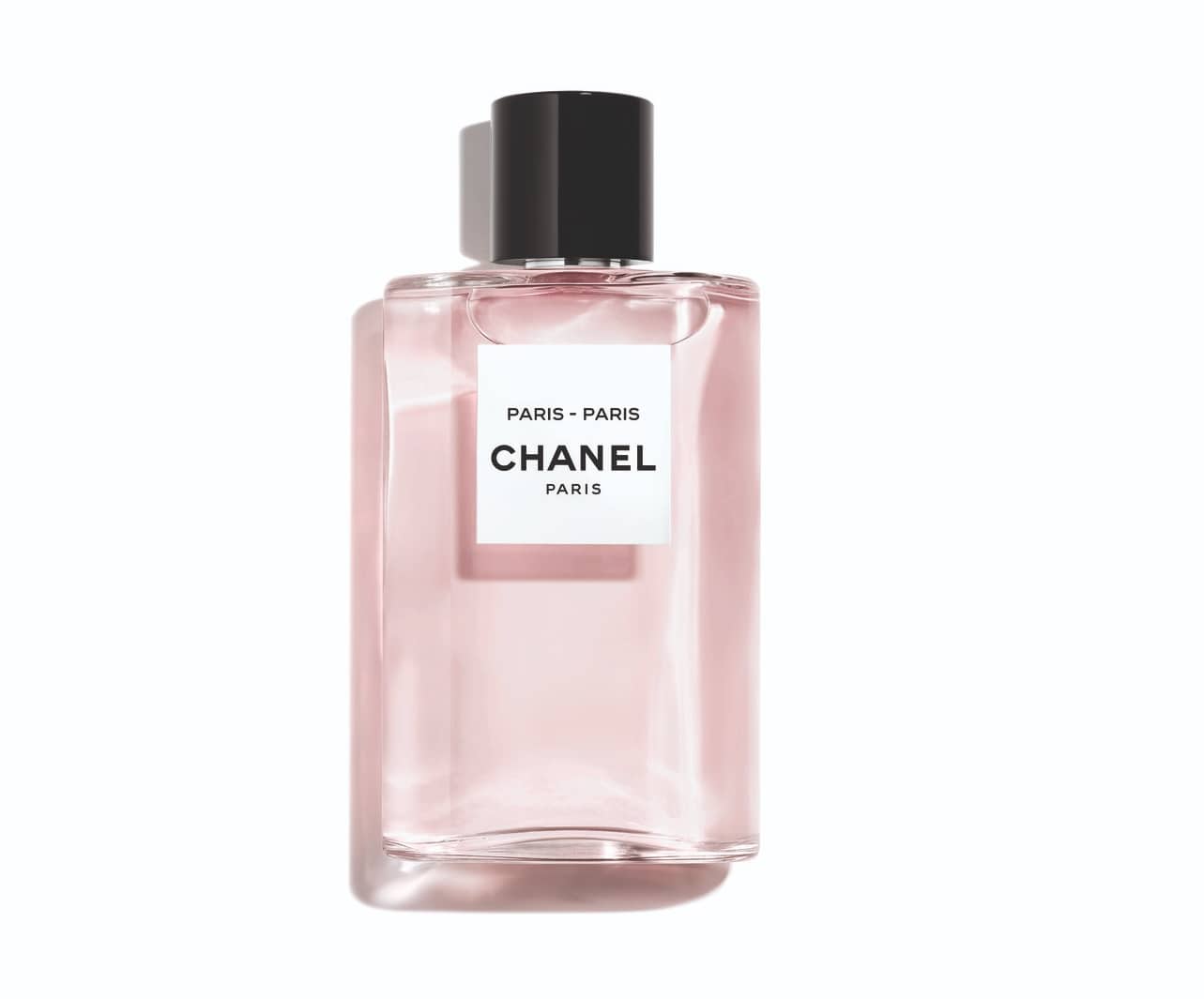
Rose is definitely the biggest star of 2022. Let’s remember the Tom Ford rose garden (Rose de Russie, Rose d’Amalfi and Rose de Chine), the beautiful Eau Rose by Diptyque or Mémoire de Roses by L’Artisan Perfumer. The house of Chanel also presented its ode to the queen of flowers – Paris-Paris.
The new creation is the sixth stop on the Eaux de Chanel journey, in a collection created by the house’s perfumer Olivier Polge. Not content with just being the queen of flowers, the rose seems to have become an iconic flower in Paris. For example, Yves Saint-Laurent sang it in their classic powdery-fresh Paris 1983, and Diptyque chose it for the chypre-floral Rose Capitale (2019). Of course, Paris is often called the most romantic city, and the rose symbolizes love, tenderness, passion and other romantic feelings and emotions.
It also seems that after two rather bleak years, most perfume brands are trying to help us see the brighter sides of life again.
So, what kind of journey does the new fragrance of the Eaux de Chanel line offer us?
– the laid-back, very Parisian elegance that Olivier Polge says was his source of inspiration. In a fresh interpretation of Chanel, the rose-patchouli accord is complemented by airy, sparkling citruses. Thanks to this, the elegant duo acquired an unexpected lightness, embodying the laid-back elegance of the Parisians.
In the top notes of the composition we find tangy hints of pink pepper that perfectly accentuate the spicy facets of damask rose. In the background, the patchouli reveals its earthy nuances without weighing it down, but highlighting the green and woody aspects of the queen of flowers. This rose scent is very airy, perfect for warm, sunny days.
The sixth opus Les Eaux continues to explore important routes for Gabrielle. This time, Chanel invites us to a vibrant and timeless city, Paris, so beloved by Coco. Previous editions of the line have invariably chosen Paris as their starting point to end their journey in Biarritz, Deauville, Venice, the Riviera or Edinburgh. Which begs the question: does this novelty mark the end of the journey? We’ll have to wait to find out the answer…
Photo: Paris-Paris from the Les Eaux de Chanel collection is available as a 125 ml bottle at a price of 135 euros.
Regular meetings with friends, during which a person drinks an average glass of wine a day, reduce the risk of early death from senile dementia, in particular from Alzheimer’s disease, by 77%. Such data were obtained by scientists from the University of Southern Denmark.
Moderate alcohol consumption is known to reduce the chances of developing heart disease and stroke. However, in light of the evidence that alcohol negatively affects brain cells, its role in the development of senile dementia, or dementia, was considered unambiguously negative.
To test this situation, Danish doctors followed 321 patients for 12 months who were found to have early-stage Alzheimer’s disease. The researchers tracked the subjects’ health status and how often, how much, and with whom they consumed alcohol.
According to the results, the chances of dying from Alzheimer’s disease were equal in those who drank a lot or did not drink at all. And in the group who drank an average glass of wine a day, the risk of dying from dementia decreased by 77%.
At the same time, doctors believe that alcohol in itself does not improve brain function, but it does not harm it either. A large number of social contacts influenced the condition of patients much more strongly. That is, regular meetings with friends allow people to resist senile dementia.
Previously, a team of Scottish specialists received similar data: she was able to prove that 125 milliliters of wine drunk daily can prevent the development of dementia in older women. Meanwhile, among the panacea for Alzheimer’s disease, German researchers called daily walks, and American scientists called sleeping on their side.
Rose flowers are edible. Rose petals are good to use in cooking – they are loved by chefs and pastry chefs. For cooking and drinks, you can use rose water, petal jam, various syrups and tinctures. Also, the petals of these flowers can be added to various dishes or candied.
Which roses to choose for use in cooking
Damask roses are well suited for rose water. Garden roses (wrinkled rose hybrids) are traditionally used for desserts. But it should be borne in mind that red and white roses often have a very weak taste and aroma, it is better to choose yellow and pink ones for adding to dishes.
Petals are harvested early in the morning, as soon as the flowers have blossomed. Be sure to cut off the white part at the bottom of each petal – it has a bitter taste.
What to cook with rose petals
In the East, rose petals are put in a mixture of spices along with cinnamon, cloves, cumin, turmeric, pepper, coriander. This is a good option, for example, for marinades for traditional grilled poultry dishes.
In Europe, rose petals are added to salads and to many dishes served with tea or for dessert. These are rose petal jam, almond biscuits or semolina puddings and other desserts. Homemade lemonade from rose petals and cucumbers is also very tasty and fragrant.
Dried rose petals can be added to tea or flavored with sugar. You can also put them in a sweet mixture of muesli with berries and honey.
If you want your baked goods to have a rose flavor, add some rose water or essence to your biscuit mix, pudding, or custard.
How to make candied rose petals
Candied rose petals can be consumed on their own, like candied fruits. Or decorate them with dessert or ice cream. It is very easy to prepare them. Lubricate each petal with beaten egg white, then dip in finely ground sugar. Then lay out the rose petals on waxed paper and leave until they harden.
Roses usually bloom for a week or two. However, there are some varieties that have a much longer flowering period.
Albanian Prime Minister Edi Rama joked with Macedonian counterpart Dimitar Kovachevski, referring to the dispute between Sofia and Skopje during the Southeast European Co-operation Summit on Friday (June 11th, 2022) in Thessaloniki.
During the meeting, a dinner was organized by the host – Greek Prime Minister Kyriakos Mitsotakis.
A video of the cocktail before dinner shows Mitsotakis introducing the Prime Minister of Northern Macedonia to German Chancellor Olaf Scholz, and Albanian Prime Minister Edi Rama approaching from behind and jokingly saying that Kovachevski is the prime minister of a country that will be in the future. known as “Western Bulgaria”, BTV reports.
This is not Rama’s first joking comment on the Sofia-Skopje dispute. Exactly a year ago, at the Economic Forum in Northern Macedonia, the Albanian prime minister joked with his then-Macedonian counterpart, Zoran Zaev, that he hoped Sofia would not ask Skopje to “call itself Western Bulgaria”.
Frustrated by their countries’ slow progress towards EU accession, the leaders of Serbia, Albania and the Republic of Northern Macedonia (PCM) met on Wednesday in the Ohrid Open Balkans initiative to discuss further boosting regional economic integration and labor market, the Associated Press reported.
Serbian President Alexander Vucic, Albanian Prime Minister Edi Rama and Northern Macedonian Prime Minister Dimitar Kovachevski signed agreements on tax administration, tourism and cultural co-operation, as well as mutual recognition of academic degrees for labor market purposes. The prime ministers of Bosnia and Herzegovina and Montenegro, Zoran Tegeltia and Dritan Abazovic, also attended the meeting.
Kovachevski, who hosted the Ohrid meeting, said the tax deal “will facilitate the movement of goods, capital and services. These are steps being taken to establish practices used by the European Union.” “The Western Balkans must be part of the European Union,” he said. “The war in Ukraine is a risk of increasing the influence of third countries in the region. Leaving a geostrategic gap in this part of Europe is not an option.
The three countries’ initiative, called the Open Balkans, launched in 2019. Other countries in the Western Balkans, Montenegro and Bosnia and Herzegovina, have expressed interest in joining the initiative, but this has not happened since. Kosovo is a staunch opponent of the initiative, although the country was invited because Pristina sees the initiative as a “revival of Yugoslavia”.
Serbia, Albania and Northern Macedonia are at various stages on the road to EU membership. Serbia has begun negotiations for full membership, while Albania and northern Macedonia are still unable to begin talks due to Bulgaria’s veto against PCM, the Associated Press reported. Albania’s European path is linked to that of northern Macedonia, so Bulgaria’s veto is preventing both sides from moving forward.
Rama from Albania commented on the situation as follows: “Bulgaria will at some point get bored of this game and find another toy to play with,” he said. As for the EU’s position, he said: “If they want a wedding, we are ready. If they don’t, we are still here. No problem.” “I will say this directly,” Rama added. “When I went to Brussels, they encouraged me. Now that I go to Brussels, I am the one who should encourage them.”
Photo: Edi Rama presents Kovachevski as Prime Minister of “Future Western Bulgaria” Staff: YouTube / LifeEvents