Scientologists Speak Out After Germany Surveillance
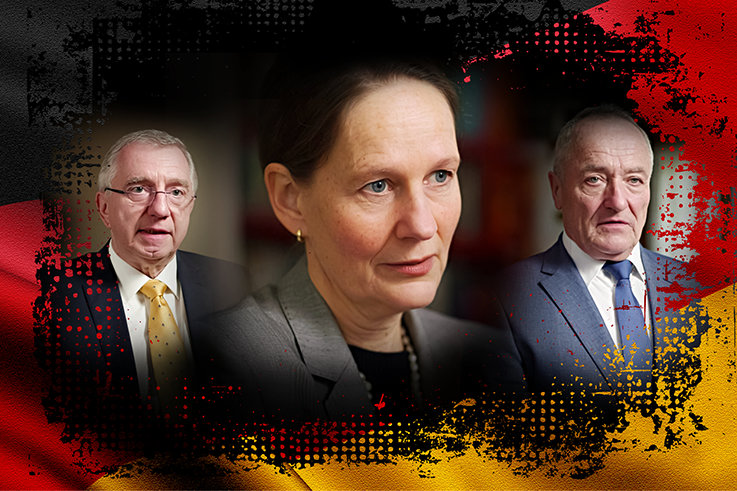
As Germany ends nearly three decades of surveillance of Scientology without proving the threat once alleged, Scientologists are speaking publicly about the personal cost: damaged careers, public hostility, family intimidation and years of social exclusion.
For nearly 30 years, Scientologists in Germany lived under the shadow of state suspicion. Now, as Germany’s Office for the Protection of the Constitution ends its long-running observation of Scientology, a new report by STAND, Scientologists Taking Action Against Discrimination, places the focus not on political theory, but on people.
The article argues that the surveillance campaign did not establish the threat it had long suggested existed. Yet, according to the Scientologists who spoke out, the consequences were deeply personal and concrete.
They describe a climate in which members of a minority religion were portrayed as suspected enemies of democracy, despite what STAND describes as an absence of terrorist acts, violent conspiracies or criminal campaigns tied to the Church of Scientology.
Careers, families and reputations affected
Among those cited is former political reporter Hans Bschorr, who describes losing professional standing and livelihood after rumours spread about his Scientology faith.
Former local parliament member Thomas Röder recounts public attacks, media targeting and even death threats directed at his family because he was a Scientologist.
Billie Wegmann tells of hostility surrounding her child’s school, which STAND says escalated into physical aggression and threats of police removal after other parents discovered her affiliation with Scientology.
Taken together, the accounts present a wider picture of the human cost of government suspicion when it becomes part of public life. For those affected, the harm was not abstract. It touched employment, family security, public dignity and the ability to take part in ordinary civic life without fear of being marked by one’s religion.
A campaign without the threat it claimed
The central issue raised by STAND is that, after decades of surveillance, the German government is ending the campaign without having proved the danger used to justify it.
For Scientologists, that outcome raises serious questions about proportionality, accountability and the protection of minority beliefs in democratic societies.
The article describes the experience as part of a broader climate of institutionalized discrimination, fueled by official suspicion, “sect filters” and public campaigns that portrayed Scientologists as dangerous despite the absence of evidence supporting those claims.
In that sense, the end of surveillance is not only an administrative development. It also opens a wider debate about how democratic states should treat unpopular or misunderstood religious minorities, and what safeguards are needed when public authorities help shape suspicion against them.
The human question behind the legal one
The end of the surveillance campaign may close one chapter. But for the individuals who say they lost careers, reputations or peace within their own families, the deeper question remains unresolved.
What happens when a state spends decades watching a religious community, only to end that watch without proving the alleged threat?
For the Scientologists quoted by STAND, the answer is clear: the most lasting damage was not what the government found. It was what the campaign did to people along the way.